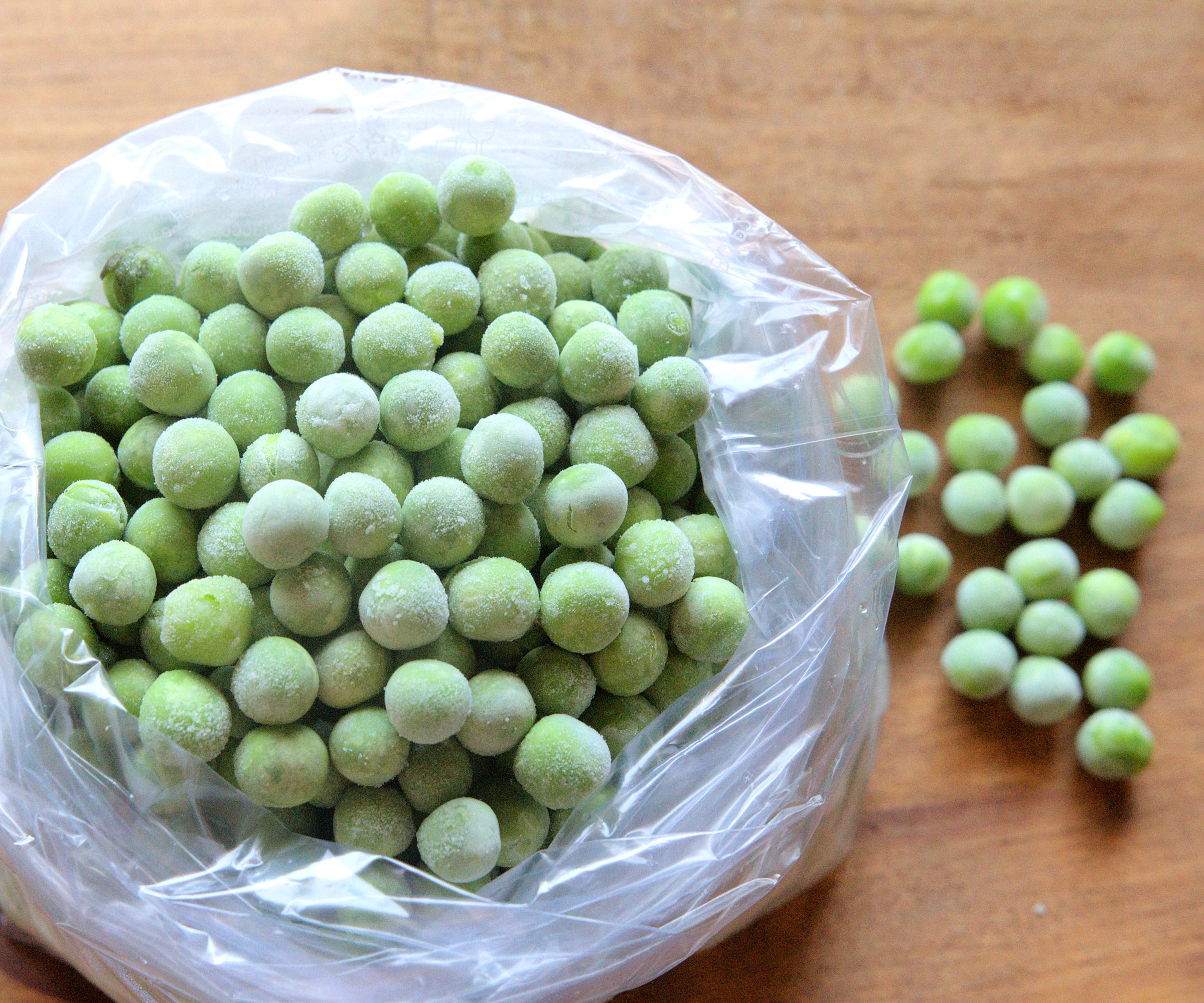
Birds have a rough time of it in a heatwave. They can’t sweat, they’re burning energy just panting to cool down, local insect activity plummets, and the puddles they’d normally drink from could be baked dry by midday. As temperatures soar past 90°F (32.2°C), a bird is expending more water than it can find, in search of diminishing resources, which is where a bag of frozen peas is one of the handiest things lurking in your kitchen.
Here’s what makes them so great for attracting birds through summer heatwaves. A frozen pea is roughly 80 percent water, locked in something solid. Set a few out, and they don’t soak away into dry ground the way a splash from the hose does. Instead, they thaw slowly and give moisture back over a longer time period. On top of that, peas are soft and sweet, easy for a heat-stressed bird to swallow.
Introducing a small handful of thawed green sweet peas into your backyard is nothing short of a lifeline. It delivers instant moisture in a tidy and reliable form, along with gentle, easily digestible plant sugars. And it does this right when extreme heat can cause sluggishness and stress in your feathered pals. So crack open that underused bag of peas, and give your birdies a unique pick-me-up.
Why Does it Have to Be Peas?
The water content of a pea (Pisum sativum) is what sets it apart as our special summertime treat for birds. A dry seed or a stale crust hands a bird calories, but costs it water to digest. And water is the one thing it can’t spare when it’s already dehydrated. A thawing pea carries vital hydration and some gentle nutrition in the same soft mouthful, no debt attached. Blackbirds and robins take to them readily. So do starlings, tits, and sparrows, the ground-feeders having the easiest time of it.
You might be wondering if sweetcorn, diced carrots, or frozen lima beans can do the same job. Sweetcorn has a fibrous, heavy cellulose husk that demands significant digestive water to process. Under intense afternoon sun, corn sugars ferment at high speed, creating sour, gut-distressing compounds. Carrots and lima beans are far too rigid, posing choking hazards for small throats. Sweet peas, by contrast, possess paper-thin, easily ruptured skins, enclosing a soft interior. This bird-friendly bundle is packed with electrolytes, vitamin C, and gentle plant protein.
As a special bonus, the price is so low as to make this a relative steal for bird-lovers. A bag of Great Value Frozen Sweet Peas from Walmart is very inexpensive and covers plenty of afternoons. You can thaw them first, or just scatter them still frozen. Either way, they’ll be at air temperature before long. Skip the salt, butter, and seasoning, though. Plain is the only version of a pea that belongs outside, either scattered on the ground or on a deck.
For ground based feeding, you can get mesh trays like the Kingsyard Heavy Duty Ground Feeder Tray from Amazon to keep scattered peas elevated off hot soil, while preventing dampness and rot. Or you can put peas in the hanging tray version – the Kingsyard Platform Bird Feeder Hanging Feeder Tray, also from Amazon. You can leave out peas on a balcony just as you would in a full garden. These peas provide days of hydrating, high-moisture summer treats for foraging birds.
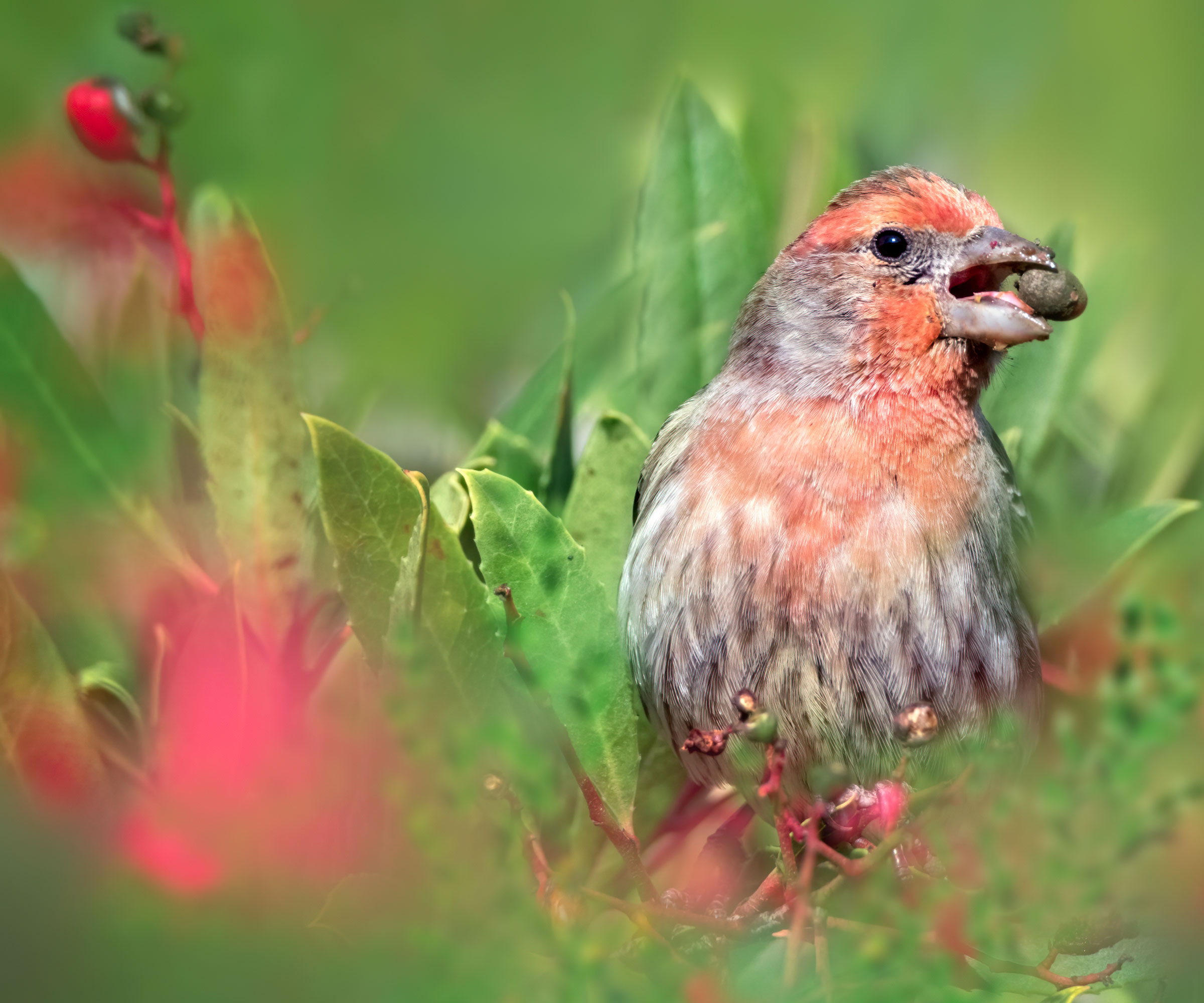
While ground-foraging thrushes (like the American robin) and bold thrashers jump at whole peas, smaller species like house finches, Carolina chickadees, and tufted titmice prefer their peas slightly crushed. Taking 10 seconds to lightly smash a small batch with the back of a fork breaks the skin, releasing the sweet juice and making it easy for tiny beaks to pinch off soft morsels.
What to Do with Your Peas
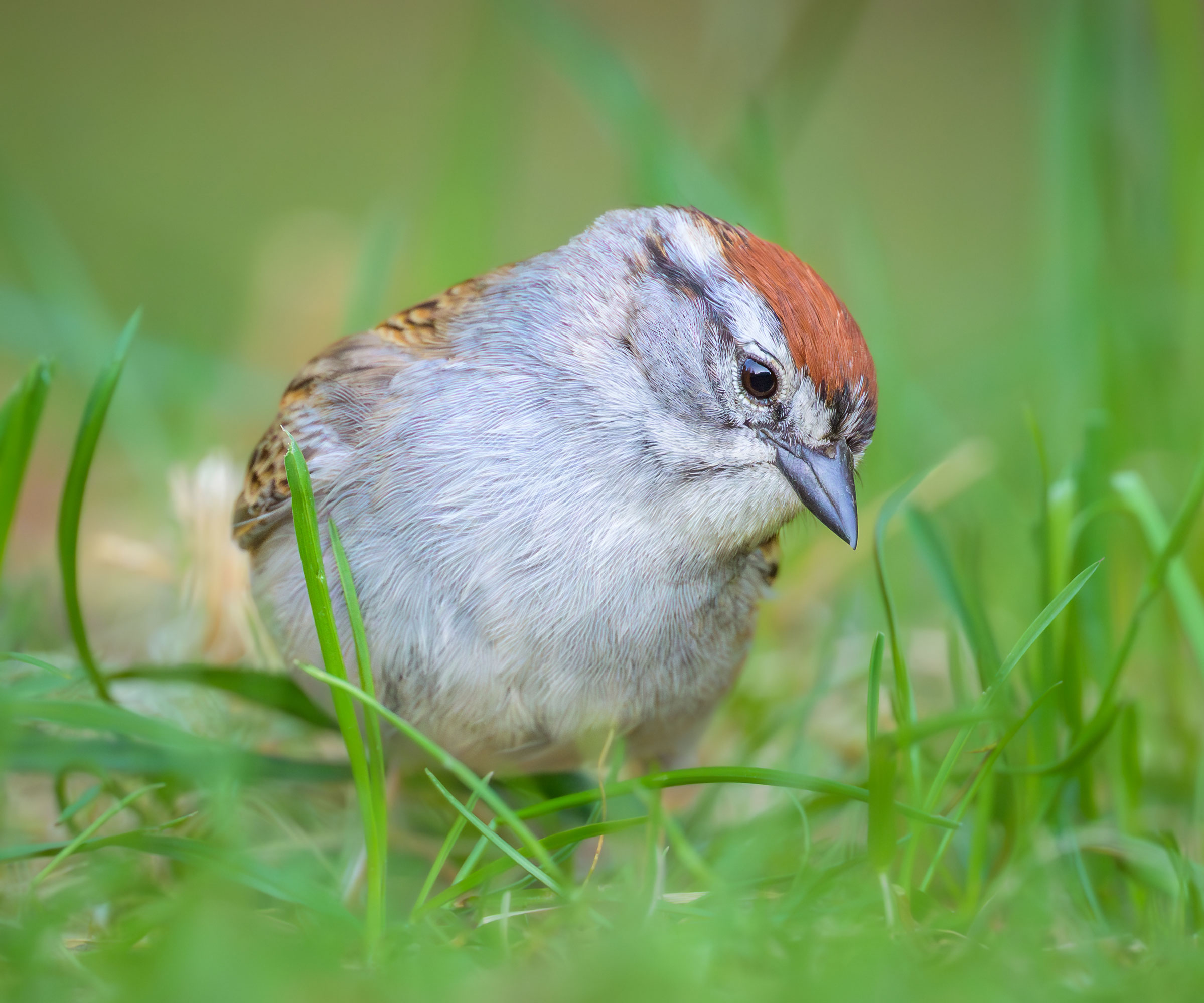
Placement has a big impact on how well this pea treat works. A handful tossed onto an open lawn in full sun will turn to warm mush in no time. Furthermore, songbirds like gray catbirds, song sparrows, and bluebirds are hyper-aware of aerial predators. Setting out food in direct sunlight leaves them exposed. The shade is where they belong. Under a shrub, beneath a garden bench, along the shaded edge of a fence — anywhere out of direct sun keeps them cool and appealing for longer, and gives smaller birds somewhere to feel safe while they feed.
Timing helps, too. Putting them out in the early morning and again toward evening catches birds when they’re most active and keeps the food from sitting through the hottest middle hours, inevitably going bad. As well as using a tray or flat feeder (or just some lawn), you can use very simple shelving units to house your peas. The Vattenkar Outdoor Plant Stand & Dish from Ikea is a clean, weather-resistant tray that sits perfectly in shaded borders for discrete ground feeding.
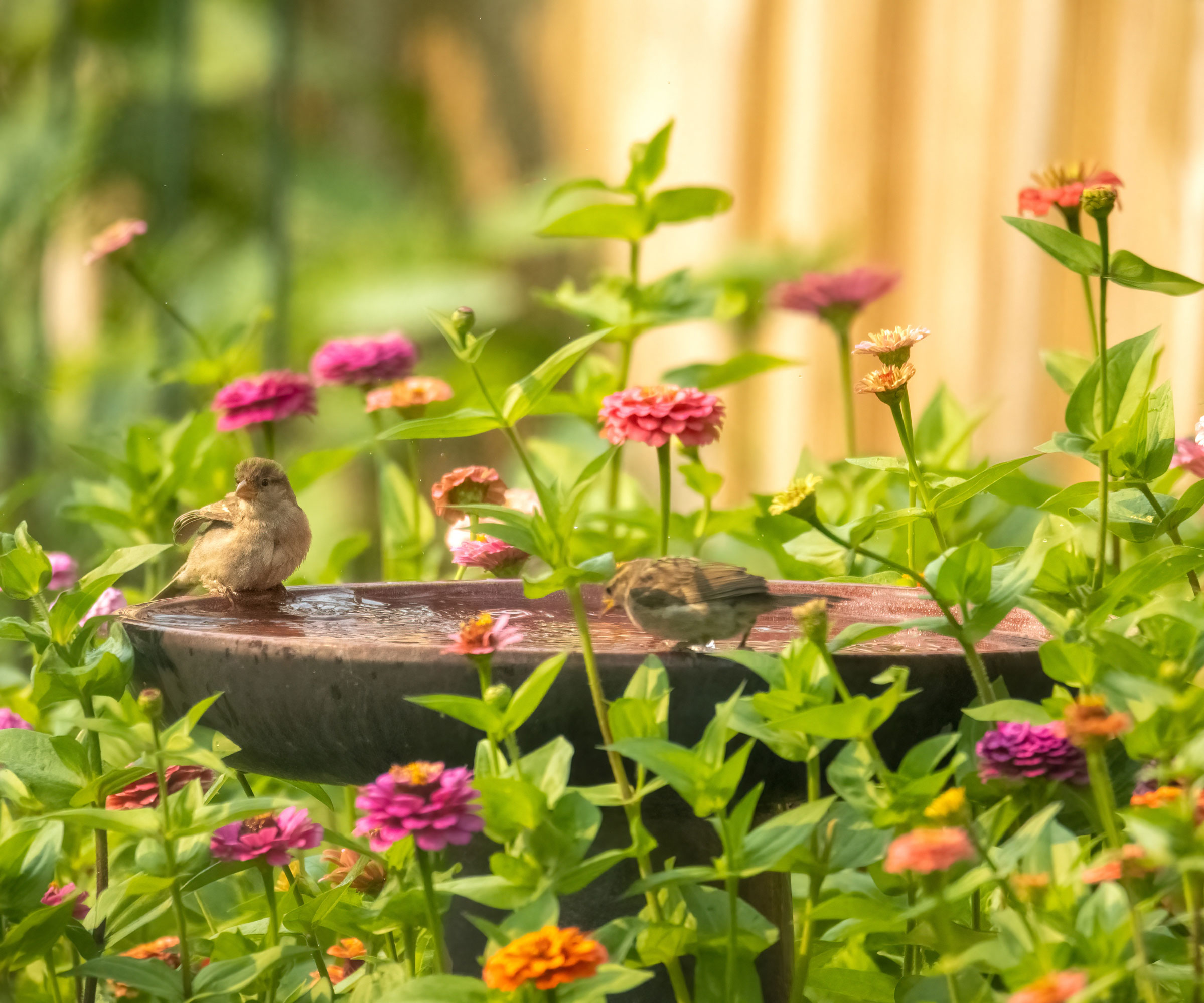
Floating them in water is even better. Drop a small handful of peas into a shallow ground bird bath, like the pretty Bakayoyo Ceramic Ground Based Bird Bath from Amazon. Using a 1.5-inch (4 cm) deep basin gives small songbirds a confident footing while positioning the peas at beak level. The bobbing catches the eye from above, which is how birds find water. Keep the water shallow, approximately an inch or two (2.5-5 cm) at most, and again, make sure the bath receives some shade.
The bright green color of peas against light-colored water is effective in drawing high-flying species like American goldfinches and ruby-throated hummingbirds. Floating peas bob, roll, and rotate as the water shifts, imitating live aquatic larvae. Keep water depths restricted to 1-1.5 inches (2.5-4 cm). Anything deeper creates panic for short-legged species like chipping sparrows. Also, stack a few rough river rocks in a slightly deeper bath, so visiting birds have a slip-free launchpad.
Safety and Comfort with Pea Feeds
Thawed peas sitting in summer heat go slimy and start to ferment, so clear out whatever hasn’t been eaten by the same evening. Small batches of peas beat one big pile for exactly this reason. A pea nobody ate in the afternoon is a problem by the next morning, drawing flies and rats to a spot that was meant to help (to say nothing of nocturnal visitors like opossums and raccoons). Rinse the dish weekly as well, since a feeding station used daily builds up mess that spreads disease between birds.
And bear in mind that frozen peas are best used as supplementary treats – not the only food you leave out. Growing songbirds still require dense amino acids and natural oils. Complementing your pea station with mealworms gives bluebirds and wrens critical animal protein. For added protein power, grab a bag of Kaytee Pet Products Dried Mealworms from Amazon for a way to boost the diets of your visiting bluebirds, robins, and wrens once they have hydrated. As with your peas, you can try pre-moistening a few mealworms in water so they are softer for bird gullets.
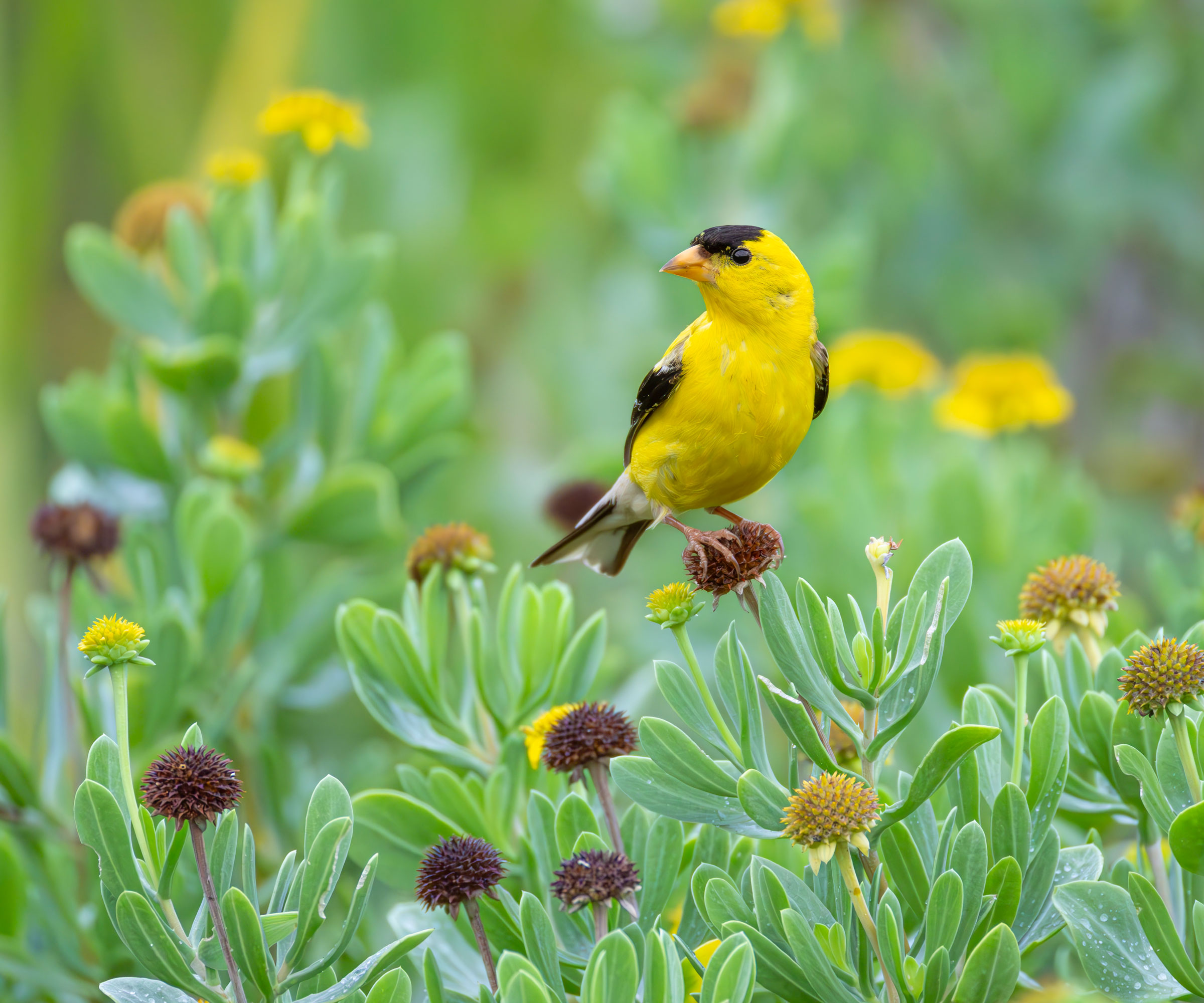
Native fruiting shrubs like serviceberry (Amelanchier) or native coneflowers (Echinacea) yield rich seed heads for cardinals and finches. Always try to wash your feeding dishes twice a week. Use a 9:1 water-to-white-vinegar solution to keep your yard’s sanctuary disease-free all summer long. Heinz All-Natural Distilled White Vinegar from Walmart is great value, non toxic, and tough on mineral crust.Just bear in mind that most birds will investigate new food cautiously at first, so it can take a day or two before they start taking them regularly.
Other Bird Bath Care Essentials
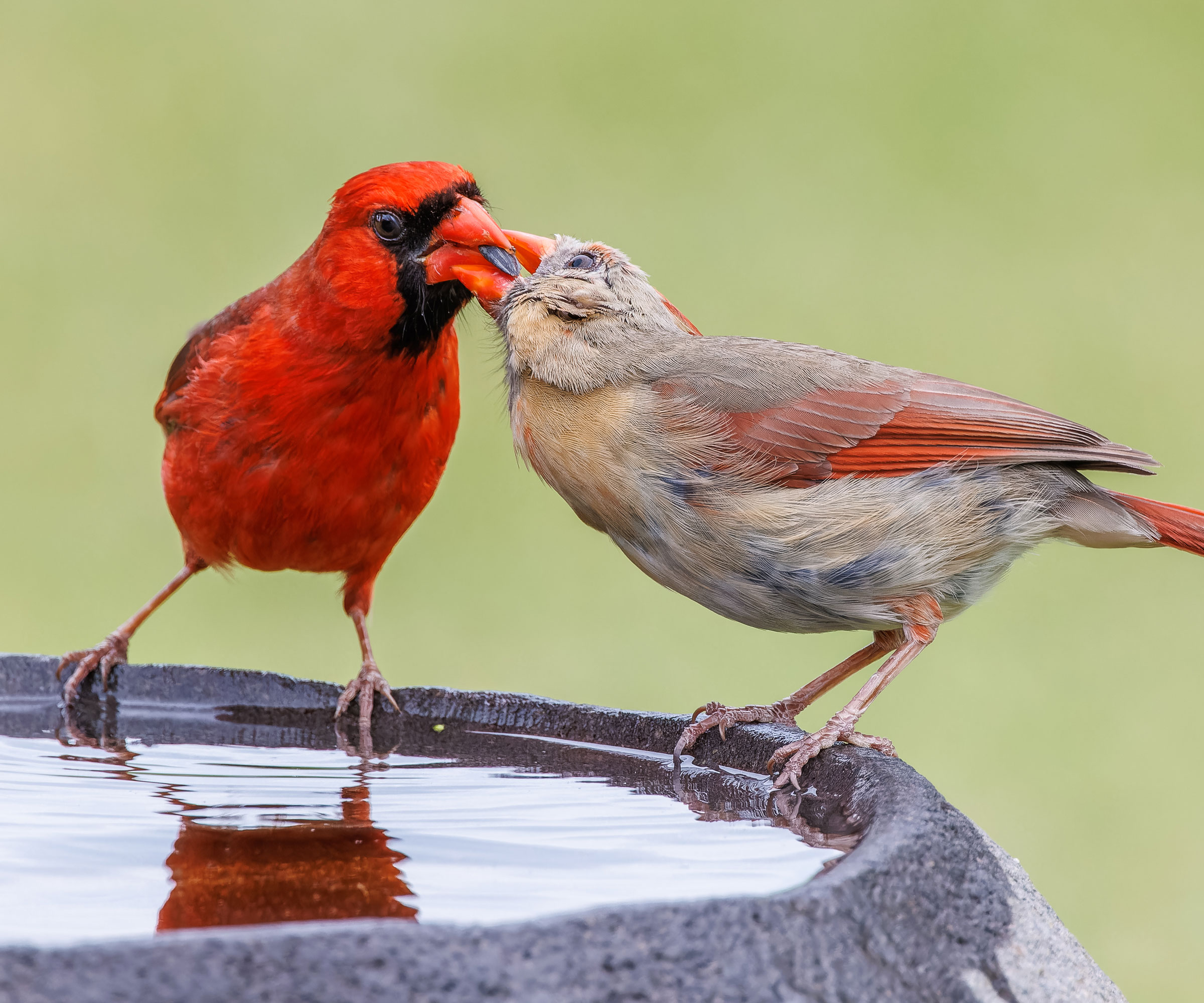
Above and beyond some well-timed and well-placed peas, creating the ultimate summer bird magnet comes down to one element: moving water. In nature, still puddles signal stagnation and parasites, whereas splashing water signals fresh, oxygenated hydration. Warblers, tanagers, and vireos (species that rarely visit seed feeders) will travel across neighborhoods when they hear a lively, splashing bath.
Adding a solar-powered fountain or a water wiggler breaks the surface tension instantly. Create continuous water ripples across the surface of the bird bath water, using the Solar Water Wiggler from Walmart. The highly rated Mademax Solar Bird Bath Fountain Upgrade from Amazon, can also be dropped into an existing bath for gentle sprays to keep water fresh, and charm warblers, thrushes, and songbirds. As a bonus, continuous surface ripples prevent female mosquitoes from laying eggs. Misting systems can also provide extra hydration points in heat. Mounting a gentle leaf-mister is compelling to delicate species like hummingbirds and goldfinches.
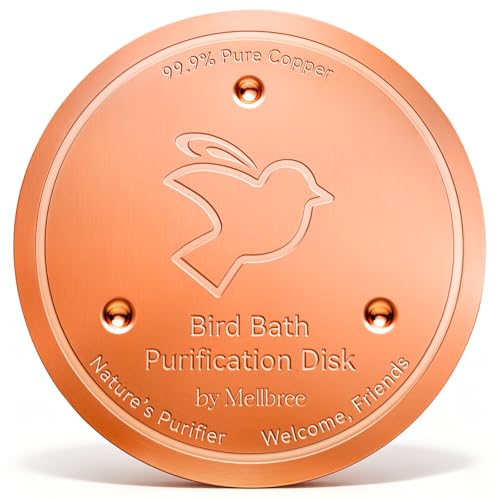
To combat green algae blooms caused by intense summer sun, drop a pure copper disc or heavy copper penny into non-metallic ceramic or resin basins. The natural leaching of trace copper ions helps to keep the water clear for days between scrubs. Dropping a copper disc into the basin also helps to keep water fresh for longer. One team favorite is the Melbree Pure Copper Bird Bath Disc from Amazon.
Shop Summer Extras
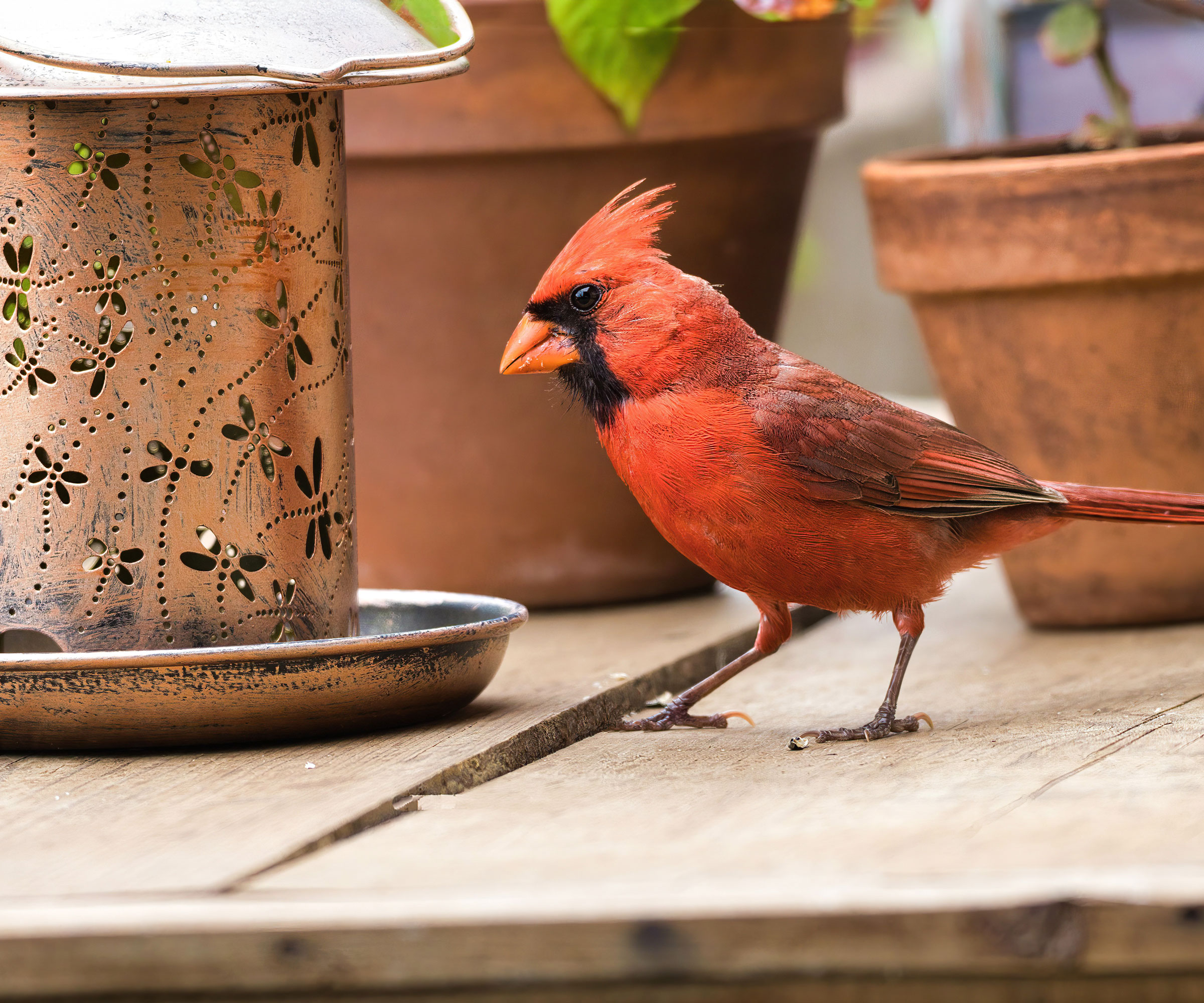
Those frozen peas are a brilliant emergency measure, but don’t use them in place of the basics. They are a very important emergency measure, but they will work better if you balance your bird care ritual with key feeding and bathing essentials. Make sure you have your bird bath needs covered in order to help with both the peas and conventional hydration and cleaning. These accessories will keep your feathered neighbors safe, hydrated, and happy.
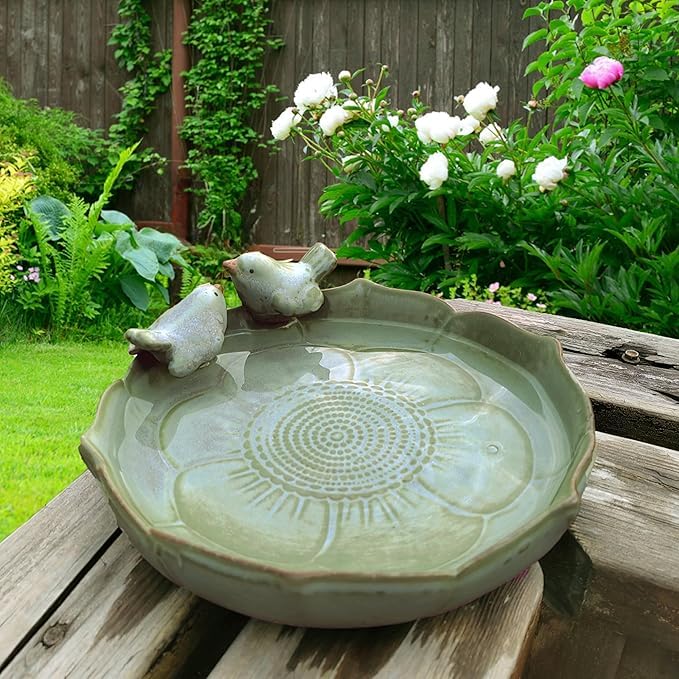 Sweet Shallow Basin
Designed low to the ground to mimic natural puddle drinking spots, this shallow ceramic basin is absolute perfection for ground-foraging birds like Robins, Sparrows, and Towhees. Its smooth glazed surface is effortless to wipe down, and the gentle depth makes it ideal for floating a handful of sweet peas on scorching afternoons.
 Sparkle Patrol
One of our favorite team picks, this simple disc is a brilliant, chemical-free way to maintain crystal-clear water. Placed in non-metallic ceramic or plastic bird baths, this solid copper disc releases micro-ions that inhibit green algae growth, cutting your scrubbing routine in half and keeping the water cleaner for longer.
 Clean Sweep
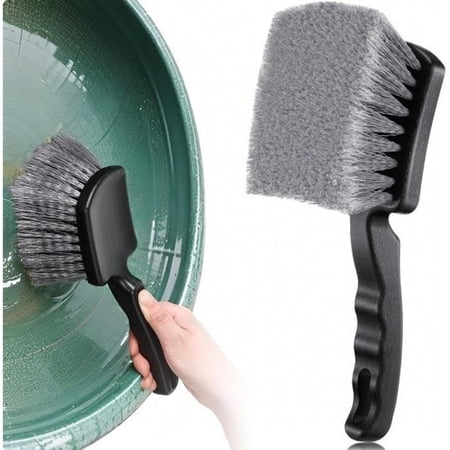
Keeping your summer bird bath clean is a breeze with this ergonomic utility brush. The stiff, durable bristles easily strip away stubborn green algae and mineral deposits without scratching delicate ceramic, stone or resin basins. Pair it with a simple splash of white vinegar for a safe, non-toxic deep clean.
Need more ideas for timely gardening jobs and seasonal expert advice delivered straight to your inbox? Sign up for the free Gardening Know How Newsletter!