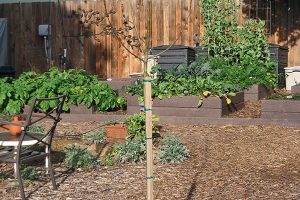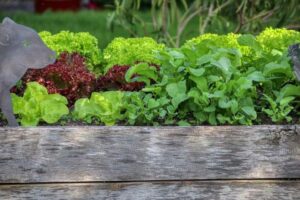
There are a lot of good reasons to grow plants in raised beds. The most important is that they give you more control over soil conditions. You can create the perfect blend and ensure good drainage. Raised beds are also easier to manage, especially if you have any mobility issues.
On the other hand, raised bed gardening has one major issue: water. Like containers, the soil in a raised bed will dry out faster than soil in the ground. This means you need to spend more time watering, unless you use one of these nifty strategies or easy-to-find tools and materials to create beds that are mostly or entirely self-watering.
Here are the four easiest and most effective ways to turn your raised bed into a self-watering garden that can withstand summer heat and drought or that you can leave for vacation and not worry about wilting.
1. Build a Wicking Reservoir
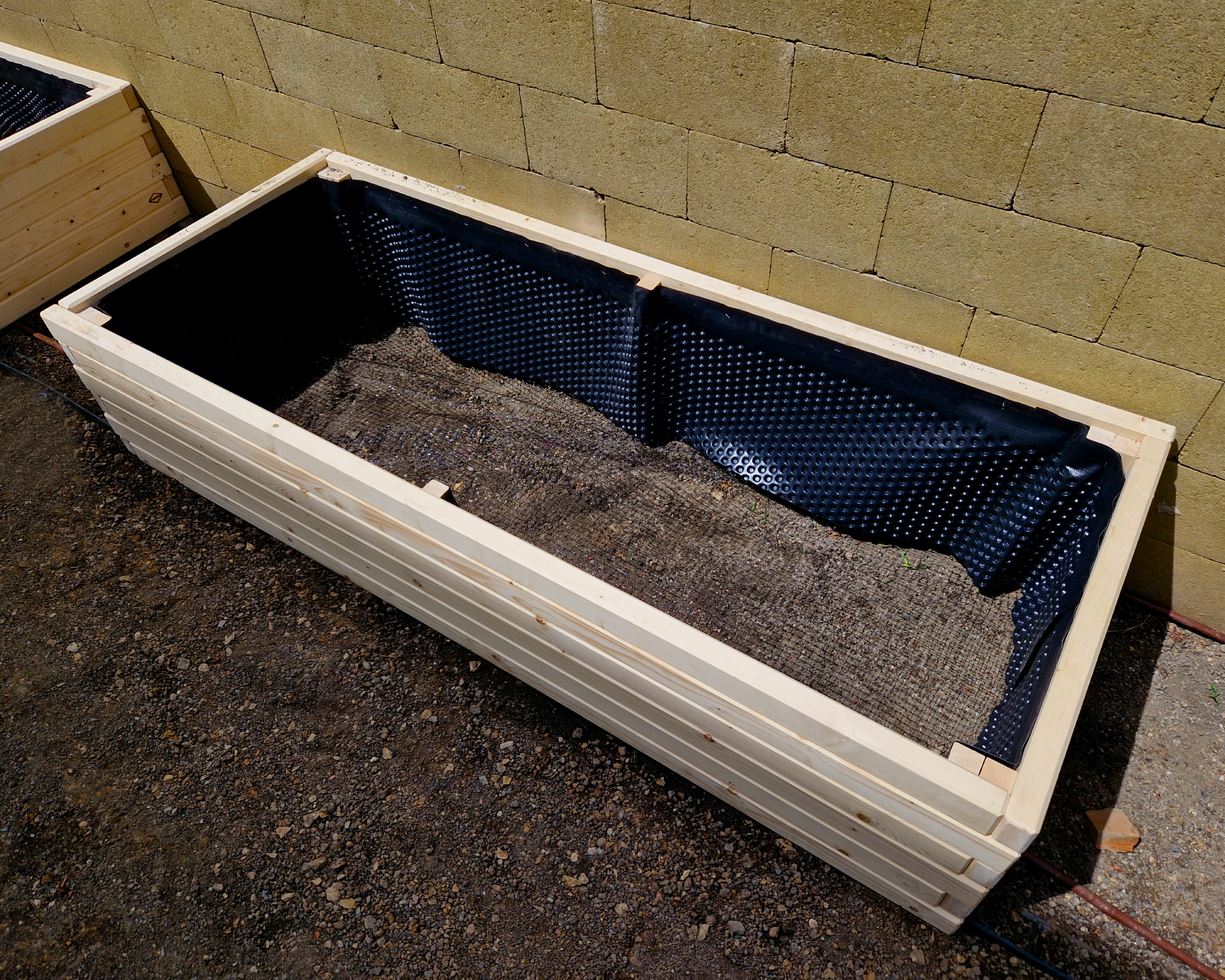
A water wicking reservoir is an underground irrigation system. The reservoir stores water at the bottom of the bed. A wicking material allows the water to move upward into the dry soil as needed.
With this type of wicking raised bed system, you only need to fill the reservoir every few days or weekly, depending on the weather. It prevents overwatering and encourages strong, deep root growth.
You can find self-watering raised beds on Amazon that already have a water reservoir built in, buy a self-watering insert from Gardener’s Supply Company, or make your own water wicking system from simple materials.
Line the bed with plastic sheeting or a pond liner to make it watertight. Create a reservoir on top of the liner using large, clean rocks or perforated drainpipes. Cover this with landscape fabric to act as your wicking material.
Finally, you just need a vertical PVC pipe on the side of the bed that reaches down to the reservoir. You’ll use this to refill the reservoir as needed. The wicking material allows water to be pulled upward into the soil, but only when the soil is dry so overwatering isn’t an issue.
2. Use Watering Spikes & Olla Pots
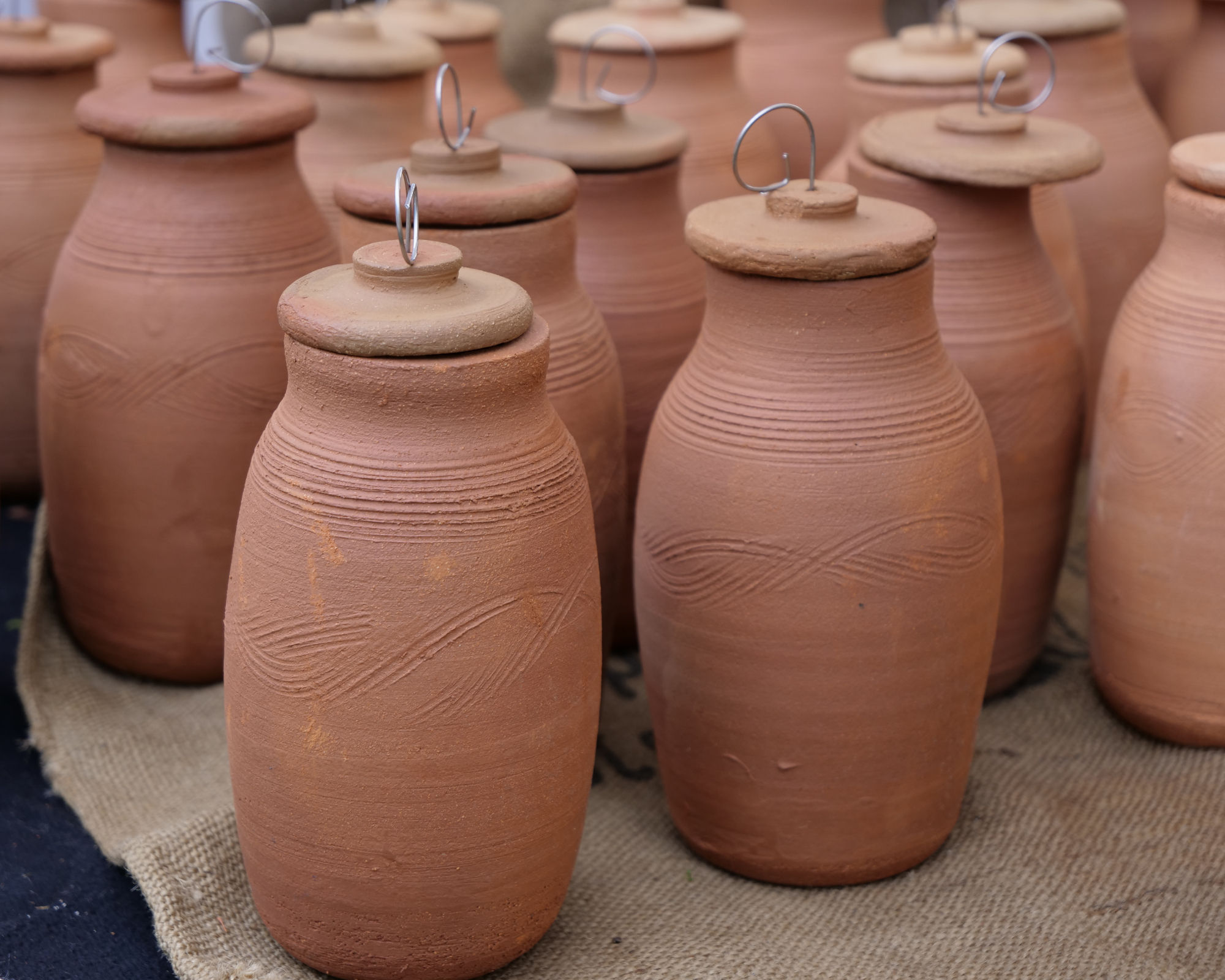
There is an even simpler solution to creating self-watering beds that is best for small raised beds. Watering spikes, olla pots, and similar products are an easy way to let your beds water themselves. They work in a similar way to a wicking reservoir, but are easier to install.
These devices are made from unglazed terracotta. You fill them with water and bury them in the raised bed soil. The clay of the terracotta is porous, so moisture slowly seeps out into the dry soil around it. This is a low-tech, easy option for watering beds. The downside, however, is that each pot or watering spike only covers a small area of soil.
One olla pot, like this one from Amazon, will cover a growing area of 4 to 6 square feet (1.2-1.8 m), so it’s a great solution for small raised beds. Watering spikes, which you can get from IKEA, are best for individual plants. So if you have a few thirsty plants, like tomatoes, a handful of spikes can keep them happy and reduce the amount of time you need to spend watering.
3. Set Up a Drip Irrigation Kit
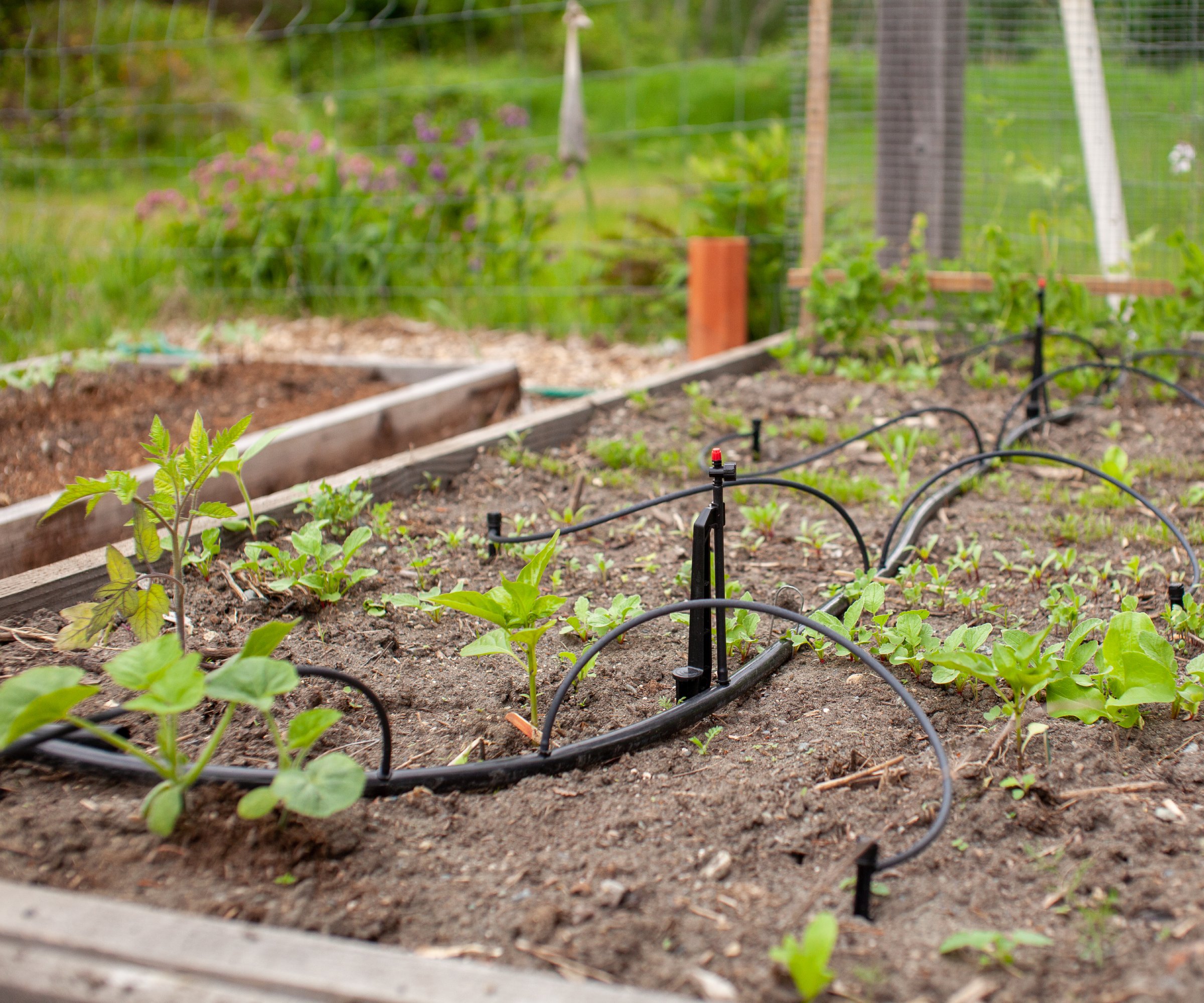
Adding a drip irrigation setup to your raised bed turns your garden into a self-sufficient system in just one afternoon. These kits come in a range of sizes and those designed for smaller areas, like raised beds, can be as low as $30, like this simple drip irrigation kit from Home Depot that Content Editor Laura has used in her garden for years.
The kits include a hose or pipe system with multiple holes. You’ll install this in a bed and connect it to a hose. A hose-faucet timer, like this one that Laura also recommends, allows you to set the system to water at regular intervals.
Once installed, this is a hands-off watering system, so convenience is one of the biggest benefits. With some kits, you can even connect to an app and control watering from your phone.
Drip irrigation kits are also highly efficient, so if water usage is limited in your area, they are a great option. You’ll use up to 70% less water than using a regular hose and nozzle to water.
4. Create a Gravity-Fed Drip System
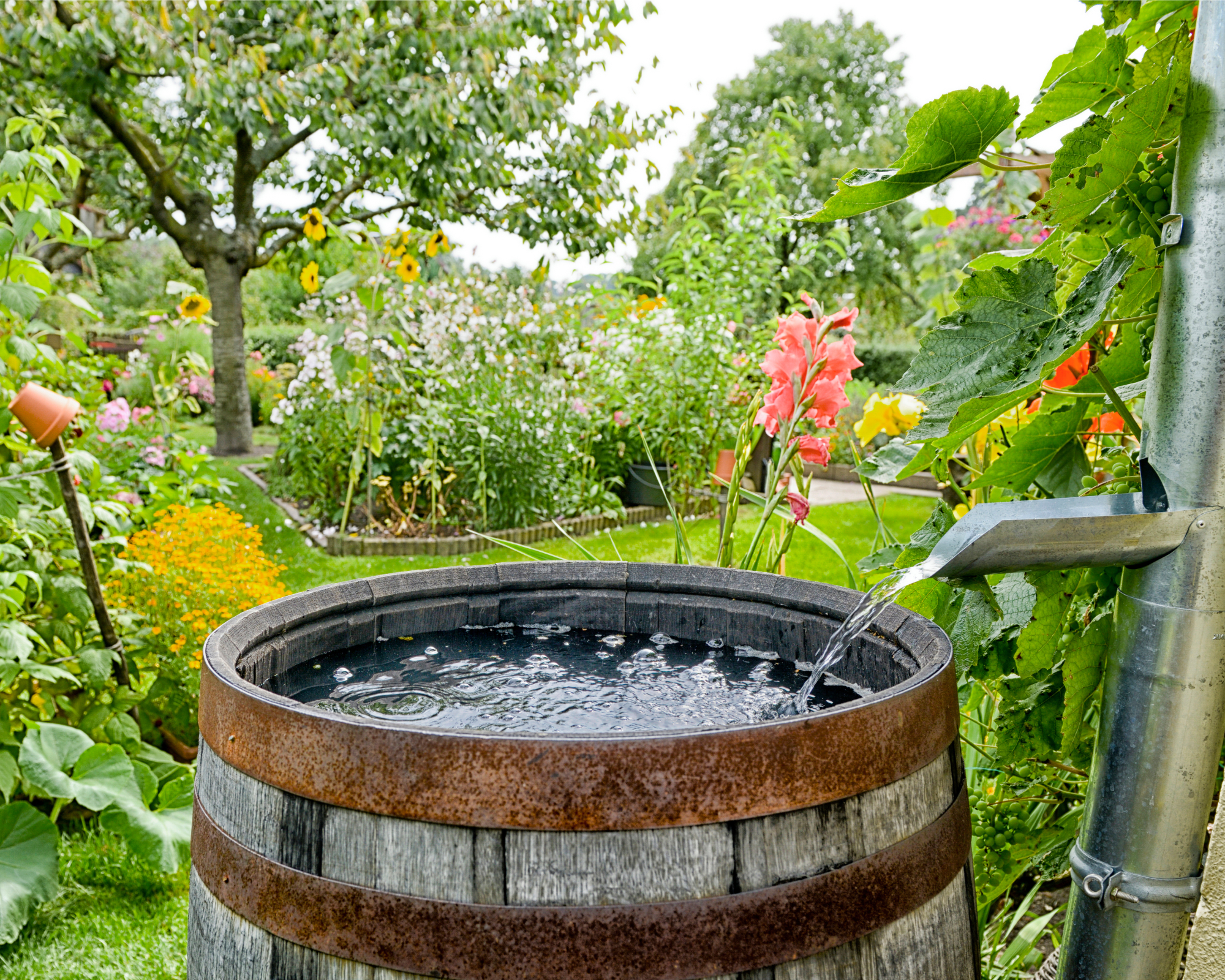
Instead of the pressure from a faucet and hose, you can use gravity to water your beds through a drip hose. You need an elevated source, like a rain barrel, and some tubing. Water moves down under the force of gravity and into the raised bed.
Like a drip irrigation system connected to a faucet, you get the benefit of water conservation, but you don’t need the pressure of the faucet. This is a good DIY drip irrigation option for a bed that isn’t close to the faucet.
Start with an elevated rain barrel, like this one with a built-in stand from Home Depot. If you have taller raised beds, you will need to place your rain barrel even higher. You can use cinder blocks, bricks, or old pallets to build a simple platform to lift your barrel above the height of your raised beds.
Next, add a drip irrigation system to get the water to your beds. You can make your own drip irrigation system or use a premade kit. Just make sure the kit you buy will work in a gravity-fed situation. Some drip irrigation kits need water pressure from a faucet or hose to function. But this drip irrigation kit from Amazon works with low or no water pressure.
No single solution for creating a self-watering bed is perfect, but one of these ideas might be better than others for your garden. You can also combine strategies to make watering easier. For instance, use a wicking reservoir with mulch to keep moisture in the soil longer. Or use a drip irrigation system with watering spikes for your especially thirsty plants.
Whether you install a simple drip irrigation kit, build a wicking reservoir, or just add mulch and a timer, these upgrades can dramatically reduce maintenance while keeping plants healthier and more productive. With the right setup, you can spend less time watering and more time enjoying your harvest.