I don’t think it’s any secret that I have a bit of an obsession with hydrangeas. If there’s a new variety to admire or an old favorite coming back into bloom, I’m probably already planning where I’d squeeze another one into the garden.
I’m just as fond, though, of flowering vines, not least of all because they are one of the easiest ways to make a garden feel like it knows what its doing. A bare wall, old fence, or even a mature tree? A sea of flowers with the right climber. I’ve even found myself falling down rabbit holes researching birth month vines and unusual flowering climbers simply because I love discovering plants that do something a little different.
The only problem? Many flowering vines have one spectacular moment and then quietly fade into the background. And, by the time fall arrives, they often have very little left to offer. Boo, hiss.
The Native Hydrangea You Need to Try
With all this in mind, then, imaging how excited I was to stumble across woodvamp (Hydrangea barbara, formerly better known as Decumaria barbara). It’s a plant that feels like a hidden secret, as it combines everything I already love about hydrangeas with the easy elegance of a climbing vine, then finishes the season with attractive fall foliage.
Native to the southeastern United States, where it naturally scrambles through moist woodlands and climbs tree trunks using tiny aerial rootlets, woodvamp is a doozy of a climber. Especially as, unlike some vigorous vines, it clings gently to walls, fences, and mature trees, creating a soft, natural look rather than an overwhelming one.
In late spring and early summer, it produces clusters of creamy-white flowers with a light, sweet fragrance. They’re a little more understated than the huge mophead blooms many people associate with hydrangeas, but I actually think that’s part of their charm. The lacecap-like flowers look wonderfully elegant scattered through the foliage, and they attract plenty of bees, butterflies, and other pollinators while they’re in bloom.
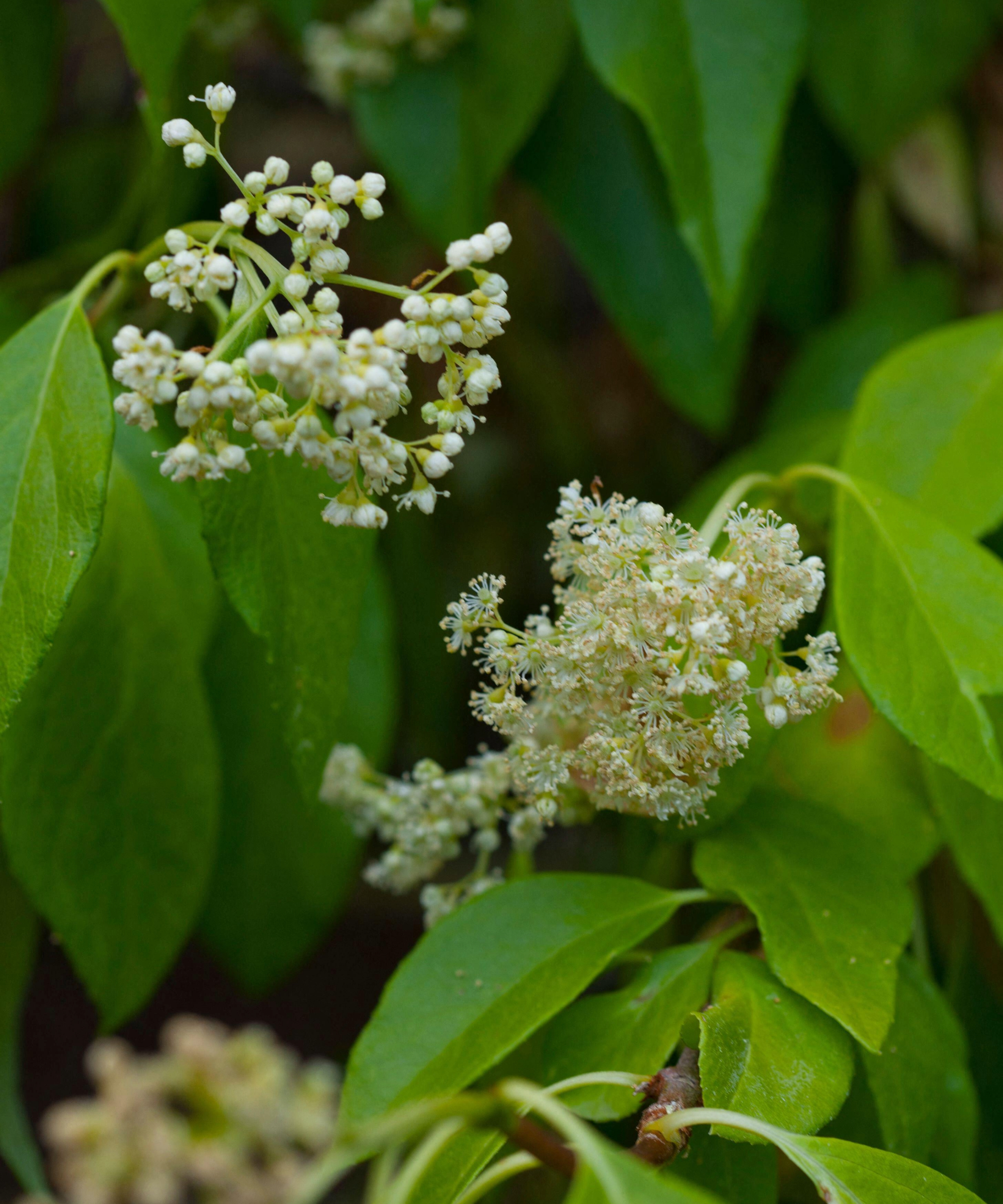
One of the quirks I find most interesting is that woodvamp only flowers well when it’s allowed to climb. If it’s grown as a groundcover, you’ll get attractive foliage, but very few – if any – blooms. Give it something to scramble up, though, and it really comes into its own.
Then there’s the autumn display. As the growing season winds down, the glossy green leaves often mellow into soft buttery yellow or warm tan shades before falling. It’s not the fiery scarlet of a Virginia creeper, but it’s a gentle, elegant finish that gives this vine another season of interest when many flowering climbers are already calling it a year.
I also love that it’s beginning to be recognized under the botanical name Hydrangea barbara. For years, gardeners knew it almost exclusively as Decumaria barbara, but taxonomic revisions have brought it into the Hydrangea genus, reflecting just how closely related it is to the shrubs so many of us already grow and love. Don’t be surprised if you see both names used by nurseries and botanical gardens.
The only downside? It isn’t nearly as easy to find as climbing hydrangea or clematis. You’ll usually have to seek it out from specialist native plant nurseries rather than your local garden center. Personally, I think that only adds to its appeal. Half the fun of gardening is discovering plants that make visitors stop and ask, “What on earth is that?”
Three More Flowering Vines That Shine Into Fall:
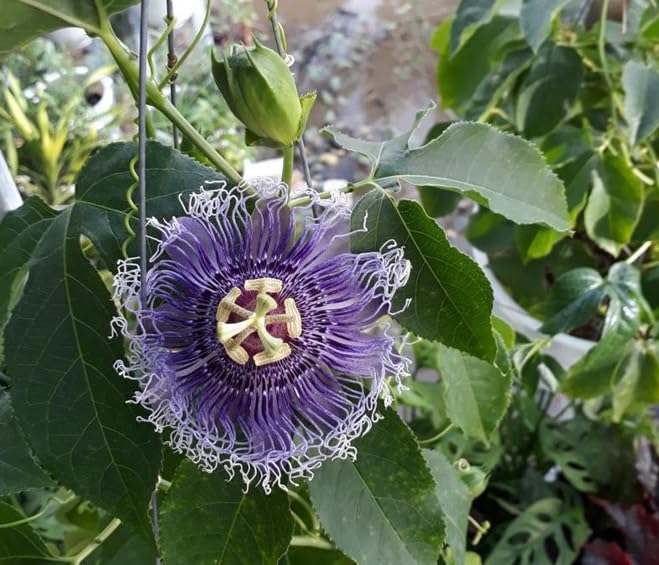
The purple passionflower brings wonderfully exotic blooms, fascinating fruit, and excellent wildlife value. It’s one of the most distinctive native vines you can grow, and pollinators absolutely adore it.
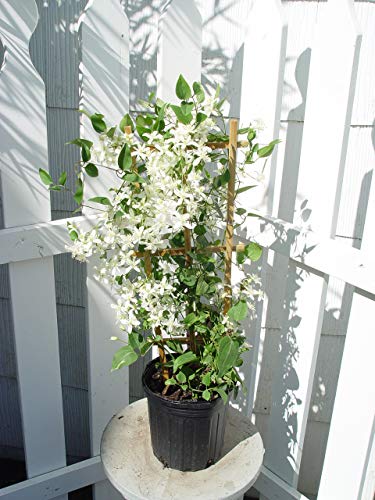
If you’re after clouds of fragrant white flowers as summer fades, sweet autumn clematis is hard to beat. Just be aware that it’s considered invasive in parts of the eastern United States, so it’s worth checking local guidance before planting.
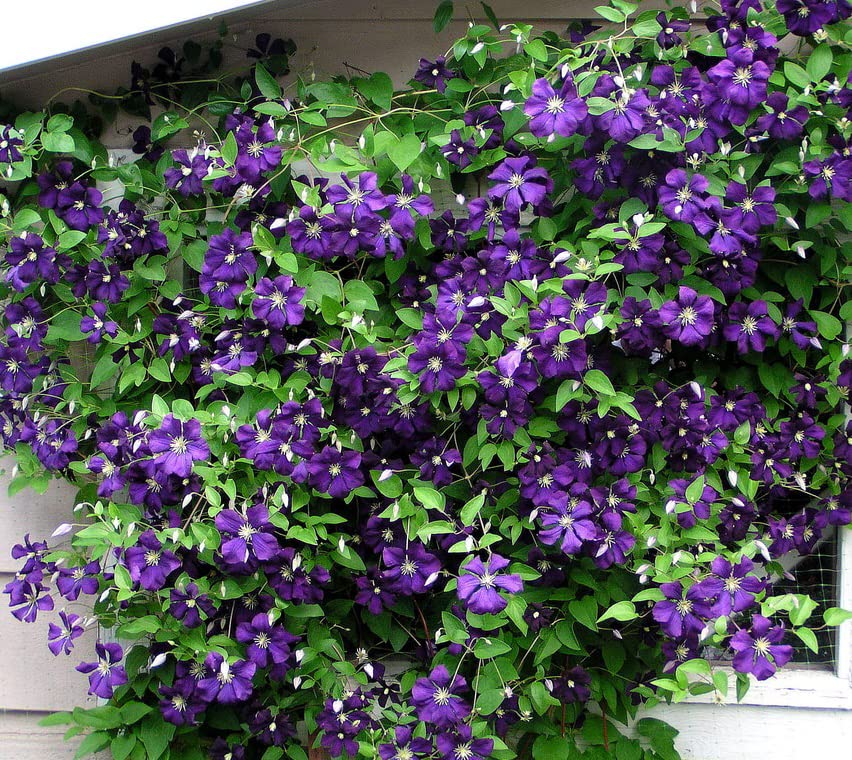
For rich purple flowers that seem to keep coming, it’s difficult to beat the classic ‘Jackmanii’. With the right pruning, it flowers from summer well into early fall and looks spectacular climbing an obelisk or trellis.
There are so many wonderful flowering vines to choose from, but sometimes the plants that deserve the most attention are the ones hiding in plain sight. If you’re looking for something a little different, I’d always encourage you to go native, go underrated, and give woodvamp a try, if only for the cool name!
Honestly? I don’t think you’ll regret it.