
by Bethany Hayes (revised and updated)
The 30-second version: Pollinators — bees, butterflies, hummingbirds, moths — are behind roughly a third of the food we eat, and a garden full of flowers is one of the easiest ways to help them. The 17 flowers below all bring them in, from bee balm and lavender to sunflowers and coneflowers. A few things matter as much as the plant list: lean toward species native to your region, plant in clumps and aim for blooms from spring through fall, skip the fancy double-petaled cultivars that often have little nectar, and don’t spray pesticides on flowering plants. Two picks come with caveats worth knowing — choose native milkweed over tropical milkweed, and treat butterfly bush as a nectar stop, not a substitute for native shrubs.
Why pollinators (and your flowers) matter
Pollinators are a keystone species — pull them out of the ecosystem and an enormous amount unravels. More than a third of the food we grow depends on them, including fruits, coffee, and chocolate. Their numbers have been under real pressure, and home gardens add up to a surprising amount of habitat. Flowers don’t just feed pollinators, either; they pull in beneficial insects that prey on garden pests, so a flowery garden is a healthier garden all around.
A few things that matter as much as the plant you pick
Before the list, a handful of habits make any pollinator garden far more effective:
Favor native species. Plants native to your region evolved alongside your local bees and butterflies and almost always support more of them than exotic ornamentals. Your county extension office or a native plant society can point you to the best ones for your area.
Plant in clumps and stagger the bloom. A cluster of one flower is easier for pollinators to find and work than a single scattered plant, and choosing flowers that bloom at different times keeps food available from early spring through fall.
Choose single, open flowers over double cultivars. Many showy double-petaled varieties have been bred to the point that they offer little or no accessible nectar and pollen. Simpler, open blooms feed pollinators better.
Don’t spray. Insecticides — including many “natural” ones — kill pollinators along with pests. Keep sprays off flowering plants, and spot-treat problems instead.
The 17 flowers

Bee balm
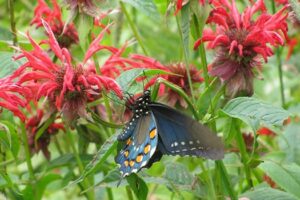
With a name like that, no surprise it’s a pollinator magnet. A clump-forming member of the mint family, bee balm sends up fragrant, nectar-rich flowers in reds, pinks, and lavenders, blooming late spring into fall. A hardy perennial in zones 3–9, it draws bees, butterflies, and hummingbirds. (Give it good airflow, as it can be prone to powdery mildew.)

Borage
This easygoing annual produces star-shaped blue flowers that bees absolutely cover all season. The flowers are edible and pretty in salads, and borage grows in any zone with almost no fuss — a great choice if you doubt your green thumb. It self-seeds happily, so expect volunteers next year.

Butterfly bush
Butterfly bush earns its name as a nectar source, drawing butterflies and hummingbirds with fragrant purple, pink, and white blooms in zones 5–9. Worth knowing, though: it’s a nectar stop only — not a host plant for caterpillars — and it’s considered invasive in parts of the U.S. (it’s restricted in Oregon, for example). If you grow it, choose a sterile/seedless variety and deadhead it, and pair it with native shrubs that support the full life cycle rather than relying on it alone.

Calendula
Often called pot marigold (though it’s a different plant), calendula blooms cheerful yellow and orange from spring to first frost if you deadhead it, in zones 2–11. It draws bees and butterflies, and it’s a smart pick among vegetables because it also brings in pest-eating beneficial insects like ladybugs, lacewings, and hoverflies.

Coneflower (echinacea)
These daisy-like prairie natives are pollinator powerhouses and tough as nails — hardy perennials in zones 3–10 that bloom midsummer into fall. Purple coneflower is the classic, but all types feed bees and butterflies, and leaving the spent seed heads up feeds goldfinches through winter.

Cosmos
Airy annuals with daisy-like flowers on tall, slender stems, cosmos come in many colors and make excellent cut flowers. They bloom from late spring to frost (zones 2–8 as annuals, sometimes perennial in 9–11) and bring in bees, butterflies, moths, and birds. They thrive on neglect and lean soil.

Daisy
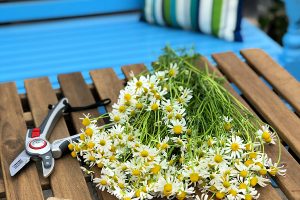
An iconic, easygoing flower that grows in most zones and blooms late spring into fall. The simple open faces are easy for bees and butterflies to work, and varieties range from the classic white-and-yellow to pinks and golds.


Goldenrod
Don’t let its reputation fool you — goldenrod is one of the best late-season pollinator plants there is, and it does not cause hay fever. (That’s ragweed, which blooms at the same time; goldenrod’s pollen is heavy and insect-carried, not airborne.) Native across North America with over 100 species, it blooms late summer into fall and feeds bees, butterflies, and beneficial insects when little else is flowering.


Heliotrope
A compact choice, one to three feet tall, with clusters of vanilla-scented white to blue-purple flowers and fuzzy green leaves. Perennial in zones 9b–11 and grown as an annual elsewhere, it blooms summer into fall and draws butterflies and hummingbirds.

Lavender
A quintessential bee plant — spikes of fragrant blooms over silvery foliage that bees adore. Perennial in zones 6–11 (annual in cooler areas), with English, Spanish, and French types each a little different. It needs full sun and sharp drainage to thrive. You’ll hear it “repels mosquitoes and flies”; the scent may discourage them a little right around the plant, but don’t count on it as real pest control — grow it for the bees.

Marigold
Familiar, reliable annuals in reds and yellows that bloom late spring to late fall in zones 2–11. They attract butterflies and moths and are a classic companion plant for deterring some vegetable pests. Note that single-flowered types offer pollinators more than the tightly doubled pompom varieties.

Milkweed — choose native types
Milkweed is essential for monarchs: it’s the only plant their caterpillars can eat. Plant it and you’re directly supporting the species. One important caveat, though — plant milkweed native to your region, not tropical milkweed (Asclepias curassavica). In warm climates tropical milkweed doesn’t die back in winter, which can disrupt monarch migration and let a harmful parasite (OE) build up on the leaves. Conservation groups now recommend native milkweeds wherever possible; if you already grow tropical milkweed, cut it to the ground in fall. Your nursery or extension office can tell you which native species suits your area.


Nasturtium
Easy, edible annuals with a peppery, arugula-like flavor in both leaves and petals, blooming early summer to fall (zones 4–8, perennial in 9–11). They bring in hummingbirds, bumblebees, and moths, and double as a trap crop — aphids flock to nasturtiums and leave your vegetables alone.

Salvia
A huge group (over 800 species) ranging from hardy perennial bushes to short annuals, mostly in zones 7–11, blooming spring to fall. The tubular flowers are irresistible to bees, butterflies, and especially hummingbirds. Many salvias are also drought-tolerant once established.

Sunflower
Tall, cheerful annuals that grow nearly anywhere and bloom summer into fall. Bees and other pollinators work the big flower disks, and birds feast on the seeds afterward. Look for pollen-producing varieties — some cut-flower types are bred pollen-free, which does pollinators no good.

Verbena
A big family (over 250 species) of annuals and perennials, most in zones 5–11 (perennial in 7–11), blooming late spring to fall. Frequent deadheading keeps the flowers coming, and butterflies — including monarchs — rely on it as a nectar source.

Yarrow
Best known as a medicinal herb, yarrow’s flat clusters of yellow, pink, white, red, or lavender flowers draw droves of pollinators and beneficial insects. Common yarrow is hardy in zones 3–10 and blooms late spring through fall, attracting butterflies, ladybugs, and bees. It’s drought-tough and easy once established.
Common Questions
What’s the single most important thing I can do for pollinators?
Grow a variety of flowers native to your region that bloom across the whole season, and don’t use pesticides on them. The plant list matters less than having something in bloom spring through fall, free of sprays.
Is goldenrod really safe to plant, or does it cause allergies?
It’s safe and excellent. The hay-fever blame belongs to ragweed, which blooms at the same time. Goldenrod’s pollen is heavy and carried by insects, not wind, so it doesn’t trigger allergies.
Why pick native milkweed over tropical milkweed?
Tropical milkweed doesn’t die back in warm winters, which can disrupt monarch migration and let a harmful parasite accumulate. Native milkweeds match the monarchs’ natural cycle. If you have tropical milkweed, cut it back hard in fall.
Are double-flowered varieties bad for pollinators?
Often, yes. Heavily doubled blooms can lack accessible nectar and pollen. Simpler, open single flowers feed pollinators far better.
Final Thoughts
Planting for pollinators is one of the most rewarding things you can do in a garden — it’s good for them and it makes your vegetables and fruit more productive too. Mix several of these flowers for color and bloom all season long, lean toward natives, choose native milkweed, and keep the sprays away. The bees, butterflies, and hummingbirds will find you, and your whole garden will be better for it.

The post 17 Flowers That Attract Pollinators to Your Garden appeared first on Gardening Channel.