Deep watering is often treated as the only correct method – and for established plants it usually is. But a handful of situations exist where shallow watering with a light, quick soak of the surface actually does the job better.
Water deeply and less often. Most gardeners learn that rule early. For the plants it was written for, the advice is good. Roots follow water downward where the soil holds its cool through a hot, dry spell. A tomato reaching 12 inches (30 cm) shrugs off the kind of week that flattens something else that’s only rooted at 2 inches (5 cm). So the rule holds. But it doesn’t hold everywhere all the time.
Learning how to water your garden is partly about knowing which plants can even respond to deep watering. Roots do the answering. One reaching 18 inches (45 cm) down has options a lettuce seedling simply does not, so identical treatment from the hose or watering can lands very differently on the two plants. Watering depth ought to follow the roots rather than a general rule. Here’s when shallow watering may be best.
When to Use Shallow Watering
A seed has no roots at all. It has a coat that has to stay damp until it splits, which happens in the top half inch (1 cm) of soil. Not much else about a seedbed matters at this stage in the growth cycle.
Send water 10 inches (25 cm) down and it sails right past that vital seed sprouting zone. Then it sits where nothing can reach it as the surface dries and germination stalls. Light and frequent shallow watering isn’t a compromise when it comes to watering seeds – it’s the best method.
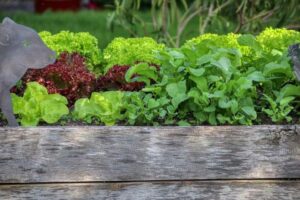
Shallow-rooted plants also do best with shallow watering. Certain vegetables, like lettuce and spinach, never out roots much below the top few inches (8 cm) of soil, so a deep soak mainly waters dirt they will never reach and wastes resources.
Newly-laid sod is another plant that does well with shallow watering. It sits in the same position until it knits into the existing soil. Transplants want the surface damp for a week or so while the root ball hooks into the ground around it.
How to Shallow Water the Right Way
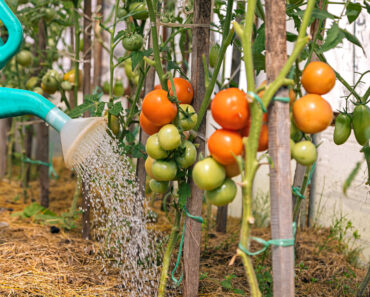
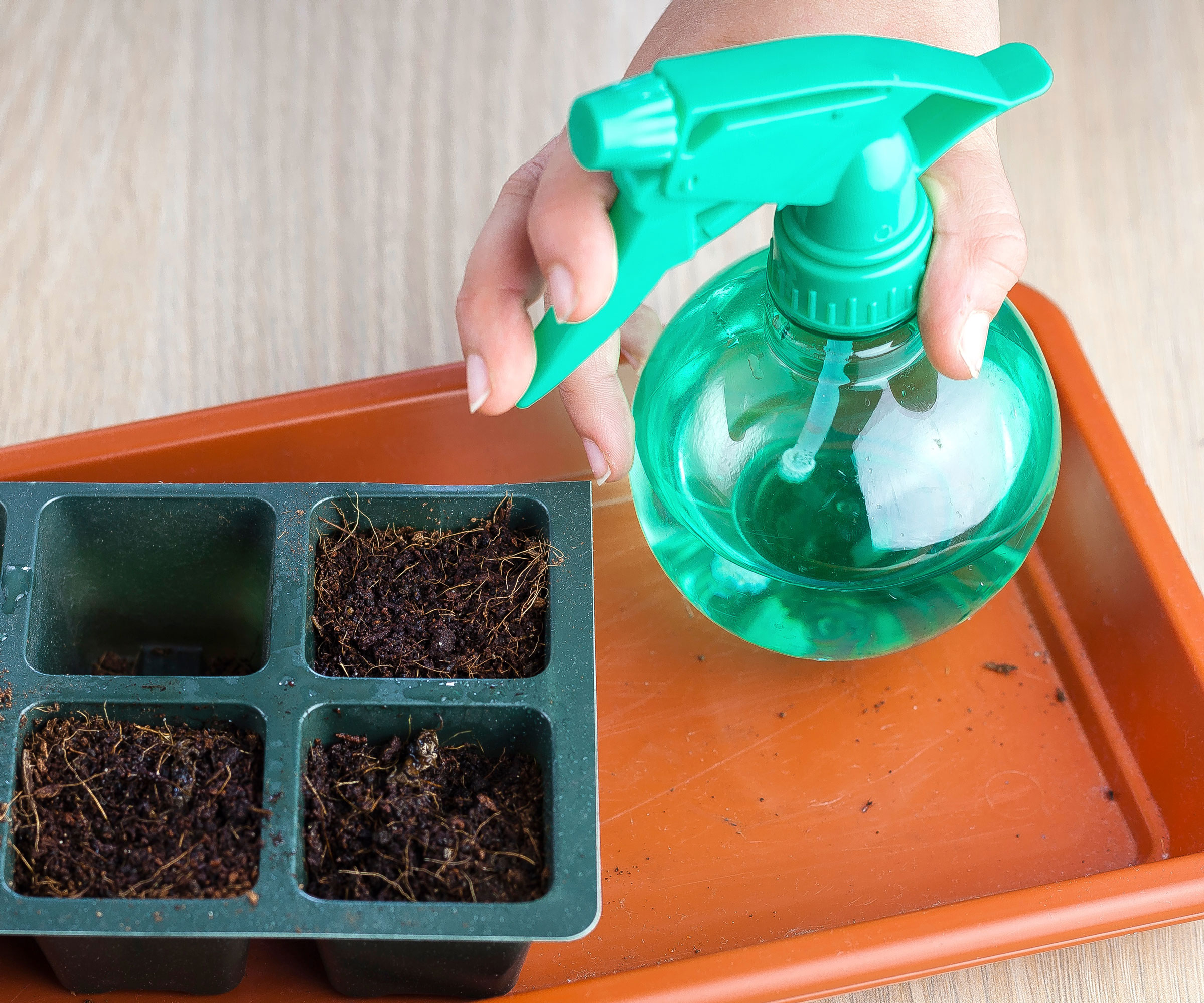
Gentleness matters more than volume for plants that prefer shallow watering. A hard stream of water creates holes, buries seed, and knocks seedlings flat, so break up the water before it lands.
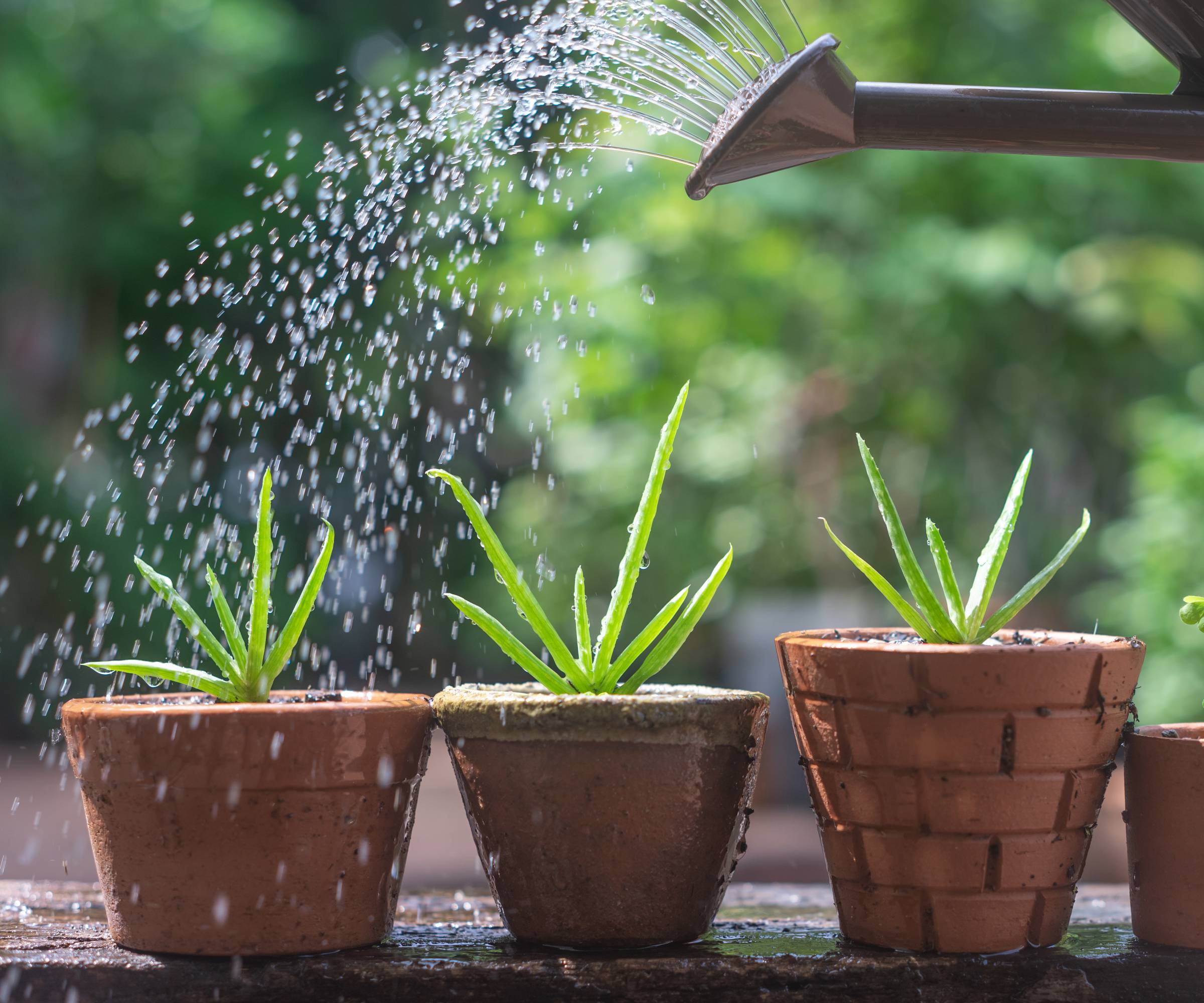
This watering can with a long neck and fine spray pattern from Amazon turns a stream of water into a gentler shower similar to rainfall. Or an Orbit 33-inch shower hose wand from Home Depot does the same across a garden bed without any kneeling. The target is the top 1 to 2 inches (2.5-5 cm) of soil. Water shallowly until the soil is damp all the way across and no puddles are standing anywhere.
Morning is the best time to water plants, since the surface dries by afternoon so nothing will remain wet overnight. Expect to go out daily to water in warm weather, sometimes twice a day during a windy stretch because a shallow root zone dries faster in wind.
A thin layer of EZ-Straw seeding mulch from Walmart spread over a seedbed slows down dry-out considerably and takes the pressure off daily watering needs. Check soil moisture with a finger before reaching for the hose out of habit.
Problems With Shallow Watering
There are a few drawbacks to shallow watering, so you should only do it in certain circumstances like I discussed above. One issue is that weed seeds sit right where shallow watering lands. They are the first thing a light daily watering feeds.
Damp foliage also suits fungal spores perfectly as well. In heavy soil, repeated surface-level shallow watering can turn heavy soil into a crust that seedlings then have to fight their way through. Salts build up on top of the soil as the water evaporates. This is a particularly bad problem when watering container plants.
But the biggest issue with shallow watering is the dependency it creates in your plants. Plants root where the water is, so a garden watered lightly forever grows a lightweight root system that can’t take a missed day.
You can train plants to need less watering or more watering, though. Stretch out the watering interval once the seeds are up and growing as seedlings. Add volume slowly after that, so the roots go chasing moisture downward instead of waiting on it. Shallow watering is a phase, not a complete lifestyle. Unless they’re very shallow-rooted, mature plants need more water than seeds.
When NOT to Shallow Water
Established trees and shrubs get nothing from a surface sprinkle, since their feeder roots are well out under the canopy and several inches down under the surface of the soil.
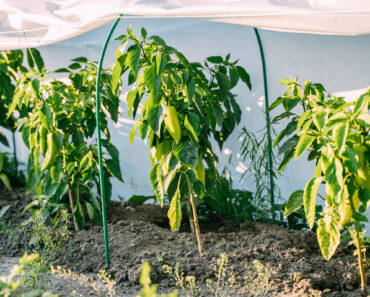
Fruiting vegetables have the same problem with worse consequences. A tomato or pepper carrying a crop needs steady moisture deep in the soil. The swing between a damp surface and dry root zone can cause blossom end rot by making it more difficult to take up calcium. Lawns past establishment want a deep soak as well.
Anything already stressed by drought needs a real drink rather than a dribble. A light sprinkle in that situation encourages roots to come up looking for water that won’t be there tomorrow. Skip shallow watering during hot, windy afternoons when much of what leaves the hose never reaches the soil.
Containers are another exception. They want water until it runs out the drainage holes every time, no matter how shallow-rooted the plant in them happens to be.