For a plant that’s such an iconic part of our festive decorations, the Christmas cactus is surprisingly sensitive when it comes to flowering well. Put this beloved houseplant in the wrong spot in your home and its flowerbuds could even drop off – yes, every last precious one! So, it pays to know what conditions will keep your Christmas cactus happy, and the common spots that will likely lead to a dramatic bud drop and zero holiday blooms.
When we think of cacti, most of us naturally picture a dry desert environment baking under a scorching sun. But Christmas cacti evolved to live in the rainforests of Brazil, where they thrive in damp air and dappled sunlight. They don’t grow in soil in the ground but cling to tree branches or shady rock crevices, their roots anchored in small pockets of decomposing leaves. And that’s a far cry from living in a pot of soil in the dry air of our well-heated homes – which is why Shlumbergera can be so persnickety about the conditions they require to flower well.
Once you appreciate why your plant is so fussy, it’s easy to give a Christmas cactus everything it needs in November and December to swell its buds into bounteous blooms. And if you’ve gone to the effort of persuading a Christmas cactus to bloom right on time for the holidays, don’t waste all your hard work by putting your plant in the wrong spot now! For a glorious cascade of flowering stems to add to your holiday decor, these are the five spots to avoid.
1. In a Dark Hallway or Corner
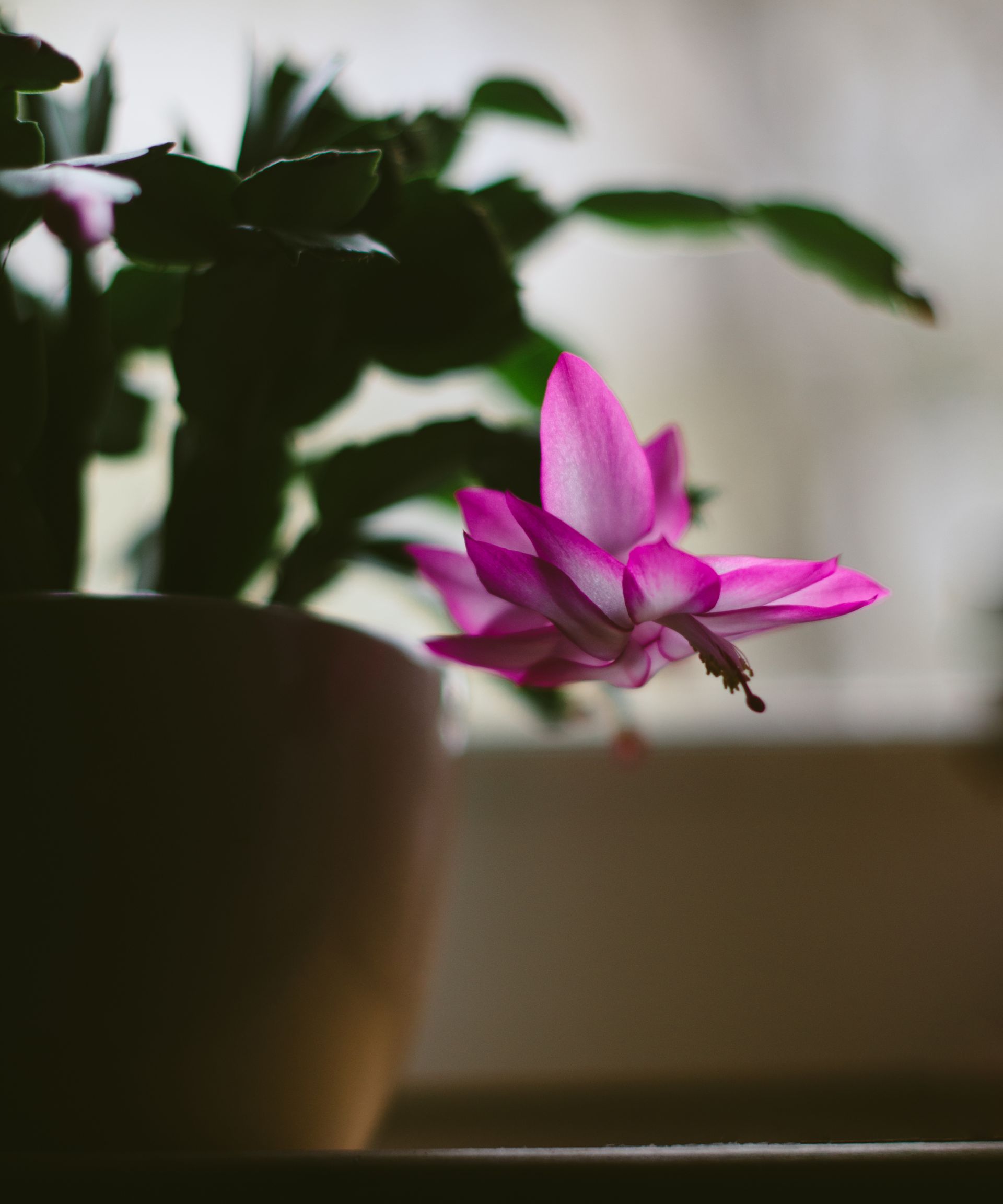
Developing buds and blooms require a tremendous amount of energy, and a Christmas cactus gets 100% of this from sunlight. While Shlumbergera needs regular periods of dark to set its buds, as soon as you spot those tiny dots of color on the stem ends, the plant needs to be moved to get more light, otherwise it won’t have enough energy to develop them into flowers.
The type of light is important, too. Because Christmas cacti naturally live in a rainforest under a canopy of leaves, indirect sunlight is best. That simply means putting your plant in a bright, sunny room but in a spot where it’s not directly hit by sunlight. East- and west-facing rooms are typically best for high levels of indirect light to get a Christmas cactus to flower well.
If there’s not enough natural light in the spot you’d like your plant to be, then a basic dimmable LED grow light such as this from Walmart is the easy answer.
2. Where it May Get Knocked or Moved
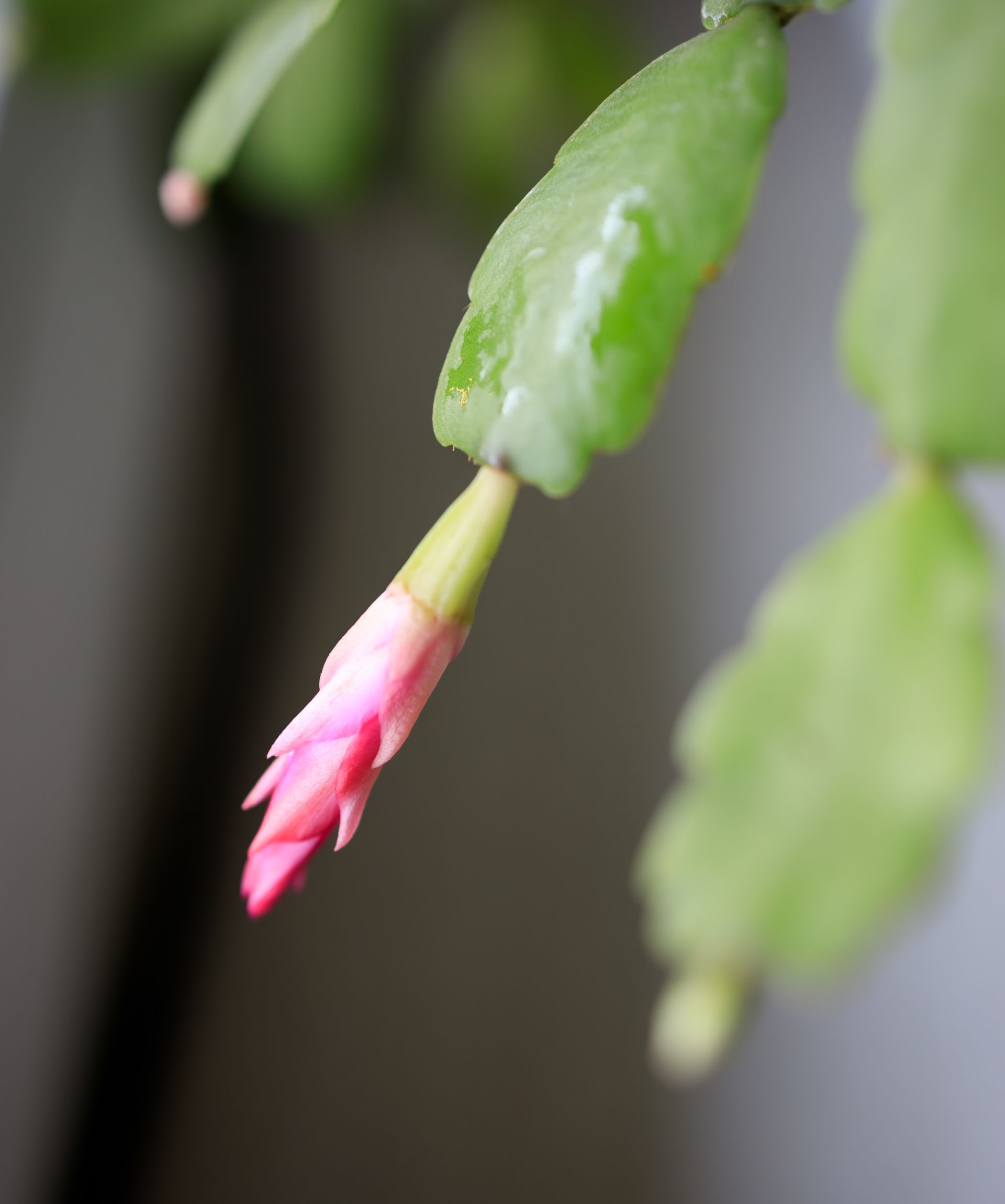
We know that adequate light is vital if a Christmas cactus is to flower, and in the rainforest beneath a dense tree canopy, sunshine is a precious commodity. So Shlumbergera buds lock onto the direction light is coming from – and if you then move the plant, buds will twist towards the changed light source. This sudden environmental shift stresses the plant and buds will likely drop off.
This phototropism only begins once the flowerbuds start to form a teardrop shape or reach around ¼ inch long, so you have until then to decide exactly where to position your plant for the holidays. Even the slightest rotation causes the plant to waste energy on reorienting buds to the light source, so to get the best possible flower display, many folk draw a small pencil line on the pot and the surface it’s sitting on, so it’s easy to realign if it does get knocked. If you’re using a grow light, mark its position, too, and be careful not to move it.
3. By a Drafty Window or Doorway
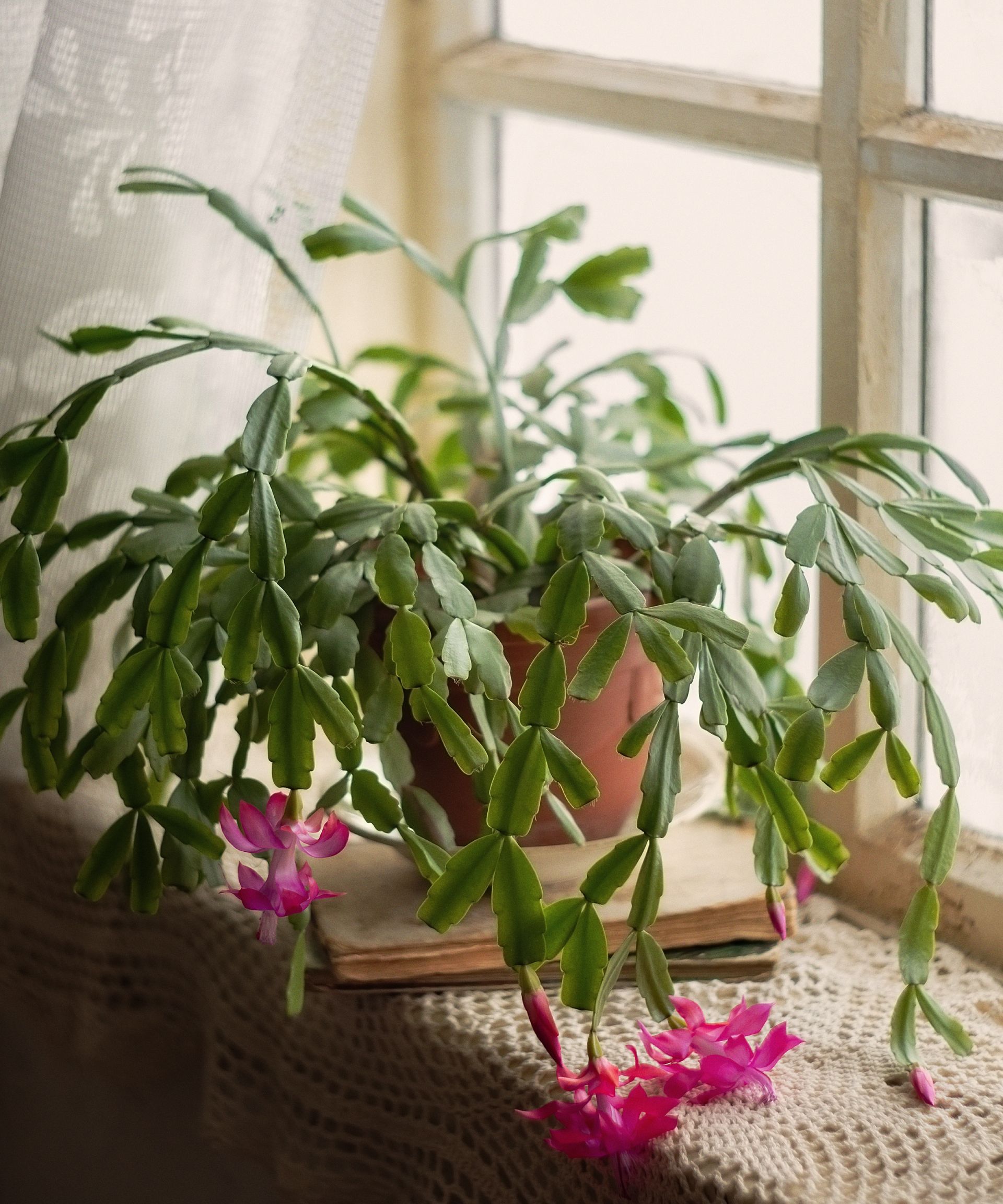
Once they’ve set their buds, Christmas cacti like a fairly even temperature of around 65-70°F, which happily is the cozy range most of us keep our homes heated to. In their native rainforest where temperatures are normally highly stable, a blast of cold air may herald a life-threatening freeze so can trigger the cactus to immediately enter survival mode. And it’s pretty dramatic: if temperatures suddenly dip, Shlumbergera can react by ditching its buds or flowers to conserve energy so it can concentrate on keeping its core alive. This natural response happens just the same in a draft of cold air from a window or when an exterior door is opened and closed.
4. Next to a Fruit Bowl
Ripening fruit produces a harmless gas, ethylene. All fruit that can still ripen after picking – apples, pears, peaches, tomatoes and avocados as well as bananas – produce ethylene, and that’s the exact same gas a Christmas cactus emits when it’s stressed enough to enter survival mode. Understandable, then, that Shlumbergera are incredibly sensitive to this gas, and simply sitting next to a fruit bowl can be enough to trigger Christmas cactus bud drop.
5. Near a Heating Vent, Radiator or Fireplace
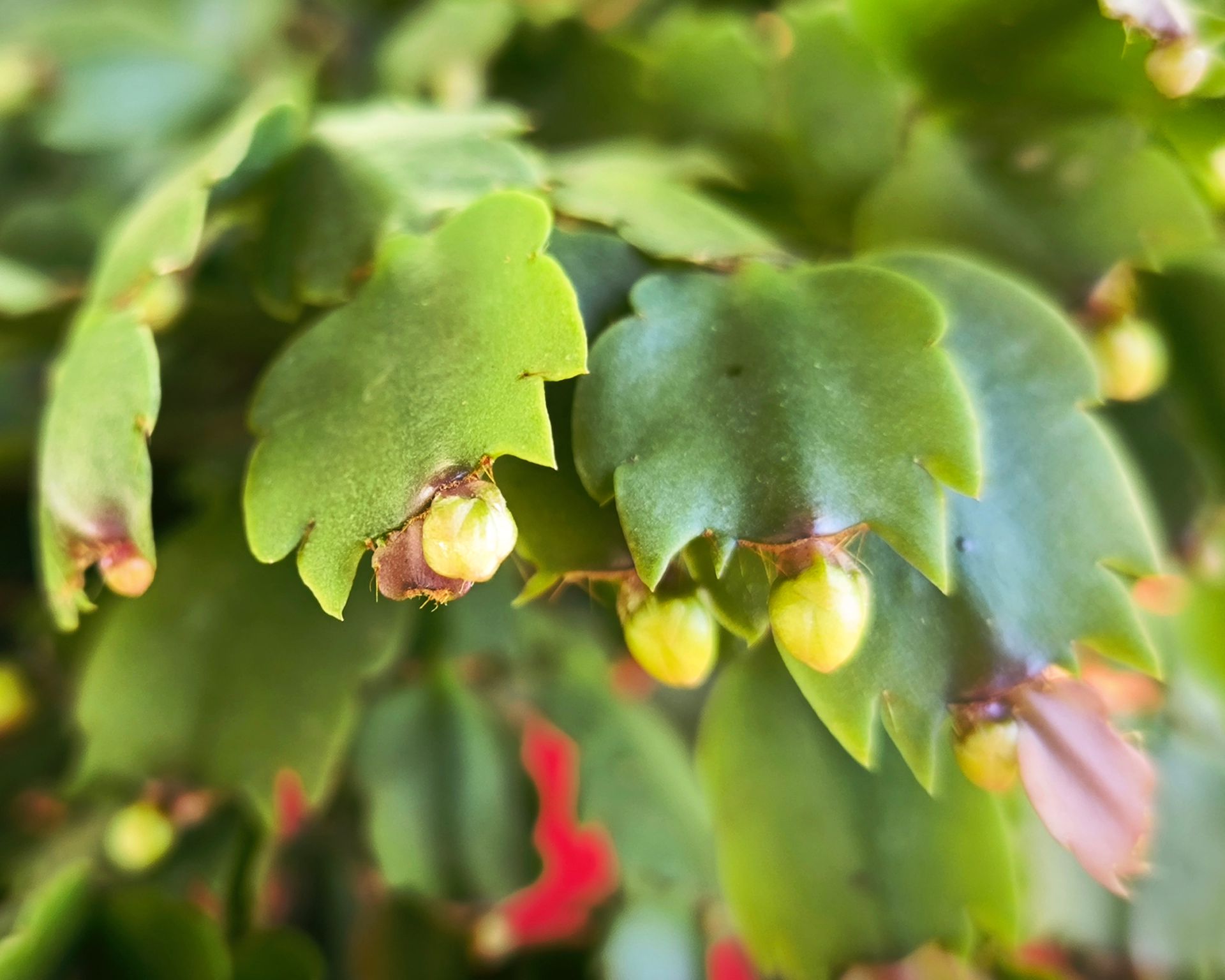
As this plant naturally evolved to grow in a humid environment, Christmas cacti can really struggle in the dry, heated air of our homes to start with. But place the plant anywhere near a heating vent, radiator or fireplace where the air is continually stripped of moisture, and stems will quickly dehydrate and buds brown, dropping off before the flowers even open. This is one of the most common reasons for a Christmas cactus not flowering as these houseplants are often put on a fireplace mantelpiece or windowsill above a radiator over the holidays.
So, positioning your Shlumbergera well away from any heat source is a must. Take the next step and give your plant the humidity it craves, however, and it will not only flower more profusely but those hydrated blooms will last for longer. Thanks to the regular steam from showers, cooking and kettles, bathrooms and kitchens typically have air that’s moist enough for a Christmas cactus to thrive and, in other rooms, a humidity tray is the solution.
Standing a Christmas cactus on a Bonsai pebble tray such as this from Lowe’s is ideal, or make your own with a plant saucer and pea gravel pebbles like this Landscape Rock from The Home Depot. The plant must sit on the pebbles above the water level so, rather than being drawn up into the potting soil, the water evaporates to add moisture to the air. Another simple way to increase air humidity is to group your Christmas cactus with other houseplants as they’ll form their own microclimate.
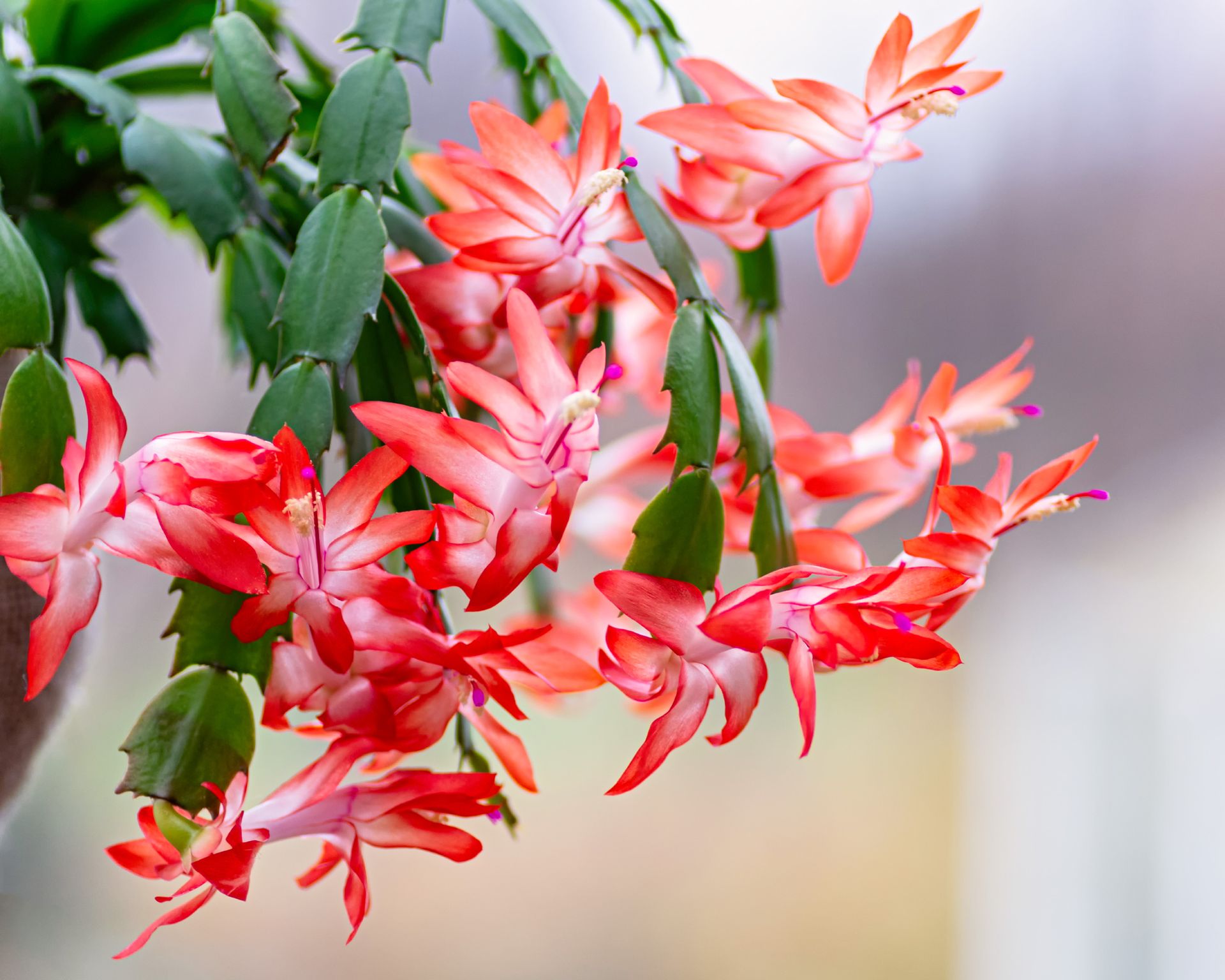
If you’ve been wondering where to put a Christmas cactus, now you know the common places to rule out. It’s well worth searching out just the right spot as when a Christmas cactus gets the sunlight, stability and humidity it needs as fall deepens into winter, you’ll be surprised how much more enthusiastically it flowers. Happy holidays!