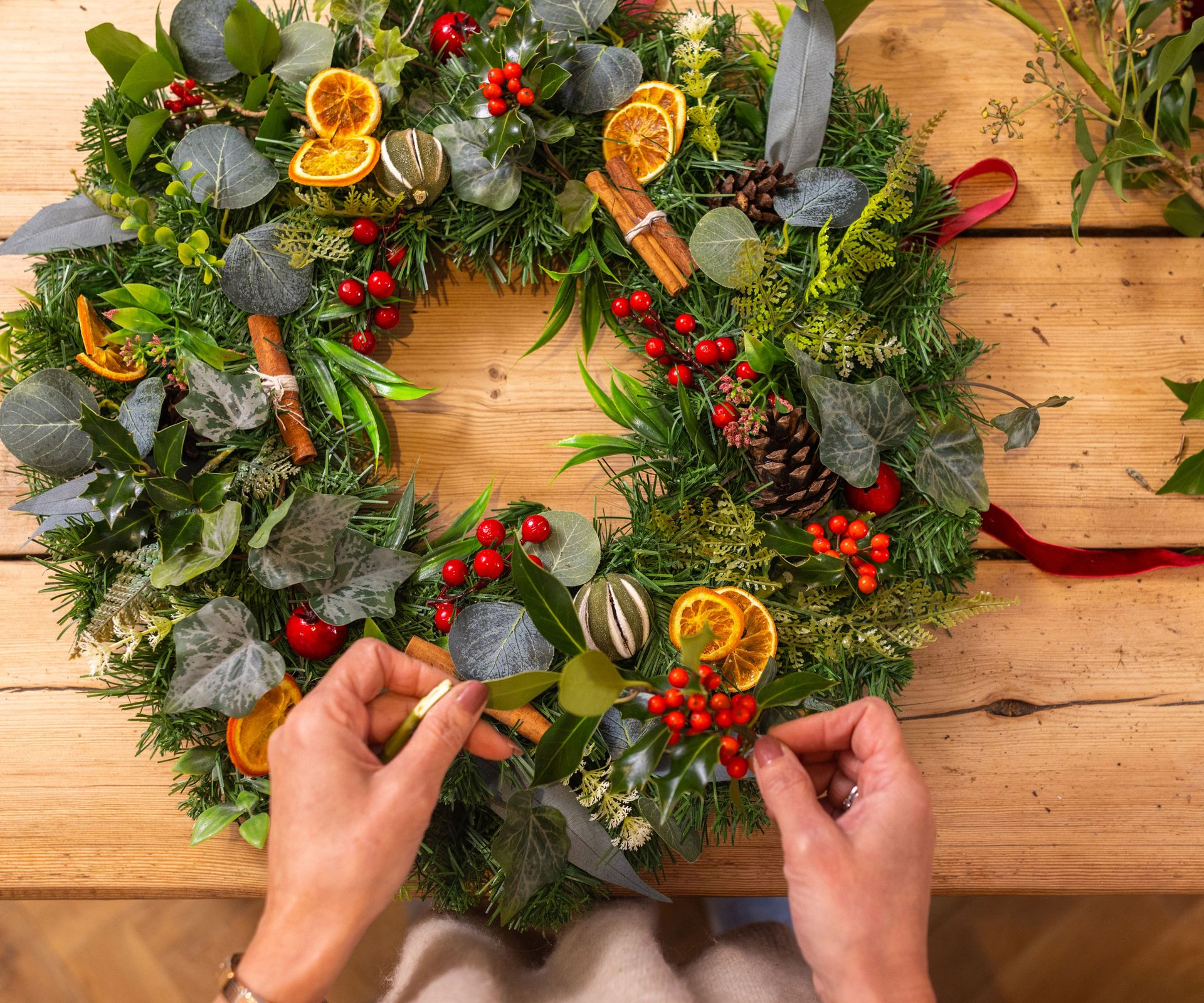
The holiday season is fast approaching, bringing the annual scramble for festive boughs. wreaths, garlands, and mantelpiece greenery. But why buy store-bought greenery that will just end up in yard waste bags by January? Plastic greenery may be used again, but it doesn’t bring the same charm. Besides, there’s a far more rewarding alternative: growing your own living holiday decor outside your back door.
Growing plants that can help you see in the holiday season in style can deliver dual rewards. Through the year, these shrubs, trees, and aromatic herbs provide texture, wildlife shelter, and vibrant winter color. Come December, they supply an abundant, sustainable harvest of natural Christmas decorations in the form of lush foliage, pretty berries, and uplifting fragrance for seasonal wreaths, table runners, and gift wrapping.
Most of these perennial performers are resilient, adaptable, and low-maintenance once established. Bring authentic seasonal beauty indoors with these gorgeous double-duty beauties. These winter garden plants add effortless elegance, joy and character to your festive displays, and generally they need very little upkeep, freeing you up to enjoy the season. Here are 7 standout plants to add to your yard for easy homegrown holiday displays you can harvest for years to come.
Plants for Natural Festive Decor
Your USDA hardiness zone has some bearing on the plants you add for clippings that can festoon your festive garland and centerpieces. In mild and transitional zones, any hardy evergreens and deciduous shrubs planted now will establish strong roots over winter while top growth rests. In colder northern regions where frost arrives early, tender herbs thrive indoors in sunny containers, ready to move outside next spring.
Most evergreen conifers, hollies, and woodland shrubs thrive in slightly acidic, humus-rich soil with reliable drainage. Meanwhile, Mediterranean herbs demand sharp grit and full sun. When planting woody shrubs in November, dig a hole twice as wide as the root ball. Backfill with native soil amended with organic compost, and water deeply to settle any air pockets before the ground freezes.
Apply a 2-inch (5cm) layer of shredded bark mulch around the base, keeping it clear of the main stem, to insulate roots against freeze-thaw cycles. I like Back to the Roots Organic Premium Wood Mulch, available from Amazon, to help lock in soil moisture and regulate soil temperature. In zones 6 and colder, verify that soil remains workable and unfrozen before planting. If hard freezes have already locked the earth, hold hardy specimens in a cold frame or pot until spring.
When harvesting for holiday arrangements, never strip entire limbs or harvest heavily from young shrubs during the first two years of establishment. Instead, take selective snips evenly from around the plant. Always cut just above an outward-facing bud or lateral branch, using sharp, sanitized bypass pruners to prevent winter disease.
To keep cut greenery lush indoors, wait until you are ready to craft before harvesting, or submerge freshly cut stem ends in a bucket of cool water in an unheated garage for 24-48 hours to hydrate fully. Keep finished wreaths and garlands away from roaring fireplaces, radiators, and heating vents to prevent premature needle drop and fire hazards. Mist your arrangements lightly with water every few days. Hopefully the following plants will give you plenty of season’s greetings…
1. American Holly
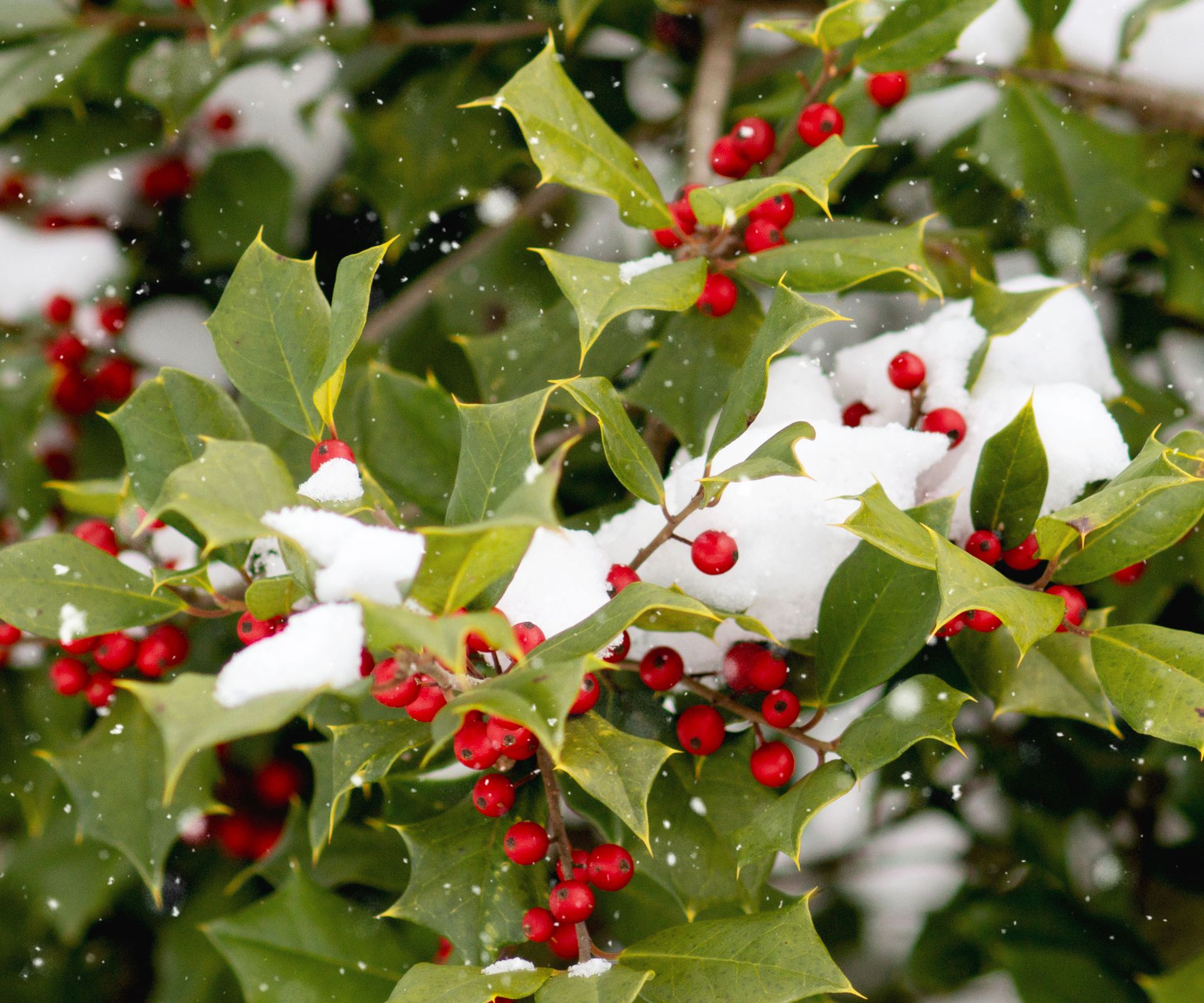
Nothing captures traditional Christmas decor like the glossy foliage and scarlet berries of American holly (Ilex opaca). Hardy across zones 5-9, this stately native evergreen provides year-round privacy and winter shelter for songbirds, before lending its iconic branches to holiday mantels and door wreaths. Plant in full sun to partial shade in moist, slightly acidic soil. It can reach 15-30 feet (4.5-9m) tall, so allow ample elbow room or choose compact cultivars like Maryland Dwarf.
You must plant at least one pollinating male cultivar (such as Jersey Knight) within 40 feet of berry-producing female trees (Satyr Hill or Miss Helen) to guarantee fruit set. Harvest small, 8-12-inch (20-30cm) sprigs evenly around the tree using sharp pruners. Dip stems in water overnight before wiring into garlands. Note that holly berries are toxic to pets and humans if ingested, so display out of reach of dogs and toddlers. You can buy American Holly from Nature Hills at a discount if you hurry.
2. Winterberry Holly
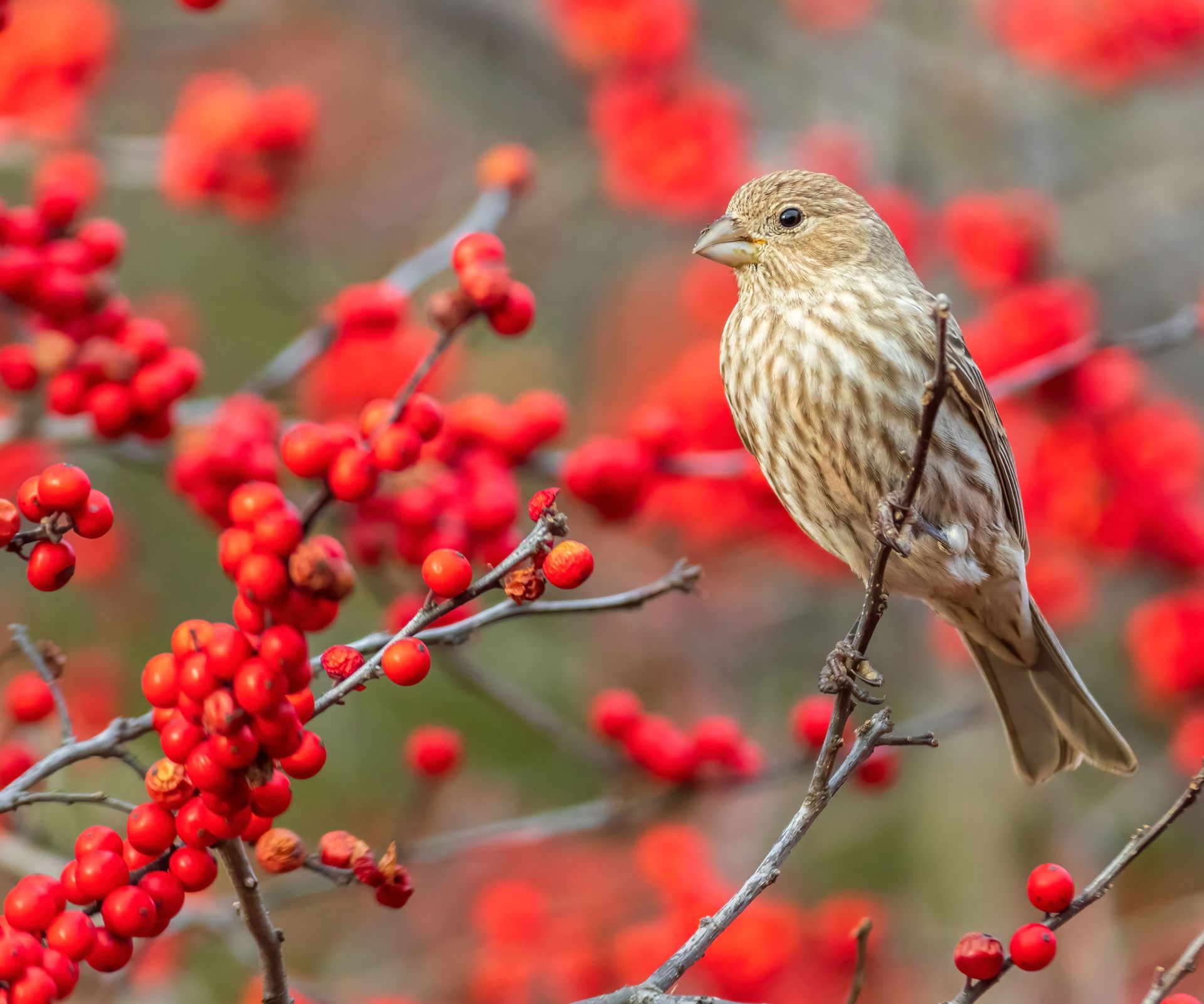
For winter drama, few shrubs rival winterberry holly. Unlike its evergreen cousins, this rugged native deciduous holly drops its leaves in fall to reveal bare branches densely studded with luminous, bright red berries that persist well into midwinter. Thriving across zones 3-9, winterberry (Ilex verticillata) is ideal for damp, low-lying, or poorly drained spots where most other woody ornamentals rot. It prefers full sun for maximum fruit production, as well as acidic, organic-rich soil.
Winterberry also requires male and female plants for pollination (and hence berries). Pair prolific female cultivars like Winter Red or compact Berry Poppins with a male pollinator such as Southern Gentleman or Mr. Poppins. Cut stems look magnificent in tall floor vases, outdoor porch planters, and minimalist wreaths paired with silver-blue cedar. Harvest selectively once leaves have fallen, leaving plenty of fruit for robins and cedar waxwings. If you fancy a golden variation on the classic winterberry, you can buy Yellow Winterberry Holly from Amazon.
3. Red Twig Dogwood
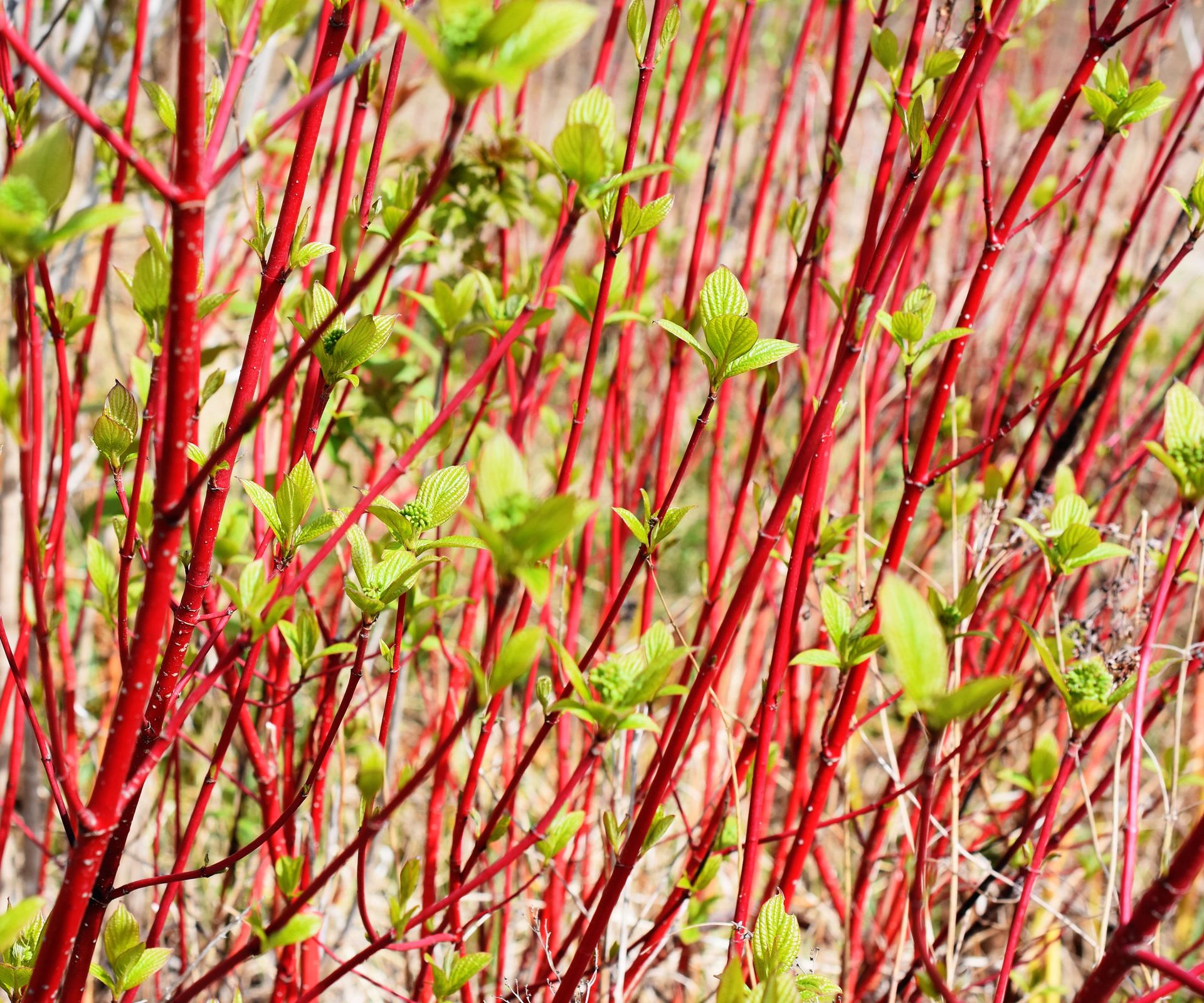
When winter strips color from the yard, red twig dogwood (Cornus sericea) brings blazing crimson bark that looks electrifying against fresh snow. Hardy in zones 2-7, this vigorous native tolerates everything from boggy clay to average loam in full sun or light shade. Look for vibrant Cardinal or compact Arctic Fire, which stays under 4 feet (1.2m) tall and fits neatly into small suburban borders. You can currently buy Bailey Red Twigged Dogwood from Nature Hills at a staggering 40% discount.
The most dramatic bark develops on 1-2-year-old shoots, as older wood gradually turns brown. Cut out up to one third of the oldest, thickest stems down to the ground in late fall. This renewal pruning stimulates a flush of vivid new canes next spring, while providing structural crimson wands for your holiday decor. Weave flexible young stems into evergreen wreaths for classic contrast, or arrange upright branches in weighted urns alongside white pine and pinecones.
4. Juniper
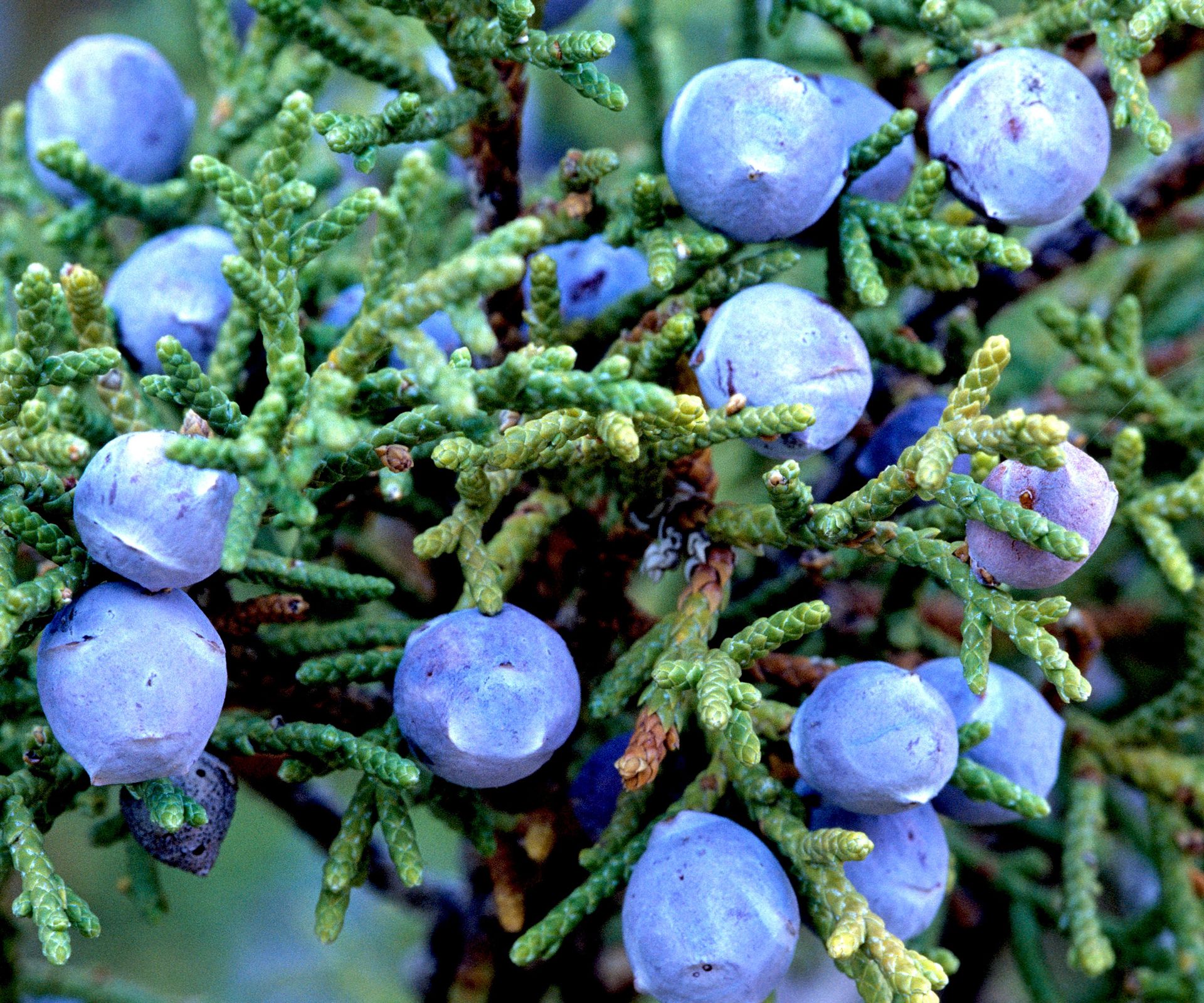
Junipers deliver unmistakable fragrance alongside feathery, silver-blue foliage studded with dusty, berry-like cones. Thriving in zones 3-9 depending on species, junipers range from low-spreading groundcovers (like Blue Rug) to graceful upright evergreens like Eastern red cedar (Juniperus virginiana) and blue-tinged Rocky Mountain juniper (Wichita Blue). Plant in full sun and sharp, well-drained soil. Once established, junipers are drought-tolerant and shrug off winter winds. You can get Wichita Blue Juniper from Trees for a compact holiday-friendly choice.
Their supple boughs are tailor-made for weaving lush garlands over doorways, shaping rustic table runners, and layering texture into mixed evergreen wreaths. When harvesting branches, prune lightly from the outer tips and never cut back into old, bare interior wood. Dunk cut sprigs in cool water for 24 hours before crafting, and wear sleeves to guard against potential skin irritation from the resinous needles.
5. Rosemary
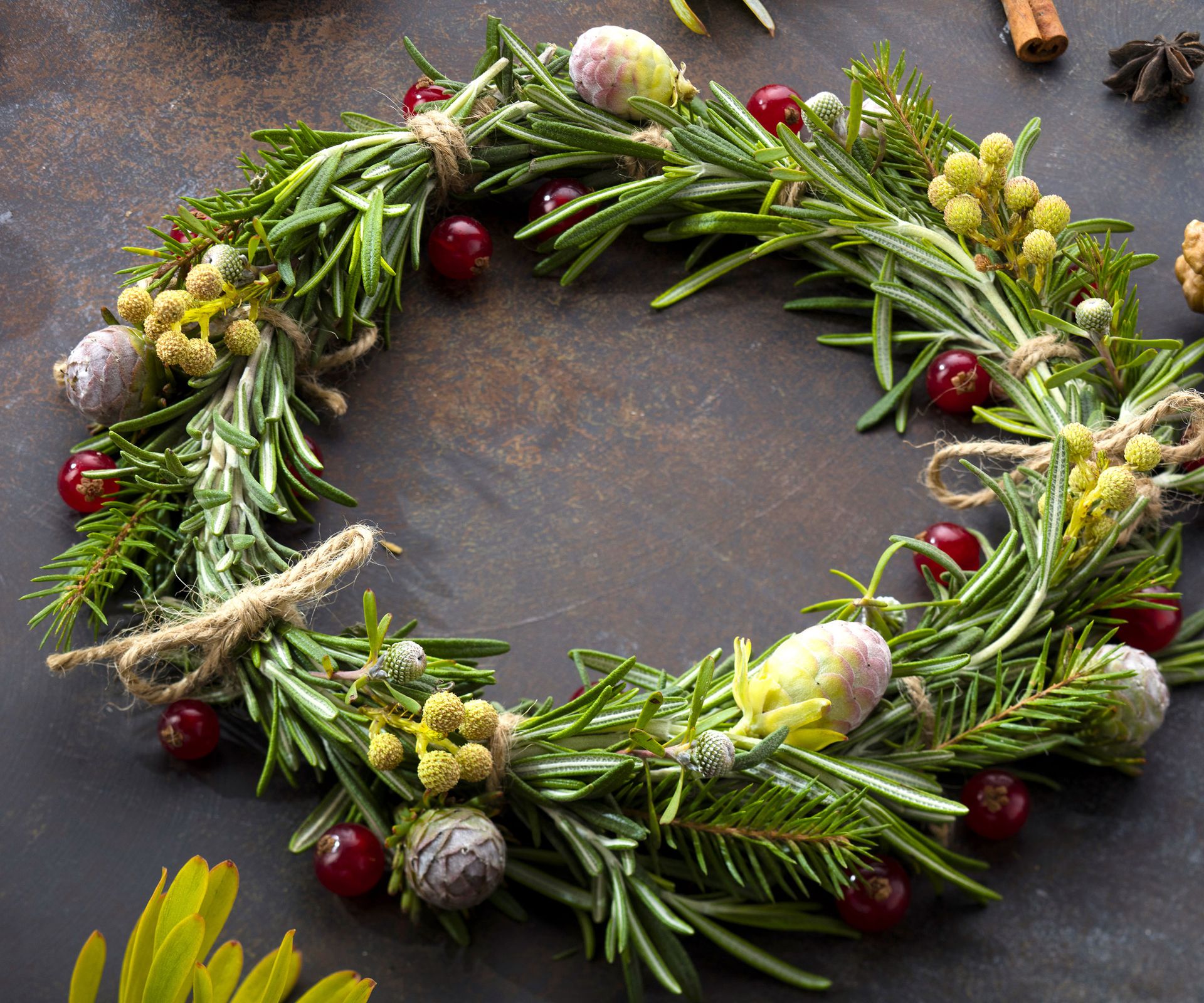
Bridging the gap between holiday decor and festive feasting, here comes rosemary. Its pine-scented foliage brings instant charm to winter tablescapes and mini wreaths, especially paired with dried orange slices and cinnamon sticks. Rosemary (Salvia rosmarinus) is reliably perennial outdoors in zones 8-10, where it thrives in lean alkaline soil. If you are in zone 7 or colder, grow upright cultivars like Tuscan Blue or Arp in terracotta containers. You can buy Arp Rosemary Indoor Christmas Plants from Plant Addicts. Just remember to transition plants outside when weather permits.
Move pots indoors to a bright, south-facing windowsill before hard fall freezes arrive, watering sparingly only when the top two inches (5cm) of soil feel dry. Harvesting sprigs in December encourages bushy branching, but never remove more than one-third of the plant at once. Any leftover trimmings from wreath-making sessions can be used in holiday roast potatoes, focaccia, and mulled cider. Win-win!
6. Silver Dollar Eucalyptus

For a modern, frosted aesthetic that elevates traditional red-and-green palettes, try silver dollar eucalyptus (Eucalyptus cinerea). Prized by floral designers for its dusty leaves and camphor aroma, this fast-growing Australian native is hardy outside in zones 8-11. In cooler climates, grow it as a chic container specimen that can come into a cool, bright sunroom or frost-free conservatory before temperatures dip below 25°F (-4°C). You can buy Silver Dollar Eucalyptus Trees from Trees with a 20% discount if you quote the code at checkout.
Eucalyptus demands full sun and gritty, fast-draining soil. In late fall, selectively prune back overly long, whippy shoots by up to a third. This shapes the plant before winter rest, rewarding you with supple stems for cascading garlands, mantel swags, and vase displays. Unlike conifers that eventually shed, eucalyptus dries gracefully indoors. Just let the cut stems dry before using them in arrangements, hanging them upside down in a cool, dark room for 2 weeks.
7. White Pine
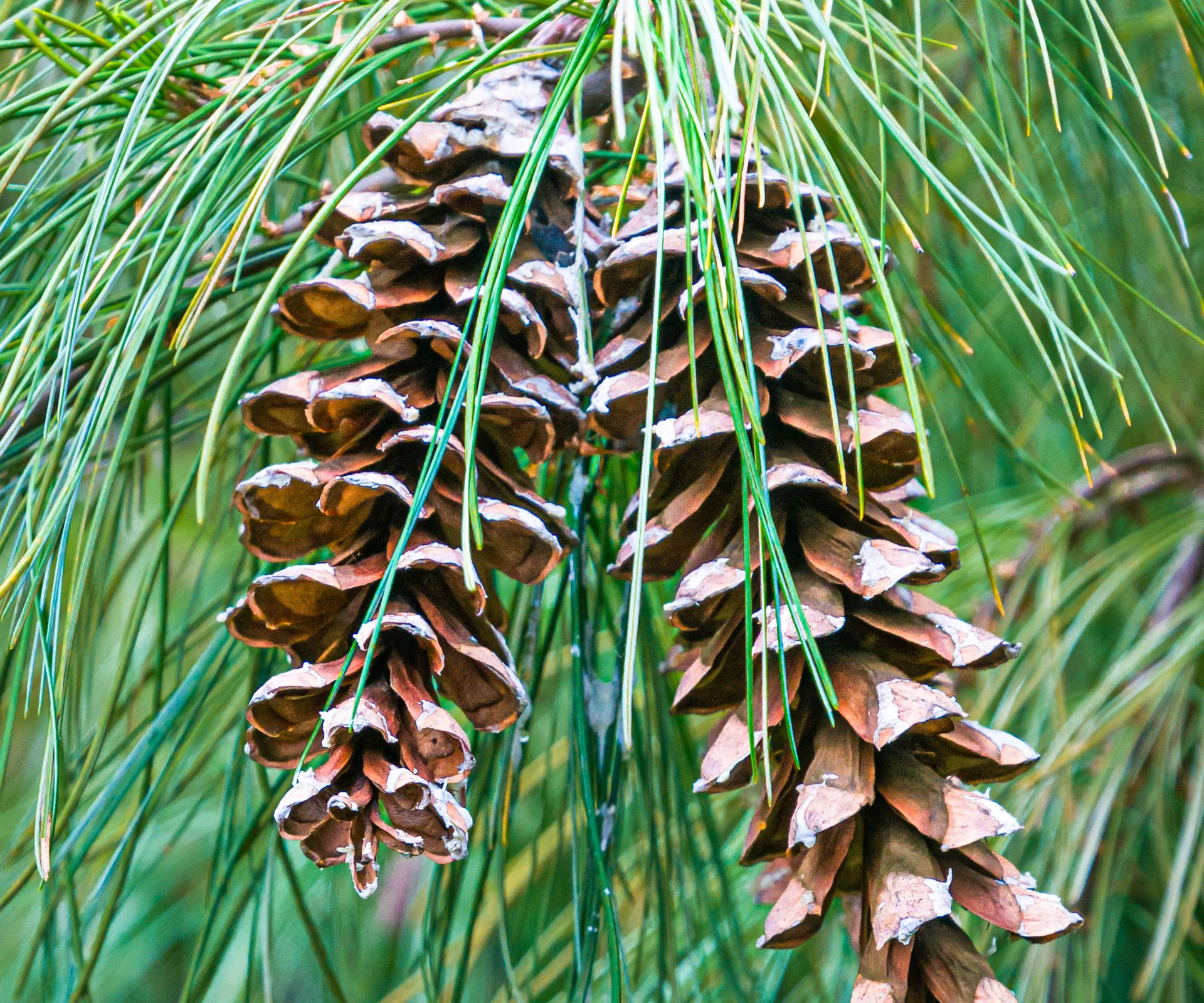
Eastern white pine (Pinus strobus) is quintessential holiday greenery. Instantly recognizable by its soft, feathery bundles of blue-green needles, this stately conifer thrives in zones 3-8. Plant in full sun or light shade in slightly acidic, well-drained soil. Give it generous space, too. Standard trees can soar 50-80 feet (15-24m) tall, but compact cultivars like Nana or Blue Shag suit smaller yards. You can get 30% off an American Beauties’ Eastern White Pine Trees from Nature Hills.
Growing white pine for holiday decor rewards patience. Allow newly planted trees 3-5 years to establish before harvesting, and never cut the central leader shoot, as it can ruin the tree’s natural symmetry. When mature, snip 12-18-inch (30-45cm) lateral side tips around the lower and middle branches. You can weave its flexible stems into lush banister garlands and door wreaths, while its perfume fills the home.
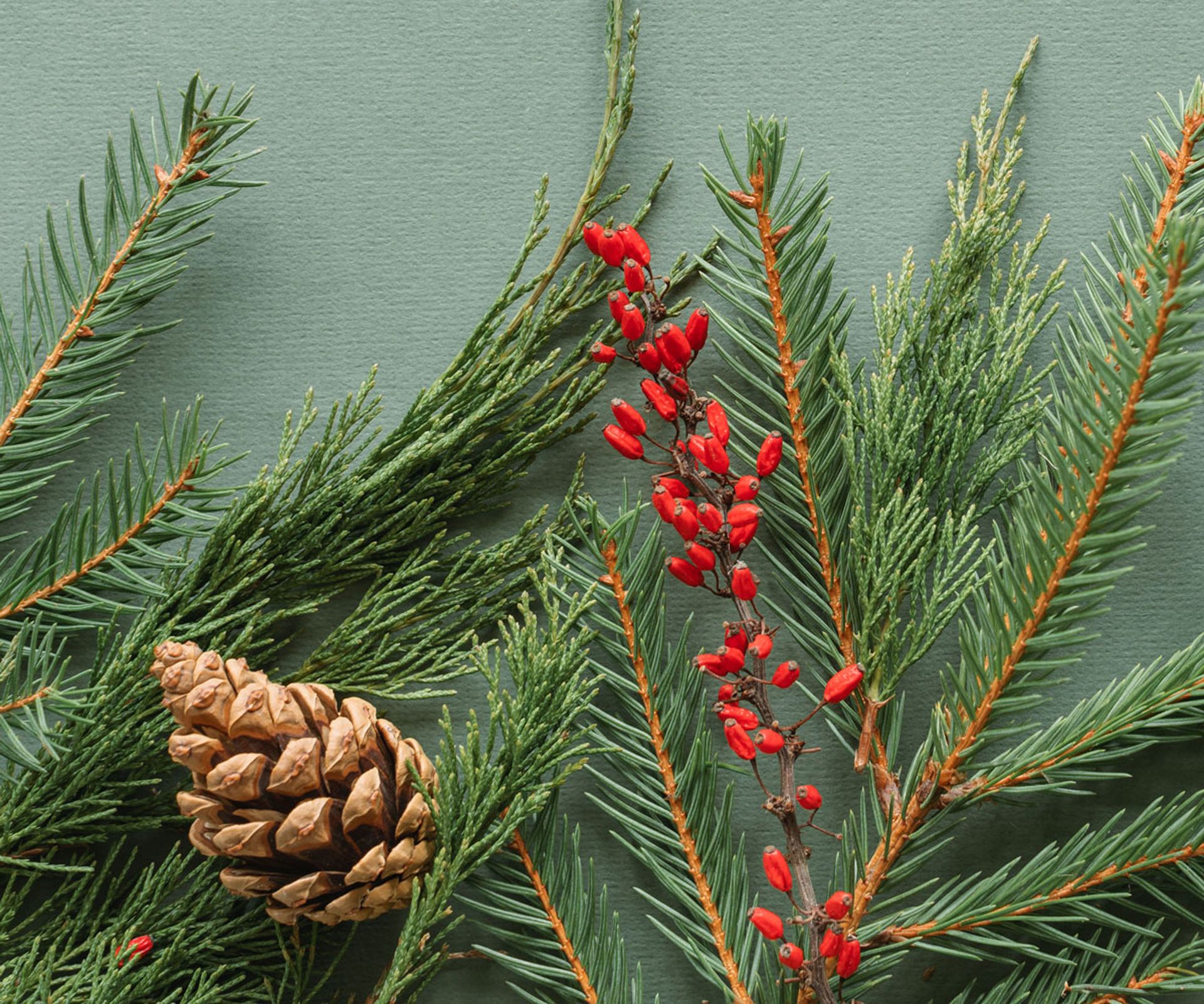
Growing a holiday garden is a great way to get the most out of your plants, but it does require time and patience. Choose the right plants for your garden and help them get established strongly. Don’t rush the process and harvest too much too soon, and you’ll be rewarded with years of lush, natural décor.
Need more ideas for getting the most from your plants, indoors and out, and looking for the best seasonal expert advice delivered straight to your inbox? Sign up for the free Gardening Know How Newsletter!