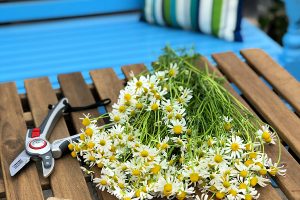
Deadheading spent flowers is a typical and ongoing garden chore. It tidies up plants and promotes continuous blooms. On the other hand, those spent blooms can be very handy for migrating birds beginning in late summer and continuing into fall.
Faded flowers aren’t done providing value to your garden. In addition to helping birds, the stalks and seedpods add visual interest to the garden. For some species, the seeds might even drop and help plants spread or become naturalized. Resist the urge to tidy every bed this time of year. Instead, let it go at least a little bit natural and wildlife-friendly.
Many of your flowering plants produce berries or seeds that provide a vital food source for native birds. Leaving flower stalks in place can also provide much-needed shelter and resting spots for migrating species. So, if you want to support your bird friends, don’t deadhead these plants that help them during fall migration.
1. Coneflowers
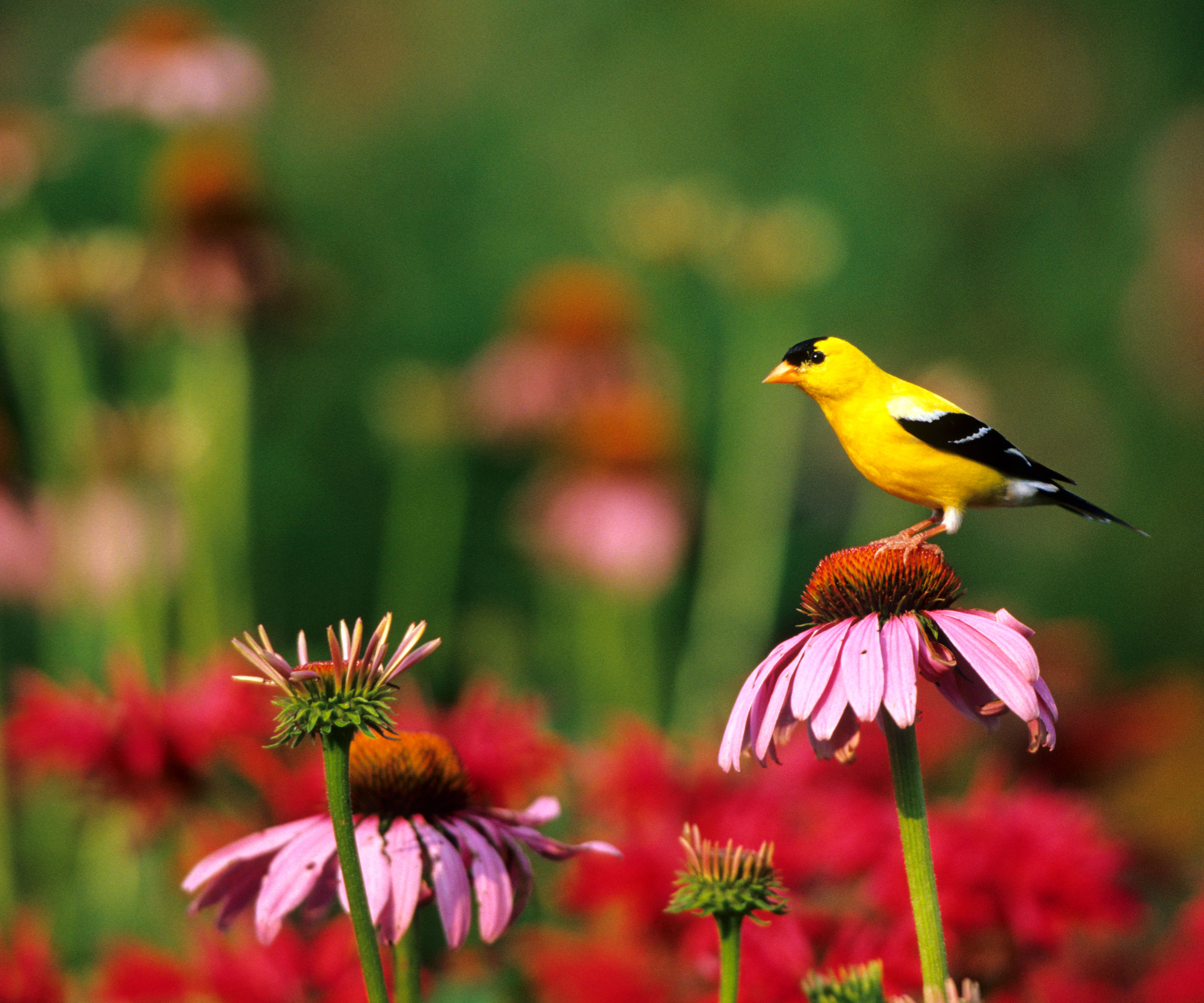
Echinacea, or coneflower, is a popular native perennial wildflower that grows well in sunny beds and blooms throughout summer. The daisy-like flowers come in a variety of colors and have a characteristic cone-shaped center.
Once the petals fall, these cones remain and are packed with nutritious seeds that birds love. Many seed-eating birds, like finches and chickadees, will stop to pick at the cones. The stems are sturdy and will remain upright with cones intact even in winter, so leave at least some in place both to feed native species and for visual interest.
You can explore tons of gorgeous coneflower cultivars from Wayside Gardens that support migrating birds and look gorgeous in any landscape.
2. Black-Eyed Susans
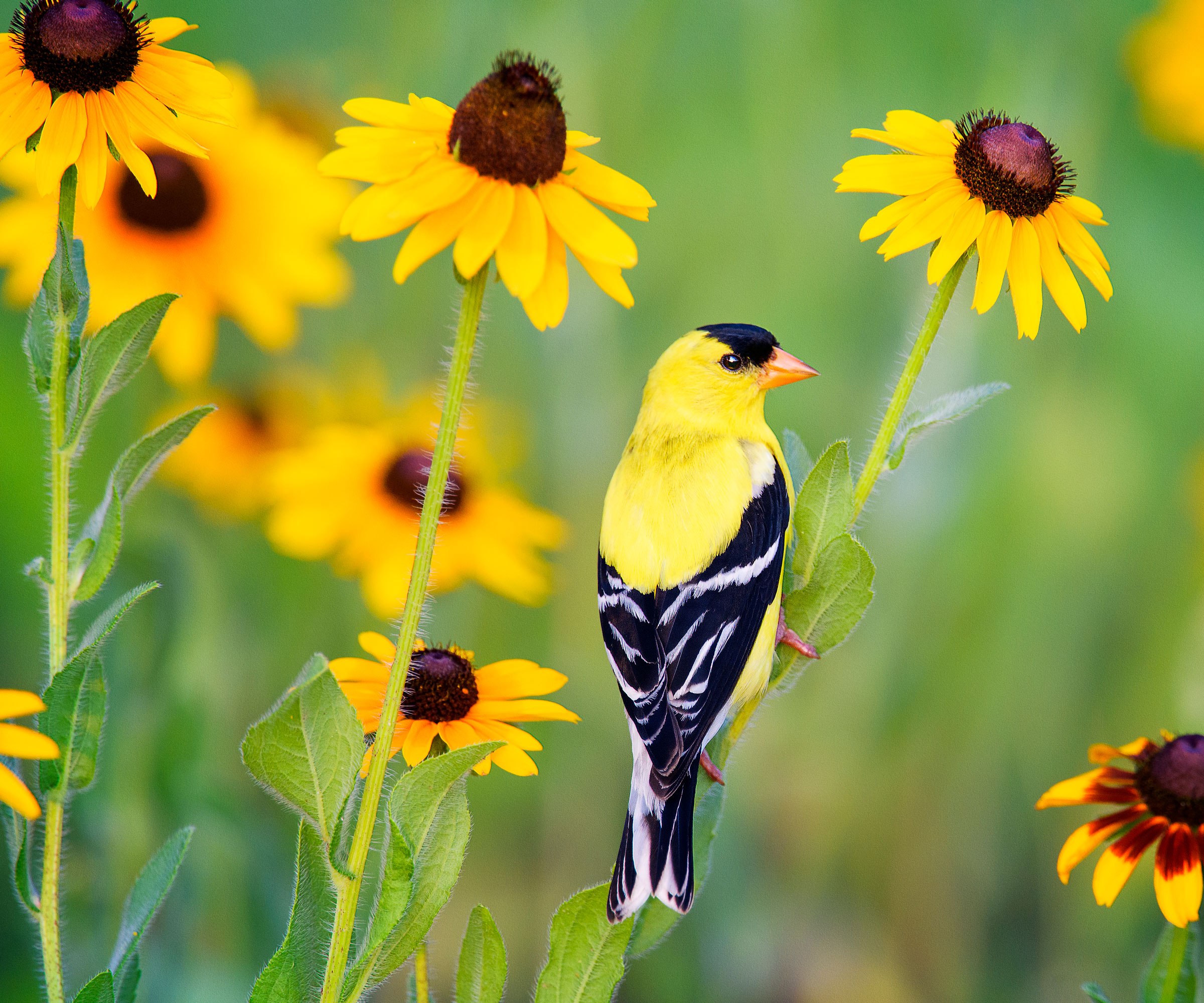
Rudbeckia, commonly called black-eyed Susan, is a similar daisy-like native wildflower known for its cheerful yellow color and dark centers that develop plenty of seeds in fall. While the flowers feed pollinators in summer, in fall the dense seed cones feed birds.
As with coneflowers, you can leave the stems intact through fall and even into winter. Trim them down to the ground if they begin to flop or rot. If you want a tidier appearance in your beds, deadhead and cut back some of the stems early and leave a few in place for birds.
If you want to support goldfinches and other birds that adore rudbeckia, but don’t love the yellow blooms, try this stunning red cultivar called ‘Cherry Brandy’ from Wayside Gardens.
3. Sunflowers
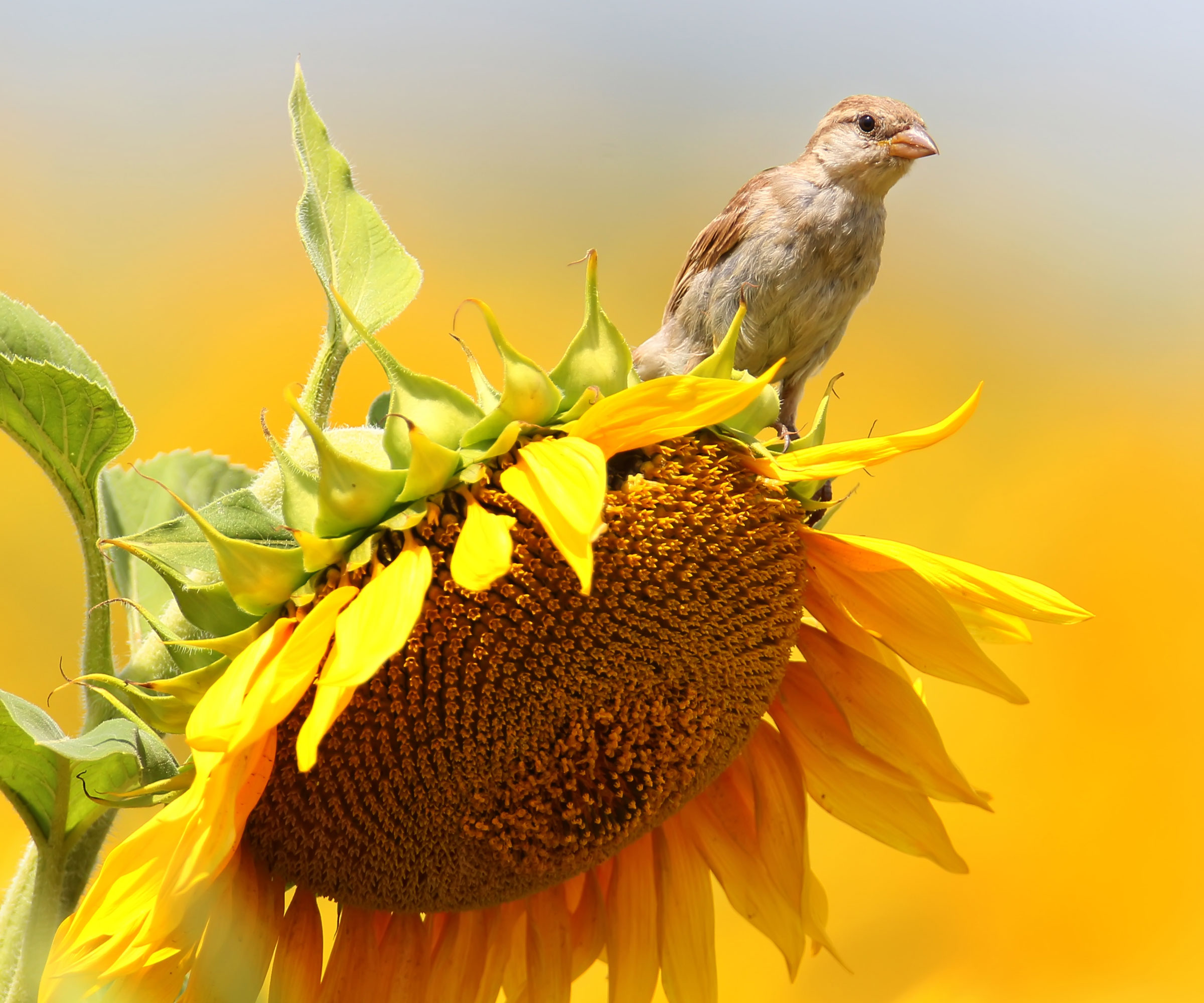
Both native and cultivated sunflowers (Helianthus spp.) are excellent and abundant food sources for birds in fall. Grosbeaks, nuthatches, jays, cardinals, and other birds are drawn to the big seedheads that sunflowers develop in fall.
If you grow sunflowers for cut flowers, consider growing a few extra plants that will feed the birds. Sunflower seeds are among the richest sources of nutrients for migrating birds in fall. The large seeds are high in calories and healthy fats that help power their long journeys.
You can supplement birds’ natural food sources with high-energy suet blocks, like these ones from Chewy, to ensure they have enough fuel to power them on their long journey south.
4. Joe Pye Weed
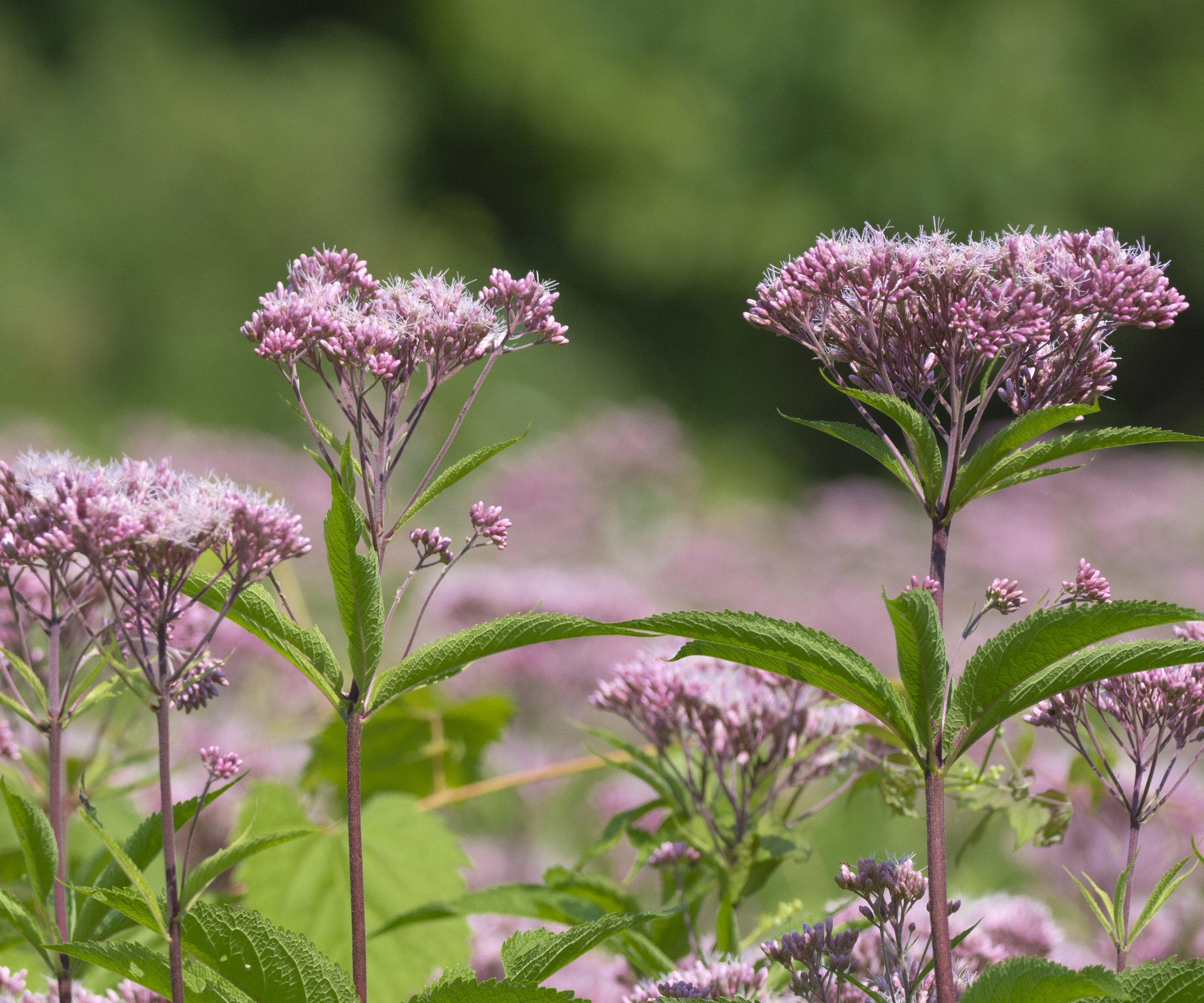
Joe Pye weed (Eutrochium spp.) is a very tall native perennial, growing up to 7 feet (2 m) high. It blooms in midsummer and early fall with flat-topped clusters of small pink flowers. These flowers turn into fluffy seed structures later in fall and readily remain on top of the tall, sturdy stems without flopping.
Leave at least some of these in place as the small seeds will attract late-migrating birds. The tall stems also offer perches and shelter for these birds to rest hidden from predators. In addition to eating the seeds, some birds use the fluffy “hair” for nesting.
This beautiful native plant can be hard to find at the garden center, but you can buy Joe Pye weed online from Nature Hills Nursery.
5. Asters
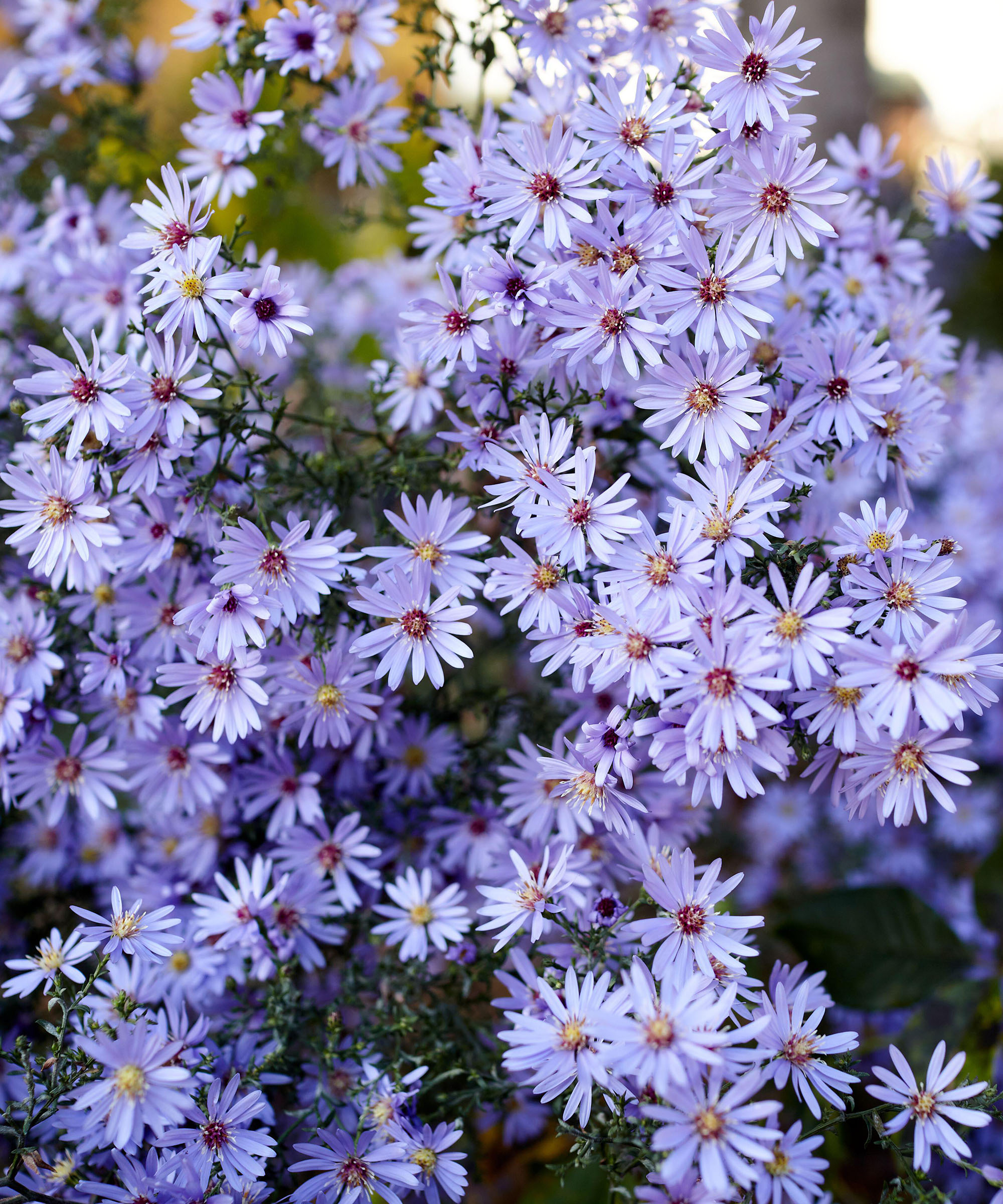
Native asters (Symphyotrichum spp.) are popular perennials for their abundance of delicate, daisy-like flowers that bloom in late summer and through most of fall in some regions. They come in a variety of colors, from purple and pink to white and blue.
The small seeds that asters produce after the flowers are spent provide a great food source for many small migrating birds, so leave some of them in place. As a late-blooming flower, asters are particularly important for providing food later in the season when other resources are scarce. Also, the dense growth of the plants offers good shelter for small birds.
You can get a 4-pack of pretty purple asters from Vigoro at the Home Depot for under $20.
6. Viburnum

Viburnum is a large group of shrubs often prized in landscaping for their spring flowers, late summer and fall berries, and attractive fall color. Several popular viburnum varieties are native and develop berries that are popular among birds.
Resist the urge to tidy up your viburnum hedges too much at this time of year. Cedar waxwings, grosbeaks, bluebirds, and other native species will thank you for leaving both the berries and some of the dense growth in place. They benefit from the food source and the shelter.
This viburnum called ‘Spice Girl’ from Proven Winners at FastGrowingTrees.com has the added benefit of vibrant fall foliage as well, so it’s wonderful for both birds and gardeners in fall.
Not deadheading some of your plants is great for your local ecosystem, and especially for native birds, but it can also look messy. You can trim back plants and deadhead some of the flowers to keep beds looking tidy while still supporting birds. If any foliage or seedheads look diseased or are rotting, remove them to prevent the problem spreading to other plants.