Houseplants bring so much life and joy to the indoors at this time of the year, so it can be especially distressing to see leaves dropping. The occasional drop of one or two older, spent leaves isn’t a big deal, but if you see green or yellow leaves falling or an excessive leaf drop, you have cause for concern.
Don’t panic, though. Fall leaf drop in houseplants doesn’t necessarily mean they’re dying, but it is a sign of distress that you should heed. The transition to fall and winter can be difficult for houseplants, who can struggle to survive changes in lighting, temperature, humidity, and more. Tropical houseplants are particularly susceptible to these shifts. Environmental changes can trigger plants to drop their leaves, and while some simply need an adjustment period to recover, you can speed their journey back to full health by working out what they’re particularly unhappy about.
So, great work getting here to Garden ER where you’ll find straightforward solutions to treat this season’s biggest planty problems. Right now, let’s identify the kind of leaf drop you’re seeing and the probable cause, and what you should do to set it right. Come on in and let’s diagnose and treat your houseplant with fallen leaves.
Triage: How Serious is the Leaf Drop?
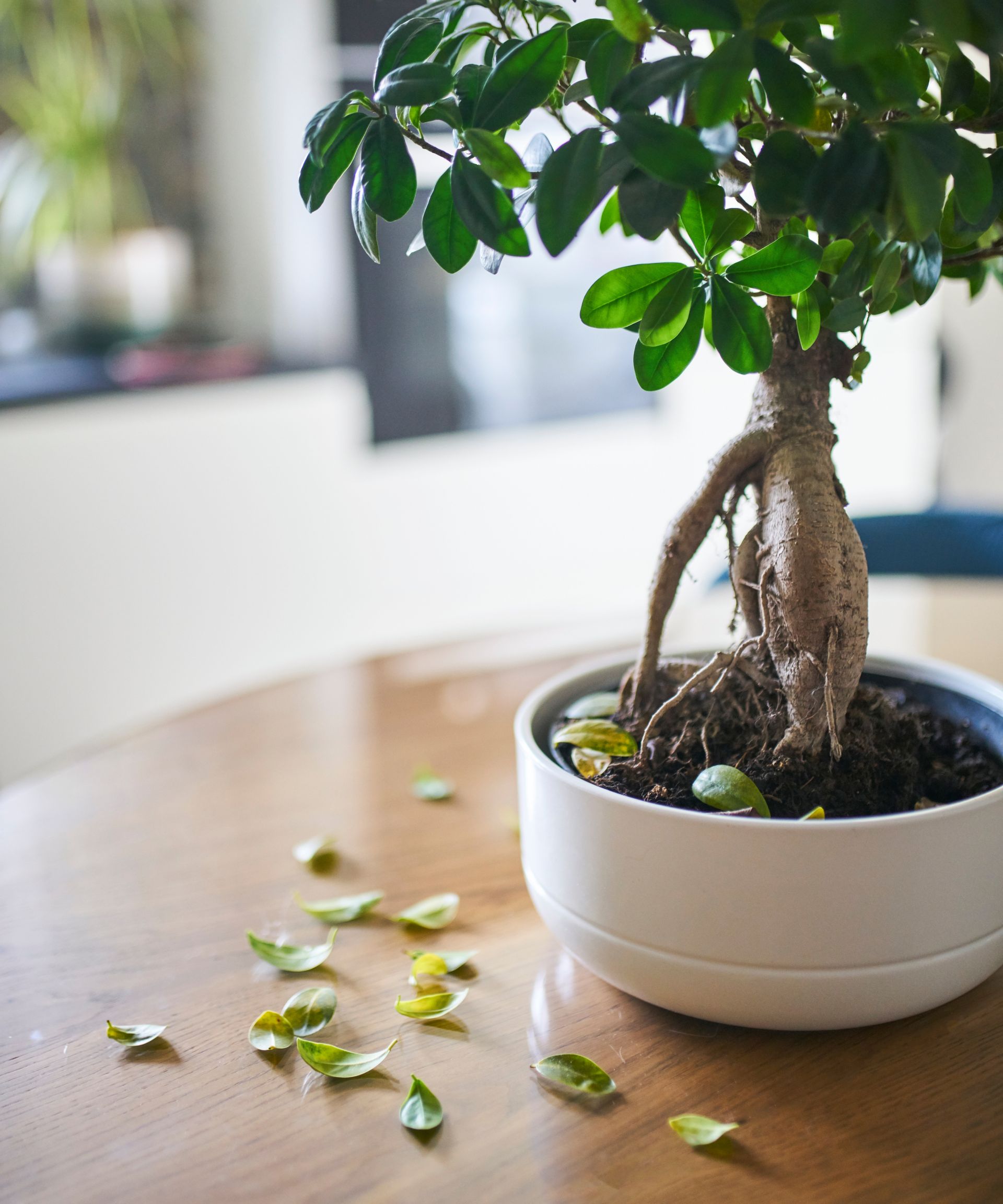
Normal, occasional leaf drop happens when an older leaf, usually near the base of the plant, has yellowed or browned and is ready to drop and make room for new growth. Unusual and more concerning leaf drop shows some characteristic signs:
- Healthy green leaves suddenly dropping
- More yellow leaves dropping than usual
- Leaves turning brown and dry before dropping
- Many leaves dropping at the same time
- Stems dropping along with leaves
- Healthy plants looking ragged and unhealthy within days or a week.
You might see one or more of these symptoms in your houseplant, and they’ll help you identify the cause.
Diagnosis: What’s Causing Leaf Drop in My Houseplant?
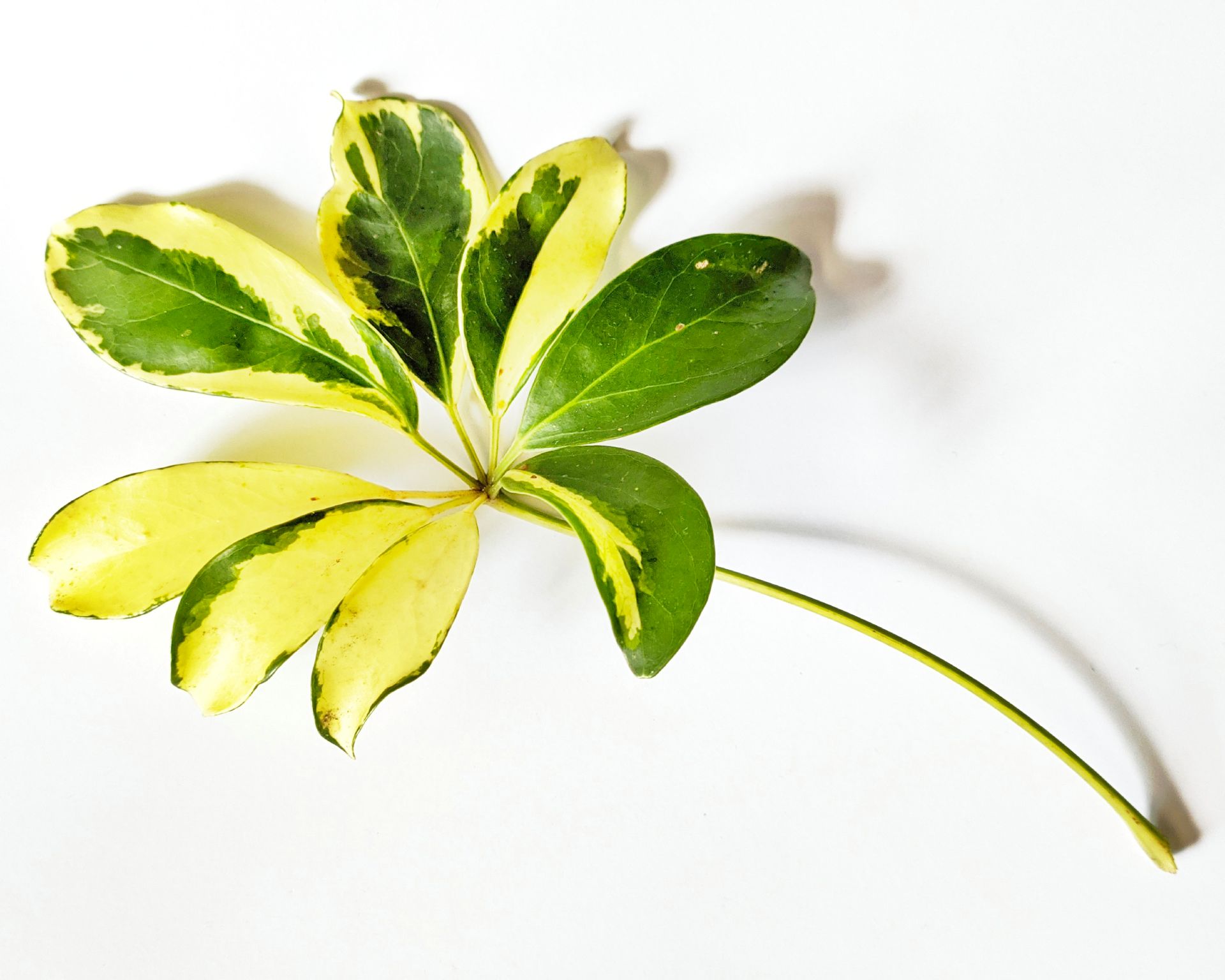
Many of the causes of excessive leaf drop are related to seasonal changes in growing conditions. Observe the symptoms in your plants and the conditions where they’re growing to decide which one, or more than one, of these issues is at play.
1. Temperature Changes
While indoor temperature shifts right now might not seem that drastic to you, they can be for houseplants. As the temperatures drop outside, your plants’ locations near windows might be significantly colder than other areas of a room, even with the heat on. They might also be experiencing drafts that were absent in summer and early fall. Colder overall temperatures and changes in temperature throughout the day can both be damaging.
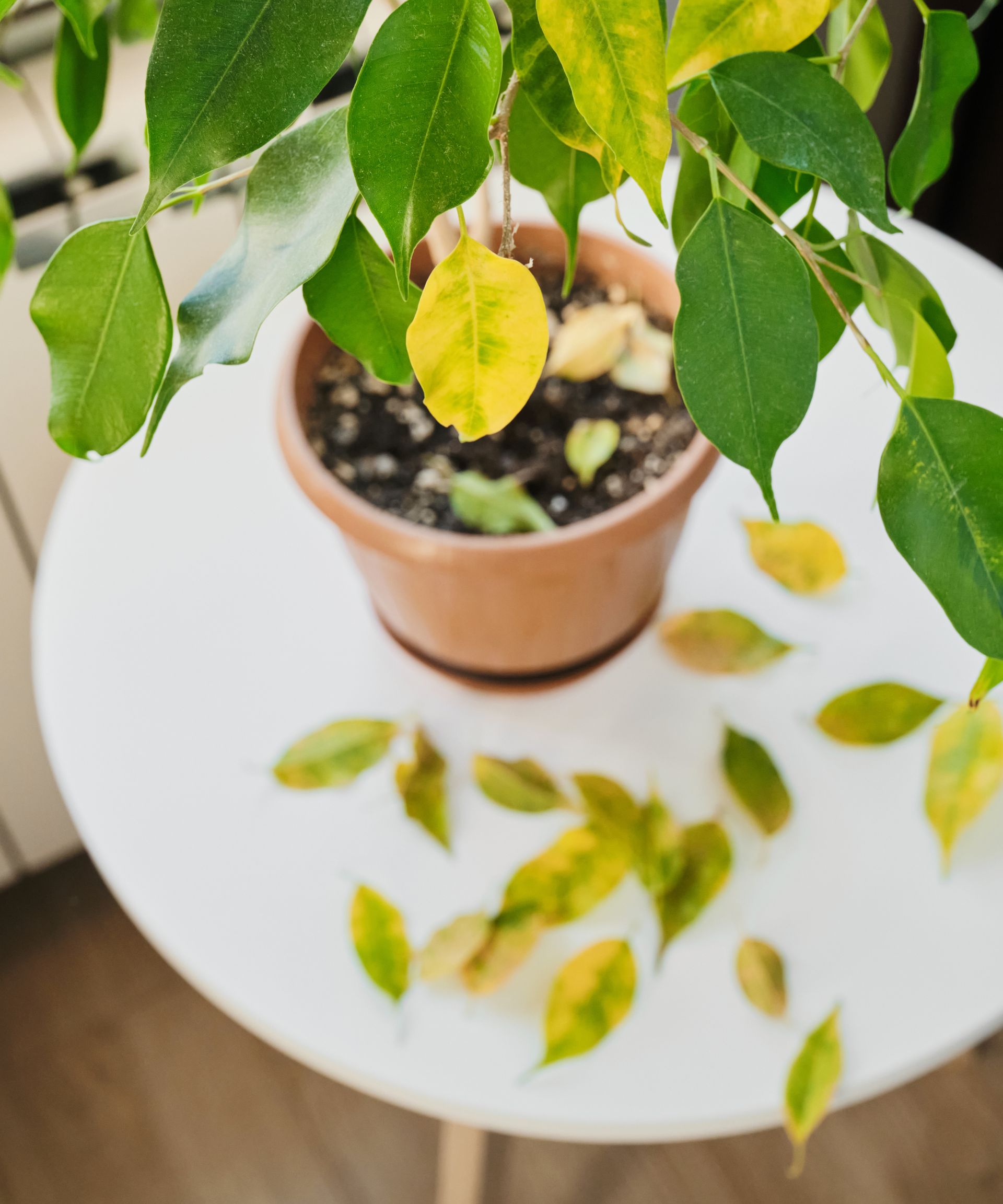
Some signs a plant might be dropping leaves due to temperature shifts include suddenly dropped green leaves, leaves falling after a cold night, or leaf drop on the side of a plant facing a cold draft or window.
Tropical houseplants, and in particular ficus – including fiddle leaf fig, weeping fig and rubber tree plant – are especially sensitive to temperature changes, and are notorious for dropping their leaves after even a subtle shift.
2. Low Humidity
If you’ve had the windows open to enjoy the soft breezes of summer and early fall, closing them up in November can be a shock for houseplants. Turn on the heating, the humidity in the house naturally drops, leaving your plants to grow in dry, stale air.
Low humidity stresses many houseplants and in particular that come from humid tropical or subtropical locations such as Alocasia and Boston ferns. Calathea plants are especially likely to develop dry, crispy leaves that drop. In the dry air, these plants lose more water through their leaves than the roots can replace, and this results in drooping foliage, brown and crispy tips and edges, curling leaves, and increased leaf drop. It’s important to note that dry air can affect plants this way even if the soil is moist.
3. Shorter Days, Less Light
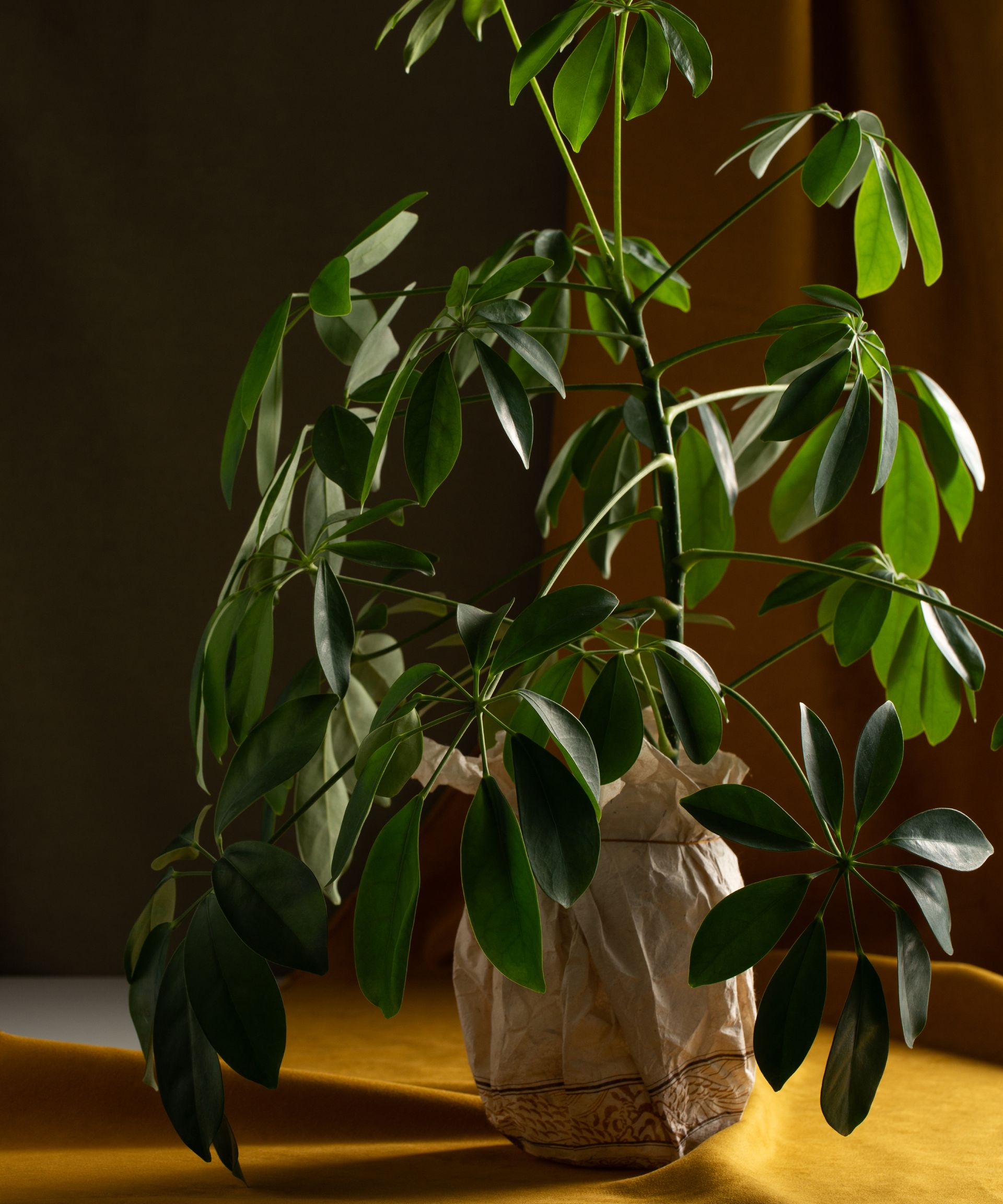
Late fall and winter bring shorter days and less natural light for plants. This means plants engage in less photosynthesis and grow more slowly, and some go dormant, and leaf drop is a common response. In scientific terms, the lower light conditions accelerate abscission, the natural process that causes plants to shed their leaves.
Stress in the environment can also trigger certain hormones that cause leaves to detach before they’ve reached the end of their natural lifespan. It’s a response that helps a plant reduce the demands of maintaining healthy leaves when conditions aren’t favorable, to help ensure survival. So, while some seasonal leaf drop can be expected at this time of the year, an excessive loss of leaves likely means a stress-related acceleration of the process.
You might be seeing abscission due to lower light levels if plants drop a lot of older, yellow leaves at the base and without other signs of issues, like over- or underwatering. You might also see an overall thinning of the plant and less new growth.
4. Inappropriate Watering
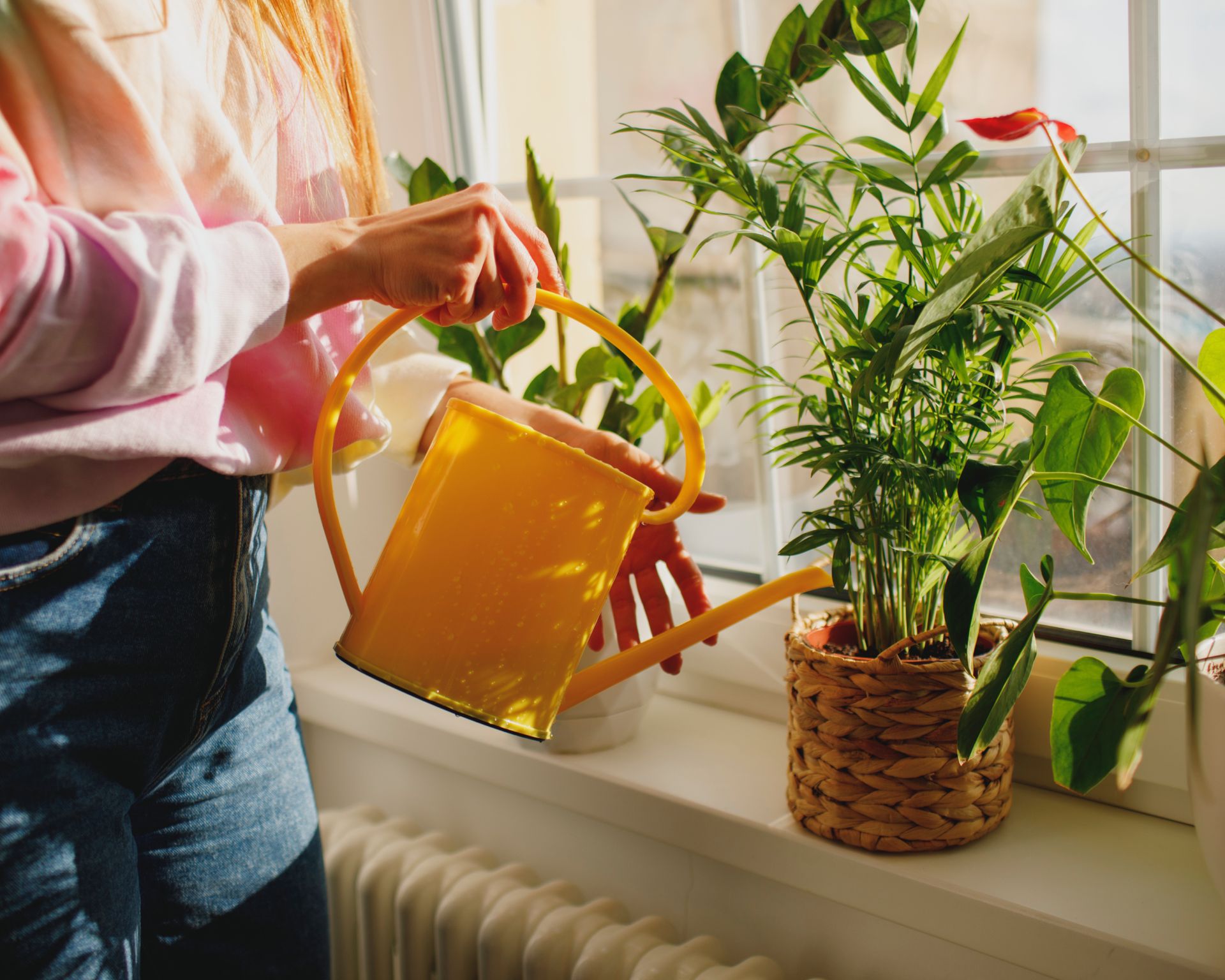
Reduced light levels and slower growth means plants don’t use as much water this time of year, and if you’re watering them like it’s still summer, they’re likely overwatered, triggering leaf drop. This is a common reason why houseplants develop yellowing leaves in November. When waterlogged roots start to rot, they can’t absorb nutrients to send to the leaves which consequently turn yellow and drop off. You’ll also likely see consistently wet soil, soft stems and mushy roots, and you may notice a sour smell.
Underwatering can be an issue too. If the soil fully dries out for long periods, you might see drooping, curling, or crispy leaves that readily drop off.
5. Moving Plants
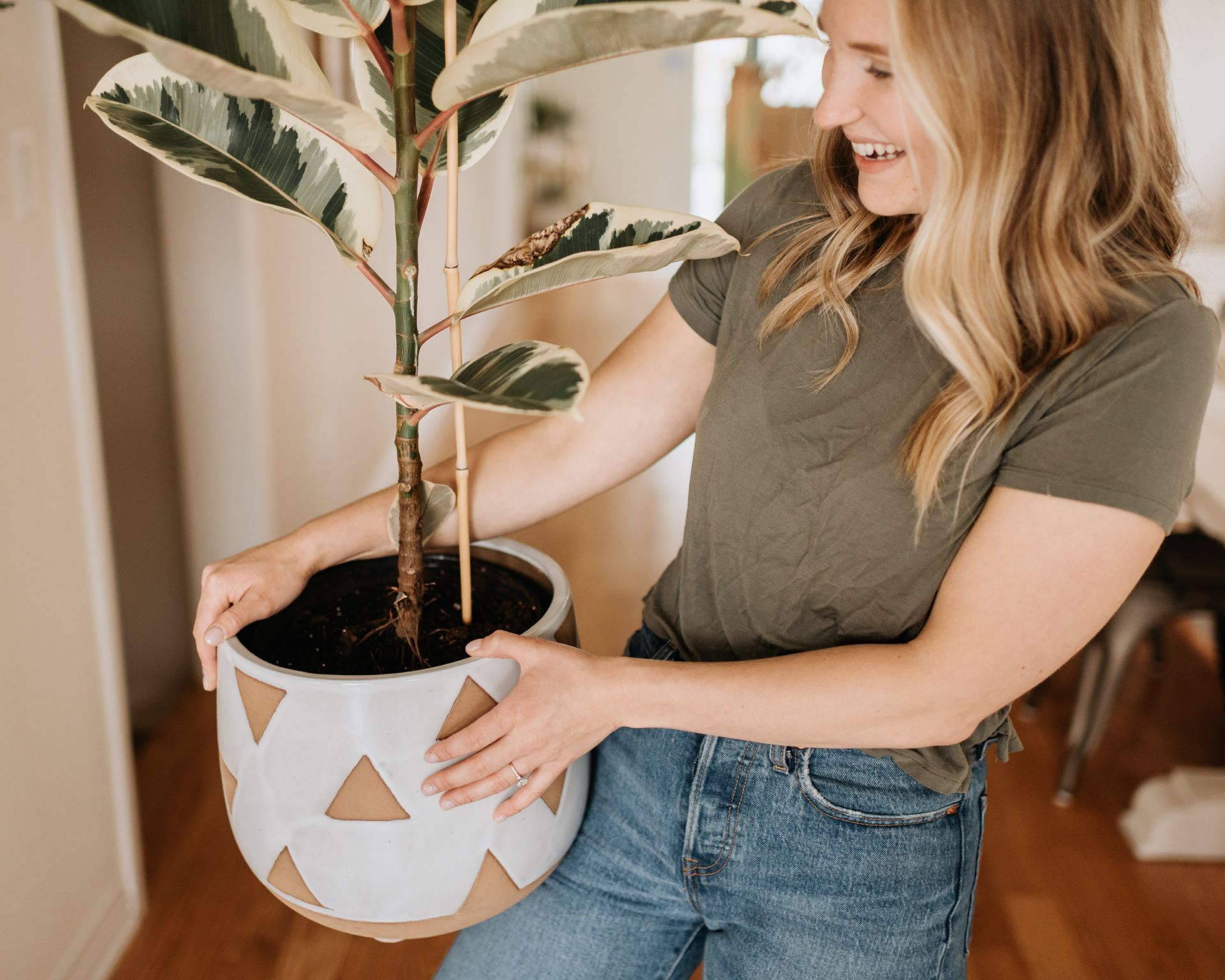
Plants that live indoors all year are susceptible to subtle environmental changes in November, but houseplants that spend the summer outside and the winter inside can experience even greater shifts. The change from fresh air, sun, and warmth to drier air and less light indoors is particularly stressful, and they can drop their leaves as a result.
Your plants can also be stressed if you move them to different locations within the home. Fiddle leaf figs are particularly sensitive to being moved once they’re comfortable. Most plants will recover from the shock of moving as long as you provide the right conditions in their new spot.
6. Pests
Environmental stress is the most typical reason for houseplant leaf drop, but be sure to check for pests too. Spider mites are common at this time of the year and an infestation can cause yellowing and leaf drop, especially in warm, dry air when numbers rapidly increase. If you spot fine webbing on the undersides of the leaves and where foliage meets stems, that’s a sure sign of spider mites.
Watch out for mealybugs, too, which look like white, cottony lumps often in the joints between leaves and stems. Scale insects appear like small brown bumps on stems and leaves, and can also cause leaves to yellow and drop.
Treatment: How to Stop Houseplant Leaf Drop
Take action to correct these causes and minimize leaf drop, and houseplants will quickly recover. While some of these steps will be particularly important to put right whatever is the cause of your houseplant’s stress, all will help a struggling, stressed plant to recover.
1. Find a Spot with a Consistent Temperature
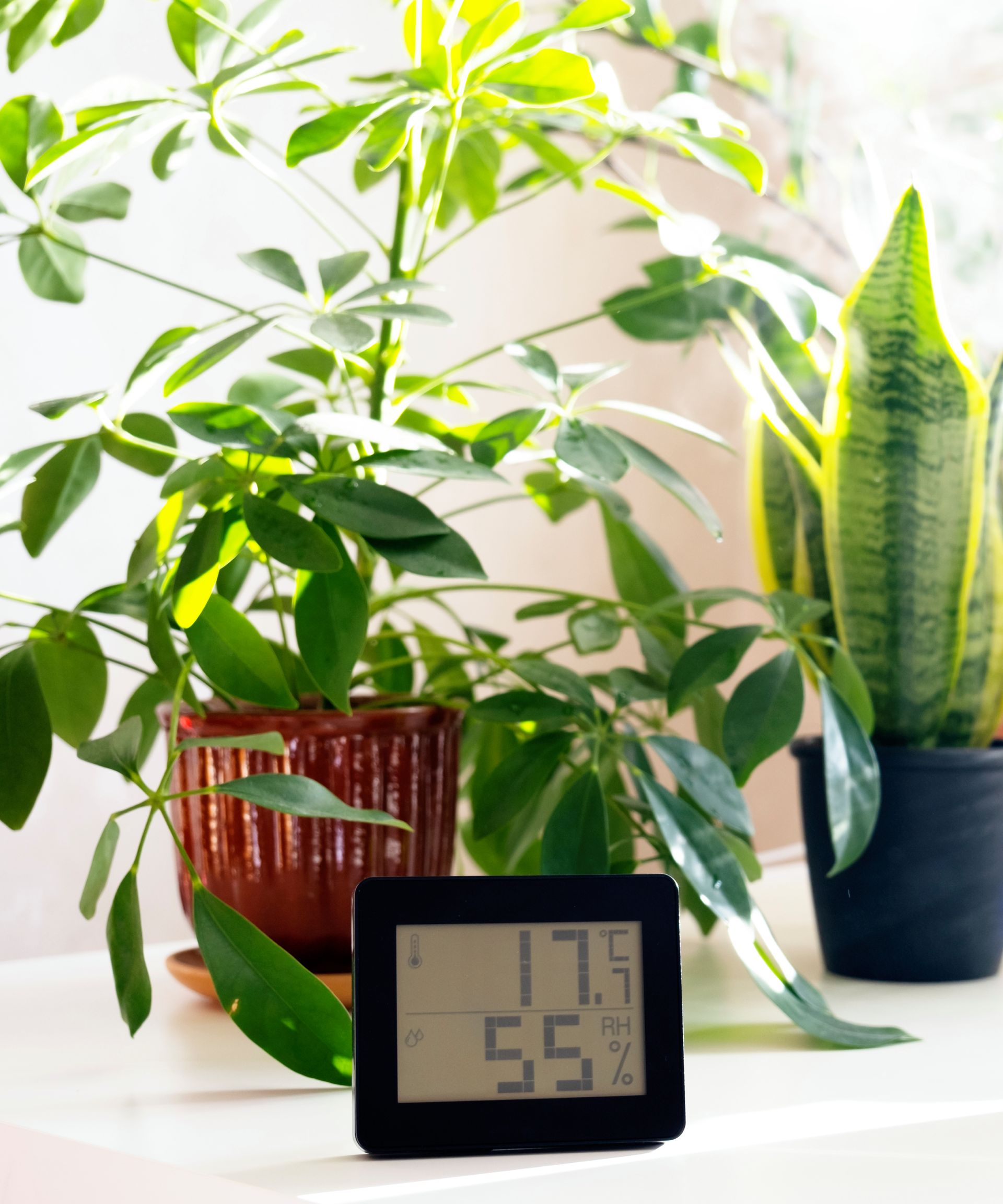
Plants don’t respond well to being moved frequently so, rather than continually moving your houseplant around to find a location that suits, do some prep first. A basic thermometer that shows the minimum and maximum temperatures reached like this TempPro Digital Thermometer from Amazon will quickly show you exactly how cozy – or otherwise – a particular spot is. Houseplants prefer stable temperatures and it can be surprising what spikes are caused by heating vents and radiators, and what lows occur near doors, in drafts and on windowsills.
2. Increase Humidity
Dry indoor air is a major issue for tropical houseplants native to warm, humid areas. Grouping houseplants together naturally increases humidity around them, and you can easily raise moisture levels further with humidity trays. These are simply shallow trays filled with pebbles that sit beneath the pot, topped up with water that evaporates to increase air humidity. A Bonsai pebble tray such as this from Lowe’s is made for the job, or fashion your own with a plant saucer and pea gravel like this Landscape Rock from The Home Depot.
Another option is to use a humidifier and a portable design like the Homedics Humidifier, available from Amazon, is small enough to sit discreetly in among a group of houseplants.
3. Adjust Watering
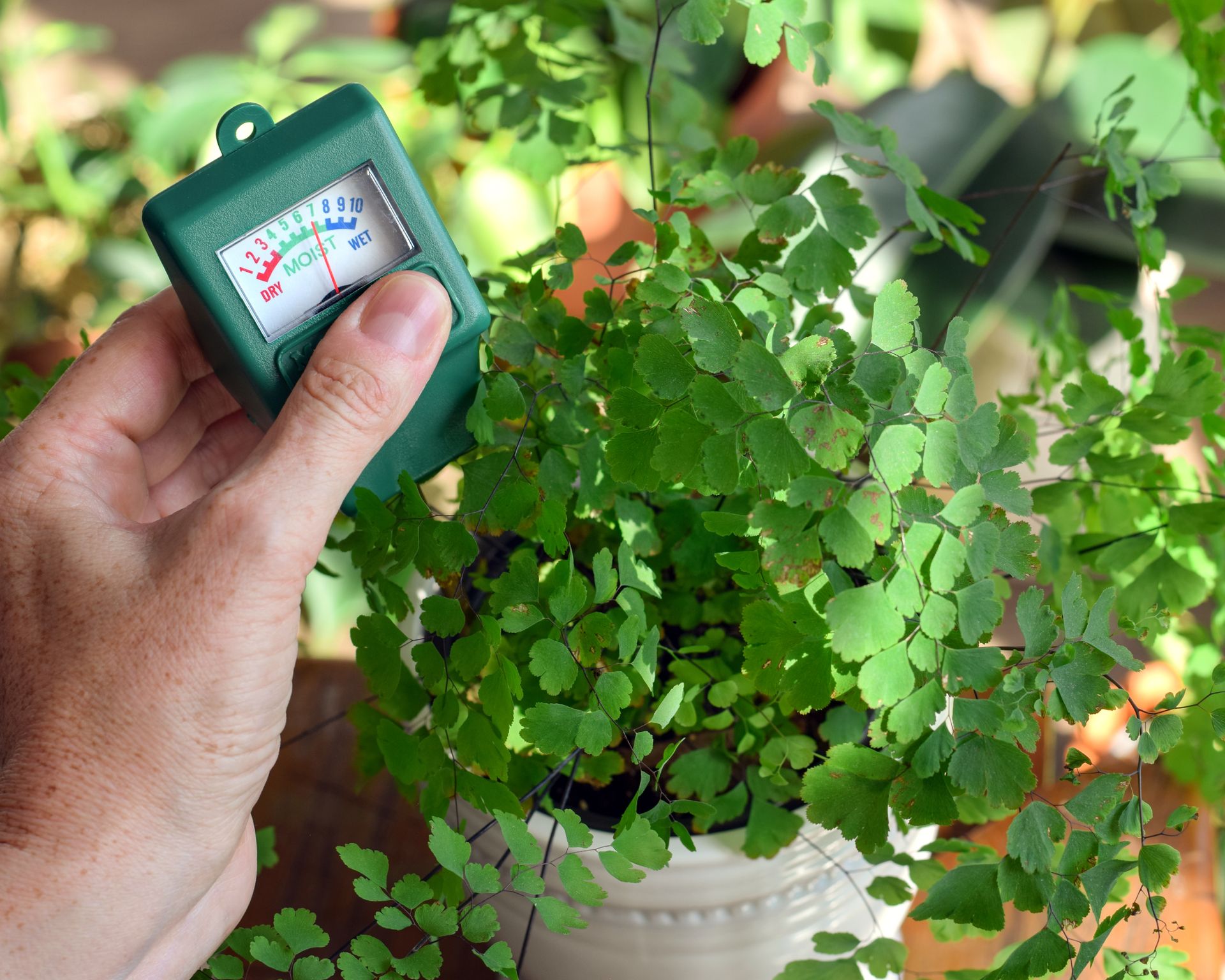
Instead of relying on guesswork, spend $10 on some simple, no-batteries-required moisture meters like these from Amazon, that tell you when the soil needs some more water. Instead of watering on a set schedule, check the soil on a set schedule instead and you’ll naturally adjust irrigation levels in line with houseplants’ seasonal needs. Make sure all your plants are in pots with a drainage hole and empty saucers or cachepot after watering to be sure roots aren’t sitting in soggy soil.
If you ever suspect overwatering, always check for root rot by sliding off the pot to check for discolored or mushy stems and a foul smell.
4. Provide More Light
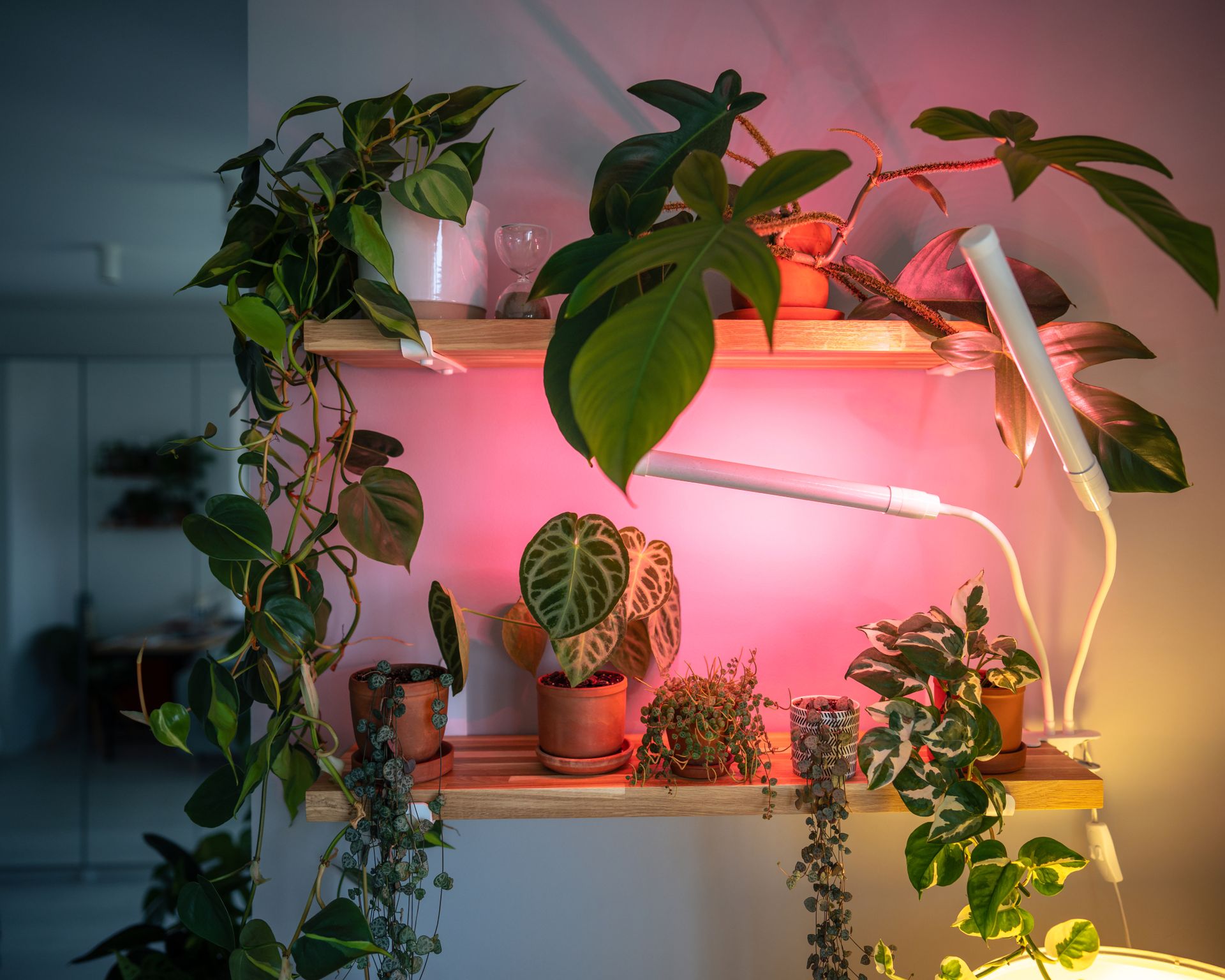
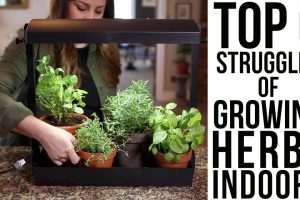
Because of reduced daylight hours and lower position of the sun in the sky through fall and winter, pay extra attention to whether houseplants are getting enough light. East-, west- and south-facing rooms are usually best, and rotate plants to ensure they get light evenly. If there isn’t enough natural light in the spot you want to display your plants, use a grow light. These needn’t be expensive, as this basic dimmable LED grow light such as this from Walmart proves.
5. Manage Pests
If you see pests or signs of pests, deal with the issue right away and isolate affected plants from others to avoid the infestation spreading. Wipe pests, webbing, honeydew and other residue from leaves with a soft cloth, and remove any foliage that is very badly damaged. Finally, if necessary, use an insecticidal soap or neem oil like Captain Jack’s Neem Oil Spray, available from Amazon, to manage a pest infestation.
Patient Notes
Some plants like caladiums and elephant ear go dormant this time of year, so losing leaves in November is a natural and normal part of their lifecycle. As they’re not actively growing, they’re better placed in a cooler but not cold part of the house and watering significantly reduced.
More Garden ER Help
Every week, the Garden ER series brings you simple solutions to this season’s most pressing problems, for happy and healthy plants without any hassle.
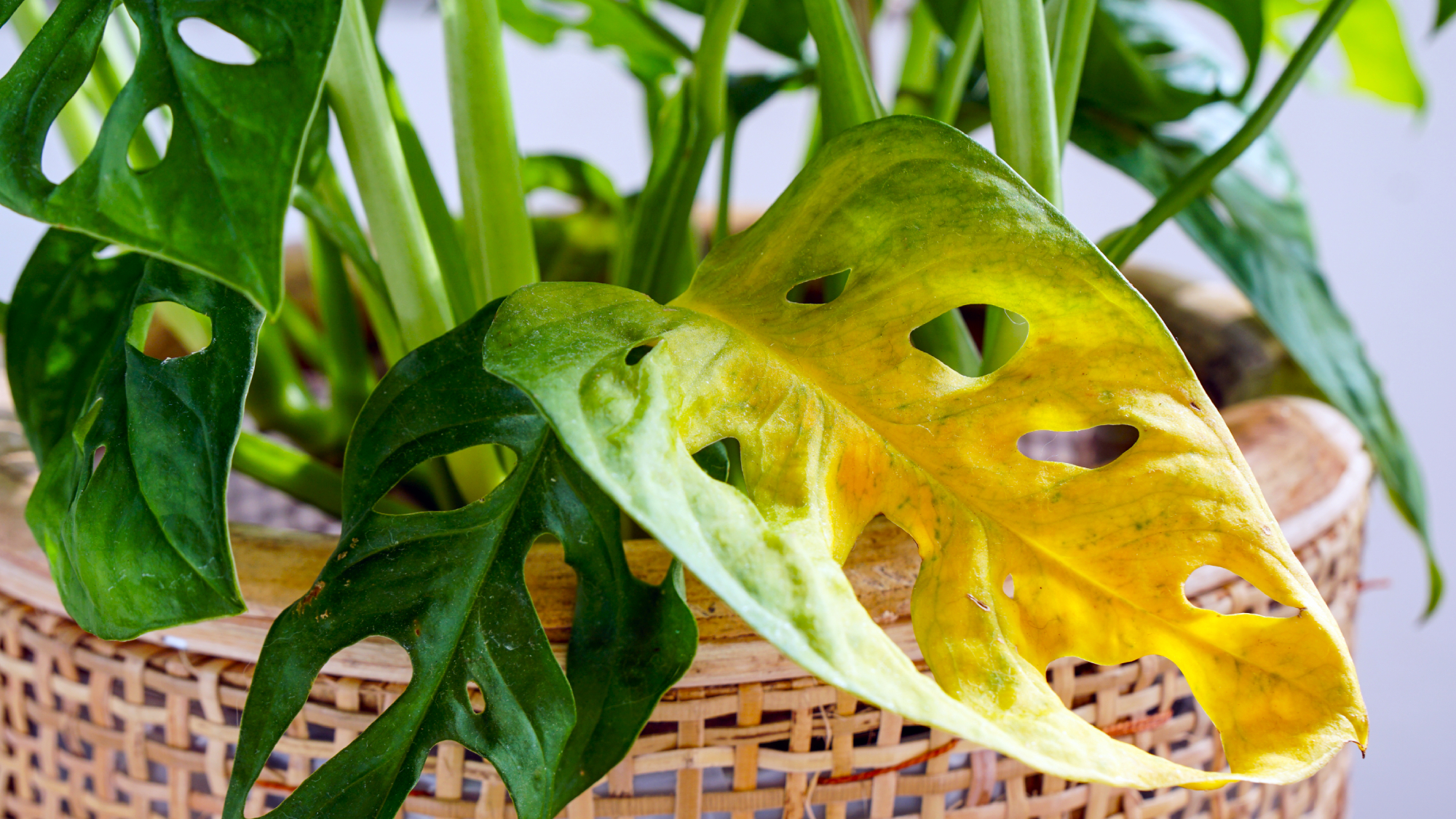
Yellowing Leaves?
Why your houseplant leaves are turning yellow this November, and the simple fix to save your plant’s life.
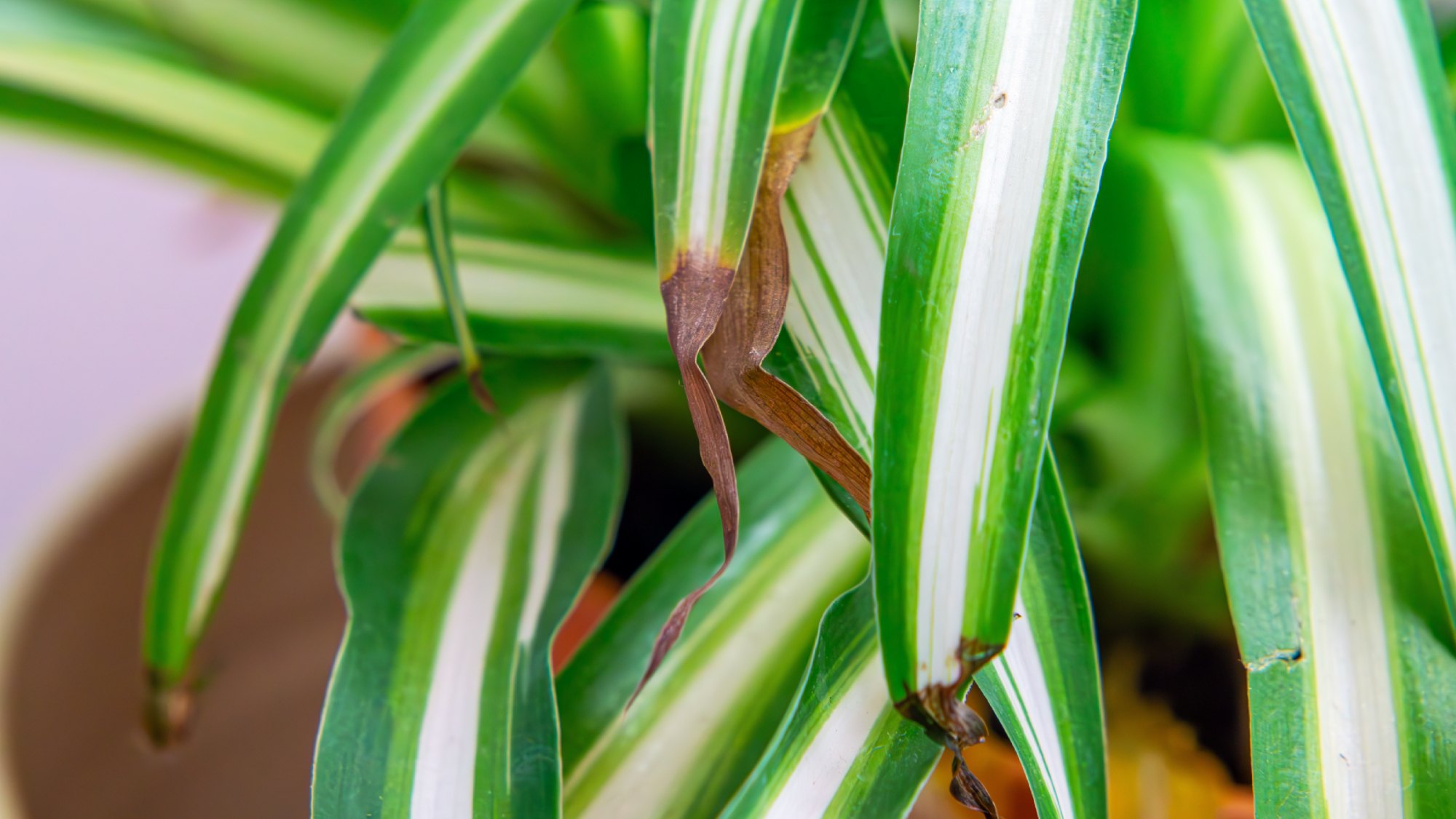
Brown Leaf Tips?
Work out what’s behind your ailing spider-plant developing brown tips in fall and nurse your houseplant back to health.
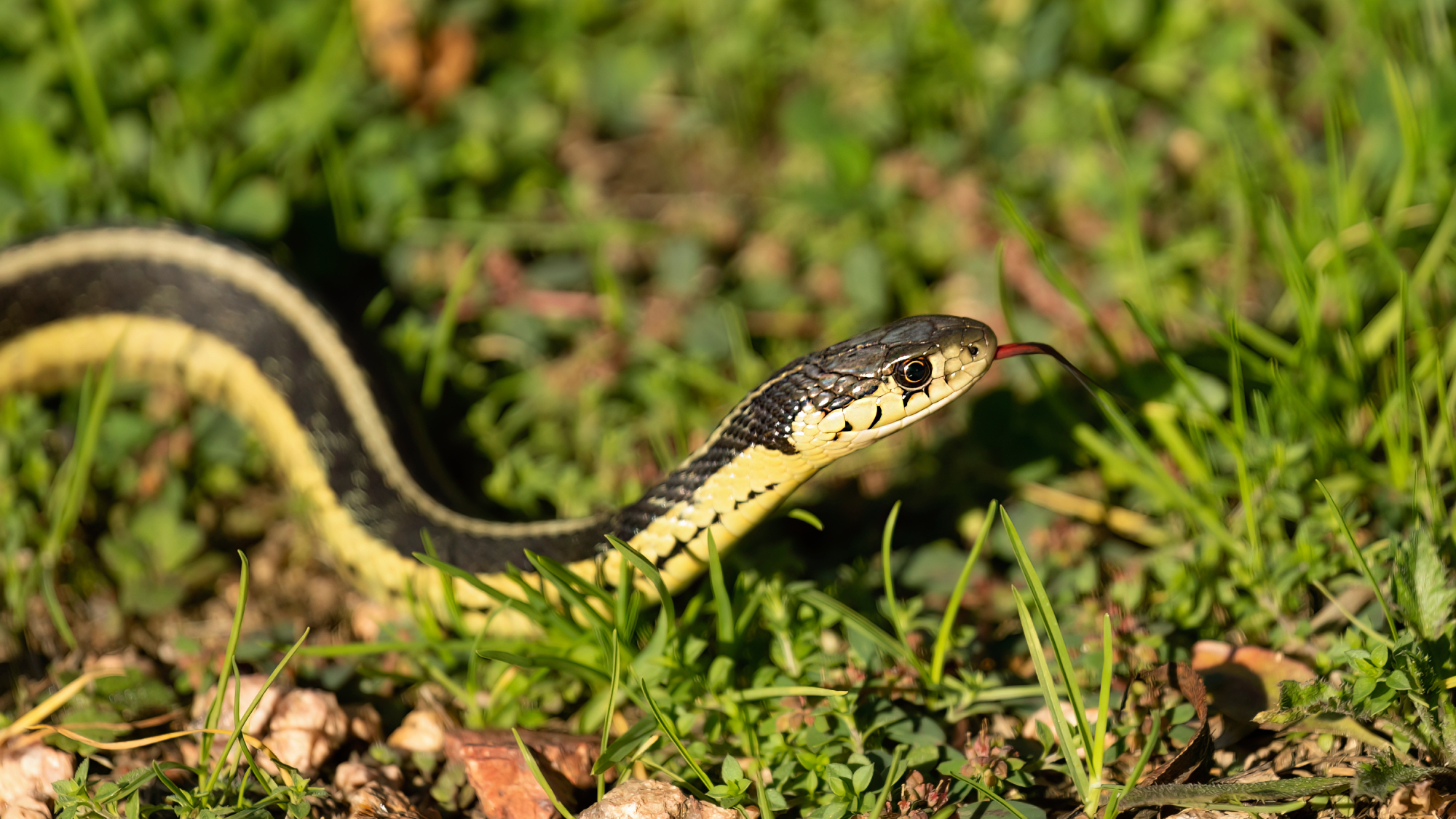
Deter Snakes
Take these proven-to-work steps to make your yard inhospitable to snakes in fall and reduce numbers next year, too.
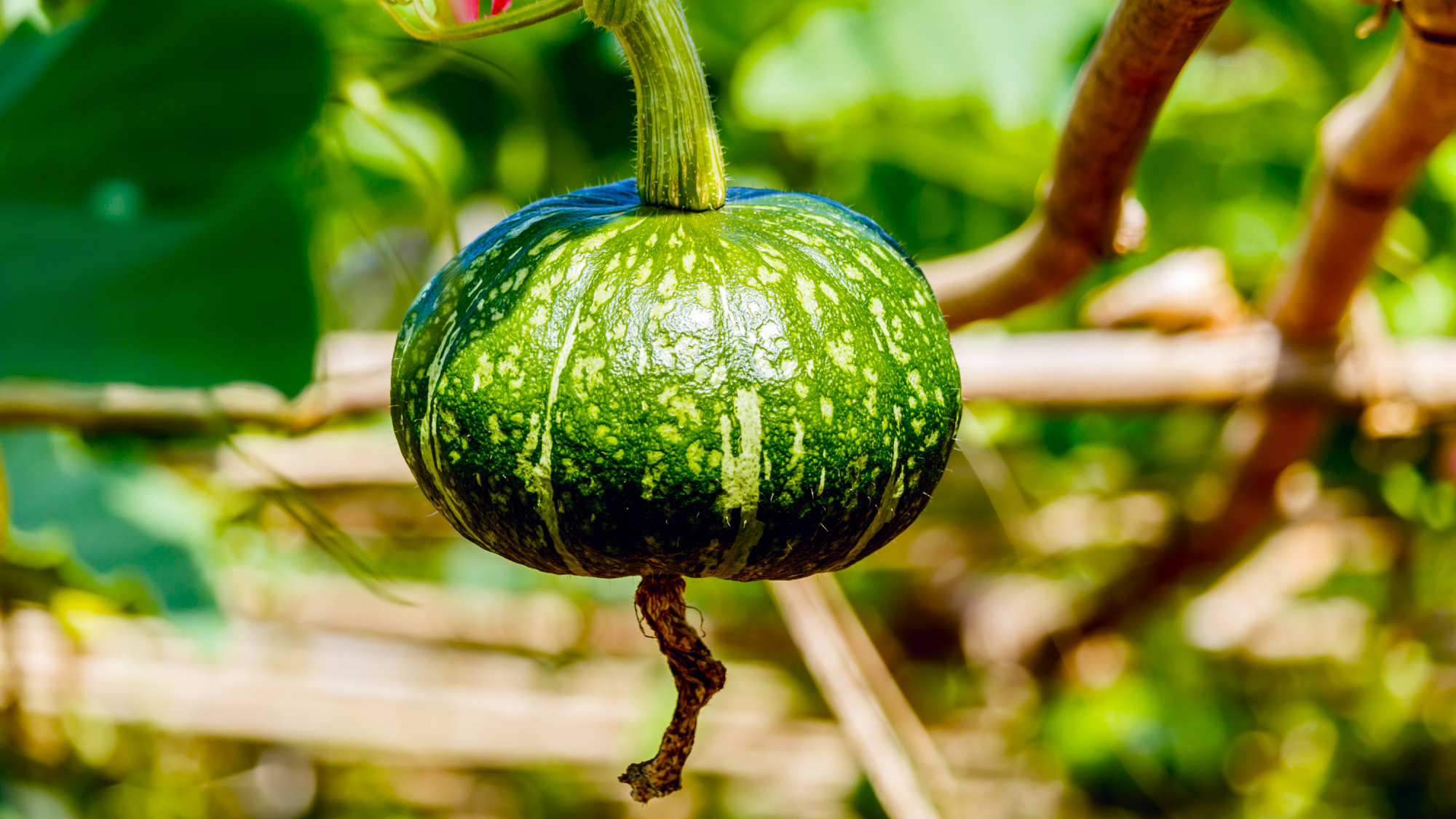
Save Squash
End rot is a common challenge for winter squash in fall but identify the cause and it’s simple to rescue the remaining crop.

Cactus Dropping Leaves?
A lost leaf or two doesn’t spell disaster for a Christmas cactus in fall but you can’t afford to ignore this distress signal.
Brown Lawn Patches?
Chafer grubs have devastated drought-stressed lawns this year but are easily treated if catch this crucial fall window.