When shopping for new perennials, you’ll often find the choice of potted or bare-root plants. Bare-roots are dug up while dormant and shipped without soil around their roots. Since they’re lighter, they’re easier and less expensive to ship – which is why many plants sold online arrive bare-root.
But bare-root planting isn’t all about saving money. Planting during dormancy lets plants focus more energy on developing strong, healthy roots. Cooler temperatures and often rainier conditions are ideal for many bare-root plants, minimizing stress during the transfer.
While there are many reasons to add bare-root plants to your garden in fall or spring, it’s best to give them four to six weeks to establish roots before the ground freezes. This is later than your first frost date, as the soil usually takes longer to freeze. Check when the ground is likely to freeze in your area before choosing and buying bare-root perennials.
If you’re out of time for the season, late winter or early spring is another great time to do this. However, it’s worth ordering your plants in fall, as many nurseries sell out of popular varieties well before spring. You can often order now for delivery at the right planting time.
How to Plant Bare-Root Perennials

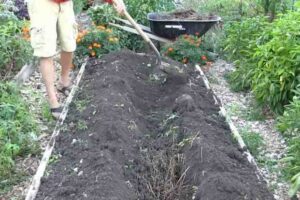
When your perennials arrive, their roots should be wrapped in moist material. Keep them wrapped until you’re ready to plant to prevent the roots from drying out or becoming stressed. First, choose the right location based on the plant’s soil, moisture, and sunlight needs. Then, prepare the soil by pulling weeds, loosening it, and adding compost.
Once you’re ready to plant, unwrap the roots and inspect them. The roots should be firm and plump. Trim off any mushy, brittle, or moldy roots, but avoid cutting into healthy roots. If the roots aren’t very moist, soak them in water for 30 to 60 minutes before planting.
Plant the roots in a hole large enough to fit them and let them spread out, following the recommended planting depth for each plant. Before planting, sprinkle a mycorrhizal fungi inoculant, such as Xtreme Gardening Mykos Mycorrhizae from Amazon, directly over the roots and in the planting hole. These beneficial fungi form partnerships with the roots of many perennials, helping them absorb water and nutrients.
Backfill the hole with soil, gently firming it around the roots to remove any large air pockets. Give the plant a thorough watering to help settle the soil, and continue watering as needed to keep it moist until the ground freezes. Finally, apply a light layer of mulch around the plant to help retain moisture and protect the roots from temperature fluctuations over winter.
1. Peonies
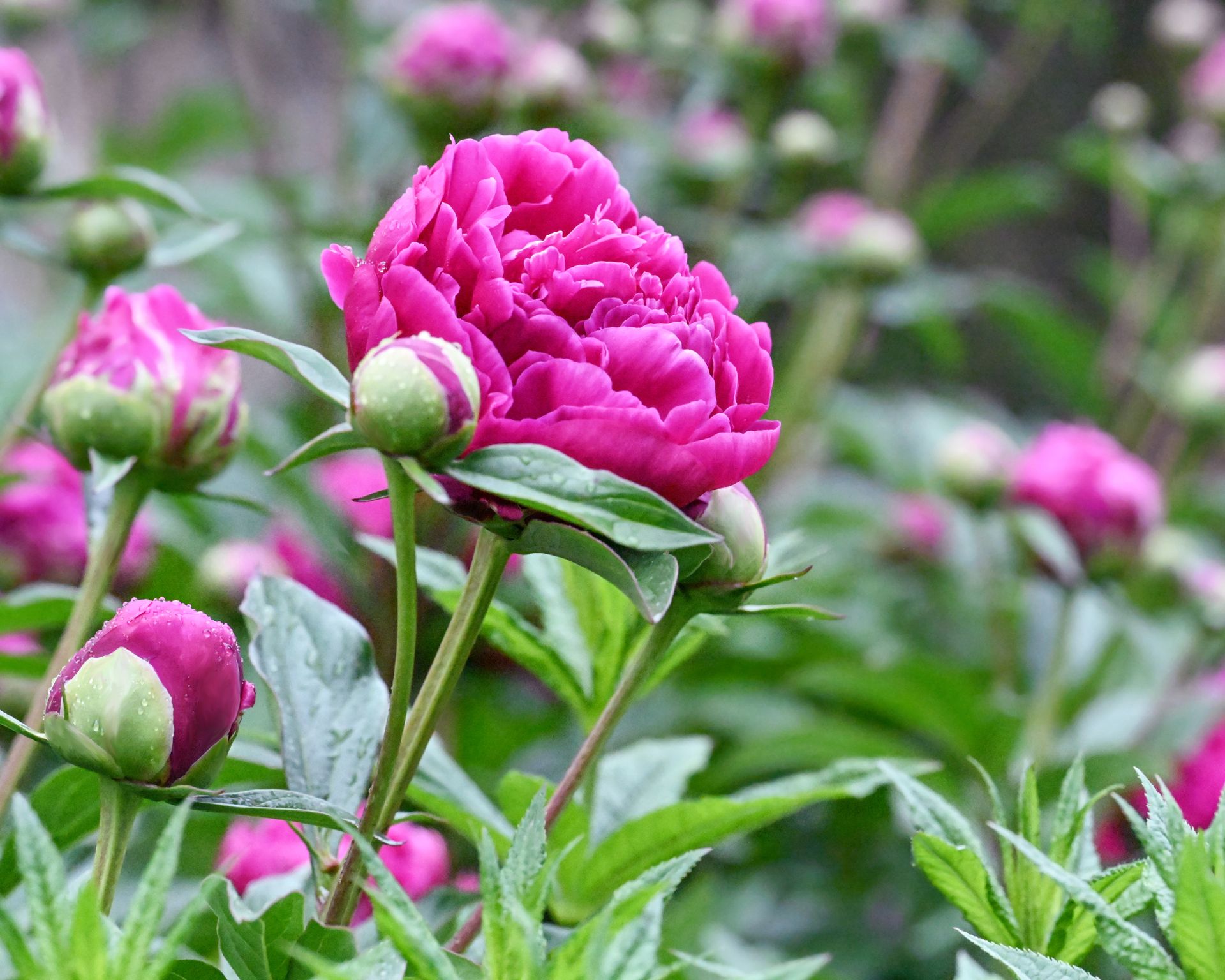
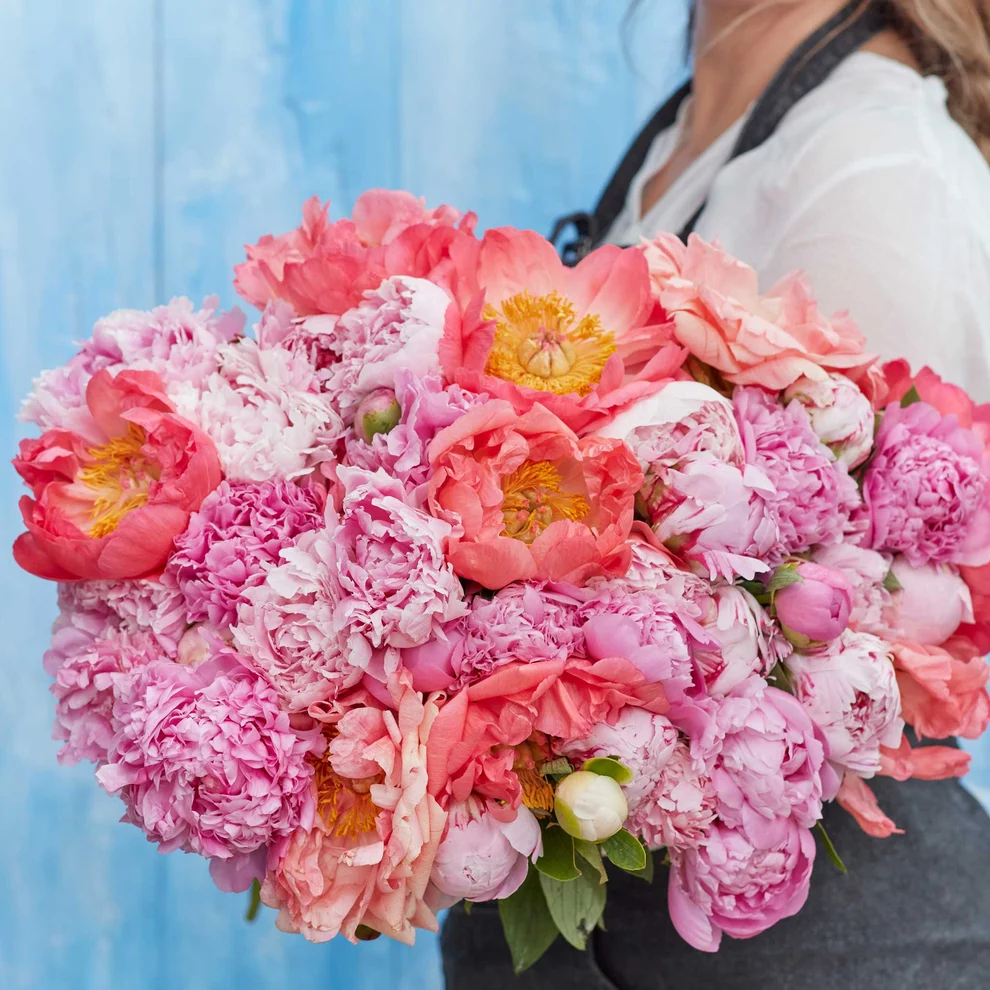
Peonies bloom with large, beautiful flowers in late spring or early summer, and they are among the longest-lived of all garden perennials. This makes bare-root peonies an excellent investment. Plant peonies in an area with fertile soil, excellent drainage, and full sun.
Fall is a good time for bare-root peonies. Plant them so the eyes, the small growth buds, sit 1 to 2 inches (2.5 to 5.0 cm) below the soil surface. Planting them too deeply will prevent flowering.
Eden Brothers currently has a sale on peony roots, and my pick is this beautiful Pastel Mix Collection. Or try the Jumbo Mix for the most flamboyant flowers.
2. Daylilies
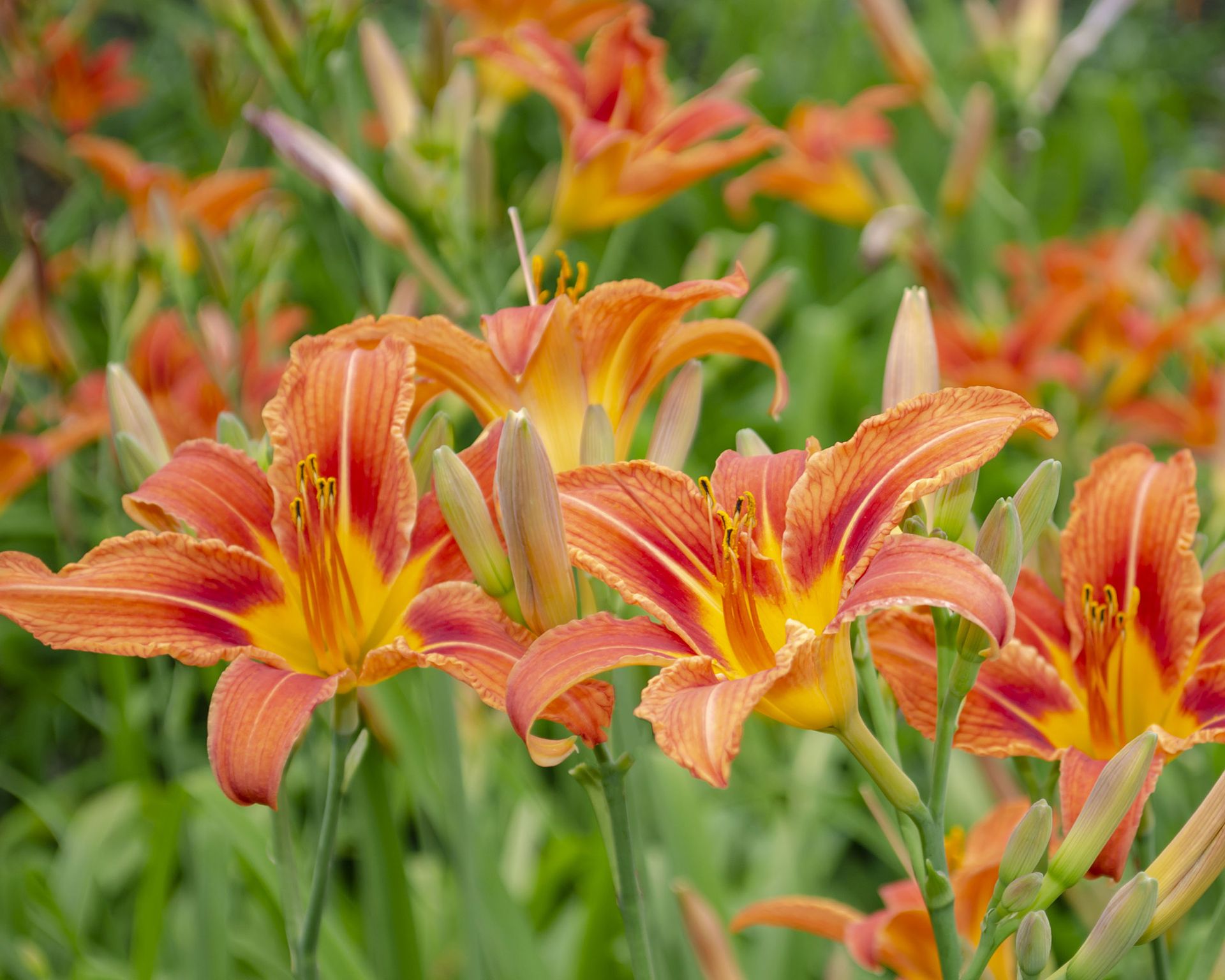
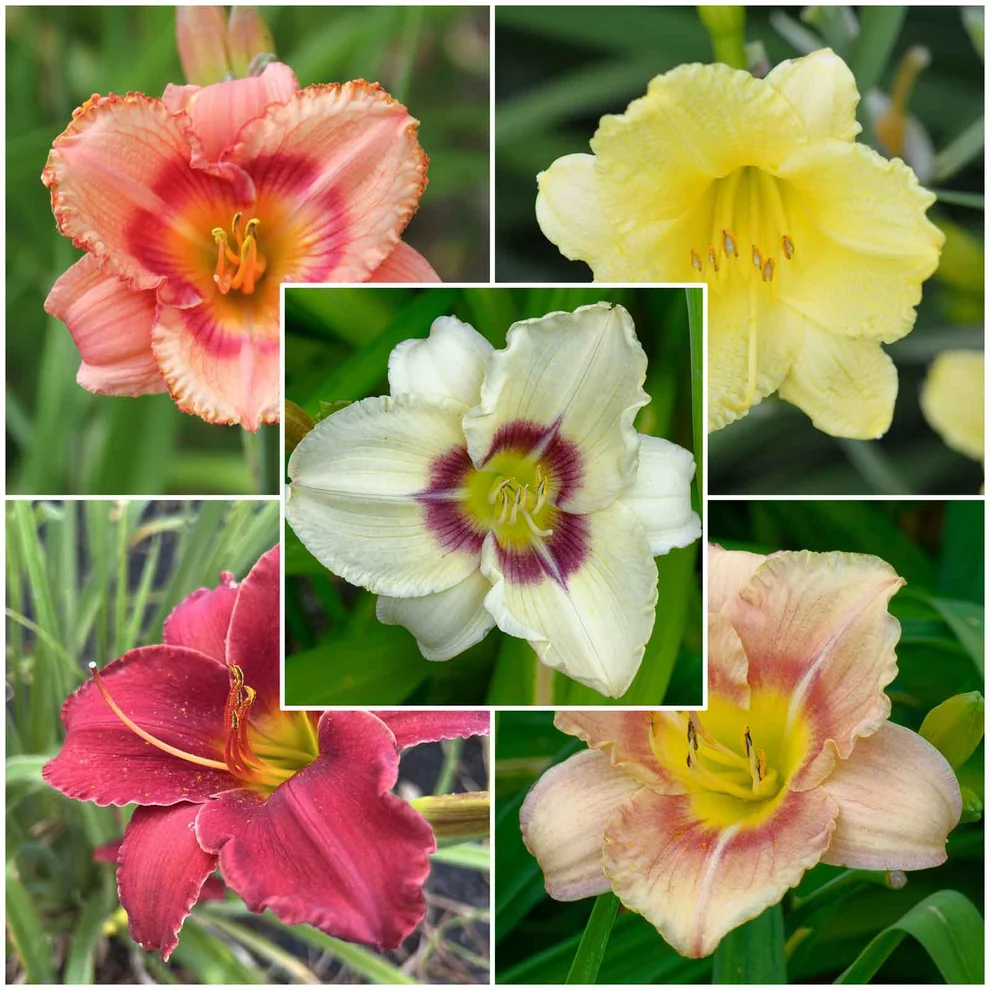
Another popular flowering perennial, daylilies are adaptable, forgiving, and easy to grow. They flower in summer, with each bloom lasting only a day, but with an ongoing parade of new flowers for weeks.
Eden Brothers’ Fragrant Rebloomer Mix is a great place to start, or for containers, the Stella de Oro Daylilies from Burpee are small but impactful.
Plant daylilies in full sun or partial shade in well-drained soil. They generally do well when planted as bare roots in fall, but allow them a few weeks to establish before the ground freezes over. Otherwise, wait until spring. Plant the crown no deeper than one inch (2.5 cm) below the soil.
3. Bearded Irises
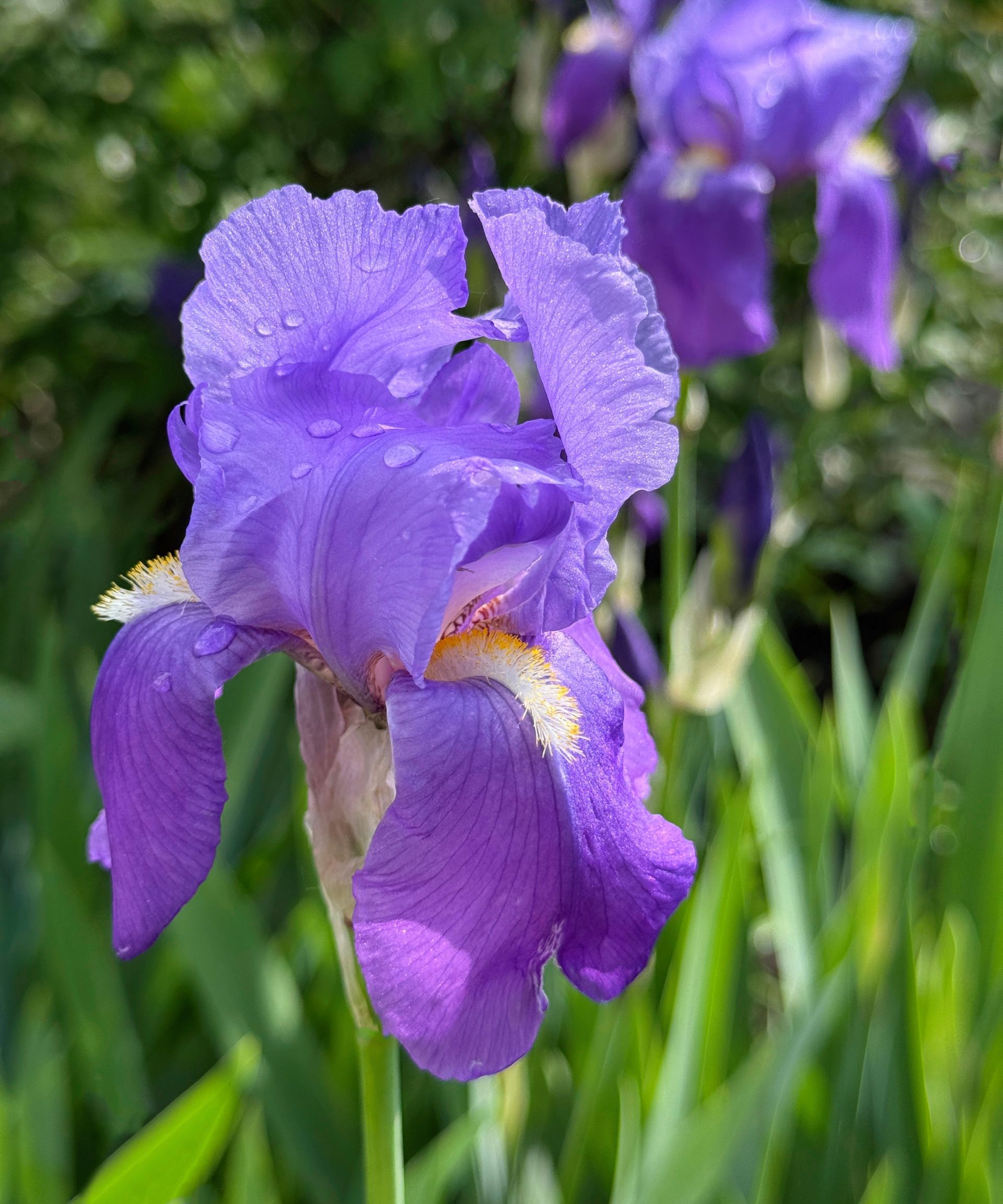
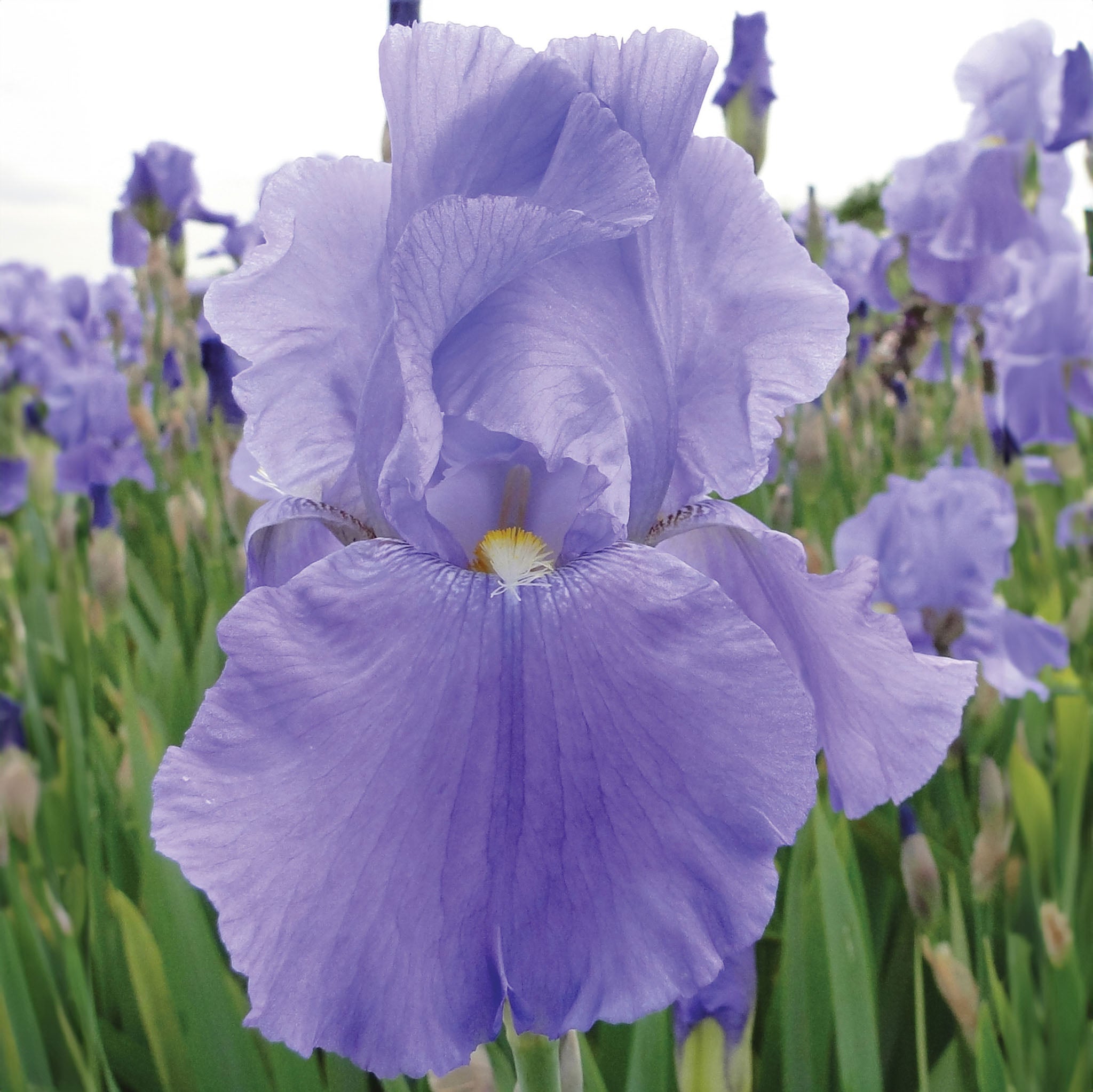
This classic perennial blooms in late spring and early summer with some of the garden’s most striking flowers. Their frilled petals on top of tall stalks come in many colors – I adore these pastel coral-pink Beverly Sills Irises from Burpee, as well as these pale blue Sea Double irises.
Bare-root bearded irises come as root rhizomes that you can plant four to six weeks before the first hard freeze. Plant them in full sun and soil that drains very well. If you live in a region with cold winters, timing is essential. If it’s too late now, wait until spring. When planting, lay the rhizomes horizontally in the soil, with the upper surface just barely covered.
4. Oriental Poppies

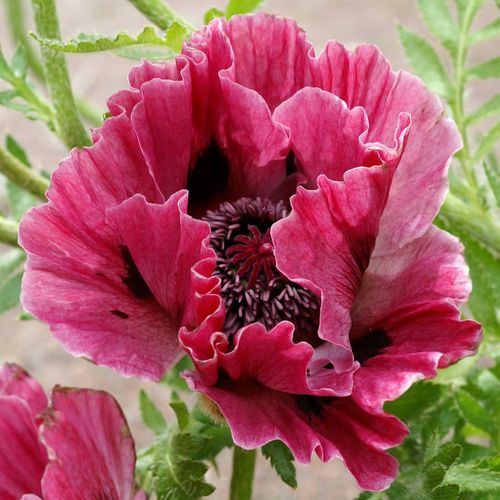
Like irises, oriental poppies offer frilled, colorful, and striking flowers on stately stems. They add drama and structure to beds with late-spring and early-summer blooms in shades of bright orange and red, and even pink and white. They grow best in full sun and well-drained soil.
As long as they have time to establish, you can successfully plant bare-root poppies in fall, though these stunning Harlem Oriental Poppy Roots from Jackson & Perkins will ship in the spring. Take care when choosing a location for poppies. They develop long taproots that don’t transplant well.
5. Astilbe

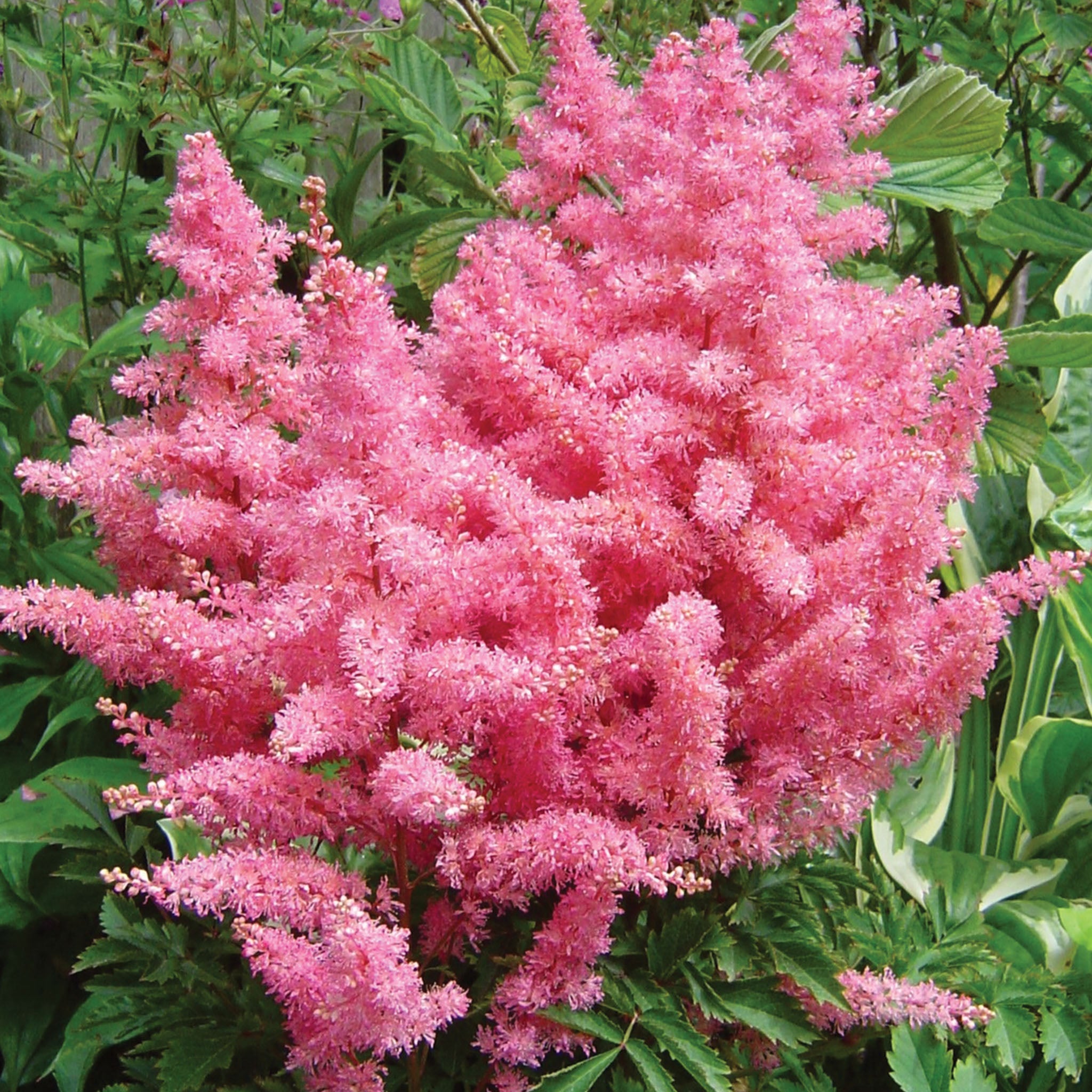
Astilbe plants are known for their plumes of feathery flowers that bloom in shades of red, purple, pink, and white in summer. Astilbe thrives in partial shade, or even more shade, and rich, moist soil. Younique Pink Astilbe from Burpee is a lovely compact variety for containers, while Mighty Chocolate Cherry Astilbe from Jackson & Perkins reaches over 6 feet, making it a striking border option.
You can plant bare-root astilbes in fall if they have enough time to establish, or in the spring. Plant to a depth that keeps the crown at soil level.
6. Bleeding Heart
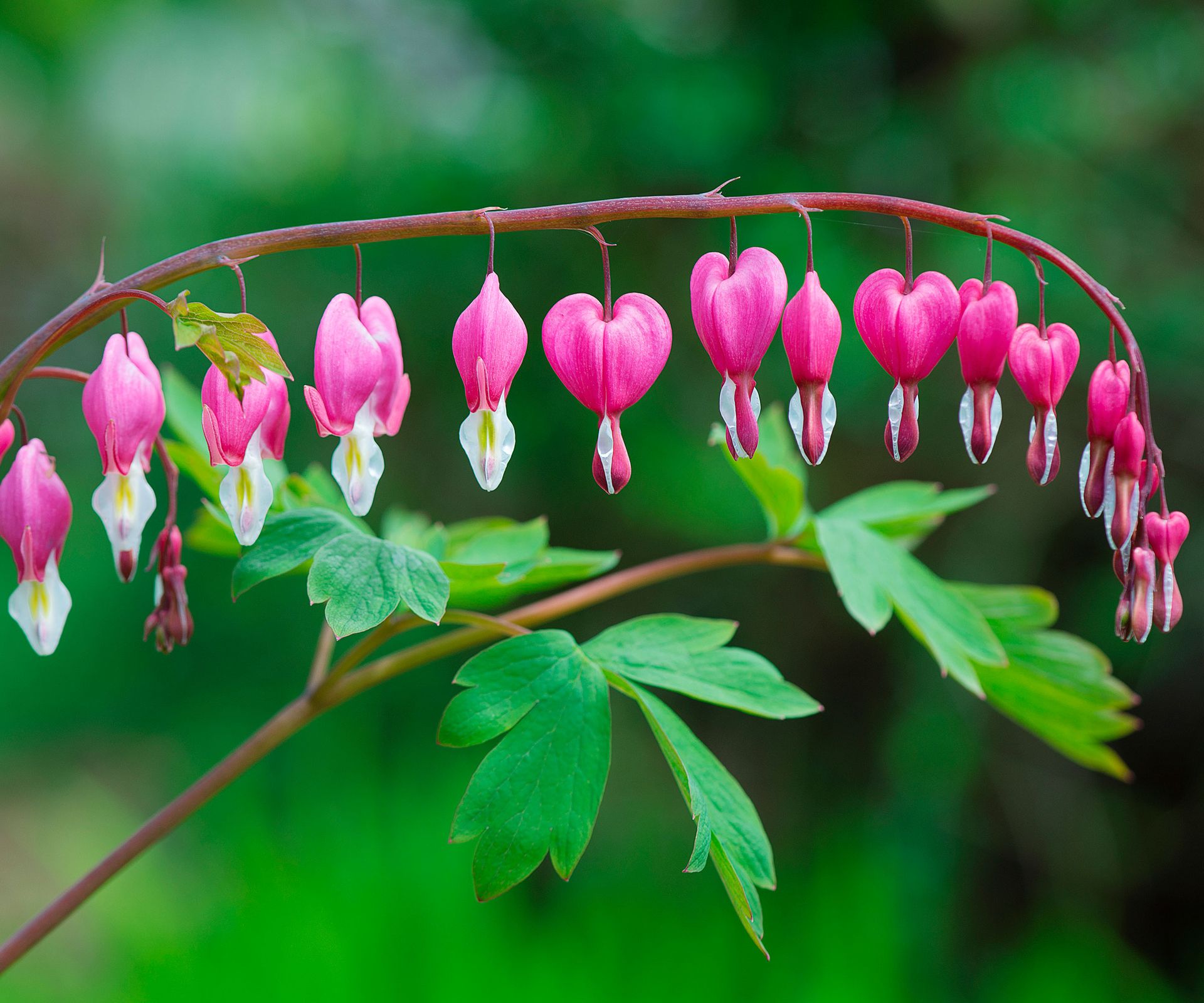
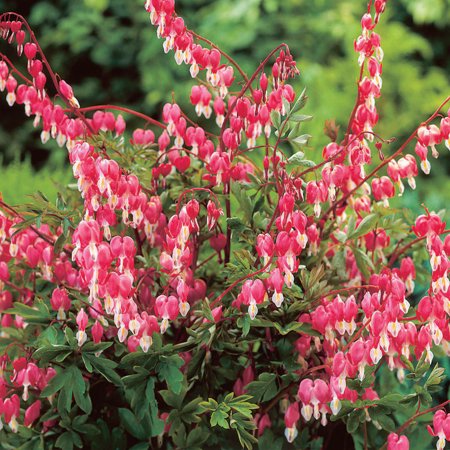
This is another shade-friendly perennial suited to woodland gardens and beds with partial or full shade. Bleeding heart blooms in spring with characteristic heart-shaped flowers that hang from gracefully arching stems. Choose a spot with moist but well-drained soil.
Bleeding hearts don’t tolerate being moved very well, so choose your spot carefully. Get them in the ground in fall with plenty of time to establish. The crown should be one to two inches below the soil surface with the eyes facing up.
Eden Brothers sells Bleeding Heart Roots Mix to preorder for spring, or pick up a bleeding heart bare-root from Spring Hill Nurseries at Walmart for fall planting.
Shop Bare-Root Perennials
Bare-root perennials are a good investment if you take the time to plant them right. They cost less than potted plants and can give you years of reliable blooms with good care. If you’ve missed the fall window for planting these in your region, make your selections over the winter and order them for a spring planting, another excellent time for most bare-root plants.