July is the middle of summer and the growing season, when temperatures soar and droughts are possible. You might be very excited by some of the dazzling nursery shrubs showcasing their finest blooms and colors. That’s understandable, but trust me, when it comes to key popular and well-loved specimens, now is far from the ideal time for planting them. Certain shrubs really struggle when transplanted now.
So how do you know which shrubs are off limits, and which are worth a punt? Well, the answer lies in their natural heat tolerance. Shrubs that are heat-sensitive are likely to struggle with summer planting and transplanting. When you drop a sensitive species into baking midsummer earth, it enters a state of high shock, dropping leaves and aborting future flower buds just to stay alive. So what you need are shrubs that are more equipped to thrive in prolonged heat.
By leaning into heat-hardy, summer-resilient options, you can bypass the drama and indulge in some satisfying new shrub acquisitions that are sure to have the neighbors’ tongues wagging. Read on, as I reveal a handful of popular specimens that are best avoided for planting now – plus, those tough and beautiful choices that will establish with minimal fuss, quickly adding vivid dynamics in abundance.
Heat Tolerant Shrubs for July Planting
The heat-hardy shrub alternatives below are all fine for summer planting, as long as you take a few steps before and after you plant. You’ll give them the best chance of establishing well if you minimize transplant stress. This means watering your shrubs deeply and regularly, especially during any dry spells. Keep watering through the growing season to help them develop strong, deep roots. A little afternoon shade is also helpful, even for plants that have good heat tolerance.
Consider your hardiness zone and existing soil conditions before planting. Before digging, check your ground temperature and hydration levels using a good soil diagnostic. A tool like the Yamron 4-in-1 Soil Meter from Amazon US gives you real-time moisture and temperature readouts at the root zone. Where conditions are especially heavy clay or sand, blend a little organic matter (such as aged compost) into the planting hole to help with moisture retention, drainage, and oxygen flow.
Immediately after planting these heat-loving shrub alternatives, it’s a good idea to spread a 2-to-3-inch (5-8 cm) layer of organic mulch around the shrub. Our team loves Back to the Roots Organic Premium Mulch from The Home Depot as a way to preserve water levels and lower temperatures. If you don’t have a commercial mulch to hand, try a homemade blend of shredded hardwood bark and composted leaf mold (just make sure the mulch doesn’t touch the main stem).
Plant during an early morning or a cloudy evening, and your lovely shrub alternatives should flourish. So, with the soil suitably prepped, let’s look at the key shrubs you should avoid planting in summer, along with my recommendations for gorgeous alternatives.
1. Want Bigleaf Hydrangea? Plant Panicle Hydrangea
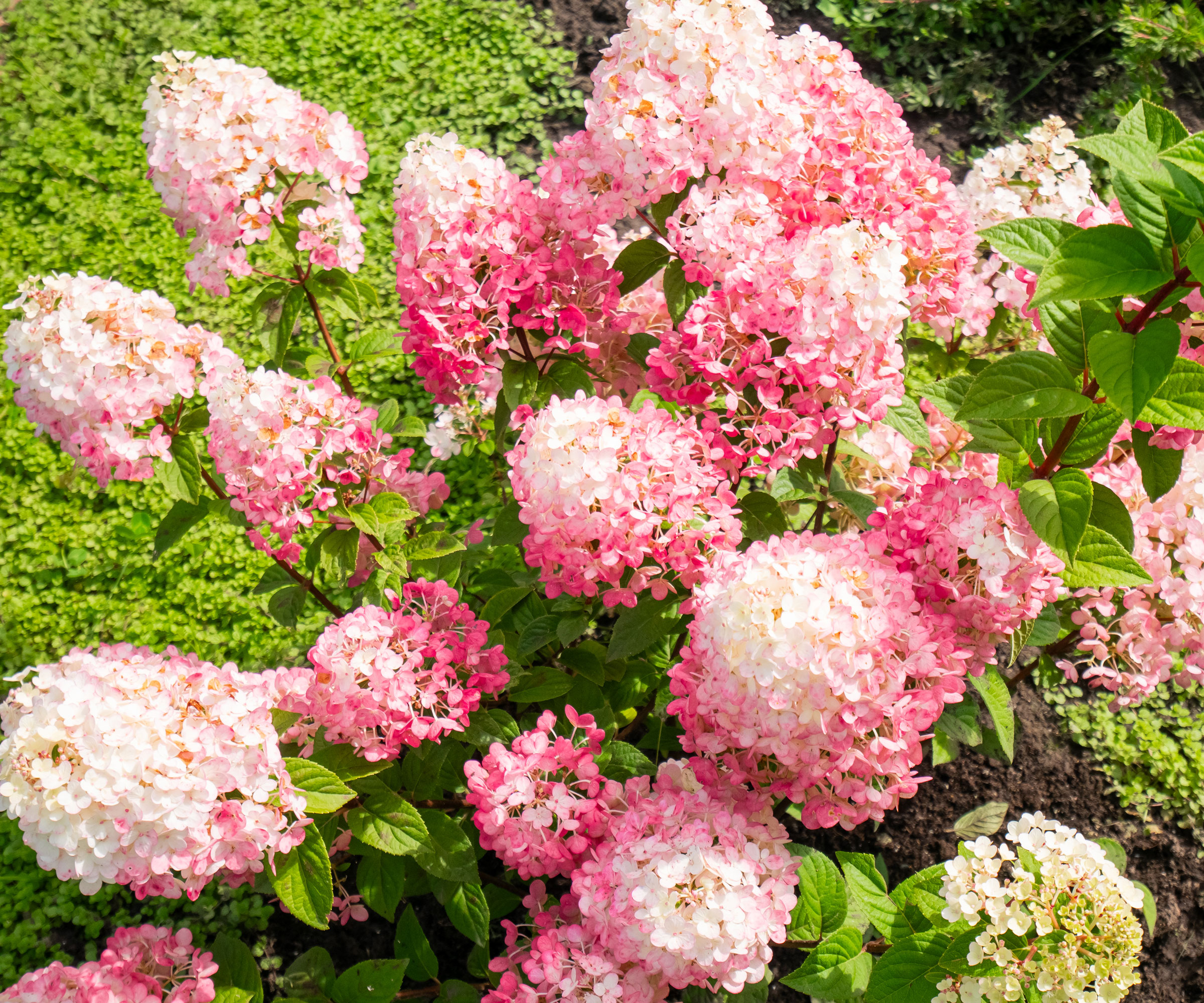
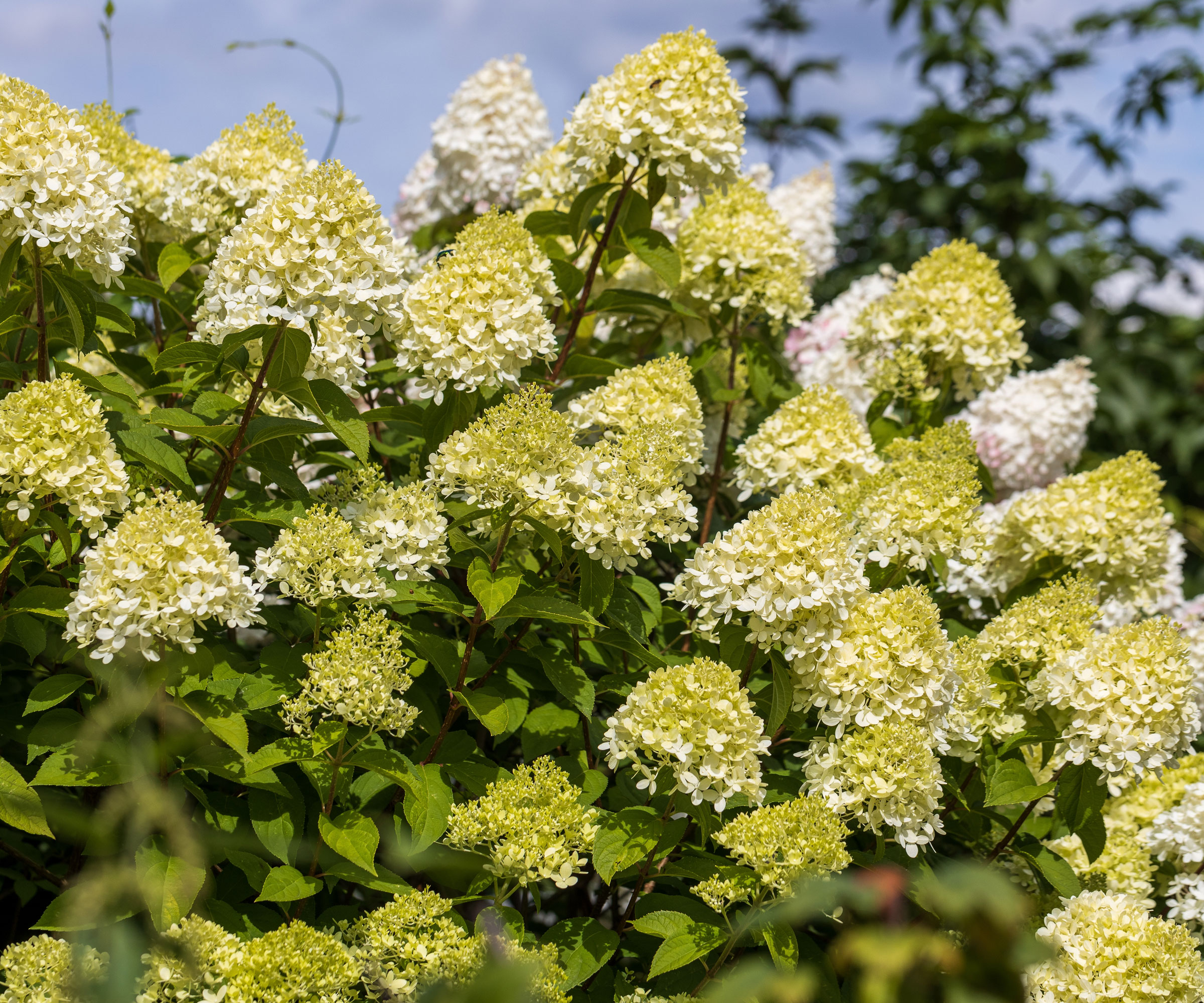
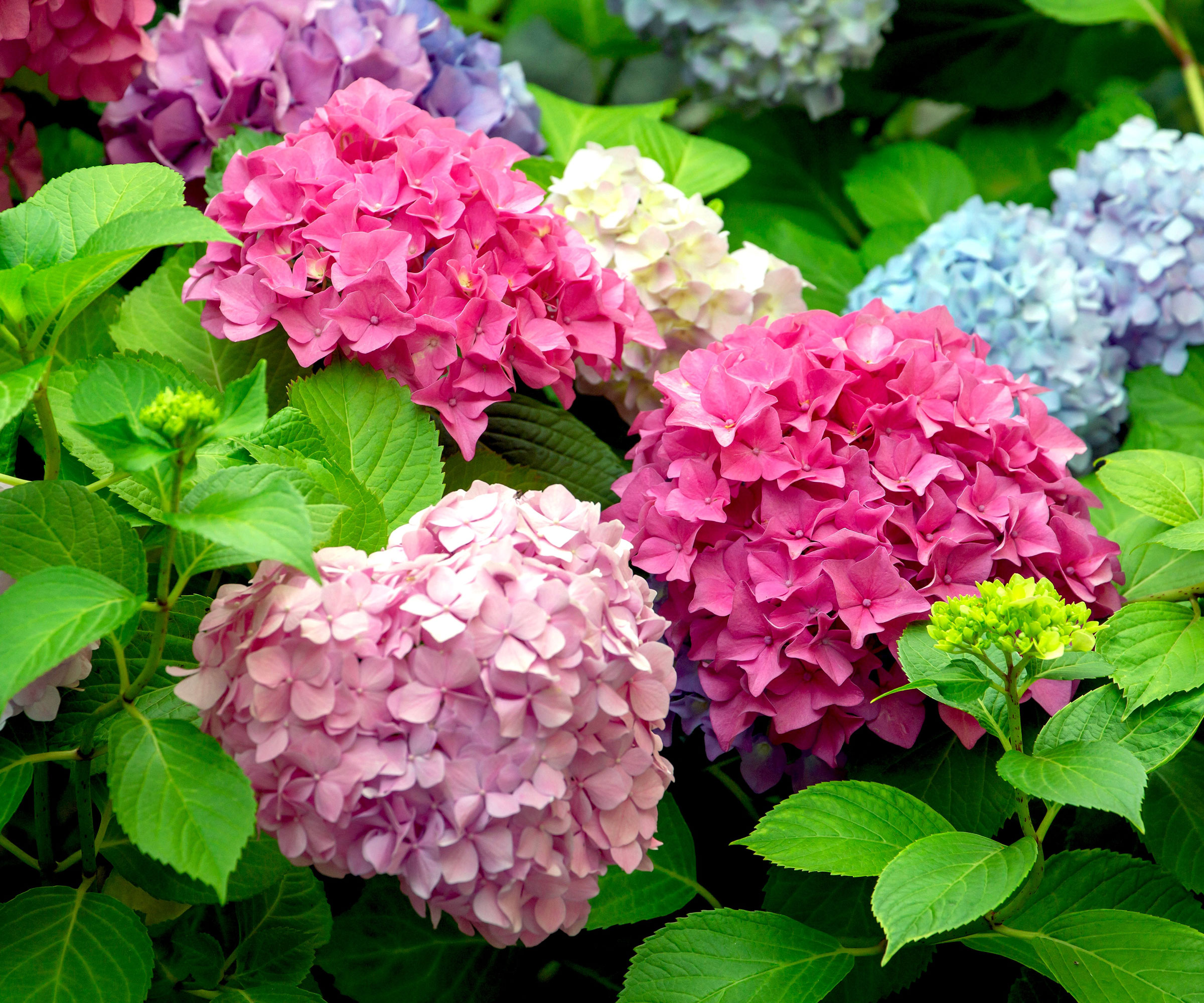
Bigleaf hydrangea (H. macrophylla) is well loved for its abundance of flower clusters in shades from brightest pink to periwinkle blue. However, planting one in July is a mistake, as they are sensitive to heat. Even established plants can wilt and struggle now. Bigleafs have massive, thin leaves, which evaporate quickly in July. If you do fancy planting a hydrangea now, try a panicle variety (H. paniculata), which is more heat-tolerant. Panicles bloom with cones that transition from green to white to pink to rust in tone. They thrive in full sun and tolerate drier conditions than their bigleaf cousins, with tougher foliage and woody stems in zones 3-9.
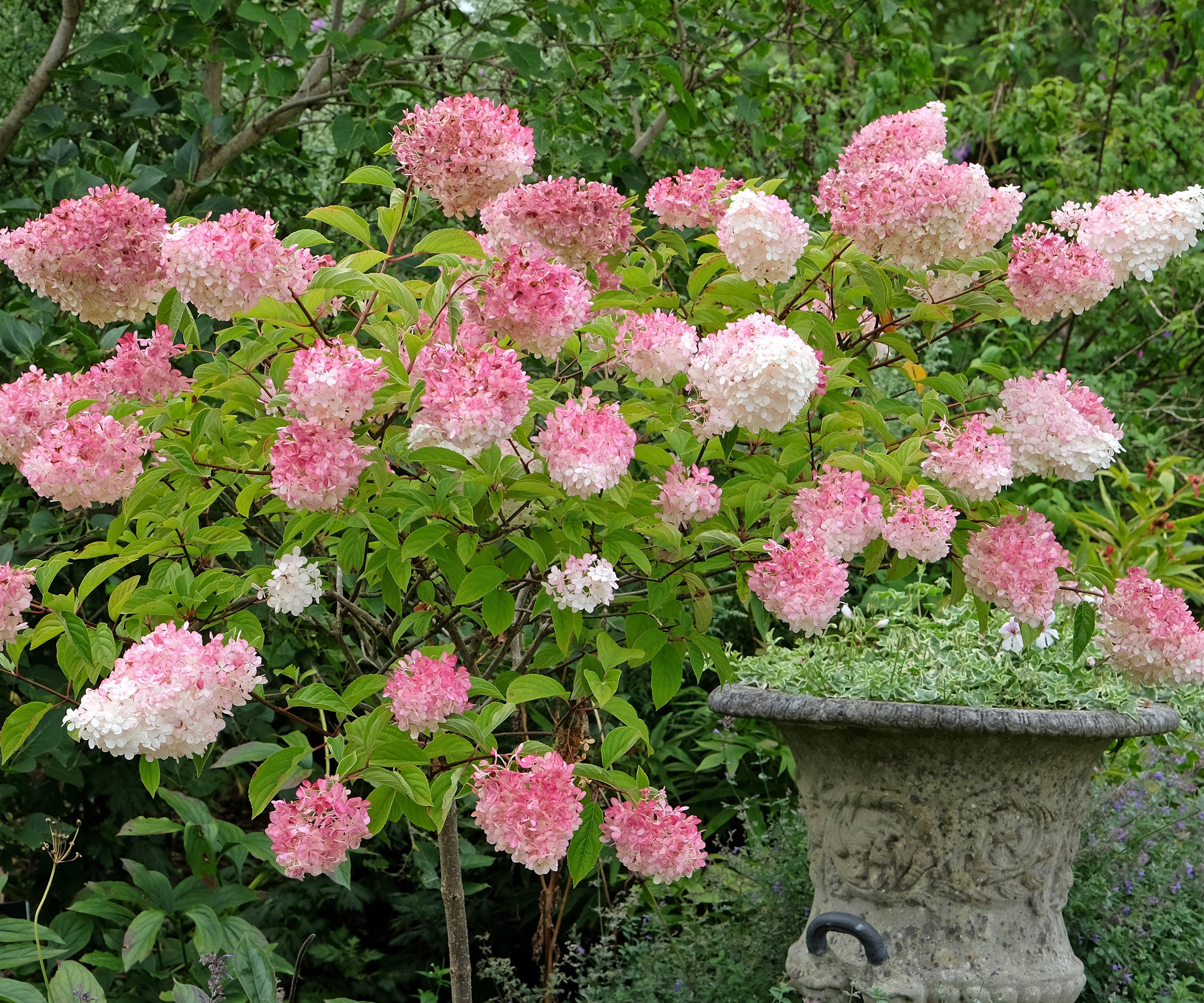
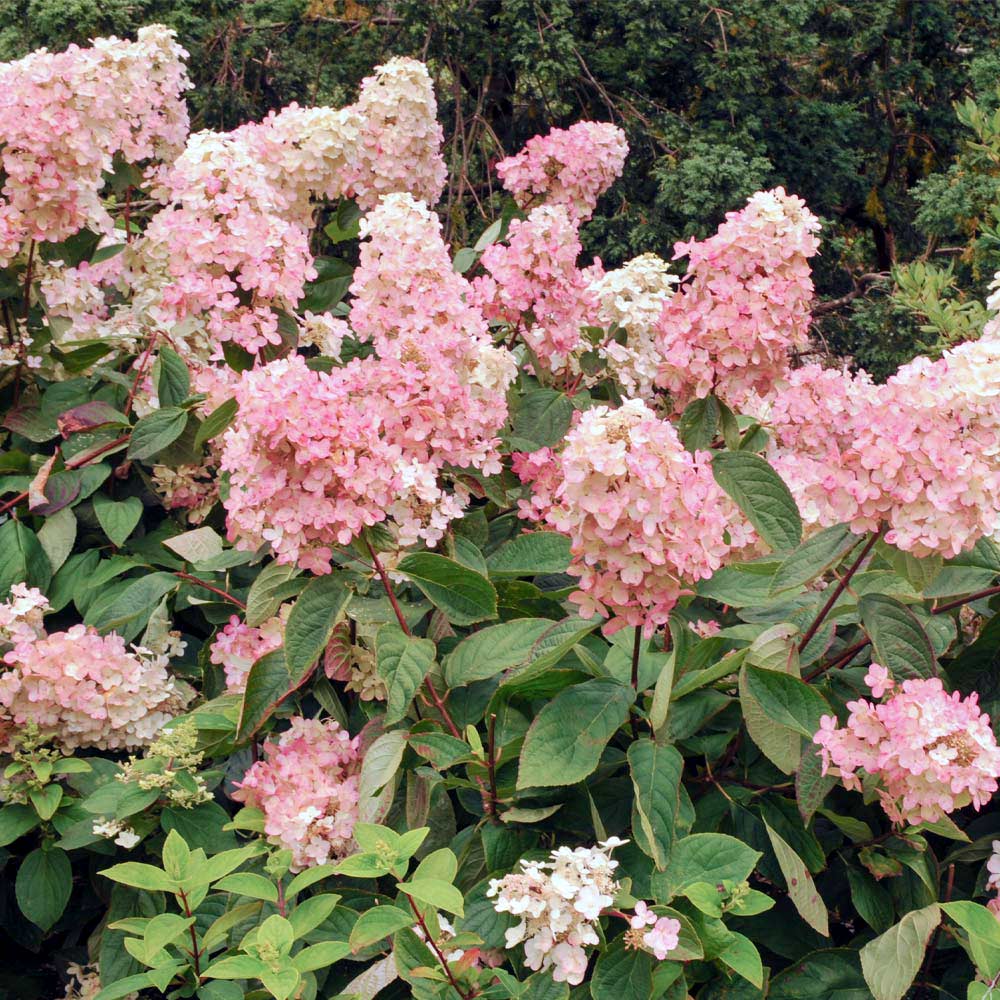
Striking panicle hydrangea varieties include Limelight or compact Little Lime erupt into giant, conical flower heads starting in mid-to-late summer, and transitioning to deeper tones that hold structural interest through winter. For a charming, dual-toned panicle that works well in a range of soil types, try Vanilla Strawberry Panicle Hydrangea from Fast Growing Trees. Topdress the base immediately at planting time with some Dr. Earth Premium Gold All Purpose Fertilizer from Walmart. This helps to gently supply the nutrients required to nurture roots as they establish.
2. Want Rhododendron? Plant Mountain Laurel
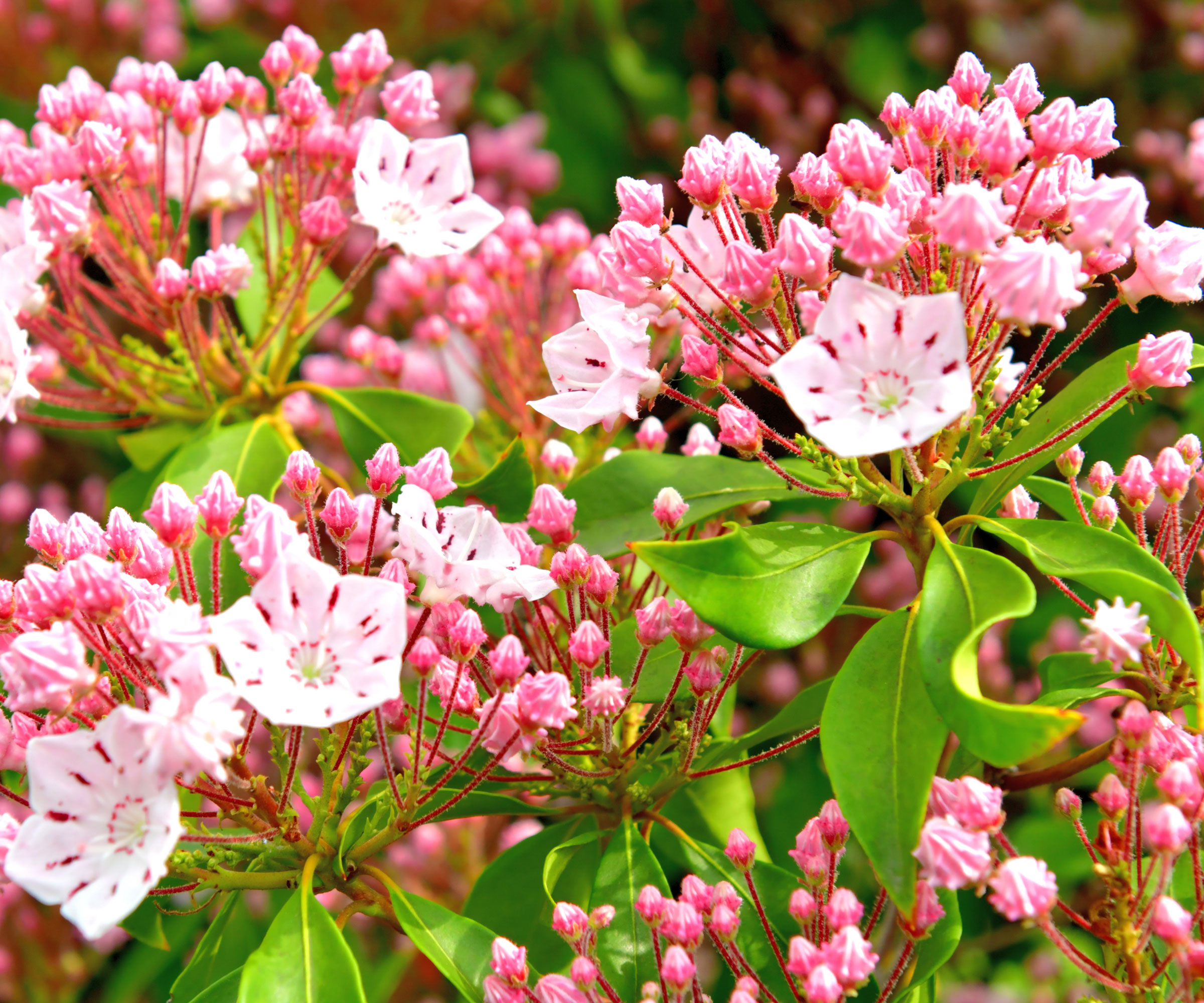
Rhododendrons (Rhododendron spp.) come in many forms, including native species, but none tolerates too much midsummer heat. They thrive in shady, cool areas with plenty of moisture, and reward you with an abundance of spring flowers and leathery leaves. Plant them now, and they’ll struggle to stay hydrated and get established. For a similar (yet tougher) native shrub with leathery, evergreen leaves and spring flowers, try mountain laurel (Kalmia latifolia). Prized for its star-burst blooms, mountain laurel brings vivid structural intensity to partially shady spots.
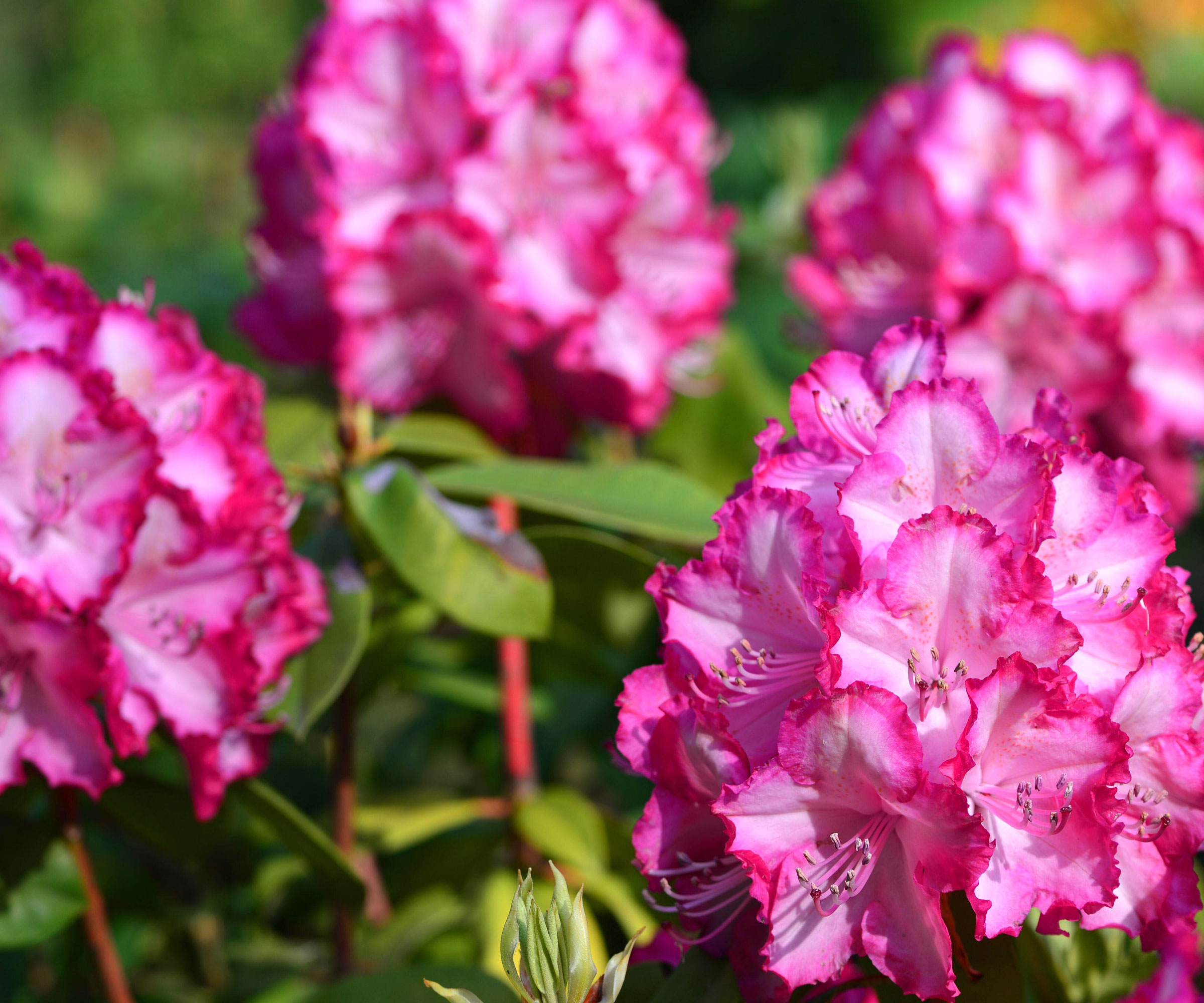
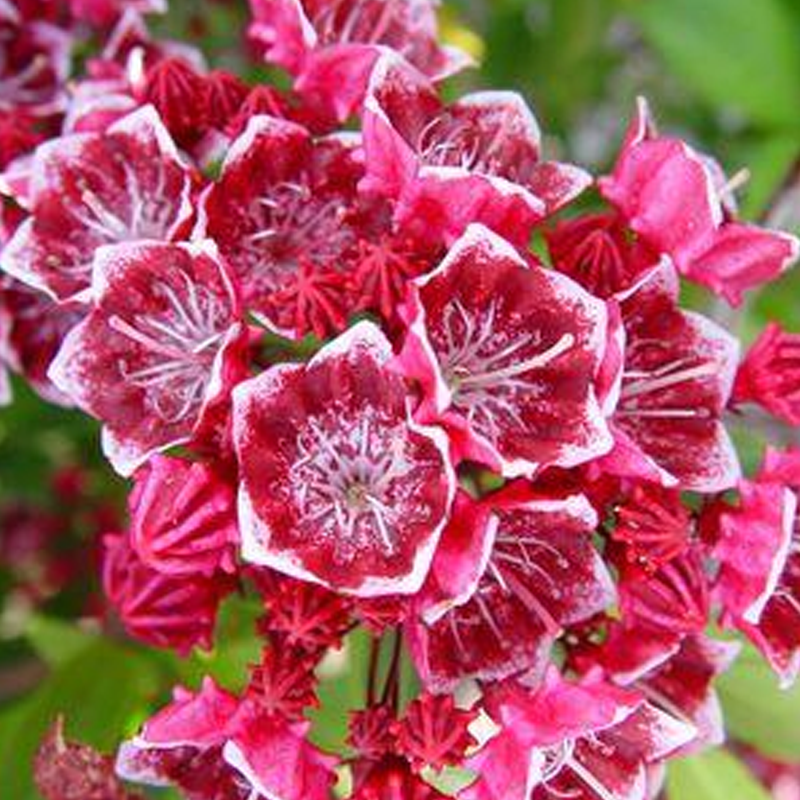
There are some gorgeous mountain laurel options available from Plant Addicts, including vibrant Kaleidoscope Mountain Laurel and voluminous Yankee Doodle. Give it plenty of water as it gets established in July to ensure success in zones 4-9. Ensure the soil is highly acidic, loose, and rich in organic matter. For a gentle acidic lift at the time of planting, mix a generous helping of Espoma Organic Holly-Tone Fertilizer from Amazon into your planting site. This safely lowers soil pH and provides a steady boost to promote robust buds for the following spring.
3. Want Japanese Maple? Plant Ninebark
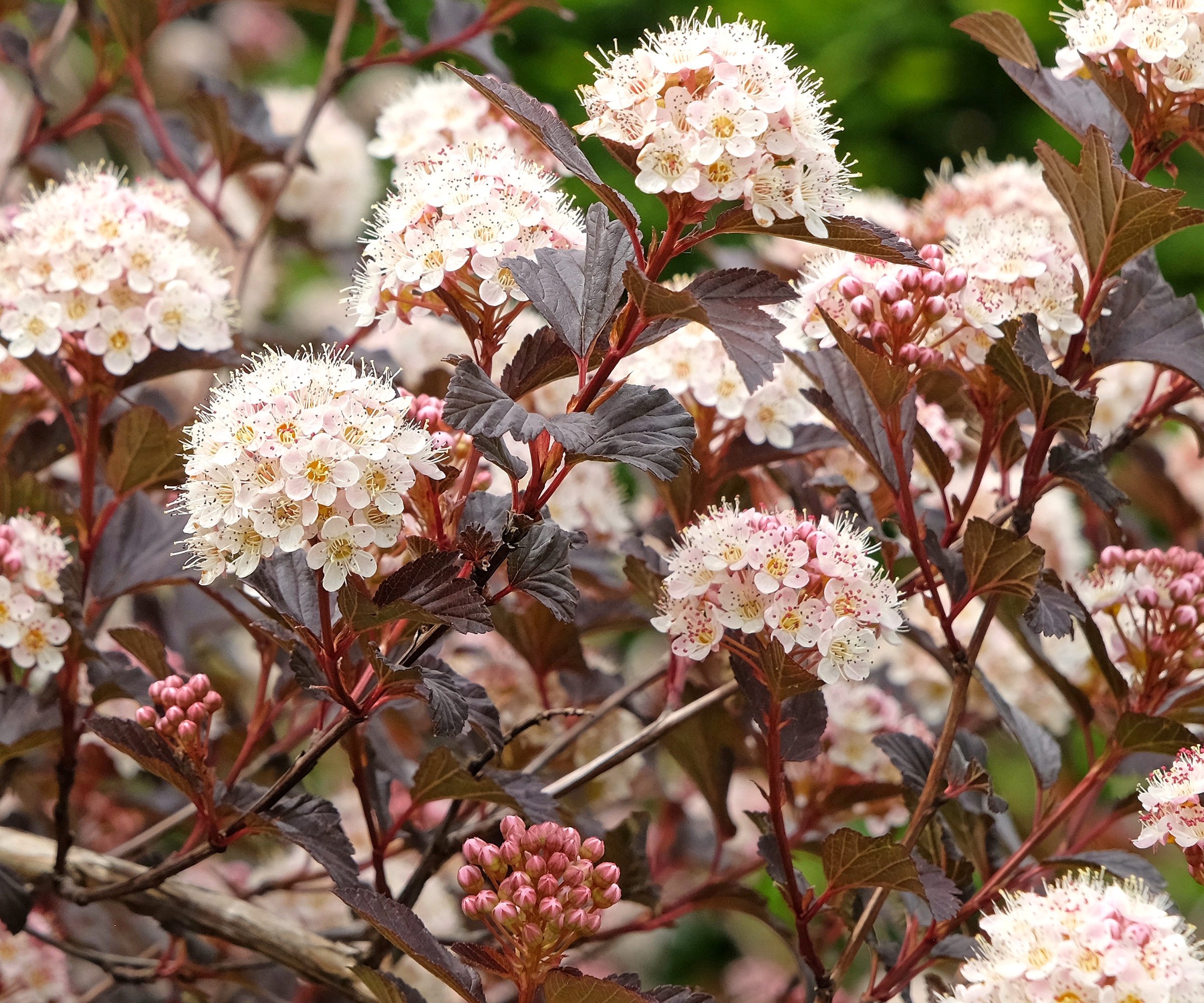
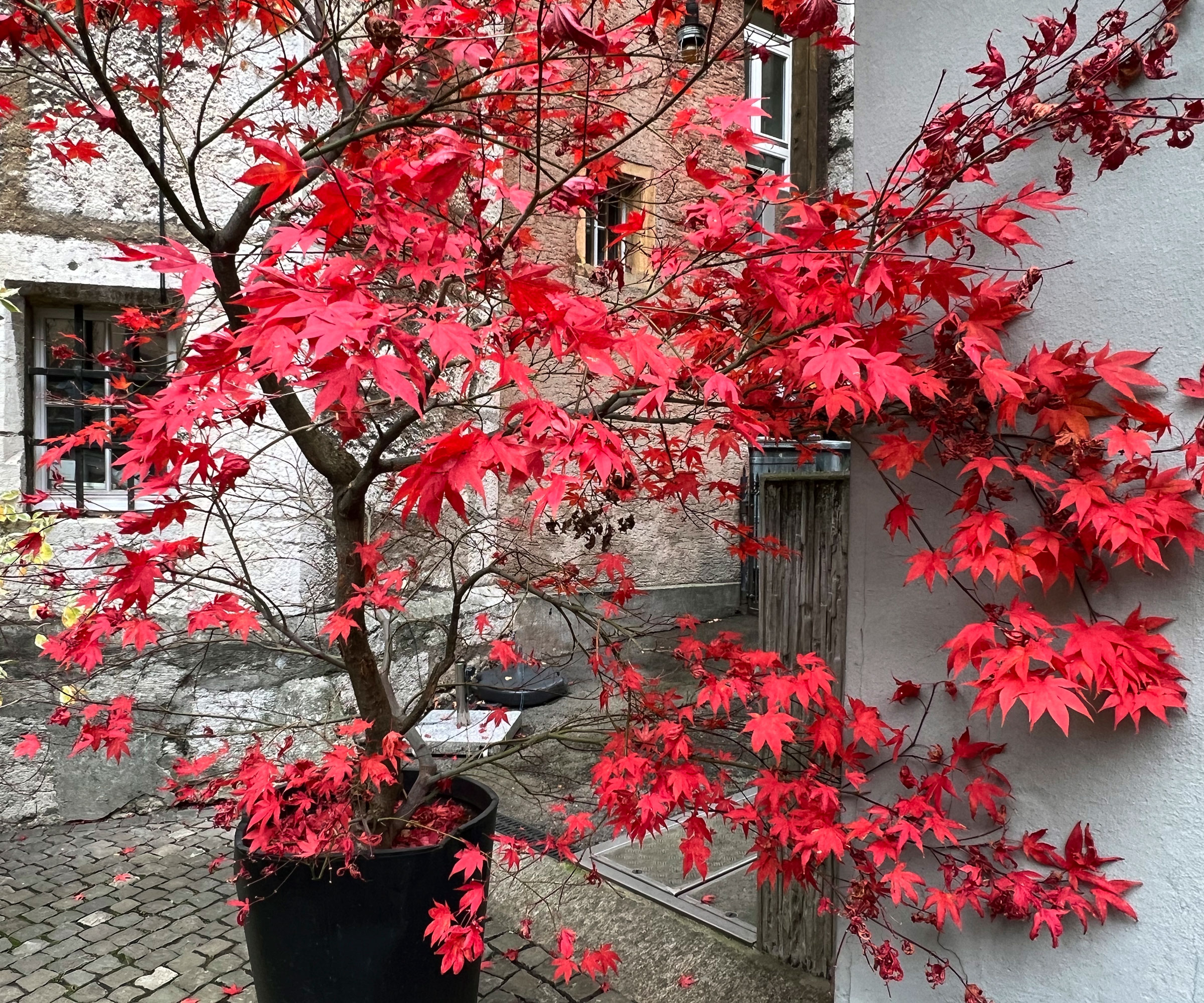
Japanese maple (Acer palmatum) can be grown as a shrub or small tree. It’s prized for its delicate, feathery leaves, which offer a rainbow of fall colors. The heat can be a problem, though. The fine leaves dry and scorch easily, and the thin roots will struggle to develop in dry, hot soil. They can make it through a hot summer, but it’s not the best time to plant them. A better option is native ninebark (Physocarpus opulifolius), with ornamental value in the form of peeling bark. Certain varieties also offer rich fall color and seed pods for birds. Try First Editions Ninebark Amber Jubilee and Proven Winners Ninebark Tiny Wine from Nature Hills.
Ninebark is far more tolerant of summer heat and drought, and it’s not too picky about soil type. Hardier in zones 3-8, they just require full-sun to maintain their rich foliage colors. They are highly adaptable to poor, rocky soils where other shrubs fail. To help their root systems establish quickly in dry spells, apply a drench of GS Plant Foods Organic Concentrated Liquid Kelp from Walmart right after planting. This liquid seaweed formula delivers a soaking of trace minerals which reduce the risk of heat stress, keeping this shrub’s tones going strong.
4. Want Boxwood? Plant Inkberry Holly
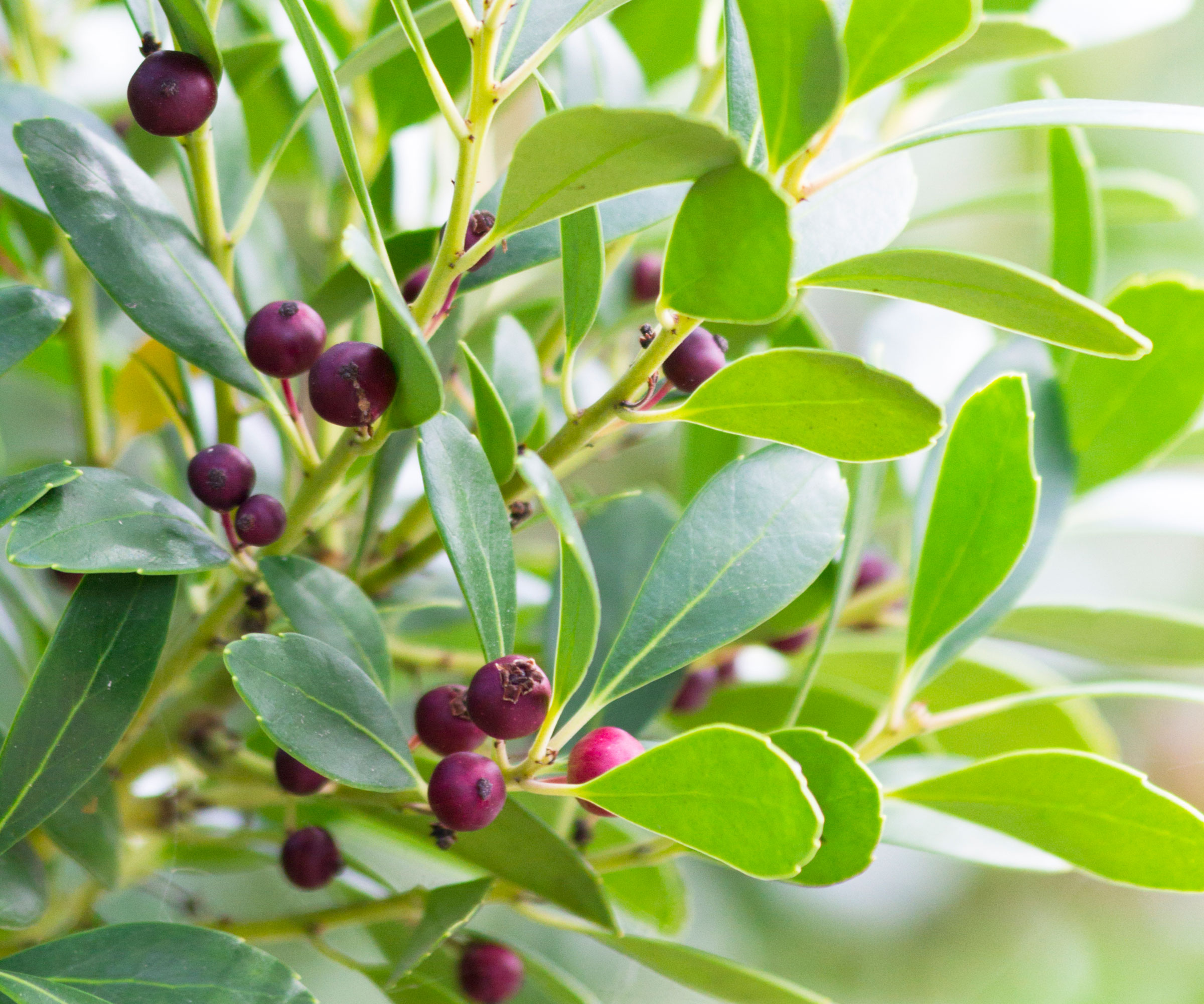
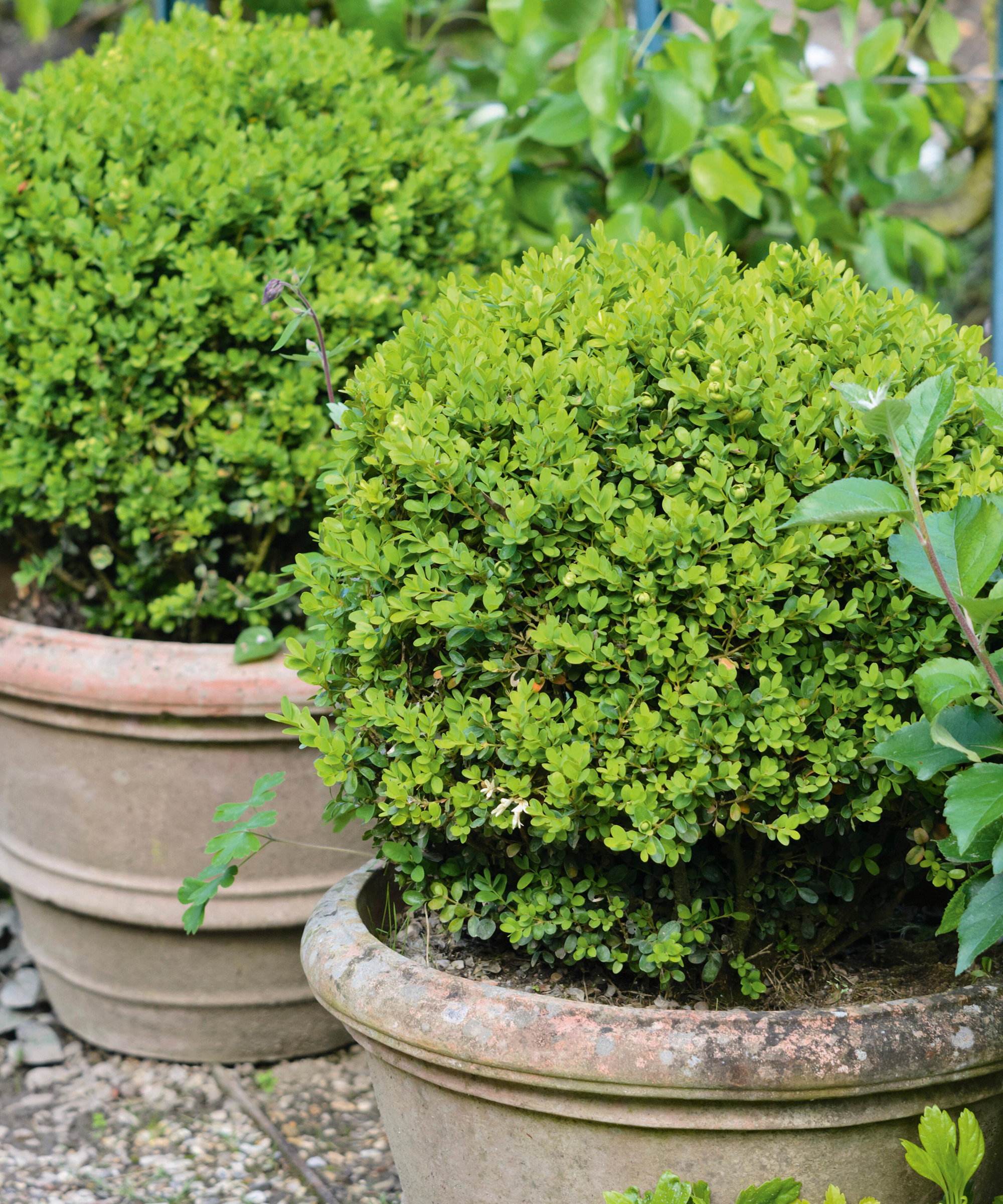
Boxwood (Buxus spp.) is a garden favorite. Its dense evergreen growth can be shaped into low borders, hedges, and topiaries. Unfortunately, the shallow roots of transplanted boxwood make it vulnerable to heat and drought stress in July. Midsummer planting also invites boxwood blight and spider mites. For a stronger alternative, try inkberry holly (Ilex glabra), which thrives in zones 5-9. This native evergreen has a similar dense growth and smooth leaves. A great option for low hedges or containers is the Proven Winners Gem Box Inkberry Holly from Walmart.
Inkberry won’t tolerate drought very well, but it can handle heat and humidity better than boxwood. Plant it somewhere that holds some moisture in the soil. Varieties like ‘Strongbox’ or ‘Gem Box’ stay tight, compact, and mounded. As well as handling sun and partial shade, these shrubs love slightly acidic soil. To build excellent soil texture and maximize water retention, add some Worm Bliss Premium Earthworm Castings from Amazon into the planting hole for a gentle, non-burning nutrient foundation.
5. Want Japanese Pieris? Plant Summersweet
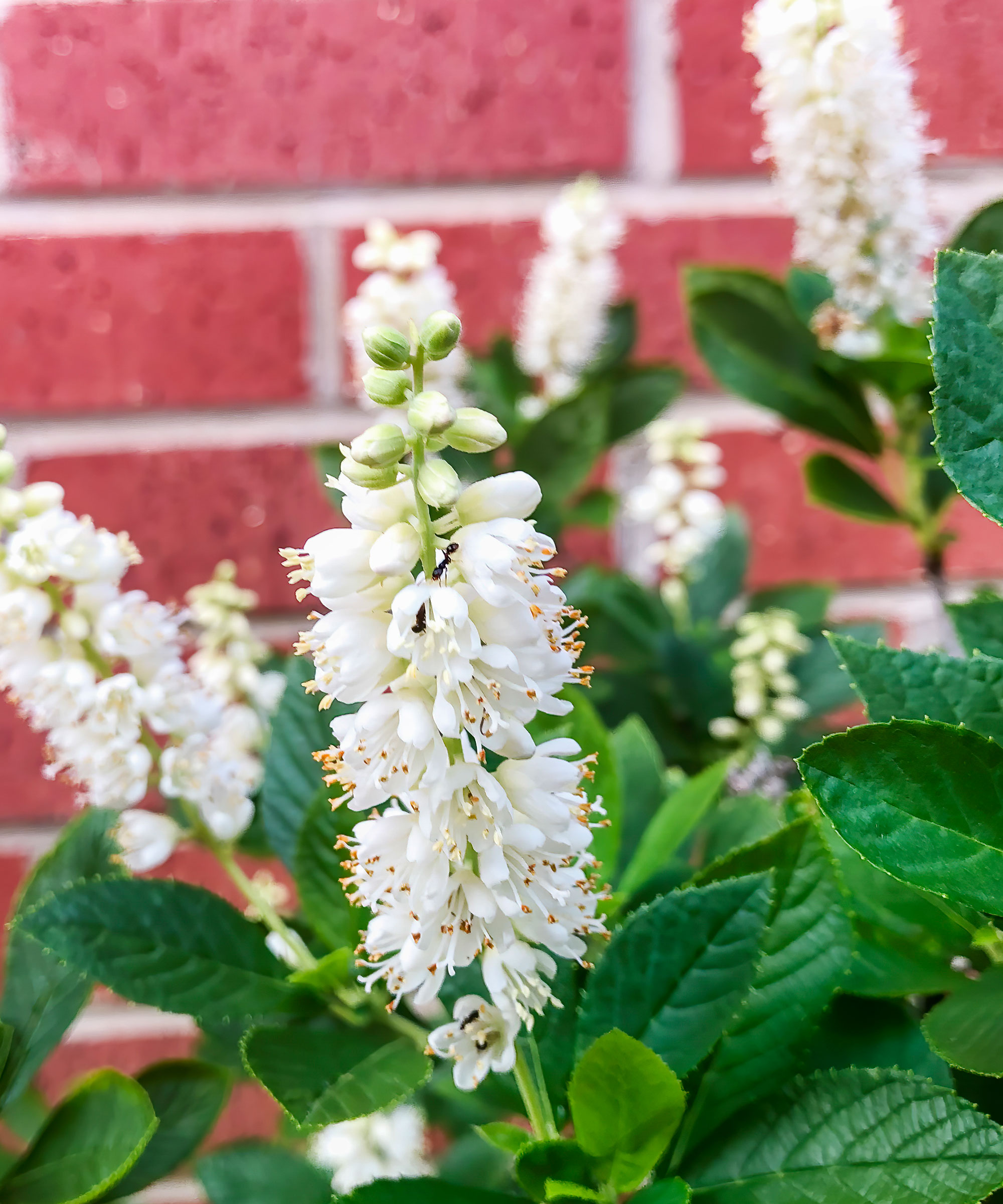
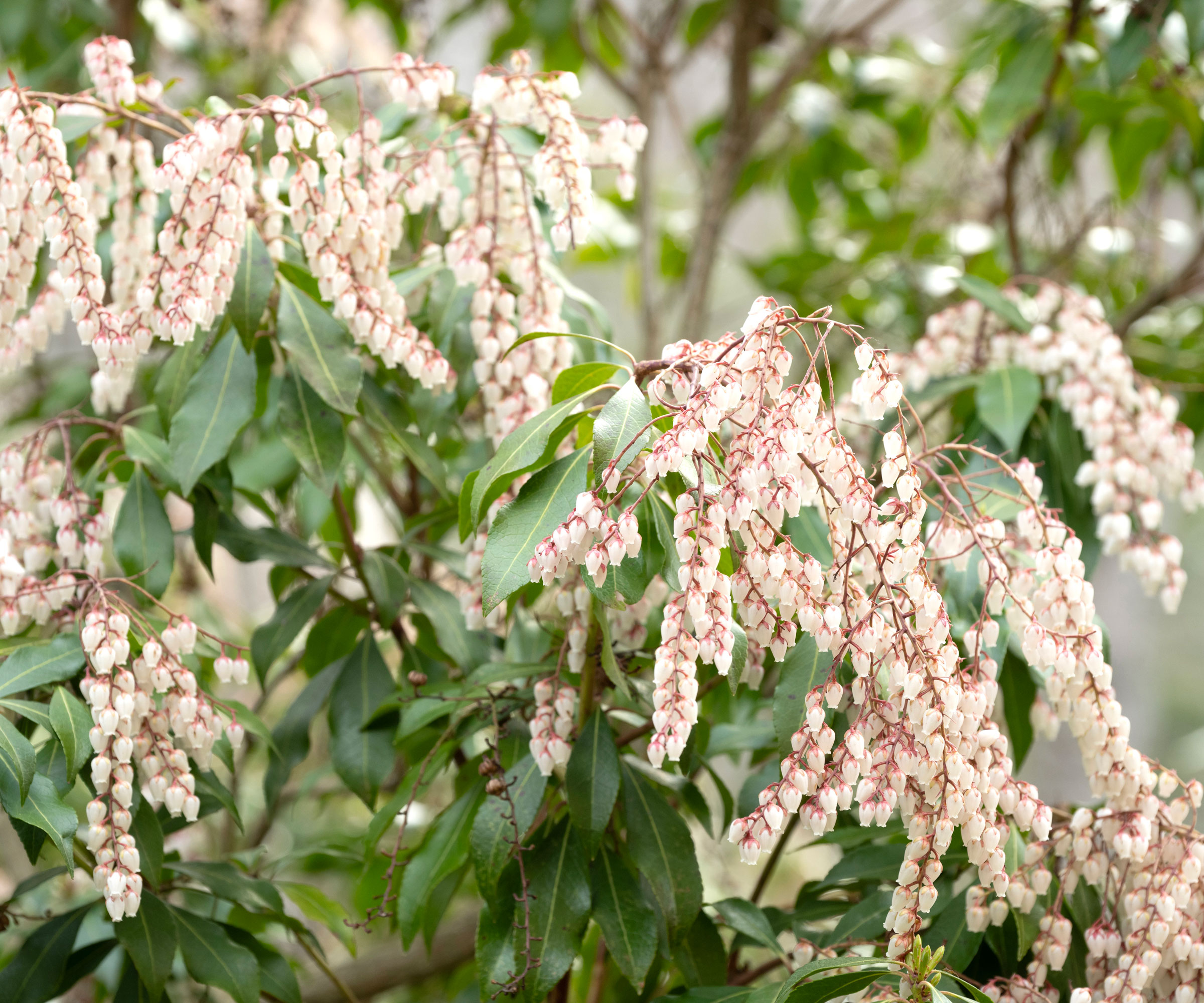
Japanese pieris (P. japonica) is an evergreen shrub with year-round beauty, including glossy, sometimes bi-colored leaves and cascading spring flowers. However, this shrub is tested in hot conditions, as the root system is shallow and high heat can scorch the leaves. Planted in July, it frequently succumbs to lace bug attacks and leaf drop. It’s best to plant this shrub in spring. For a compelling native alternative, summersweet (Clethra alnifolia) is hardy in zones 3-9. Although it is deciduous, it has a similar look to Japanese pieris, also with white flowers that attract pollinators.
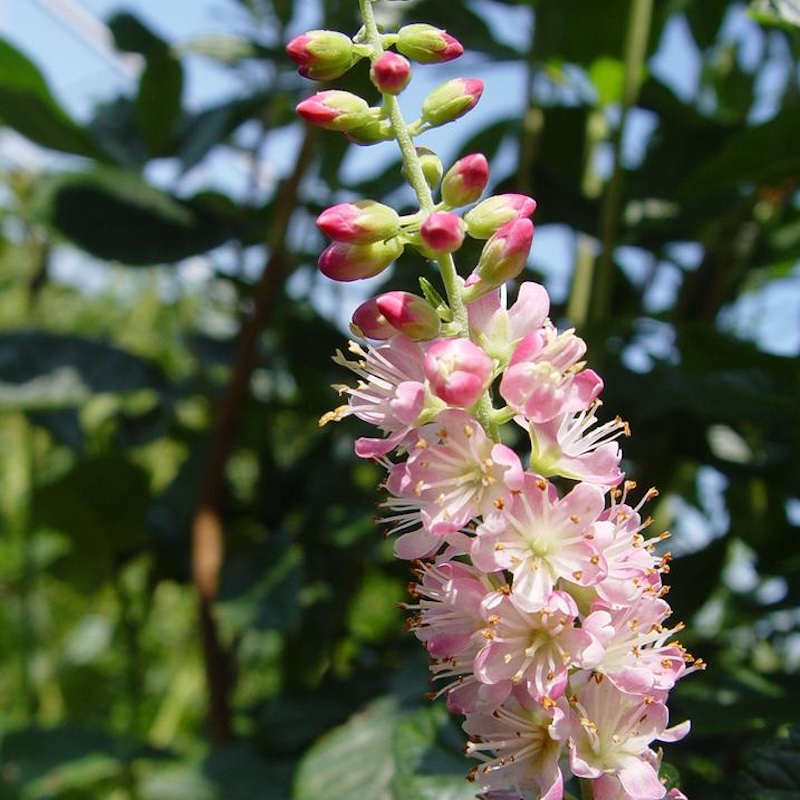
Cultivars like Ruby Spice or Hummingbird produce vertical flower spikes from July through August, filling the yard with a heavy fragrance. For wine-soaked flowering spires, try Clethra Ruby Spice Live Plants from Wayside Gardens. Summersweet blooms reliably even in shade, making it a perfect choice for gloomier corners. Because sticky summer humidity can breed foliar issues on transplants, you might find it helps to keep some Arber Organic Bio-Fungicide Concentrate from Walmart handy. Apply as a foliar spray to keep leaves protected against powdery mildew.
Shop Summer Shrub Heroes
Indulging in some new shrub appreciation in summer doesn’t have to mean endless hours of stressful plant care. By picking natives and weather-resilient varieties that shrug off humidity, drought and intense sun, you can fill your borders, pathsides and porchways with immediate color that often leads to dazzling multi-seasonal interest. These curated selections establish quickly in warm soil, providing lush foliage and gorgeous blooms that keep your garden looking lush and pretty through fall.
Summer Shrub Trio
 Fragrant Spires
Adding a splash of wine-soaked richness and an unforgettable perfume to your yard, summersweet really lives up to its name. It develops lovely rose-pink bottlebrush spikes through late summer, it’s resilient in shaded spots, and it attracts a host of pollinators while keeping borders vibrant.
 Dual-Toned Drama
This panicle variety is like an ornamental milkshake, producing massive flower heads that emerge white before turning raspberry-pink. Adaptable across a range of soil conditions and growing zones, this hydrangea delivers dramatic color shifts with minimal care.
 Star Spangled
If you want an evergreen option that can take a break from uniform green, this eye-catching mountain laurel showcases intricate, star-burst blooms of crimson and pale pink. It thrives in partial shade, and its leathery foliage stays sharp and polished all year long.
Need more ideas for getting the most from your plants, indoors and out, and looking for the best seasonal expert advice delivered straight to your inbox? Sign up for the free Gardening Know How Newsletter!