Fall is a time of transition in the garden, not just for perennials, shrubs, and trees, but also for your grass. Cool-season grasses perk up a little after the heat of midsummer, but now they’re getting ready for winter dormancy. Some of the tasks you might feel compelled to do now are unnecessary or even harmful.
Fall lawn care is all about working smarter, not harder. More fertilizer, more water, and more cutting can do more harm than good this time of year. There is a persistent myth that more care is better, but the truth is that many homeowners do too much.
This year, focus your fall lawn care on a few smart tasks that help prepare the soil and roots for winter. Here is a list of typical chores you can skip this year and what to do instead. I promise, this will make your life a lot easier, and your lawn will thank you.
1. Stop Raking Every Single Leaf
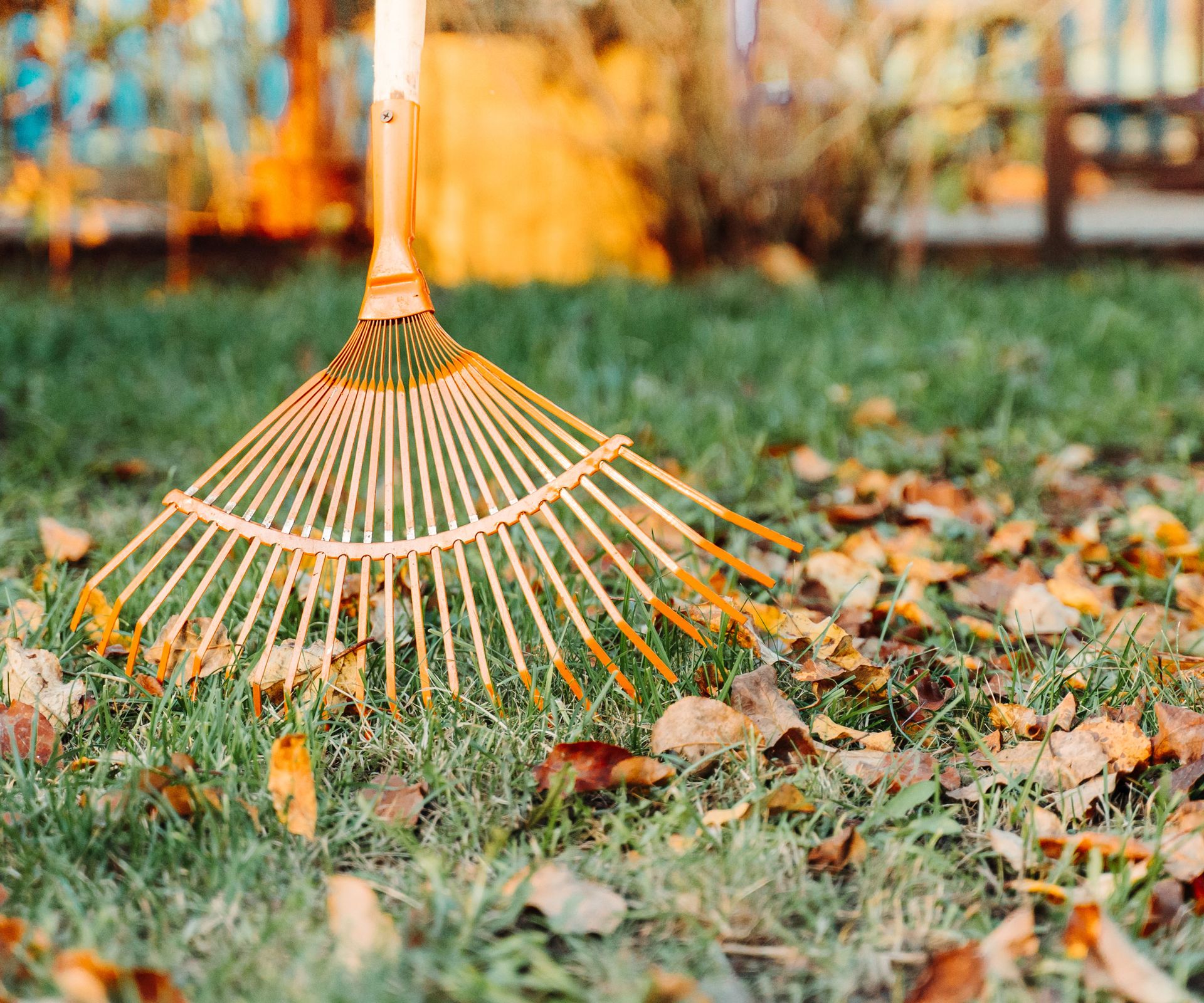
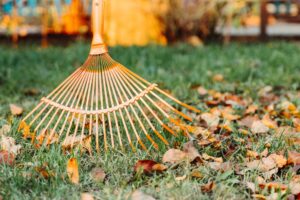
Many homeowners love the look of a pristinely green fall lawn. Others think keeping it totally clear of fall leaves is critical to the turf’s health. Keeping the lawn totally clear can be backbreaking work, and it’s not worth the effort.
It’s true that a dense layer of leaves, especially wet leaves, can harm the grass by trapping moisture and blocking sunlight. But some leaves left in place won’t smother the grass. Also, it’s unnecessary to physically remove every leaf.
Instead of endlessly raking, run a mulching mower, like this Greenworks model, over the grass as needed, chopping up the leaves when you see light to moderate coverage. Another option is to remove some of a thick layer of leaves for use in compost or as a mulch in beds. Don’t worry about removing every last leaf before winter.
2. Stop Watering on a Fixed Schedule

Fall lawns typically need less supplemental water than summer lawns, so ditch your routine watering chore and play it by ear instead. Cooler fall temperatures reduce evaporation, so unless you have unusually dry conditions, you shouldn’t have to water lawns as often as in summer.
A simple rain gauge, such as this easy-to-read JMBay model from Amazon, can help you keep track of rainfall. Keep an eye on the soil and rain and decide when the grass could use a deep drink rather than sticking with a strict schedule.
Of course, there are exceptions. If you have seeded parts of the lawn or installed new sod before winter, these areas should be watered regularly right up until the ground freezes.
3. Stop Mowing Grass Ultra-Short
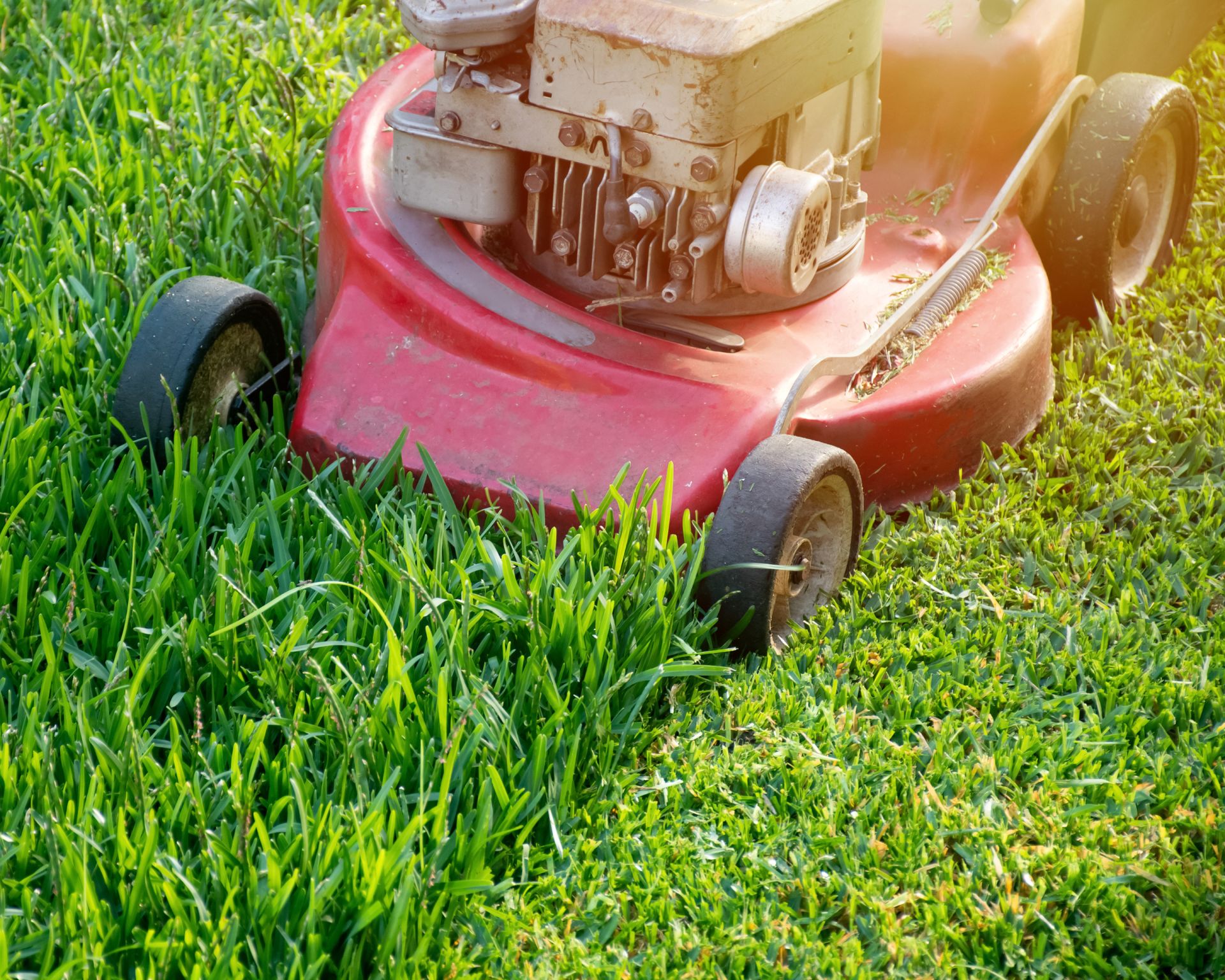
At some point, there will be a final mow of the season, but plan to keep cutting regularly until the grass stops actively growing. Until then, don’t cut grass too short. Your turf needs substantial foliage to collect energy from the sun and build strong, deep roots. Cutting grass short leads to shorter roots, which struggle more through the winter than long roots.
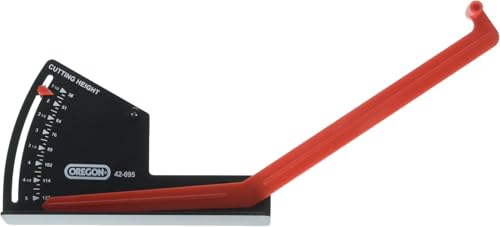
Keep mowing to the recommended height for your type of grass until the final cut. A tool like the Oregon Deck Leveling Gauge from Amazon can help you check your mower’s cutting height and ensure an even cut.
As growth slows, you’ll need to cut less frequently. When it’s time to make the final cut, use the lower end of the recommended height range for the grass. It should be at a medium height for winter.
4. Stop Bagging Your Grass Clippings
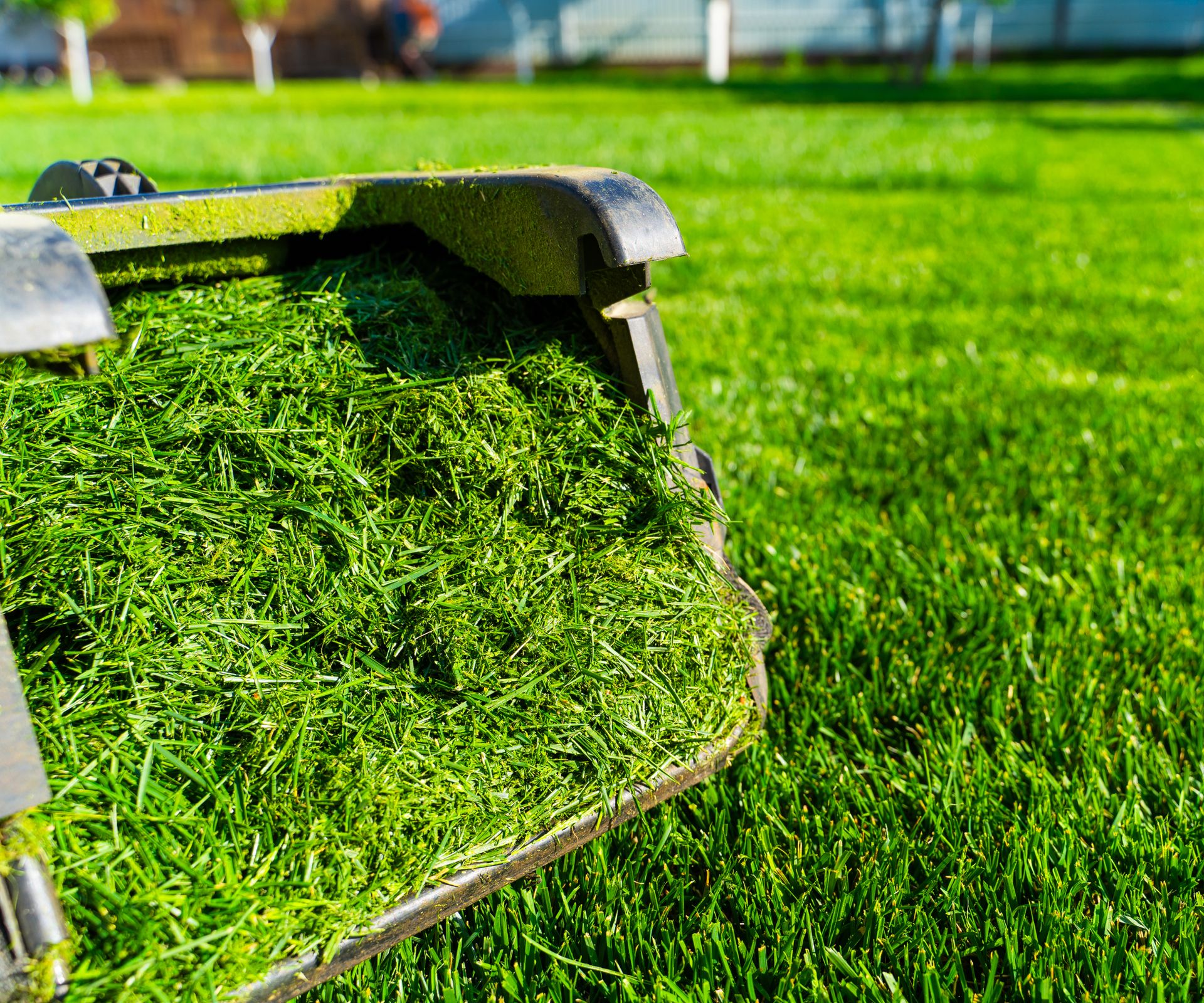
Bagging all of your healthy grass clippings is unnecessary. It’s also a highly labor-intensive chore. Don’t waste your time, energy, or back on this one. Finely chopped grass decomposes quickly and adds nutrients to the soil. And, contrary to popular belief, grass clippings left on the ground do not contribute to thatch buildup.
Instead of bagging cut grass, use a mulching mower. You might want to pick up some of the grass if you have a lot of heavy clumps sitting on the lawn, but most can be kept in place to decompose. The more frequently you mow, the fewer big clumps you’ll get.
5. Stop Pulling Every Single Weed
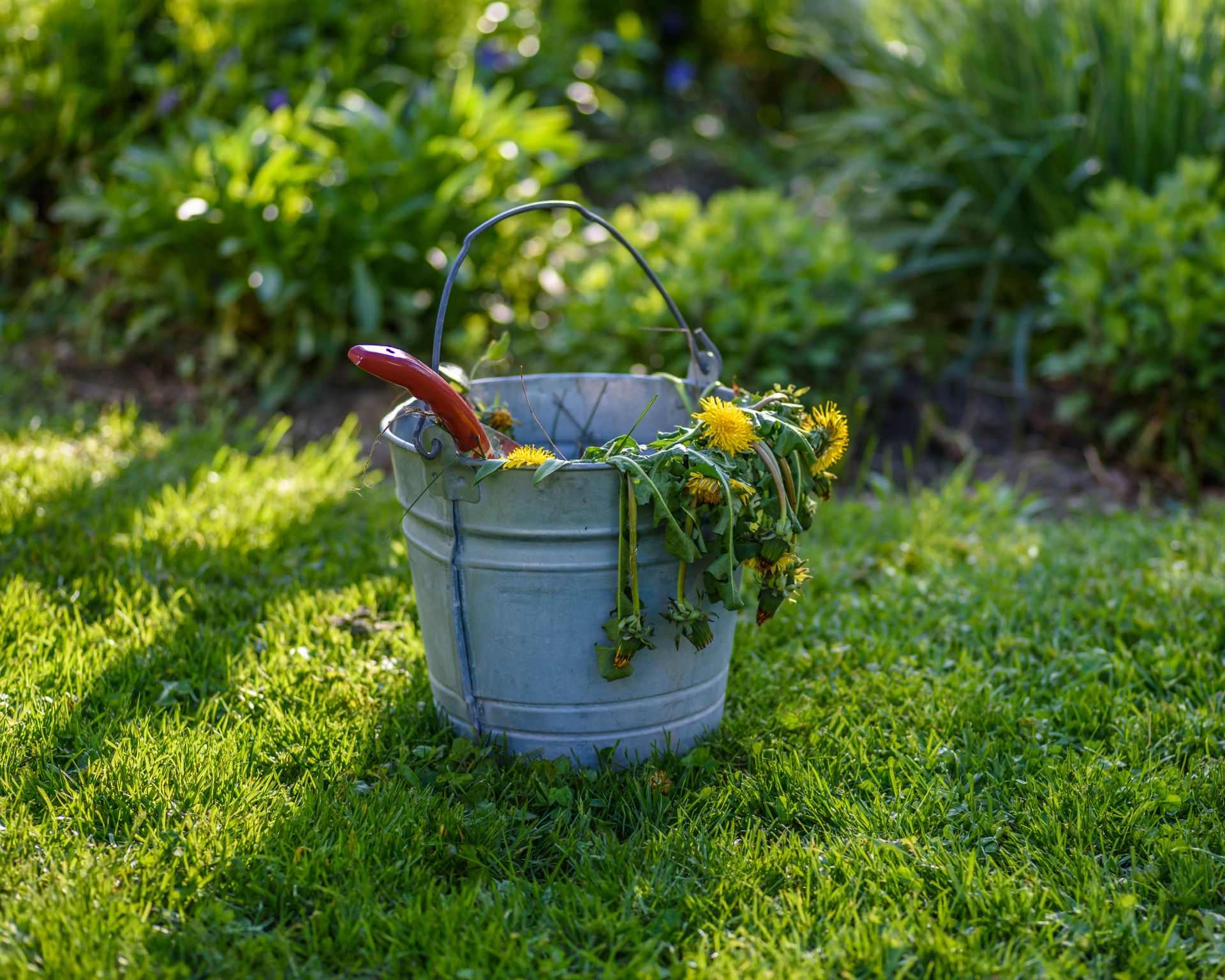
Managing weeds in the turf can be a useful fall chore, giving your grass a better chance of getting nutrients and water as it prepares for winter dormancy. However, it’s possible to overwork this chore. Many annual weeds will die as temperatures drop, so don’t bother with these.
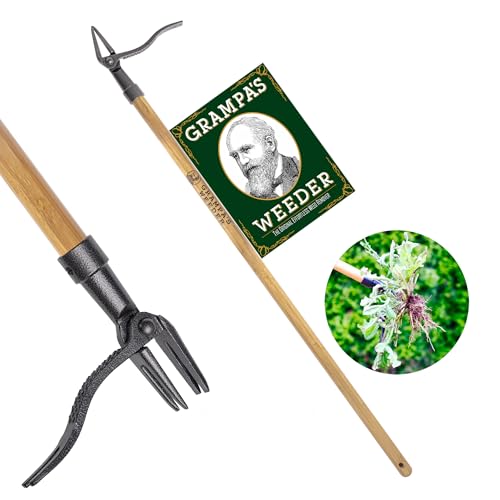
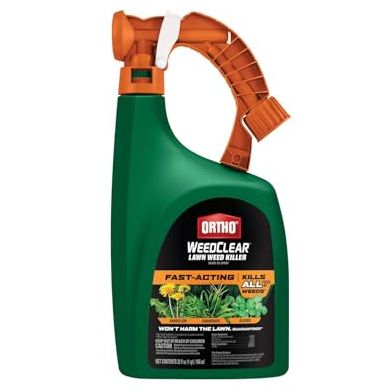
Instead, focus your energy on managing tough perennial weeds. Examples include dandelions, plantain, and clover. Fall is a good time to tackle these with a selective post-emergent herbicide, such as Ortho WeedClear Lawn Weed Killer, provided the weeds are still actively growing and the product is suitable for your grass type. Alternatively, pull them by hand with a tool like Grampa’s Weeder, which removes deep-rooted weeds without the need to bend down.
6. Stop Fertilizing Like It’s Spring
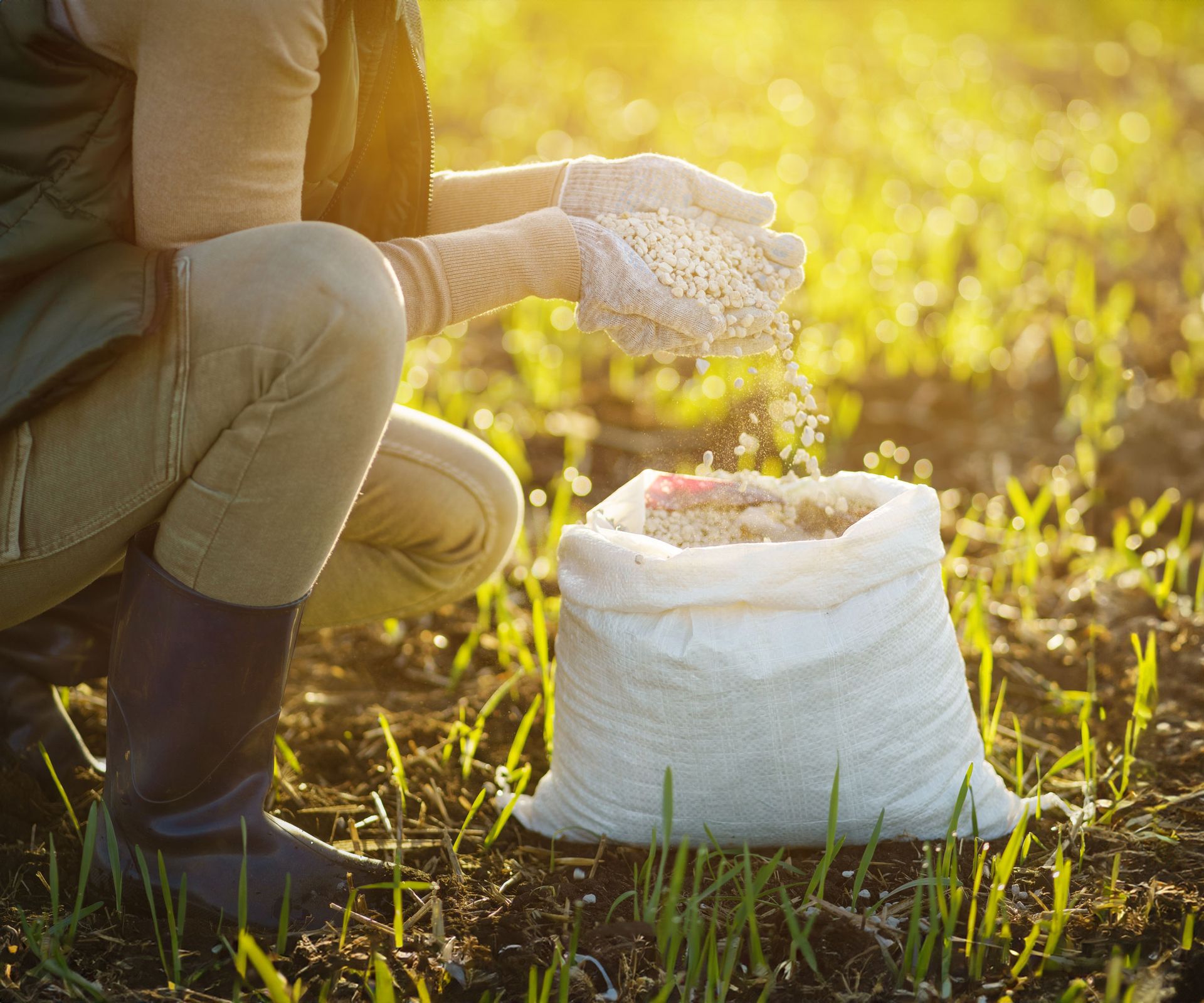
Fall fertilizing can benefit a lawn, but applying fertilizer automatically or getting the product or timing wrong can waste time and money, or even harm your grass. Warm-season grass is going dormant now, so feeding it can trigger growth that only gets damaged in cooler weather.
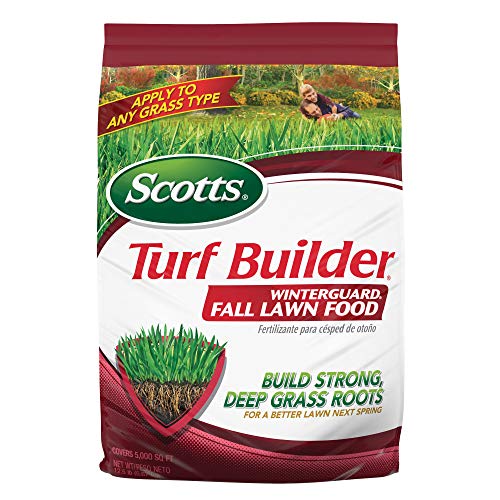
Cool-season grass is different. It’s gathering and storing nutrients in fall and also recovering from summer stress. Fertilizing now can be beneficial if the grass is still growing and the ground hasn’t frozen, but be sure to use the right product. You can find fall-specific feeds at garden centers, often called winterizer fertilizers. One popular option is Scotts Turf Builder WinterGuard Fall Lawn Food, which helps lawns recover from summer stress and develop stronger roots ahead of winter.
7. Stop Trying to ‘Clean’ Every Inch of the Lawn
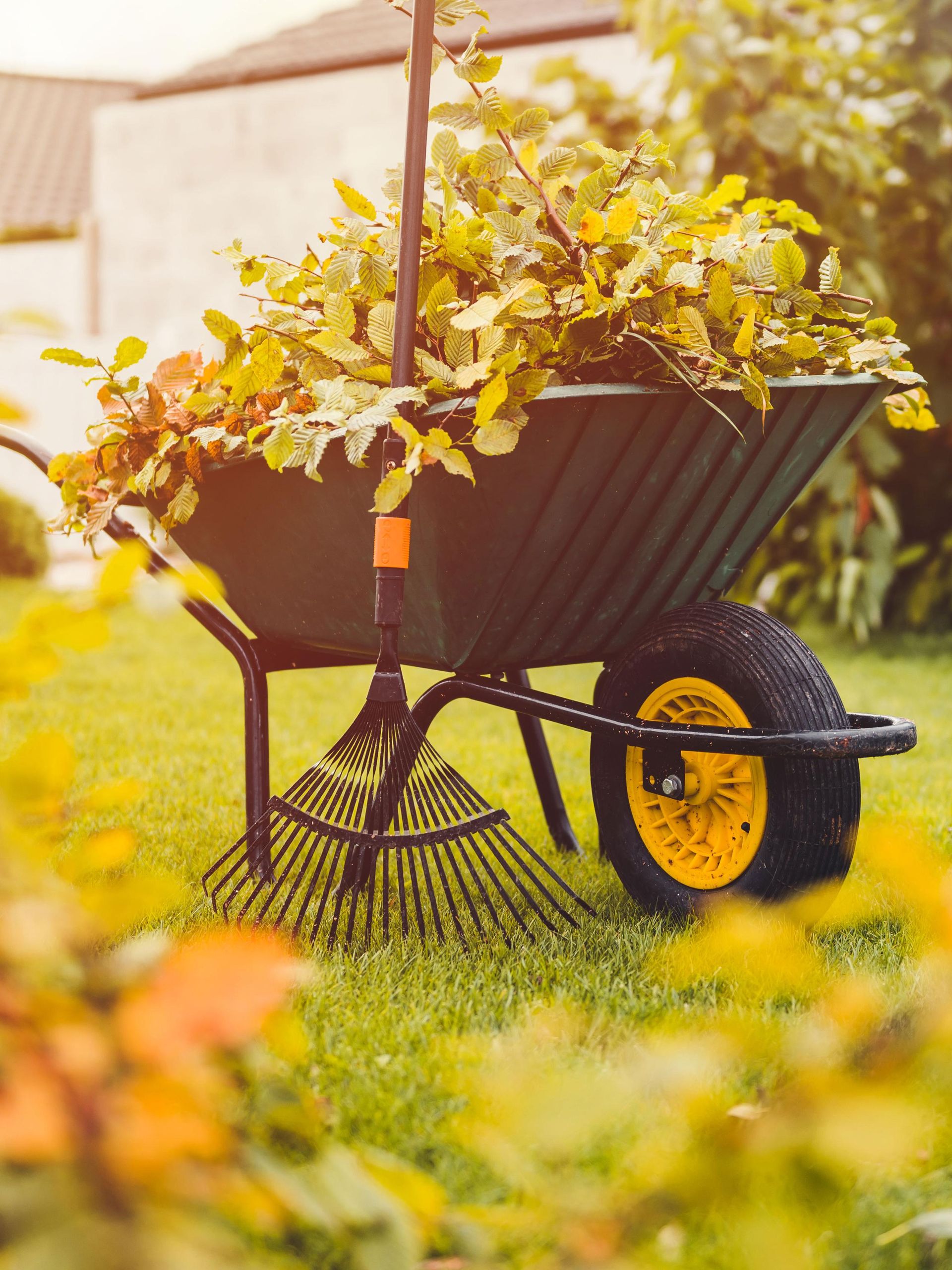
Your lawn doesn’t have to look perfectly green and manicured in fall to be healthy. Trying to remove every stick, branch, and leaf from the turf is wasted energy. It’s a thankless chore that won’t improve turf health. In fact, leaving some natural material in place benefits the local ecosystem. Next year’s pollinators could be hiding in the leaf litter or the hollowed stem of a fallen branch.
Instead of aiming for perfection, target your efforts at thinning thick mats of leaves, clearing walkways and drainage areas, and creating designated natural areas. Leave some corners of the garden undisturbed, where wildlife can shelter and survive the winter. Aim for a healthy lawn, not a sterile landscape.
Fall Lawn Care Essentials
As you plan fall lawn chores, remember that type of grass matters. Know what kind of grass you have and what it needs in terms of fall fertilizer, weed protection, and mowing. All homeowners want to give their grass its best chance to come out healthy and green in the spring, but be smart about fall chores. Be selective about your efforts this time of year and focus on those tasks that will actually make a difference to the health of your lawn.