Peppers hit an odd stretch in midsummer. The plants look their best right when the strain is heaviest, carrying a full load of fruit while the soil dries out by noon. Plenty of gardens quietly stop setting new pods in July, but the drop in production doesn’t turn up until August.
The good news is that growing peppers in July comes down to a short list of jobs rather than a rescue mission. None of them take long. What they share is a focus on steadying the plant instead of pushing it. Even moisture matters more right now than any feeding schedule, and peppers coming off at the right point keeps the plant making more of veggies to eat.
Consistent care in July will set up your pepper plants for a huge harvest and continued healthy growth. Here are the most essential – but easy-to-do – tasks to check off your list before August arrives.
1. Fertilize for Fruit, Not Foliage
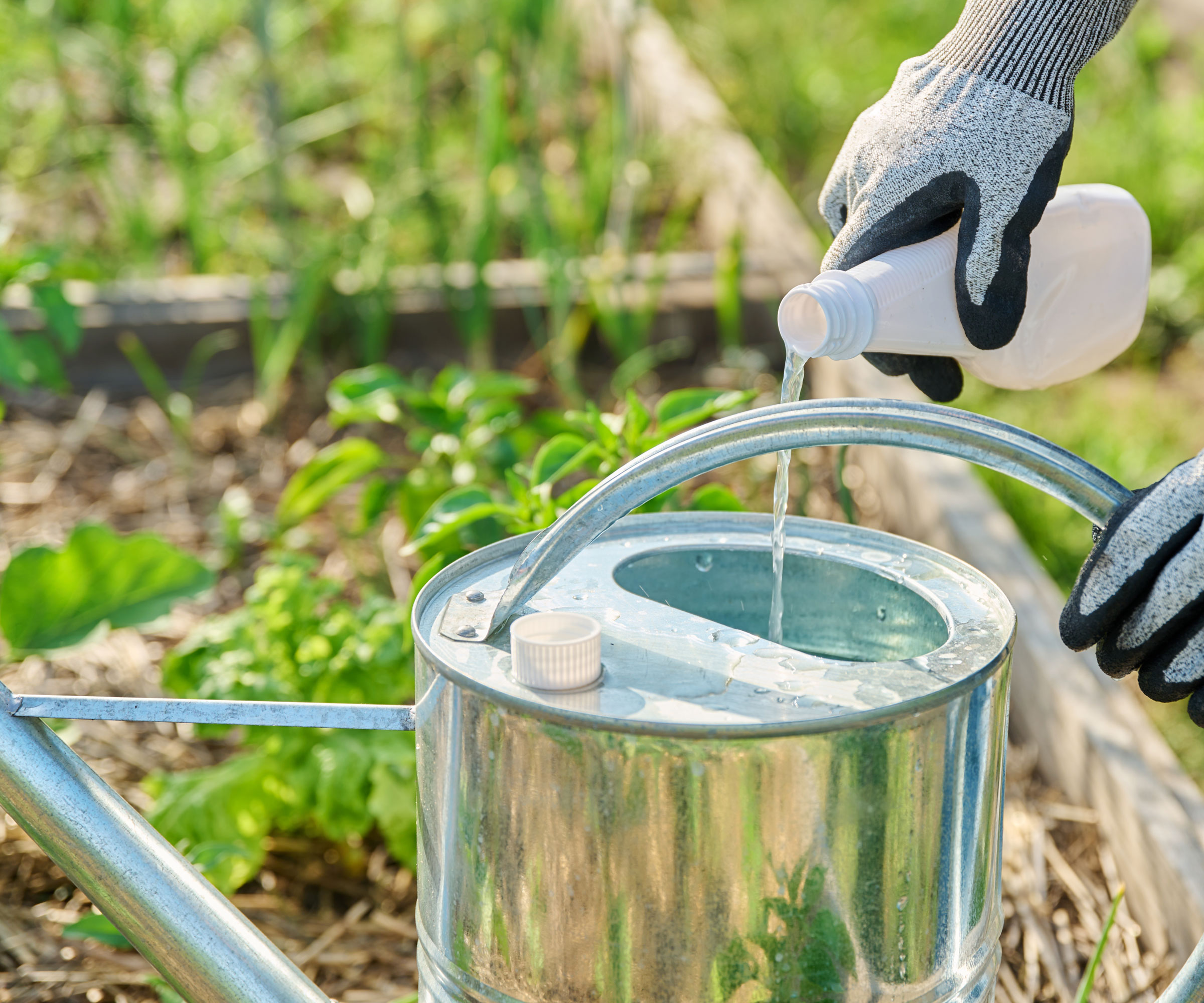
Nitrogen did what it needed to do in June. By July it starts working against your pepper plant, pushing leafy growth at the expense of flowers and leaving a big handsome pepper bush with very little hanging on it.
Plants already carrying fruit want less nitrogen and more phosphorus and potassium, which is why Lilly Miller Morcrop 5-10-10 tomato and vegetable food from Amazon matches the stage the plants are actually in.
Side-dress plants lightly instead of generously – work roughly a tablespoon per plant into the soil about 6 inches (15 cm) out from the stem, then water fertilizer in. Reapplying every three or four weeks is plenty.
After fertilizing peppers, it takes time for the results to appear. So there’s nothing to judge the next morning and a heavy hand in midsummer heat can cause fertilizer burn that are already under pressure.
2. Water Deeply & Consistently
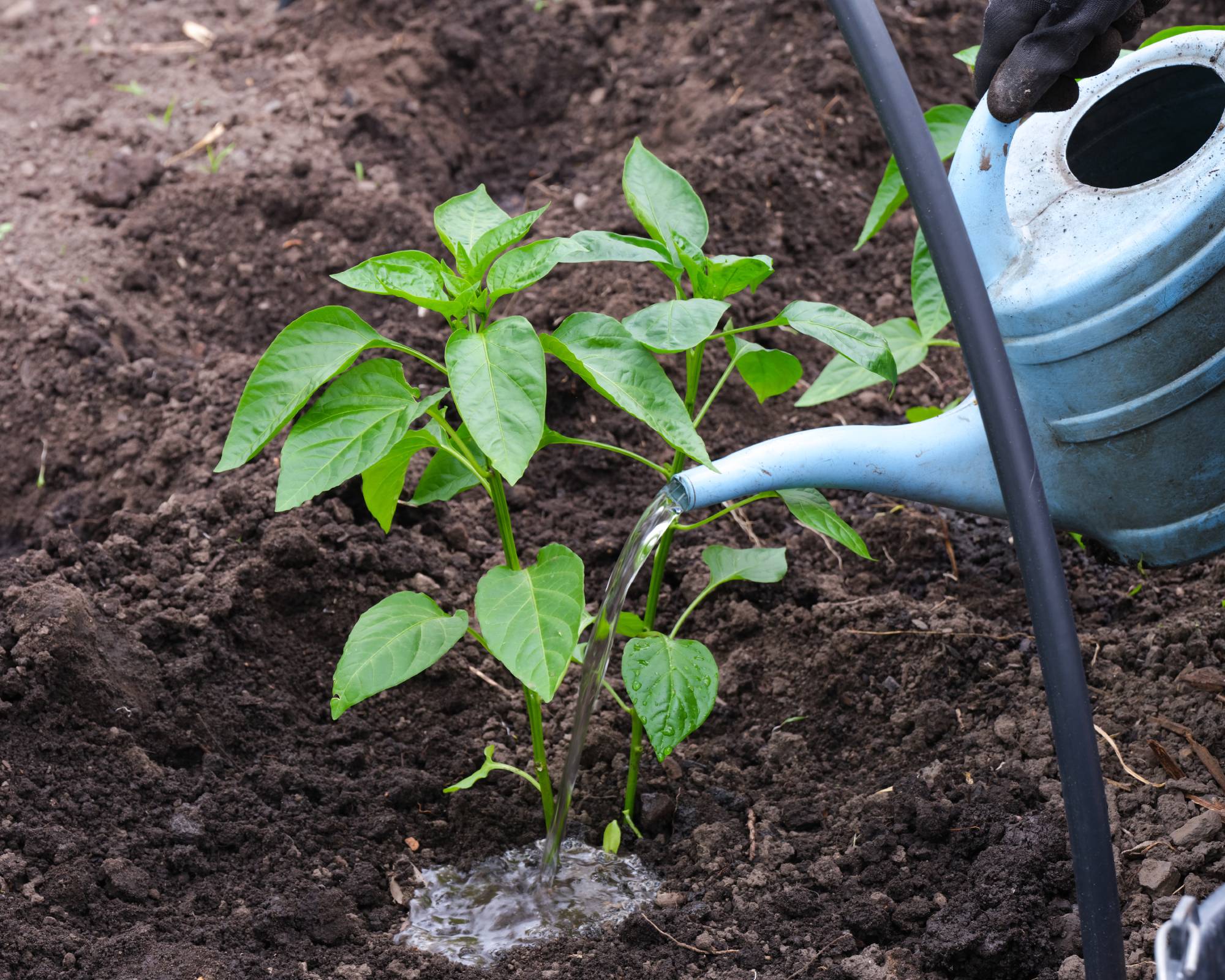
Blossom end rot in peppers usually isn’t from a calcium shortage in the soil. It’s actually a delivery failure. The plant can’t move calcium into developing fruit when the ground swings from soaked to dust and back to damp after watering.
Water pepper plants deeply two or three times a week. They prefer that over a daily splash. Water plants on roughly the same schedule week after week. If you’re unsure, a finger pushed 2 inches (5 cm) into the bed settles the question of whether or not you need to water again. If soil is dry at that depth that means water now.
Wet foliage is what leaf disease waits for, and is part of why a heavy-duty soaker hose from Home Depot beats a sprinkler. Water for 30 to 45 minutes along the row of plants so moisture soaks down at root depth with nothing landing on the plant.
Add mulch to hold in moisture and protect from heat. Use straw or shredded leaves at 2 to 3 inches (5-8 cm) deep and the soil quits cooking by mid-afternoon.
3. Protect From Scorching Sun
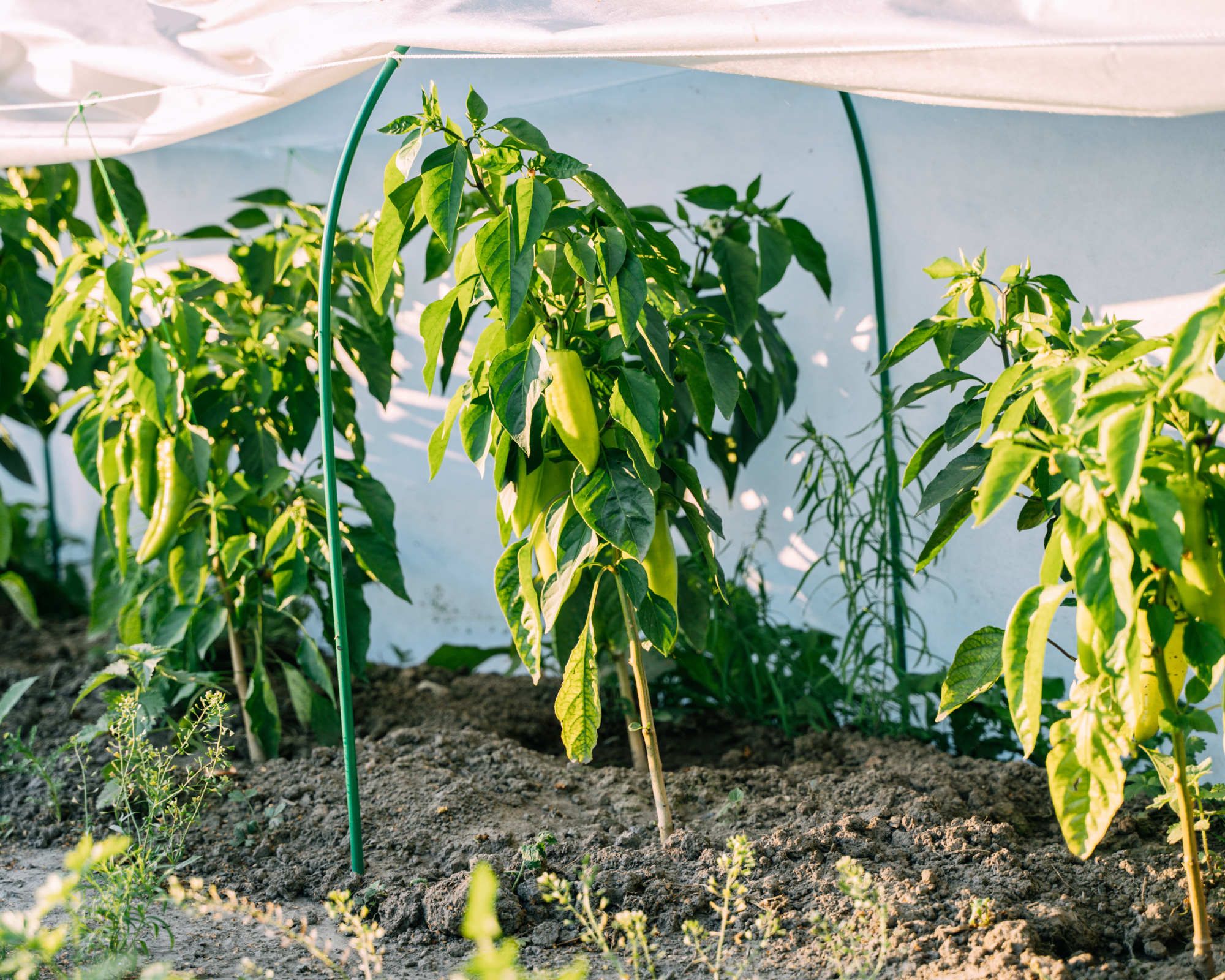
Pepper flowers don’t form or develop into fruit when days climb past 90°F (32C) and nights hang above 75°F (24°C). Pollen turns sterile, the flower drops, and the plant carries on looking perfectly healthy while setting nothing at all. It’s a common reason a July pepper plant seems to quit for a few weeks, and the fruit already on board will keep sizing up through it, which hides the problem for a while.
Shade in the 30 to 40 percent range, run from late morning through the worst of the afternoon, can pull leaf temperature down enough to keep pollen viable. A panel of 40% sunblock shade cloth from Walmart hung on hoops or tied off between stakes does the job and comes down once the forecast eases. The plants keep enough light to carry on growing. It’s a filter, not a lid.
4. Support Growing Peppers
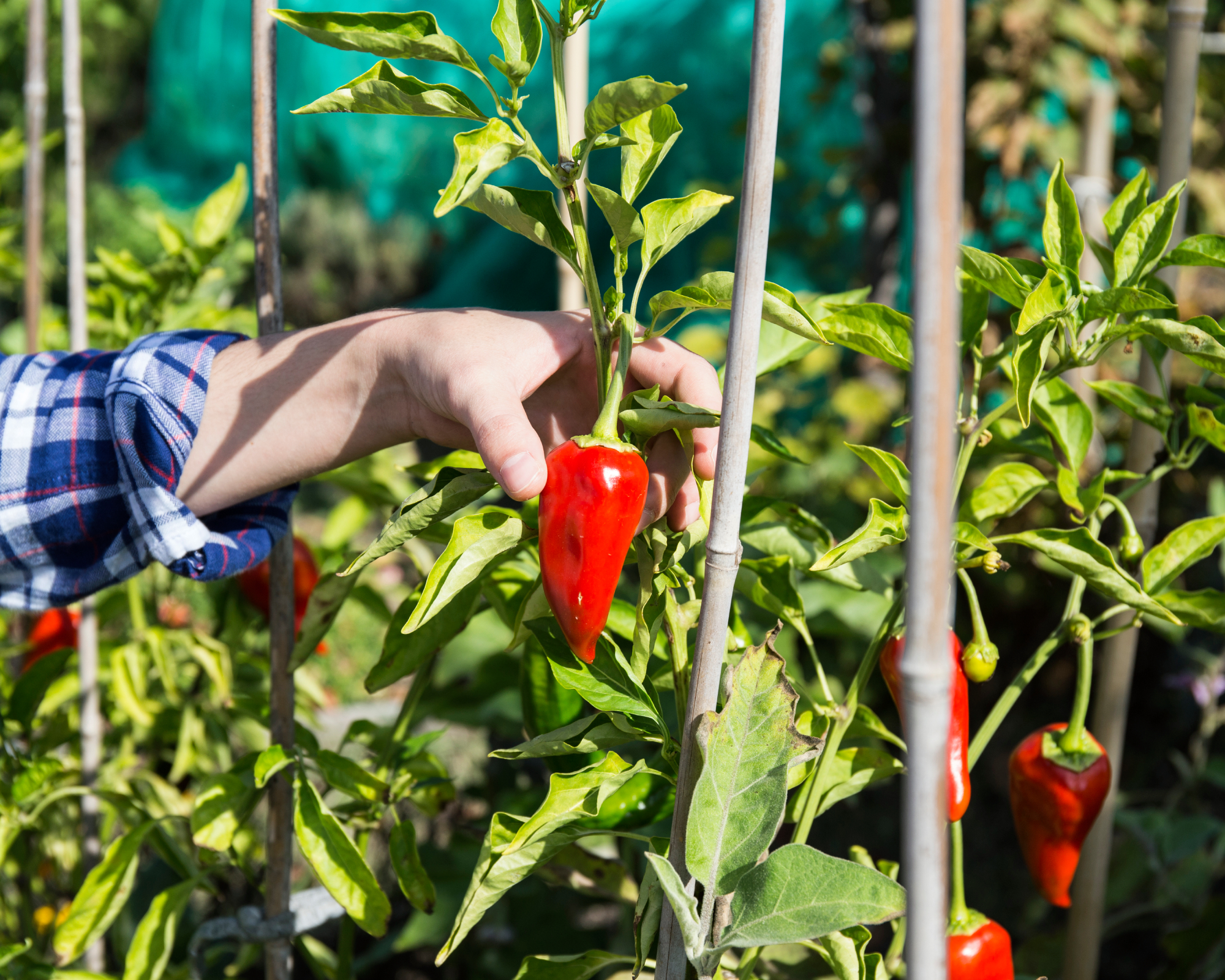
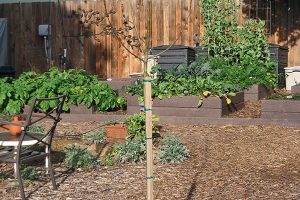
Pepper stems are brittle and a branch loaded with fruit tends to split from the main stem during the first hard storm that comes through. That single break can take a third of the harvest with it. A plant that’s already leaning has waited too long for support.
Stake pepper plants with supports driven 8 to 10 inches (20-25 cm) deep beside the main stem. 4-foot bamboo stakes with garden twine from Amazon are perfect for this job. Tie with a figure-eight so the stem isn’t cinched against the stake and leave the tie slack so the trunk can continue to thicken through August. Attach ties loosely at two or three heights to support the whole plant.
5. Pick Early & Often
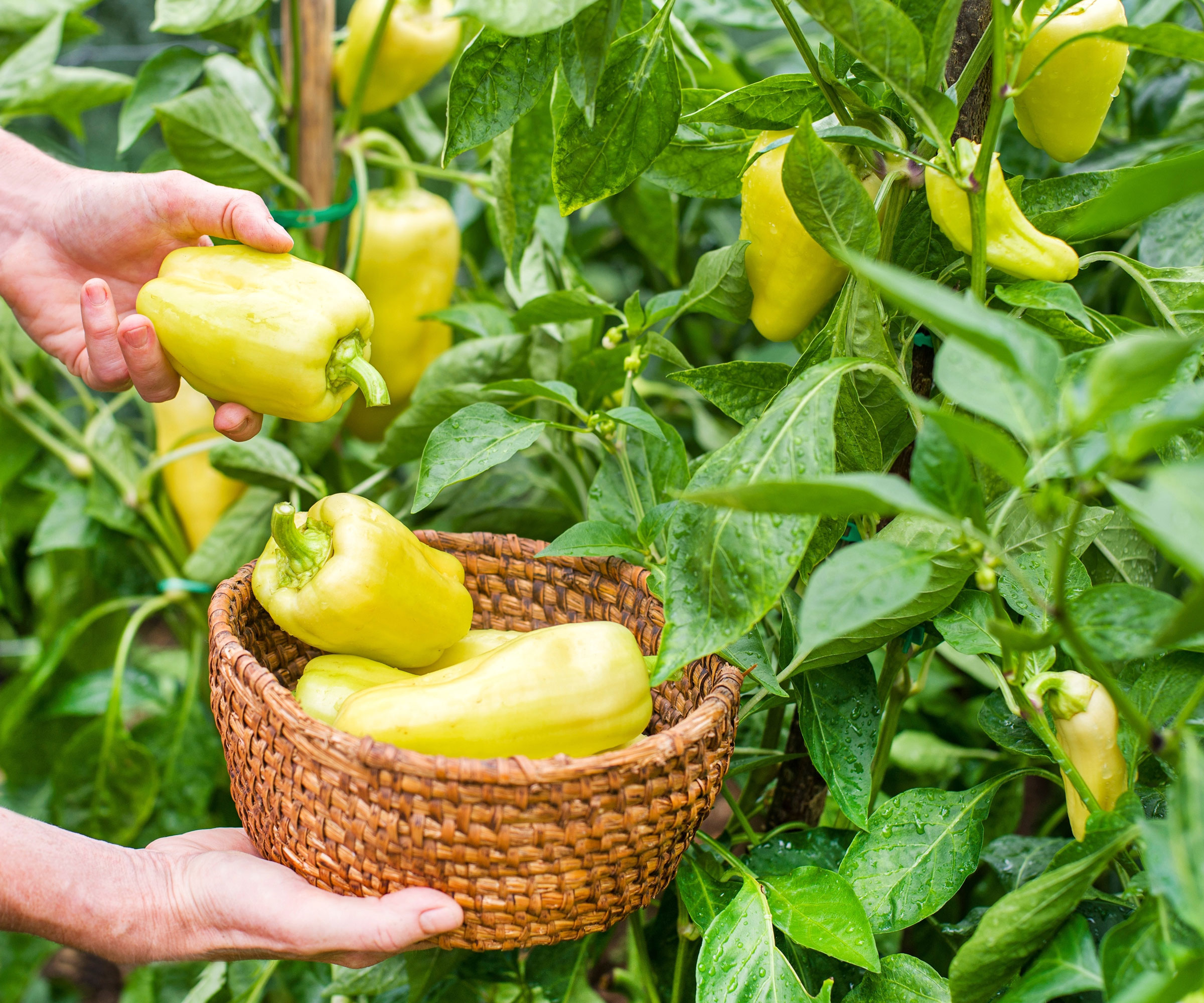
Peppers left to fully ripen on the plant send a signal that the season’s work is done, so flowering slows to match. Sweet peppers picked at full size while still green will push the plant to set another round of fruit.
Picking sweet peppers early is fine. A green pepper on the counter is the same pepper it would have been in the garden, just minus a couple weeks of waiting. Harvesting hot peppers is the exception, since capsaicin keeps building as they color up.
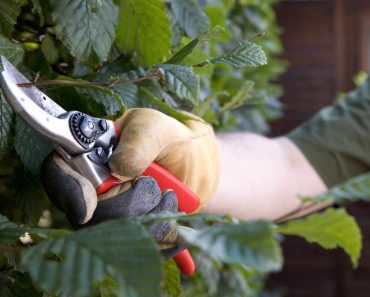
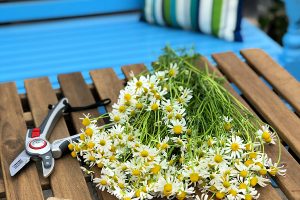
Harvest peppers by cutting at the stem with pruners instead of pulling, since a tug can take the branch with the pepper. Check every two or three days once the fruit starts coming.
Pick anything that’s split or showing soft spots, even if it’s nowhere near ready. Damaged fruit draws common pepper pests and gives the plant no reason to keep working.