While you might be thinking that the gardening season is drawing to a close this month, there’s plenty to look forward to, especially if make a few simple switches to help your yard transition from fall into winter. As the year segues into the cooler months, it’s time to enjoy colorful stems, textural bark, sculptural seedheads and shrubs bejewelled with bright berries, and relish the quiet beauty of this season.
Check through our landscape designer tricks to take a fall yard into winter, and add one or two to your outside space now. An injection of structural evergreens, naturalistic ornamental grasses, a tree with fiery foliage or colorful autumn bulbs can make a huge difference at this time of year now the late-season flower show is coming to an end.
Consider, too, how to make your fall garden user-friendly so you feel inspired to spend plenty of time outside still, perhaps by including a cosy gathering area around a fire pit. Which of these easy tricks landscape designers use to carry a garden from fall into winter are right for your yard?
1. Fill Border Gaps With Ornamental Grasses
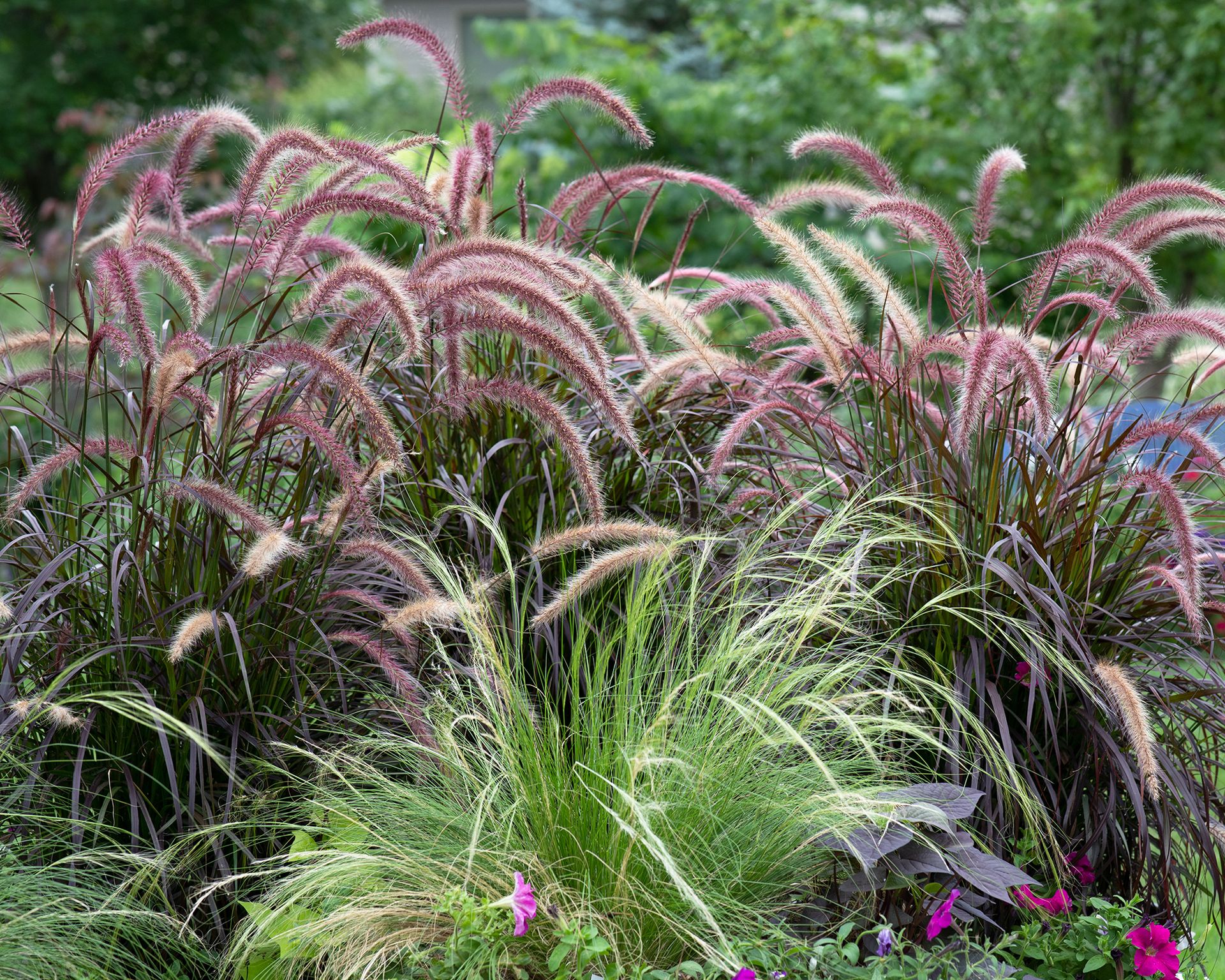
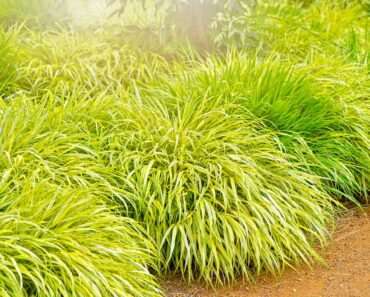
Adding a mix of ornamental grasses is a fundamental element of fall garden design and these low-maintenance plants will continue to look good all through winter. While many annual and perennial flowering plants will happily grow through airy grasses in summer, the blades will keep borders looking full once they’ve finish blooming.
Choose varieties that offer bold autumn color such as Panicum virgatum ‘Shenandoah’, available from Nature Hills. Also known as switch grass, this well-behaved clump-forming grass develops stunning red and damson tones in fall, topped by wiry stems of flowers. Reaching 3 feet high, it looks fabulous planted among taller shrubs as well as with perennial blooms.
Another option favored by landscape designers is blue-green-leaved Festuca glauca ‘Elijah Blue’, also available from Nature Hills. Growing to just a foot high, it’s perfect for border edges and winter containers.
2. Plant a Tree With Four Seasons of Interest
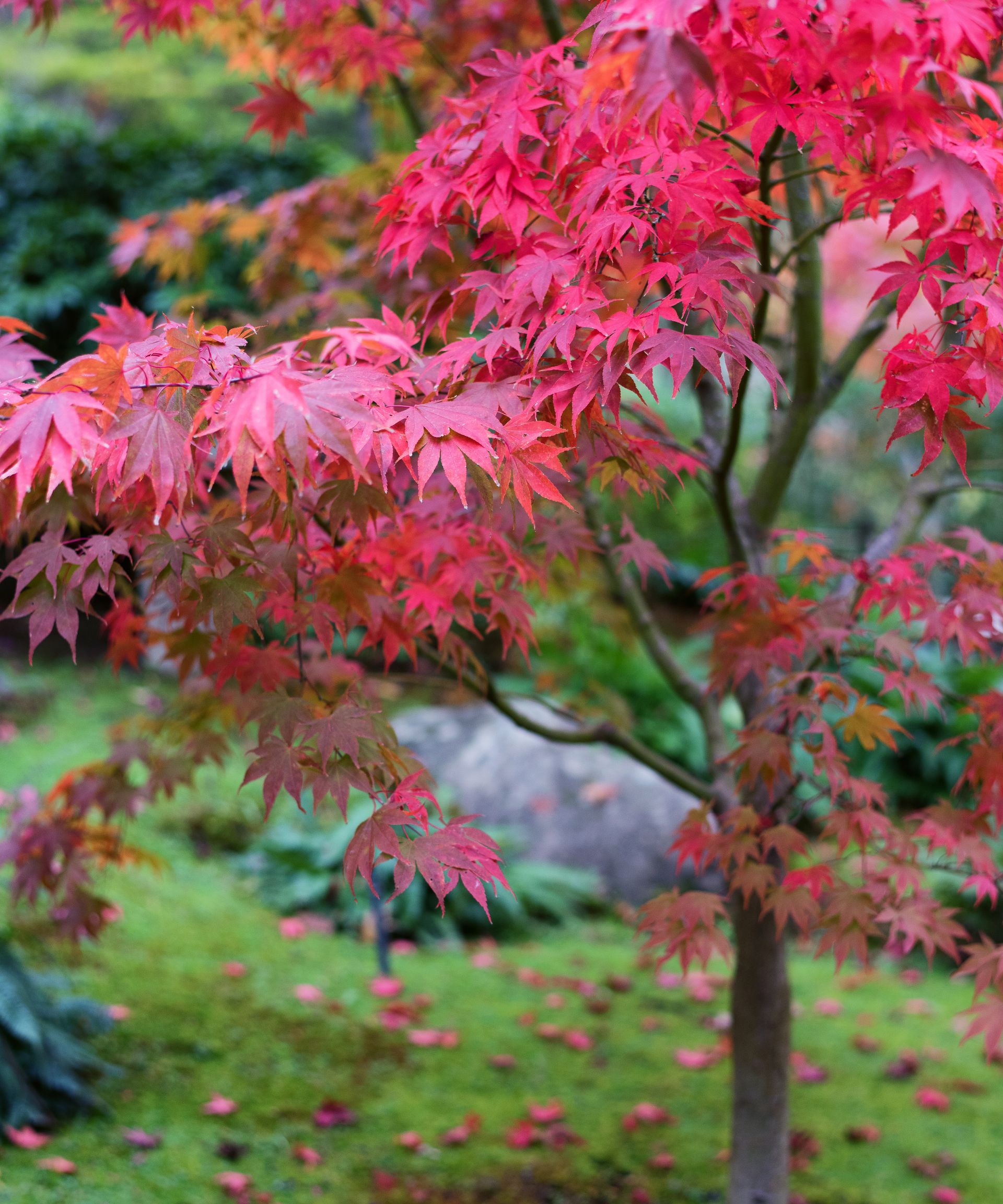
Landscape designers often choose trees with fiery foliage to create a stunning focal point with brilliant shades of scarlet, russet, gold or burgundy. Even if space is limited, there are plenty of smaller trees that will squeeze into a compact garden.
Some of most spectacular fall color is typically associated with Acer (maple) trees, but to carry the interest on into winter, choose a type with textural bark, too. Acer griseum, the paperbark maple and available from Plant Addicts, has peeling, papery warm-brown bark. Caught in the light of a low winter sun, its peeling curls of bark are nothing short of spectacular. The coral bark Japanese maple, available from trees.com, has bark in an intense red tone that’s equally eye-catching.
Another option if you’re wondering what to plant in fall is a multi-trunked tree that, once the bright foliage has fallen, brings architectural interest to your garden, like the Autumn Brilliance Serviceberry tree, available from trees.com.
3. Fill Containers with Winter-Blooming Flowers

Attractively planted container gardens are a landscape designer’s best friend during the cooler months of the year. These portable pots of color and texture can be positioned wherever you want, adding a welcoming touch to an entrance or a bright splash to a patio table.
There are all sorts of vibrant plants that love life in a patio pot and last from fall into winter for a wonderful cool-season display. The go-to formula is to combine a thriller (height), filler (body) and spiller (edging) to create a full, textured look. Good choices for fall and winter include compact evergreens or ornamental grasses to add the height element, pansies to fill out the body of the planter, and ivy to tumble over the edges. For a modern look, squeezing a container full of a single variety is an even easier option.
4. Introduce Shapely Structure with Dwarf Pines
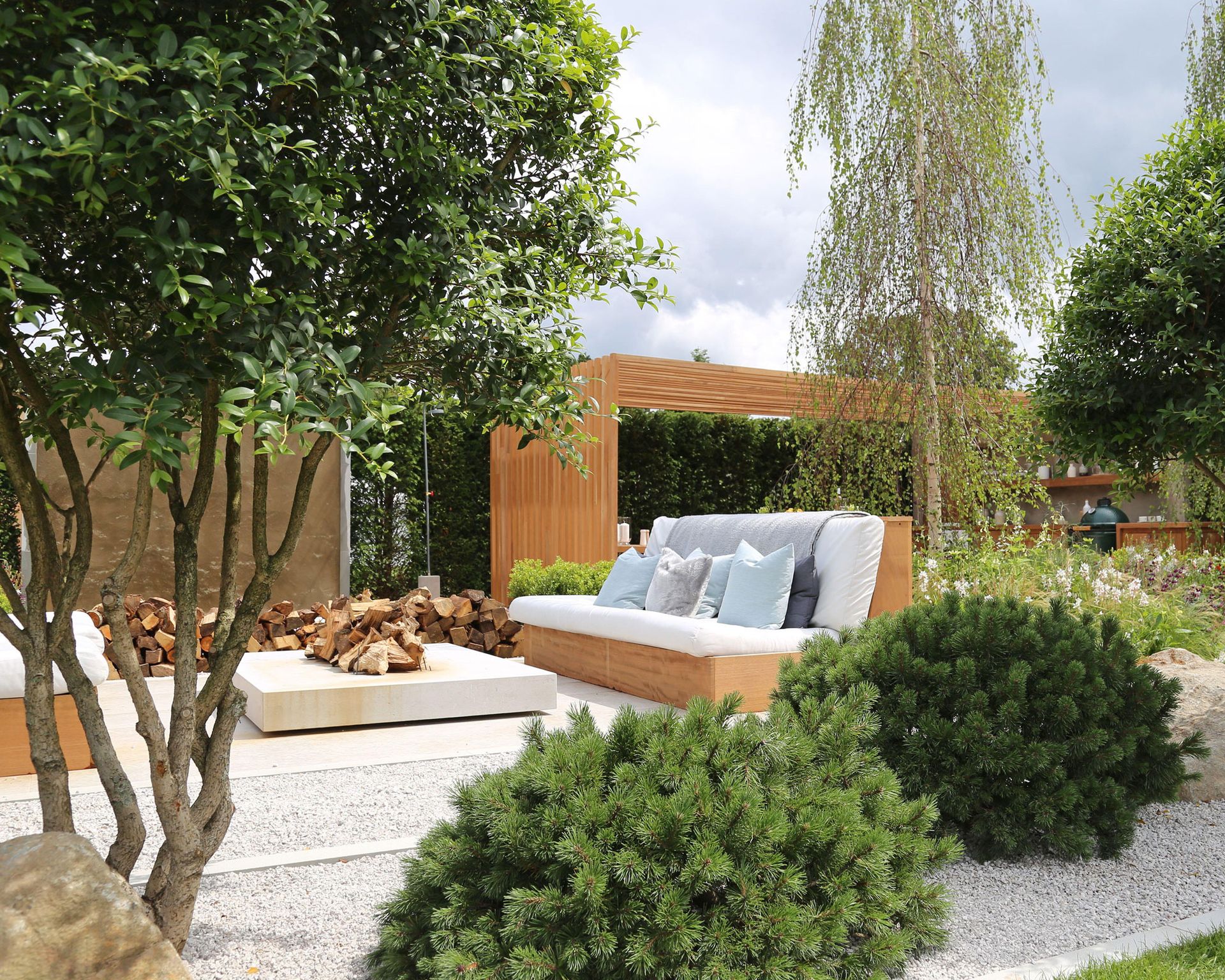
Dwarf pine trees are enjoying a surge in popularity with landscape designers, and no wonder. While in spring, summer and fall they provide a green, textural foil to colorful flowers and leaves, once winter arrives they emerge as standout sculptural shapes. The beauty of slow-growing dwarf pines is that they naturally stay compact and well-shaped, so need very little looking after.
Dwarf Mugo pine (Pinus mugo var. pumilo) is a particular favorite thanks to its dense, dark needles. While it eventually grows to 3-5 feet high, its easily kept pruned into a neat mound. Dwarf Mugo pine, available from trees.com, keeps its seed cones all through winter, adding to the display. Adding one, or an odd number dotted through your outside space, is a great way to ensure your garden has character throughout the year, and helps avoid that sensation of sparseness that often happens in winter when many plants are dormant.
5. Use Fall Bulbs to Bring a Color Splash
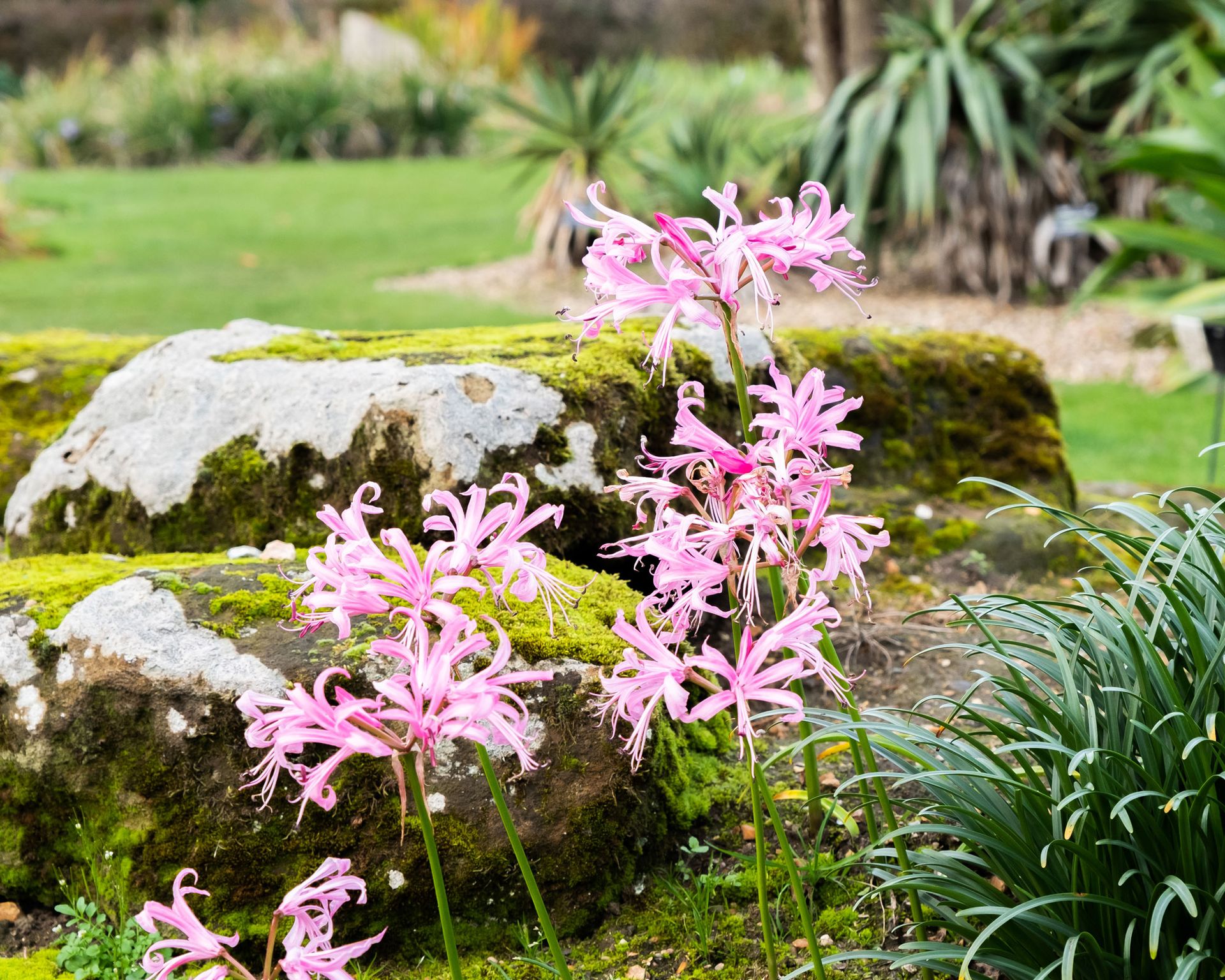
When summer perennials and annuals fade you will need something else to take their place. Autumn-flowering bulbs will pop up reliably year after year to add color and, if you choose the right sunny spot, will naturalise, gently spreading to reflect how comfortable they are in your landscape. This repetition will strengthen the planting design, as well as adding continuity.
Nerine bowdenii (also known as as Bowden lily) brings an explosion of color to rejuvenate tired fall borders. These beautiful bright blooms on sturdy stems grow to 24 inches, and can be added to pots as well as planted in drifts through a flowerbed. In addition to the standard pink petals, there are varieties from white through to a deep ruby red, and Dutch Grown stocks a good nerine selection. While it’s too late to plant the bulbs this year, you can pre-order ready for planting in spring for floral fireworks next fall.
Another favorite is hardy cyclamen, which you’ll likely find potted at your local garden center in fall. Plant a mix of the hardy ivy-leaved cyclamen (Cyclamen hederifolium), which flowers in fall and has pretty foliage that lasts through winter, and winter-flowering cyclamen (Cyclamen coum) which blooms winter into spring, for a long season of interest.
6. Design a Cozy Space to Linger
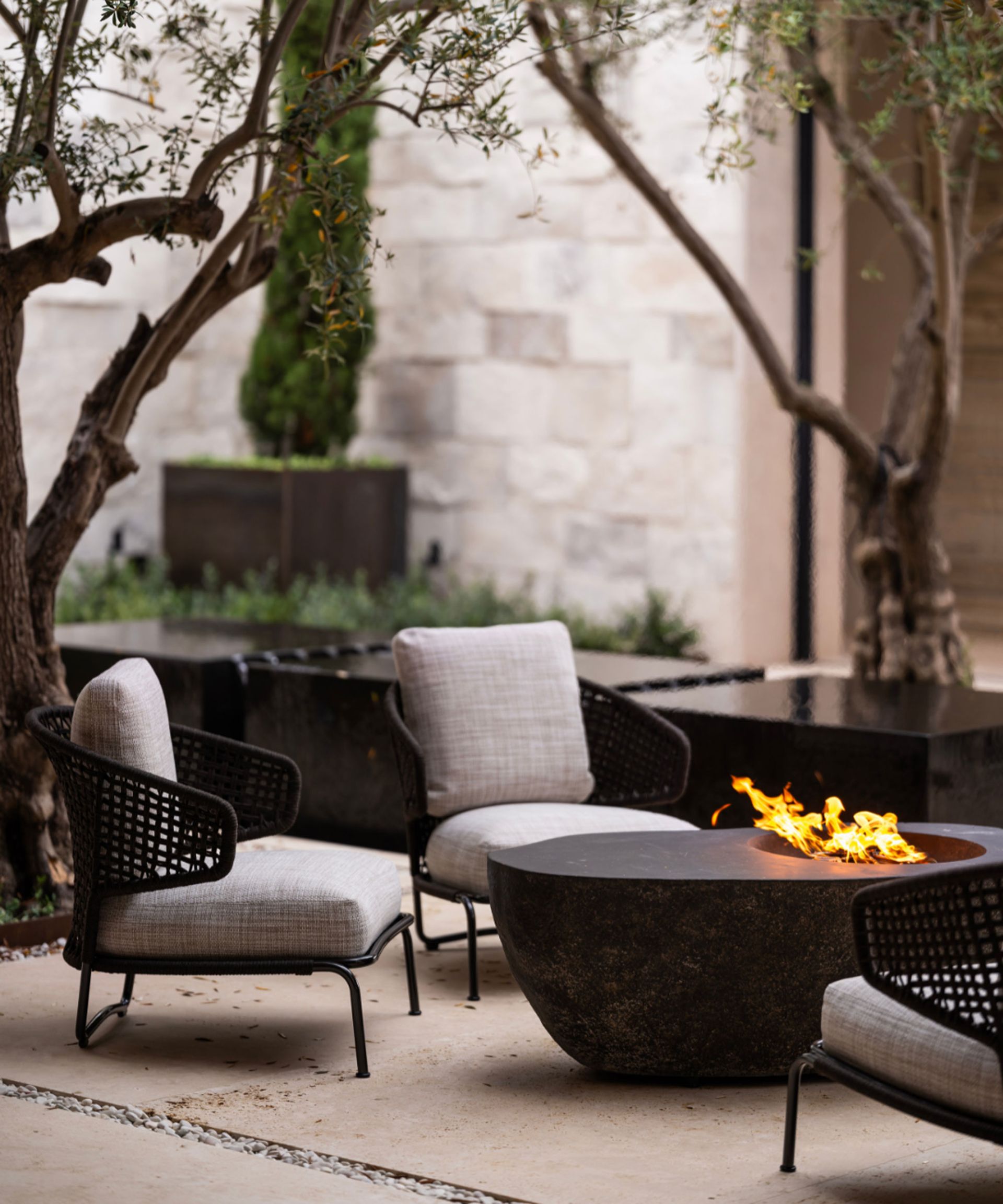
Even during the cooler months of the year, your outdoor space should be an inviting spot where you want to linger. A fire pit creates an ambient spot to gather around at dusk offers the opportunity for year-round entertaining, and is a go-to for landscape designers interested in creating an outdoor space with year-round usability.
Whether you want the crackle of real wood burning or the convenience of starting a fire with the click of a button, a fire pit will add visual as well as physical warmth to your fall and winter garden. Opt for a design that complements your overall aesthetic and add layers of textured cushions and throws in a palette of warm, earthy tones to garden furniture to build on the cozy vibe.
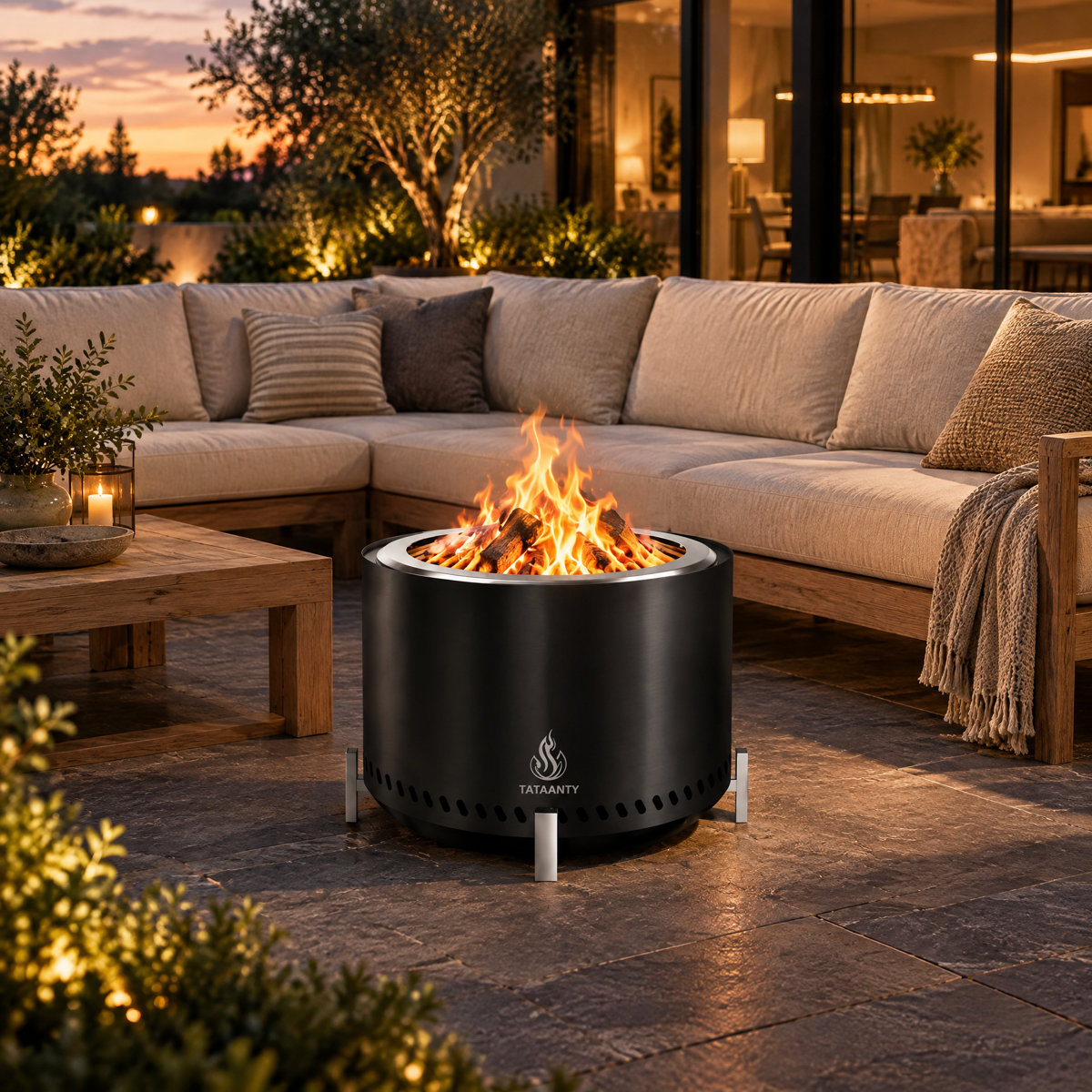 Smokeless Style
This fire pit is perfect for patio evenings, bringing friends and family together around a warm, inviting flame. Though it burns real wood, an airflow system facilitates efficient combustion to reduce smoke levels.
 Table-Top Design
Fuelled by wood or wood pellets, this 7-inch diameter stainless steel mini fire pit brings the s’mores experience to a patio table. Efficient burning means it’s smokeless and a removable ash pan makes clean-up easy.
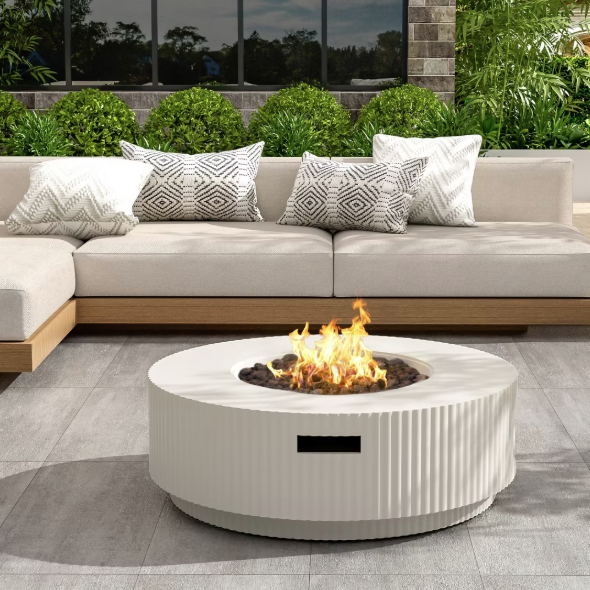 Instant Flames
Fuelled by propane gas, this stylish fire pit has an adjustable flame and can deliver plenty of warmth to keep your outdoor gatherings cozy. A lid lets it double as a coffee table and it’s also available in black and stone-look.
7. Make Gravel Landscaping Your Go-To
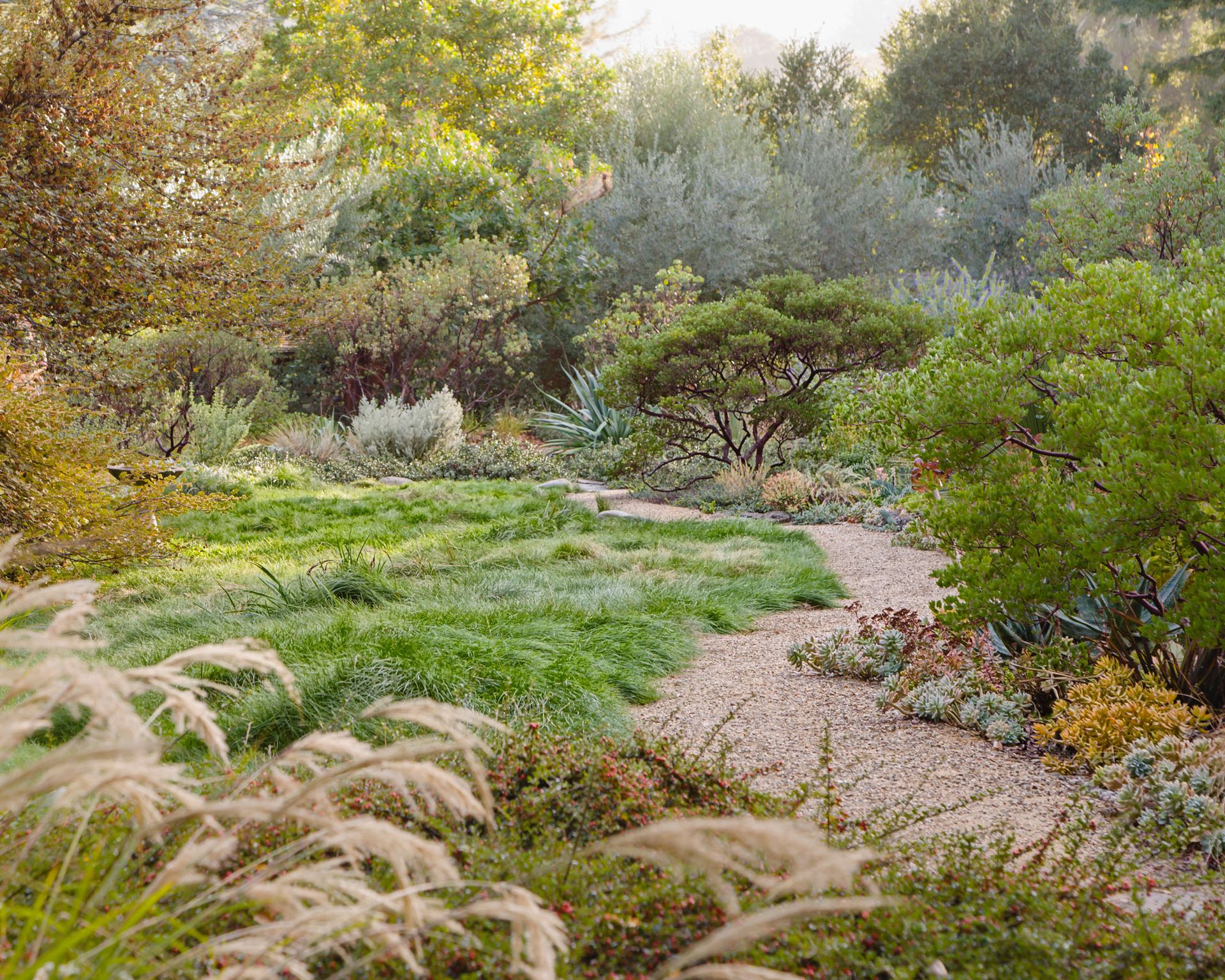
Landscape designers often use a mix of materials to maximize texture and interest in garden design. These are automatically thrown into the spotlight during the cooler months of the year when plants die back and leave the hardscaping exposed. Gravel offers a softer alternative to bare paving slabs, and buff-toned pea gravel in mixed sizes and shapes like this landscaping pea gravel from Lowe’s creates a particularly natural look.
Softening the edges of hard landscaping with plants is another landscape-designer trick that comes into its own as a garden moves from fall into winter. Use evergreen creeping thyme to blend the edges of a curving pathway and a functional garden element becomes an attractive winter feature. You can also use gravel as a mulch to avoid areas of bare border soil in winter, an option that’s also easy on the budget.
8. Highlight Texture with Low Lights
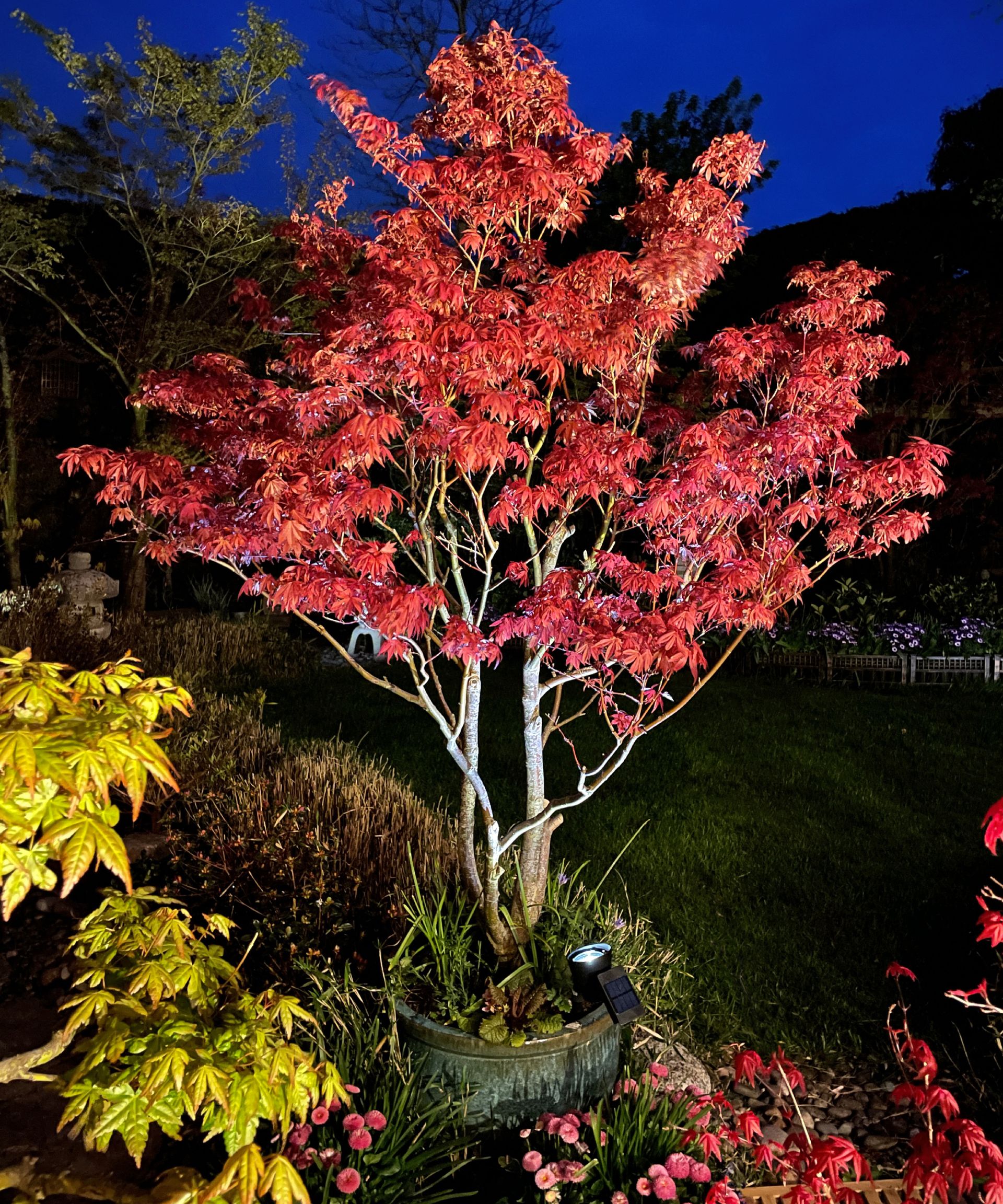
Another way to maximise texture and help your garden transition from fall into winter without missing a beat is to add warm lighting from a low angle. In fall, a ground-stake spotlight will highlight foliage but then is easily moved to throw a glow through ornamental grass blades. Even a wash of light across a gravel path creates a play of shadows that shows off texture to the full, and allows you to appreciate your garden from indoors on dark evenings.
The easiest way to create individual pools of low light is with solar spotlights, although you’ll need to shop smart when buying outdoor solar lights that will generate enough power in fall and winter. For a start, choose lights with adjustable solar panels so they can be angled to match the sun’s lower position in the sky. Look for a high conversion rate and a large capacity battery of at least 1500 mAh, too, and opt for warm-toned LEDS that will create more ambiance than bright white lights. These Solar Spot Lights from Wayfair tick all three boxes.