The holidays often leave us with more food than we know what to do with, don’t they? Before throwing everything into the compost or bin, though, take a look at your Thanksgiving leftovers; your feathered friends could be very thankful for them!
Yes, some everyday ingredients from the feasting table can make welcome treats for backyard birds, offering a little extra nourishment as temperatures drop and the nights draw in (and transform your outdoor space into a welcoming bird sanctuary in the process).
Whether you’re hoping to see your birth month bird out there, or just happy to offer your kitchen scraps up to any local critters who might make use of them, here’s how to use your Thanksgiving leftovers to keep bird feeders filled over the holidays…
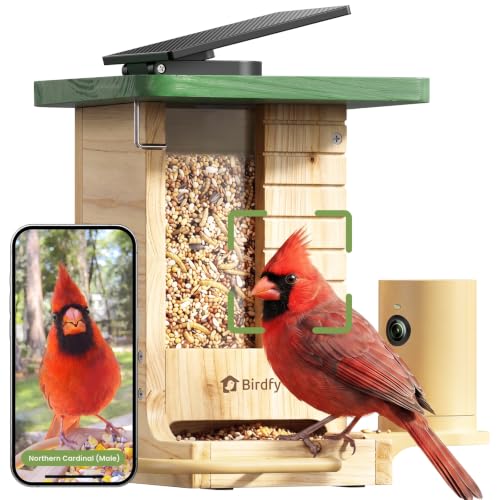
Shop Bird Feeders:
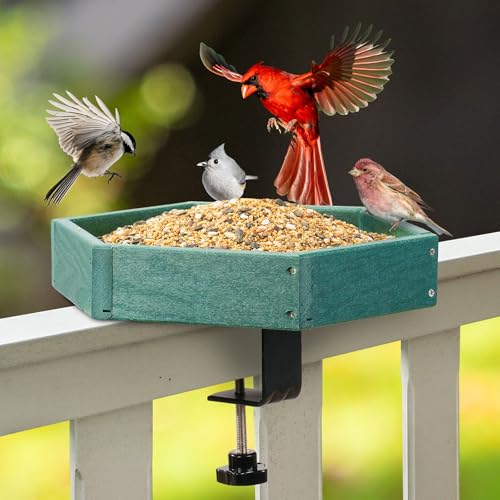
7 Thanksgiving Scraps to Save for Backyard Birds
Before we dive on in, a word of caution: not every Thanksgiving dish is suitable for wildlife, especially as salt, butter, rich sauces and seasonings can make seemingly harmless scraps unsuitable for birds.
The trick? Try to save a few simple ingredients before they make their way into the casserole dish or onto the dinner table. With that caveat in place, then, here are seven Thanksgiving kitchen scraps worth keeping…
1. Apple Scraps
Have a few apples left over from your Thanksgiving preparations? Birds such as robins and other fruit-eating visitors will definitely appreciate small pieces of fresh apple.
Cut the flesh into bite-sized chunks, removing the core and seeds first. Bruised apples are fine so long as they’re fresh (they’re not as fussy as we are!), but discard any mouldy or spoiled pieces. And avoid offering apple pie filling or cooked apples covered in sugar and spices.
2. Fresh Cranberries
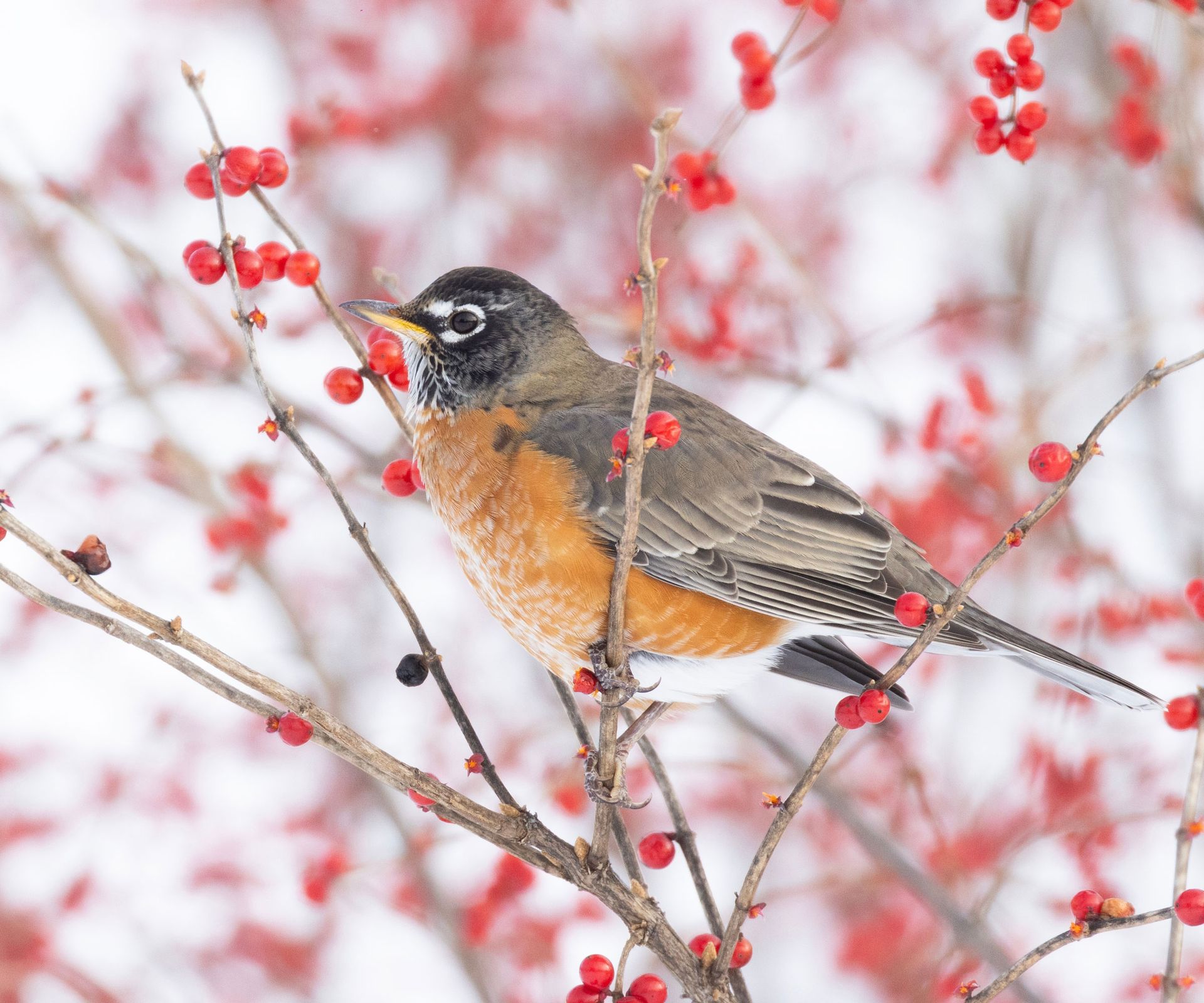
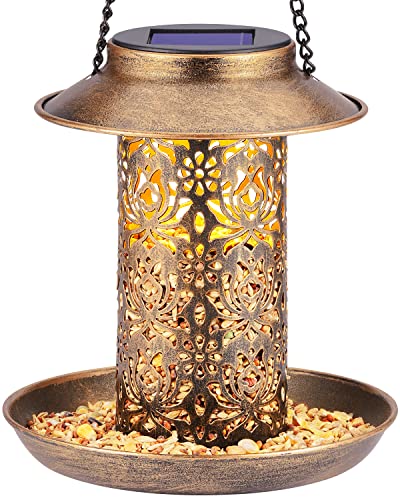
Cranberries are a Thanksgiving staple, and you’d better believe that their fresh (and unseasoned, obviously) counterparts make a lovely treat for birds. Offer a few whole or chopped cranberries on a clean feeding tray like this one from MIXXIDEA.
Frozen cranberries are fine, too, once thawed. Just avoid cranberry sauce, as it typically contains added sugar and may include other ingredients birds don’t need. Honestly, a little fresh fruit is all that’s required.
3. Unsalted Nuts
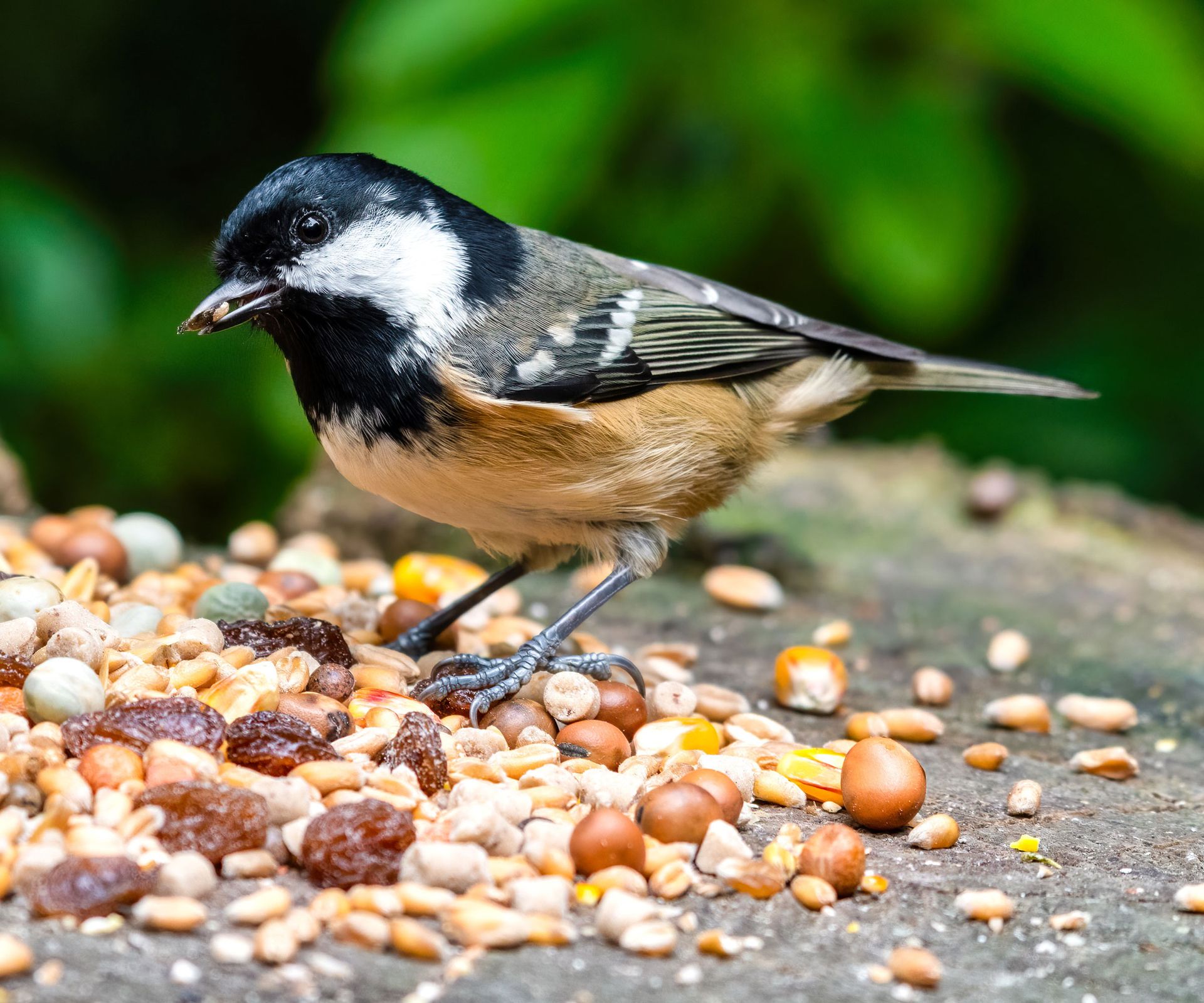
Pecans (again, plain and unsalted) are another holiday favorite that can be shared with feathered visitors, along with walnuts and peanuts. All of these scrummy nuts are rife at Thanksgiving, and all provide fats and protein that can help birds maintain their energy during colder weather.
Take care to chop larger nuts into manageable pieces and check that they haven’t been coated in salt, sugar, chocolate or seasoning. Just like the fruit, nuts should be fresh, too, rather than stale or musty.
4. Plain Corn
Corn often features on the Thanksgiving menu in a big way, and a few plain kernels can be offered to garden birds; just set aside a small portion before adding butter, salt or other seasonings.
Cooked or fresh corn kernels can be placed on a feeding tray, but avoid creamed corn, buttery corn casserole and heavily seasoned dishes. Only offer a little at a time, as damp corn can spoil quickly.
5. Pumpkin and Squash Seeds
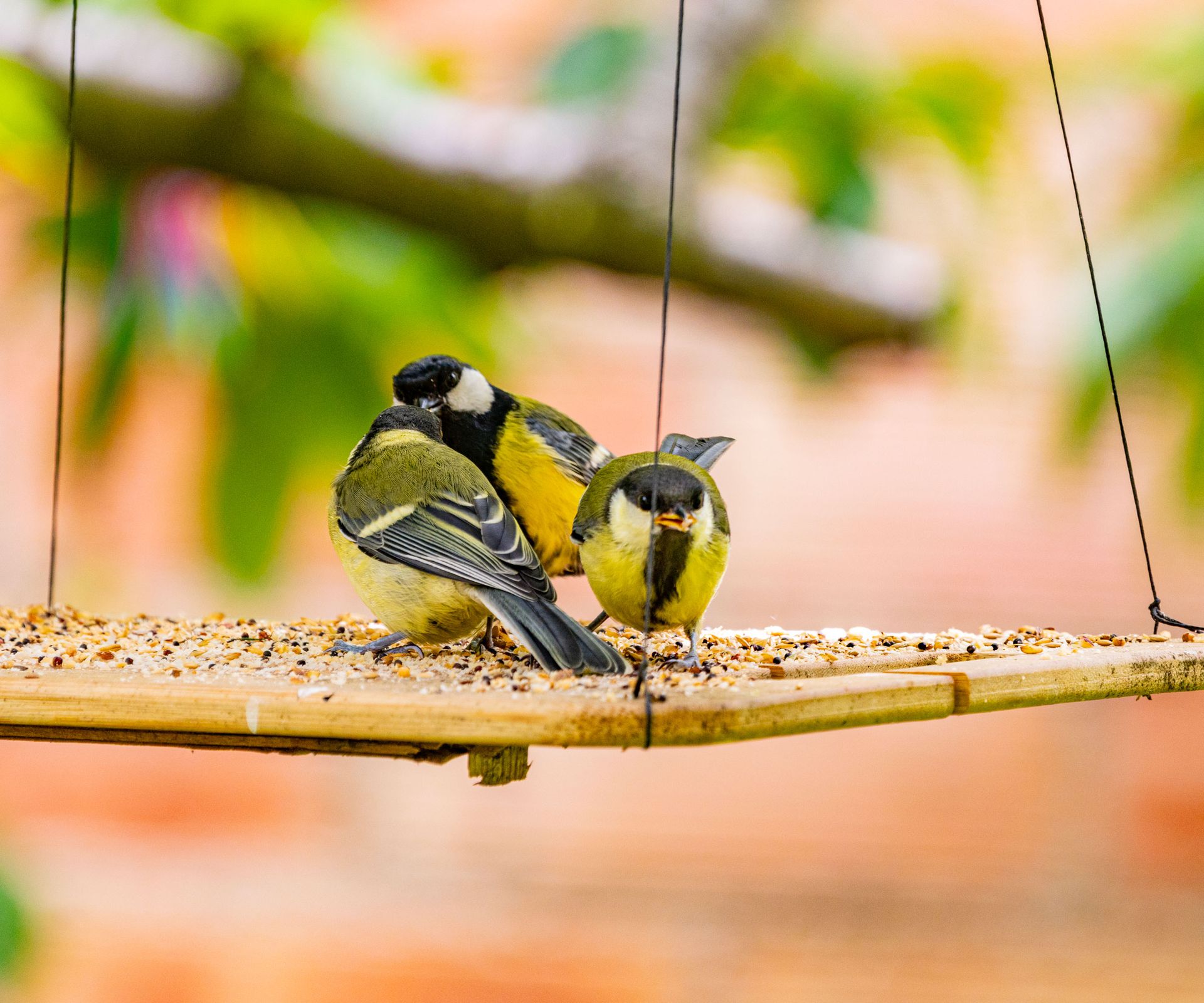
If pumpkin or squash features in your holiday cooking (or your Thanksgiving decor, if you’re Kristin Davis!), don’t throw away all those seeds; instead, rinse away any stringy pulp, remove any seasoning and allow the seeds to dry thoroughly.
Offer them (have I gotten too repetitive yet?) plain and unsalted, either whole for larger birds or broken into smaller pieces for smaller visitors. They’re a useful source of fats and nutrients, making them a worthwhile addition to your bird feeding station.
6. Plain Cooked Rice
Leftover rice can also be shared with birds from your Thanksgiving feast, provided it hasn’t been cooked with salt, butter, oil, garlic or onions. Both white and brown rice are suitable in small quantities when prepared plainly.
P.S. There’s a persistent myth that uncooked or cooked rice swells inside birds and causes harm, but this isn’t true. Nevertheless, rice shouldn’t replace more nutritious bird food, so just offer just a small amount (you may find your birth month winter bird adores it) and remove anything uneaten so it doesn’t have a chance to go bad.
7. Plain Cooked Potatoes
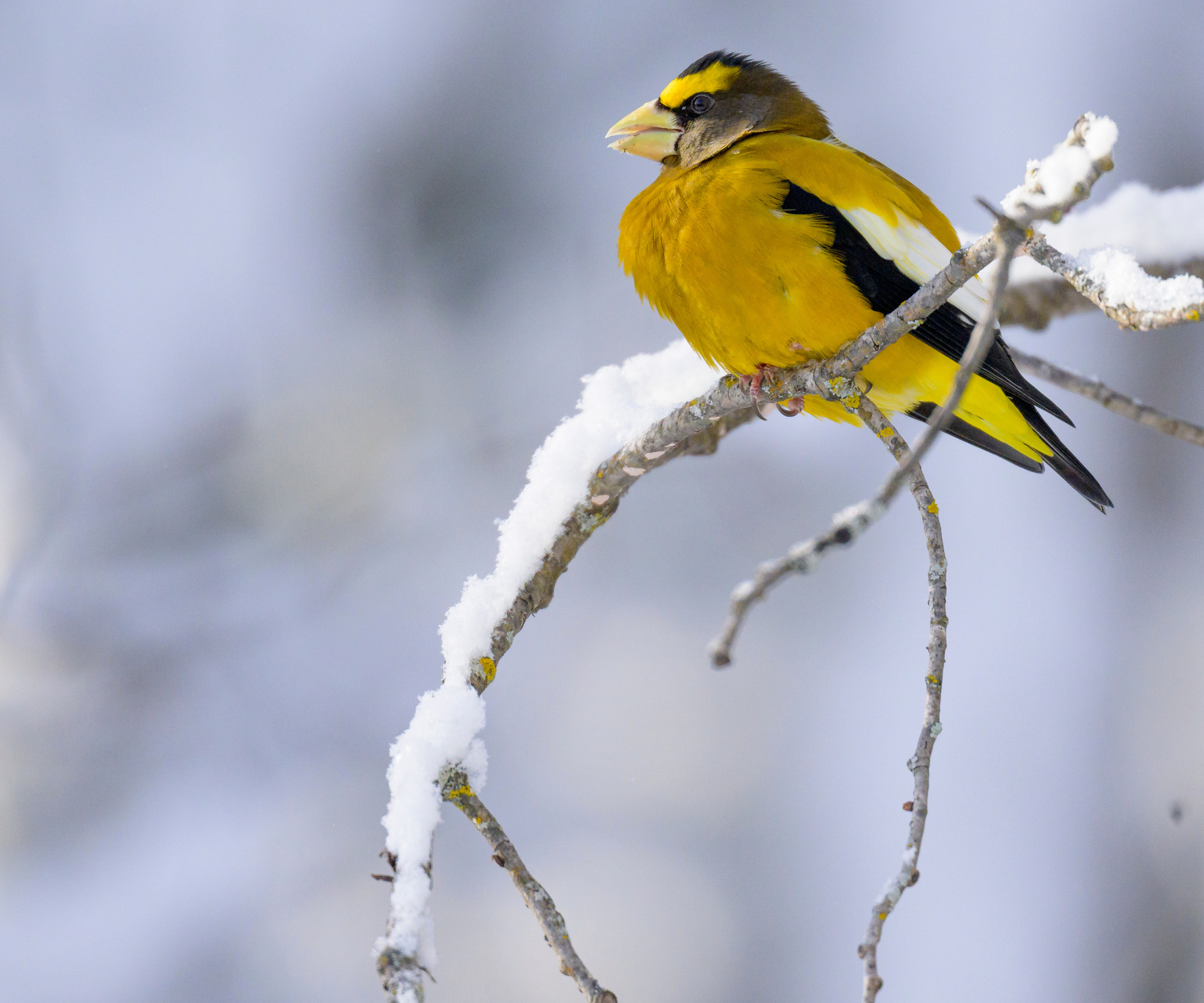
A little leftover boiled or baked potato from your Thanksgiving prep can be another treat for your feathered friends. Set aside a portion before adding butter, milk, salt or gravy, then allow it to cool and chop it into small pieces.
Please never offer raw potatoes or green potato peelings, and avoid chips, roast potatoes cooked in fat and heavily seasoned mashed potatoes. Experts always advise that plain potato be treated as an occasional extra rather than a regular food source.
Thanksgiving Scraps You Should Never Feed Birds
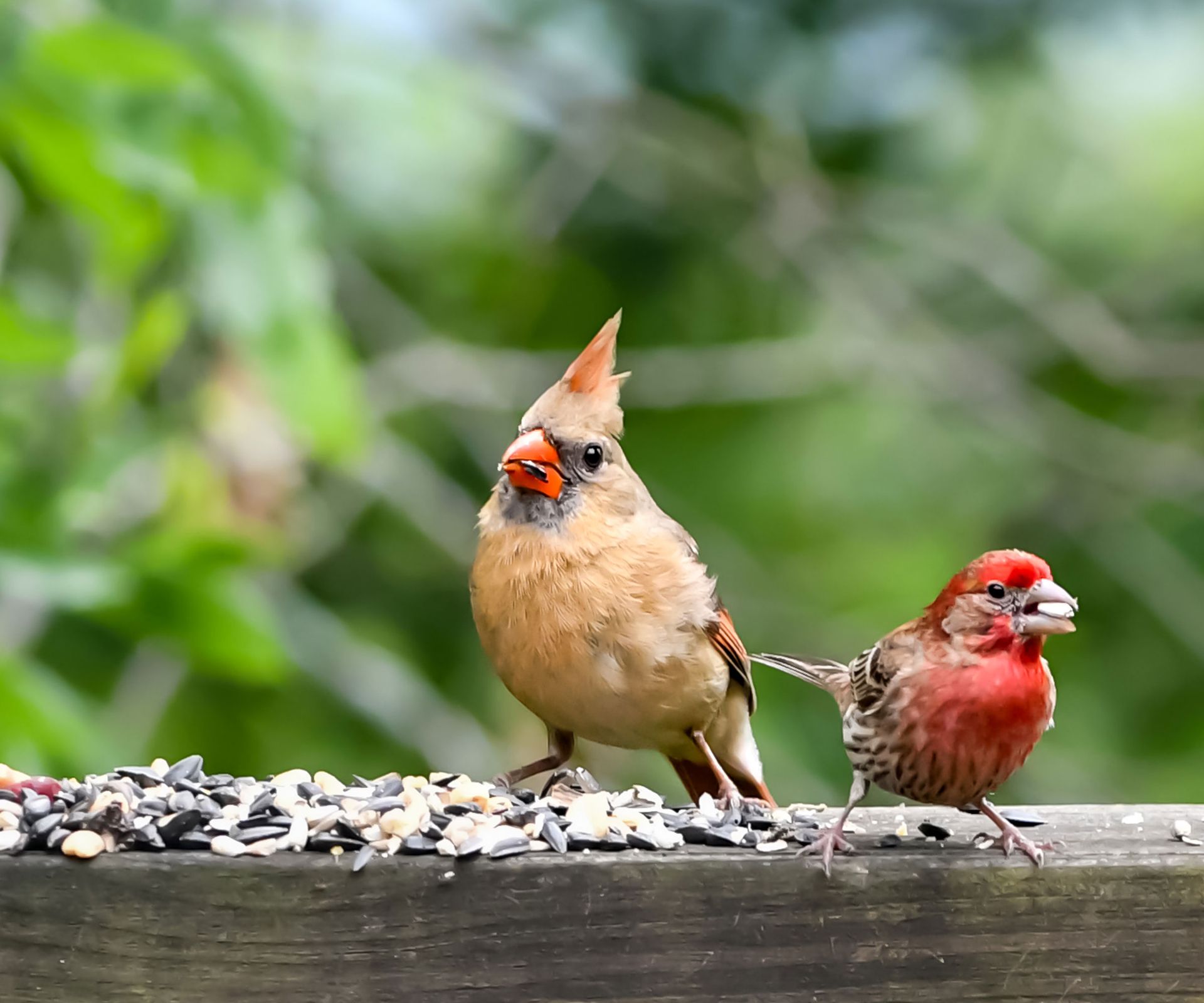
It’s every bit as important to know what to avoid when it comes to feeding birds your Thanksgiving leftovers. Turkey fat and pan drippings might seem like an easy substitute for bird suet, but they’re best kept off the feeding station. Audubon, in fact, warns that turkey fat melts more readily than traditional suet and can turn rancid quickly. It can also smear onto feathers, potentially affecting their waterproofing and insulation.
Gravy, stuffing and salty side dishes should also stay off the menu, as they often contain butter, salt, onion and garlic, none of which are suitable additions to a wild bird’s diet. Avoid, too, anything that contains chocolate, along with avocado, sugary desserts and heavily processed foods, too. Bread and pastry aren’t particularly nutritious (even if they won’t do any harm), so think up some better ways to use your leftovers; might this author humbly submit the idea of a bread-and-butter pudding?
Shop Bird-Friendly Shrubs:
Once you’ve picked all of the bird-friendly scraps out of your Thanksgiving feast, be sure to present it properly! Always use a clean feeding tray rather than leaving piles of food on the ground, and try to put food out in the morning, as this is when it’s most likely to be eaten.
Take care to remove anything uneaten before it spoils, and wash feeding surfaces regularly to reduce the risk of bacteria and disease spreading. It’s also worth keeping fresh drinking water available, particularly as colder weather approaches, and remember that kitchen scraps are supposed to be occasional extras, not a replacement for a balanced wild bird food mix.
Still, all those warnings aside, there’s no denying that sharing a little of your holiday feast with your local birds is a lovely way to give thanks to Mother Nature (and reduce food waste at the same time).