It’s that time of year that sees them pop up all over the place, but did you know you have a birth month mushroom?
Yes, mushrooms might not be the first thing that springs to mind when you think about personality (indeed, many of us tend to think about them in terms of how best to remove these fungi from our garden), but these fascinating plants have plenty of character.
From patterned caps peeking through woodland leaves to clusters of mushrooms growing on fallen logs, they come in an extraordinary range of shapes, sizes and colors. Some are easy to grow at home, while others are the sort of unexpected find that can make an ordinary walk feel a little more magical. And some are, of course, killers in disguise.
So, which best represents you?
All 12 Birth Month Mushrooms
If you’ve already explored your birth month bird, birth month animal, and birth month bug, you might think you’ve covered all the ways to find a nature-inspired match for your birthday. Mushrooms, though, are here to prove that wrong.
We’ve picked 12 mushrooms, one for every month, taking inspiration from fungi you might encounter in the wild across the US and UK, alongside varieties you can grow at home. From springtime morels to fall’s woodland favorites and a wonderfully pink number, each has something special to recommend it.
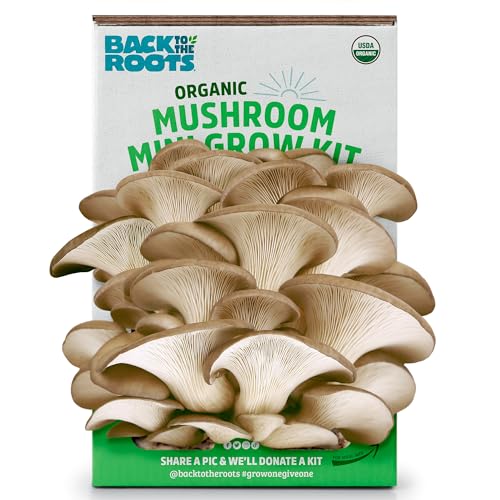
So, which mushroom matches your birth month? Read on to discover your fungi counterpart, learn a little about where it grows and find out whether your match is a familiar woodland sight or a colorful variety you could try cultivating yourself (hey, there’s a reason the Back to the Roots Organic Oyster Mushroom Grow Kit is so popular!). Just remember that wild mushrooms can be difficult to identify, and some poisonous species resemble edible ones, so enjoy them with your eyes unless you’re certain of their identity.
January – Velvet Shank
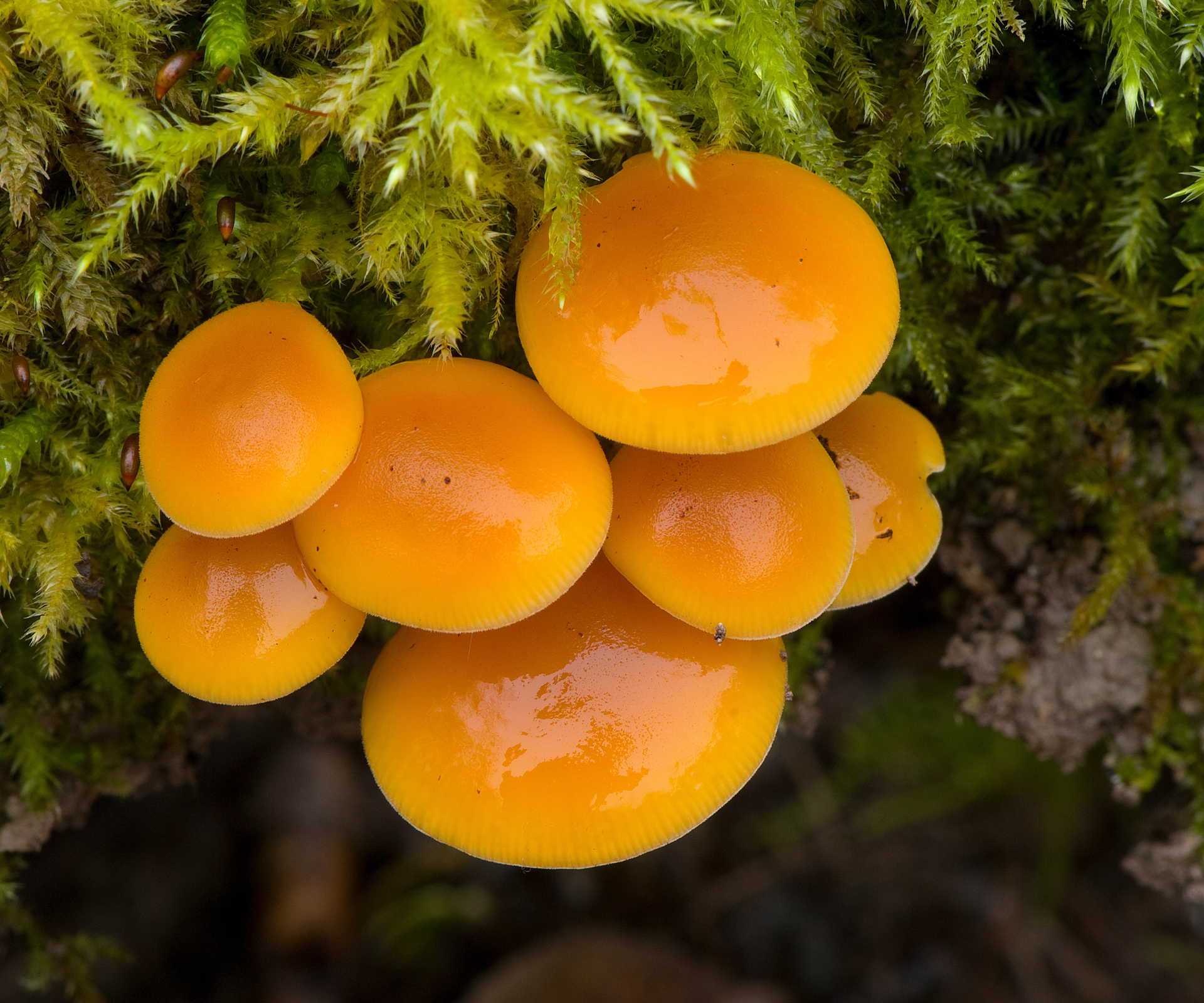
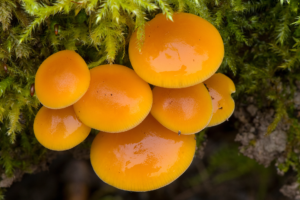
January personalities are known for their determination and ability to keep going when the going gets tough. The velvet shank (Flammulina velutipes) makes a fitting birth month mushroom, then: this golden-orange mushroom can fruit in cold weather, often appearing in clusters on dead wood when many other fungi are less conspicuous.
Its ability to flourish through winter makes it a little symbol of perseverance. Pretty sweet going for a little mushi!
February – Turkey Tail
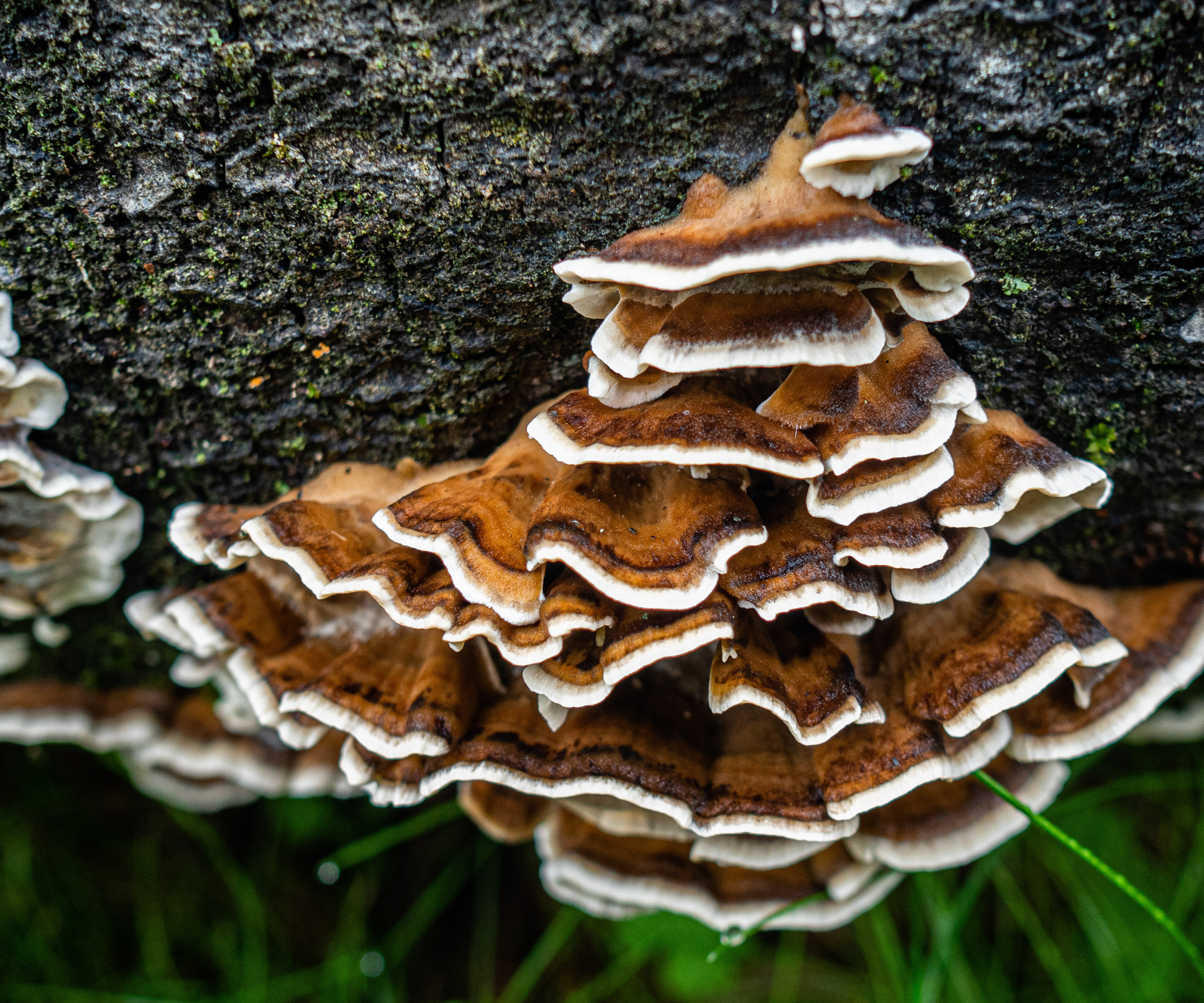
February’s imaginative side finds its match in turkey tail (Trametes versicolor). Its overlapping fans can display beautiful bands of cream, brown, grey and other colors, making every cluster look like a tiny natural artwork. It grows on dead wood and is a lovely reminder that creativity can be found in unexpected places. It’s a fungi match with plenty of visual personality.
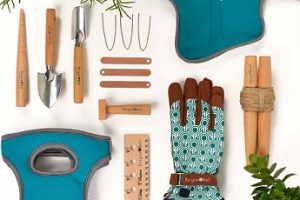
Shop Mushroom Foraging Essentials:
March – Scarlet Elf Cup
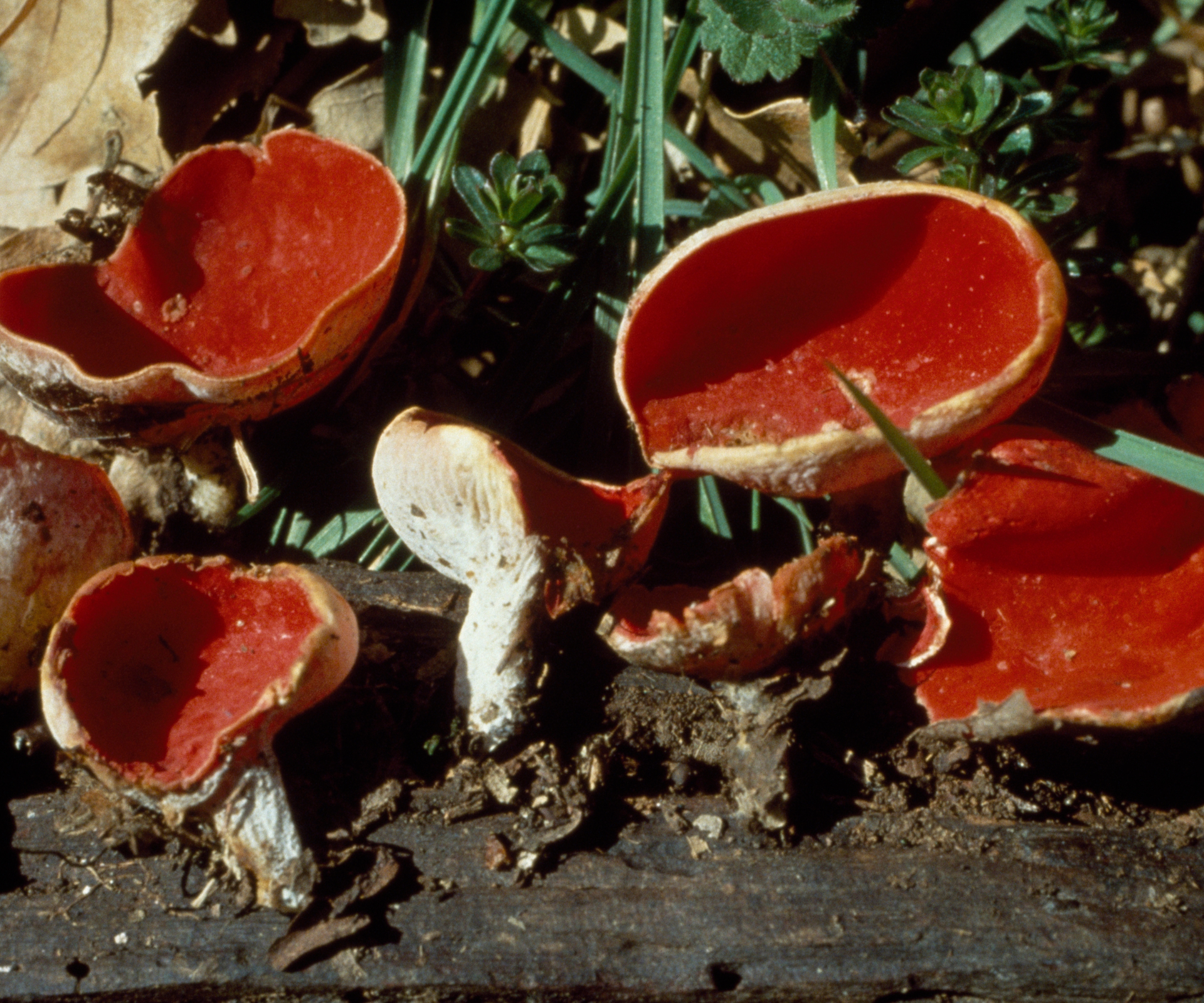
Quietly striking rather than showy, the scarlet elf cup (Sarcoscypha species) is a lovely match for March. Its vivid red cups often appear among moss and leaf litter on fallen twigs in woodland, bringing a flash of color to the early-year landscape.
Oh sure, you might have to look carefully to spot this birth month mushroom out and about in the wild, but that is part of its charm: a little beauty for those who take the time to notice!
April – Morel
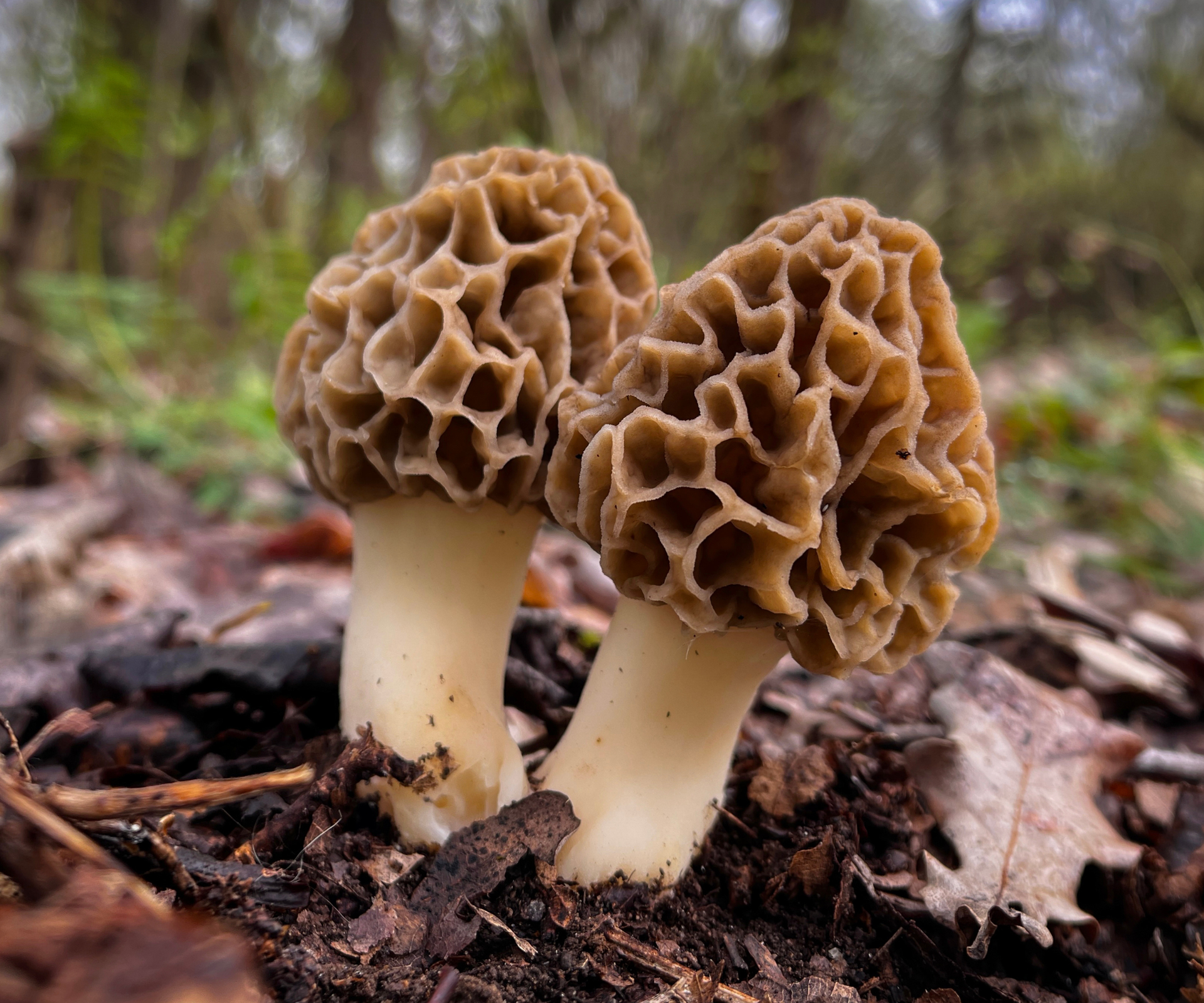
With its unmistakable honeycomb-like cap, the morel (Morchella species) certainly knows how to make an entrance! These sought-after spring mushrooms have an unusual appearance that makes them stand out from the crowd, just like April’s bold, energetic personalities.
Morels can be found in parts of the US and UK in spring, although their appearance depends on local conditions. They’re fascinating to spot, but never eat a wild mushroom without reliable expert identification: false morels can be dangerous.
May – Dryad’s Saddle
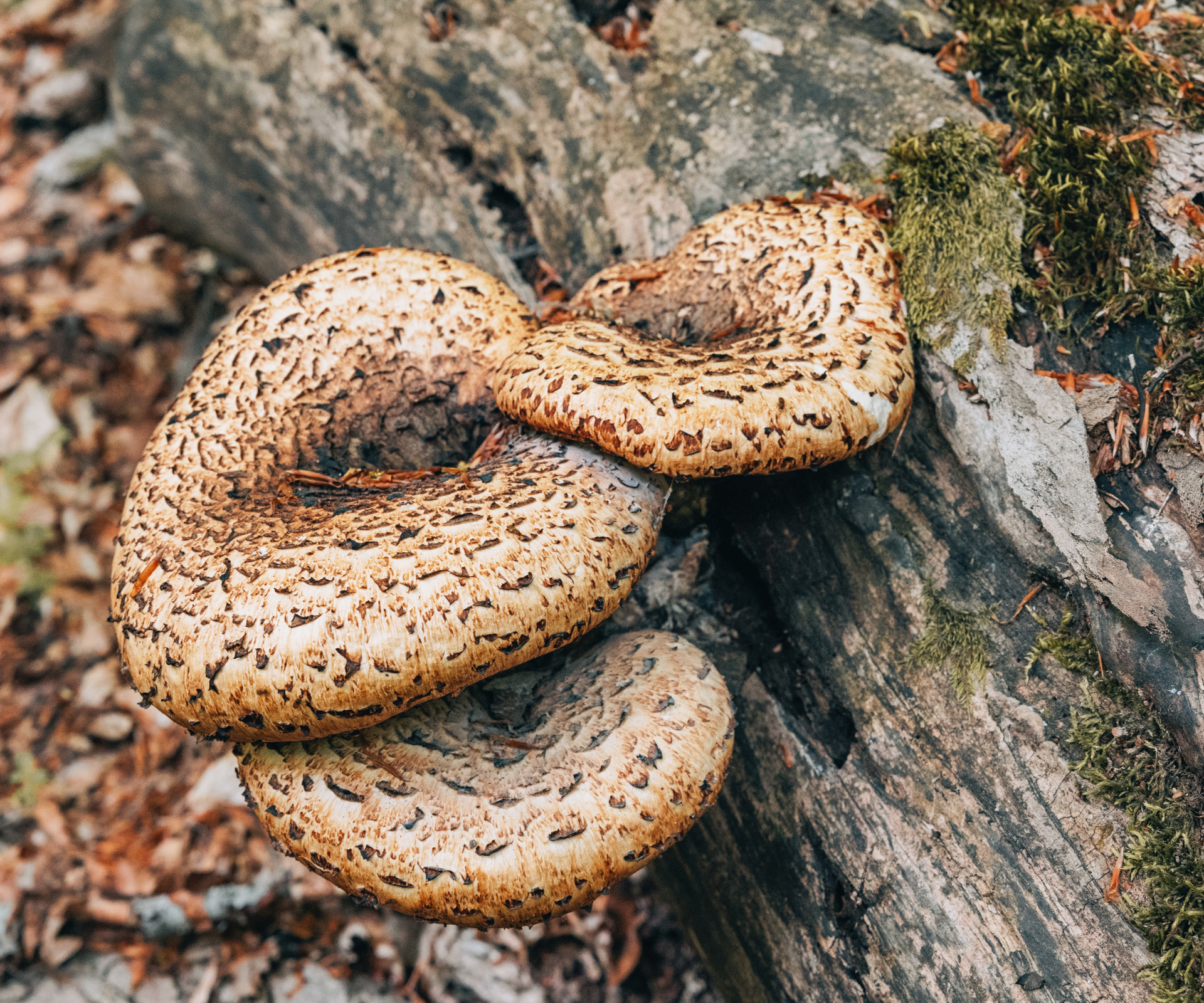
May’s dependable personality pairs nicely with dryad’s saddle (Cerioporus squamosus), a large fungus that grows on tree trunks and fallen wood. Its broad cap has distinctive dark scales, giving it a sturdy, earthy appearance.
Often seen in spring, it’s the sort of birth month mushroom that rewards a closer look at the trees around you, making it a lovely match for someone who likes to keep their feet firmly on the ground.
Shop And Grow Your Own Mushrooms:
 Heart Light
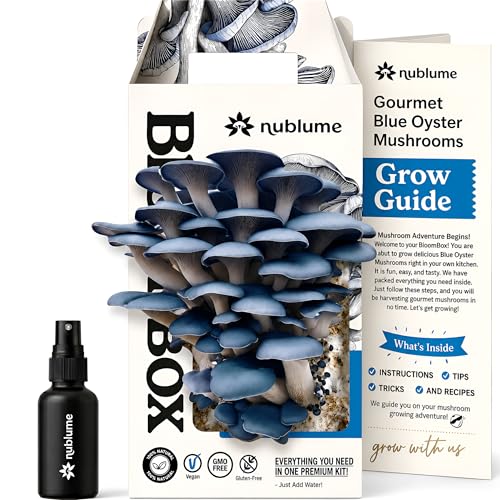 The Night-Blooming Beauty
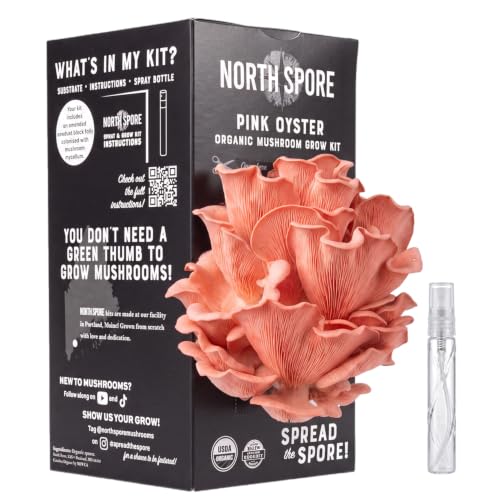 Woodland Shimmer
June – Shiitake
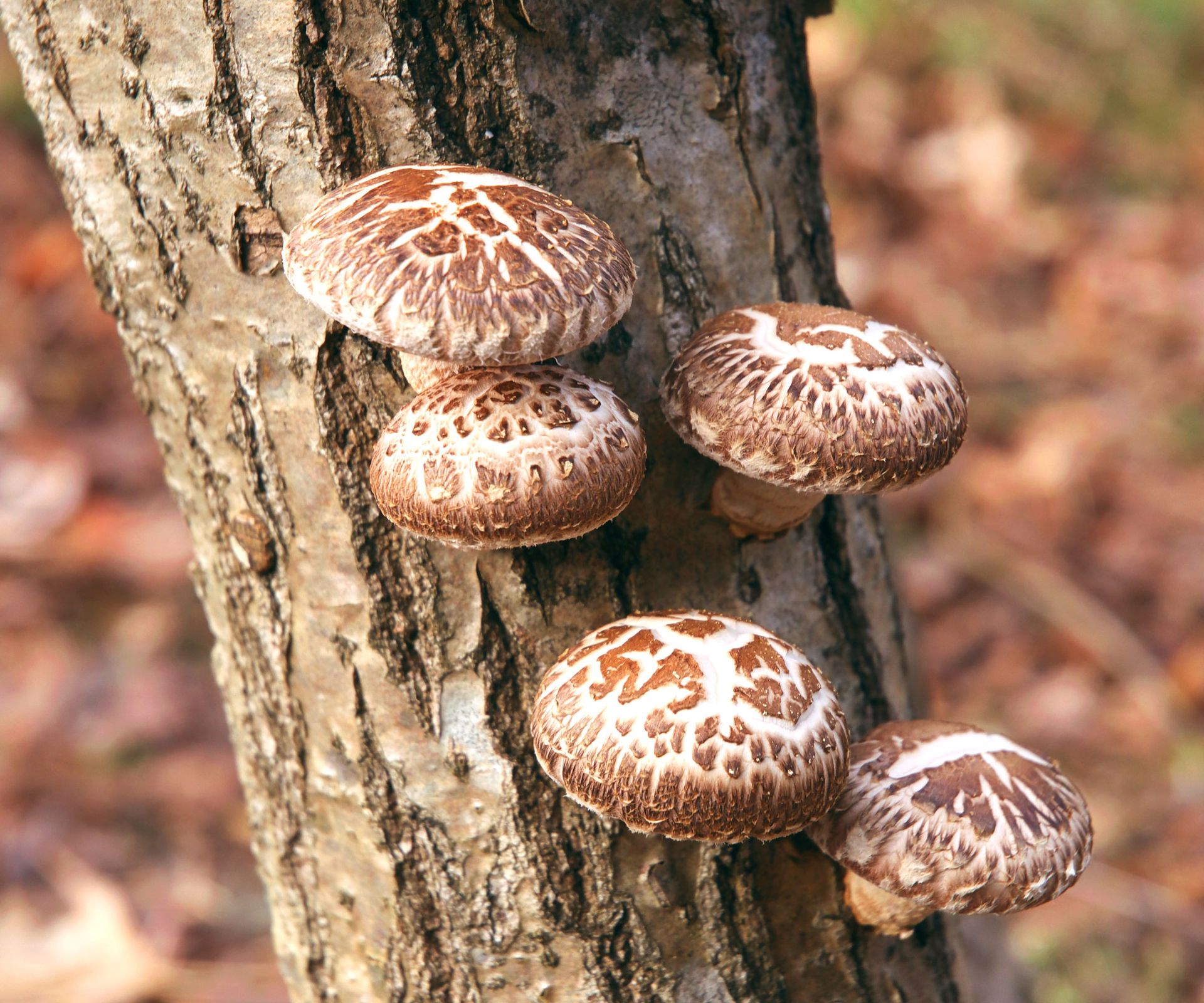
Shiitake (Lentinula edodes) is obviously the birth month mushroom for sensitive and sociable June babies. Its rich brown caps and familiar place in kitchens around the world give it a comforting, approachable quality.
Unlike mushrooms that are mainly discovered in the wild, shiitake can be cultivated on suitable hardwood logs or growing blocks, making it an interesting choice for anyone curious about growing their own food. And a mushroom that brings people together over a good meal? Yeah, that feels just right for June.
July – Golden Chanterelle
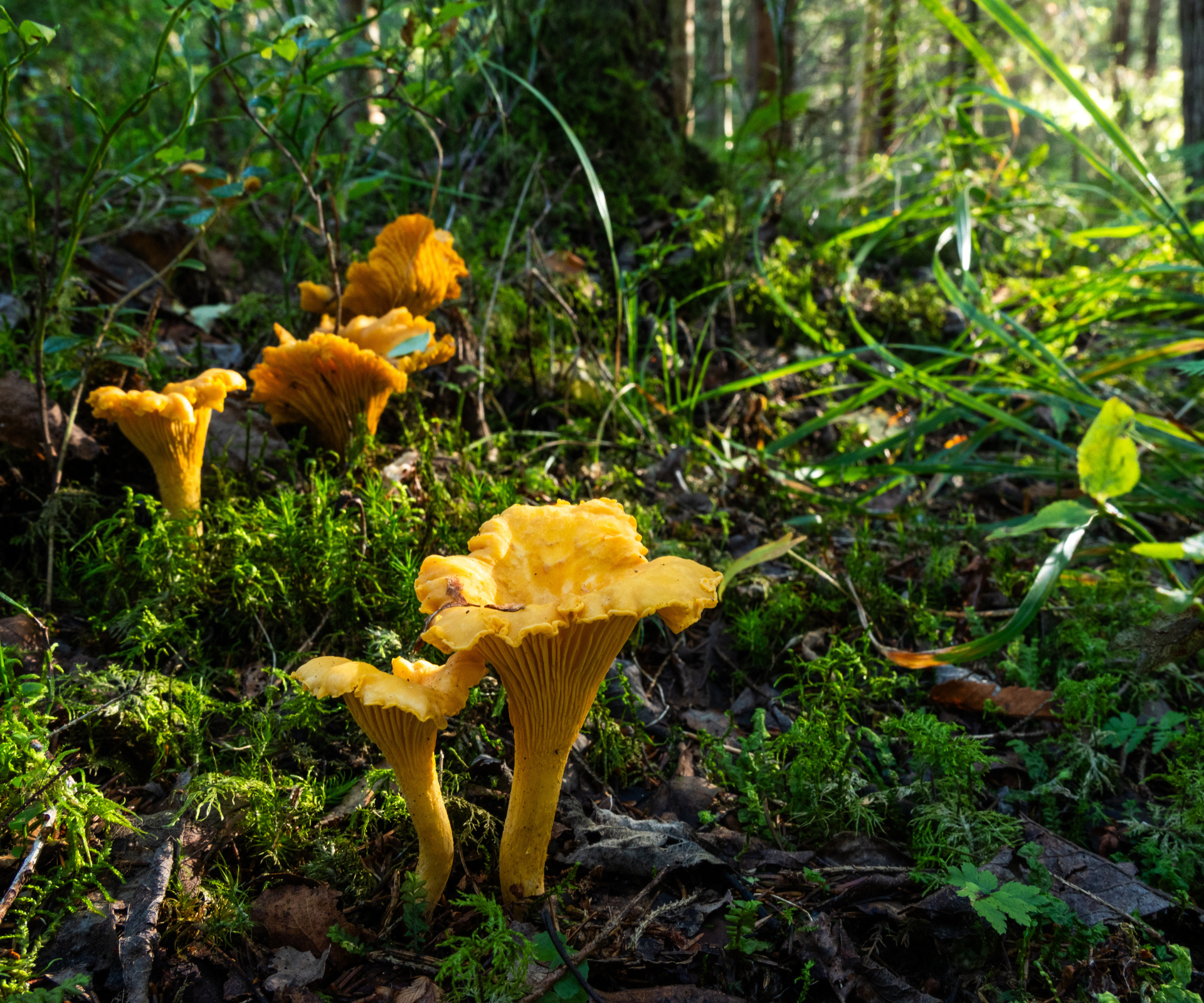
The golden chanterelle (Cantharellus cibarius) is a cheerful match for July, as its warm yellow-orange color and gently wavy shape make it one of the most recognisable mushrooms for experienced nature-watchers.
It can be found in suitable woodland habitats during warmer months. Chanterelles grow in association with trees, making them part of a much bigger woodland relationship. That connection to the surrounding ecosystem makes this a fitting birth month mushroom for someone who values family, friendship and looking after their own.
August – Chicken of the Woods
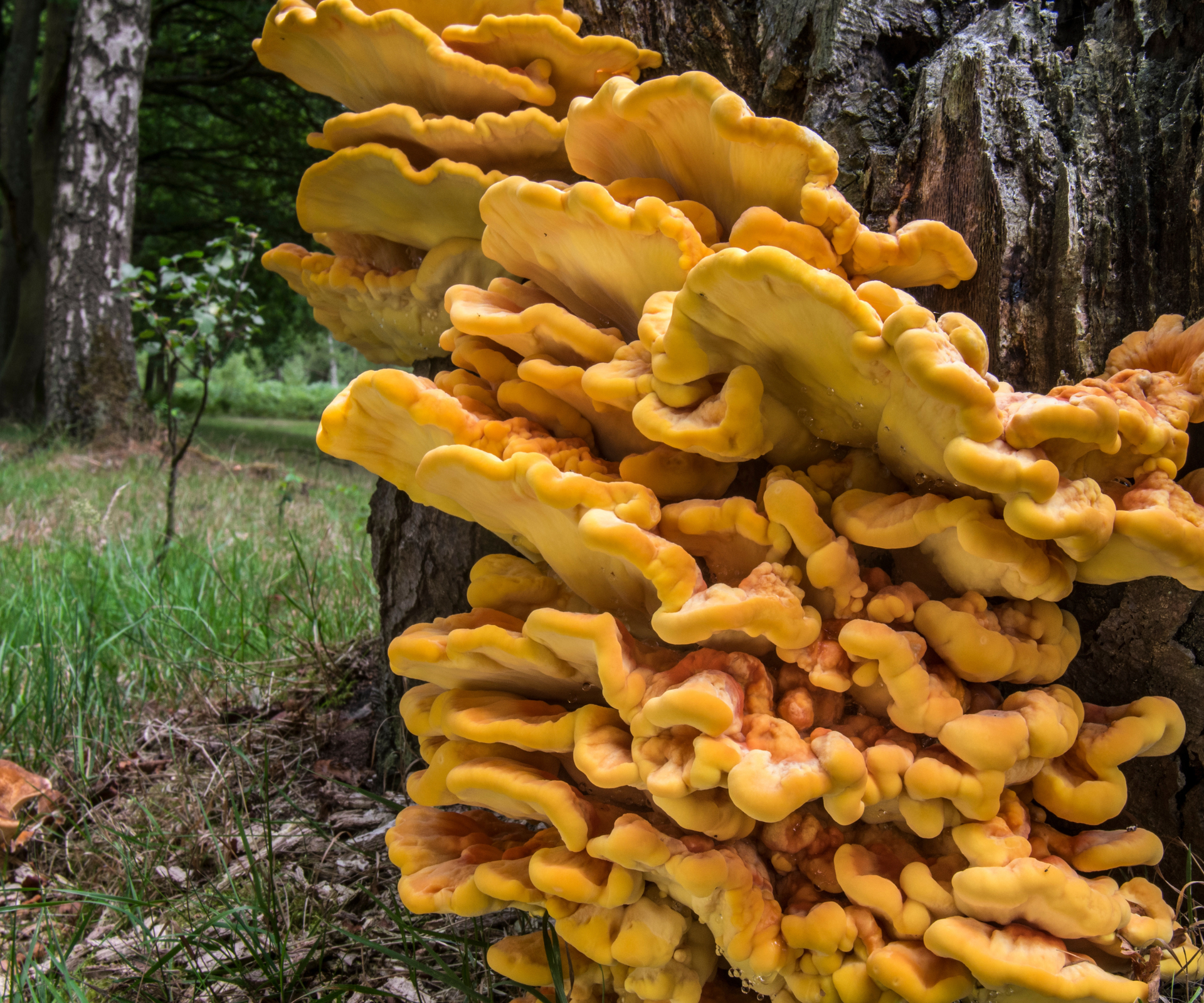
Few birth month mushrooms are as weirdly wonderful as chicken of the woods (Laetiporus sulphureus). Its brilliant orange and yellow shelves can stand out dramatically against a tree trunk, making it a natural choice for August’s confident and charismatic personalities.
This striking fungus is found in parts of the US and UK, often on trees or dead wood. It’s an attention-grabbing sight, and a reminder that nature doesn’t always need a delicate touch to be beautiful.
September – Porcini
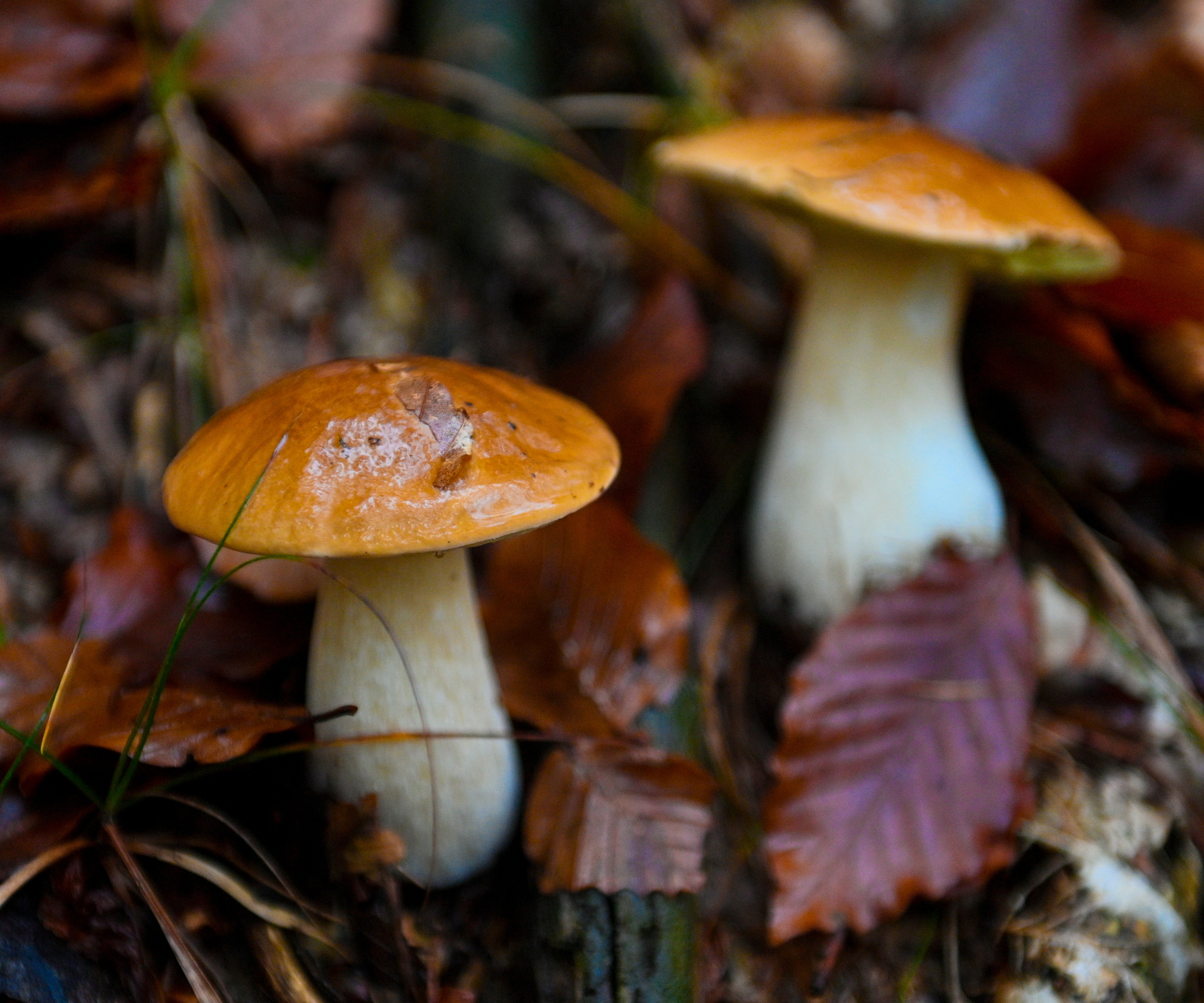
September’s practical and detail-oriented personalities are well represented by porcini (Boletus edulis), also known as – and get ready for the cutest name ever – penny bun. Beneath its rounded brown cap is a thick, solid stem, giving this birth month mushroom a robust appearance.
Porcini are associated with trees and are prized by experienced foragers and cooks. Finding them requires patience and attention to habitat, which makes this an apt match for people who like to do their homework before getting started. (You can also buy Porcini Mushrooms Spores from Amazon if you’re interested).
October – Pink Oyster
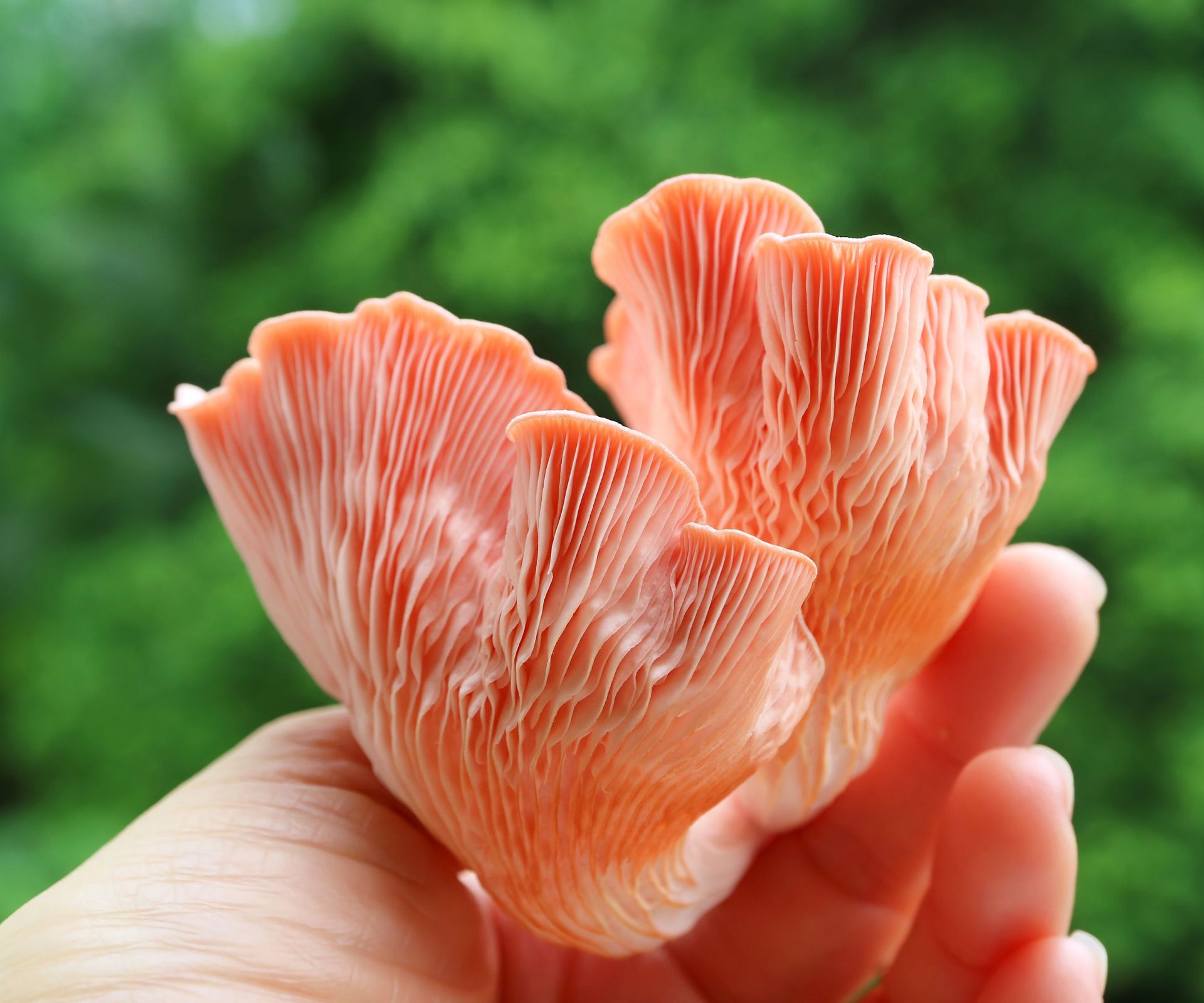
I might be biased, but I love that October gets the most colorful match of all: the pink oyster mushroom (Pleurotus djamor). Its vivid pink and overlapping caps look almost too bright to be real, making it a wonderfully unexpected addition to the list.
Pink oysters are commonly grown at home in gourmet mushroom kits, but they prefer warmth and are less suited to cold outdoor conditions than grey oyster varieties. Their unusual color makes them a natural conversation starter, just like October’s charming and people-savvy personalities.
November – Amethyst Deceiver
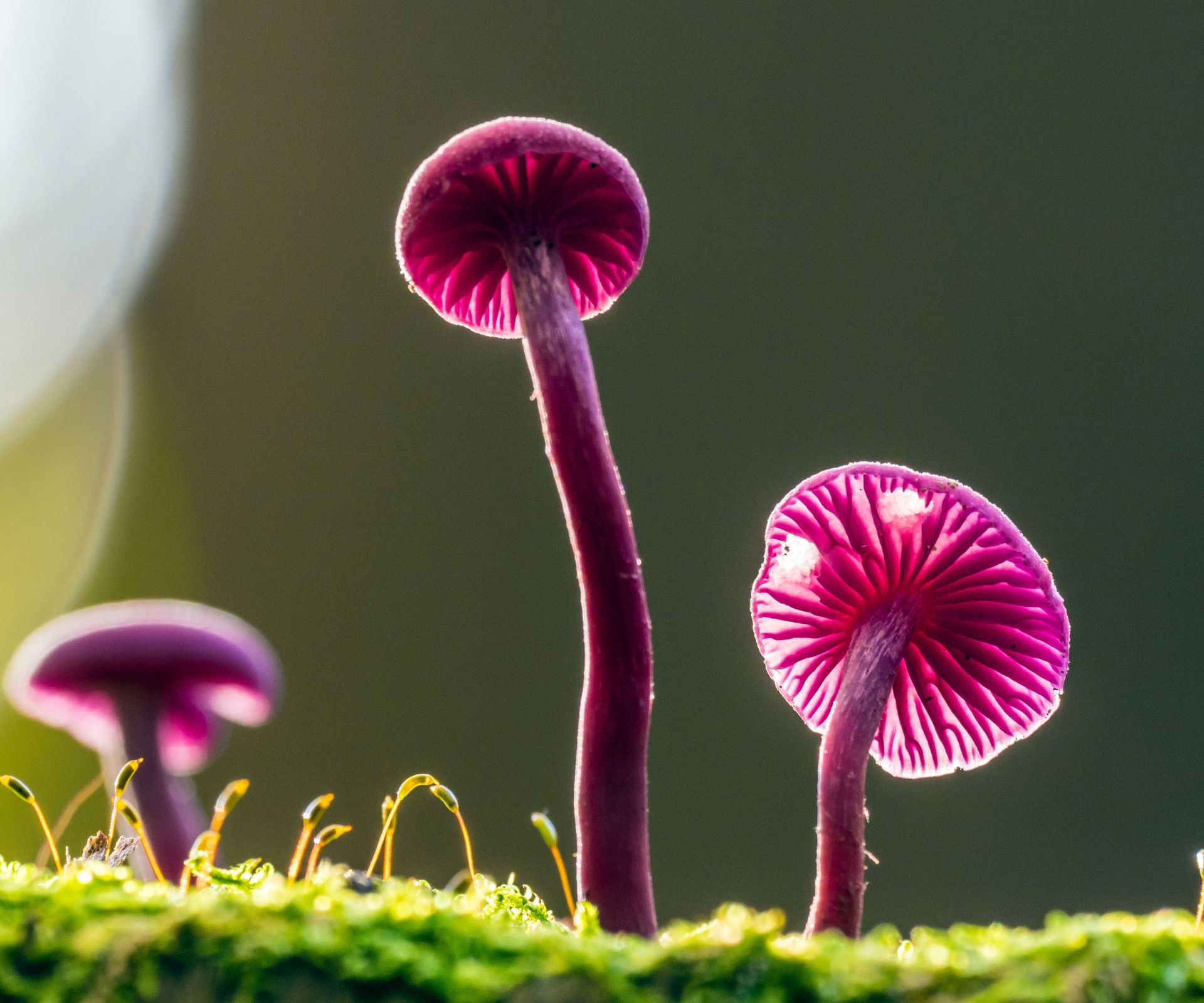
Alright, fine; I love the birth month mushroom for October, but this one is a true stunner! Still, with its rich violet coloring, the amethyst deceiver (Laccaria amethystina) is a natural fit for November’s mysterious streak.
It can be found in woodland, where its small purple caps stand out against fallen leaves and dark soil. Its color may become less vivid as it ages, which only adds to its elusive reputation, and making it a perfect match for anyone who has a passionate side that not everyone gets to see straight away.
December – Shaggy Inkcap
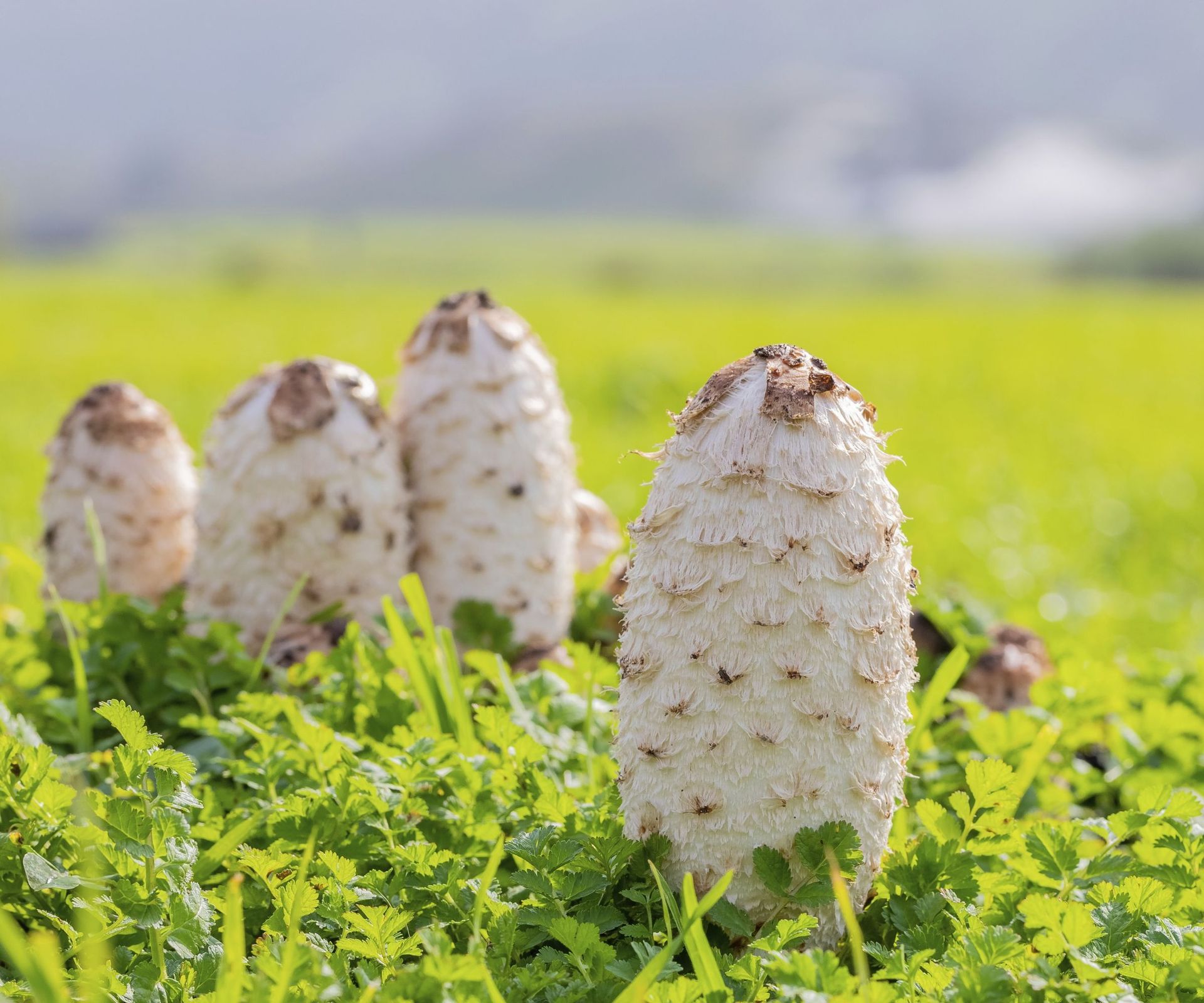
December’s birth month mushroom is the shaggy inkcap (Coprinus comatus), a distinctive mushroom with a tall white cap covered in – unsurprisingly, given its name – shaggy scales.
It can appear in grass, parks and disturbed ground, making it a potential find on an everyday walk rather than only deep in the woods. As it matures, its cap darkens and dissolves into an inky liquid – a surprisingly dramatic transformation for such an unassuming-looking mushroom, and making it well suited to our adventurous and slightly quirky babies born at the end of the year.
Of course, there’s no scientific link between your birthday and a particular fungus, but that doesn’t mean we can’t have a little fun(gi) finding meaning in our birth month mushrooms, right down to their distinctive appearances and growing habits.
Whether yours is the sort that thrives in challenging condition, or a colorful attention-grabbing variety, there’s meaning to be found in the world, wherever you look for it. And hey, if it means we have a unique mushi to call our own? So be it!