Did you know that your compost pile keeps working over winter? While the decomposition process might slow, microorganisms are still active in compost as long as it doesn’t freeze. Ignoring your compost over winter is a missed opportunity to keep making and using the garden’s black gold.
During winter composting, microorganisms slow down their activities, and freezing temperatures can temporarily stop them, but they won’t necessarily die. A sufficiently large and well-managed compost pile can stay warm enough in the center to keep the little critters working and breaking down waste materials.
Tackle these six tasks now to keep composting at home this winter. Even if decomposition slows in the cold, these steps will help you get more usable compost earlier next spring. Our tips work for all main types of composting, including open heaps, compost bins, and enclosed tumblers.
1. Harvest Finished Compost and Give the Pile One Last Turn
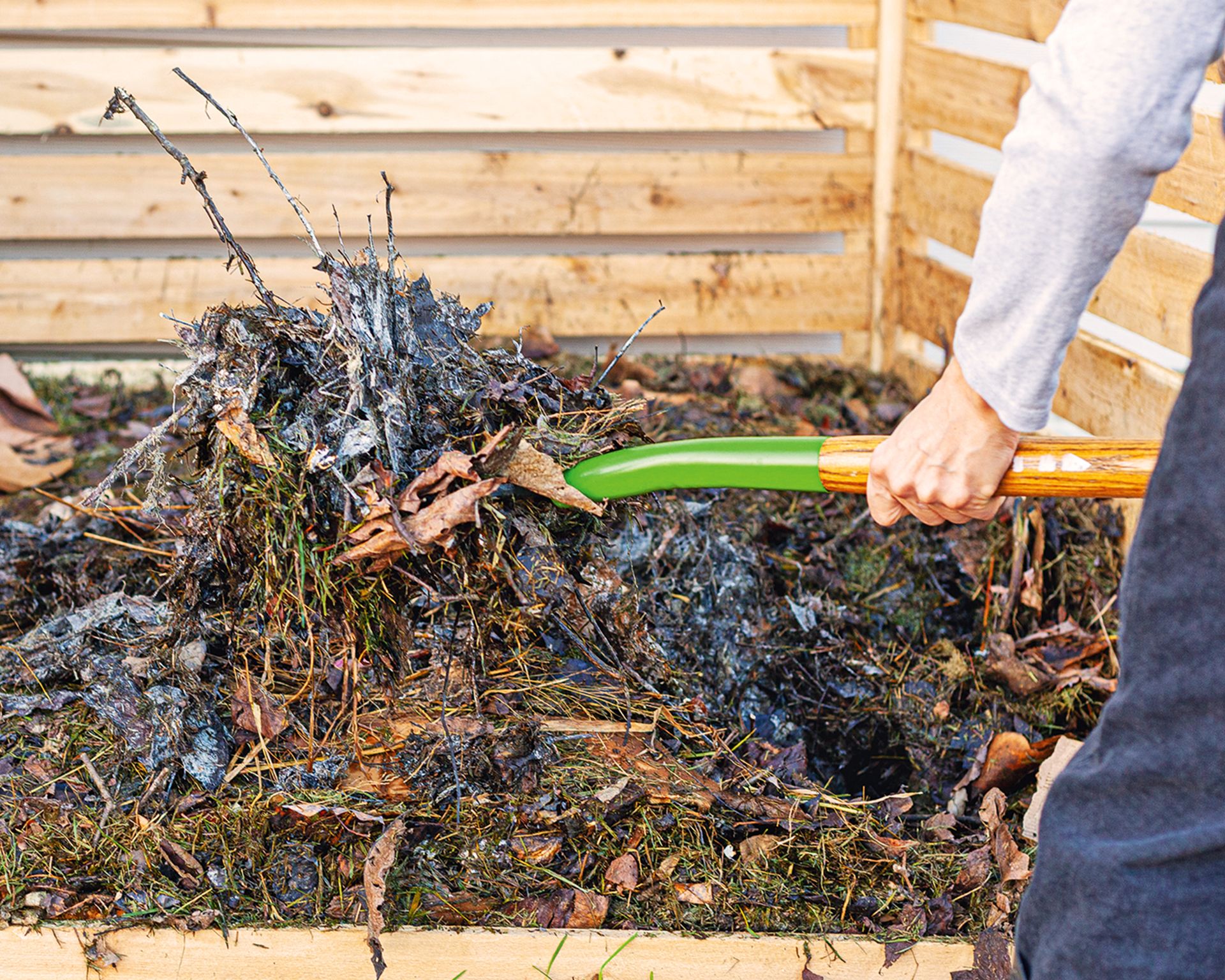
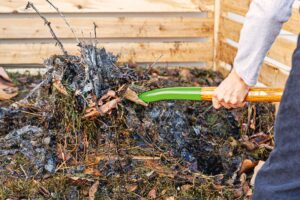
Now is a good time to remove any finished compost to use as winter mulch in your garden beds. Then, it’s time for one last turn for the season. Turning compost helps aerate the pile, introducing oxygen to the microorganisms that need it to decompose materials. It also distributes moisture and materials more evenly.
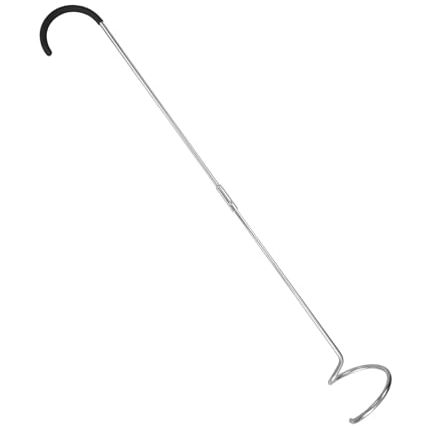
A sturdy garden fork will do the job, but a compost aerator tool, like this Squeeze Master one from Amazon, makes it much easier to get air deep into the pile without having to dig everything out and turn it by hand.
This should be your final turn before freezing conditions begin. You don’t want to keep turning compost over the winter, as this will release heat and slow the decomposition process. As you make the final turn, look for and break up any wet clumps or large pieces of material that haven’t broken down much. If you note a sour or rotten smell, add more dry, brown materials.
2. Build up the Pile to Retain Heat
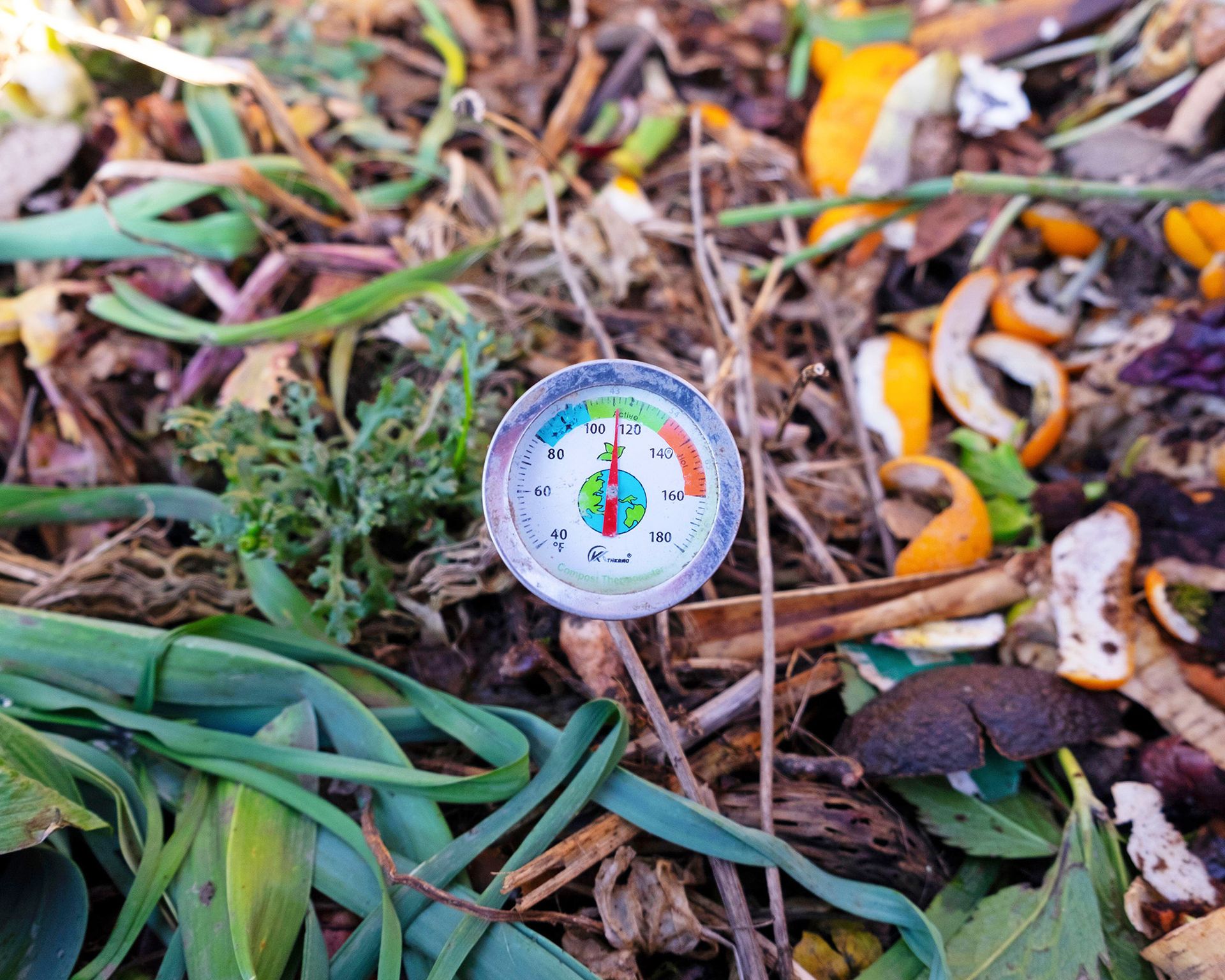
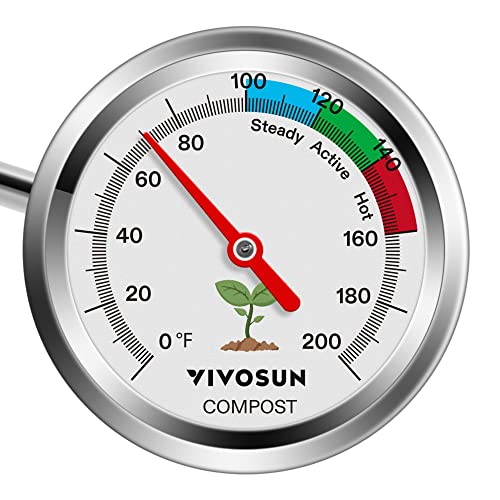
Larger compost piles retain heat better than smaller piles because they have a greater volume of material relative to their surface area, which is exposed to the cold. The more you can add to your pile now, the more likely it is that the center will remain warm and active throughout winter. A long-probe compost thermometer, like the Vivosun Compost, is a handy way to check what’s happening deep inside the pile without disturbing it.
For a compost pile, aim for three feet (0.9 m) wide, deep, and high. Bulk up your pile during your final turn, adding a good mix of green and brown materials. Be sure to add enough dry, coarse material to absorb moisture. A large pile won’t be any good if it becomes waterlogged and so compacted that there is no airflow.
3. Stockpile Brown Materials for Winter Layering
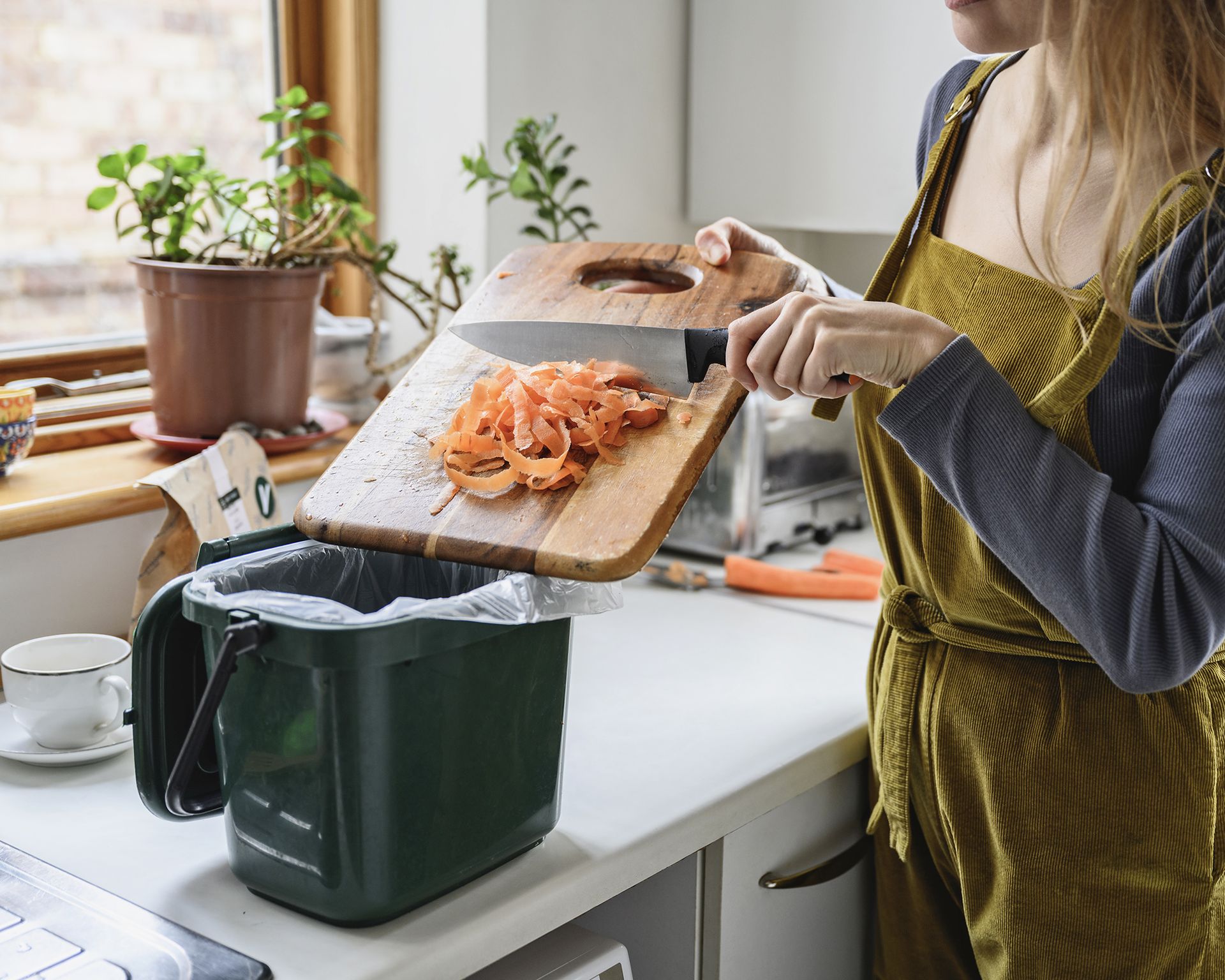
While you don’t want to turn your compost again this winter, you can still add layers of waste to it as the season progresses. Green materials, like kitchen scraps, keep coming all winter, but brown materials tend to be harder to come by. Browns include dry leaves and twigs as well as cardboard, untreated paper, and straw.
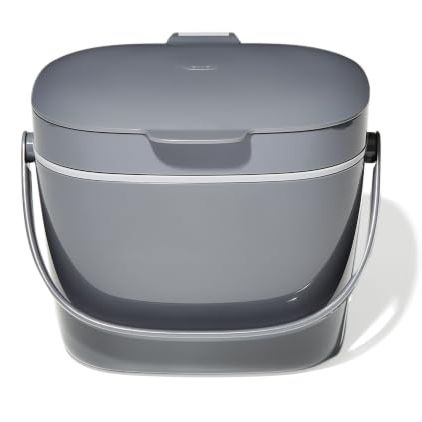
Good compost should have layers of each type of material, so stockpile your harder-to-find browns now. As you add kitchen scraps over the winter, layer in some of these stockpiled brown materials to maintain a good balance. A countertop compost caddy, like the Oxo Good Grips Easy-Clean Compost Bin, makes it easy to collect kitchen waste indoors until you’re ready to take it outside. Keep a bin or pile of leaves and twigs from fall yard waste, as well as shredded paper and cardboard.
4. Insulate Your Compost Pile
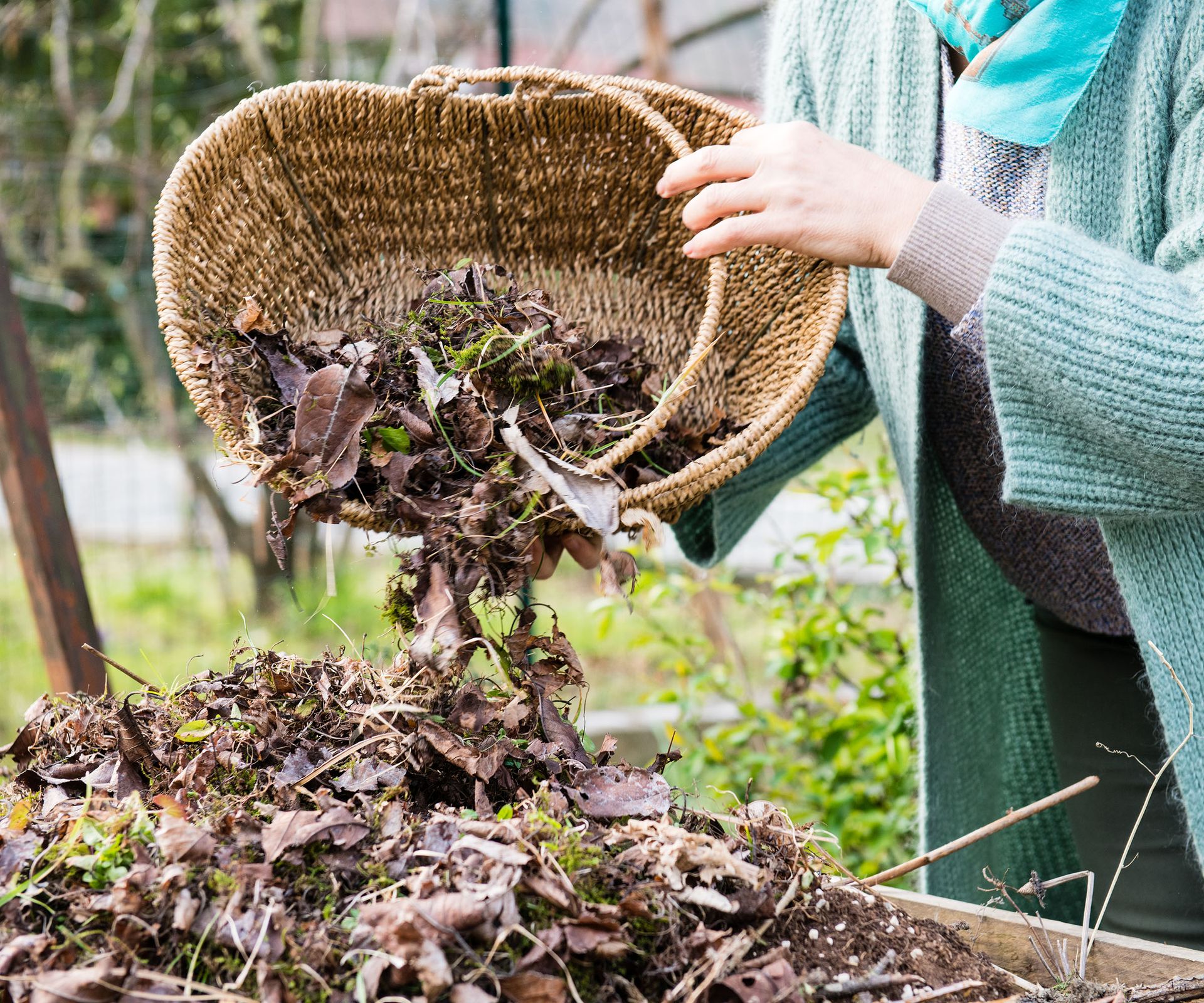
A large pile with extra waste material will help insulate the active center of your compost pile, but you can also take extra steps to insulate and protect it from cold winter temperatures. This will slow heat loss. It’s important that you take insulating steps before the compost pile freezes.
One easy way to insulate the pile is to surround it on all sides with straw bales or bags of leaves. If you don’t have straw on hand, you can pick up full-sized straw bales from Tractor Supply to create a protective barrier around your compost pile. You can also add a layer of straw or leaves on top. Wood chips and finished compost are also efficient insulators.
If you have a bin or tumbler, another option is to surround it with insulating materials. Just be sure you still have easy access to add materials throughout winter.
5. Protect Your Compost from Rain and Snow
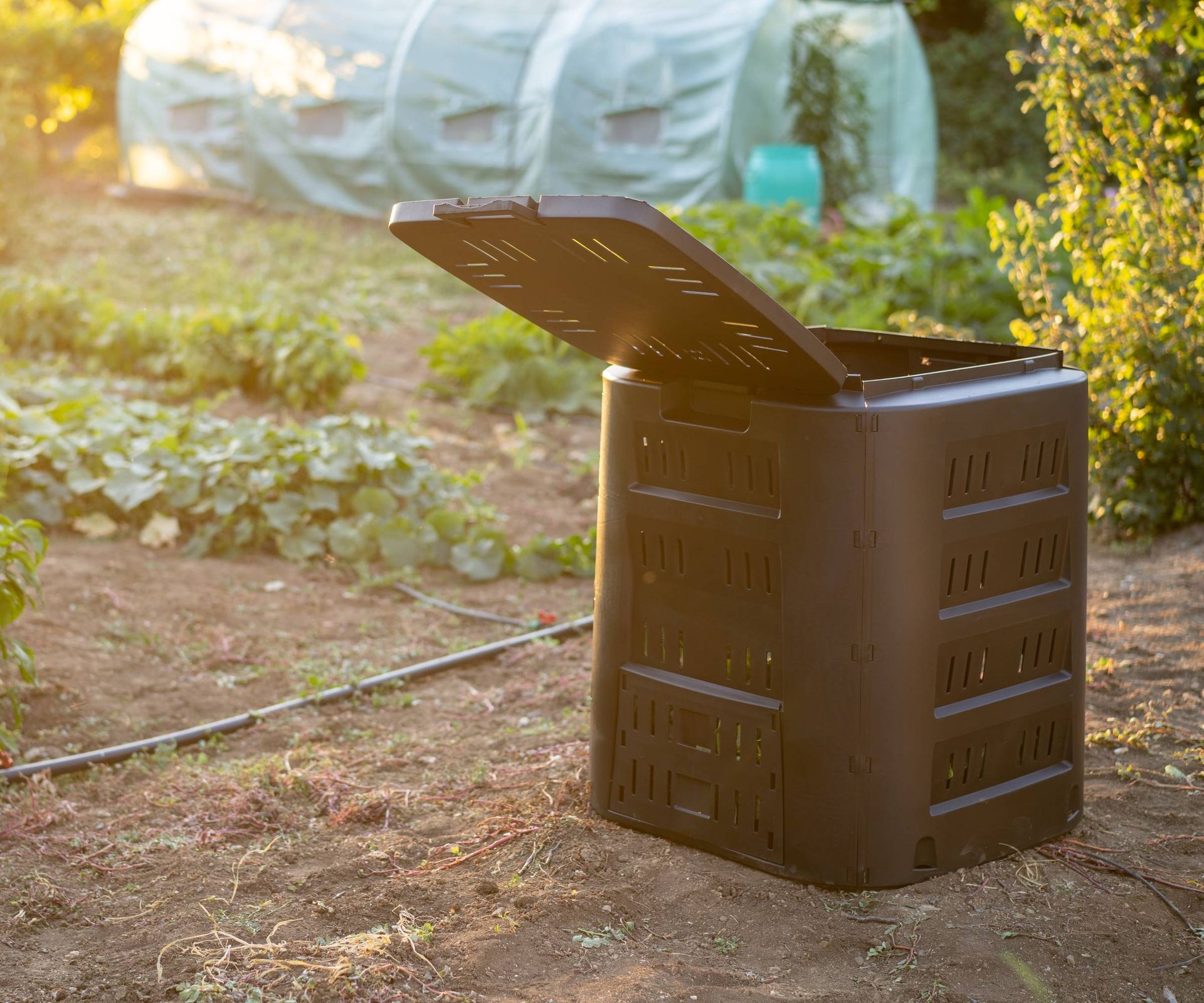
Winter precipitation can saturate a compost pile, causing it to become compacted and reducing airflow. Moisture can also wash away the valuable nutrients you’re trying to collect. If you have an open compost pile, cover it with a tarp that will allow precipitation to run off and away from the compost. A heavy-duty Everbilt tarp from Home Depot is a durable option that you can secure in place to keep winter rain and snow out. If you have a bin, keep a lid on it.
While keeping moisture out is important, compost still needs airflow in winter. Don’t completely seal your pile with protective coverings. If you have a bin with a cover, there should be drainage and air holes. Make sure these don’t get clogged.
6. Check Moisture Levels Before the Ground Freezes
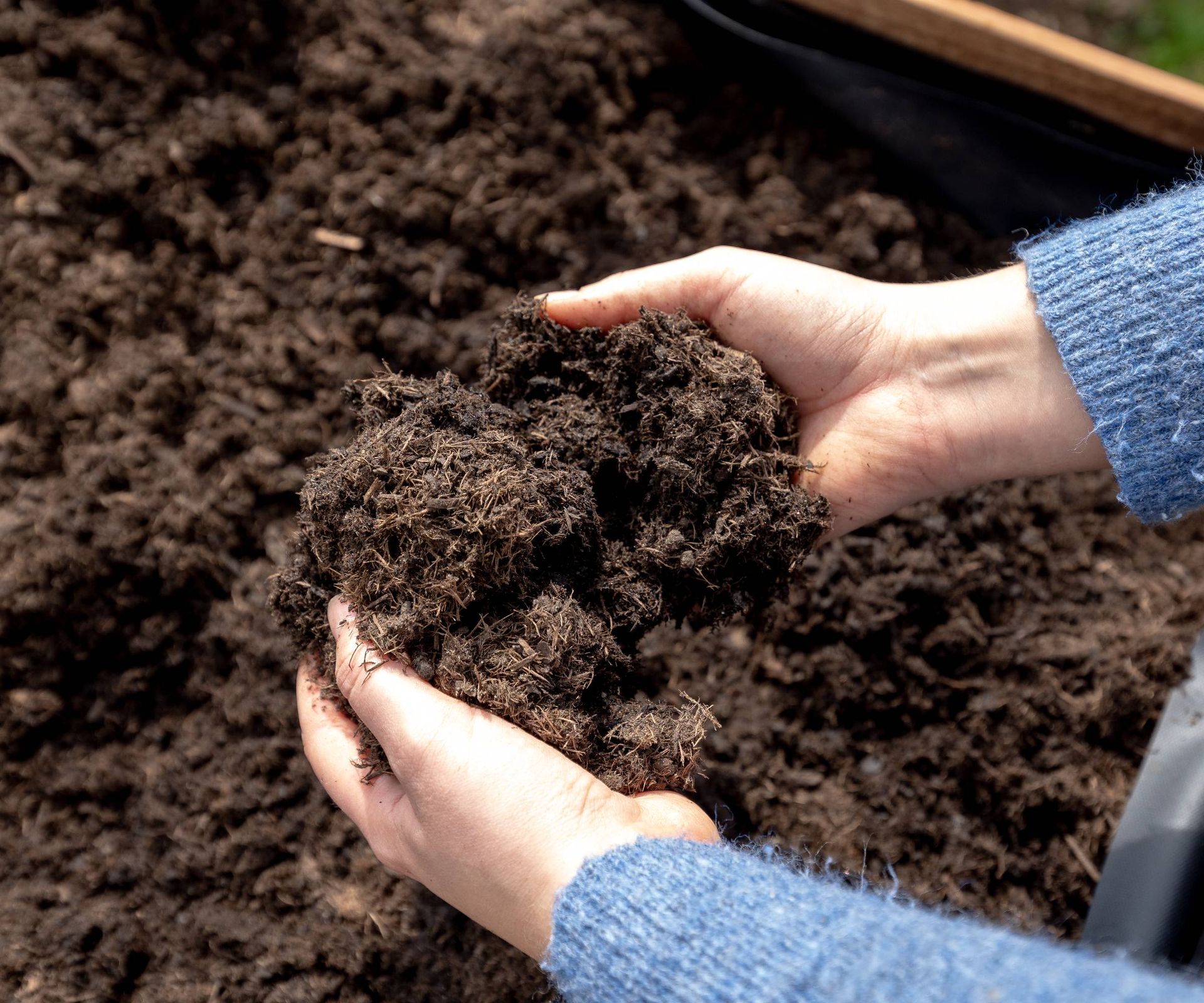
Moisture balance is always important in compost. It’s important to check and adjust this balance before your compost freezes this winter. To optimize microorganism activity, the composting material should feel damp when you squeeze it in your hand without excess moisture running out of it.
If your compost feels too wet, incorporate more dry, brown material. If the pile is too dry, you can add a little water before there is a real danger of it freezing. Throughout winter, as long as temperatures allow it, continue to check the pile for moisture balance and adjust as needed.
Does Compost Actually Break Down in Winter?
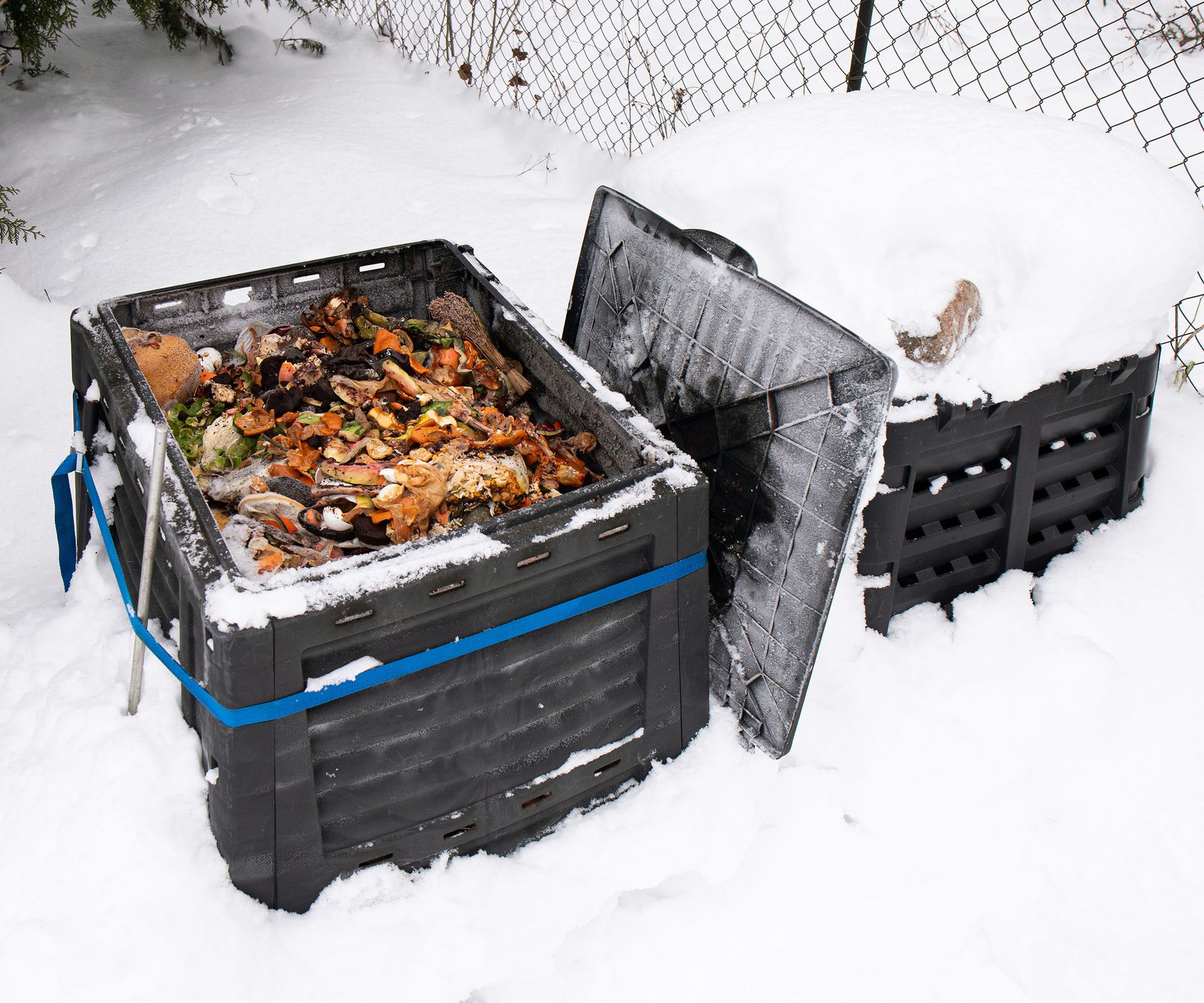
Many gardeners might wonder: are these efforts worthwhile, or does compost just shut down for winter? Compost does continue to break down in winter, sometimes with temporary stops during freezing conditions.
However, it’s important to have realistic expectations. While microorganisms continue to break down compostable materials in winter, their processes do slow down significantly. Larger, insulated piles are more likely to stay active and break down faster than smaller piles or compost in uninsulated bins. Taking these steps to keep your pile warmer in winter is worth the effort if you can keep microorganisms active and working.
It’s important to note that if you practice vermicomposting, you should provide extra protection for the worms over winter. To keep it active over winter, keep your vermicompost bin indoors where you can control the temperature.
Winter doesn’t have to put composting on hold. A little preparation in autumn can protect valuable organic material, reduce household waste, and give you a head start on producing nutrient-rich compost for the next growing season.
Winter Composting Essentials