Fall is the prime time for feeding cool-season grasses because, as the temperatures drop, they’re actively growing and able to take up and use nutrients. Proper feeding now will allow the grass to grow and recover from the stress of a hot, dry summer, while also building strong roots to get them through the winter.
You might know it’s best to fertilize grass in fall, but do you know how to do it properly? Fall turf feeding is more than sprinkling some product on the grass and forgetting about it. Successful fall feeding means timing it right, using the right product, applying the right amount of fertilizer, and supporting feeding with other care tasks.
Here, we outline some common mistakes homeowners make, so you can avoid them.
1. Using the Wrong Fertilizer
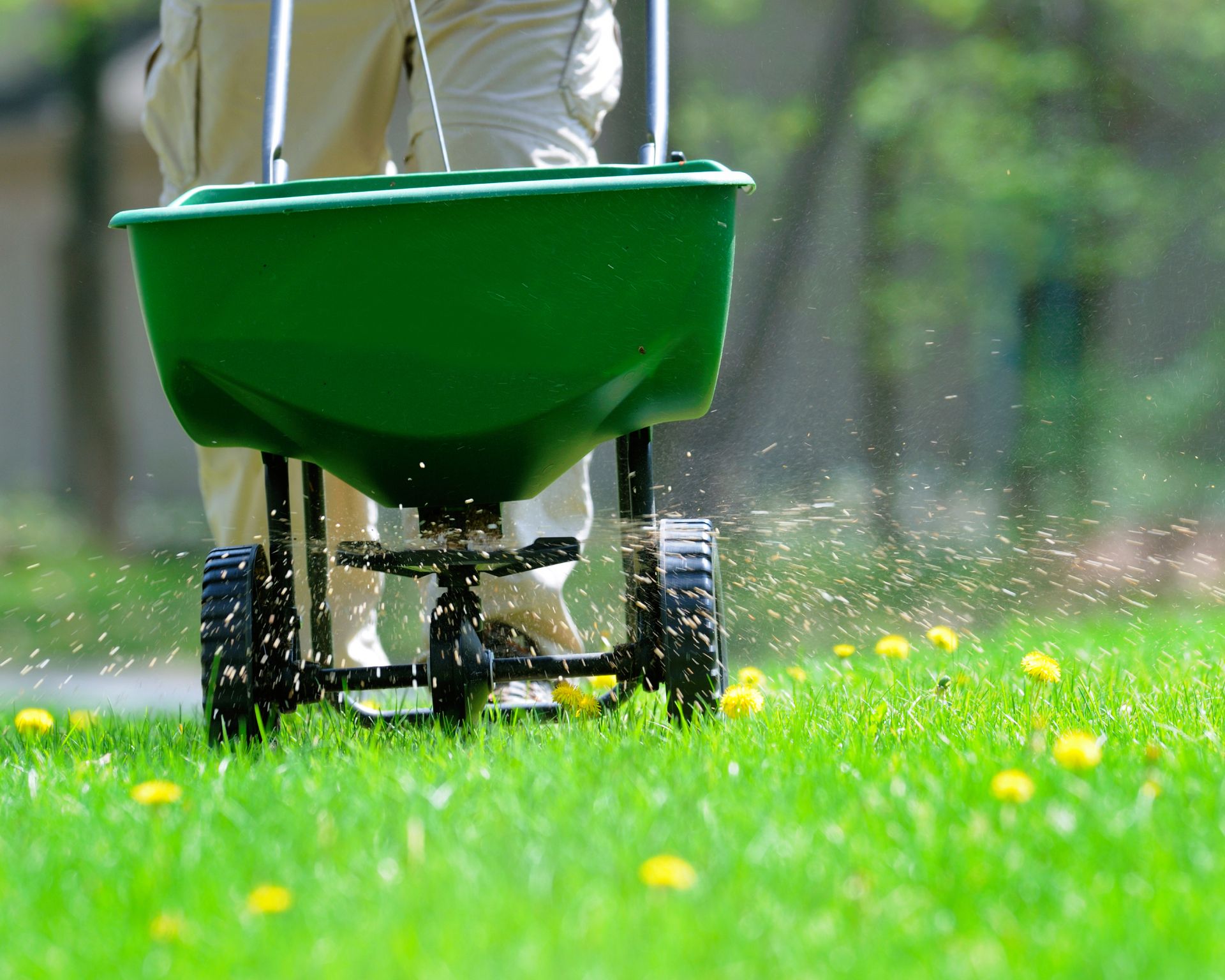
First, you need to choose the right product. Spring is another good time to fertilize cool-season grasses, but it’s a different type of feeding requiring a different product. Look for a fertilizer designed for fall feeding, which typically has nitrogen and potassium but little to no phosphorus. You’ll use this in early fall to support growth as the grass comes out of summer dormancy.
Ideally, you’ll also apply a product in late fall to get the grass ready for winter dormancy. This is a different fertilizer, though. It will have more potassium and less nitrogen (still no phosphorus). The extra potassium regulates water in plants and helps grass tolerate cold better and resist disease. A product like Scotts Turf Builder Fall Weed & Feed from the Home Depot does double duty so your lawn will look great next spring.
So, why no phosphorus? Phosphorus is unnecessary on established turf, and it can be harmful to local water supplies. Some cities even restrict its use on established lawns. If you are overseeding in fall, you might consider using a product with phosphorus to help the young grass establish roots. However, most lawns don’t need it. You can do a soil test before deciding if you need phosphorus to establish new grass.
2. Applying Fertilizer Too Early or Too Late

In a perfect world, you’ll fertilize your lawn twice this season: earlier to support new growth after summer and later to prepare grass for winter. This second application is often called winterizing grass, and many products designed for this step are labeled as winterizer fertilizers.
Even if you know to give your lawn two fall feedings, it’s still easy to make mistakes with the timing. The most common error to make with the first application is doing it too early. Feeding the grass while the weather is still hot and dry can burn it and promote weed growth. Wait until mid to late September when the grass is growing but temperatures have cooled.
For the second feeding, it’s easy to mistakenly apply lawn fertilizer too late. If the ground is already freezing, the fertilizer will be wasted, as the grass won’t take up the nutrients. Aim for a second application around the end of October or early November, weather dependent.
3. Using the Wrong Amount of Fertilizer
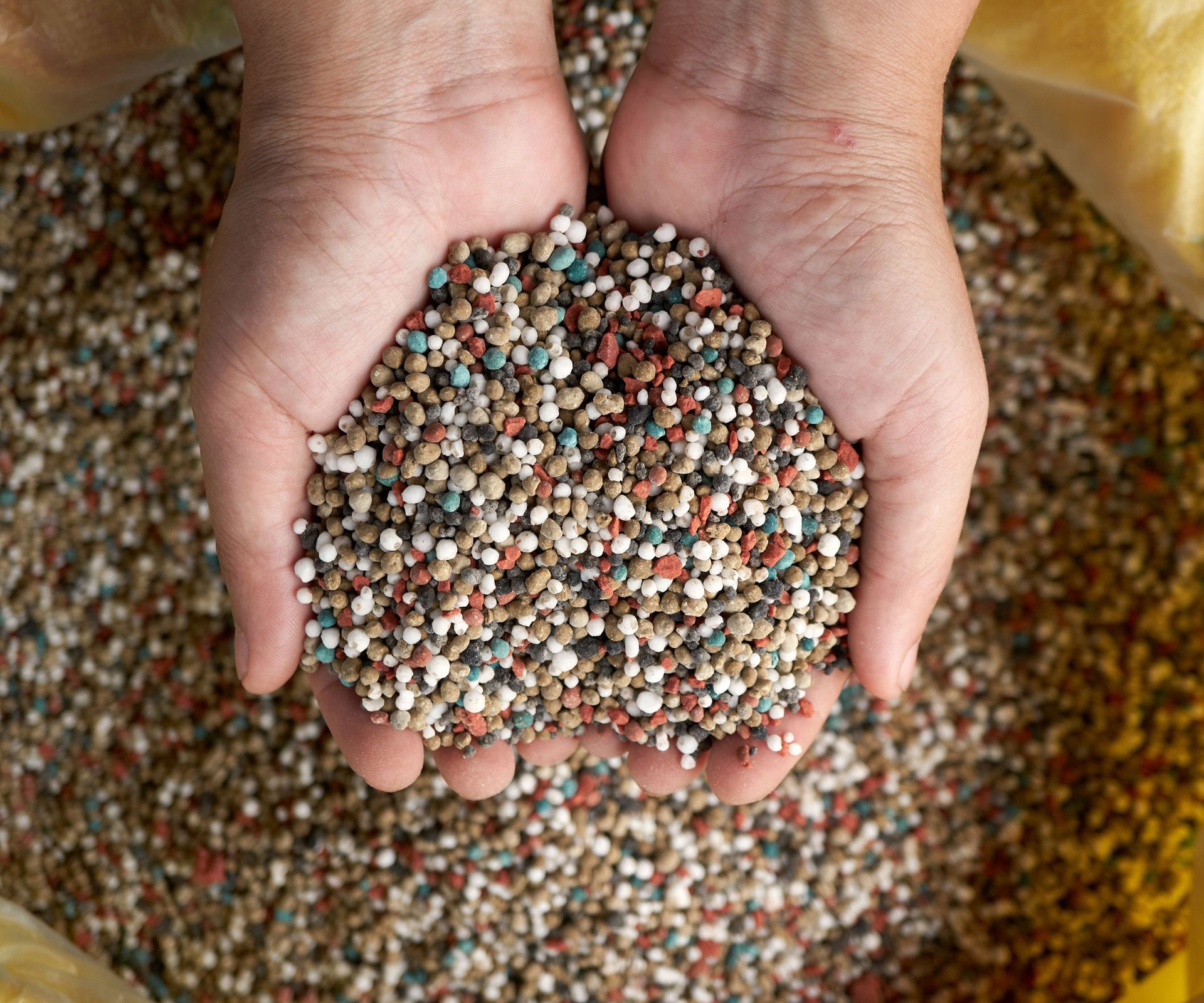
It’s easy to use too much fertilizer. Remember that more does not always correlate with a healthier, greener lawn. Excessive fertilizer can cause too much growth, nutrient runoff, and even root damage and plant stress. In hot or dry weather, it can actually burn your turf.
Instead of guessing at application rates or being heavy-handed, read the instructions on the fertilizer you choose and apply it correctly. An adjustable spreader is the easiest way to broadcast the right amount of fertilizer and to do it evenly. You can find a Scotts brand push broadcast spreader from Home Depot to make fertilizer application super easy. Another option is to use a slow-release fertilizer. It’s harder to overfeed with these products.
4. Ignoring Water Needs
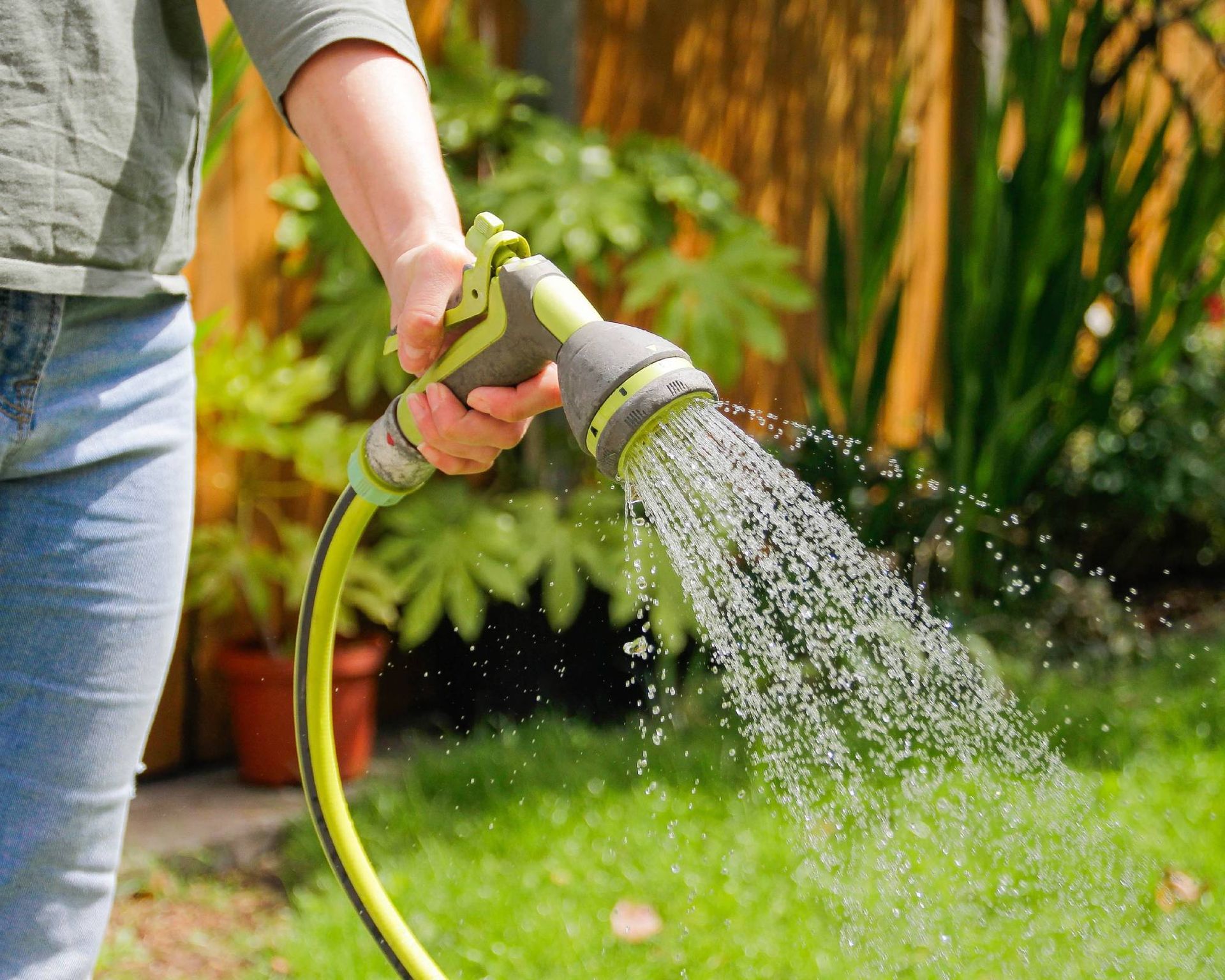
Water is an important element in properly fertilizing your lawn. If the grass is wet when you apply granular fertilizer, it will stick to the blades. This can result in burning and damage. It can also cause fertilizer to clump in some areas, resulting in uneven distribution. If there is no water, the fertilizer will remain on the top of the soil, doing nothing.
The solution is to apply fertilizer to dry grass and then water the grass. Or, if you can manage to time it just right, you can apply the fertilizer just before it rains and save yourself some effort. If you’re overseeding the lawn, water daily if it’s not raining. For established lawns, water deeply and less frequently as the fertilizer does its work.
Fertilizing your lawn in fall serves two purposes: greening it up for the rest of the season and ensuring it’s healthy going into winter and as it breaks dormancy next spring. To get these results, be sure you avoid these common mistakes. Get the timing, amounts, watering, and product right, and your grass will thank you later.
Shop Fall Lawn Essentials
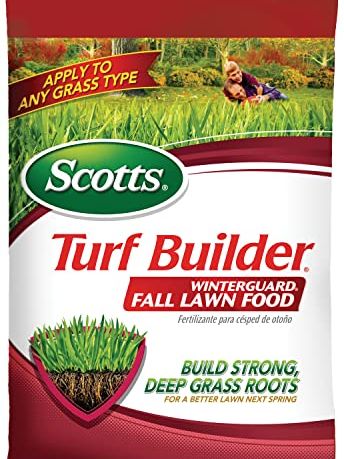
A classic for a reason. Apply in fall and get ready for a fuller lawn next spring.
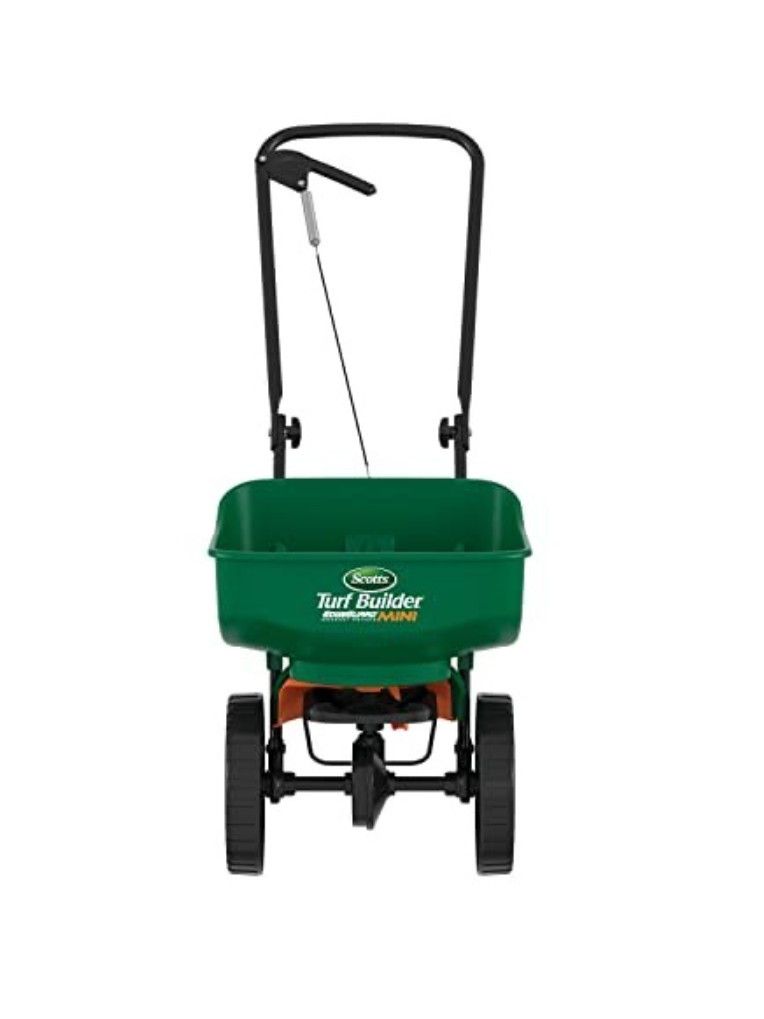
Quickly and evenly apply lawn fertilizer with ease. It also works well for spreading salt in winter!
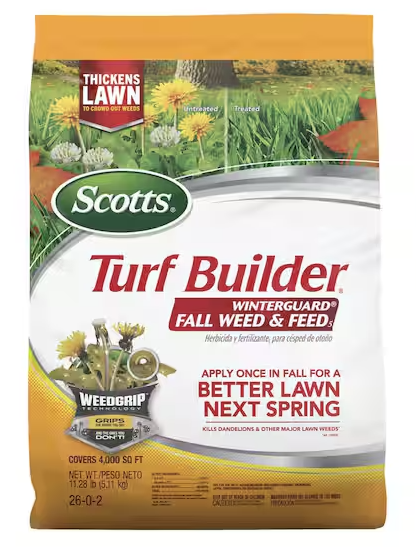
This fertilizer pulls double duty and takes care of pesky weeds for a better lawn.