On August 12, the Moon will pass in front of the Sun, temporarily dimming daylight across parts of the US. It won’t be a repeat of the dramatic total eclipse that crossed the country in 2024 (most Americans will see only a partial rather than a total solar eclipse) but research from that 2024 event showed just how sensitive birds can be to sudden changes in light.
Think about it: birds rely on the natural cycle of light and darkness to tell them to do all sorts of things, whether it’s when to wake, feed, forage, migrate or settle down for the night. When an eclipse suddenly dims the sky in the middle of the day, then, scientists have found evidence that some birds can respond as though night has arrived – becoming quieter, changing their feeding behavior and, in some cases, returning to their roosts.
And then, just as quickly as it arrived, daylight returns, throwing them all (from cheery songbirds to your very own birth month bird of prey) for a complete and utter loop. Indeed, many species appeared to switch back into a dawn-like chorus back in 2024 when the light returned.
How To Help Birds After The Solar Eclipse
Yes, a solar eclipse doesn’t just make the sky look extraordinary. For animals that use daylight as a cue, the sudden drop in light can trigger surprisingly night-like behavior, and other wildlife can respond to the sudden darkness, too – making an eclipse a rare opportunity to see how closely animals’ behavior is tied to the natural light cycle.
Now, while I love the birds in my garden, I can’t do much about the moon getting in the way of the sun. However, there is one very simple thing I can do once the solar eclipse is over – and it will literally take me all of two minutes to do. Probably less, actually.
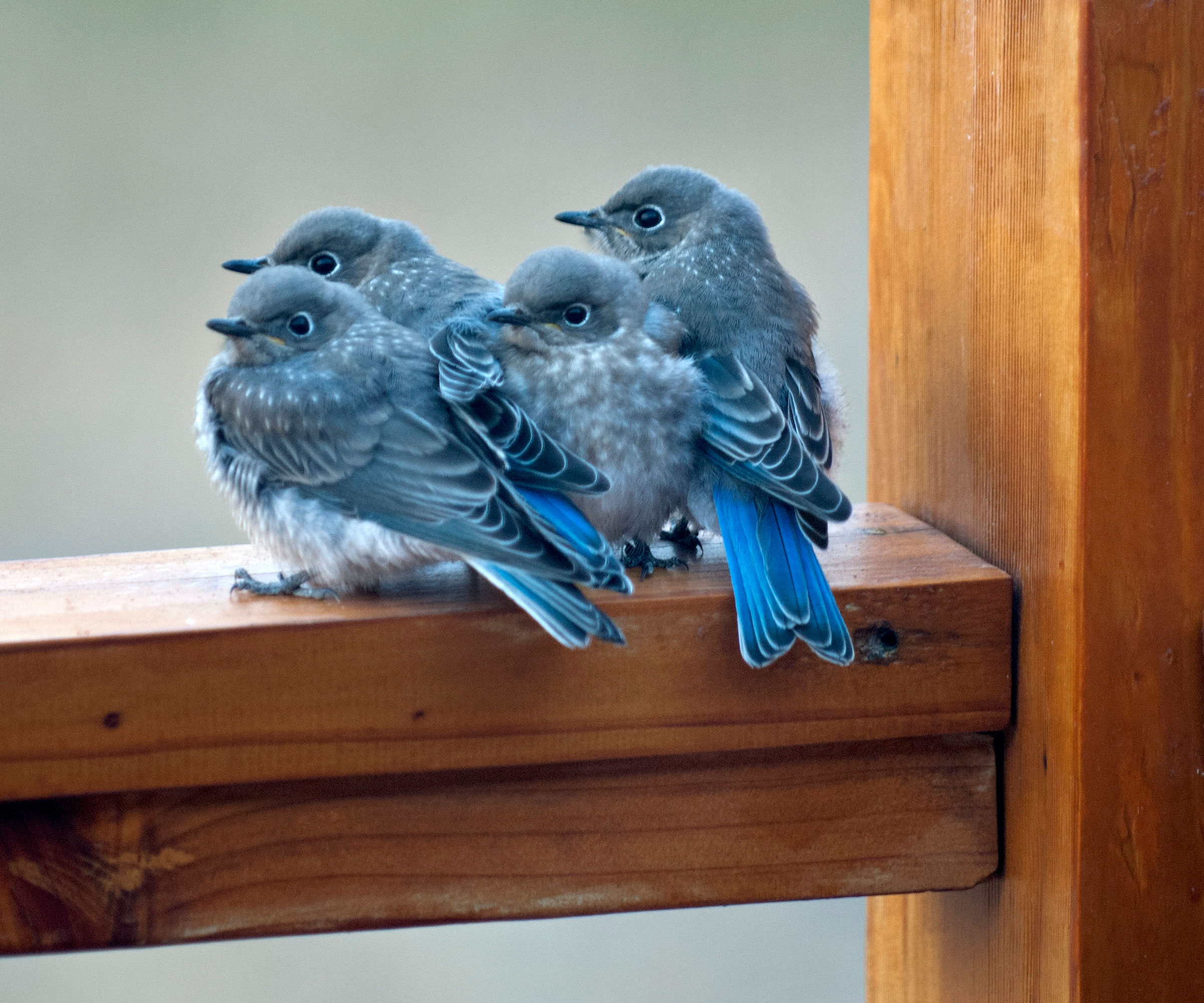
You guessed it, folks! That evening, I’ll be turning off my outdoor lights. Which, yes, might sound like a tiny gesture, but artificial light at night can disrupt wildlife even when there isn’t a social eclipse in the mix.
The Royal Horticultural Society has warned us a few times now that garden lighting can disturb birds from sleep, alter their feeding and singing patterns and disorient birds that migrate at night. As such, experts say we should make a point of turning garden lights off when they aren’t needed; if outdoor lighting is necessary, we should keep it low, directing it downward and using warmer, lower-intensity lighting where possible. Motion sensors and timers can also help prevent lights from being left on unnecessarily.
Basically, invest in the kind of garden lighting that reduces light pollution as a rule, and keep it off at night if you want to do your bit for local birds and critters. Especially after a disruptive event like a solar eclipse.
Wildlife-Friendly Garden Lighting:
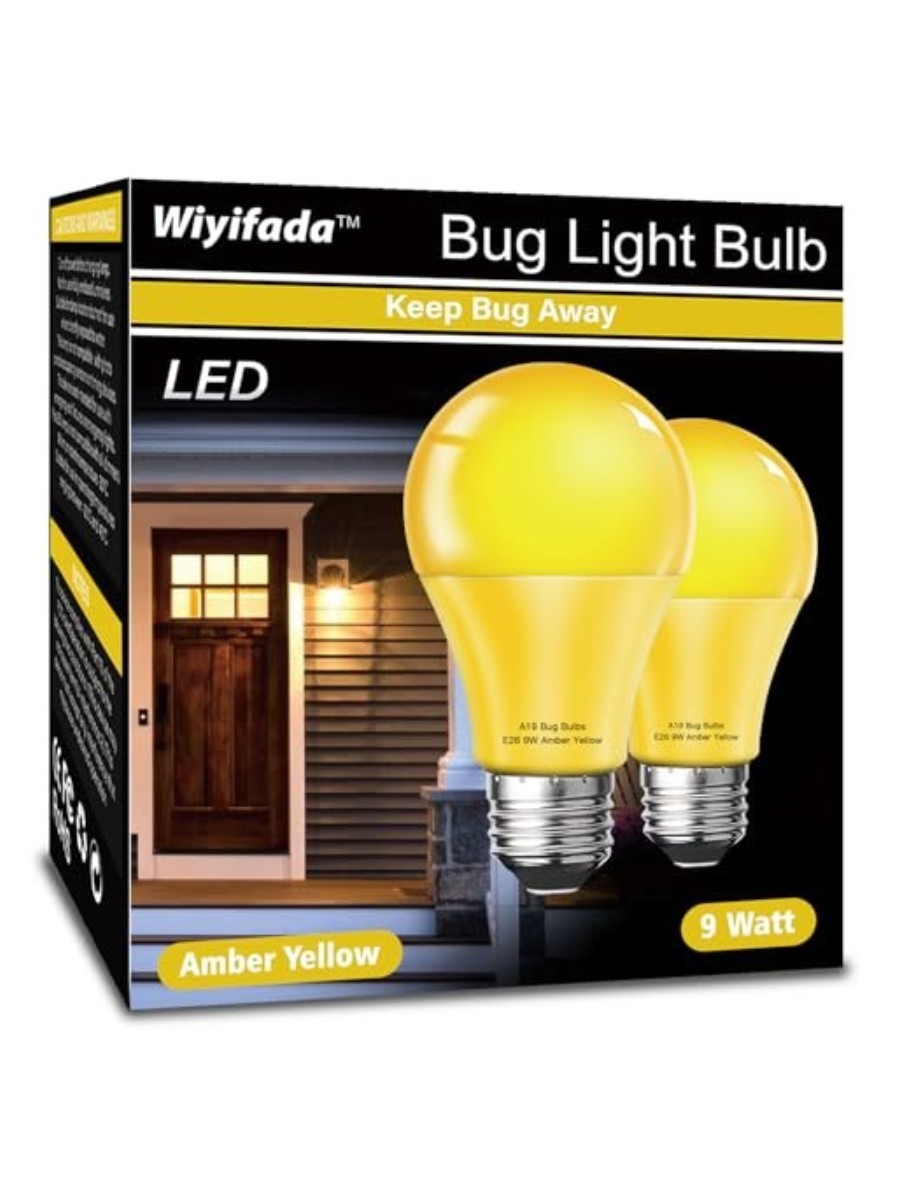
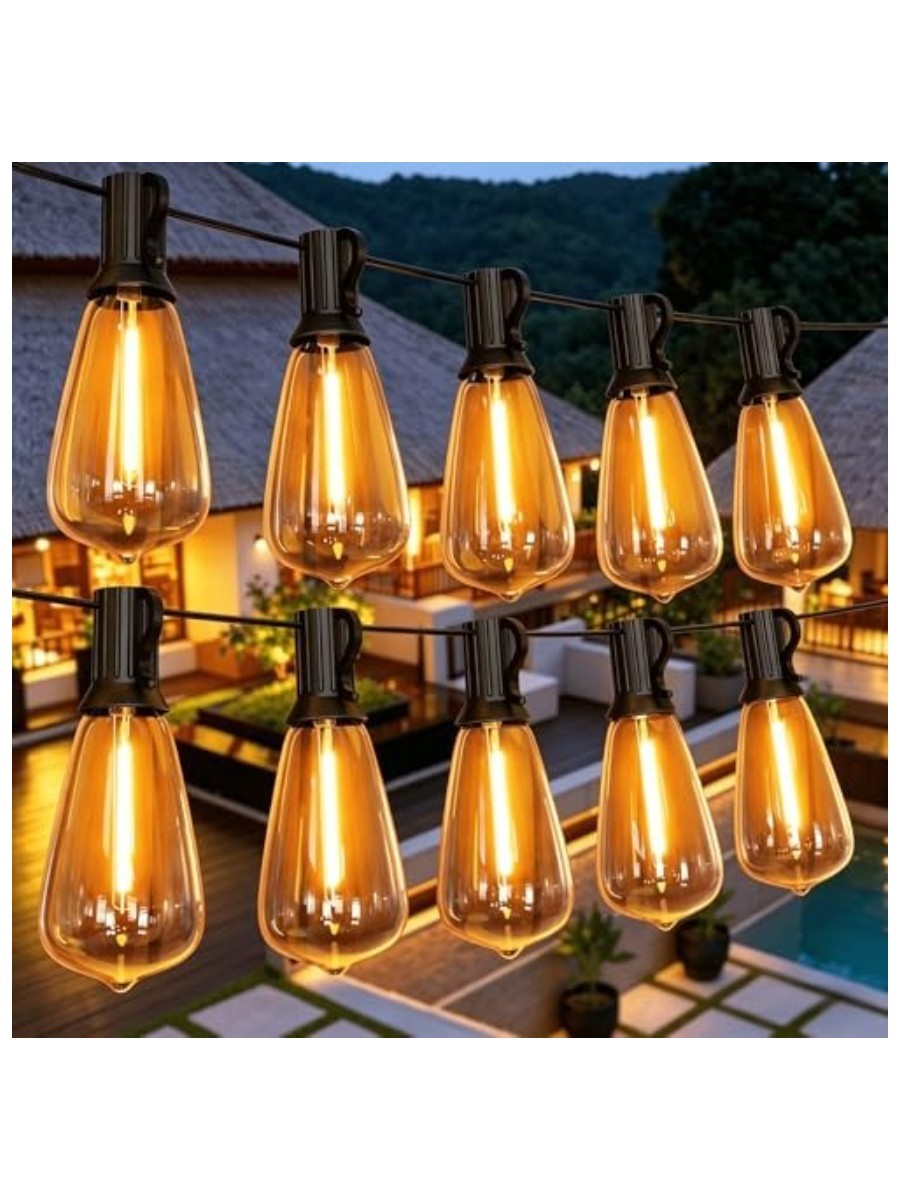
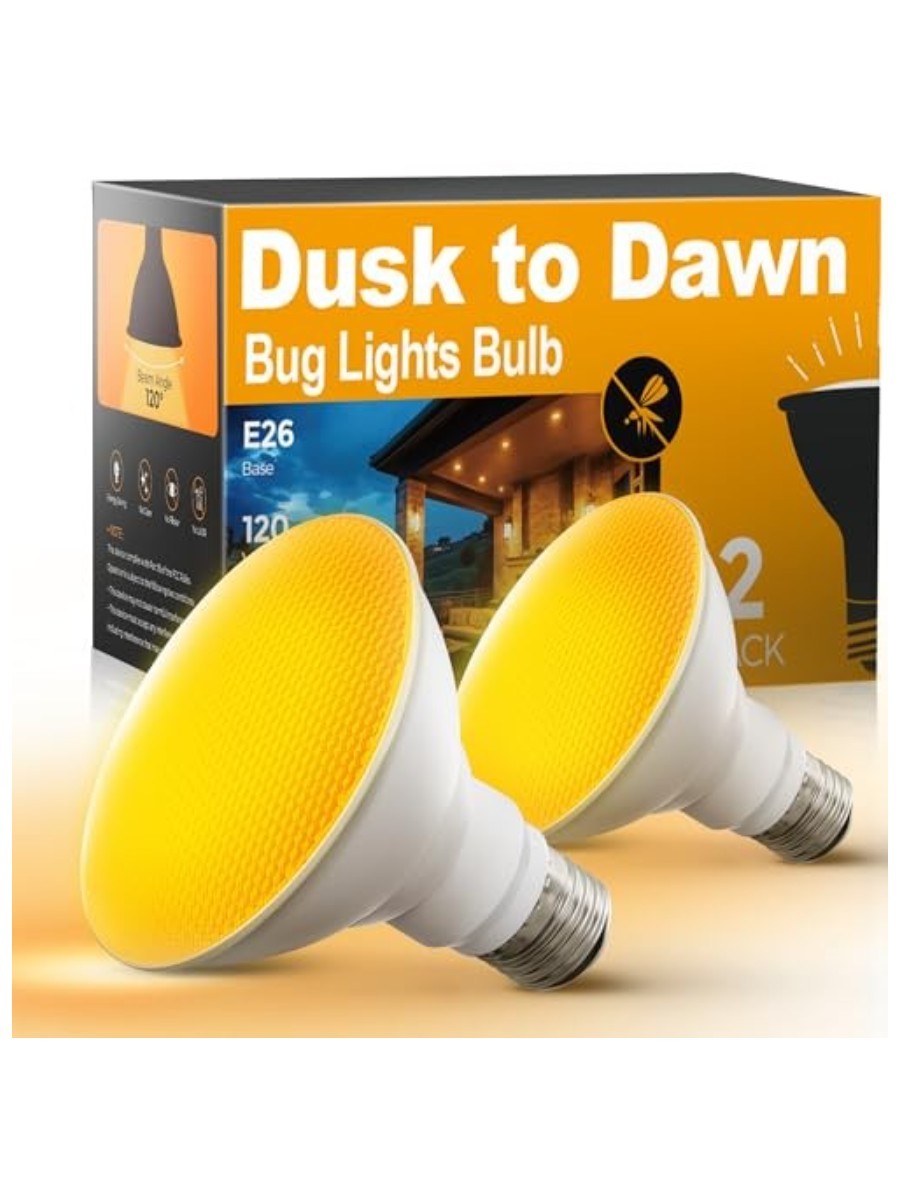
Honestly, the easiest thing we can do for birds and wildlife after a solar eclipse (partial or total) is simply to let them have a nice and quiet night… preferably one as dark as possible. If you want to do your bit, then, avoid unnecessary outdoor lighting, keep disturbance to a minimum and make sure birds have access to the basics they need throughout the summer – clean water, natural shelter and places to feed (this stunning solar bird feeder ticks off a lot of boxes!).
Remember: an eclipse is a natural event, and birds have evolved alongside changes in daylight. Once the sun comes back out, normal daylight resumes… but that doesn’t mean we need to make the night that follows any brighter than necessary.