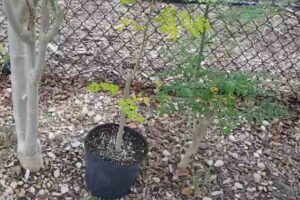
A rose by any other name would smell as sweet. A rose in September, though? That’s when even experienced gardeners start second-guessing themselves.
Your plants may still be flowering beautifully, so it’s tempting to keep deadheading, feeding and tidying them exactly as you have all summer. As fall settles in, though, you’ll quickly discover that roses have surprisingly different needs to those they displayed even just a few weeks ago.
This means that there is one simple job to do this month that might just have a much bigger impact on next year’s flowers than anything you do in spring. And, on the flipside, there’s also one common mistake that can leave roses more vulnerable over winter and set them back before the new growing season has even begun. Eek.
The September Rose Job That Pays Off Next Spring
Whether you have a garden full of your birth month rose, have been growing Pamela Anderson’s favorite rose, or have a rose garden inspired by something entirely different, be sure to show them some love this fall.
Think about it: after a long summer of blooming like mad, many roses have a tendency to pick up common fungal diseases such as black spot. And, even if the leaves have already fallen, they’re best not left lying beneath your plants.

Yes, those infected leaves can harbor fungal spores over winter, ready to reinfect fresh growth when temperatures warm up in spring, which is why your September job should be to gather and dispose of any diseased leaves from both the plant and the ground beneath it.
It takes five minutes, and it works wonders. While you’re down there, too, remember that cleaning up old petals, weeds and other garden debris around the base of the plant can also improve air circulation and reduce places where pests and diseases may linger.
If you spot badly infected stems, though, fair warning: be sure to only remove small and obviously diseased sections if needed, and take care to save any major pruning for later in the dormant season.
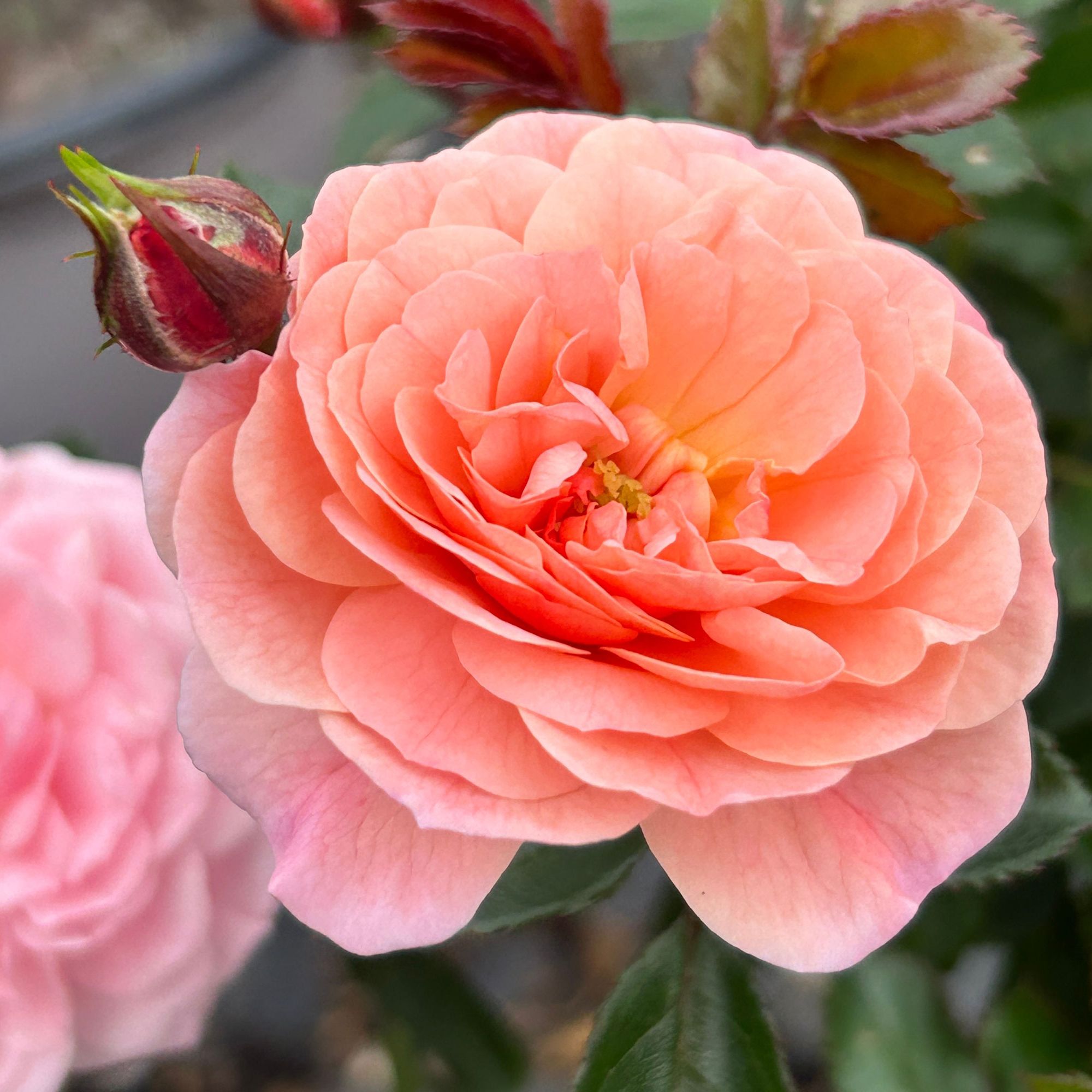
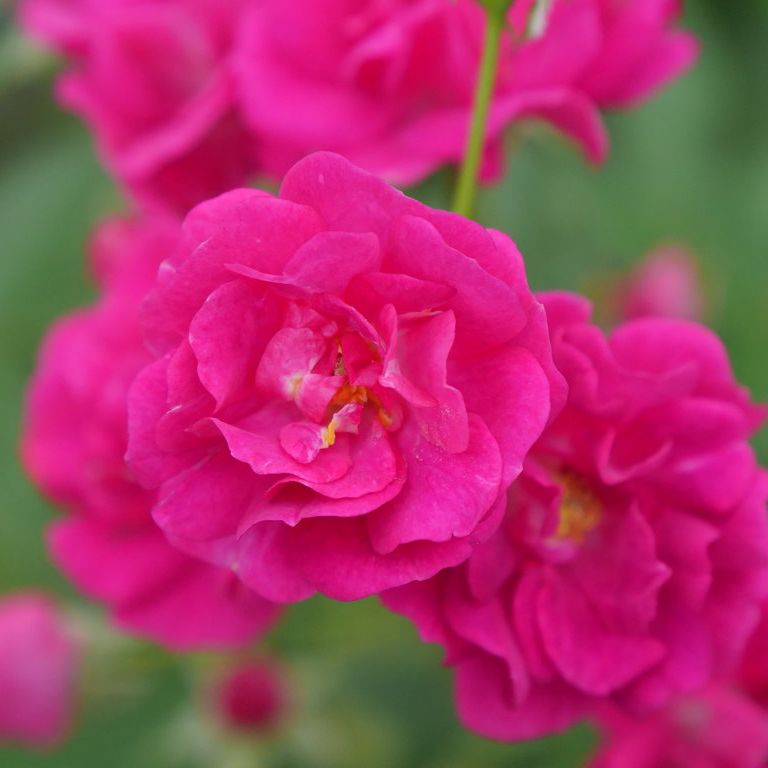
Shop Black Spot-Resistant Roses:

As tempting as it is to tidy everything up before fall, don’t give your roses a hard prune in September.
Heavy pruning encourages fresh growth at exactly the wrong time of year. As temperatures begin to cool, those new and very tender shoots likely won’t have time to harden off before the first frosts arrive, leaving them vulnerable to cold damage.
Instead, limit yourself to the Three Ds, and focus on removing dead, damaged or clearly diseased growth (and only then if it’s really necessary). Save the major pruning jobs for late winter or early spring, when your roses are still dormant and ready to produce vigorous new growth.
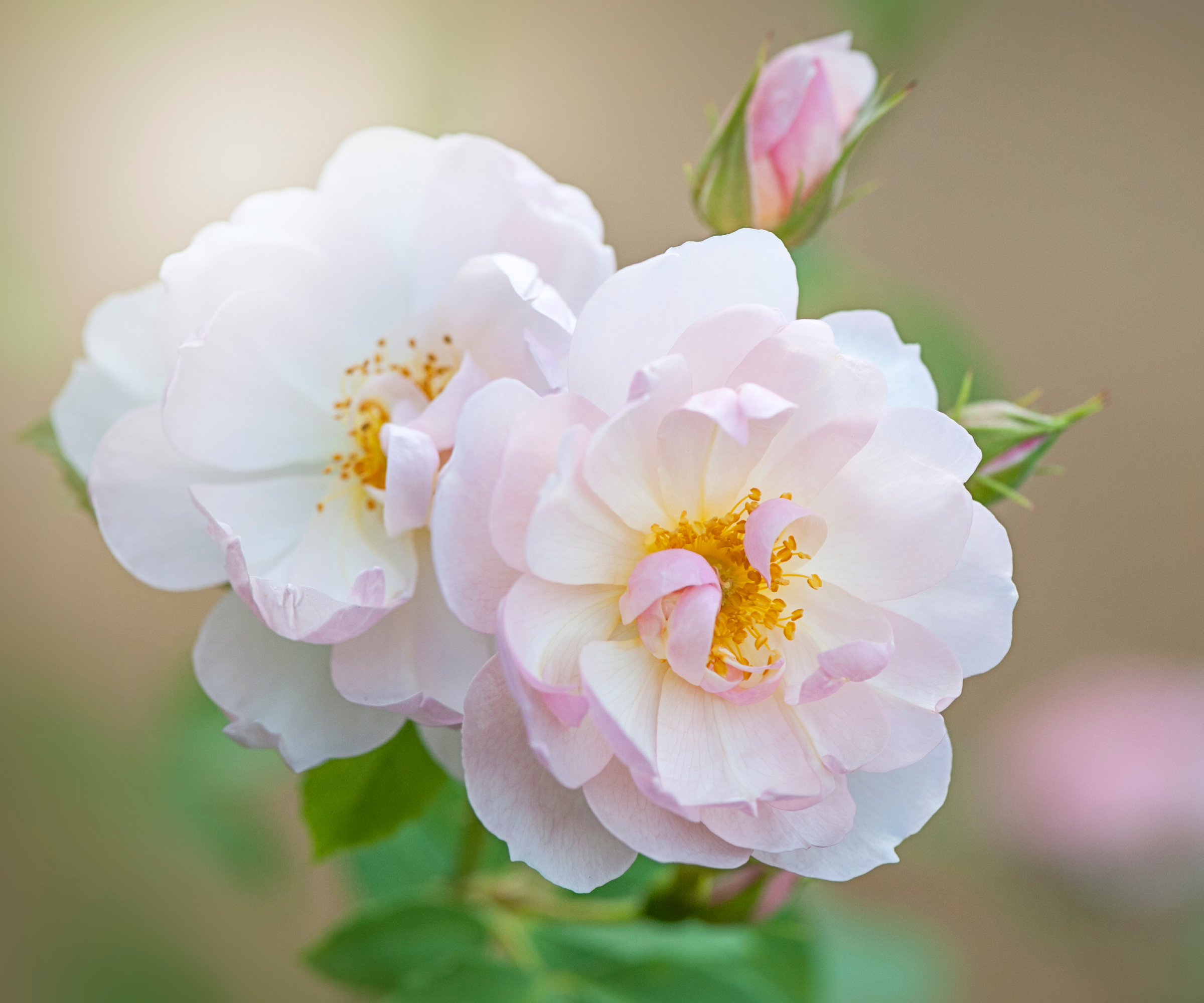
Of course, if your roses are continuing to bloom, you can still deadhead spent flowers to keep plants looking tidy and encourage repeat-flowering varieties to produce more blooms this fall.
However, as the season draws to a close, many gardeners choose to stop deadheading and allow rose hips to form instead, as this can a) help signal to the plant that it’s time to slow down naturally ahead of winter, and b) prove a boon for local wildlife.
Whether you continue deadheading or not, take care to stop applying high-nitrogen fertilizers as this can, again, stimulate soft new growth that’s more susceptible to cold damage. Instead, focus your energy on those few minutes it takes to clear diseased leaves from the base of your plants.
It might not seem like it’s doing much, but it really can spell healthier foliage, less disease pressure and, ultimately, a better display of blooms when spring arrives. Hey, sometimes the smallest jobs really do make the biggest difference, right?