The best landscape-designer tricks to make the most of a shady, north-facing garden will transform a dull, dark plot into an inviting outdoor space where you’ll want to linger. Designing a garden with this aspect is all about bringing more light to the space as well as selecting the right shade-tolerant plants that will flourish in these conditions. A shady garden brings wonderful opportunities that simply aren’t possible in a sunny south-facing garden, so rather than thinking of a north-facing plot as a problem, make it work to your advantage.
One of the main challenges will be the lack of direct sunlight, which can make your outdoor space feel dull and gloomy, as well as restricting the types of plants you can grow. Tall buildings or trees blocking available sunlight compounds the issue, especially as we head into the winter months when the sun is lower in the sky. But all these landscape designer tricks will overcome such issues to create a covetable garden that you won’t want to swap for a sunnier plot.
Which will you use to brighten up your shady north-facing yard?
1. Use Pale-Colored Pavers to Bounce Natural Light Around
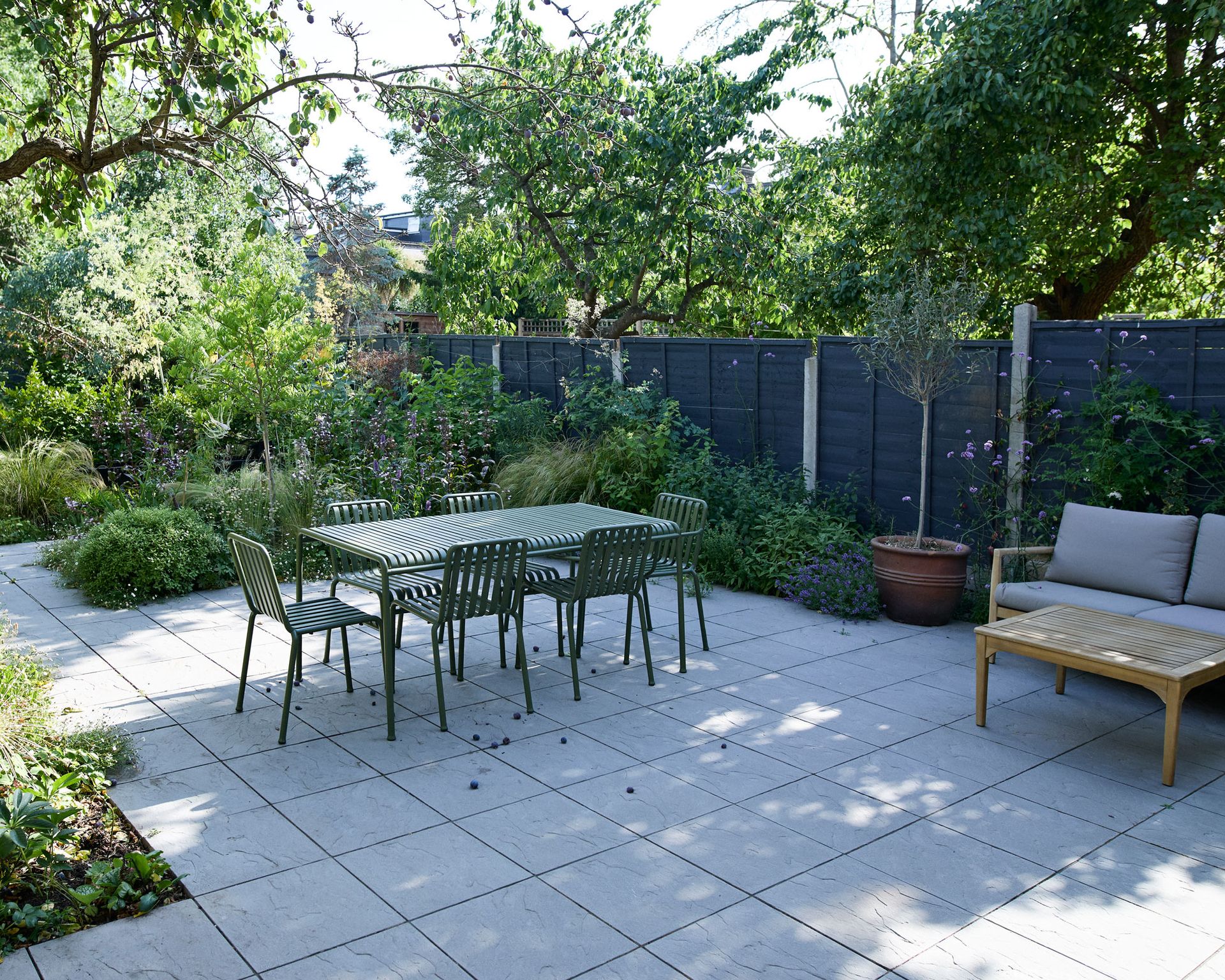
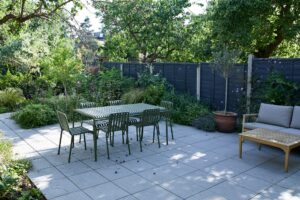
Opting for lighter-colored materials for paths, patios and other hardscaped areas will reflect light as well as brighten the space, making a shady or north-facing garden a much more pleasant place to be. Choose porcelain or limestone pavers, and pebbles or river stones in pale tones of soft gray, sand, buff or other light neutrals, to make the most of whatever sunlight your garden gets. This also visually expands the space, which is one of the most common methods landscape designers use to make a small garden feel bigger.
It needn’t be an expensive job to swap out existing darker paving for a lighter option such as these limestone-look porcelain pavers from The Home Depot, as long as you don’t change the dimensions of the paved area and choose tiles of the same size. Lifting old pavers carefully means you’ll keep the substrate intact, and can sell the old pavers on Facebook Marketplace or Craigslist.
2. Layer up a Base of Large-Leaved Plants in Zingy Tones
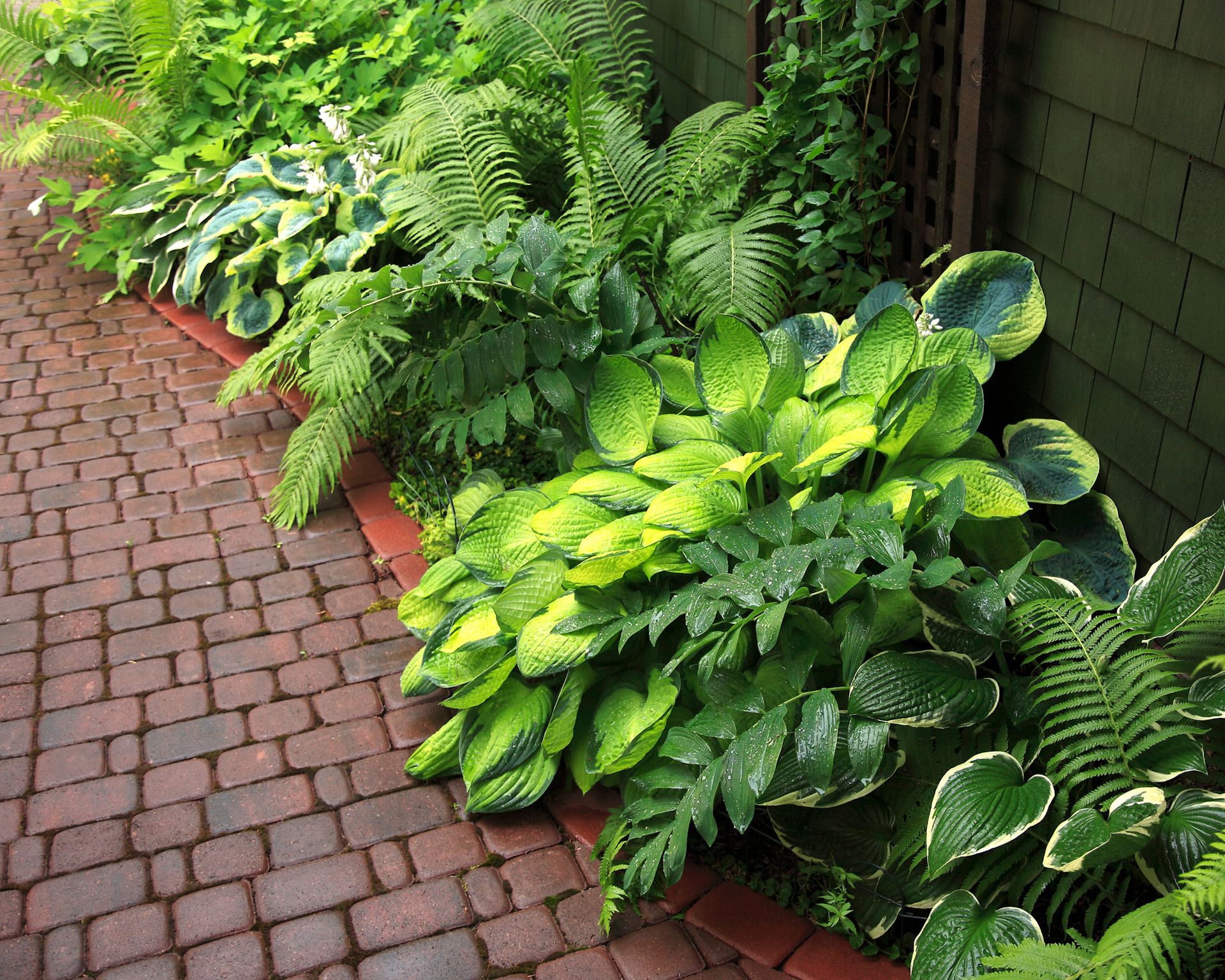
Shady garden design starts with a strong base of foliage-first plants, to which flowering varieties are added. Layered planting is a big trend with landscape designers right now and it can be used to create a relaxed, immersive feel that helps soften the edges of shady, north-facing gardens too. There are plenty of varieties of leafy plants that thrive in low sunlight levels, so you be very intentional in the shades of green you choose.
Ferns are one of the most valuable plant groups for north-facing gardens and work particularly well to add vibrancy when combined with Fatsia japonica and hosta. All these plants are available in varieties with zingy green leaves and lighter-colored foliage that catches the light and helps to brighten dark borders and corners. You can also use plants with variegated foliage to add colour and interest in shaded areas.
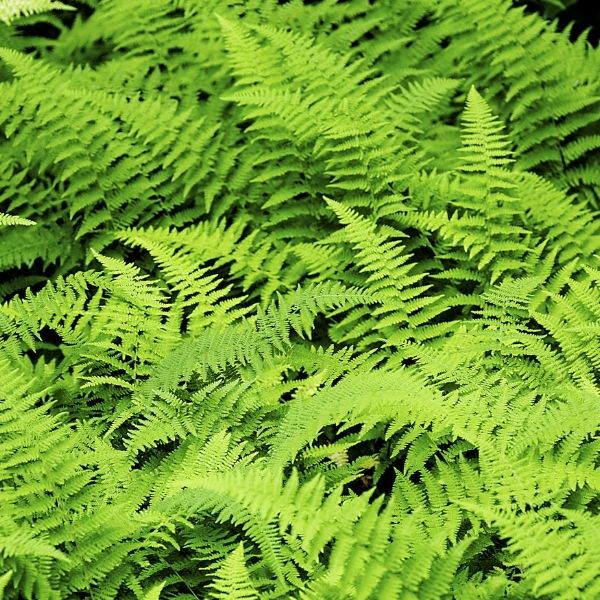 Zingy green fronds
Choose this bushy and compact variety of fern to anchor your shady planting scheme. Growing to around 3ft tall, it’s a perennial that reliably returns every year with fronds emerging green then turning a soft yellow.
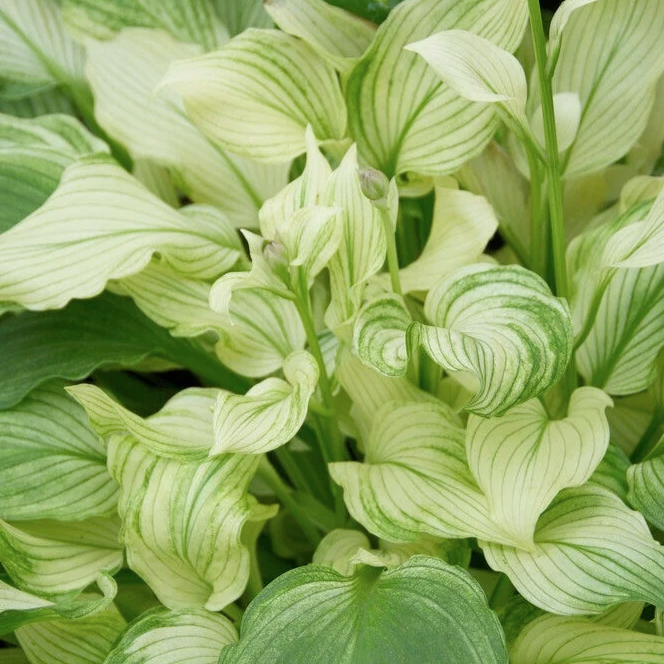 Creamy-white foliage
Now’s a great time to get cost-effective hosta bare roots into the ground, and this striking variety flourishes in full shade with leaves that open in a dreamy cream hue then develop eye-catching green veins.
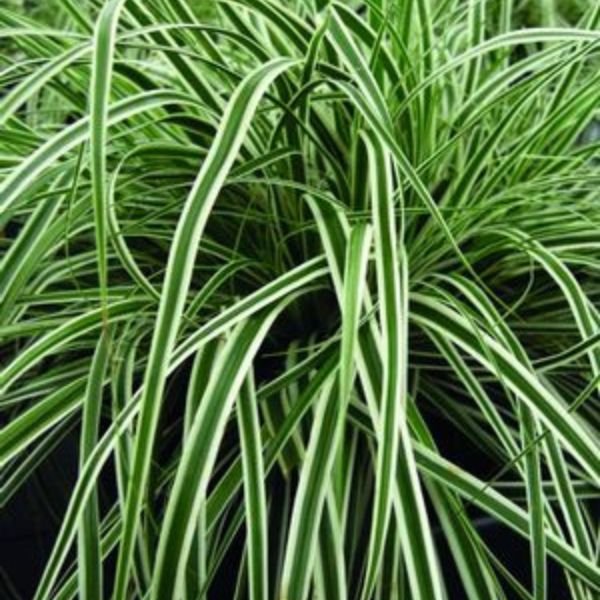 Striped blades
This reliable Carex variety is a super choice for full shade and tolerates wet soil well in zones 5-8, with the white edges of its arching blades brightening up a gloomy border a treat. Grows 1-2 feet tall and wide.
3. Add Luminous White Blooms to Your Border Design
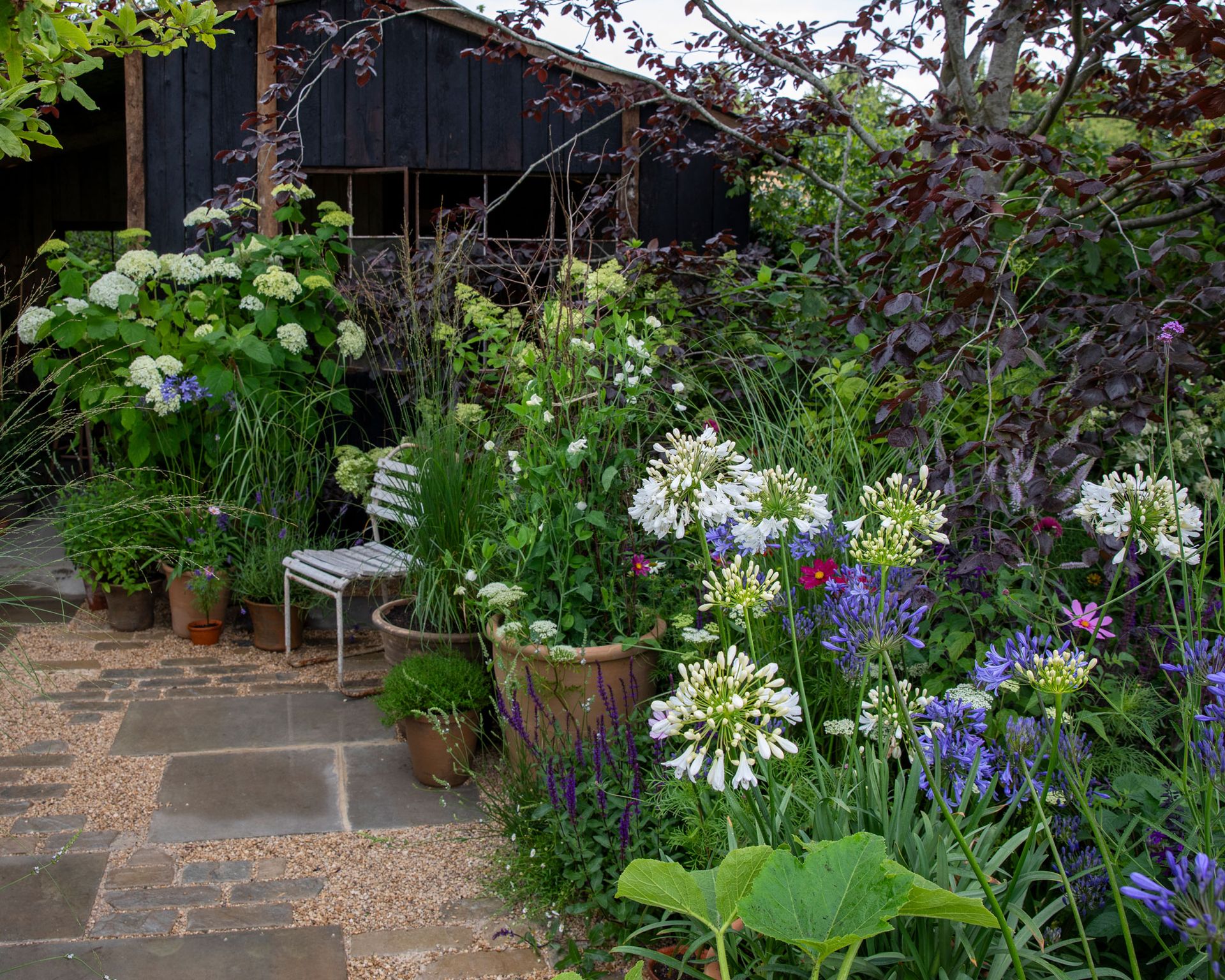
Shade is often viewed as a disadvantage because it limits the choice of plants you can grow. But there are plenty of flowering plants that flourish in the shade, and by choosing varieties with luminous white blooms, the pale petals will lift any gloomy or shady space, dancing around the foil of zingy foliage you’ve created.
Flowering shrubs such as hydrangeas are one of the most consistently reliable shade-loving plants, offering masses of blooms right through summer and fall. There are plenty of pale-bloomed flowering varieties to choose from including garden favorite Hydrangea arborescens ‘Annabelle’, available from trees.com, that brings luxurious white pompom blooms to partial shade. In a more compact space, Hydrangea paniculata ‘Little Lime’, also available from trees.com, is a new dwarf form that also appreciates partial shade.
4. Play a Visual Trick with Partial-Shade Plants
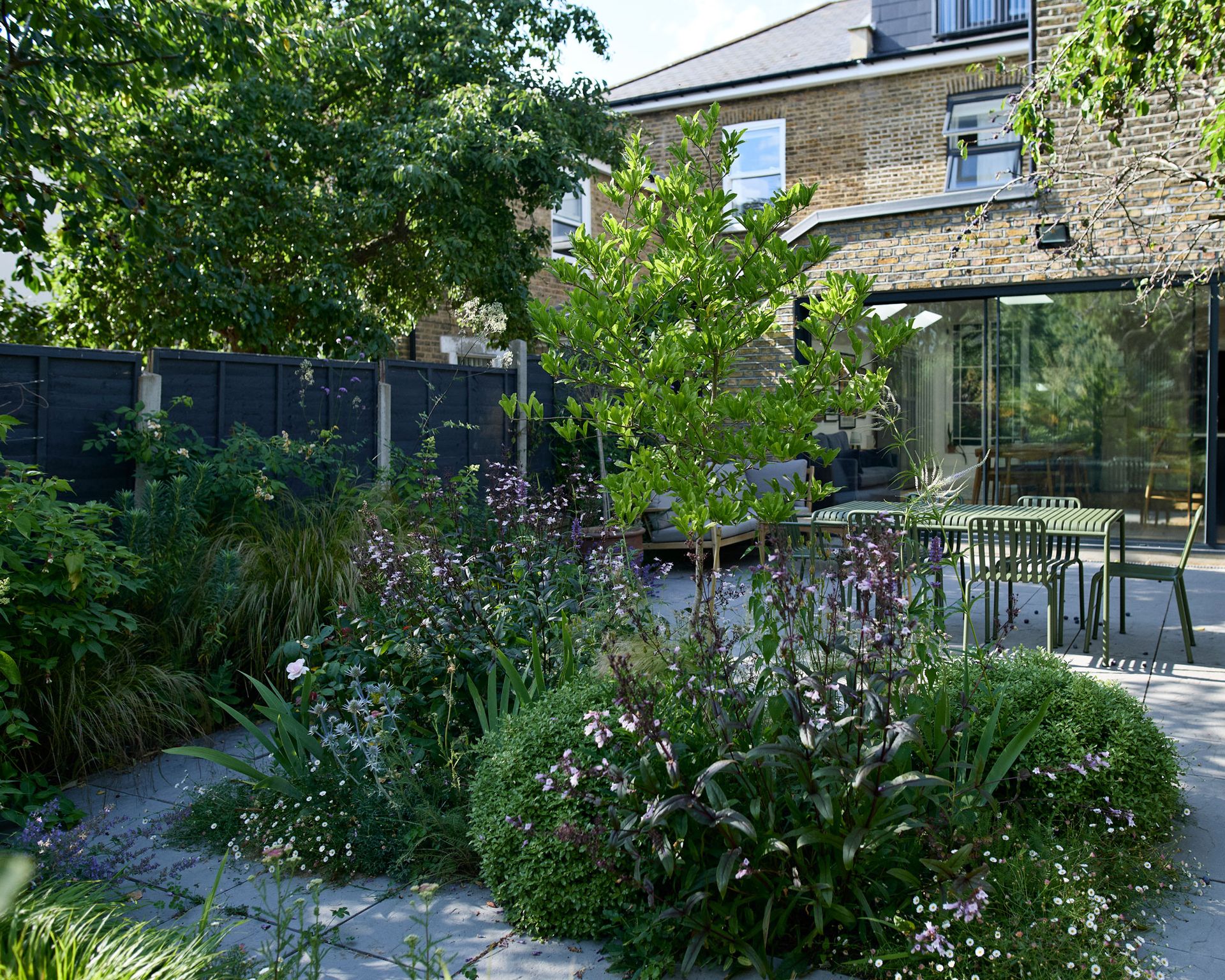
Landscape designers know the power of choosing several key plants and repeating them in groups of three, five or seven throughout the design to add continuity and flow. This is an easy planting solution for shady, north-facing gardens too, as you simply choose plants that will work in these conditions and multiply them to build up your collection.
But here’s the clever bit. Choose three unfussy plants that flourish in partial shade to plant throughout as these will typically cope with both a little more sun and a touch more shade. Then in areas of deeper shade, add a couple of varieties that prefer full shade, and in sunnier spots, swap these out for two sun-loving plants. That way, the planting is cohesive, linking the shady and sunny areas rather than having a stark contrast between them.
Be intentional when choosing your three key plants so each takes on a different role in the design. In this garden, which ranges from partial shade to full sun, there are repeat plantings of clipped evergreen hebe shrubs for structure, tall perennial foxglove beardtongue for airy flowers, and low-growing Mexican fleabane for groundcover. All these plants prefer full sun but cope very well with partial shade.
5. Create Focal Points with Showstopper Accent Plants
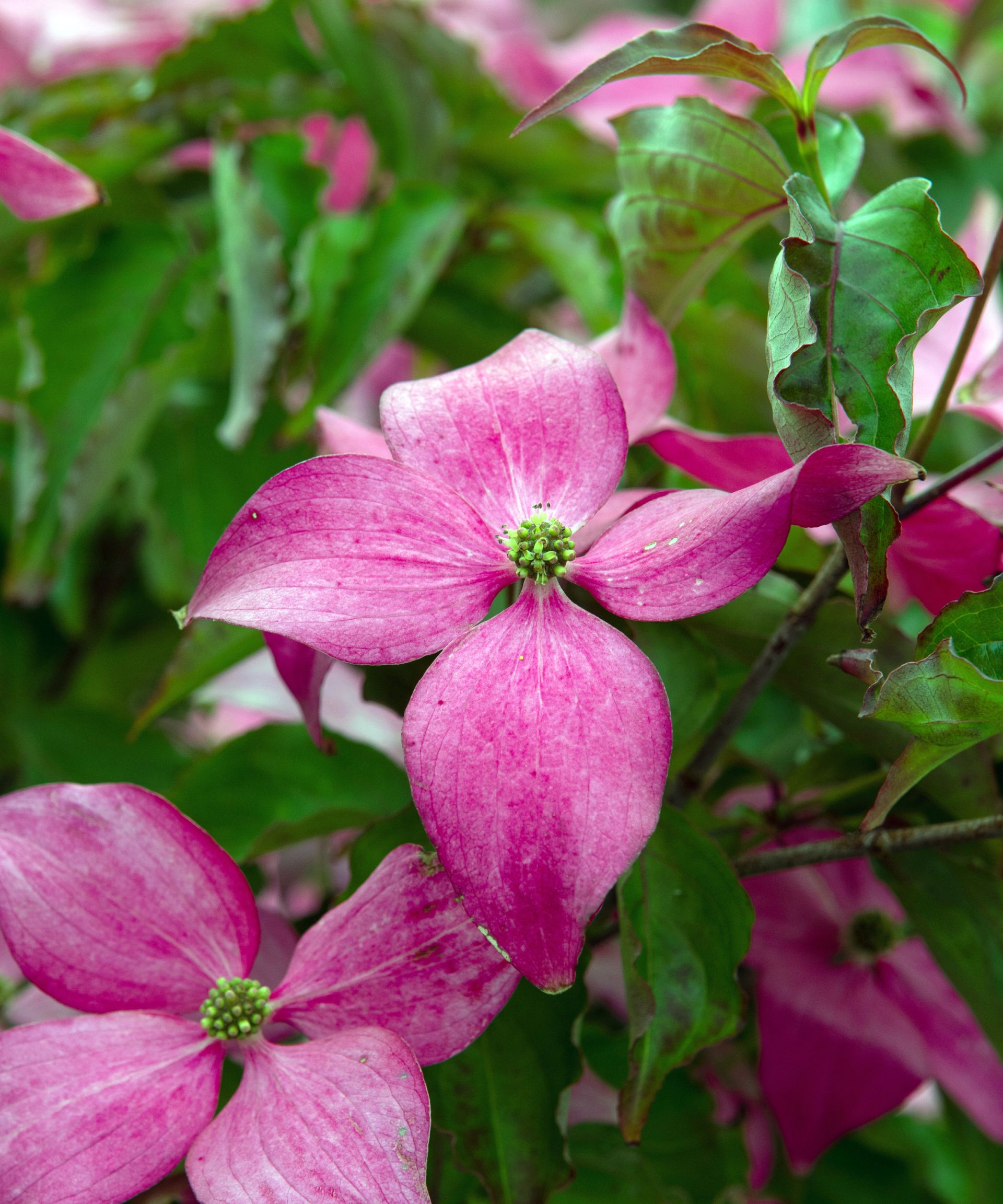
North-facing gardens can be wonderfully immersive spaces, lush with green foliage and pale-petalled flowers. But landscape designers will always ensure there is also accent planting to create focal points that elevate the entire scheme.
It’s an inescapable fact that plants that produce the most vibrant colors are typically those that prefer full sun. That’s because a great deal of energy is needed to produce intense pigments, which plants generate through photosynthesis using sunlight. However, by carefully mapping how sun and shade moves through your garden over time, you can identify spots that get the most sunshine, and use these to add accent plants that landscape designers love but are easy to grow yourself.
To create a simple shadow map to identify where these prime spots are, do a very simple sketch of your plot from an upstairs window. Then every two hours throughout the day, mark on the patches of shade. By the end of the day, you’ll quickly see where the deepest patches of shade are, and which areas are only cast into darkness for a couple of hours, where a showstopper plant such as this fabulous Japanese dogwood, which likes full sun to partial shade, will thrive.
A useful tool to help you identify these prime accent-plant positions is a digital soil tester that also measures sunlight intensity such as this 4-in-1 moisture meter from Amazon.
6. Play with Reflections to Lift Dark Corners
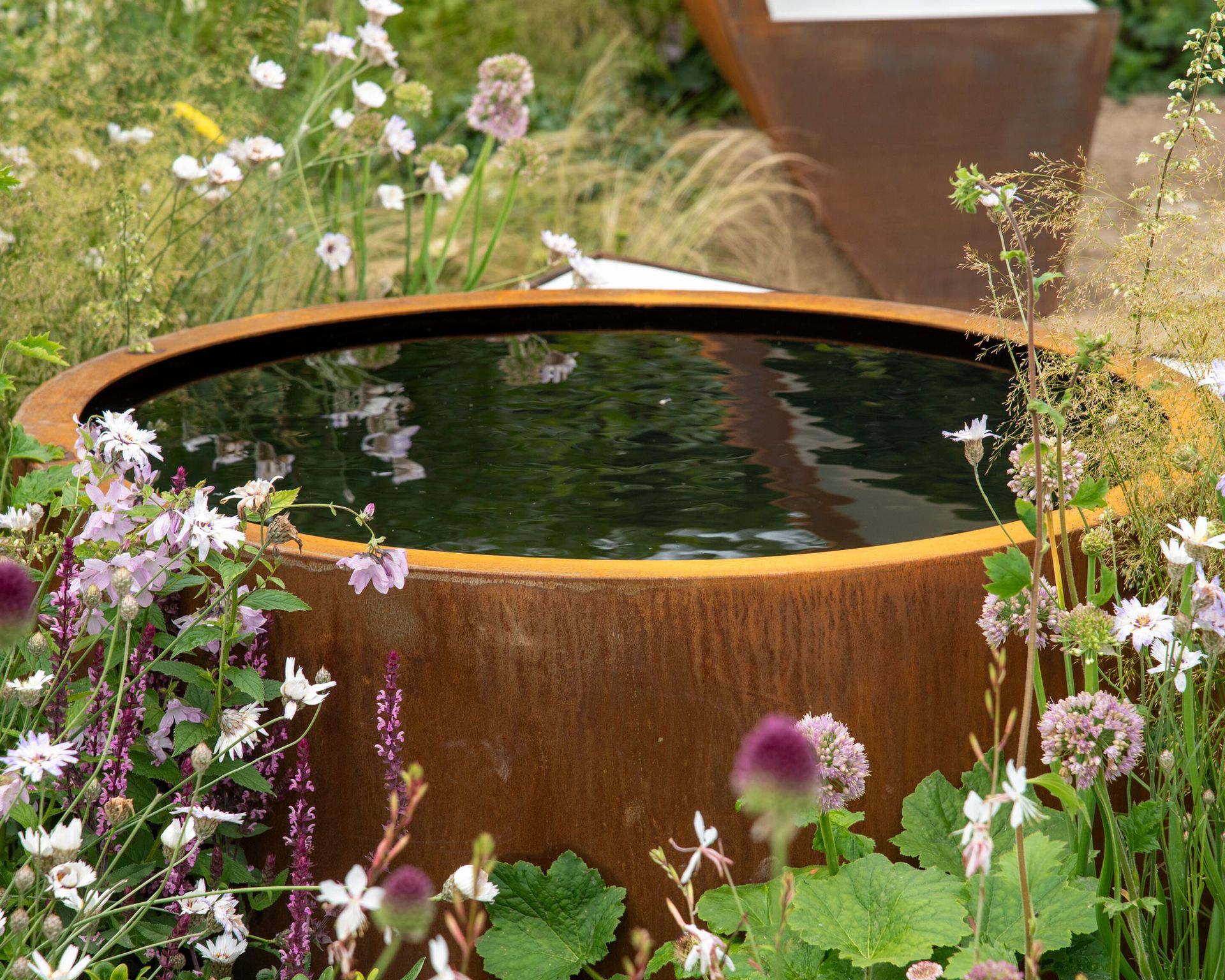
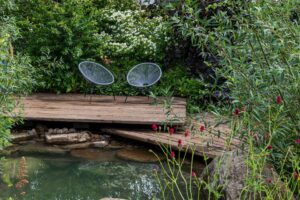
One way to bring the illusion of light to a shady garden is a water feature that reflects the sky. This will help to stretch your space and bounce any available light around the garden to create bright spots in shady areas. Adding a few drops of black pond dye such as Aquascape, available from Wayfair, turns the water into a dark mirror that clearly reflects trees, sky, and surroundings. Add a micropond to a border and the water will reflect the overhanging leaf and flower shapes all around it, too.
Other reflective surfaces like garden mirrors can achieve the same effect and make a shady, north-facing garden appear lighter and brighter by reflecting sunlight across the space. Carefully positioned on a shaded wall, fence or shed, a garden mirror will add a bright note. They can also help make the garden feel much larger, in the same way mirrors are used in interior design.
Use mirrored balls like this Outdoor Gazing Ball from Wayfair to capture the reflections of plants, the sky and sunlight, too.
7. Position Strategic Solar Uplighting Beneath Architectural Plants
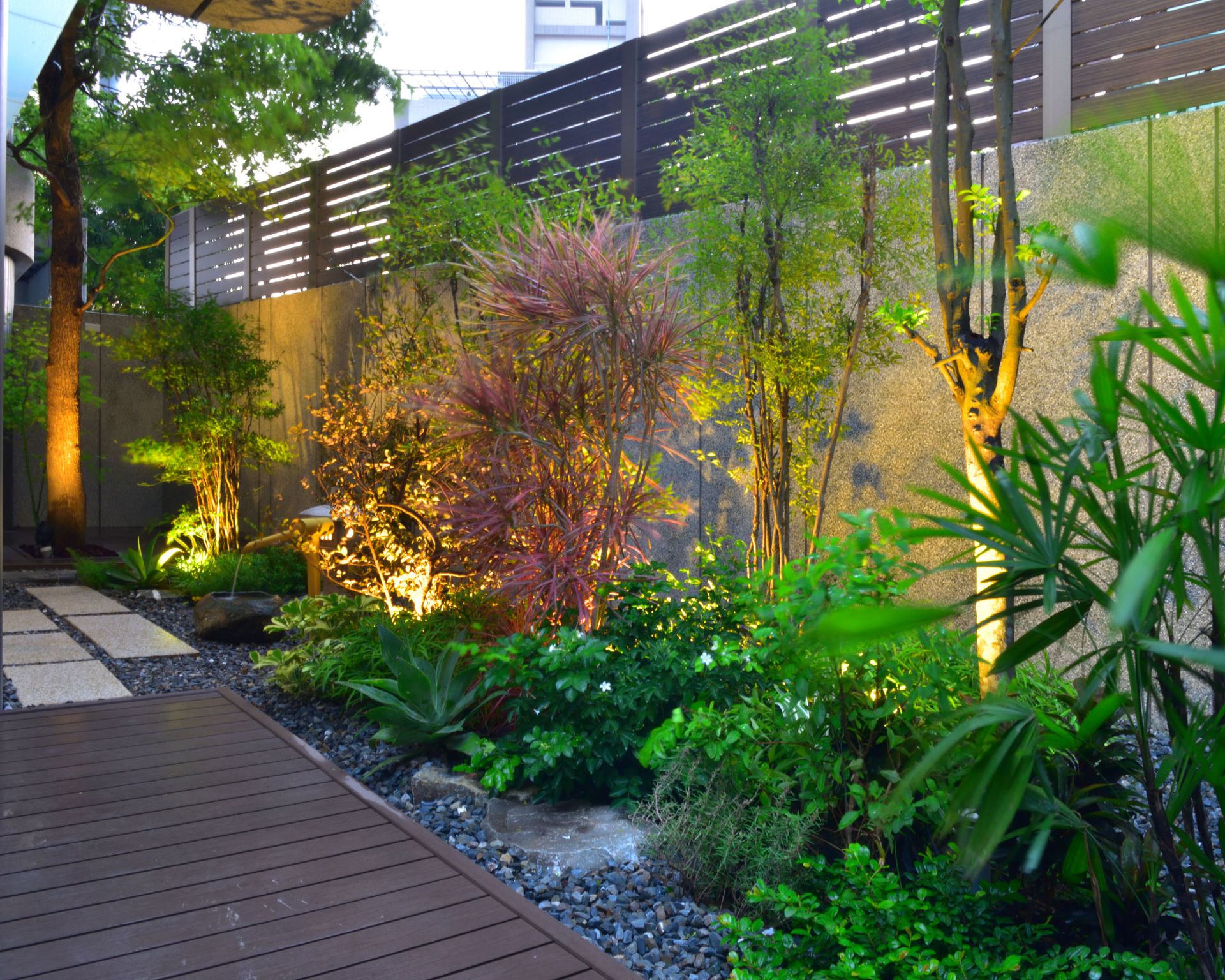
A well-designed garden lighting scheme is always a key element landscape designers add to the mix in a north-facing garden. Garden lights can be used to great effect in dark shade during the day to highlight planting, garden sculpture or architectural features.
In addition to brightening the space, lighting your garden will draw more attention to landscape design elements by enhancing shapely trees like Japanese maples and sculptural plants such as agave or yucca. If you’re using solar lights like these stake spotlights from The Home Depot, you’ll obviously need to position them in a spot that gets sun for part of the day to charge, but then they’ll add a glow once light levels fall. Choosing warm-toned lights will add a far softer ambience than cooler bright white lights.
8. Paint Boundaries a Pale Neutral Tone
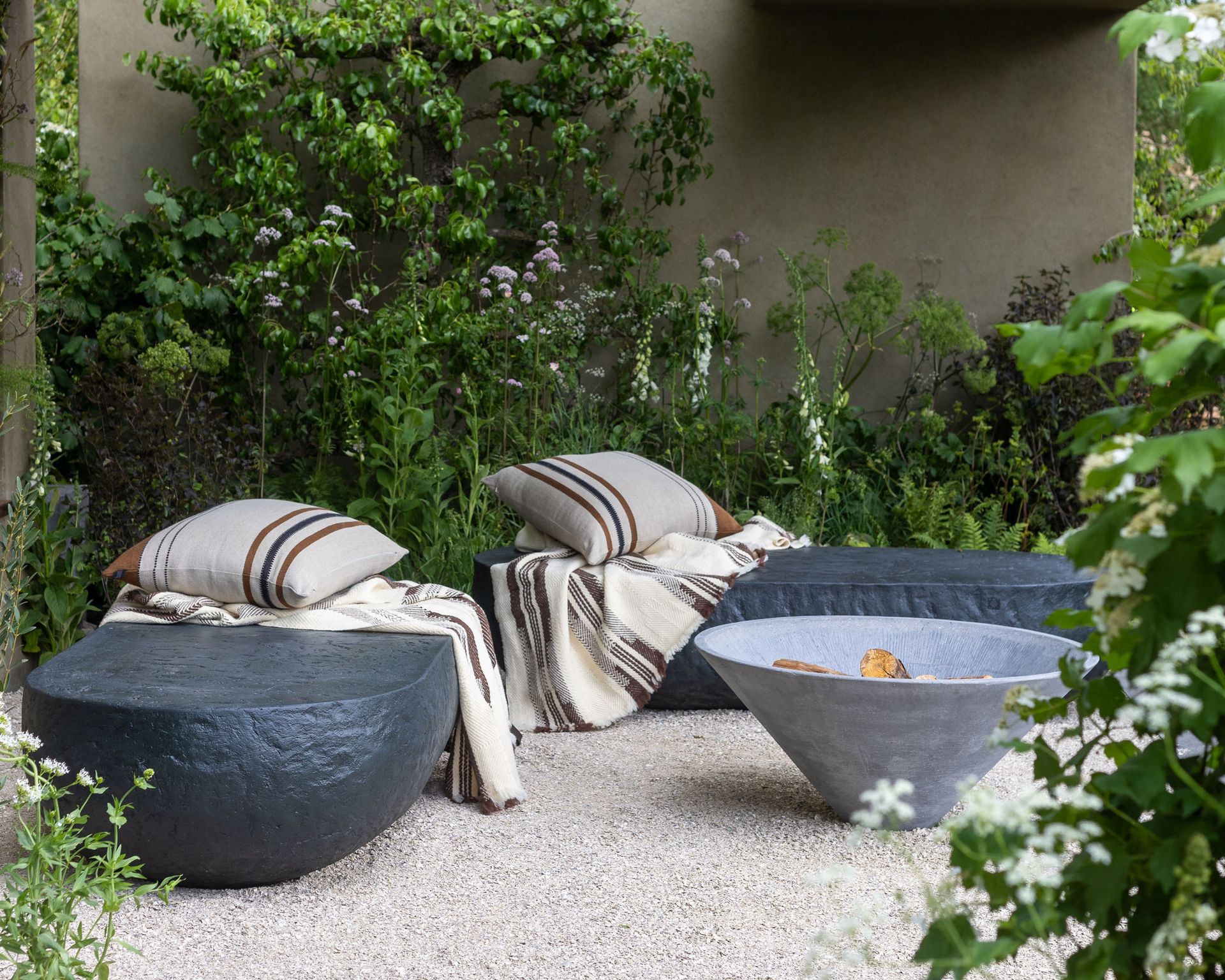
If you’re on a budget and want to brighten a north-facing garden without a major overhaul, one of the most cost-effective solutions is to paint boundary fences or walls in a lighter tone. This will immediately transform the space, bringing a much brighter feel to a garden that’s mostly shaded.
Try light neutrals and soft, muted pastels in shades like pale gray, buff, cream, and willow or sage green – one of the strongest fence-color trends in 2026. If you want to pick up on the green trend then Glidden Fundamentals Light Sage Satin Exterior Paint, available from Walmart is a lovely option. Alternatively for a neutral cream try Glidden Fundamentals Oatmeal Satin Exterior Paint, also available from Walmart. Opt for a satin finish rather than matt as this will bounce the light around rather than absorbing it.
To avoid a big stretch of painted boundary, soften the look with fence landscaping ideas.
9. Choose Container Planting Combinations that Love Shade
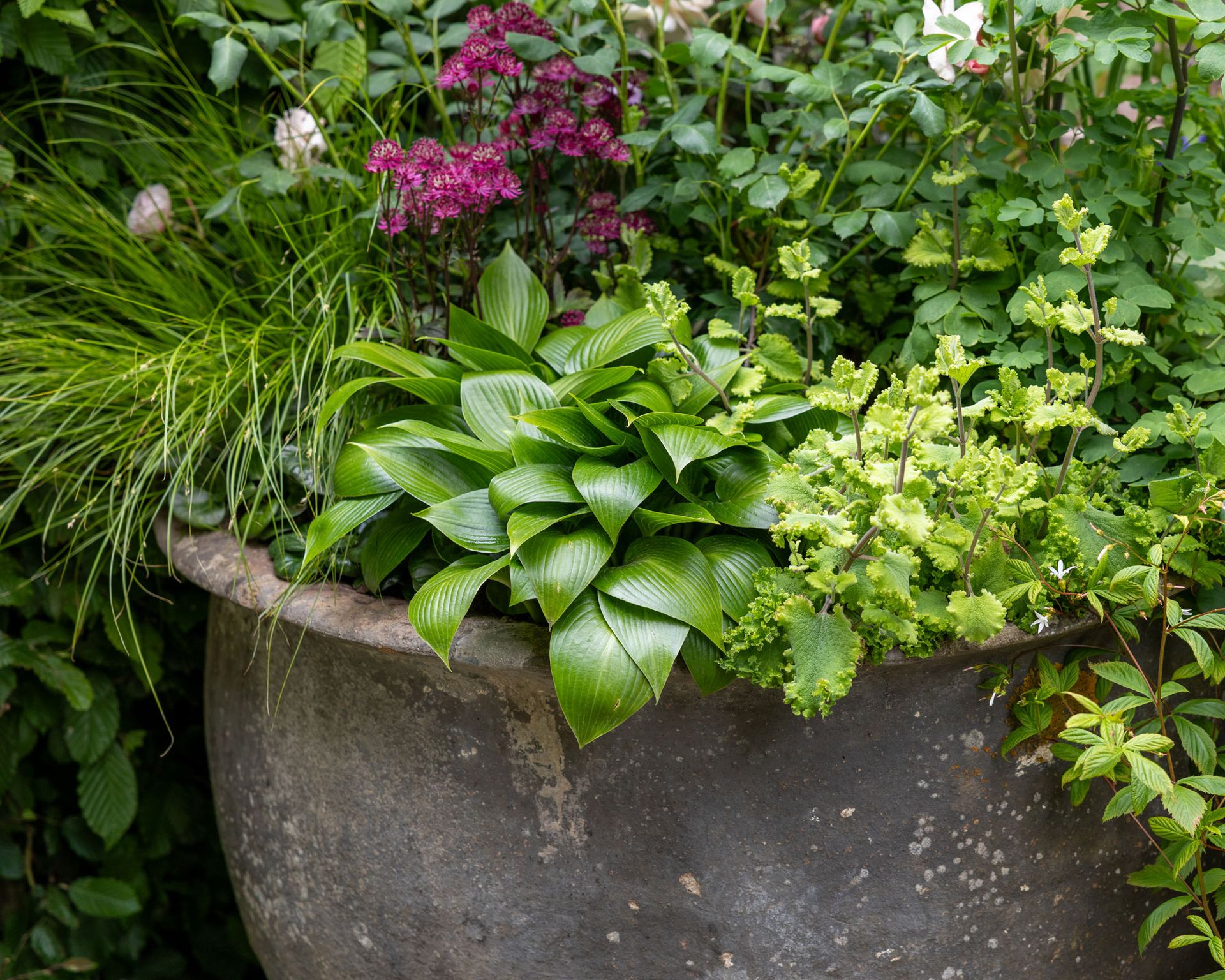
One of the easiest ways to switch up the look in a north-facing garden is by planting up pots with shade-loving plants that love life in a container. Whether it’s a small urban courtyard garden overlooked by apartment buildings or a patio close to the house that doesn’t get much sun, there are plenty of attractive options to create an appealing combination in a planter.
Reliable container garden favorites including hydrangea, hosta, ferns and ornamental Carex, adding precious blooms and interesting foliage to bring life and light into dark corners of your yard. Containers in shady spots need less watering and deadheading, and flowers tend to last longer than those in scorching sunshine, so there really are advantages to having a north-facing plot!