Fall is a good time to plant many different shrubs and trees. The hedge shrubs establish well during the period that the soil remains warm and the air is cooler. Fall planting means the shrubs will grow strong roots before winter.
Why not get off to a good start by heading out into the yard in September? Growing hedges starts with choosing appropriate plants. Pick native shrubs if you can since this means less water, less issues, and less maintenance needed.
Do you want a hedge all year long? In that case, look for evergreen shrubs. Deciduous shrubs will be gorgeous in summer, but bare in winter. In either case, keep your sun exposure and growing zone in mind. Here are my top native hedge picks for instant privacy.
1. Manzanita
|
Botanical Name |
Arctostaphylos manzanita |
|
Hardiness |
Zones 7-10 |
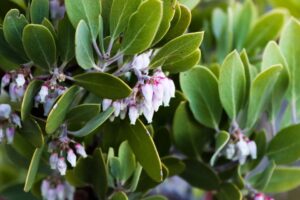
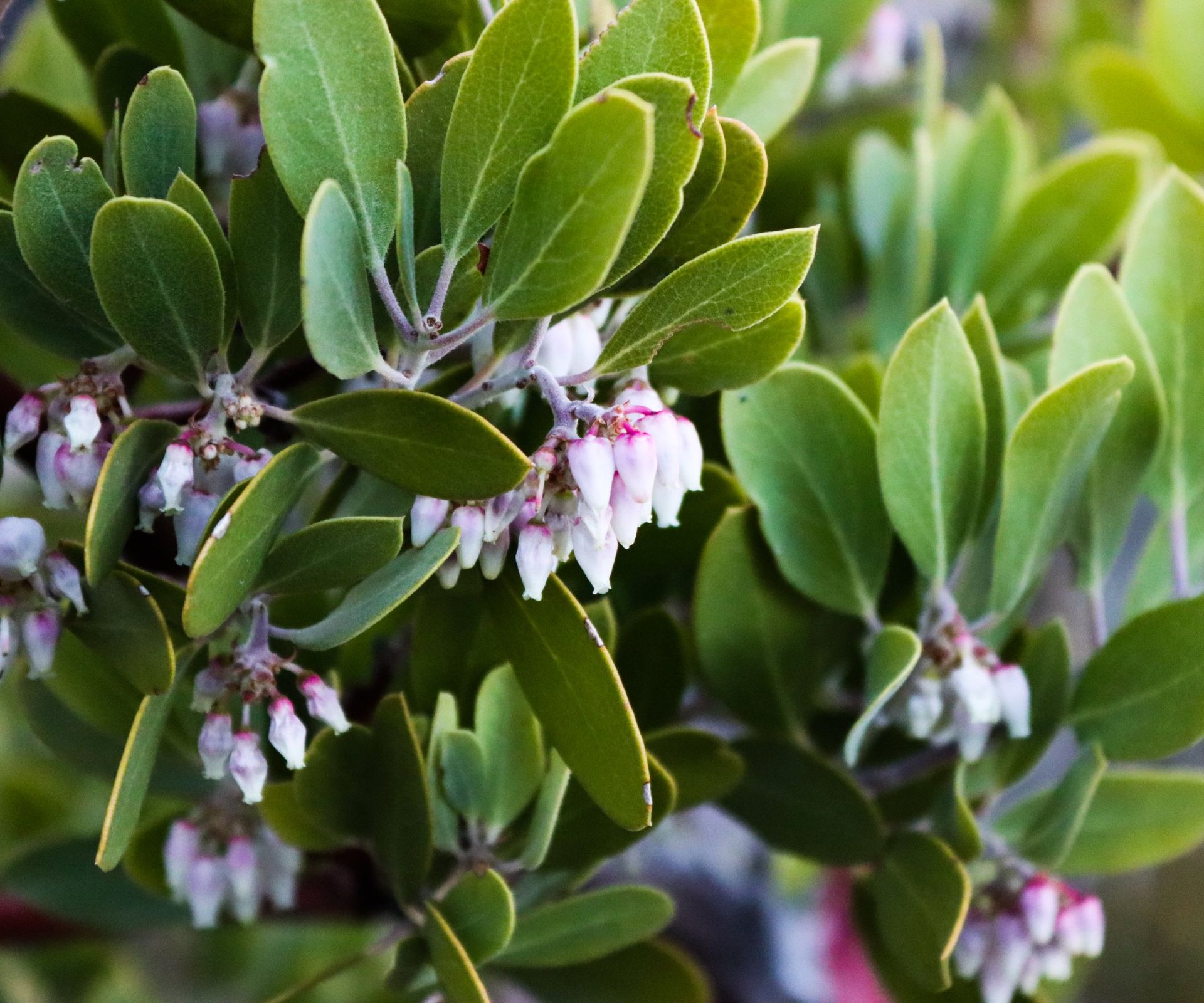
Why pick some picky shrub from a far away land when this gorgeous California native offers so much in a hedge plant? My favorite manzanita called ‘Fort Bragg’ is an evergreen, as dense and compact as you will find, growing to 3 feet (1m) tall and wide. Its round leaves are small and shiny, a deep green. The new spring stems are an incredible pink-red that deepens into Christmas green by summer.
Best of all? The flowers. Yes, this manzanita produces utterly magical clusters of bell-shaped spring flowers in the softest shade of pink. These develop into late-summer berries. Both flowers and berries are appreciated by wildlife. This native is almost immune to pest damage and deeply drought tolerant.
2. American Witch Hazel
|
Botanical Name |
Hamamelis virginiana |
|
Hardiness |
Zones 3-9 |
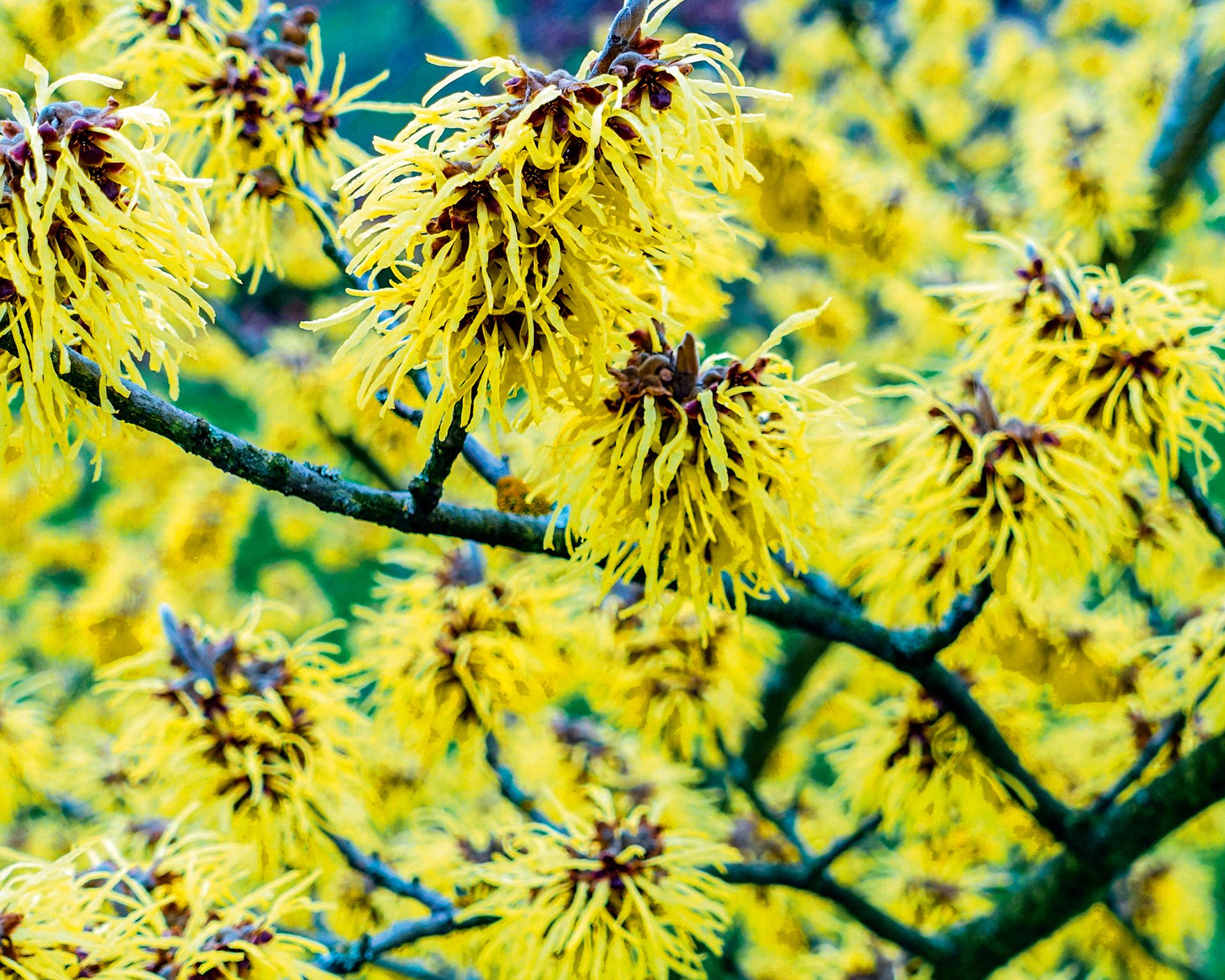
Not all native plants look alike and American witch hazel makes a very different hedge than manzanita does. This multi-stemmed shrub typically grows up to 15 feet (5 m) tall with spreading branches and an open crown.
It offers amazing fall foliage as the leaves turn brilliant yellow. But it is toward the end of fall that the real show starts. Fringed yellow flowers appear ribbon-like and hang on the branches long after the foliage has fallen.
The flowers offer nectar for insects and bees foraging late in the season, along with several species of Eupsilia moths. When the blossoms are pollinated, they go dormant for the cold season to mature the following year. The fruit provides food for the birds.
Get an American witch hazel shrub online from Garden Goods Direct.
3. Flannel Bush
|
Botanical Name |
Fremontodendron californicum |
|
Hardiness |
Zones 7-10 |
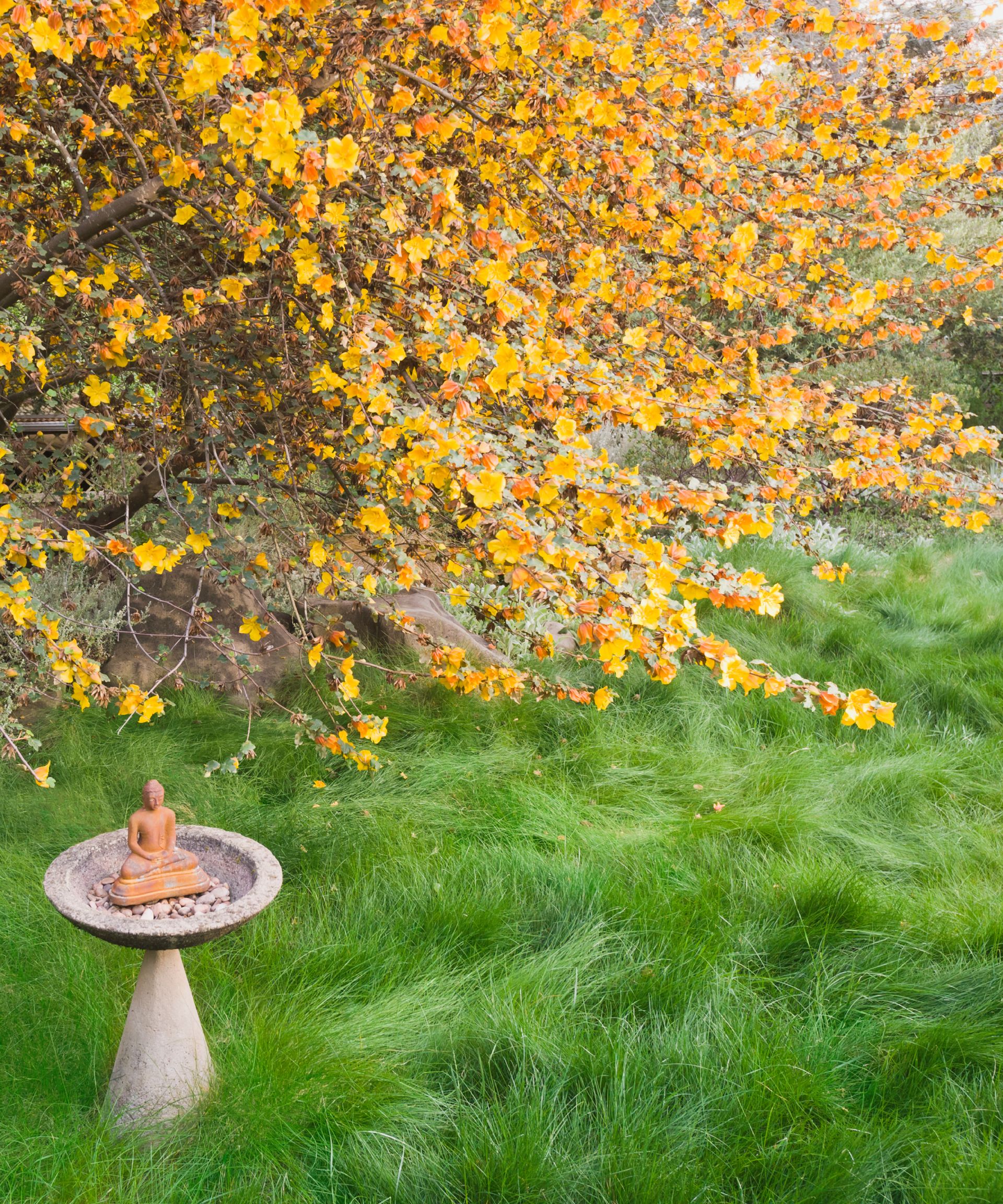
Flannel bush fans will be thrilled to discover my favorite cultivar, ‘Ken Taylor’, a daintier version that only grows to 6 feet (2 m) tall and wide. Although it is smaller, it is totally lovely with the same showy egg-yolk yellow flowers hanging on arching branches most of the summer.
Like many native plants, flannel bush needs soil that drains well. It doesn’t need much water, however, often thriving without any extra water. It loves sun as well, making it a top choice for sunny areas that are far from the garden hose.
Flannel bush can be hard to find, but you can get it online from Cistus Nursery.
4. American Holly
|
Botanical Name |
Ilex opaca |
|
Hardiness |
Zones 5-9 |
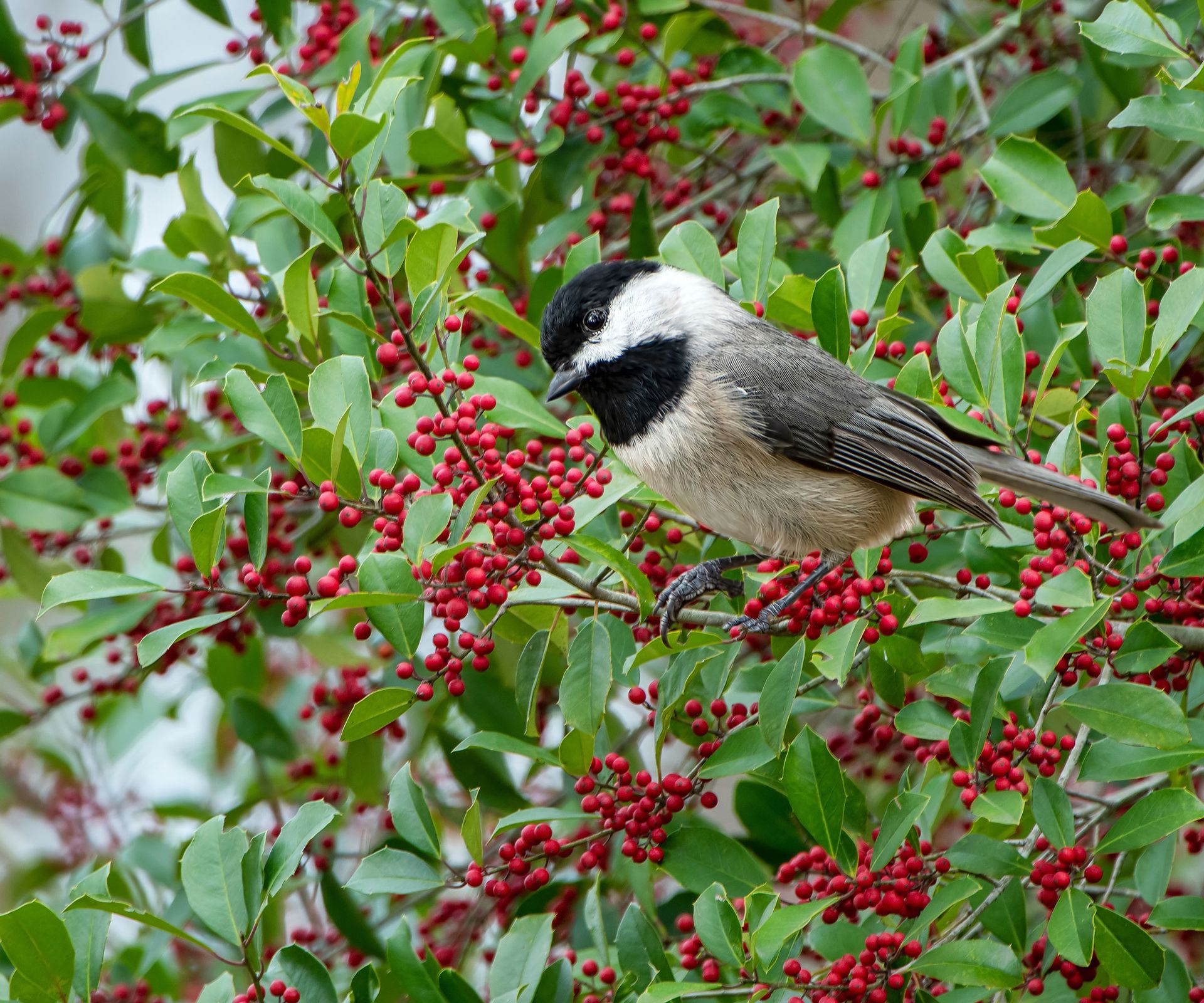
If you are looking for a dense, tall evergreen hedge that offers privacy in winter as well as summer, consider American holly. This native American tree makes a wonderful hedge, growing best in full sun to partial shade. But note when I say tall, I mean tall. Holly can eventually mature into a tree 30-40 feet (10 m) tall. It is flammable, so keep it away from the home.
The size doesn’t disqualify it as a hedge plant, if your landscape is large. But you’ll have to keep on top of the pruning. If you are ready to take on American holly, you’ll find it ideal for privacy screens, barriers, and hedges. In addition to its natural beauty, holly is a great wildlife food source too.
Get American holly shrubs to start your hedge from Trees.com (formerly Fast Growing Trees).
5. California Lilac
|
Botanical Name |
Ceanothus spp. |
|
Hardiness |
Zones 8-10 |
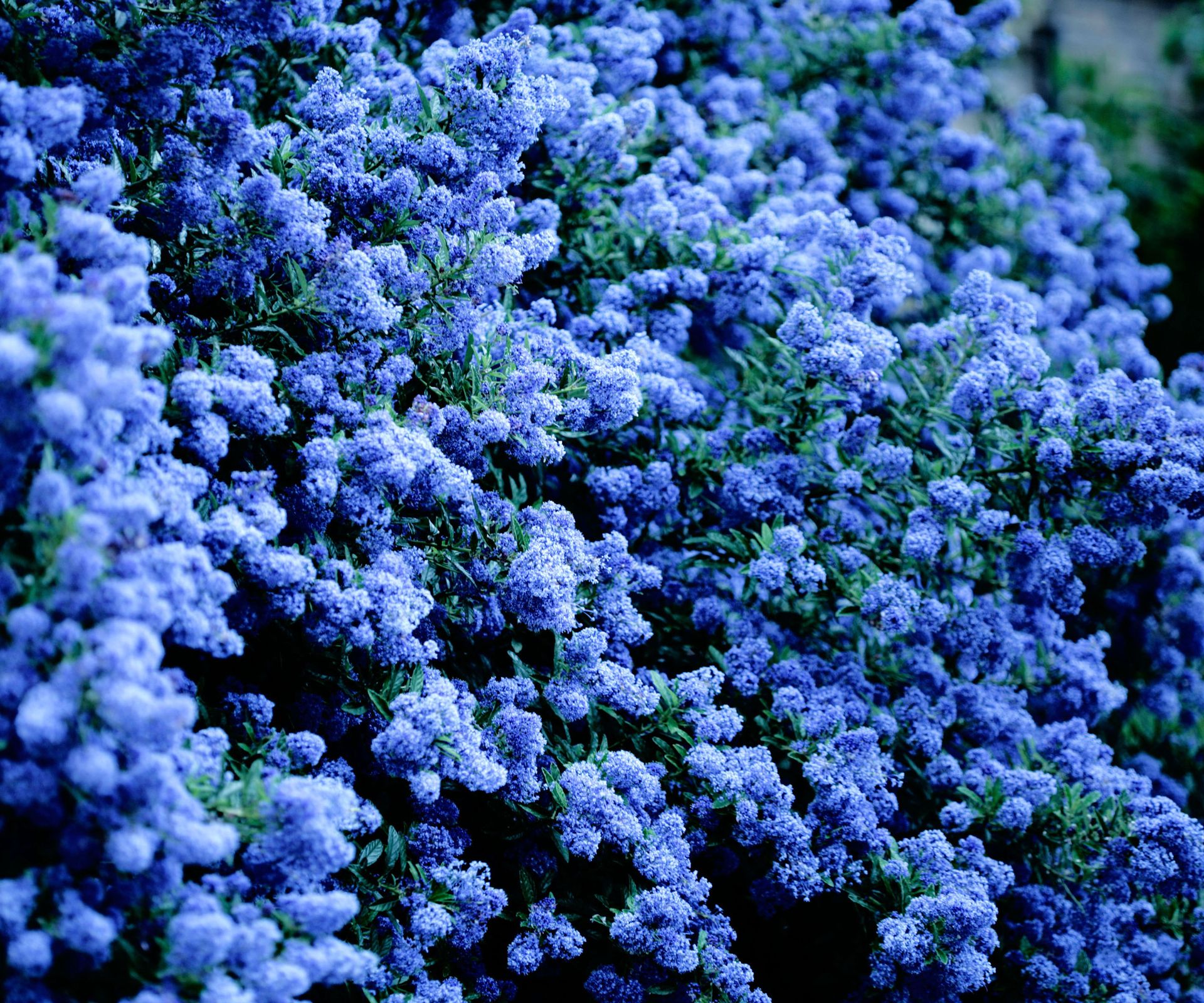
Every gardener has her favorites, and I have to say that ceanothus, also known as California lilac, is one of mine. I have a ‘Dark Star’ ceanothus (which you can buy on Etsy) in my backyard in San Francisco and totally love it. These shrubs grow to 6 feet (2 m) tall and 8 feet (3 m) wide in full sun.
It’s a tough, but gorgeous evergreen with deep-green leaves on arching branches. This shrub fills with stunning, cobalt blue flowers in spring that last all summer. Right now in late September, my Dark Star still looks like a gorgeous blue umbrella.
This tree is as easy to care for as a tree can be. This is a tree that needs no special treatment. I never water it. I leave the country for three months at a time and return to a vibrant, healthy ceanothus. It needs well-drained soil, a sunny location, and then you are set!
6. Arrowwood Viburnum
|
Botanical Name |
Viburnum dentatum |
|
Hardiness |
Zones 3-9 |
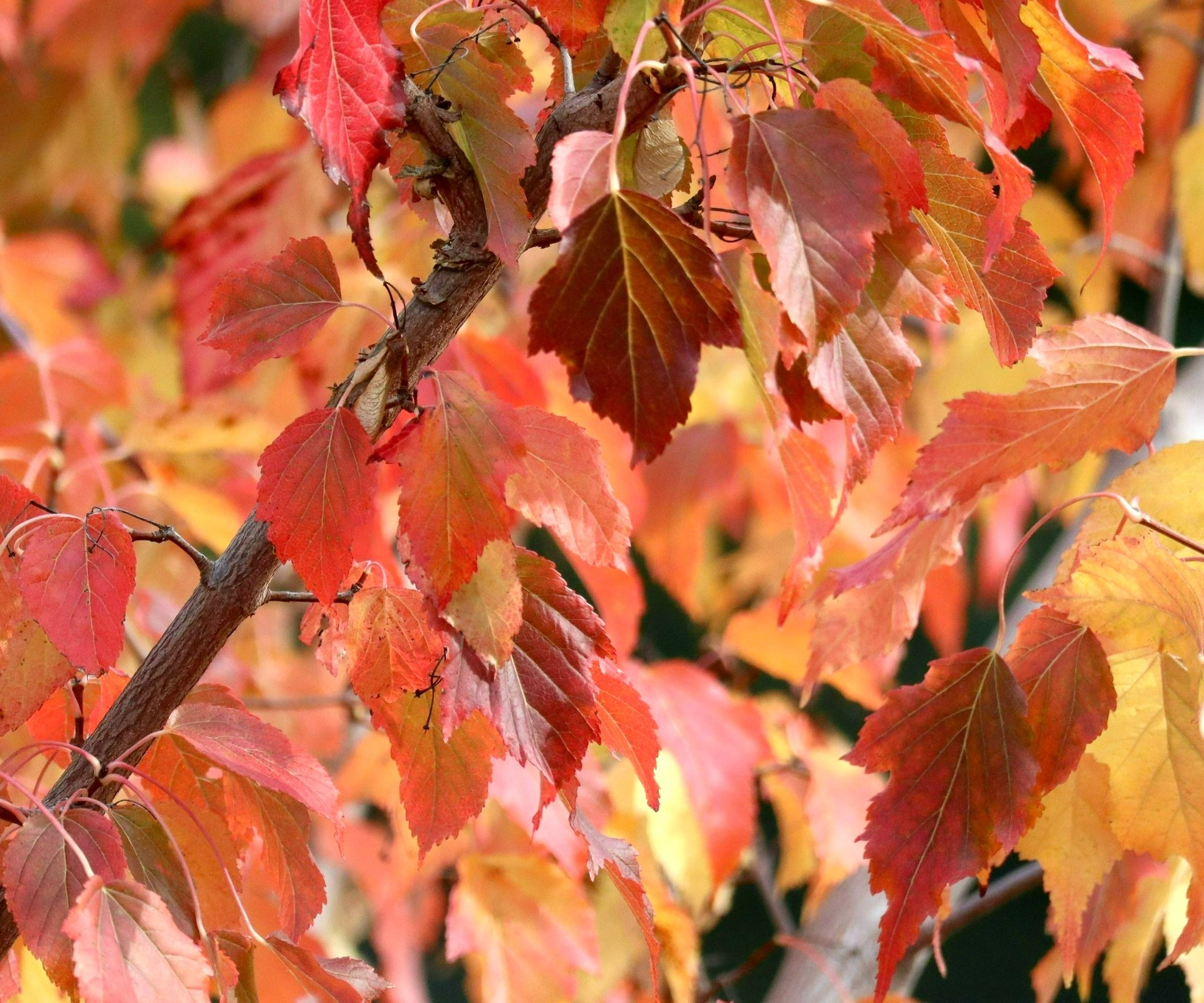
Arrowwood viburnum is a tough native plant that’s resilient and undemanding. Despite it’s tough exterior, it is a lovely sight to see in springtime with creamy white spring blossoms. These mature into dark blue fruit in autumn, which provides a feast for local wildlife.
The fiery red-purple fall leaves are the final act of this deciduous shrub. It makes an excellent dense native hedge or privacy screen, topping out at 12 feet (4 m) tall and wide.
You can find arrowwood viburnum shrubs for sale at the Home Depot.