I’ve said it before and I’ll say it again; I love a lavender dupe!
Don’t get me wrong; I love lavender, too. It’s fragrant, romantic, wonderfully purple and somehow manages to make even the most ordinary garden path feel like it belongs somewhere in Provence. But there’s a problem with having a garden full of lavender: eventually, the flowers fade, the stems get a little woody, and you’re left waiting for next year’s display.
Which is why I’ve become rather fascinated by the plants that can give us that same cottage garden feeling while keeping the show going for a little longer, whether that’s salvia or catmint. And right now, in September, one particularly fragrant lavender dupe is still flowering away across the country while plenty of our summer favorites are beginning to look… well, look really tired.
Meet The Lavender Dupe That Flowers All Fall
I have become increasingly convinced that anise hyssop might just be my favorite lavender dupe of all!
It might sound as though I’ve wandered into the herb section by mistake, but bear with me. Anise hyssop (available to buy via Nature Hills) is a North American native perennial with upright spikes of purple-blue flowers and wonderfully aromatic foliage.
Despite the misleading name, it isn’t actually a true hyssop… and it isn’t lavender either. Still, it has enough of that soft, vertical flower-spike effect to make it a very convincing garden dupe. Especially as, much like lavender, it has its own distinct scent (a little like anise or licorice, actually, when you brush against it).
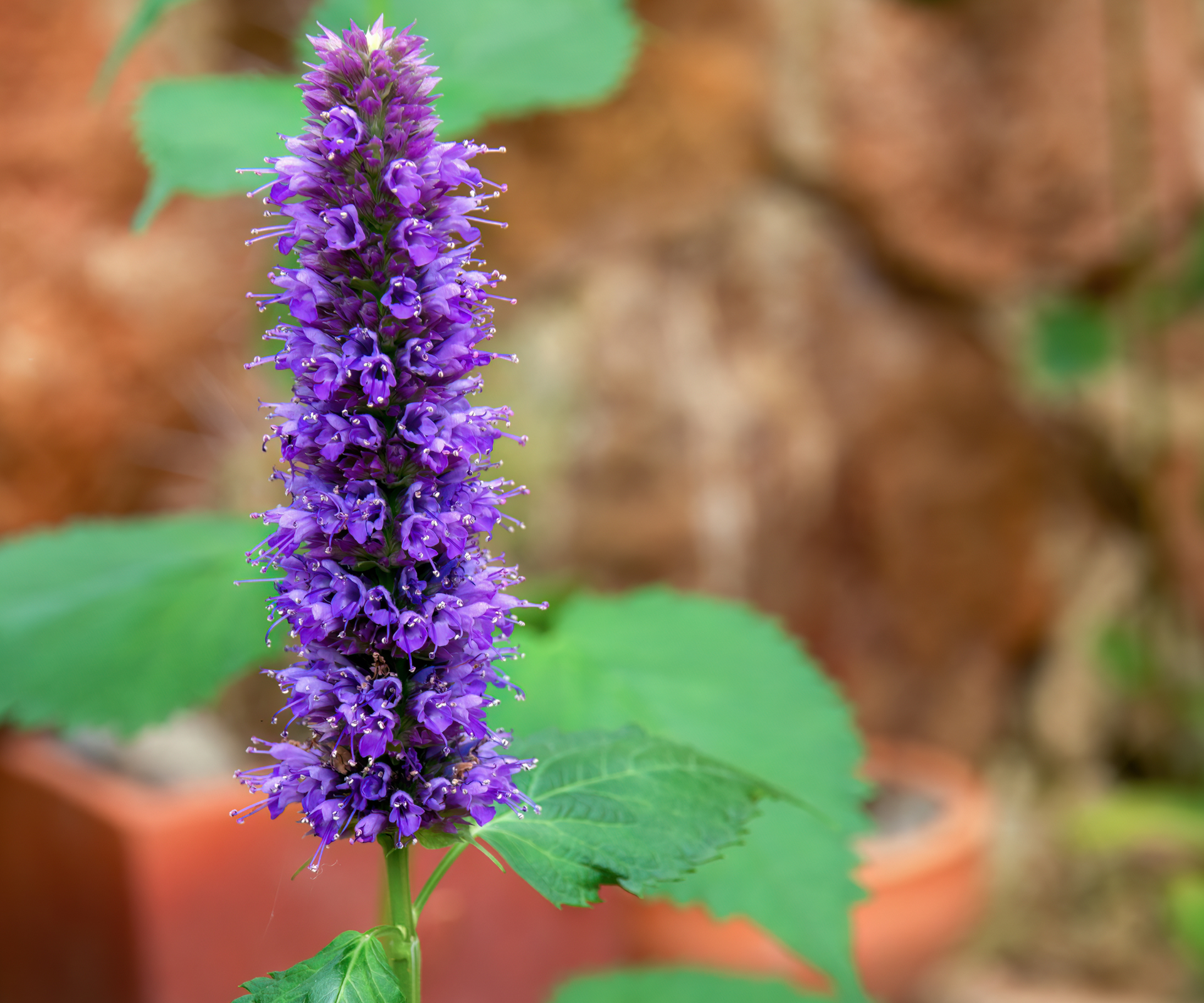
The first thing you’ll notice about anise hyssop is the shape; its upright flower spikes look very like lavender, but they tend to to be taller, with the flowers held above aromatic green foliage rather than forming the woody mound we associate with many lavenders.
Where it really earns its place, though, is as a late-season lavender dupe. Depending on the plant and growing conditions, anise hyssop can flower from midsummer into autumn. Indeed, some USDA Zones may find that this one keeps on going until the end of October (especially if you deadhead spent flowers).
As an added bonus, its flowers are attractive to bees, butterflies and other pollinating insects, and hummingbirds can also visit the blooms, making it a must for wildlife gardens. Just give it full sun and well-drained soil; much like actual lavender, you’ll find it very tolerant of relatively dry conditions once it’s established.
Shop The Best Lavender Dupes:
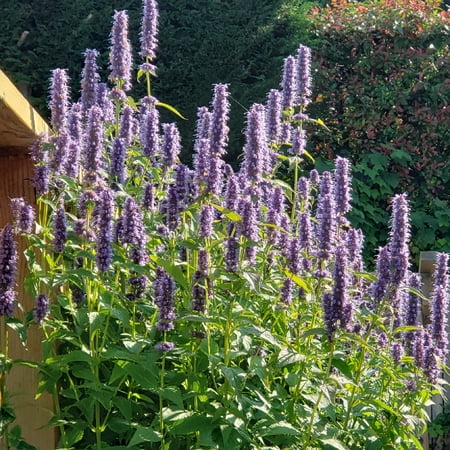 CATMINT
Anise hyssop is a brilliant wildlife-friendly plant that keeps blooming all fall.
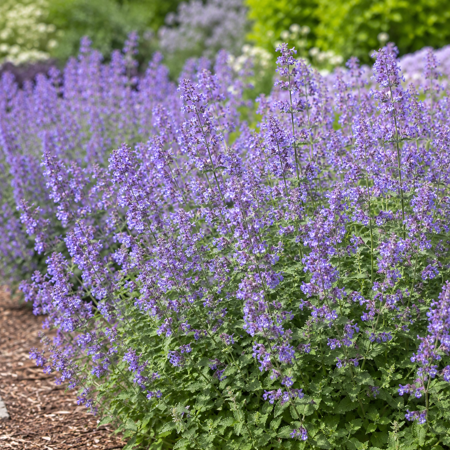 CATMINT
Catmint blooms forever, looks beautiful, and doesn’t go woody!
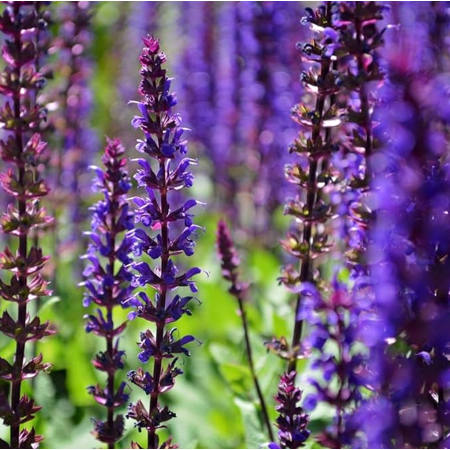 SALVIA
Another fragrant perennial, salvia is an absolute pollinator magnet.
You’ll also want to give this lavender dupe some room, as anise hyssop can reach around 3 to 5 feet tall, depending on conditions and variety; stick it in the middle or back of a border, then, rather than somewhere you’re trying to keep everything low and compact.
Look, lavender isn’t going anywhere in my garden. It still has that gorgeous scent, that silvery foliage and that unmistakable Mediterranean charm that makes it such a perennial favorite.
That being said… well, anise hyssop gives me the purple flower spikes I love, keeps flowering well into the later part of the season, smells unexpectedly delicious when I brush past it and brings a steady stream of pollinators into the garden when I really don’t want the wildlife buffet to close for the year. Who am I to say no to all of that?