As fall arrives and trees begin shedding, millions of gardeners head out to the shed to grab their lawn rakes. Most of us were taught early on that if we leave a heavy blanket of oak and maple leaves on grass, it leads to yellowed, patchy grass come spring. Because a neglected pile of wet leaves can indeed cause damage, it is easy to see how this warning gained traction. However, claiming every fallen leaf must be raked or your lawn will die asks far more of the evidence than is strictly needed.
Standard lawn care advice moved past this blanket rule decades ago, replacing the need for endless weekend raking with a far smarter, less back-breaking alternative: mulch-mowing. Instead of spending hours bagging and hauling leaves away to sit in plastic sacks, you simply run your regular lawn mower over them. A couple of steady passes with a sharp mower blade chops dry fallen leaves into manageable flakes.
Rather than sitting on top of the grass as a thick, airtight mat, these leaf fragments can go to work in the layers below. Beneficial earthworms and soil microbes pull the rich organic bits underground, breaking them down over the winter months. By the time spring arrives, the nitrogen and potassium trapped inside those leaves will be feeding your lawn for zero extra cost. Sound too good to be true? Here’s the reality of leaving leaves on the lawn in the same state as they left the tree – and how easy it can be to harness this leaf fall for good.
Meet the Fall Leaf Myth
It helps to recognize that one variation of the myth is rooted in fact. A thick, wet carpet of heavy leaves sitting on dormant grass will block sunlight and trap excessive moisture around plant crowns in cold months. Extension specialists (such as the University of Maryland Extension) advise clearing heavy leaf mats for this reason. In these cases, it’s a good idea to grab some yard waste bags, such as Durasack Heavy Duty Yard Bags, available from Amazon, to get things tidy. Just as long as you aren’t just doing this every time because you are terrified of a lawn spoiling.
Yes, prolonged dark, wet conditions do create the perfect breeding ground for destructive cool-season fungal diseases, particularly gray snow mold (Typhula incarnata) and pink snow mold (Microchrochium nivale). Both of these can damage turf grass at temperatures just above freezing. Where the “always remove leaves” rule overreaches is in using the word “always” in recommendations about clearing.
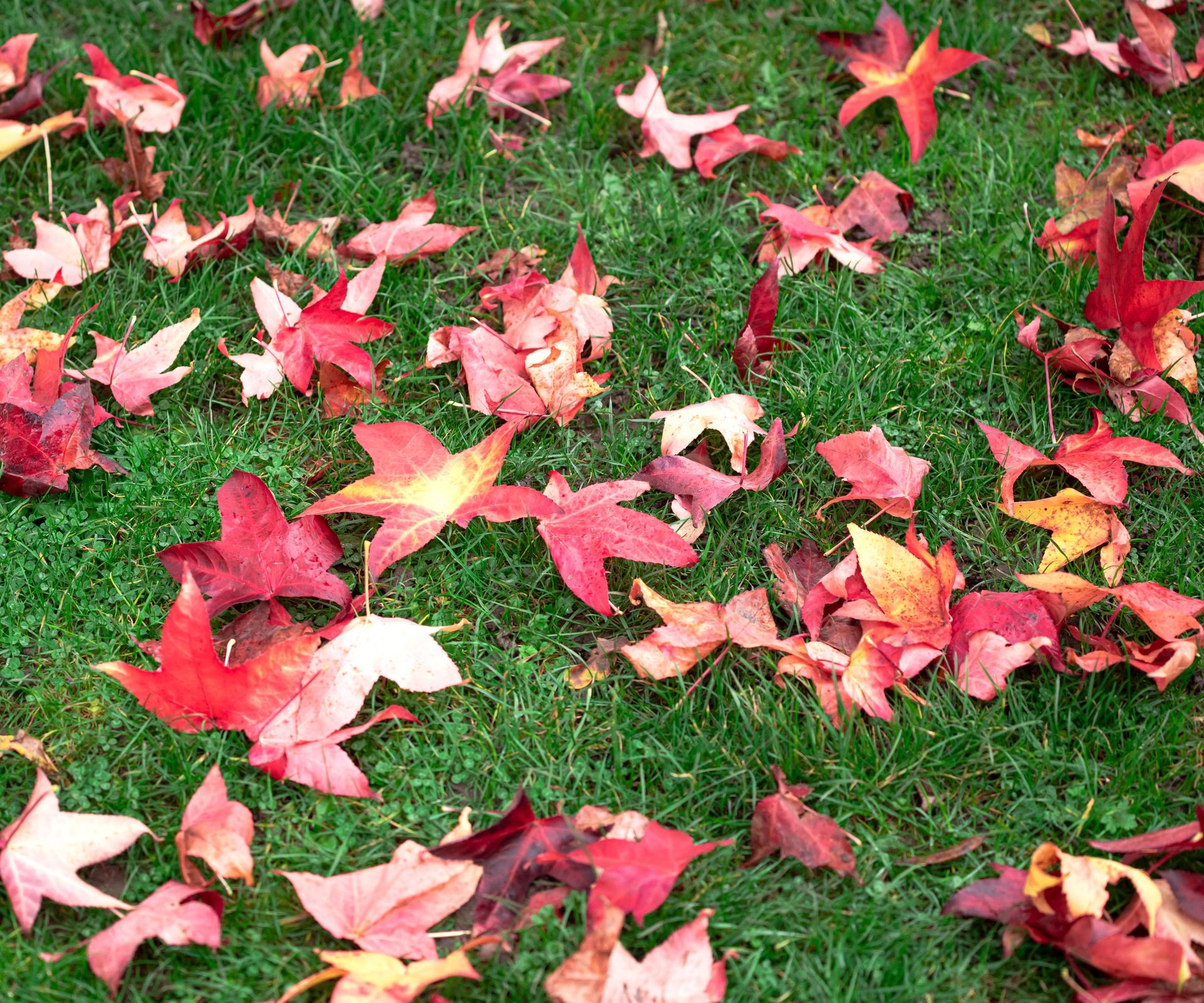
In the 1990s, when the state of Michigan banned yard waste from municipal landfills, turf scientists at Michigan State University (MSU) set out to test exactly how much leaf debris established grass could tolerate. Their findings surprised even experienced agronomists. Researchers discovered that up to six inches (15cm) of oak and maple leaves could be mulched directly into established Kentucky bluegrass with no adverse effects on turf health or density. This is way past ankle deep, far more leaf volume than most suburban lawns ever see at once. Decades of university field trials proved that leaf survival doesn’t depend on clearing the lawn, but on one crucial detail which the old rule completely ignores…
Why the Myth Sticks
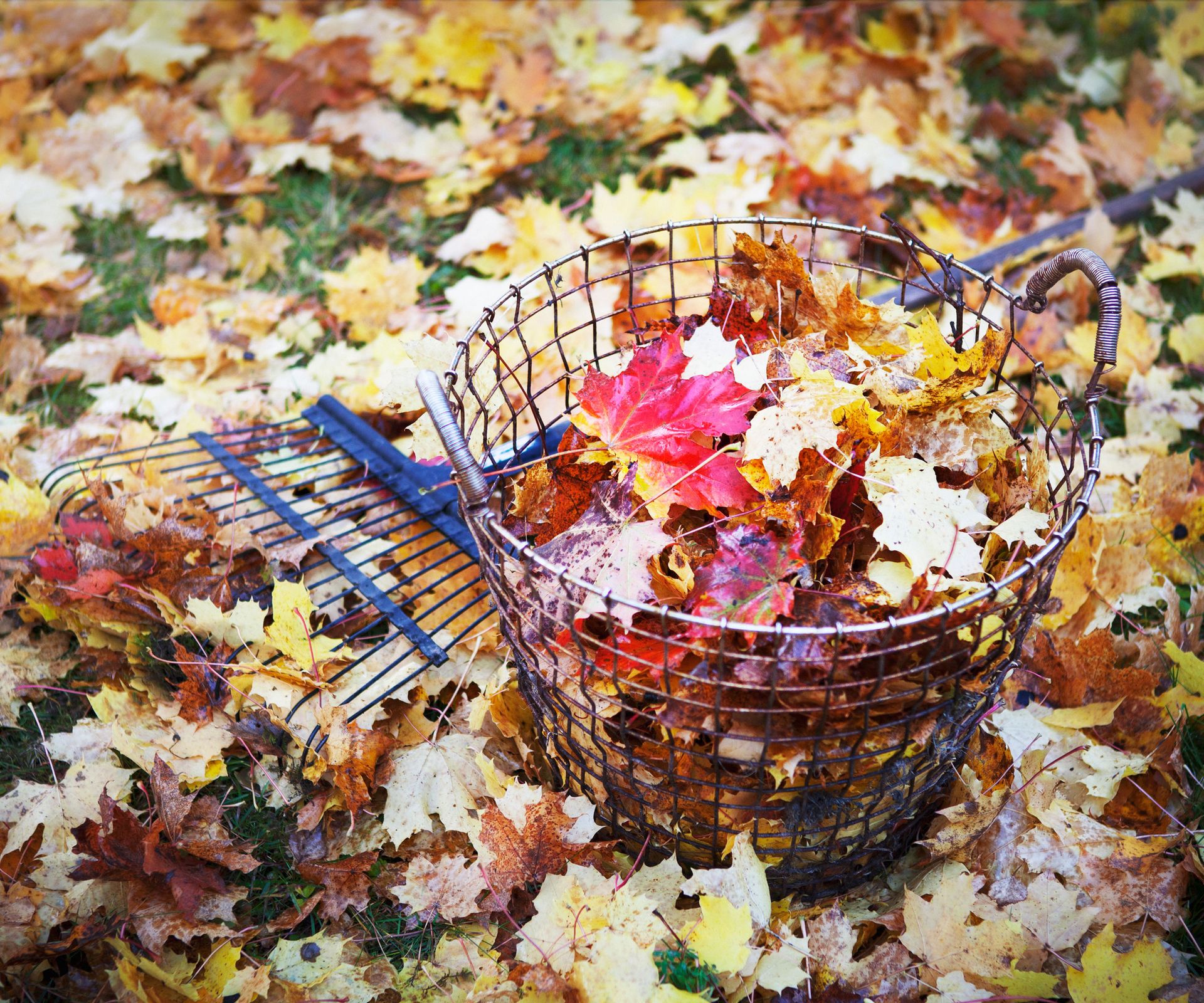
The main reason this fall cleanup myth remains so embedded in lawn care culture comes down to visibility: lawn damage is obvious, while soil improvement is invisible. Anyone who has left a pile of leaves on the grass through winter has probably witnessed the yellow patch left behind in April. That stark visual sticks in our minds and does all the persuading on its own. Conversely, a lawn that has been properly mulch-mowed looks like nothing happened. By spring, the fine leaf fragments have disappeared into the soil, leaving no visible trace behind. One outcome makes an argument, and the other leaves behind a thriving lawn.
The key factor that people might overlook is that particle size matters far more than the sheer presence of leaves. A whole broad oak leaf and a dime-sized fragment of that exact same leaf behave like two different materials once they hit the grass. A whole leaf acts like a shingle, sealing out air and trapping standing water. A tiny fragment of that leaf drops between the blades and starts rotting, exposed to beneficial soil microbes.
Many gardeners may fear that mulching oak leaves will sour soil acidity. However, soil testing by MSU scientists in 1998 confirmed that decades of mulching oak leaves into turf caused no discernible shift in soil pH, but it did increase the presence of rich, beneficial, organic matter. If in doubt, you can always check your soil pH with a diagnostic tool to be on the safe side. The highly rated Luster Leaf Rapitest Soil Test Kits from The Home Depot are an easy, reliable way to get a preliminary read on health underground, and one kit includes 40 tests.
Problems with the Myth
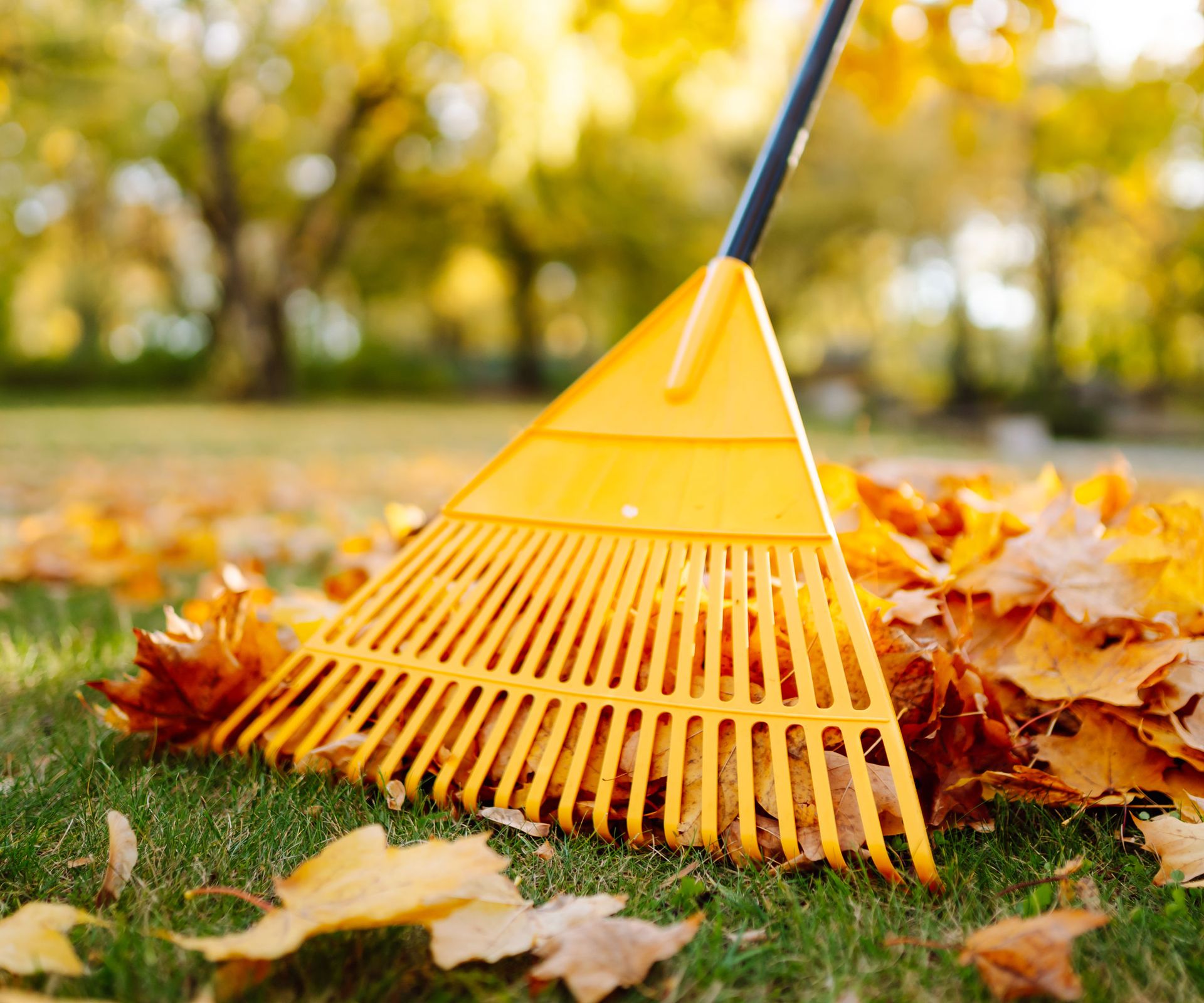
Following the old “rake every leaf” rule to the letter isn’t just unnecessary labor: it also means paying money to haul natural fertility away, only to pay again for fertilizers to replace it. Research from the University of Connecticut Extension highlights that mulching a 2-inch (5cm) layer of fall leaves into your lawn returns approximately 3.4 pounds (1.5kg) of pure nitrogen per 1,000 square feet (93sqm) over a season, alongside a generous dose of plant-available potassium. Sure, leaf residue contains lower nitrogen levels than grass clippings, and none of this should replace a full lawn fertility program – but this free organic boost can easily form part of your early spring feeding on established turf.
Beyond free nutrients, mulching leaves provides a surprisingly powerful natural defense against spring weed outbreaks. Fine leaf residue settling into the base of the turf canopy covers exposed soil patches. Because bare, sunlit soil is precisely where annual weed seeds germinate, this gentle organic blanket of leaf fragments suppresses weed growth before it can start. Field trials published by MSU researchers showed that regularly mulching maple and oak leaves led to lower common dandelion (Taraxacum officinale) numbers in Kentucky bluegrass. Over three consecutive seasons, gardeners who switch to mulch-mowing could see significantly lower dandelion and crabgrass pressure in their lawns (though of course any given lawn could respond differently).
Beyond the Myth
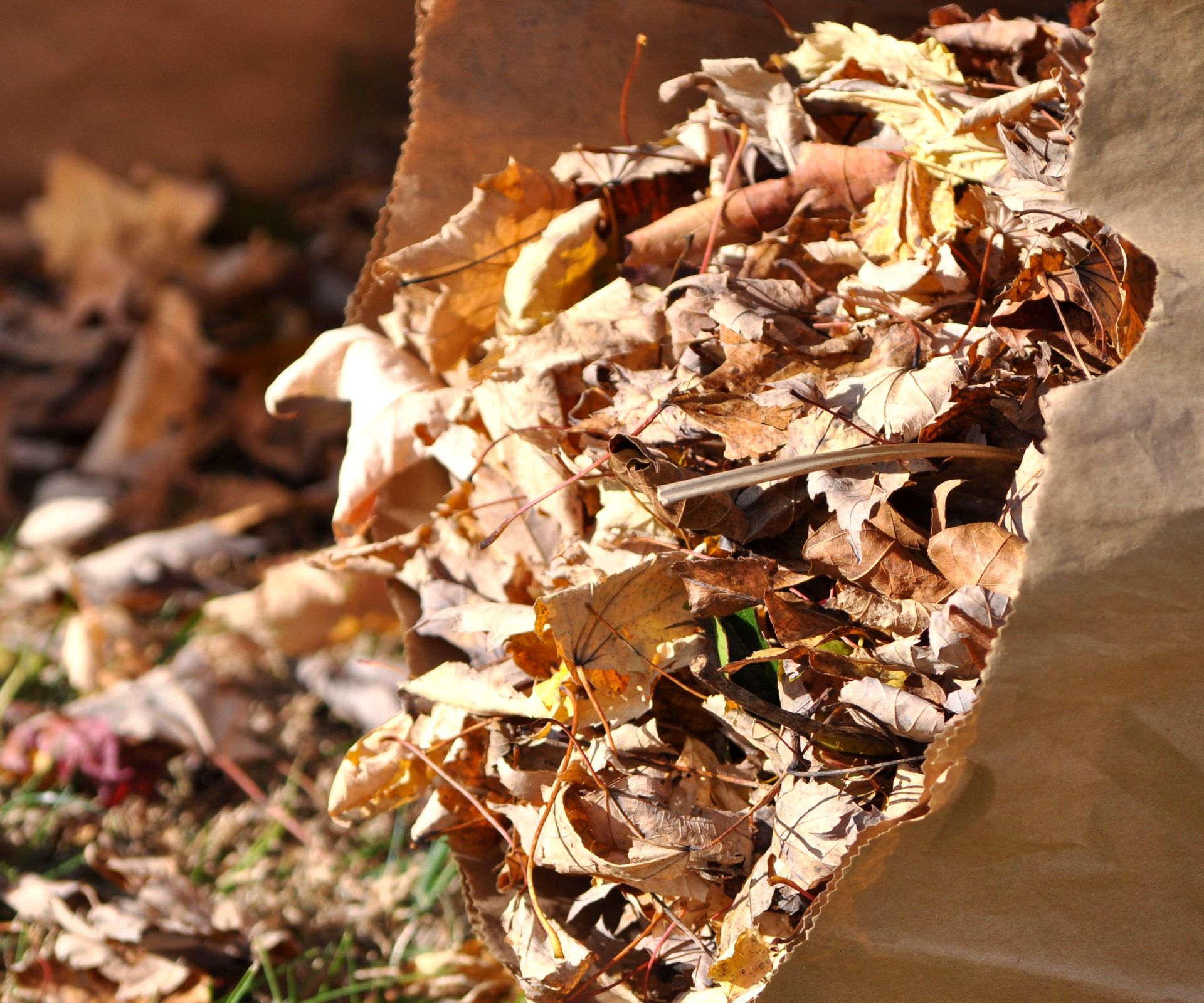
Successfully mulching leaves into your lawn comes down to a couple of things: timing and lawn mower deck height. Crisp, dry leaves chop cleanly and effortlessly, whereas a waterlogged, soaked layer of foliage will smear, clump, and clog up your mower deck. For the best results, raise your lawnmower deck to its highest setting and drive at a slow, steady pace, overlapping each pass so the leaves are cut twice.
You can get a Universal 3-in-1 Mulching Blade from The Home Depot that fits most 21-inch (53cm) walk-behind decks. A light leaf drop usually requires two passes, while tough, leathery oak foliage might need three. After leaf shredding, you should see green grass poking through, with fine leaf bits settled comfortably at soil level.
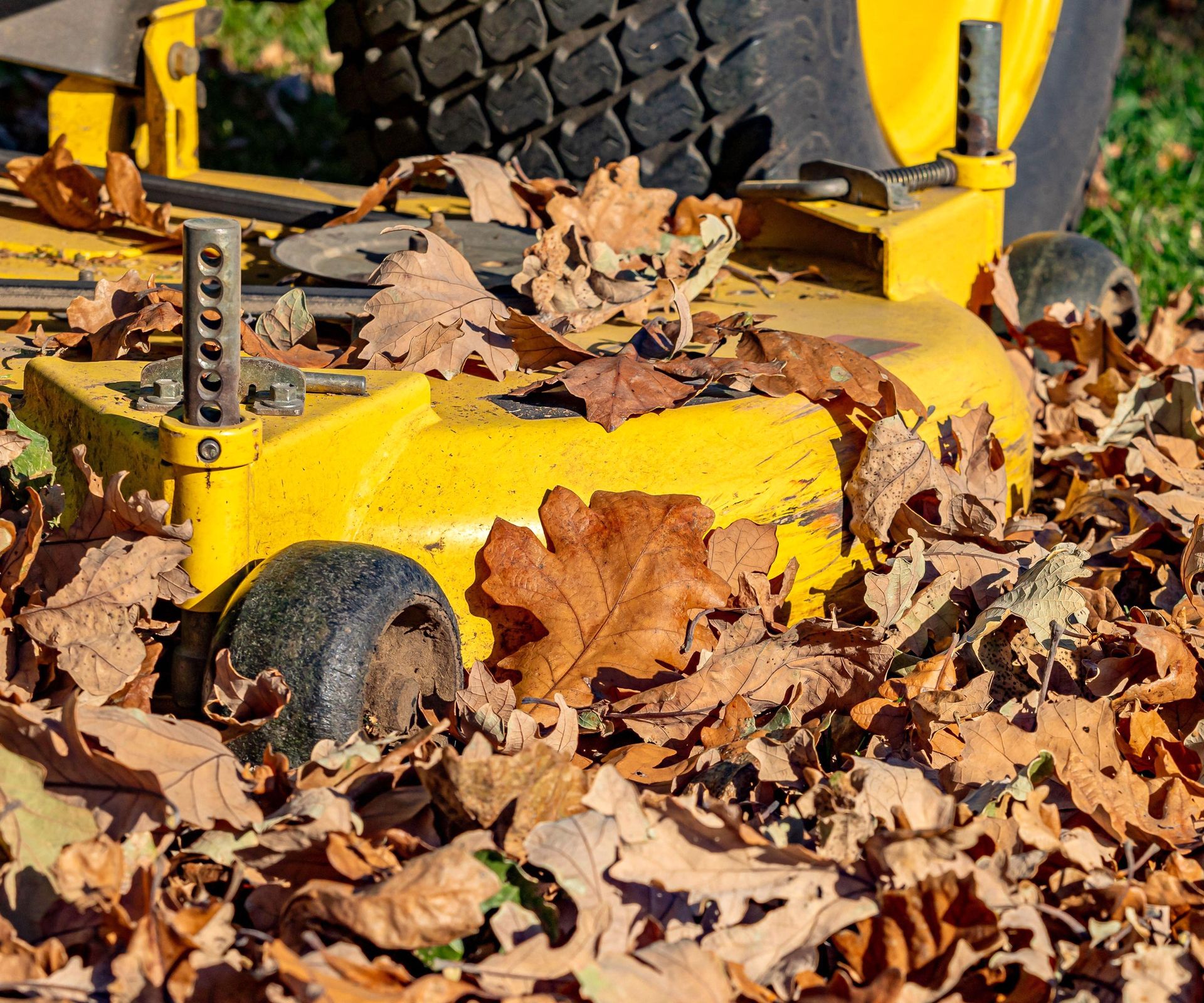
Of course, common sense still applies. Heavy leaf drifts that pile up deep against fence lines, dense shade corners, or foundation walls are too thick for any mower deck to process cleanly. Newly seeded lawns are another exception; fragile young grass seedlings need maximum sunlight and cannot push through leaf residue.
In these situations, use a wide, lightweight poly rake. The GreatBuddy Adjustable Lawn Rake with 53-Gallon Bag from Amazon has an adjustable 25-tine rake with a wide 18-inch (45cm) head, and comes with a massive 53-gallon cleanup bag. Remember, any excess leaves you rake off the lawn don’t need to go to waste. They make a phenomenal moisture-locking winter mulch for vegetable beds and flower borders.
Get Ahead of the Leaf Drop
Although September is relatively quiet on the leaf drop front across most regions, it is actually the most critical month to get started with your leaf fall. Mulch-mowing works best when you stay ahead of leaf accumulation, and can become a struggle if you wait until a thick, wet mat has formed. The best habit to build in early fall is mowing your lawn every week with the deck set high, whether a massive amount of foliage has fallen or not. Cool-season grasses are putting their energy into roots through fall anyway. So keeping the turf canopy open and active is vital.
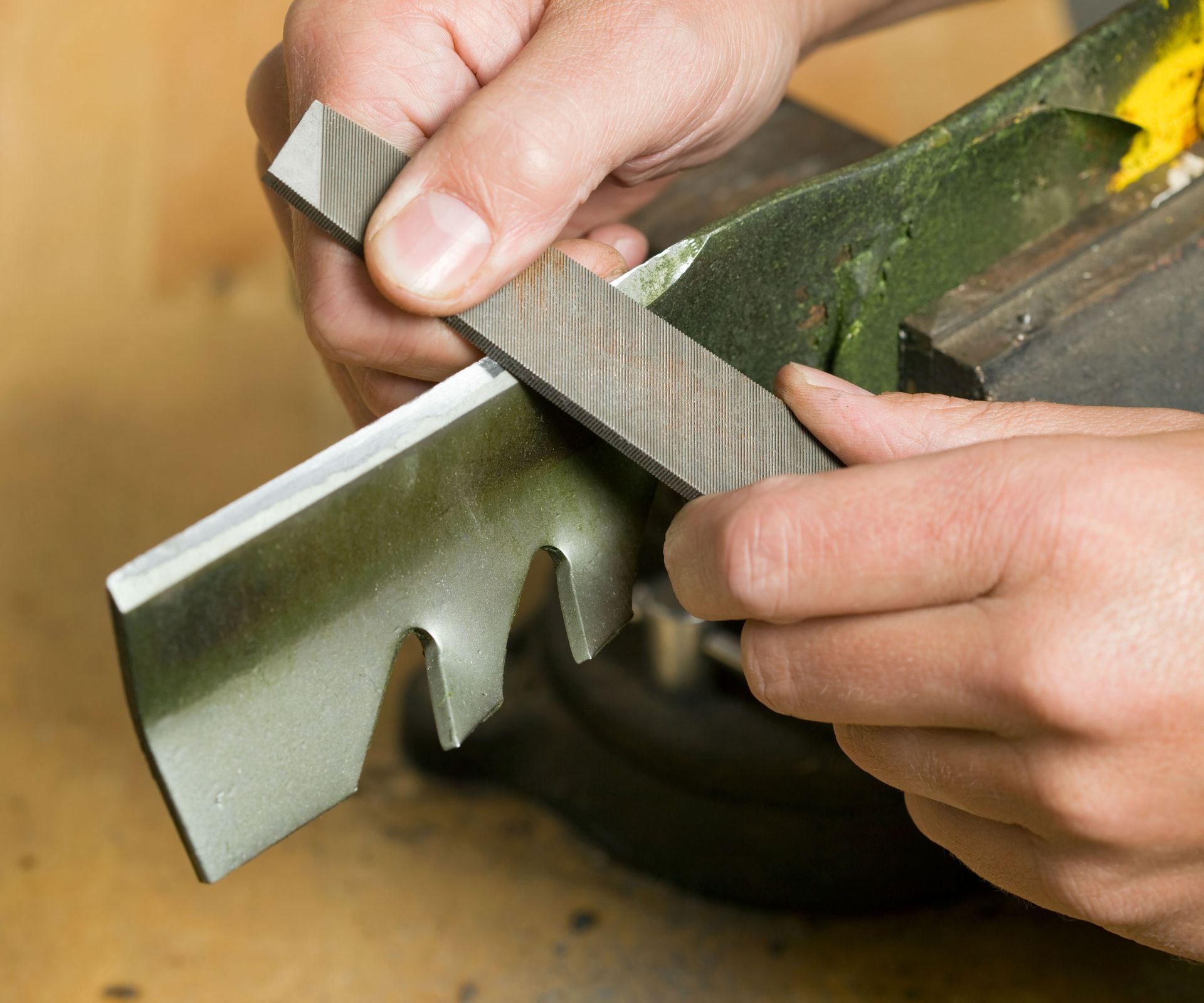
Taking 20 minutes to sharpen your mower blades before autumn hits makes a world of difference. A dull blade tears leaves into large, unsightly rags that sit on top of the grass, whereas a sharp blade pulverizes them into fine dust. It’s worth investing in a good sharpener. You can pick up Smith’s 50603 Handheld Lawn Mower Blade Sharpener from Walmart for an inexpensive way to keep mower blades razor-sharp so they cleanly slice dry fallen leaves.
Finally, if you find yourself with an abundance of raked leaves, sweep them into your flower beds or vegetable plots. Shredded leaves act as a great winter blanket over exposed soil, preventing winter erosion and breaking down into rich humus by spring. Keep up your weekly mowing schedule until cool weather halts grass growth entirely for the season.
Shop Lawn Care in Fall
Great lawn care is about time savers that make your biggest living plant look better and work harder. Combine efficient leaf raking with smart mulch-mowing and lawn feeding to keep your lawn healthy while saving you hours of labor later. This trio can help you make more of your fall debris while keeping things tidy and in good shape.
Lawn Care Trio
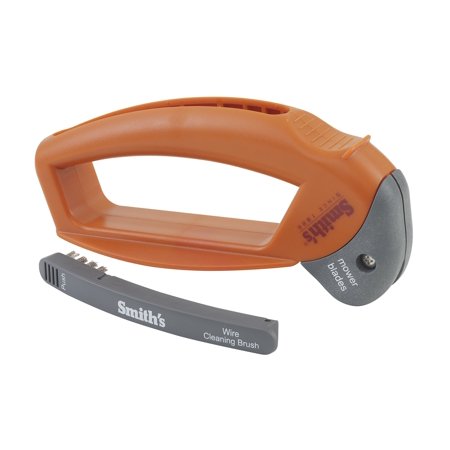 Handheld Blade Care
This nifty sharpener keeps mower blades razor-sharp so they cleanly slice dry fallen leaves into fine flakes rather than tearing them into clunky strips. It has enhanced safety features and replaceable blades, and its compact size means it fits in even modest tool boxes.
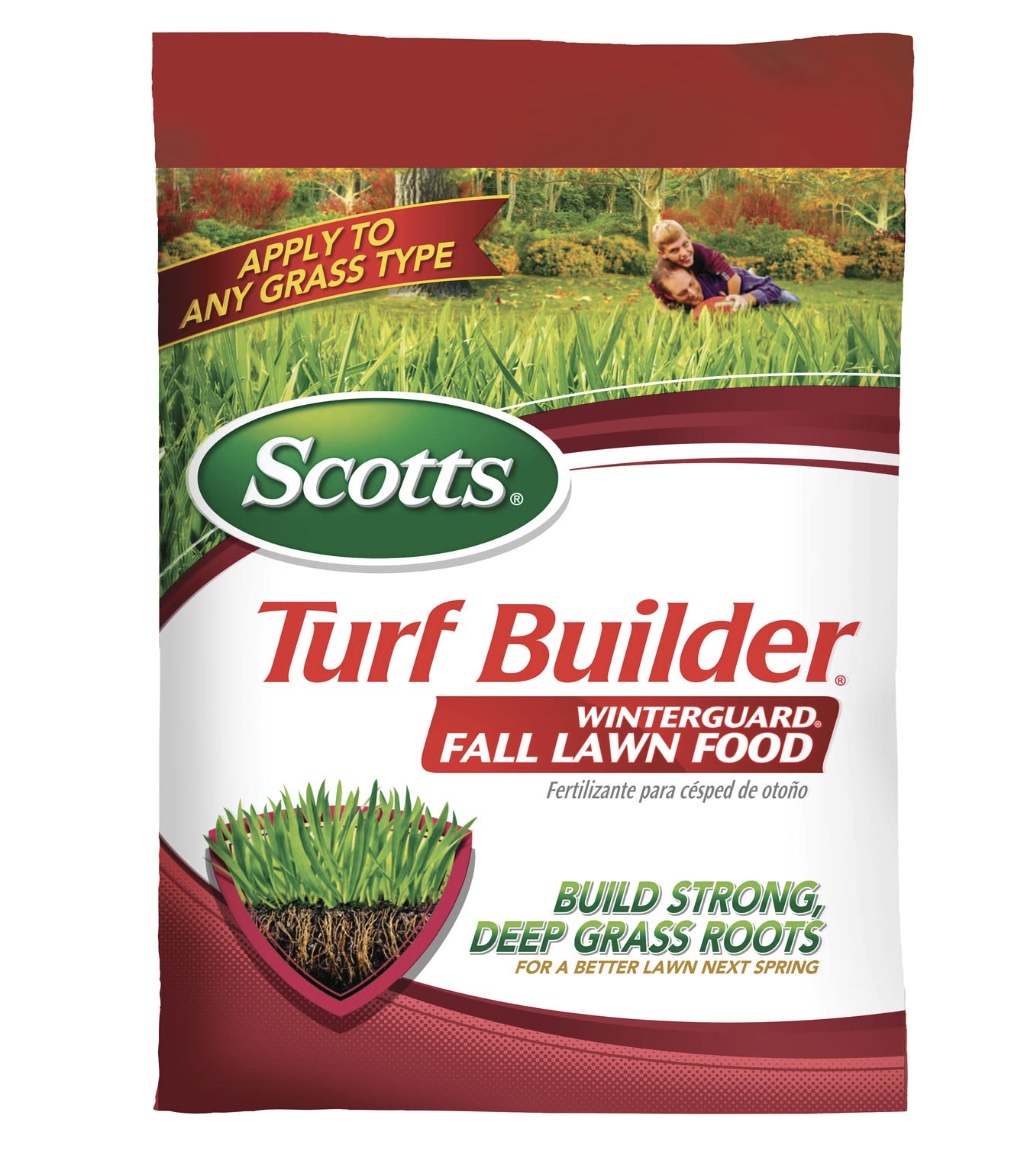 Winter Protection
Supplement your leaf mulch: this formula can deliver essential nutrients that repair summer heat damage and build strong, deep root systems before winter freezes set in. Applying this fall lawn food ensures your grass greens up faster and grows back thicker, stronger, and more disease-resistant come early spring.
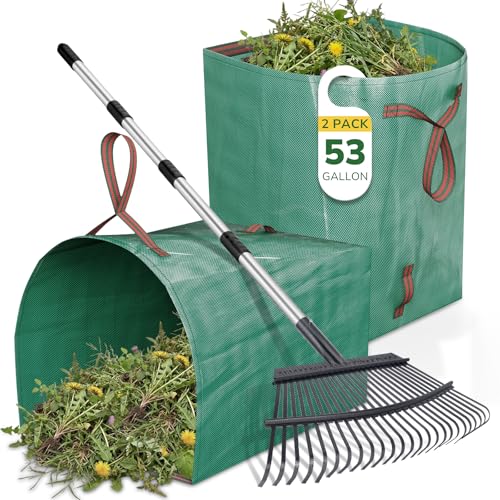 Cleanup Combo
Featuring an adjustable 25-tine rake with a wide 18-inch (45cm) head, this cleanup set lets you quickly clear heavy leaf drifts out of borders and low corners without scraping up turf crowns. Use the 53-gallon pop-up bag to move dry foliage to your compost pile or flower beds.
The traditional lawn care rule was never actually that leaves must be gone: it was simply that they need to be small. Whoever wrote the old rule about clearing every single fall leaf was guessing at the most obvious solution available at the time, and homeowners have suffered through long, exhausting Octobers ever since. By replacing your heavy rake with a weekly pass of the lawnmower, you can stop fighting against fall leaves and start using them to nurture a healthier lawn for spring.
Need more ideas for getting the most from your plants, indoors and out, and looking for the best seasonal expert advice delivered straight to your inbox? Sign up for the free Gardening Know How Newsletter!