Spider plants (Chlorophytum comosum) coast through summer on very little attention. Fall asks a bit more. The trailing stems that eventually carry flowers and baby plantlets usually form once nights run long and stay dark for several weeks straight. By late September, nights across the country are already longer than days.
Standard spider plant care covers the basics all year. September adds a short list on top of it, mostly aimed at plants coming back in from a porch or patio, plus a couple of jobs that shape how the plant looks come winter.
1. Bring It Back Inside Ahead of Cold Nights
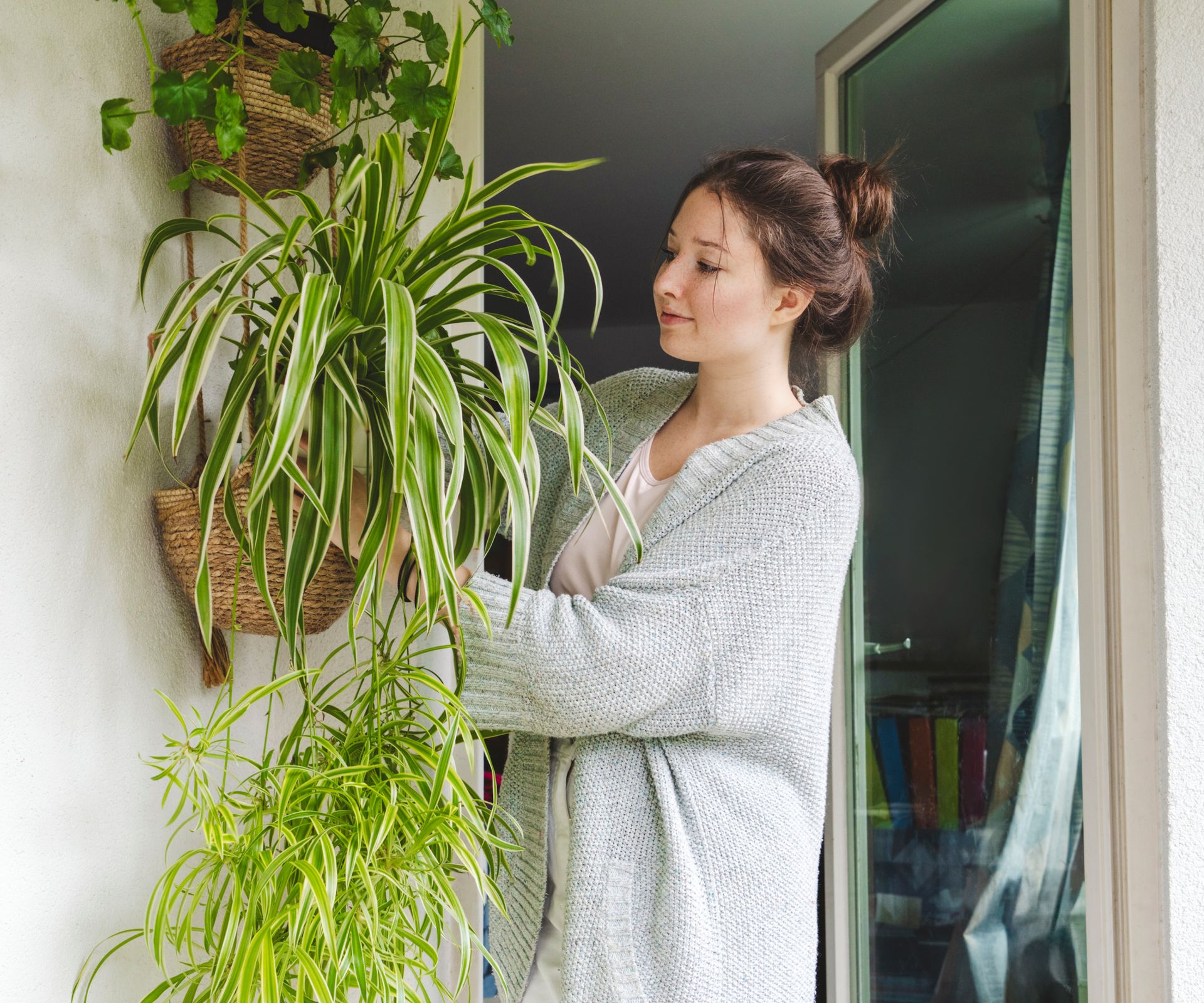
Cold is one thing spider plants don’t shrug off. Most guidance puts the safe floor somewhere around 45–50F (7–10C), and tropical houseplants in general should head indoors once nights settle near 50F (10C). In parts of the Midwest, that can mean mid-September. A first frost warning is the deadline, not the cue – by then the plant has likely sat through several chilly nights already.
The move goes smoother in stages. Shift the pot into light shade for a few days, followed by deeper shade, and only after that bring it into a bright spot out of direct sun. A few yellow leaves after the switch are normal. Once it’s settled, keep it a few feet back from drafty windows as the weather cools.
2. Check Every Leaf for Hitchhikers
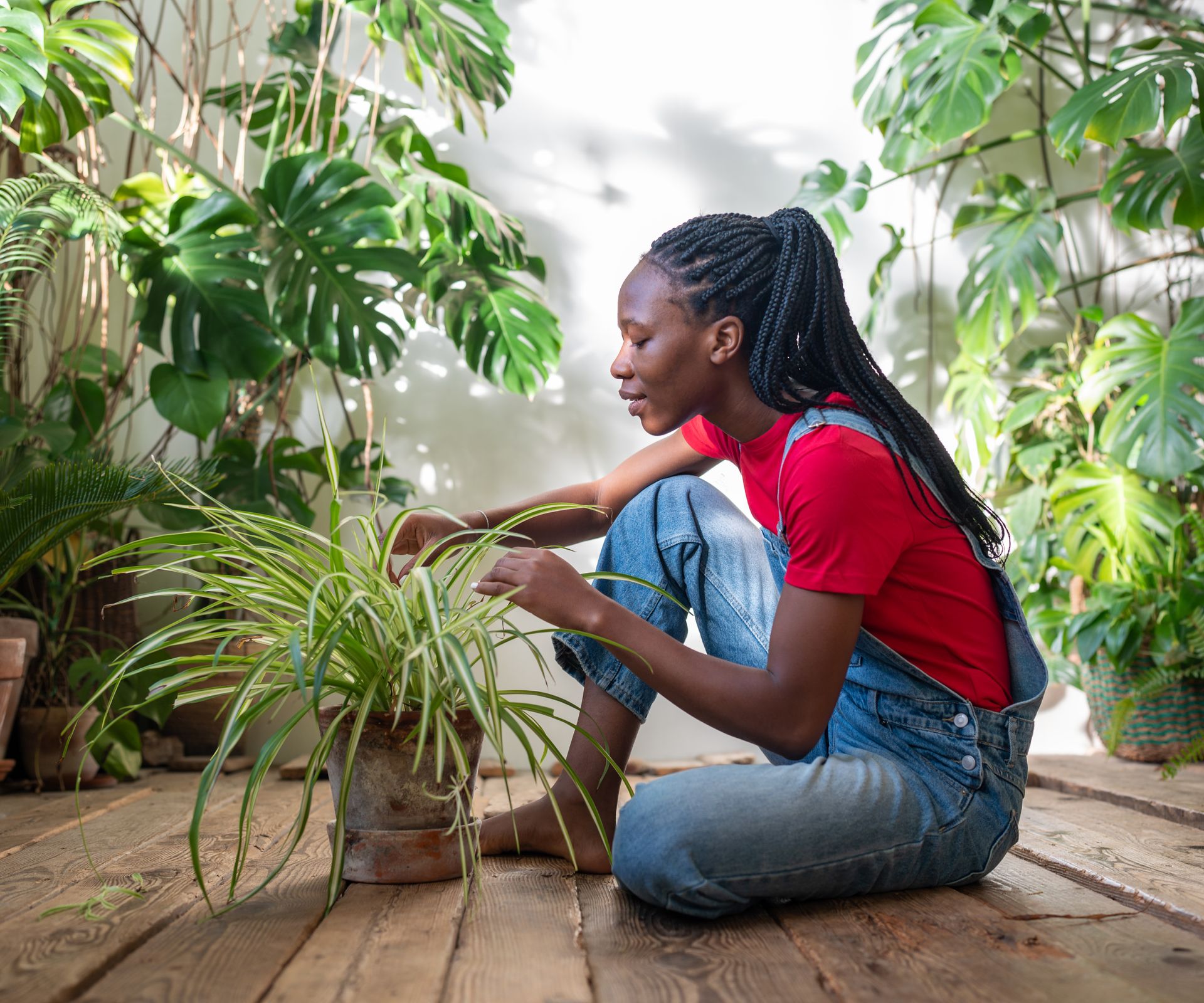
Pests that barely register outdoors can build up fast once a plant is inside for the winter. Spider mites (Tetranychus urticae) are a common one on spider plants, leaving fine pale stippling on the leaves and sometimes faint webbing. Whiteflies (Trialeurodes vaporariorum) turn up as well. So does soft brown scale (Coccus hesperidum). Tip the pot sideways and look at the undersides of the arching leaves, then slide the root ball out and check the drainage holes, too.
A hard rinse with the hose knocks back light infestations. For anything heavier, Amazon carries Garden Safe insecticidal soap, a ready-to-use spray that only kills what it touches – so both sides of every leaf need a thorough coat. Test a few leaves first and give it about a week before treating the whole plant. Soap injury can be slow to show.
3. Give It Long, Dark Nights
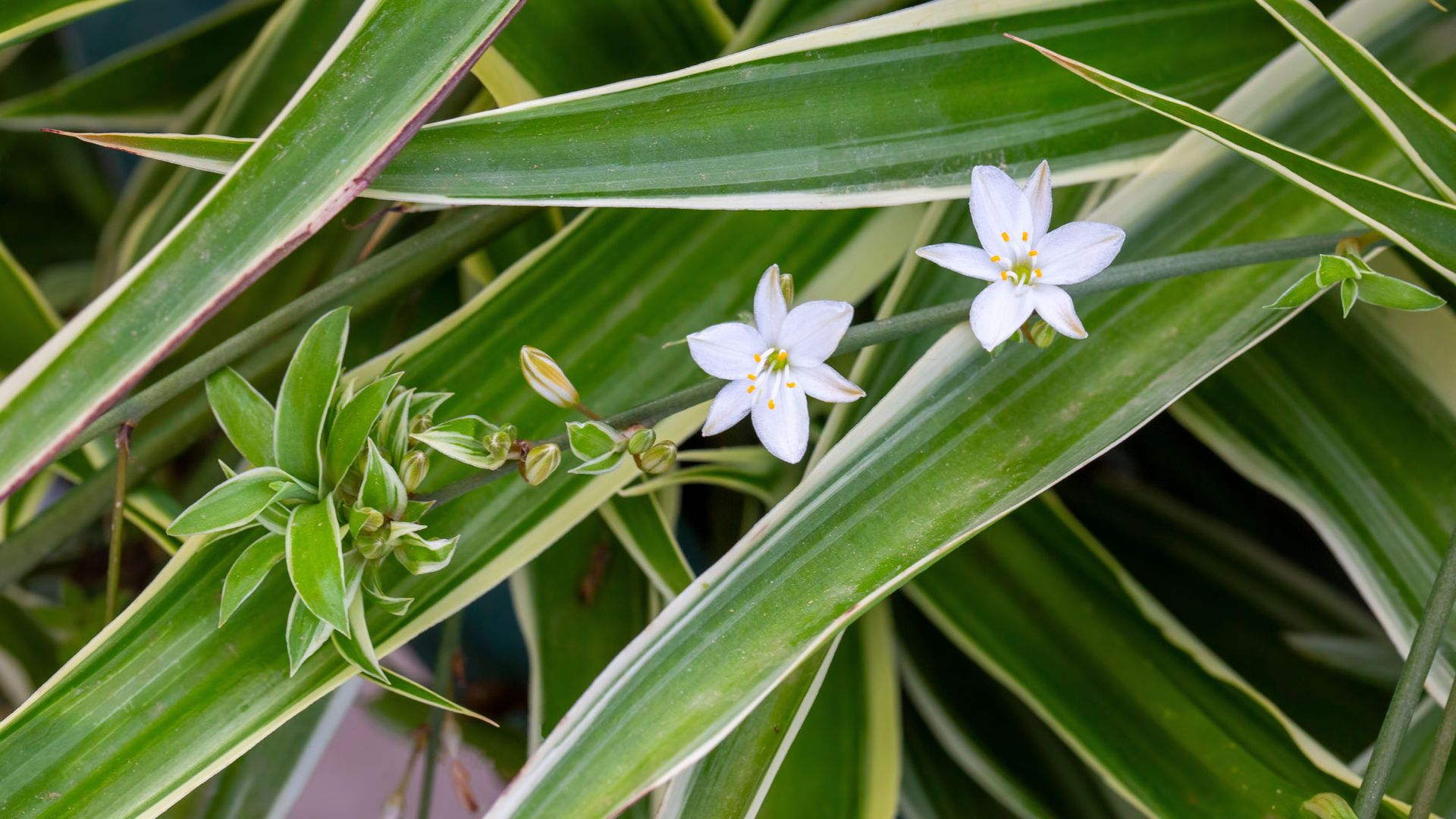
Plenty of houseplants don’t care much how long the night is. Spider plants do. Spider plant flowers (and the plantlets that follow) typically appear after at least three weeks of short days and long nights without interruption. A plant parked beside a lamp that stays on until midnight might keep making leaves and not much else.
Indoor plants don’t always stick to that pattern, and some throw runners at odd times of year. Still, fall is when they produce most of their offshoots. A room that goes dark after sunset helps. Bright, indirect light during the day is still the goal, though midday sun through glass can scorch the leaves.
4. Pot Up the Plantlets
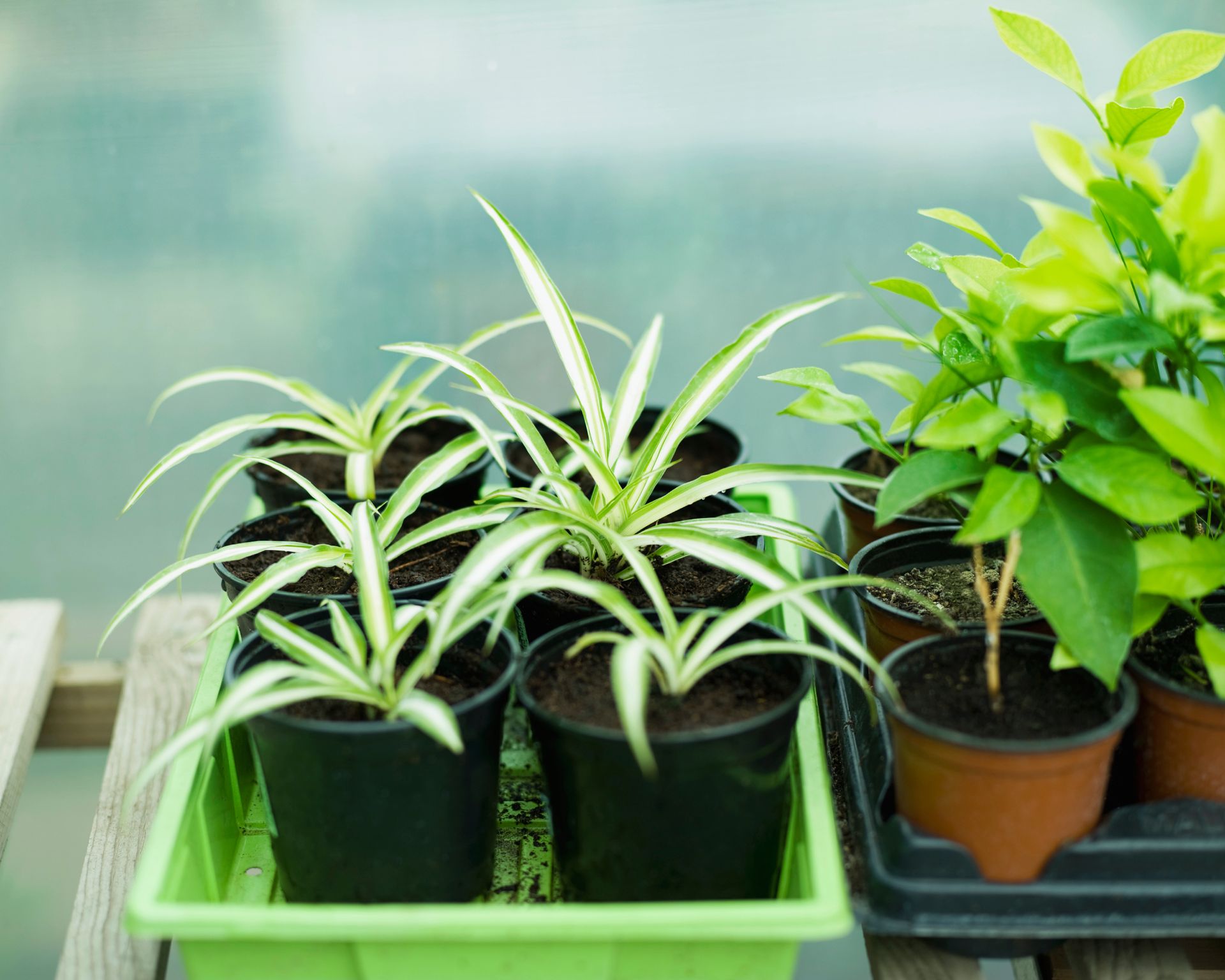
You can propagate spiderettes that already have little root nubs – just snip them off and set them into moist mix. The ones without roots do better staying attached for now. Set a small pot beside the mother plant, rest the plantlet on the soil surface, and pin it down with a bent paper clip until it roots, then cut the runner. These nursery pots from Amazon make it easy to spot when roots have filled out.
A soilless medium is the usual pick for rooting. Amazon stocks Espoma Organic Seed Starter, a peat and perlite blend made for seedlings and cuttings. Keep it evenly damp but not soggy. Wait four to six months before feeding newly potted plantlets.
5. Stop Feeding and Flush the Soil
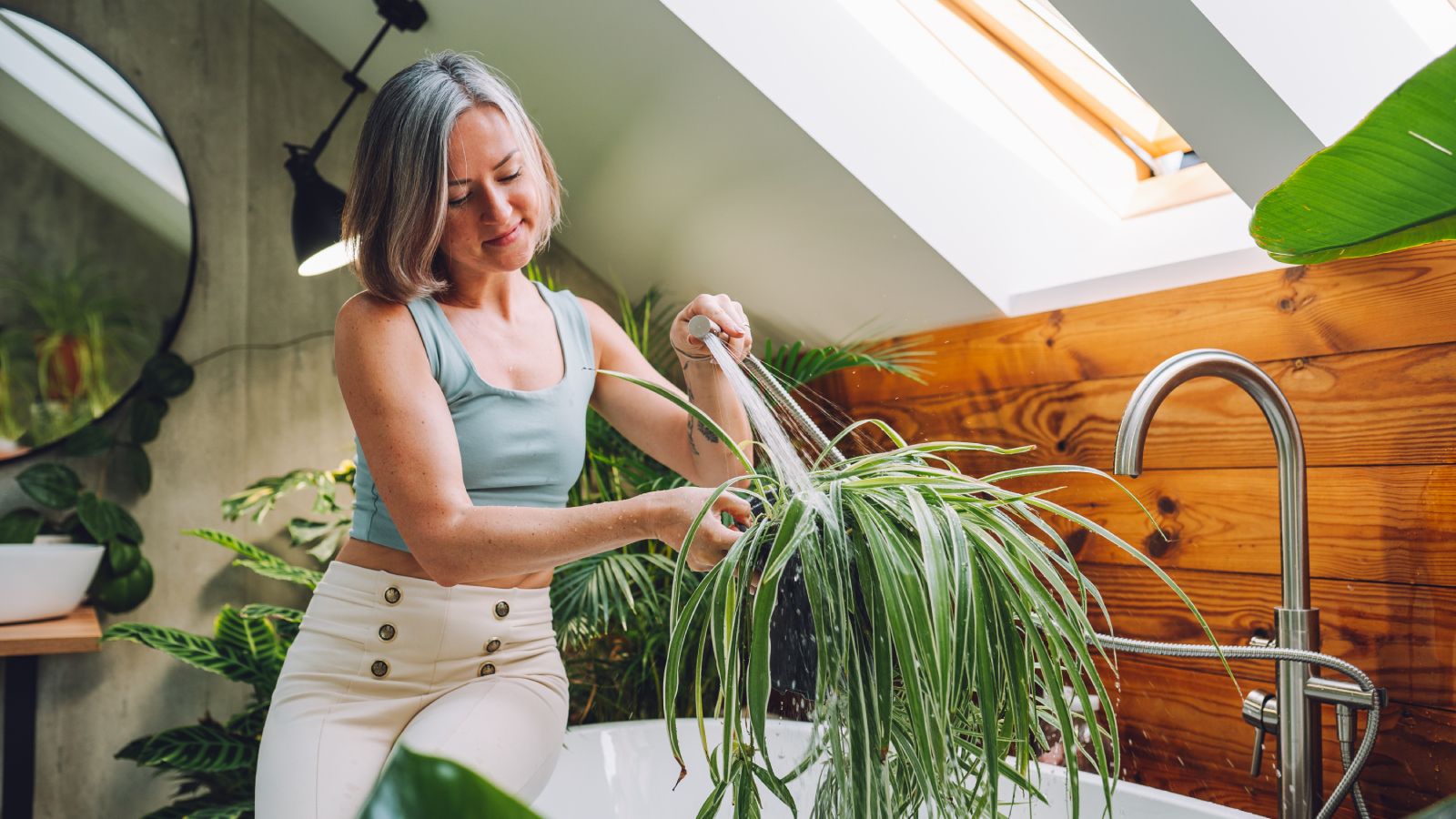
Spider plant feeding can taper off now. Growth slows as the light fades, and heavily fertilized spider plants tend to produce fewer plantlets anyway. Leftover fertilizer salts are also a common cause of brown, crispy leaf tips.
Before the plant settles in for winter, pour a generous amount of plain water through the pot and let it drain out completely. It rinses away some of that buildup. Tap water can cause the same browning on its own, since spider plants are sensitive to fluoride and chlorine – rainwater or distilled water sidesteps that problem. Water a little less often as the house cools, letting the soil dry slightly between waterings.
By late fall, the difference usually shows up in the runners. A plant that came in clean and spent its evenings in the dark has a good shot at trailing a fresh set of plantlets over the edge of the pot before winter is out, and each of those can become another spider plant.