It can be so rewarding to grow your own food, including tasty berries like blueberries, strawberries, raspberries, and more. Not only are they fresher and more nutritious than store-bought, but homegrown berries just taste better.
If you grow berries, you probably already know the frustration of losing fruit to animals before a harvest. Both birds and mammals love berries, too, and they won’t respect the boundaries of your garden. Keep in mind that knowing how to protect fruit trees from birds is not exactly the same as protecting berries, which generally grow lower to the ground and attract more critters.
From squirrels to birds to rabbits, deer, and raccoons, your berry canes and bushes are susceptible to significant nibbling and harvest loss. Below I’ll share my top tips for protecting those berries so you can enjoy the fruits of your labor.
1. Cover Berries With Bird Netting
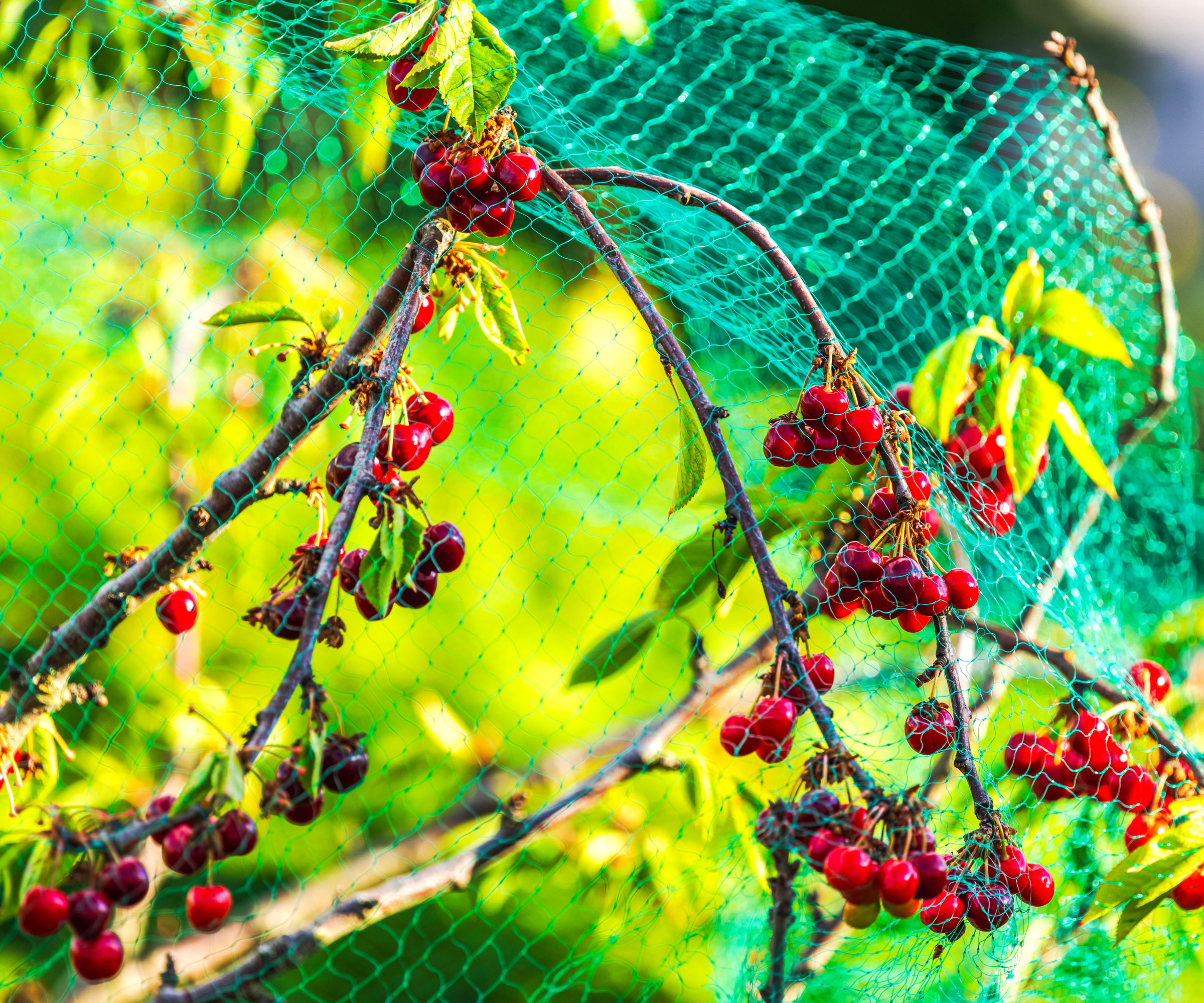
A physical barrier is the most foolproof, simple, and humane way to protect fruit from animals. If you can physically prevent animals from getting to your berries, you’ll keep both the fruit and the critters safe. Use this as your primary strategy for berry protection.
Bird netting, which you can get from Ace Hardware, is the most dependable solution for vulnerable berries. If you contact your local extension office for guidance, this is probably what they’ll suggest as the most effective method since birds are the primary problem. Make sure you use a net specifically designed for birds, as these are safe and won’t cause other wildlife to get tangled.
Install bird netting over berries before they ripen. Once birds discover ripe berries, it can be hard to keep them away. The best way to install the net is to use a frame around the bush rather than simply draping it over.
Use stakes, garden hoops, or any simple frame to surround the bush with the net. Use more stakes or garden staples to secure the net to the ground so birds can’t get in underneath it.
2. Build a Cage or Fruit Tunnel
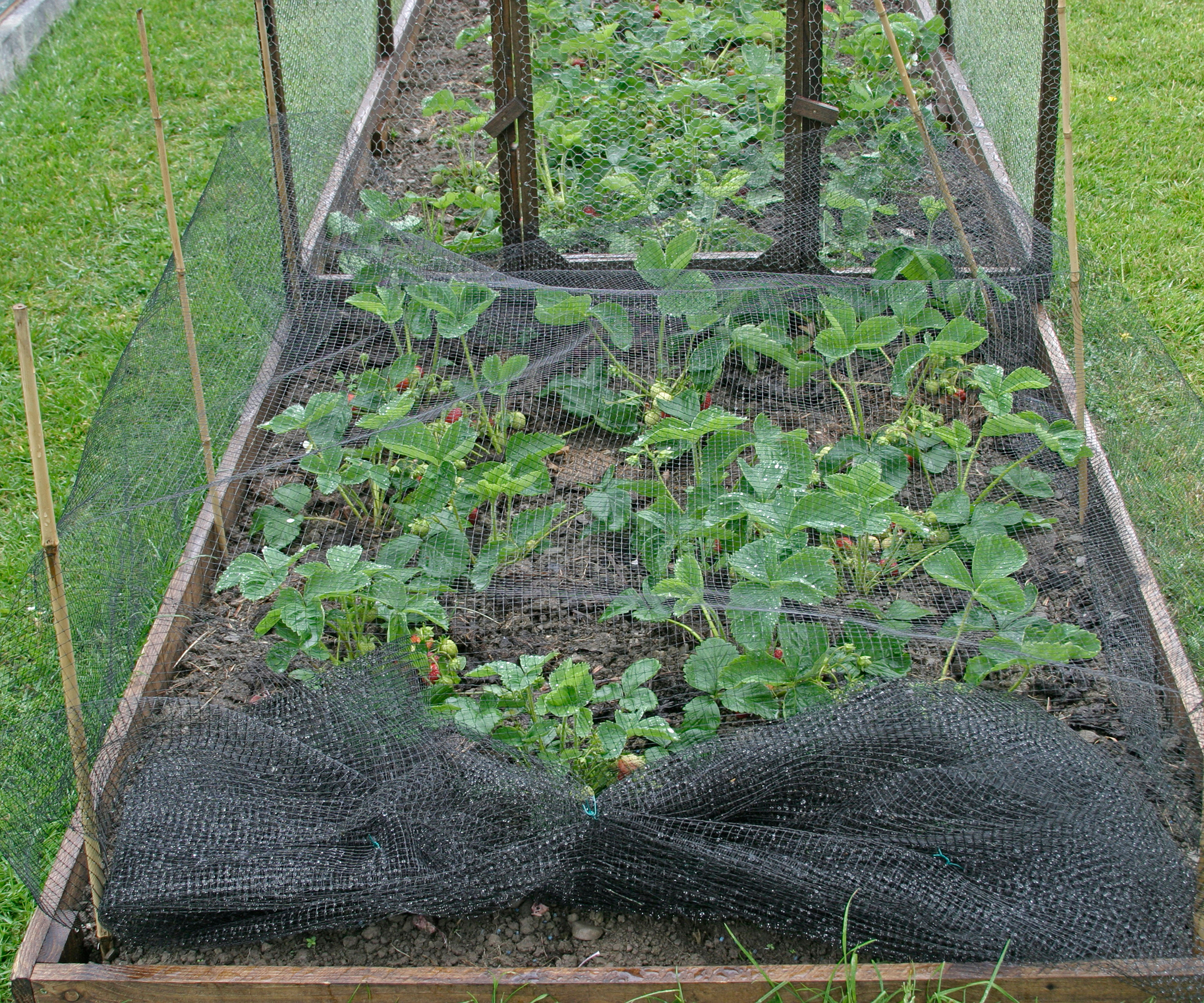
Expanding on the idea of using a net, building a fruit cage or tunnel around your berries takes the physical exclusion strategy to the next level. Consider this solution if you have small mammals like chipmunks or squirrels chewing through the bird netting.
You can create a simple cage out of readily available materials: PVC pipes or hoops, garden stakes, metal conduit, scrap wood, and bird netting or a sturdier type of mesh. You can also find commercial crop cages to buy rather than building your own. This crop cage from Amazon comes in a variety of sizes and shapes to accommodate whatever berry plants you have, from small shrubs to trees.
Either option is a highly effective way to protect your berries, as they keep netting or mesh well away from the fruit so little paws and mouths can’t reach them.
3. Use Scare Tactics & Deterrents
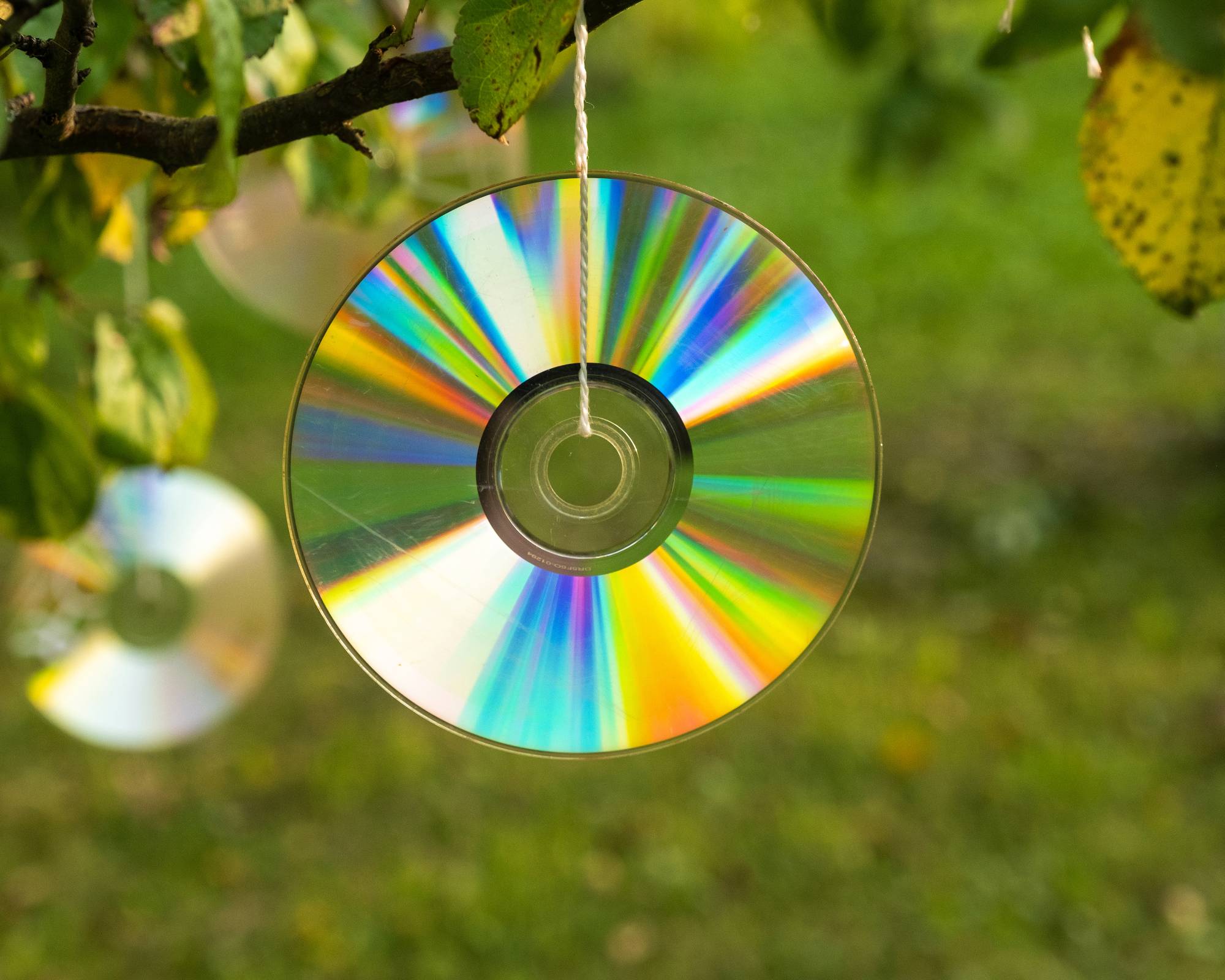
Scare tactics can still be humane, as they don’t actually harm animals but deter them from specific areas of the garden. They are like barriers, but not actual physical structures so they’re a great way to keep animals out of the garden without a fence.
You can use movement, sound, water, or even scent to scare animals away from ripening berries. Here are some of the most effective ways to scare away animals :
- Reflective mylar tape and ribbons, which you can get on Amazon
- Shiny streamers
- Balloons
- Fake hawk and owl decoys, which are available from Ace Hardware
- Motion-activated sprinklers
- Noise-making devices, like this ultrasonic animal deterrent from Amazon
- Predator scent sprays (for deer, Content Editor Laura swears by Liquid Fence from Home Depot)
The downside of many deterrents is that animals get used to them and lose their fear, especially with stationary items. Move these frequently and consider using anything that moves.
For motion-activated devices, place sensors on paths leading to berries, not just directly next to the berries. Consider using some of these deterrents with physical barriers for extra protection.
4. Harvest Berries Promptly
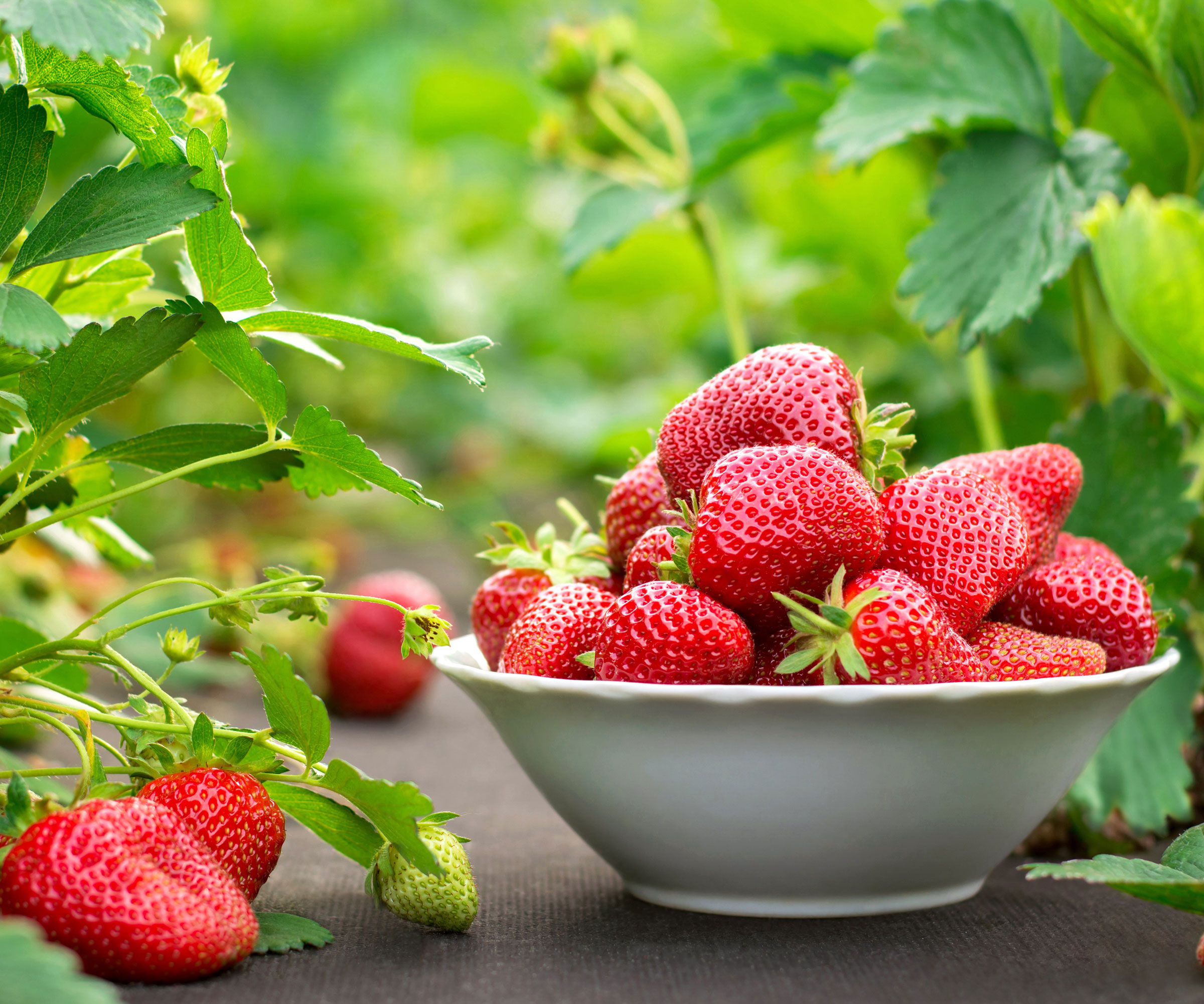
One of the easiest ways to avoid losing your berry harvest, or at least a significant amount of it, is to harvest promptly. The longer berries stay on the bushes or canes, the more opportunities you have to lose them to foraging animals.
This is a good strategy if you’re ok with losing some of your berries and if you have a way to use or preserve all the berries you pick at one time. Of course, berries don’t all ripen at once, so check your plants daily.
It’s also a good idea to regularly remove damaged, overripe, or dropped fruit. Even though you don’t want to use this fruit, leaving it in place will only attract more critters.
Aside from harvesting in a timely manner, whichever method you choose to use for protecting your harvest, it’s important that you start well before the berries ripen. For the best results, use all of these strategies. A physical barrier with scare tactics and deterrents plus picking berries early and regularly will work together to save your harvest.