Earlier this year, the Royal Society for the Protection of Birds produced new guidance on supplementary bird feeding based on research that shows the highly contagious disease, trichomonosis, can be passed from bird to bird at garden feeders. Their advice is: “Feed Seasonally. Feed Safely”.
Feeding seasonally means only offering small amounts of suet, fatballs or mealworms between 1 May and 31 October, when there are more natural sources of food for birds, such as insects. The RSPB suggest that peanuts and seeds can be put out at other times of year.
Feeding safely refers to moving and cleaning feeders regularly, avoiding flat surface feeders like bird tables, clearing away spilt food, and only feeding in moderation. As always, take careful hygiene precautions when cleaning feeders, such as wearing rubber gloves and other protective clothing, washing feeders outside, restricting the use of cleaning materials, such as long-handled brushes, to this task and washing hands and forearms thoroughly afterwards.
The RSPB is also encouraging people to provide as much natural food as possible by adding wildlife-friendly plants to your borders. So we’ve listed 26 of the best plants for feeding garden birds to help you get started.

1: Sunflower (Helianthus annuus)
There are many different sunflowers, including lots of dwarf varieties that are ideal for the front of borders and don’t require staking, such as “Choco Sun’. They create beautiful summer displays, and then the seedheads can be left standing as a feast for birds like blue tits and greenfinches. Some new varieties are bred to be pollenless, so make sure you choose a sunflower that has pollen and therefore is more likely to produce seeds.
Type: Annual
Wildlife rating: 4/5
Beauty rating: 4/5

2: Ornamental millet (Pennisetum glaucum ‘Purple Baron’)
The deep purple linear leaves and feathery summer flower spikes of this 90cm-tall arching grass create dramatic impact in borders, especially when contrasted with hot red and orange tones of perennials such as dahlias, rudbeckia and kniphofia. And when the flowers of Pennisetum glaucum ‘Purple Baron’ are over, seed-eating birds will descend to feed on the seeds.
Type: Annual
Wildlife rating: 3/5
Beauty rating: 3/5

3: Cornflower (Centaurea cyanus)
These airy annuals create blue, white, pink and purple highlights in meadow planting and are also useful fillers for mixed borders. More compact cornflowers like ‘Polka Dot Mixed’ can be grown successfully in pots. Their flowers attract insects – an important food source for many birds, and their seeds are favoured by small birds such as goldfinches.
Type: Annual
Wildlife rating: 3/5
Beauty rating: 4/5

4: Teasel (Dipsacus fullonum)
This statuesque biennial has white or lavender bristly flowerheads which bloom in mid to late summer. Teasel flowers attract pollinators and look fantastic when they’ve gone to seed. With any luck, they’ll also attract goldfinches into the garden to pick out the tiny seeds with their narrow, pointed beaks.
Type: Perennial
Wildlife rating: 3/5
Beauty rating: 3/5

5: Knapweed (Centaurea nigra)
Knapweed has thistle-like purple flowers that are magnets for bees and other pollinating insects, which in turn draws in insectivorous birds like dunnocks, and goldfinches love the small seeds once they’re half ripe.
Type: Perennial
Wildlife rating: 5/5
Beauty rating: 5/5

6: Field scabious (Knautia arvensis)
This tall, airy perennial produces heads of blue flowers atop 1.5m stems. A grassland stalwart, field scabious does well in wildflower meadows and wildlife borders, where it draws in good numbers of pollinating insects and provides leaves for moth and butterfly caterpillars. After flowering, its seedheads are visited by seed-eating birds such as sparrows and finches.
Type: Perennial
Wildlife rating: 4/5
Beauty rating: 4/5

7: Michaelmas daisy (Symphyotrichum novi-belgii)
Michaelmas daisies provide late summer and autumn colour in the borders when many earlier flowerers have already gone over. Their white, blue, purple and pink flowers bloom for several weeks, and their seeds attract goldfinches and other seed-eating garden bird species.
Type: Perennial
Wildlife rating: 4/5
Beauty rating: 5/5

8: Self-heal (Prunella vulgaris)
Self-heal is an underrated little wildflower. This valuable low-growing perennial has clusters of violet flowers from June to October, self-seeds readily and thrives in full sun or partial shade, making it a low-maintenance addition to wildflower meadows, flowering lawns and the front of wildlife borders. As well as having flowers that are attractive to pollinators, the seeds provide food for house sparrows and dunnocks.
Type: Perennial
Wildlife rating: 4/5
Beauty rating: 3/5

9: Coneflower (Rudbeckia fulgida)
For reliable golden yellow colour from July right through to October, Rudbeckia fulgida can’t be beaten. Their large yellow daisy-like blooms with deep brown-black centres are long-lasting, and the open flowers produce seeds that are easily accessible to a range of garden birds such as finches and sparrows.
Type: Perennial
Wildlife rating: 3/5
Beauty rating: 5/5

10: Fennel (Foeniculum vulgare)
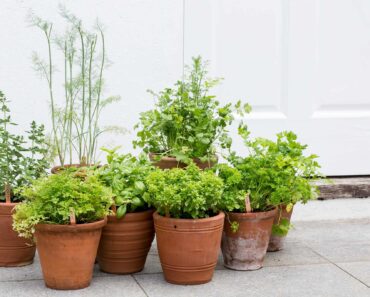
Fennel’s stature and feathery leaves make it a popular perennial for the back of herb gardens and mixed borders. It often attracts aphids and other small insects that, in turn, bring in insectivores such as blue tits, which will make swift work of any infestations. Fennel seeds are also great sources of food for seed-eating birds.
Type: Perennial
Wildlife rating: 4/5
Beauty rating: 4/5

11: Verbena (Verbena bonariensis)
The long stems of verbena look elegant in the border and provide excellent perches for sparrows and finches when they descend to feast on the seeds in autumn, often bouncing along the stems to reach their food. Verbena bonariensis likes a spot in full sun with well-drained soil and often self-seeds around the garden, creating a naturalistic effect.
Type: Perennial
Wildlife rating: 4/5
Beauty rating: 5/5

12: Chicory (Cichorium intybus)
Wild chicory is a tall, airy plant with pale cornflower-blue blooms that attract pollinating insects in mid to late summer. It can easily be grown from seed and is drought-resistant. Once the flowers have gone over, finches love to feast on seeds from the seed heads.
Type: Perennial
Wildlife rating: 4/5
Beauty rating: 5/5

13: Firethorn (Pyracantha spp.)
Firethorn is a great all-rounder for wildlife with flowers that attract pollinating insects and thus bring in the insectivorous birds, while their red and orange berries are beloved by song thrushes, blackbirds and, if you’re lucky, winter migrants such as redwings and fieldfares. Ideal trained as a wall shrub or grown as a spiny hedge to deter intruders.
Type: Evergreen shrub
Wildlife rating: 4/5
Beauty rating: 4/5

14: Honeysuckle (Lonicera pericylmenum)
Wild honeysuckle is the food plant for dozens of moth caterpillars that, in turn, provide food for a wide range of birds and their chicks. Robins, blackbirds, song thrushes and blackcaps also eat the red berries. It thrives in dappled shade where its foliage can reach the sunlight and has a sweet fragrance, especially at night. The berries aren’t edible for humans or pets.
Type: Semi-evergreen climber
Wildlife rating: 5/5
Beauty rating: 5/5

15: Ivy (Hedera helix)
Ivy is one of the best plants for wildlife, including many species of birds. In late summer and autumn, its small green flowers are often smothered in hoverflies, bees and moths – a great food source for insectivorous birds. Their calorie-rich berries provide food for thrushes and wood pigeons, though they often leave them until mid to late winter, when all the other berries are long gone. Ivy is harmful to humans and pets if eaten, and is an allergen and skin irritant.
Type: Evergreen climber
Wildlife rating: 5/5
Beauty rating: 3/5

16: Mistletoe (Viscum album)
Mistletoe is an evergreen, hemiparasitic shrub that grows mainly on lime, hawthorn and poplar. You can squeeze the berries from fruits and wipe them onto a suitable tree, although it can be several years until young plants develop. Mistle thrushes likely get their name from this iconic plant, as they love its white fruits and will defend clumps of them from other birds. Overwintering blackcaps will also feast on mistletoe berries during the winter. Mistletoe is harmful to humans and pets if eaten.
Type: Evergreen shrub
Wildlife rating: 3/5
Beauty rating: 3/5

17: Lavender (Lavandula angustifolia)
You can’t beat lavender flowers in high summer for colour, fragrance and nectar for a range of pollinators. Once the flowers have faded, lavender is usually pruned and the flowers removed to stop plants from becoming leggy. However, I always leave a few plants to go to seed for the sparrows and finches. If you intend to leave plants to go to seed, make sure you aren’t growing a sterile type of lavender, such as Lavandula x intermedia.
Type: Evergreen shrub
Wildlife rating: 4/5
Beauty rating: 5/5

18: Elder (Sambucus nigra)
Starlings, song thrushes and some warblers, such as blackcaps, eat elderberries in autumn (in the warblers’ case, to fuel up before their long migration flights). Other birds like the chiffchaff will pick off insects from the elder foliage. Elder also has sprays of white fragrant flowers in early summer, which attract pollinators. Elder is harmful to humans and pets if eaten, although the fruits and flowers are edible if cooked.
Type: Deciduous shrub
Wildlife rating: 4/5
Beauty rating: 4/5

19: Guelder rose (Viburnum opulus)
This native shrub has glorious white heads of flowers in late spring and early summer, and red berries in autumn. Guelder rose is ideal in a wildlife garden or hedge. However, some hybrid varieties like the popular ‘Roseum’ are sterile, so check that the variety you choose will produce berries for mistle thrushes, song thrushes and bullfinches to feed on later in the season.
Type: Deciduous shrub
Wildlife rating: 4/5
Beauty rating: 4/5

20: Oregon grape (Mahonia aquifolium)
With its bright yellow flowers in late winter and early spring, Mahonia aquifolium fills a hungry gap for birds like blue tits that seek out its flowers so they can feed on the nectar. Blue-black berries develop in early summer, providing a perfectly timed food source for juvenile blackbirds.
Type: Evergreen shrub
Wildlife rating: 4/5
Beauty rating: 3/5

21: Hawthorn (Crataegus monogyna)
Hawthorn is a fantastic plant for wildlife. It hosts many moth caterpillars and is known to be visited by more than 500 other invertebrate species, many of which feed on its leaves. These small creatures then provide food for birds such as coal tits. Fieldfares, redwings, goldfinches and other species eat seeds from the haws, making this widespread UK tree one of the best you can plant for garden birds.
Type: Deciduous tree
Wildlife rating: 5/5
Beauty rating: 4/5

22: Crab apple (Malus)
Crab apple trees provide food for birds through many seasons, with caterpillars and aphids on the menu in spring and summer, and the small fruits favoured by birds like thrushes and waxwings. Sometimes bullfinches will visit to eat the buds in the spring, providing this amber-listed finch with an important source of food.
Type: Deciduous tree
Wildlife rating: 5/5
Beauty rating: 5/5

23: Hazel (Corylus avellana)
Hazel is another UK tree that attracts a wide range of invertebrates, such as winter moth caterpillars, providing vital food for birds like blue tits and great tits to feed their chicks in the spring. Great-spotted woodpeckers, jays and nuthatches will visit hazel trees in the autumn to eat the hazelnuts or to cache them for later.
Type: Deciduous tree
Wildlife rating: 5/5
Beauty rating: 4/5

24: Holly (Ilex aquifolium)
Glossy red holly berries look wonderful on the tree and decorating our houses at Christmas, but they also provide an important food source for birds like thrushes in the winter months. If you want a tree with holly berries, choose a female variety such as Ilex aquifolium ‘Argentea Marginata’ and Ilex x altaclerensis ‘Golden King’, which is also a female variety, despite its name. Also, make sure there’s a male nearby to pollinate the flowers, such as Ilex aquifolium ‘Silver Queen’, which – you guessed it – is a male variety!
Type: Evergreen tree
Wildlife rating: 4/5
Beauty rating: 4/5

25: Silver birch (Betula pendula)
Another wonderful tree for moth caterpillars and other invertebrates, silver birch is both beautiful and beneficial for wildlife. Goldfinch and siskins will feed on birch seeds from the catkins in the winter, and woodpeckers will take up residence in holes in the trunk.
Type: Deciduous tree
Wildlife rating: 5/5
Beauty rating: 5/5

26: Rowan (Sorbus aucuparia)
This superb garden tree is another wildlife-friendly species with fiery autumn colour. 150 species of insect are known to feed on rowan, providing a rich source of protein for insectivorous birds. Rowan berries are the favourite food of waxwings (which can eat twice their body weight per day), if there are any berries left that is after the starlings, pigeons, doves, redwings and fieldfares have eaten their fill. For smaller gardens, choose a more compact rowan such as Sorbus vilmorinii or Sorbus ‘Sheerwater Seedling’.
Type: Deciduous tree
Wildlife rating: 5/5
Beauty rating: 4/5