Lawns are both thirsty and needy – and that means big water bills and intensive maintenance for homeowners. Even those who love the golf-course look of green expanses of turf grass are considering switching them out for something easier and more ecological.
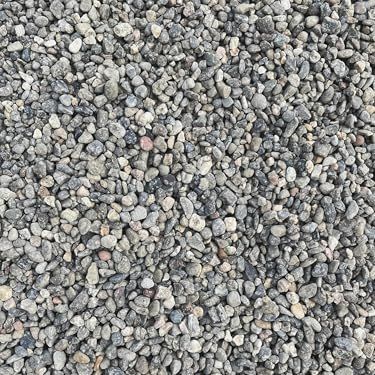
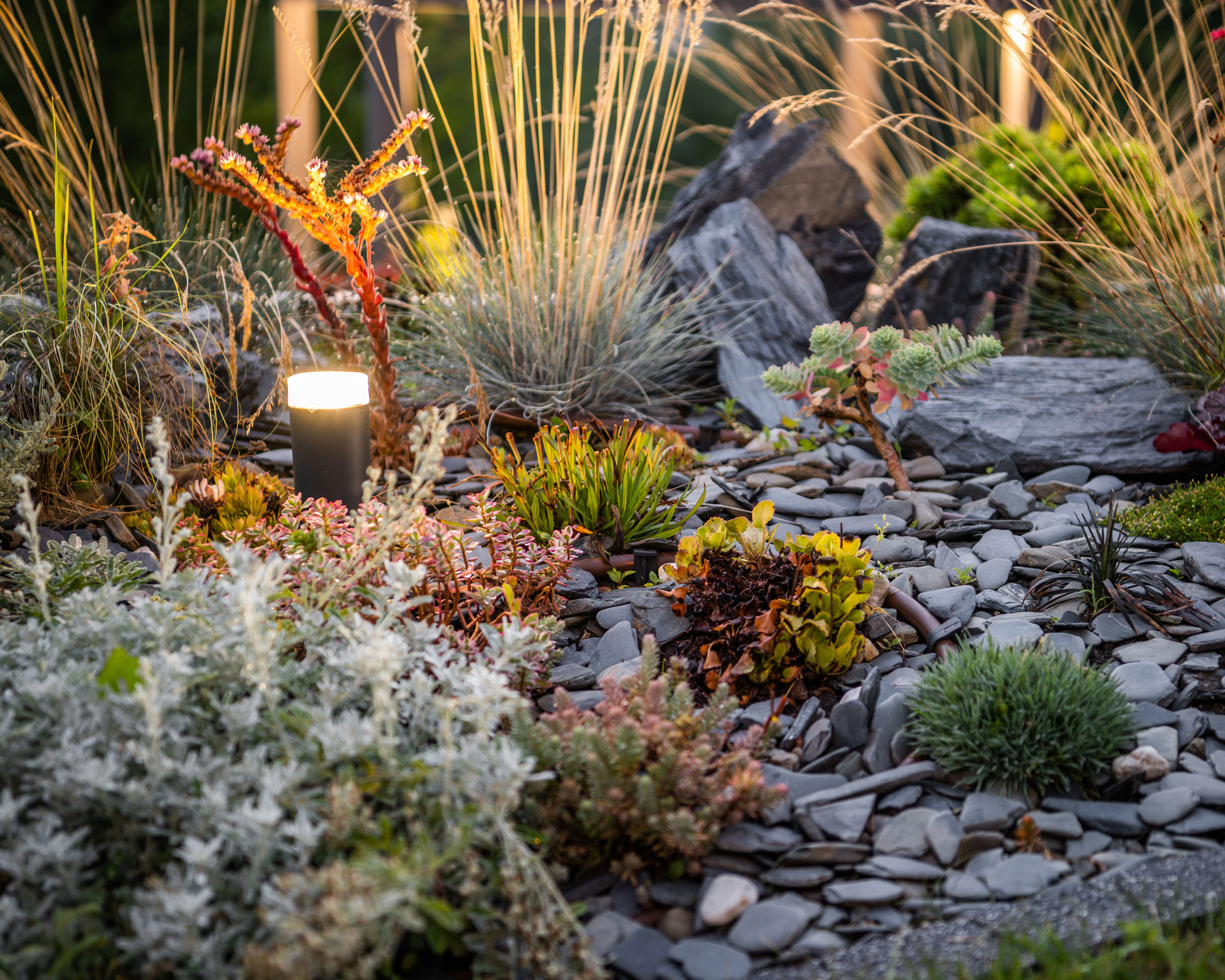
Rockeries have both charm and low-maintenance appeal. Creating a modern, water-wise rock garden that includes hardy ornamental grasses solves so many turfgrass problems while offering a delightful and dramatic landscape. These river rocks from Amazon are a great base to build around.
The (Many) Problems with Turfgrass
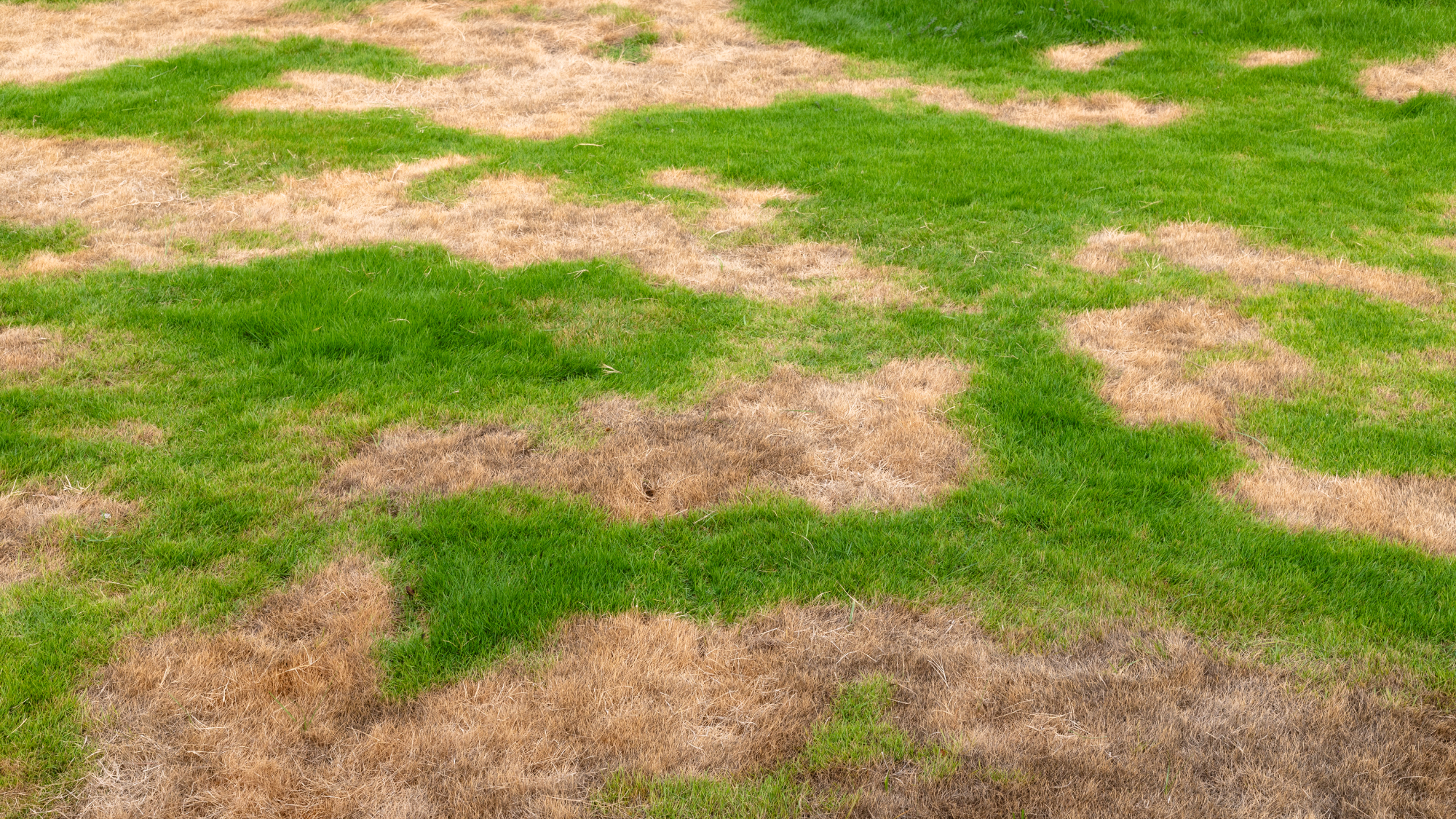
I live by a golf course and often walk my dog there early in the morning, before the golfers arrive. But though there are no golfers, I am never alone. Maintenance people seem to be on duty every morning, turning on sprinklers, applying fertilizer, cutting the grass, filling holes with soil and grass seed, and raking.
This is awaiting any homeowner who buys a home with a lawn or decides to install one. Lawns need water to stay lush and green – and what’s the use of having a lawn if it isn’t lush and green? Lawns need fertilizer and pesticides. Lawns need regular haircuts. Lawns take up all the space and these monocultures are ecologically barren, neither providing food or native habitats for local pollinators, birds, or insects.
The (Many) Benefits of a Rockery
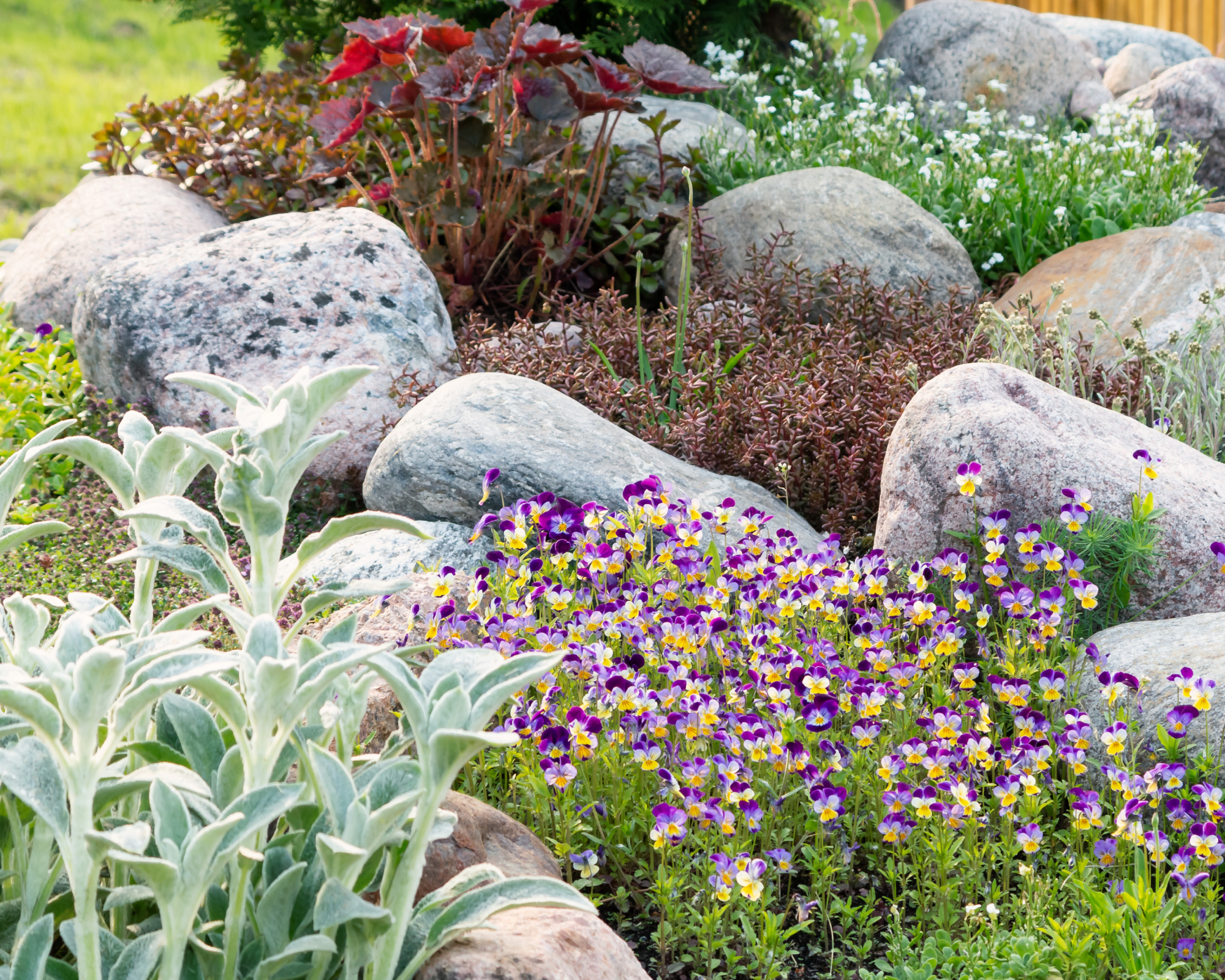
A rockery or rock garden is a form of xeriscaping, an increasingly popular landscaping method that dramatically reduces the need for supplemental irrigation. Using drought-tolerant plants and moisture-retaining mulch, it can lower outdoor water use by 50 percent or more while requiring significantly less maintenance.
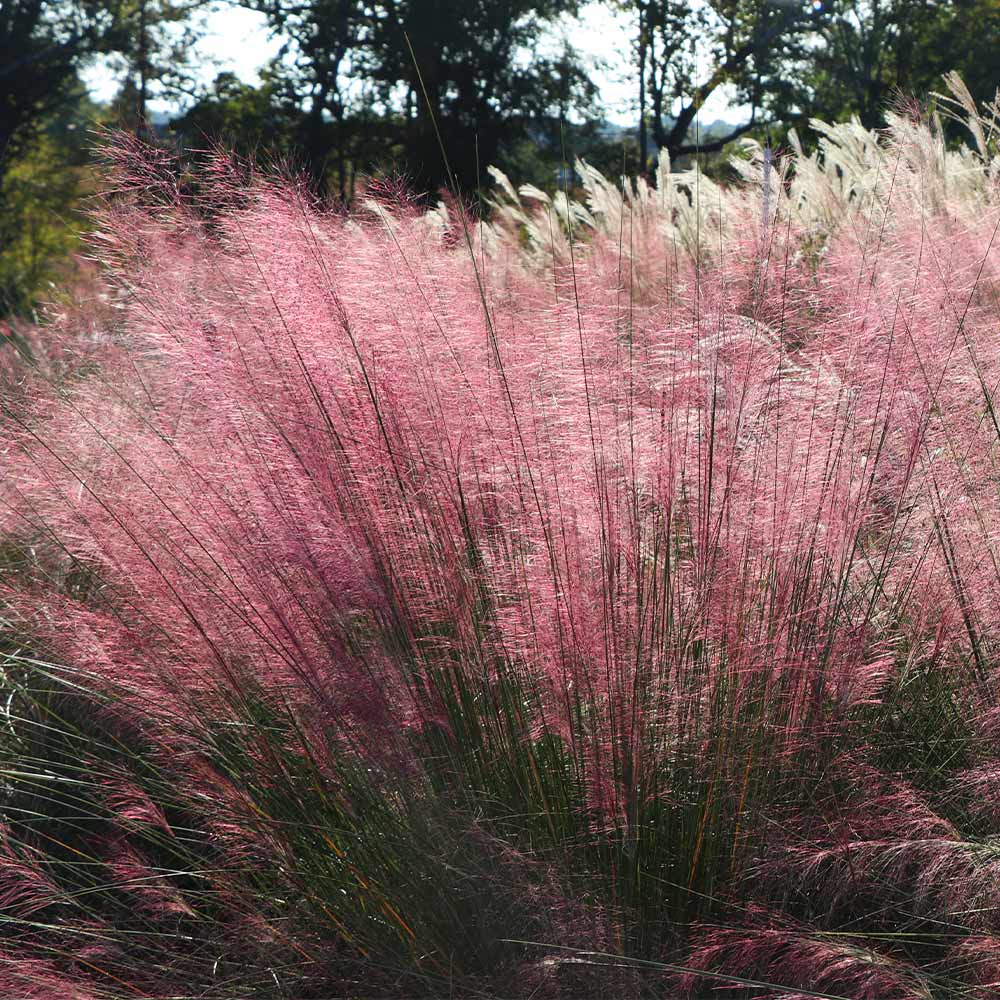
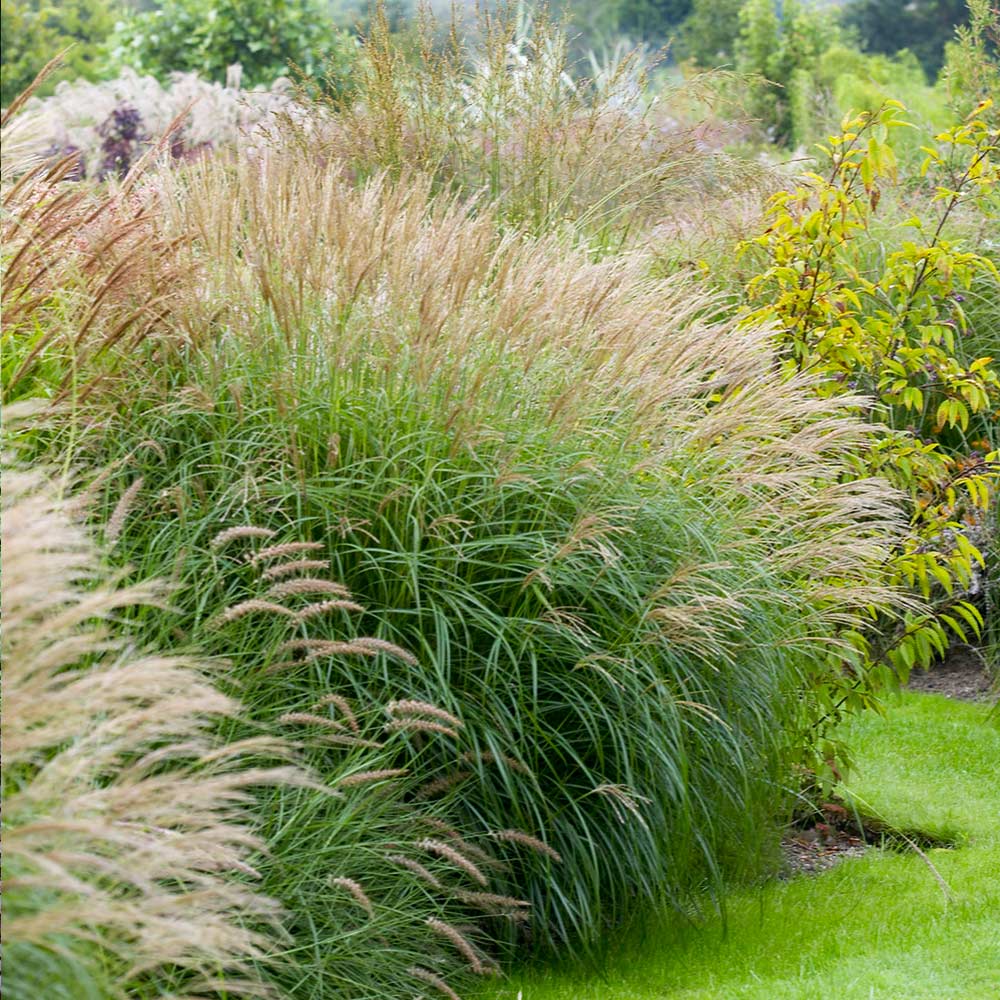
If you create a water-wise rockery and install hardy ornamental grasses, your landscape will suddenly be the talk of the neighborhood. Instead of the square plot of green carpet, you’ll boast a low maintenance landscape with incredible visual appeal. The architectural shapes of the stones contrast with the soft, flowing foliage to add texture, fluidity, and visual drama.
How to Transition a Patch of Lawn into a Rock Garden
1. Check for and Obtain Any Necessary Permits

Does your city or water agency require you to apply for permission to begin digging up your yard? That depends on where you live. Call your city government and find out what you need. It’s important to have it in hand before you pick up the shovel. While you have the phone in hand, ask about possible rebates. In California, many city water companies offer impressive rebates to those who swap out their lawns
2. Remove the Turfgrass
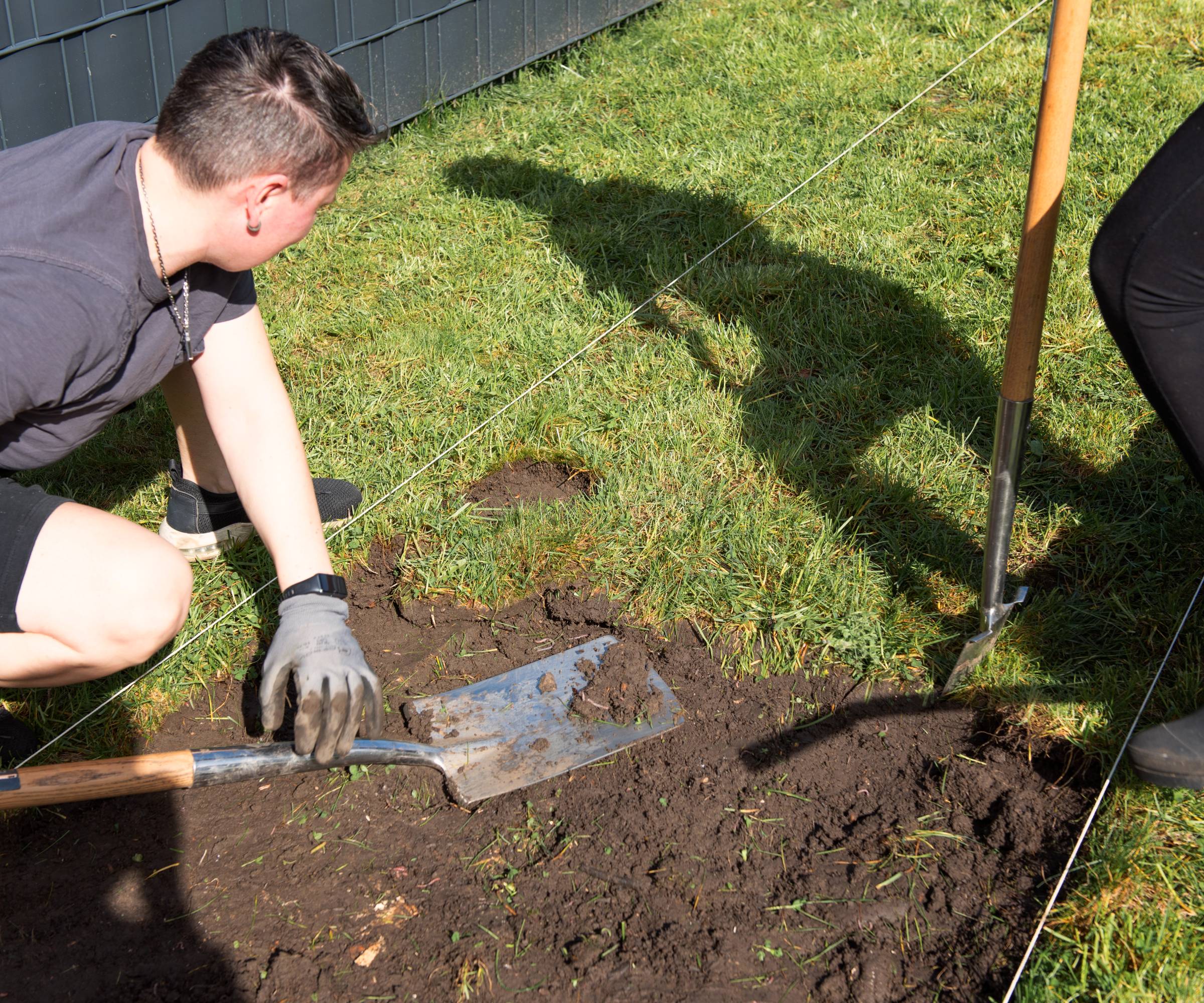
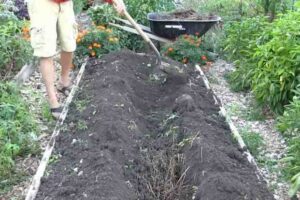
You will need to get rid of the existing turfgrass before putting in a rock garden. Otherwise it will sprout through and into your rockery. The easiest way to remove a lawn is to smother it. All you need is ample amounts of cardboard or newspaper to get started.
Spread it around covering the turfgrass, then wet it down thoroughly. Cover the wet paper with soil, then leave it alone for two months. The turf grass will die. At that point, remove the soil and the cardboard or newspaper, and use a sod cutter or a spade to completely remove the dead grass.
3. Outline the Borders
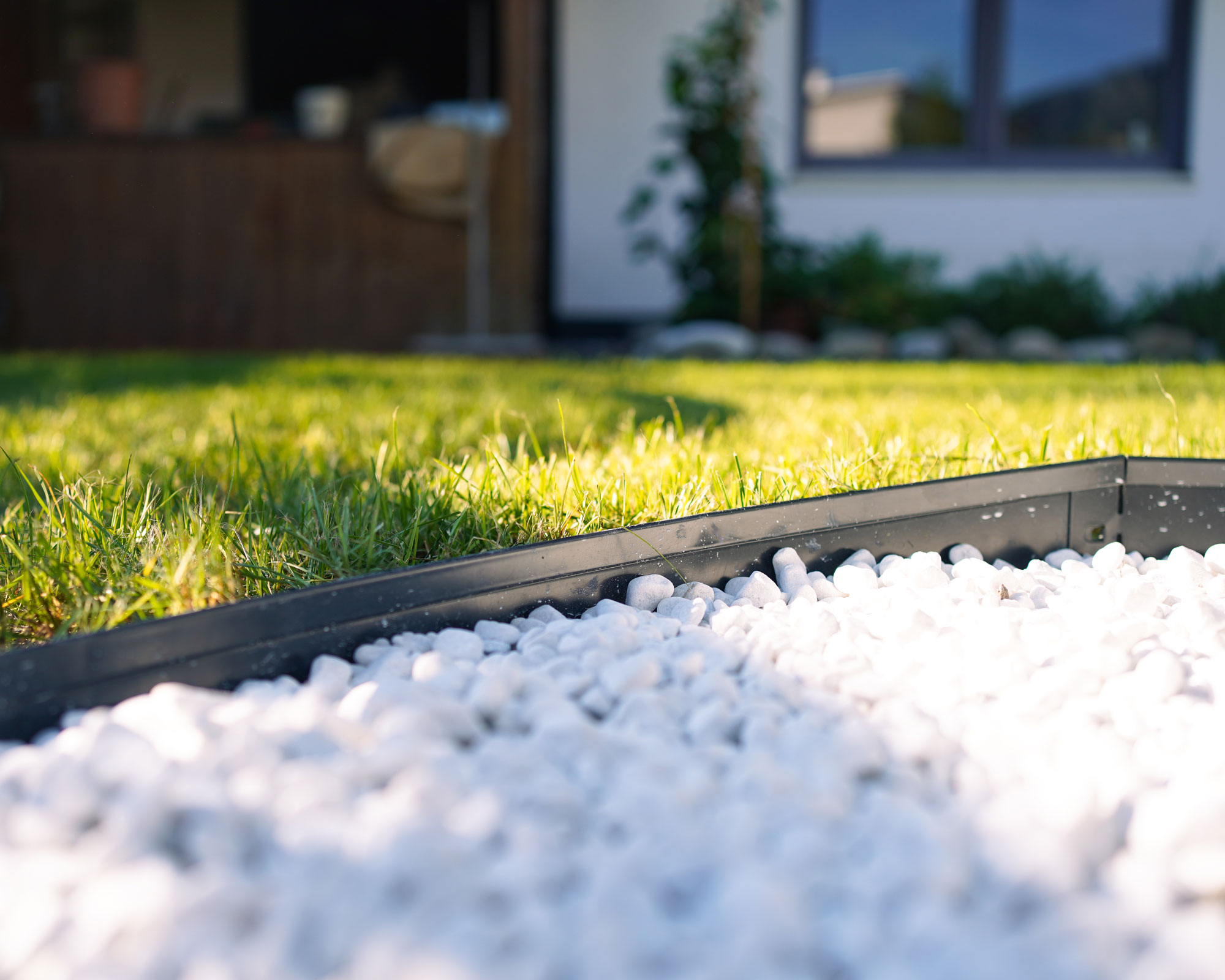
You will have figured out the size and shape of your rock garden before you started the project. Now is the time to create a clean border. This will outline the rock garden and keep the rocks where they belong.
Here’s how to proceed: dig a trench around the perimeter. It doesn’t have to be huge, just large enough to install rigid landscape edging. You could use metal edging, plastic edging or stone edging.
4. Select and Plant the Ornamental Grasses
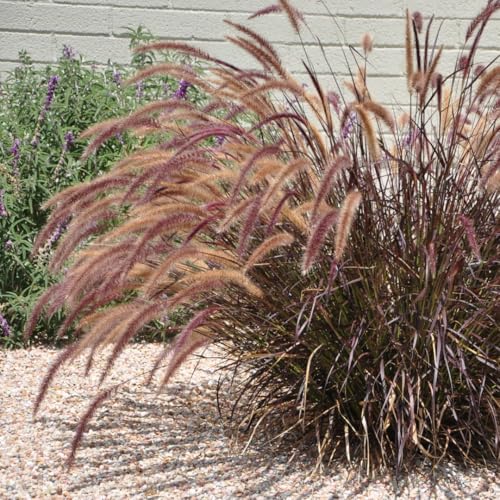
Choose two or three different types of ornamental grasses. Pick those suited for rock gardens, like blue fescue (Festuca glauca), Japanese forest grass (Hakonechloa macra), or blue oat grass (Helictotrichon sempervirens). Other possibilities include feather reed grass (Calamagrostis x acutiflora) or little bluestem (Schizachyrium scoparium) that thrive in rocky, well-draining soil.
Buy plants at the garden store, then dig holes twice as deep and wide as the nursery pot. Place the plants in the holes and backfill with soil.
5. Place the Rocks
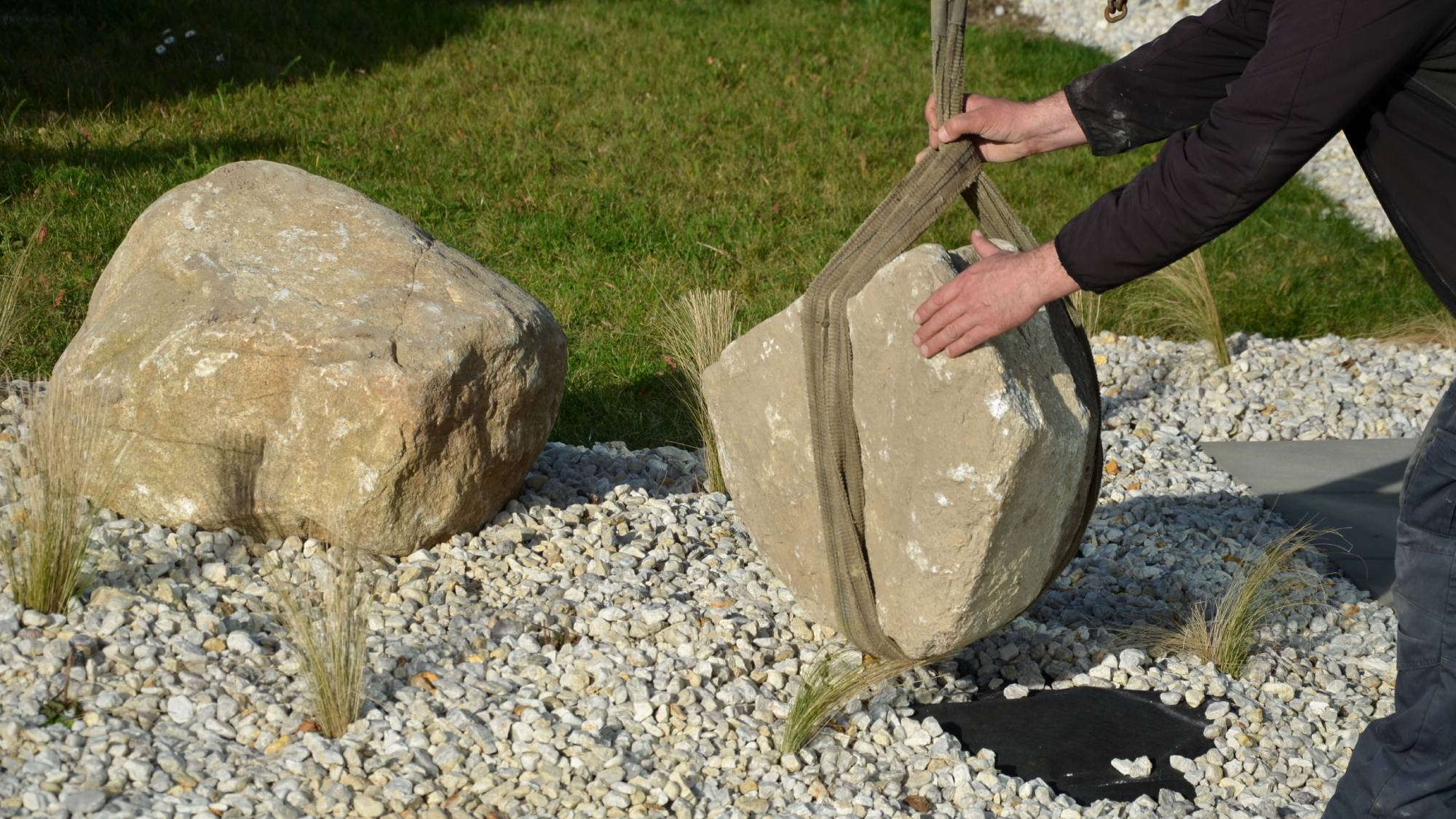
You’ll need some large boulders and many smaller rocks. The largest are also your “feature rocks,” and you’ll want to place them first. Bury the bottom third of each feature rock into the ground. That makes the area look natural.
6. Add Irrigation
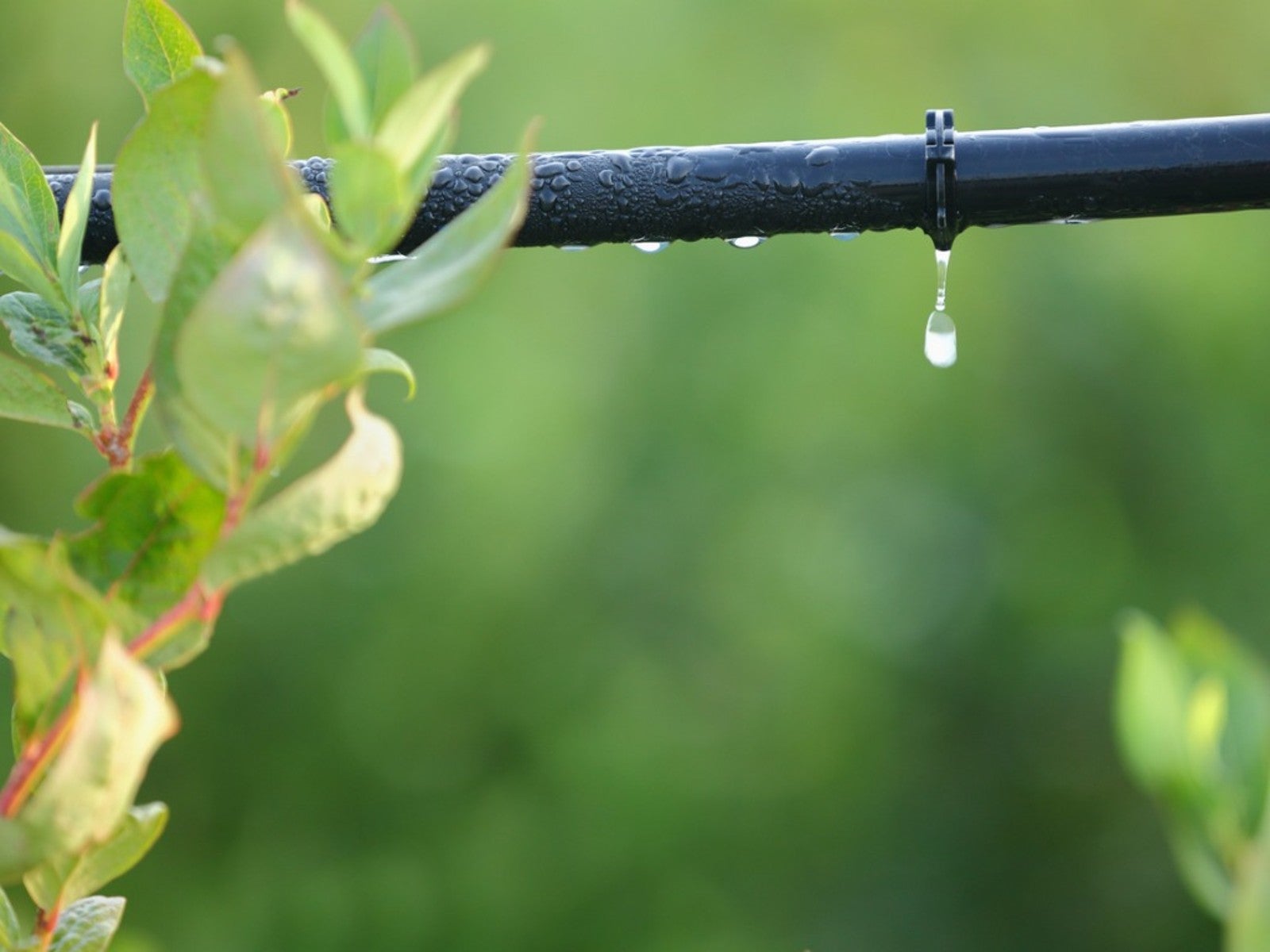
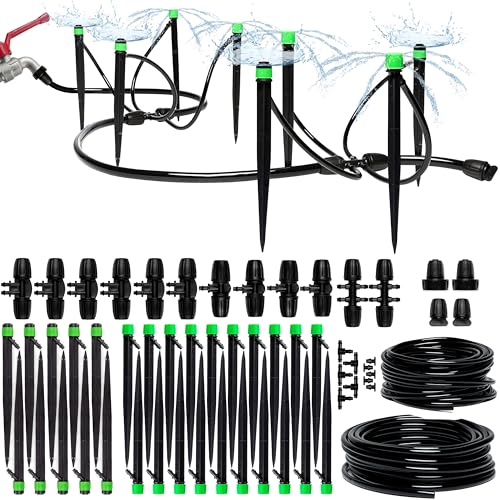
Your best bet is to install low-flow drip irrigation. This is how you will provide the minimal irrigation required by your ornamental grasses.
7. Cover the Soil with Landscape Fabric
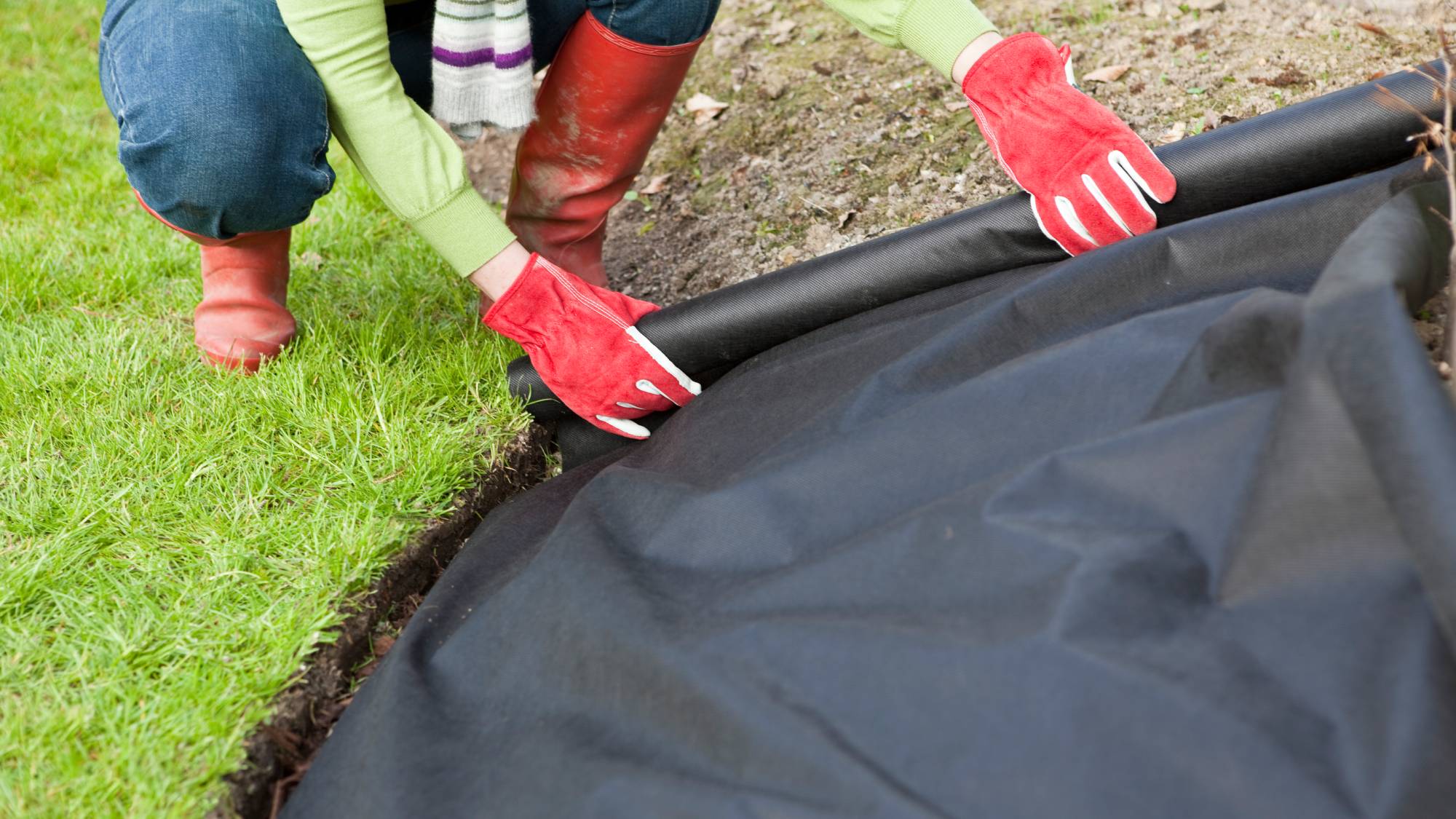
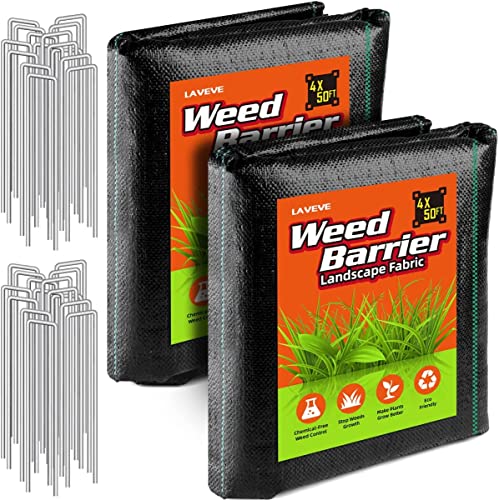
Unroll heavy-duty, commercial-grade landscaping fabric over the bare soil. This will keep down all weed growth. Cut X shapes into the fabric where grasses are installed, then fold by the fabric around the base of the grasses. Spread a layer of decorative gravel or crushed stone across the fabric.
Shop Rock Garden Essentials