The right peony care in July will have a huge impact on how well your plant flowers next year. Now your peony is done flowering for this summer, it gets busy making and storing the energy it needs to grow the next set of glorious blooms. Help your plant with this task, and you’ll be richly rewarded with even more beautiful ruffles of petals next spring.
Once July’s glorious show of opulent petals is over, it’s all too easy to forget about your peony plant for the rest of the summer. And without targeted midsummer care, your peony will still flower next year. But, with the right nurturing, you’ll support your plant to grow the biggest, blousiest blooms, ever. The right summer care is especially important this year, as there’s no telling how long this heatwave will last, and heat-stressed plants will prioritise basic survival over another season of bountiful blooms. And why miss this opportunity when giving your peony the care it needs in July is quick and easy?
July peony care isn’t complicated, but these four simple tasks will help your plant through the stress of high summer temperatures, and allow it to focus on storing the fuel it needs for fabulous flowers next year.
1. Prune Spent Flowers to Grow Stronger Roots
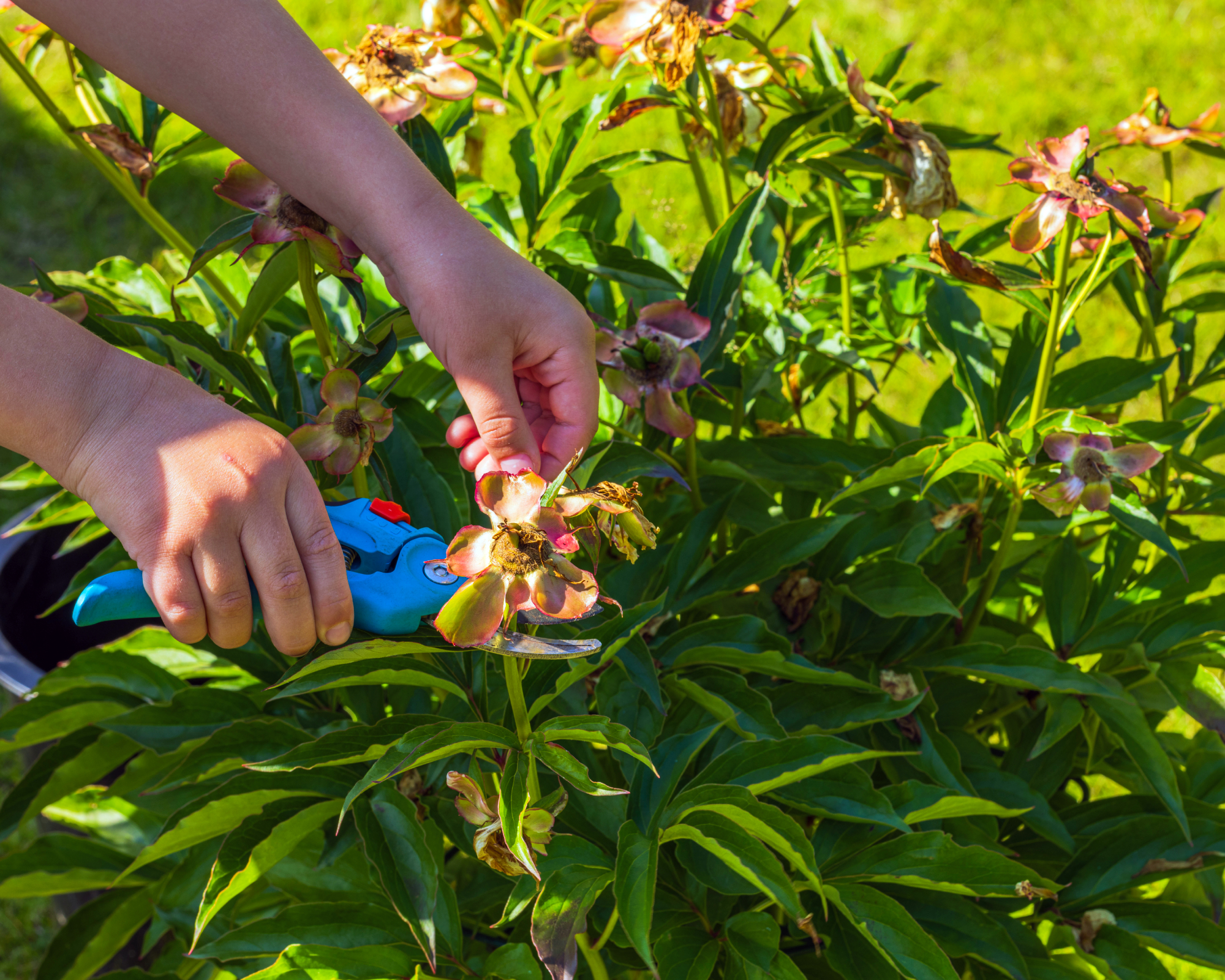
The vast majority of peonies begin to form seeds in leathery pods as soon as flower petals start to fade. This uses lots of energy that could be put towards growing a bigger root system to provide for more abundant flowers next year. So, your first priority when it comes to summer peony care is to snip old blooms off. Use a sharp pair of bypass pruners to deadhead peonies – and do sharpen the blades first if you haven’t for a while, because clean cuts are easier for the plant to heal – to snip off the stem just above the first healthy leaf below the faded flower.
To avoid pests and fungal disease, it’s best to put snipped flowers in the trash rather than letting them drop to the ground.
Intersectional (Itoh) peonies and a few modern hybridized peony cultivars are sterile so don’t produce seeds, but it’s wise to still deadhead these both to keep your plant tidy and avoid disease.
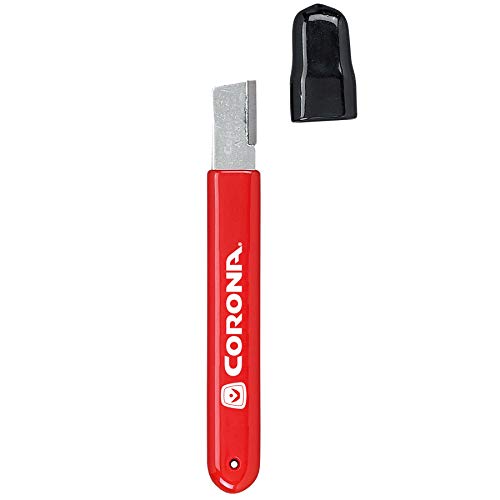 Speedy Sharpener
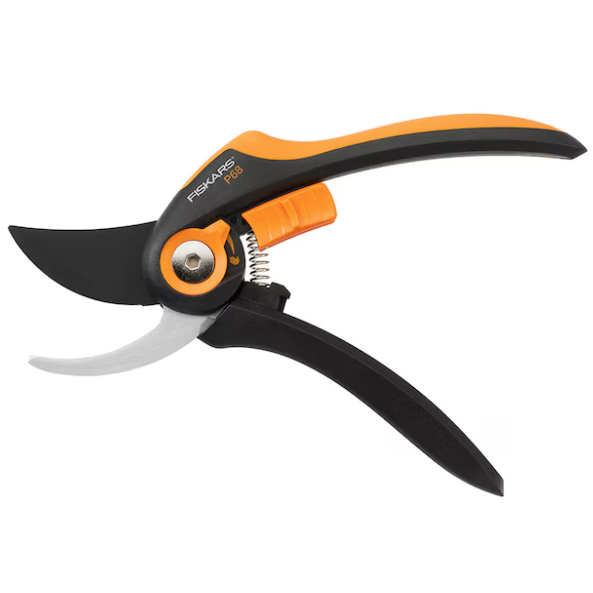 Trusted brand
 Sturdy tub
2. Clear Dead and Damaged Leaves to Avoid Disease
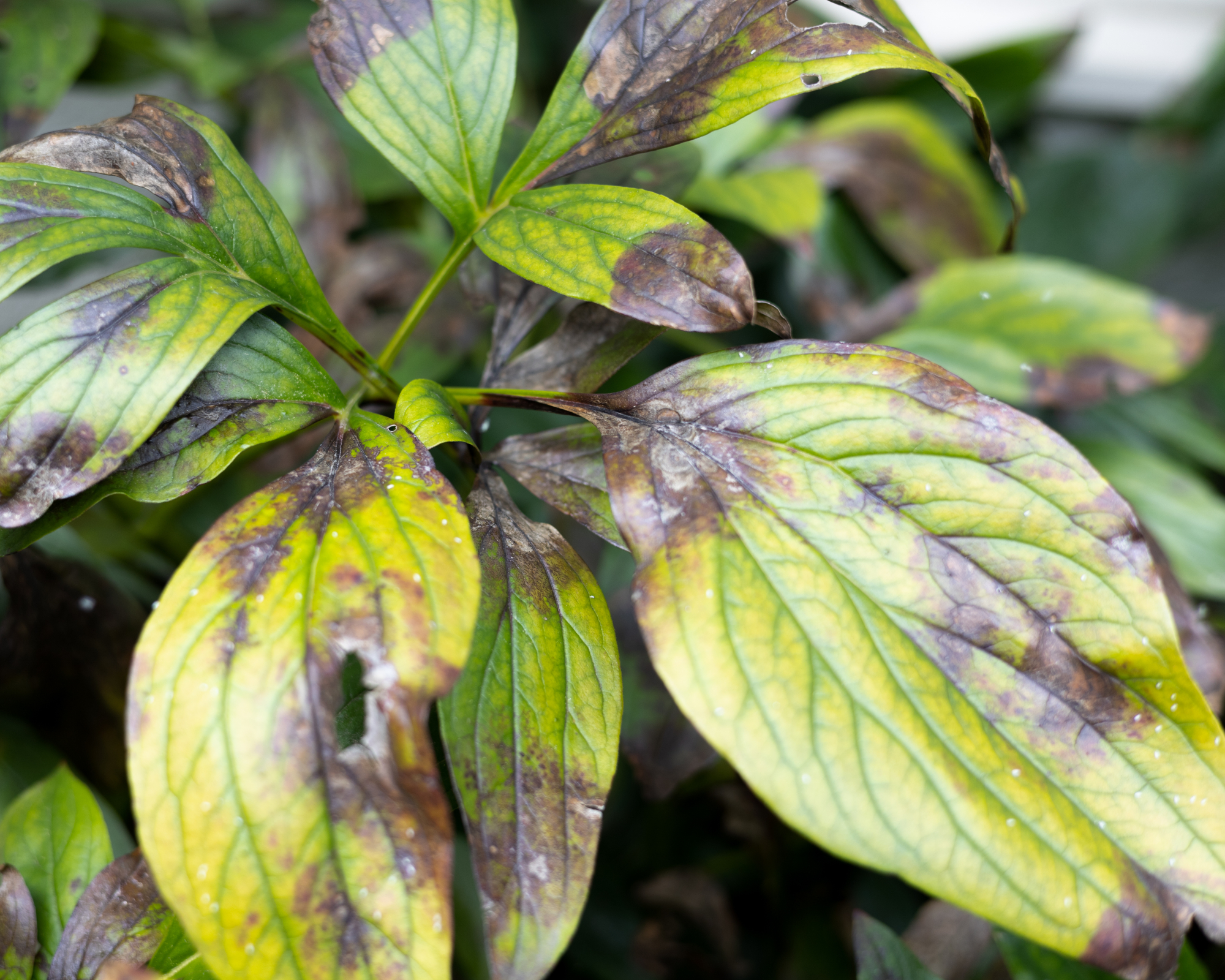
Peonies are susceptible to several fungal diseases, which stress the plant. A diseased plant will use up valuable energy fighting the infection, affected leaves won’t be able to photosynthesize, and left untreated, some fungal diseases can even kill it. Fungi are able to lie dormant over winter, too, directly affecting next year’s blooms.
While botrytis blight, often called peony blight and gray mold, usually attacks in spring, you may spot powdery mildew on peonies in summer, with leaves looking like they are dusted with fine white flour. If peony leaf blotch, often called peony measles, went undetected in spring, you may also see this in July, too, when the small red spots will start to merge into dark, irregular patches (pictured above).
Gather up any leaves that have fallen to the ground as well as removing dead or damaged leaves from the plant, and dispose of them in the trash to avoid reinfection. It’s also important to wipe pruners with disinfecting alcohol such as MaxTite 99.9% Isopropyl Alcohol from Amazon between cuts. Identifying the peony disease will determine if you need to take any further precautions.
Leave healthy green foliage in place for now as all these leaves act as solar panels through summer and into fall, photosynthesizing to produce energy that will be stored in the plants fleshy tubers, ready to power next year’s growth. Wait until the foliage has died after the first frost, before pruning herbaceous peonies in late fall.
3. Water Deeply Once a Week
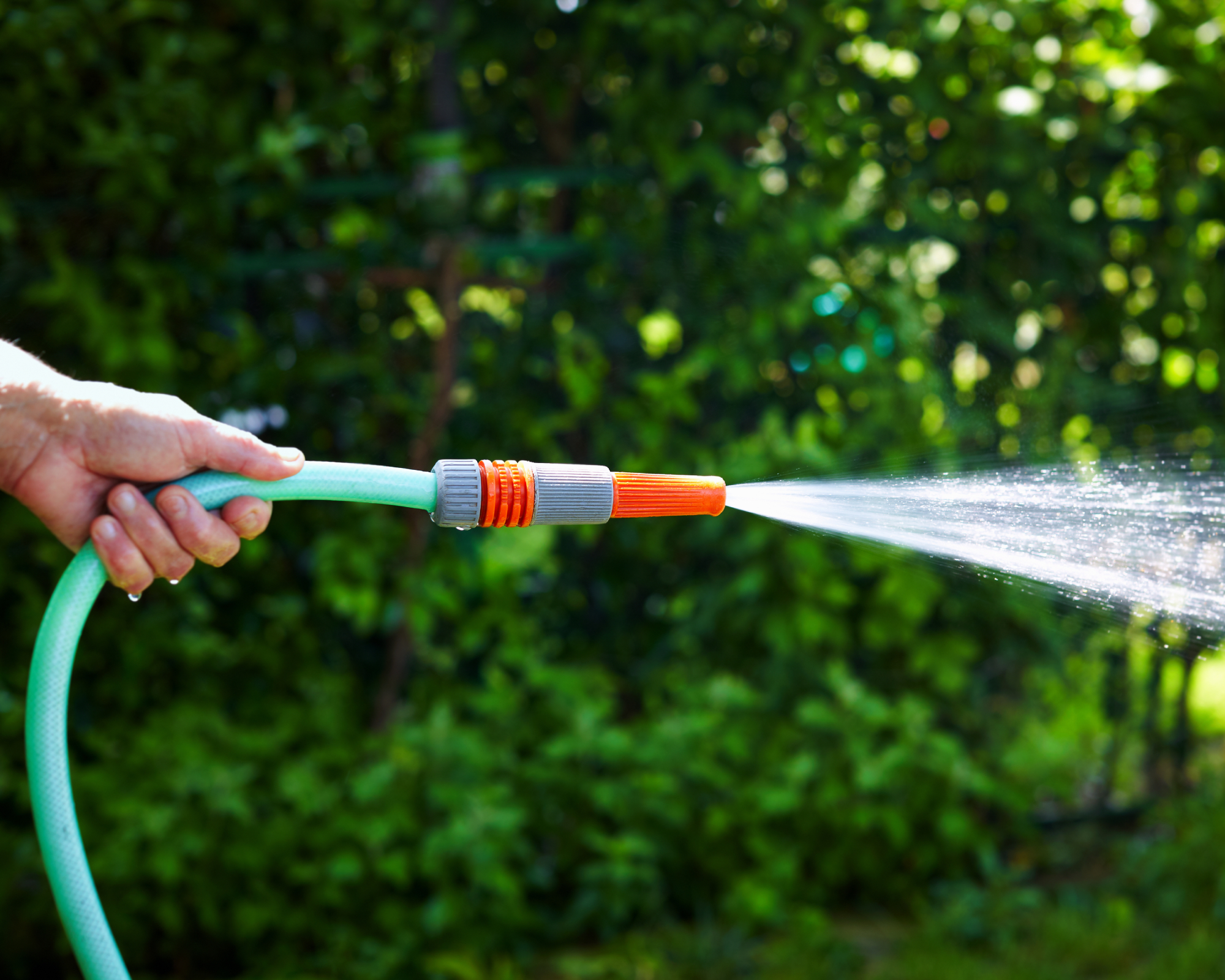
Established peonies are relatively drought tolerant, which makes it easy to skip over these plants in your watering round. But if you’re wondering how to get bigger peony flowers next year, irrigation is a critical part of your care plan. Right now, the plant is using all that energy it’s making with its leaves to grow a stronger root system but, from next month into fall, it will begin forming microscopic, embryonic buds called ‘eyes’ just below the soil surface. These eyes will lie dormant all winter and, next spring, burst into life, throwing stems upwards with baby flowerbuds already formed.
Think of these summer months post-flowering as bud-planning time, and you’ll understand why keeping your peony hydrated now will lead to a better display of blooms next year.
However, it’s important to water peonies properly, giving your plants a weekly deep soak rather than a daily sprinkling. Irrigating deeply so water penetrates deep into the soil encourages the root system to follow the moisture downwards, making the plant more resilient; daily light watering leads to weaker, surface-level roots. Because peony roots are fleshy tubers, restricting watering to once a week at most ensures the soil doesn’t become waterlogged, when tubers may rot.
Young or recently planted peony plants that haven’t yet grown a strong root system, and peonies in containers, will need watering more often.
Water the soil rather than getting the leaves wet, to reduce the risk of fungal infection.
4. Improve Nutrients and Moisture With a Mulch
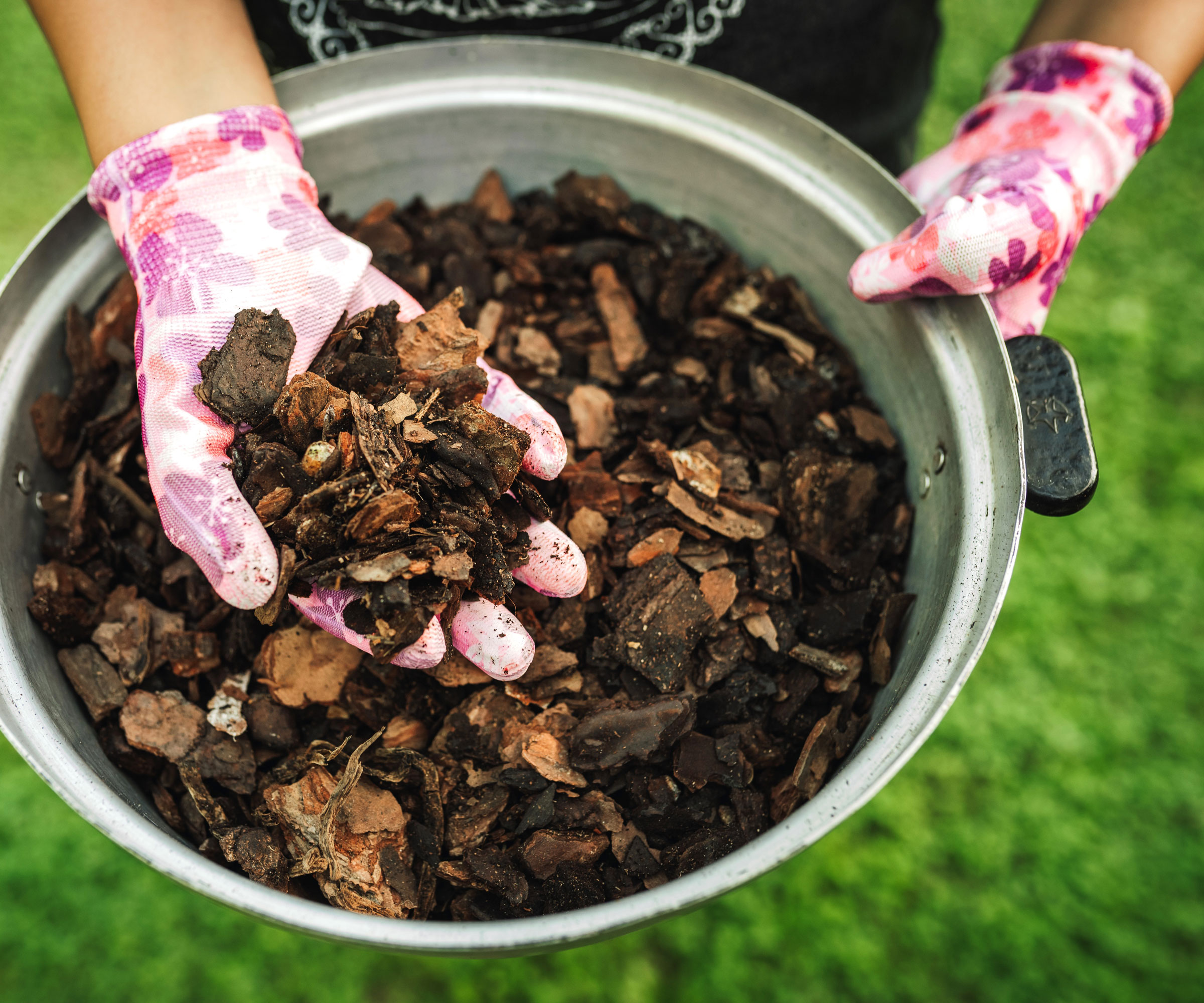
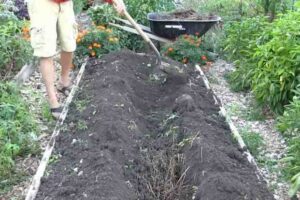
The final step of what peonies need in July is a 2-inch layer of mulch laid on the soil surface to help lock moisture in. You can use any natural material such as homemade compost, leftover all-purpose potting soil or a purpose-made mulch. The advantage of using a natural mulch is that nutrients will be washed into the earth to slowly feed the plant, and the organic matter will eventually rot down to improve the soil structure for healthy growth.
Use a bow rake, spreading the mulch with the tines then flipping the rake over to level the mulch with its flat edge.
It’s important not to swamp the centre of the plant with mulch, as a crown that’s buried too deeply won’t flower well, and organic material holding water against stems can lead to rot. Peonies have wide rather than deep root systems so spread the mulch around the plant, keeping it away from the central stems.
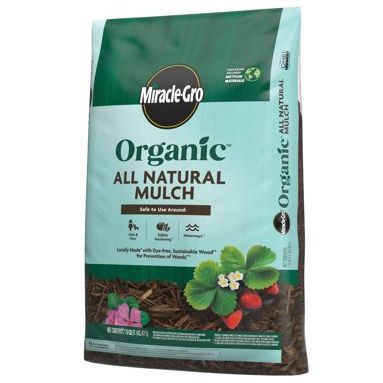 Dye-Free
 Great rake
 Light to Carry
The Common Mistake That Could Harm Your Peony in July
It might seem sensible to feed your peony in July, to give the plant more energy to form those all-important roots and eyes, but don’t be tempted. Fertilize your peony now and you won’t be doing the plant any favors.
For a start, peonies are light feeders and the general rule of thumb is not to fertilize this plant unless you have a reason to. While it’s usual – though by no means essential – to feed peony plants in spring, once those beautiful fresh red shoots are around 2-4 inches tall, feeding in late summer can interrupt the plant’s natural cycle. Fuelling new growth at this point in the year may interfere with the plant’s preparations to go into dormancy in fall.
While some folk do fertilize immediately after flowers fade, feeding this late in the summer – even with a lower-nitrogen fertilizer – will encourage the plant to waste energy on new leaves rather than storing it in its tubers, ready for next spring. That extra foliage growth can leave a plant more susceptible to fungal disease once wetter weather arrives, too.
A natural mulch will give your peony all the nutrients it needs, without any extra fertilizer. If you’re at all worried about your peony, or think the plant is showing signs that it’s not getting all the nutrients it needs, then don’t fertilize ‘just in case’. Instead, test your soil to find out exactly what the problem is, with a lab-based soil test kit such as Sta-Green from Lowe’s.

Peony care in July is all about keeping your plant happy and healthy so it can put all its energy into growing next year’s buds and a strong root system to support them. Deadheading, removing damaged leaves, watering deeply and mulching will ensure your peony has everything it needs to flower beautifully next spring. While you’ll have to wait a while for the results, the fabulous flowers will be well worth your efforts.