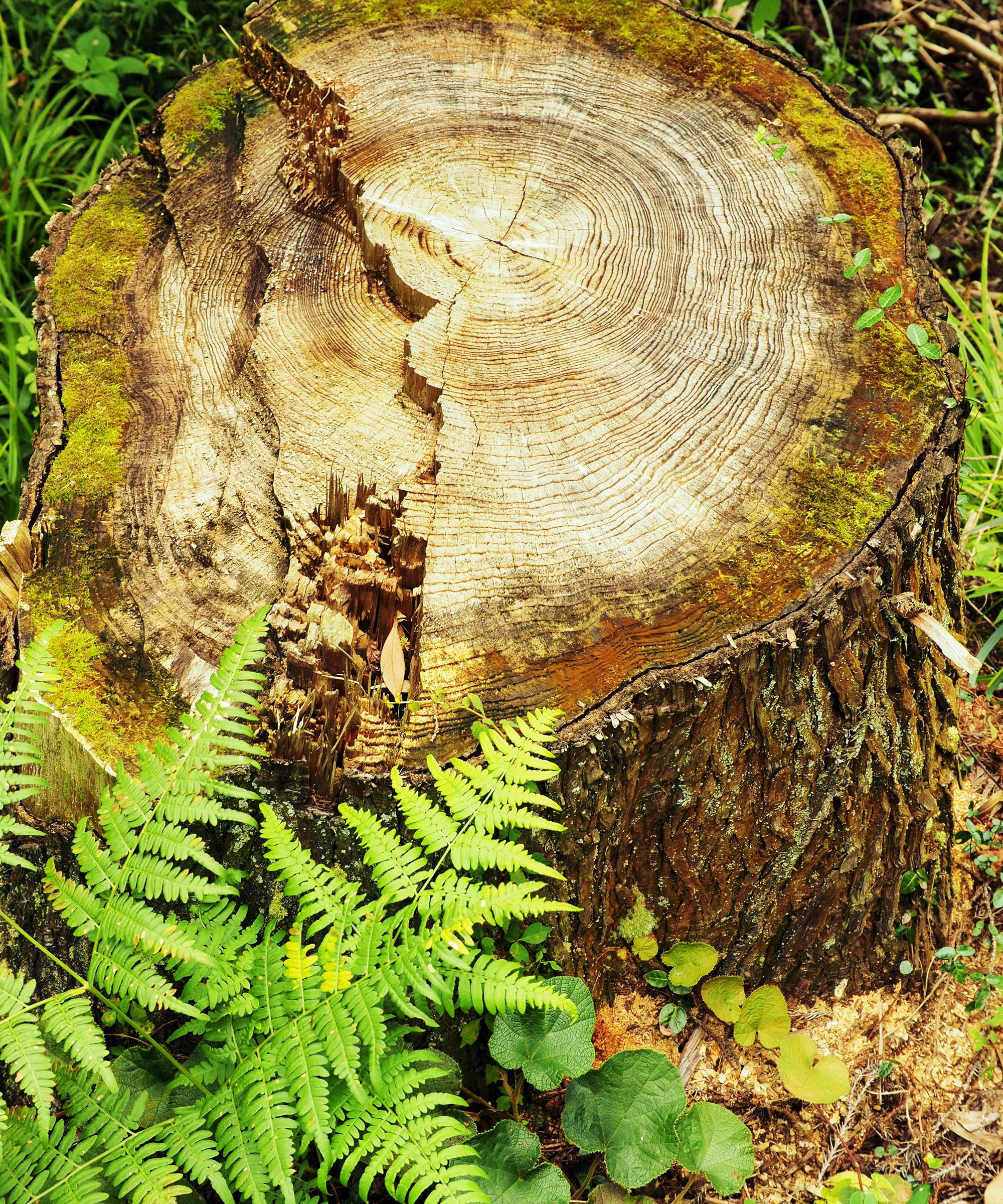
There’s something uniquely annoying about an old tree stump, isn’t there? It’s too solid to dig out yourself (unless you’re feeling particularly dedicated), professional stump grinding isn’t cheap, and every time you look at it, it seems to become even more of an eyesore.
If you’ve searched for ways to get rid of one, you’ve probably stumbled across every trick in the book. Drill holes and fill it with Epsom salt. Burn it. Cover it with plastic. Grow a new tree from it. Wait for nature to take its course (only another decade or so!).
I should know; I briefly considered all of them when trying to figure out what to do with my own pesky tree stump. Instead of spending hundreds of dollars trying to make the stump disappear, though, I had a thought: why not make it into something I actually wanted to look at?
How I Hid My Tree Stump
Rather than paying through the nose to remove my old tree stump, I decided to embrace it instead… and, no word of a lie, it’s since become one of my favorite parts of my garden.
Now, I know that some people transform their old tree stumps into benches, or fairy gardens, or decorative sculptures. Mine wasn’t nearly big enough for such grand designs, tragically. Instead, I planted evergreen vines around the base and simply let them do what they do best: climb.
Within a couple of seasons, the stump had almost completely vanished beneath glossy green foliage. And, instead of a dead reminder of the tree that used to be there (RIP, tree; I still miss you), it has become a lush pillar of greenery that looks like it has always belonged.
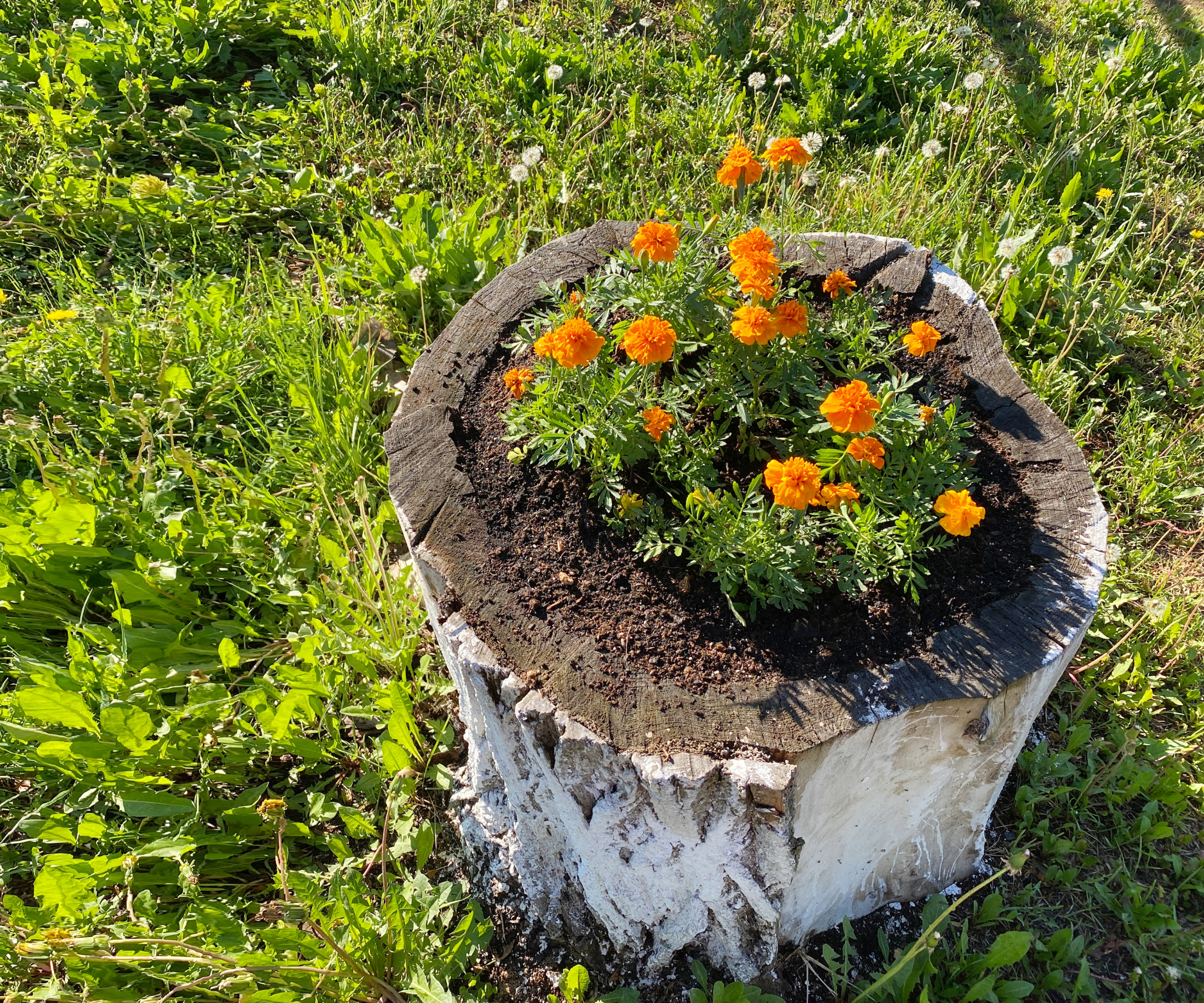
Now, the unexpected bonus wasn’t how good the stump looked; it was who moved in. Every summer, toads make their way beneath the curtain of green leaves, where the old stump stays cool and damp even during hot weather.
I’ll occasionally catch one peeking out from underneath the foliage before disappearing back into its shady hideaway. It’s not just a toad abode, though; the dense evergreen cover also provides shelter for insects and spiders, while the decaying wood beneath continues to support fungi and countless beneficial organisms.
What was once a dead feature has quietly become a living ecosystem. And, even in the middle of winter, when much of the garden has gone to sleep, the stump stays green, giving the space a little structure and a wonderfully overgrown, Secret Garden feel.
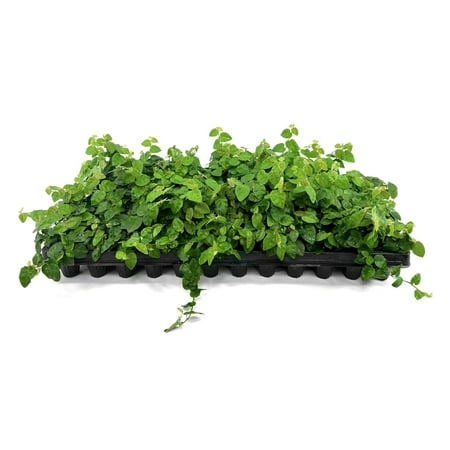
Now, I garden in the UK, where English ivy is easy (and non-problematic) to grow, but there are plenty of alternatives if you’re gardening in the US. Something like creeping fig in warmer regions, Virginia creepers (available as bare root plants from CZ Grain Stor) or even a stunning Climbing Hydrangea from Nature Hills if you’re happy to wait for it to establish can create a similarly , leafy effect.
If you don’t want a permanent climber, annual vines can also disguise a stump for the growing season. Or you could go ultra fancy and try growing your birth month vine over your own personal stumpery.
It should go without saying that there are times when stump removal makes sense. If the stump is diseased, causing safety issues, or sits exactly where you need to build a patio or plant a new tree, removing it is probably the right call.
Shop Vines & Creepers:
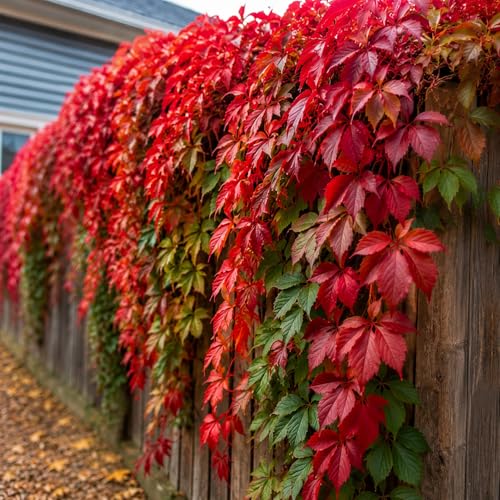
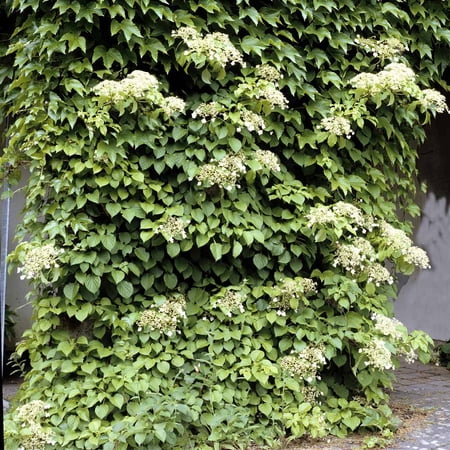
If it’s simply ugly, though? Well, I think hiding it is often the better solution. After all, professional stump grinding can be surprisingly expensive, especially for larger stumps. Leaving the stump in place means you avoid disturbing the surrounding soil and nearby plant roots, while allowing the wood to decompose naturally over time.
By covering it with evergreen planting instead, you’re solving the cosmetic problem without creating waste… and you’re adding habitat at the same time.
Truth be told, I originally planted the ivy because I didn’t want to pay for stump removal. Now, even if someone offered to remove the stump for free, I wouldn’t say yes. And every time I spot a little toad tucked beneath the leaves on a warm afternoon, I’m reminded that the garden seems to agree.