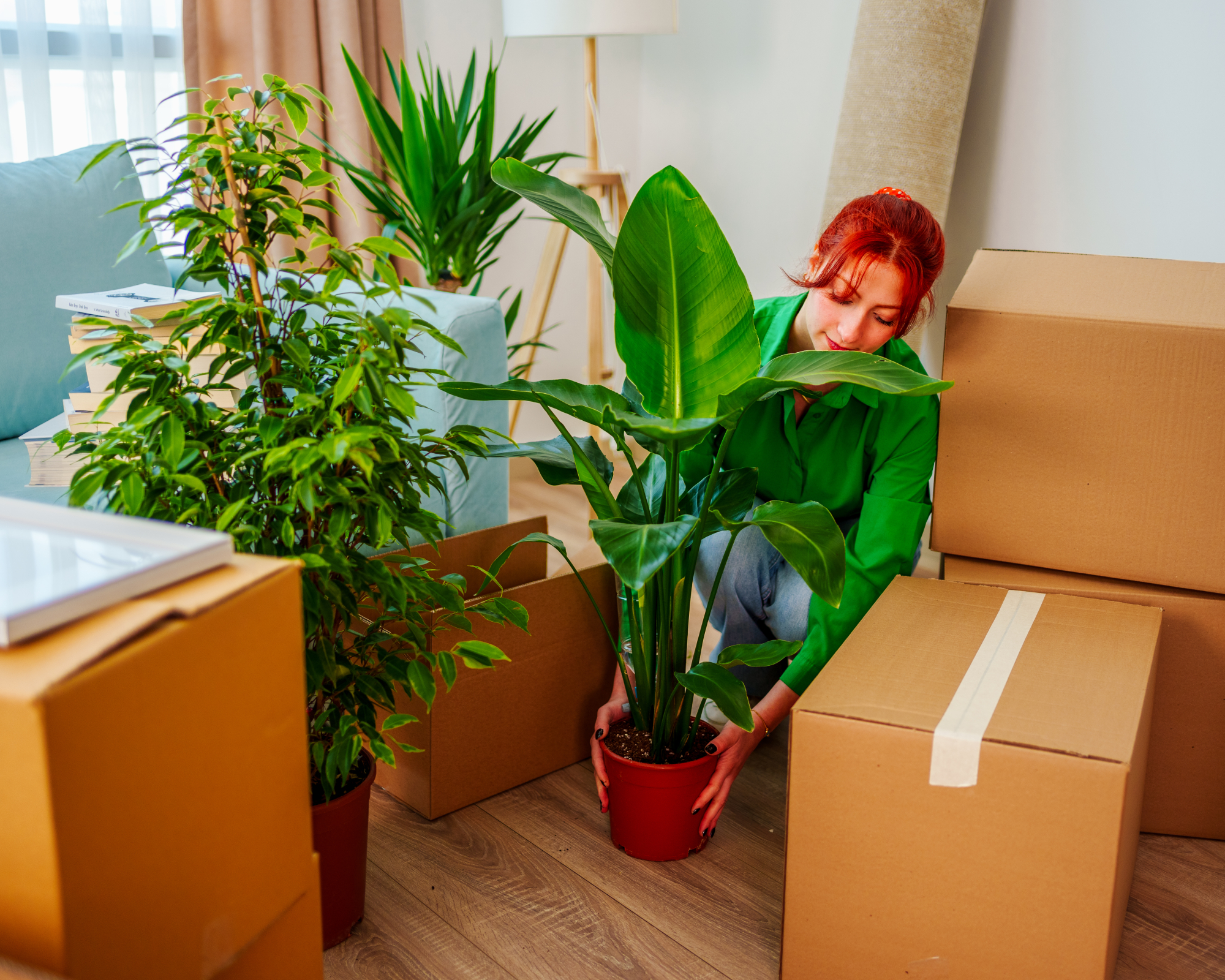
You’re moving homes, which means your family and your pets are also packing up and moving along with you. But what about your plants? Many of us consider our plants as part of our extended family, and I am one of them. I tend to rescue plants other people toss out with the garbage. Once you’ve nursed a junked plant back to glorious health, you just can’t leave it behind when you move.
Yet moving plants to a new home can have legal repercussions that you may not see coming. I know, since I’m a plant lover and a lawyer. Part of it depends on where you are moving and part depends on whether the plants are from outside in the garden.
It’s important to understand the legal issues before you move your plants to a new home. I’ll walk you through the legality of moving plants to a new home, so you don’t get in trouble.
Legal Issues When Moving Plants
You love your plants and can’t help but feel that they love you, too. So it’s natural to want to take them along with you when you move. While container plants are a bit more practical to travel with than those growing in the landscape, you’ll want to take a close look at the laws before packing up any of your plants.
There are two primary types of legal issues around moving with plants. The first (and perhaps easier) challenge involves state and national borders. This issue involves the question: can I take this type of plant into a new state or country? The second issue involves plant ownership. It asks the question: whose plants are they after you sell your house?
Moving Plants Across State Lines
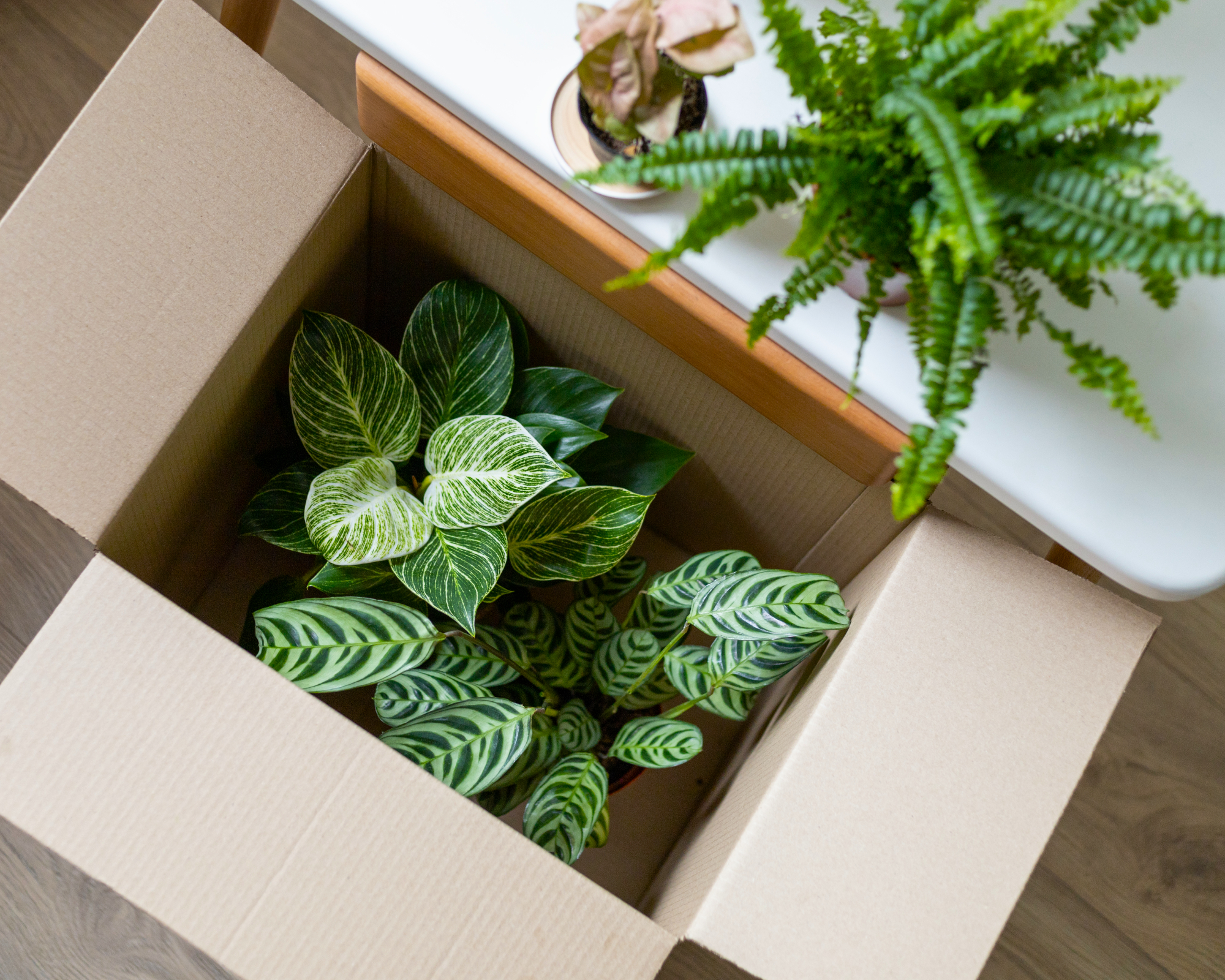
So you pack up the car with your suitcases, your kids, your dog, your cat and your 17 favorite houseplants. If you are headed to another town in the same state, you shouldn’t have any problems – other than squeezing everybody in.
If, however, your move will take you across state or national borders, you may have issues. Even when crossing from one state into another, some plants are forbidden. Moving plants across state lines is governed by the United States Department of Agriculture and state-specific agricultural quarantines.
In general, it is illegal to move plants between states if your plants harbor pests or diseases or have been declared federal noxious weeds, like kudzu and witchweed.
Other restrictions are in place as well, but they vary by destination. These include the prohibition to take any citrus plants into California and Florida to prevent the spread of different citrus diseases.
They also include restrictions on taking any plants that are hosts for the emerald ash borer (largely ash trees) and the Japanese beetles (plants like maple trees, birches, linden trees, roses, flowering crabapples, hibiscus, crape myrtles, and viburnum).
Finally, it is largely prohibited to take any natural soil across state lines. That means that any container plants with soil from the garden in the container cannot be transported legally. Only sterile, soilless potting media is permitted.
Moving plants across international borders is even more fraught legally. For example, if you’re moving to Canada, your houseplants must have a Phytosanitary Certificate from the Canadian Food Inspection Agency (CFIA) and must be bare roots.
Travel into other countries with plants may be even more restricted. The best rule is: know before you go. Call the nearest consulate and ask before trying to move plants into a new home in a different country.
Removing Plants From Your Old Yard
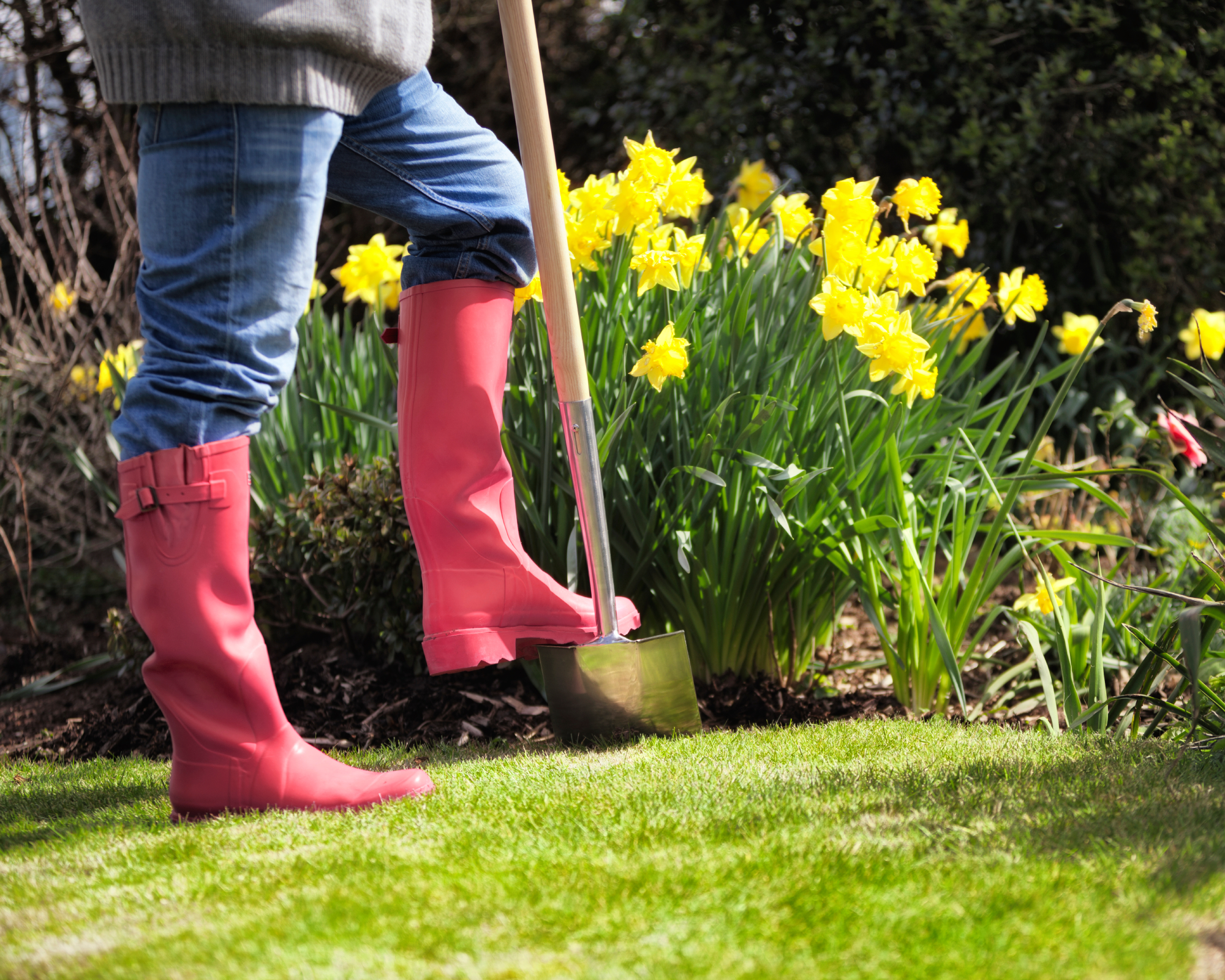
Are you sure you are really the owner of that shrub in your old yard? Before you dig it up to take it with you to your new home, make sure you know the rules about plant ownership.
Yes, you planted that hydrangea, that rose bush, or that Meyer lemon tree in the backyard some years back. You bought it at the garden store, dug the hole, planted the roots, and nurtured the plant. Now it’s time to leave and you’re thinking it would look nice in your new home’s garden.
But is it legally yours? If you rented the home you are leaving, it might belong to the landlord. In most states, plants that are attached to the soil by their roots belong to the property owner.
That means that outdoor shrubs permanently planted in the ground are considered legal “fixtures” and belong to the landlord of your old home. Even if a tenant plants the shrubs themselves, they generally cannot remove them when moving out without the landlord’s permission
There may be issues even if you owned your old property. If you are moving because you sold the property, ownership of the outdoor plants may have passed to the new owner with the sale of the house.
As a general rule, outdoor shrubs that are planted in the ground belong to the buyer when the sale closes. They are classified as fixtures and automatically transfer with the house. Sellers cannot dig them up unless explicitly stated in the purchase contract that the seller will take ownership of certain plants.
What You Can Do
- Before moving day, figure out what plants you wish to take with you. Do your research to understand whether or not you can take them to your new home.
- Take cuttings from the in-ground plants you particularly love to root and plant at the new home.
- If a particular outdoor shrub is very dear to you, negotiate with your landlord, if you are a tenant, to be able to dig it up and take it with you. If you are selling your home, write in explicit exceptions for the outdoor plants you wish to take.
What You Can’t Do
- When crossing borders, never lie to a state or federal agent about the plants you are carrying. This could cause you to be subject to large fines or even to be criminally charged and sent to prison.
- Never dig up outdoor plants if you are not the current owner of the property. Your landlord or the new buyer can charge you with theft and/or sue you for the replacement cost.
Tools to Help You Move Plants
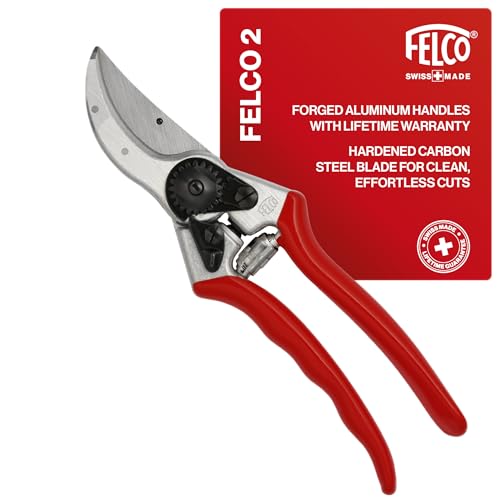
Take cuttings of your favorite plants with these pro-approved pruning shears from Felco.
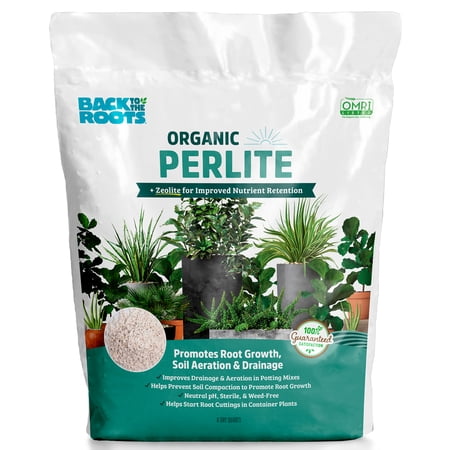
Perlite is a great medium for propagating plant cuttings to prevent root rot and promote good root growth.
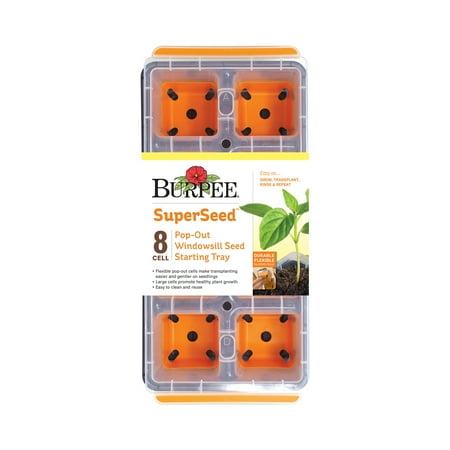
A reusable planting tray like this one is perfect for planting cuttings and seed starting. Try both methods to bring your favorite plants to your new home.