Self-seeding flowers carry a reputation for taking over, and some earn it. Plenty don’t, though. A handful of well-mannered reseeders drop just enough seed to return each spring on their own, filling gaps without ever staging a takeover.
There’s a particular kind of magic in a flower that plants itself. Set it out once, it blooms and drops seed, and come spring a fresh crop pushes up right where the old one faded. No digging, no reworking the bed — it just shows up. The catch plenty of gardeners have run into, though, is that a fair number of self-sowers don’t know when to quit, turning a neat border into a tangle by the third summer.
The good news is that not all self-seeding plants behave that way. Some scatter only a modest amount of seed, come up in politely small numbers, and pull easily wherever they land somewhere unwanted. The six here fall squarely into that camp. They return on their own year after year, but stay roughly where they were put.
6 Self-Seeders That Stay Put
One thing to sort out first. With re-seeders, telling next year’s seedlings from weeds come spring is half the battle. The volunteers pop up in odd spots, and it’s easy to hoe out a flower by mistake. A set of plant labels from Amazon marking where each one went in saves a lot of second-guessing. Past that, most of these ask for next to nothing.
1. Columbine
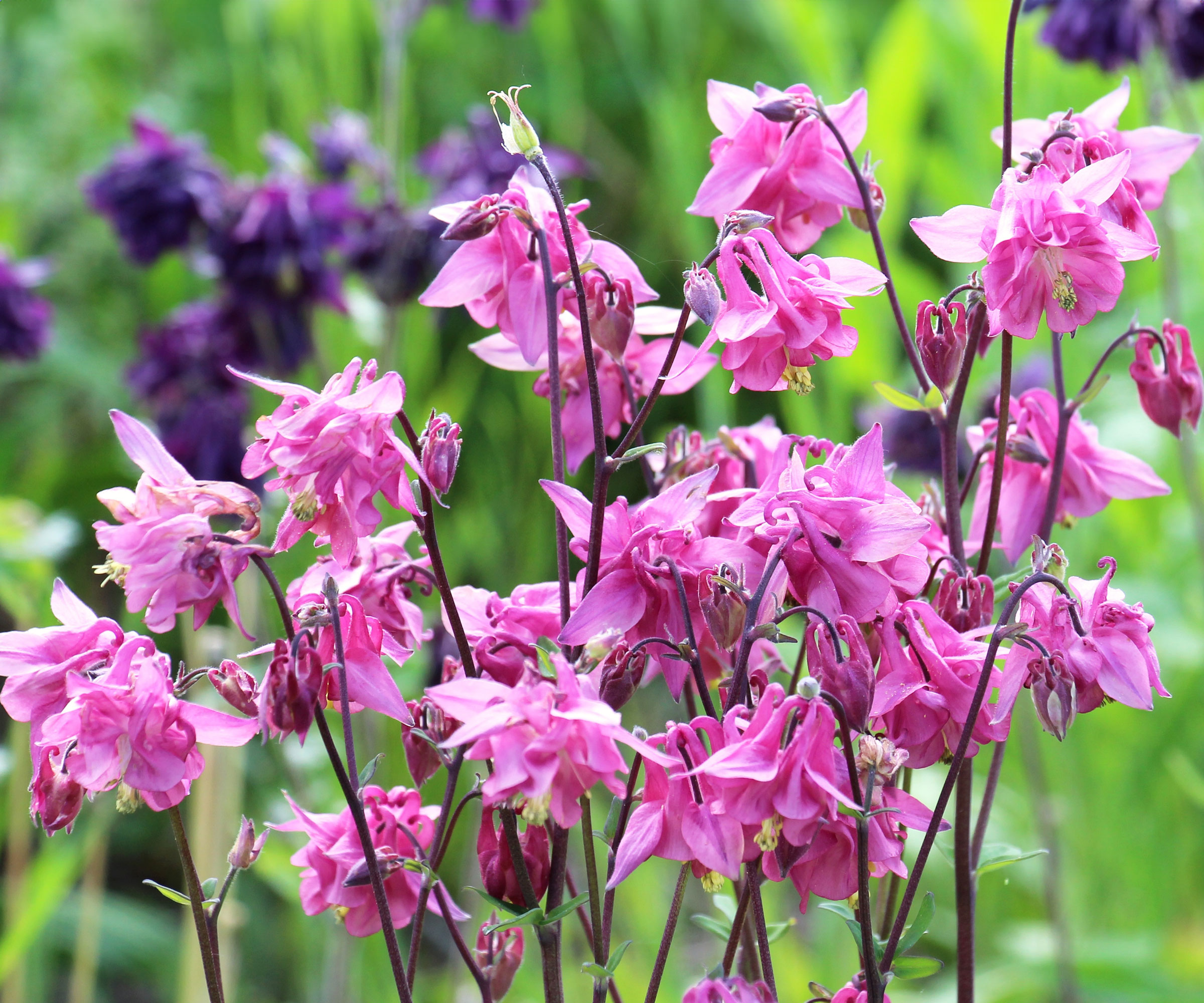
Columbine (Aquilegia) is one of the better-behaved re-seeders you can tuck into a shady spot. The flowers nod on thin stems, spurred at the back, and they come in just about every color. Left to settle, a plant sheds a little seed each year — enough to keep it around, not so much that it starts crowding the neighbors.
It leans toward partial shade and soil that drains freely, and it’s hardy clear down to zone 3, coming back from the same crown each winter rather than starting over from seed the way the annuals do. Volunteers lift easily while small, so a narrow hand trowel from Amazon turns relocating a stray seedling into a two-minute job. Trimming spent stems slows the sowing if it ever runs ahead of you.
2. Calendula
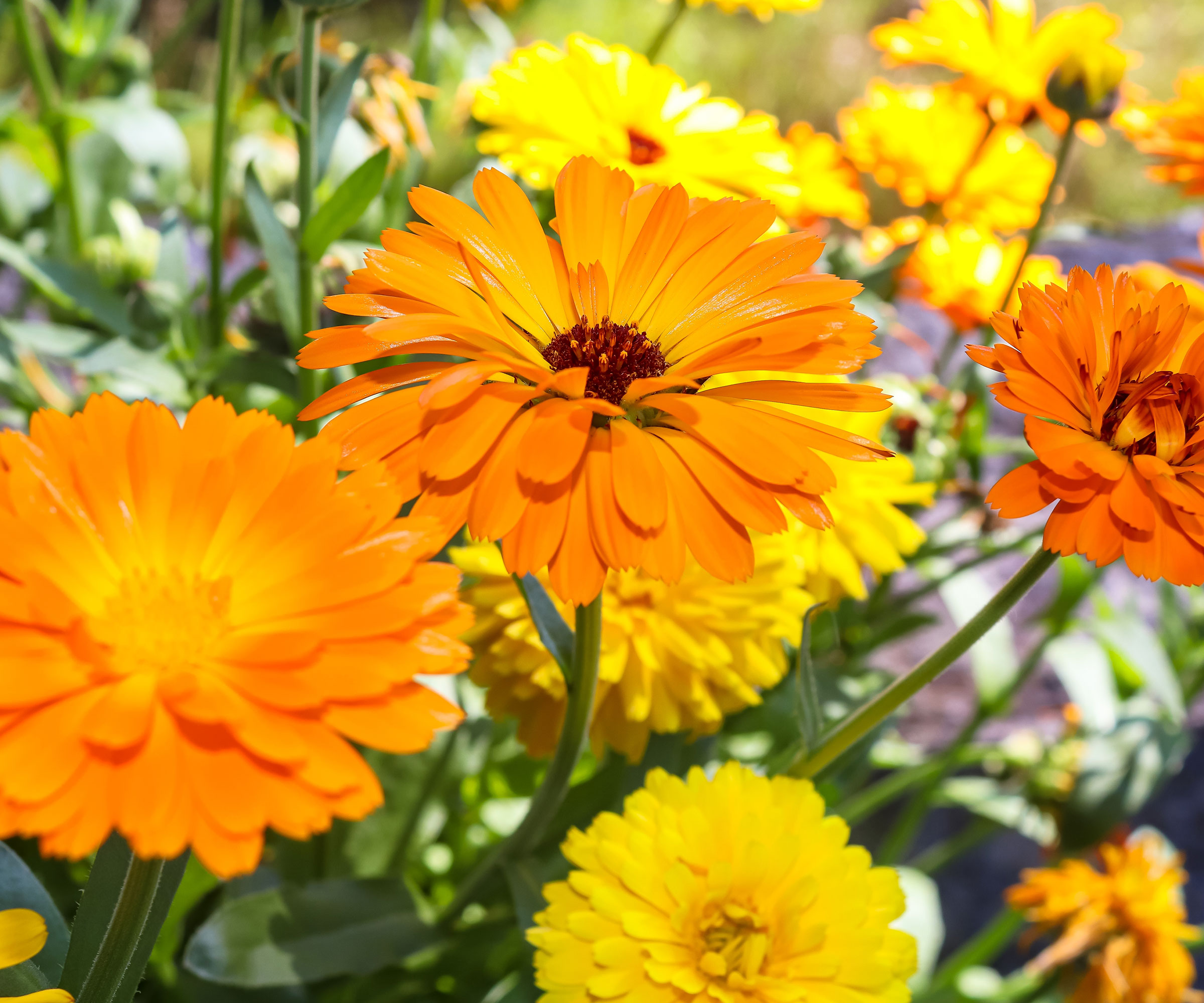
People mostly grow calendula (Calendula officinalis) for the petals — edible, a little peppery, decent tossed in a salad. What gets missed is how easily it reseeds. It blooms in warm oranges and yellows through the cool shoulders of the season, then drops its odd curved seed to sprout on its own the next spring.
Technically an annual, it behaves like a returning fixture across zones 2 through 11. The parent plants die off, but their offspring reliably step in. That reach into zone 2, matched only by love-in-a-mist plants here, makes it about the coldest-tolerant pick on the list.
Full sun and average soil suit it fine. Deadheading stretches the bloom but also curbs reseeding, so leaving a few late flowers to ripen keeps the cycle going without letting it sprawl.
3. Love-in-a-Mist
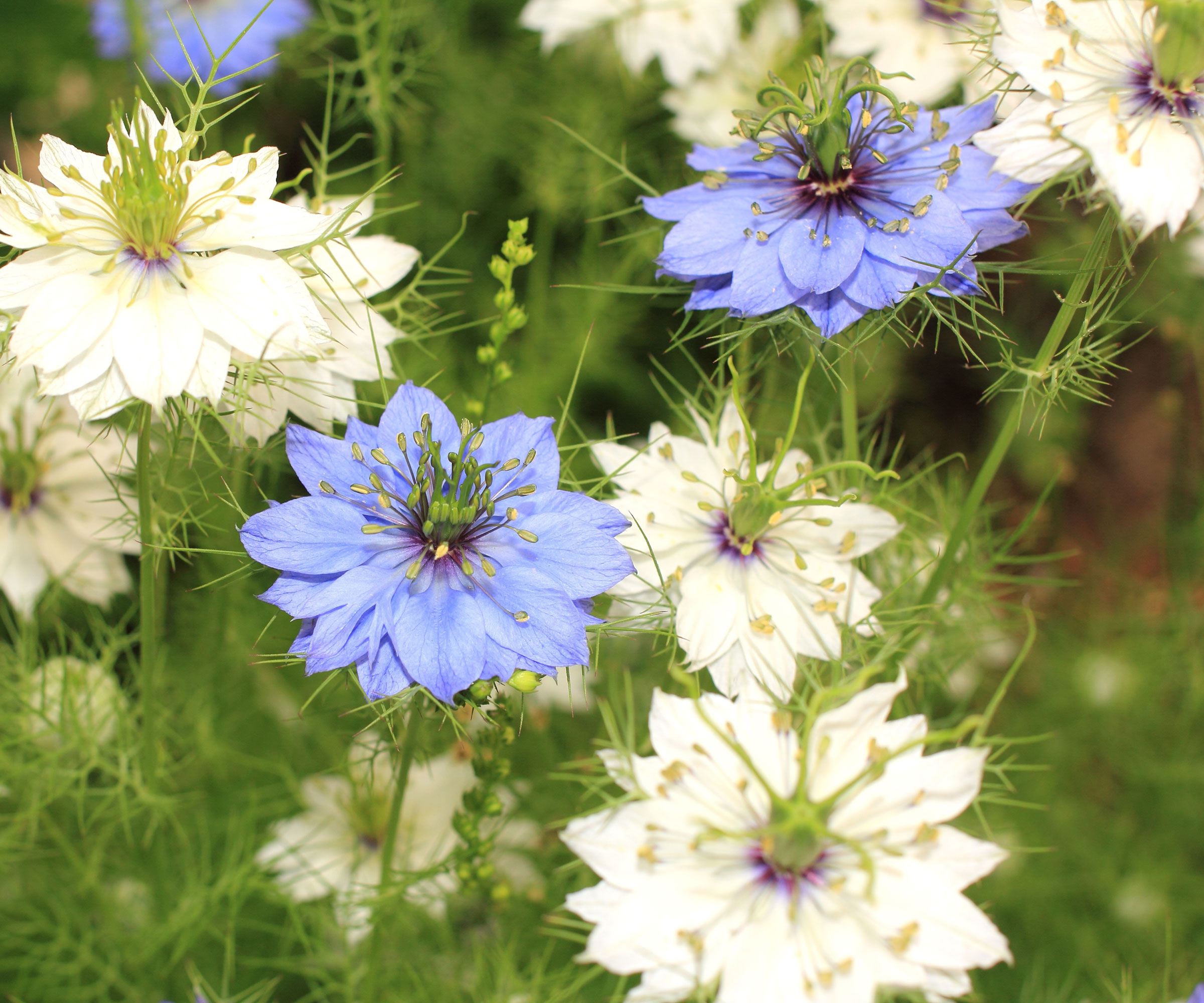
Wispy, thread-like foliage and papery blue flowers give love-in-a-mist (Nigella damascena) an almost weightless look in a border. After bloom, the flowers give way to inflated, horned seed pods that are half the reason to grow it — and the source of next year’s plants.
A hardy annual, it self-sows dependably from zone 2 clear up to 11, and never really makes a nuisance of itself doing it. Full sun, soil that drains — that covers what it needs. One quirk: the seedlings hate being moved, so it’s best to let them come up where they fall. If a patch gets too thick, thinning by hand is easier than transplanting anyway
4. California Poppy
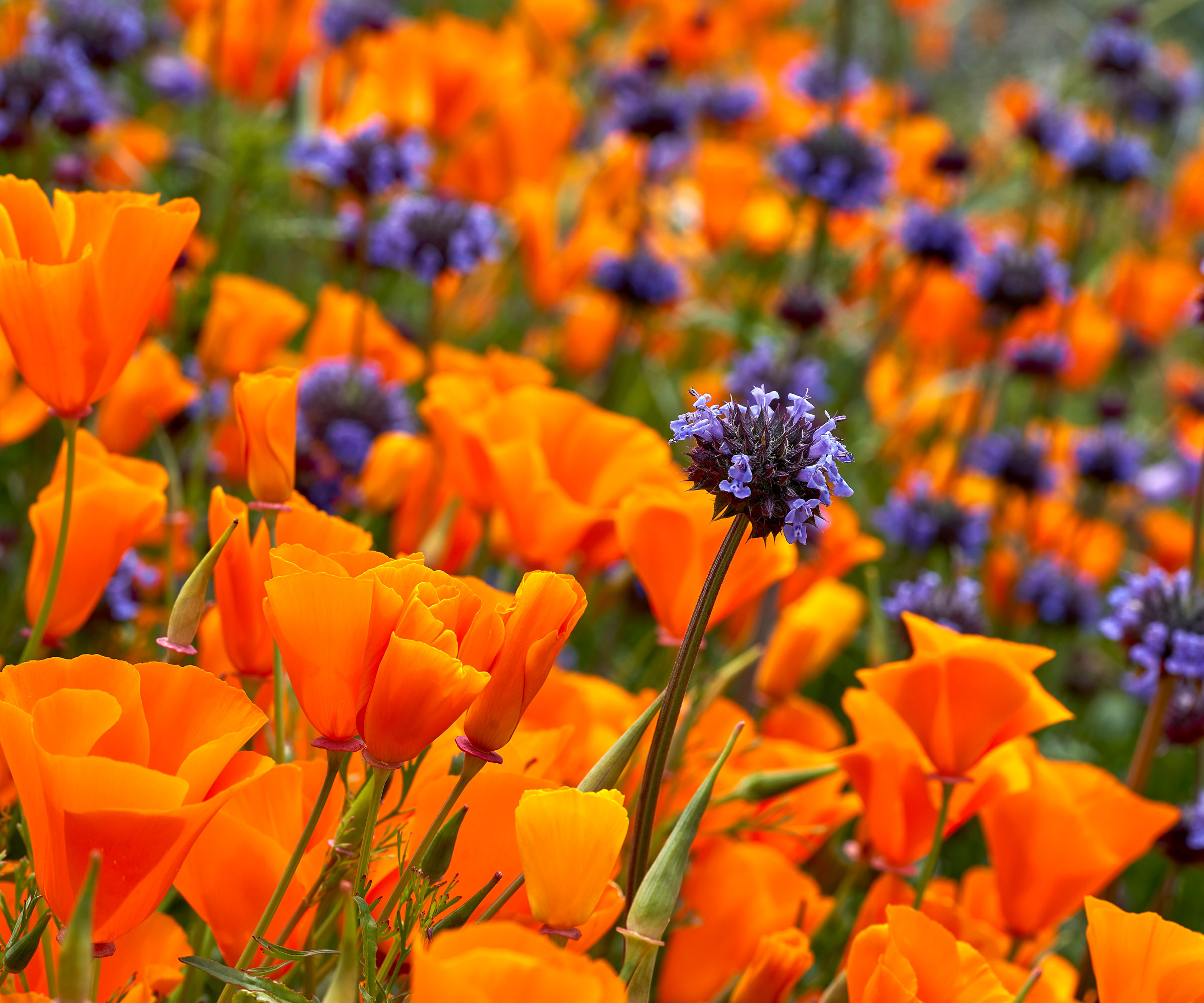
By August, plenty of drought-tolerant plants look half-cooked, but California poppy (Eschscholzia californica) doesn’t. It keeps pushing out silky orange cups through the hottest, driest stretch, right when most everything around it has checked out for the season. It reseeds freely in the lean, gritty soil it favors, yet stays easy to keep in check and unwanted seedlings pull with a light tug, roots and all.
Hardy in zones 6 to 10 and perennial at the warm end of that range, it’s a strong pick for sun-blasted spots. It wants no fertilizer and barely any water once established. And if it ever wanders further than you’d like, a quick pass with garden snips from Amazon over the seed heads before they open keeps next season in check.
5. Sweet Alyssum
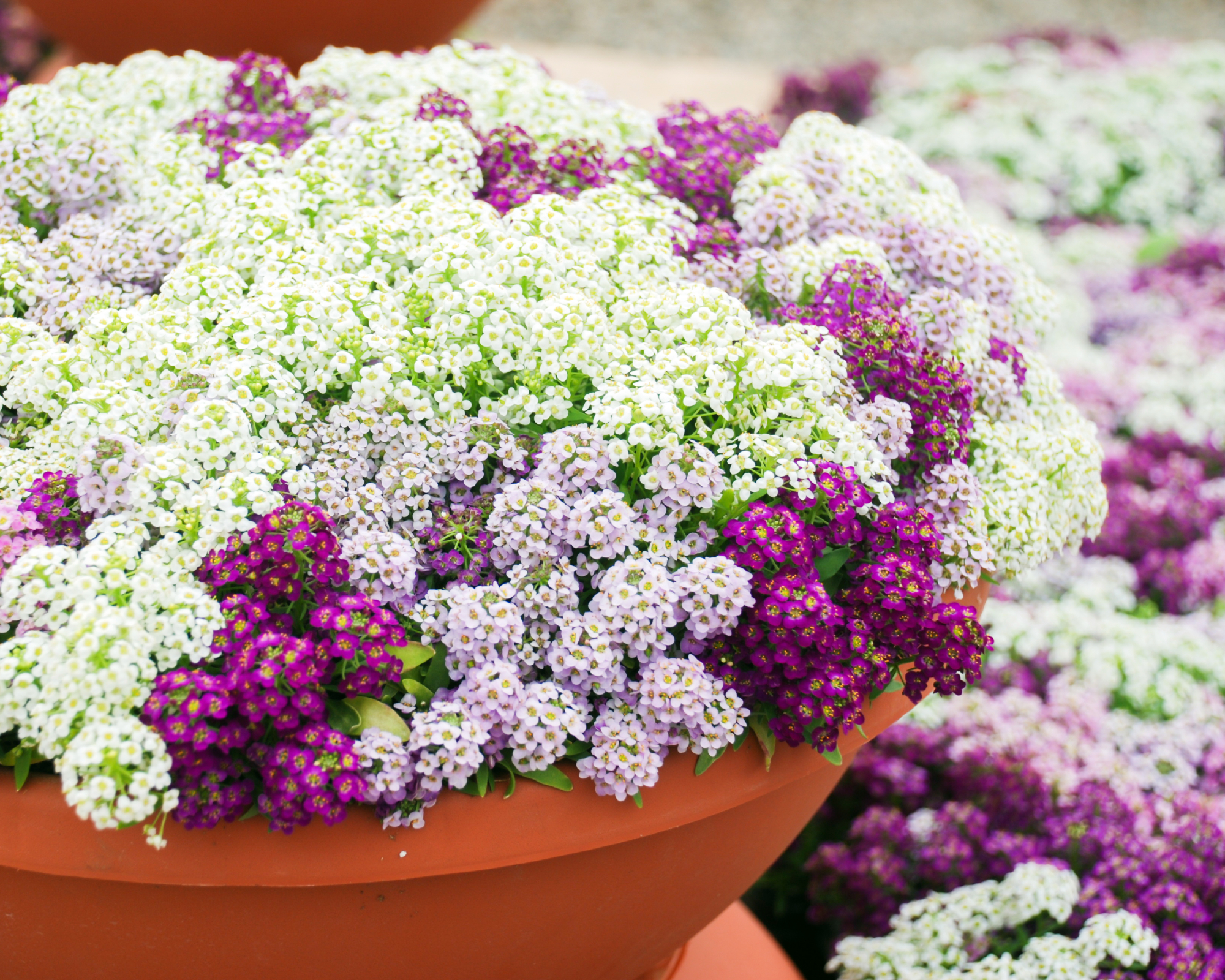
You usually smell sweet alyssum (Lobularia maritima) before you spot it. That honey scent carries a good distance. It grows in low mounds, tiny white or pale-purple flowers by the hundred, spilling over a path edge or the front of a bed from spring right through fall. Reseeds itself the whole while, quietly. In the warmest gardens — zones 9 to 11 — it settles in as a short-lived perennial, coming back year on year; everywhere else it returns from its own dropped seed.
That zone 11 ceiling also makes it the clear heat champion of the group — nothing else here handles a summer that punishing. It’s undemanding, happy in full sun to light shade with regular-to-dry soil. Shearing it back midseason revives tired plants and keeps the reseeding modest instead of overzealous.
6. Blanket Flower
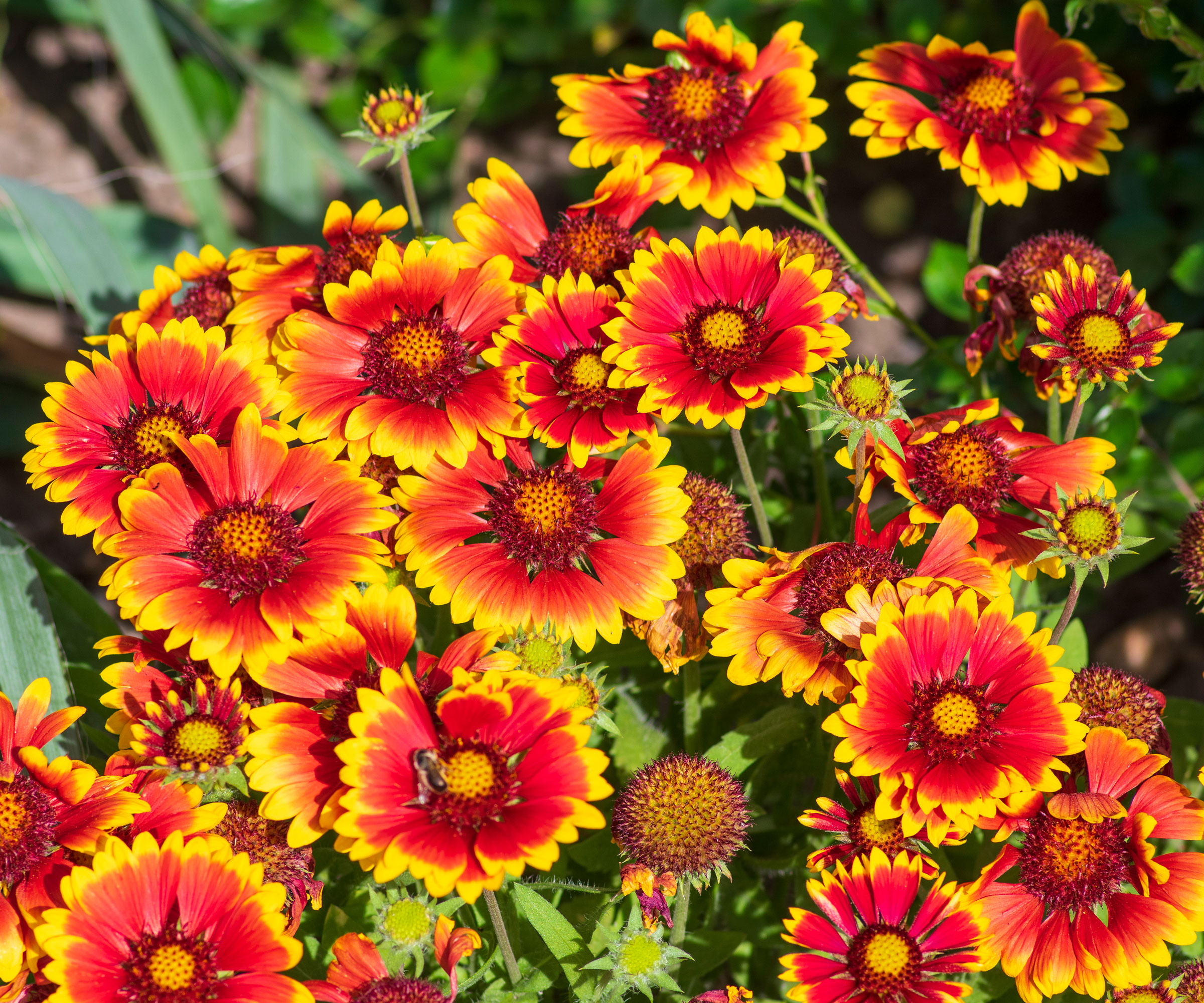
Blanket flower (Gaillardia) takes the extremes in stride — the summer that bakes a bed hard, the winter that freezes it solid, both. The red-and-gold daisies keep flowering from early summer until frost finally shuts them down, and pollinators work them the entire time. It reseeds at a measured clip. Enough to stick around, never enough to run wild.
It handles zones 3 to 10, a remarkable span for one plant, and asks only for full sun and soil that isn’t soggy. Overwatering is about the one way to lose it. Leaving a few seed heads standing into fall keeps volunteers coming and gives the birds something to pick at through the lean months.
Enjoy these easy-going, re-seeding garden champions and get ready to have gorgeous beds year after year!