Who doesn’t want more plants for free? September is a great time to harvest native plant seeds you already have in your yard and expand your gardens. Or if you want to try new native plants, exchange seeds with friends or harvest from the wild in permissible areas.
Many native perennials need a moist, cold treatment, called stratification, before germinating in spring. The cold, wet weather during winter signals the seeds to prepare for germination when the weather warms.
You can harvest those seeds now and store them till late fall or early winter, then plant the seeds in the ground or in containers for more control. If planting in containers, keep an eye on the moisture level till the ground freezes and again in the spring. To keep birds and squirrels out of the plantings, cover them with tulle, hardware cloth, or chicken wire.
Flower seeds to harvest in fall that do not need cold stratification can be planted right away. The ground is warm so seeds germinate quickly. Even if they do not germinate right away, they should emerge on their own timetable in spring. Here are the easiest-to-grow native plant seeds you can harvest in September to expand your garden for free.
Seed Saving Essentials
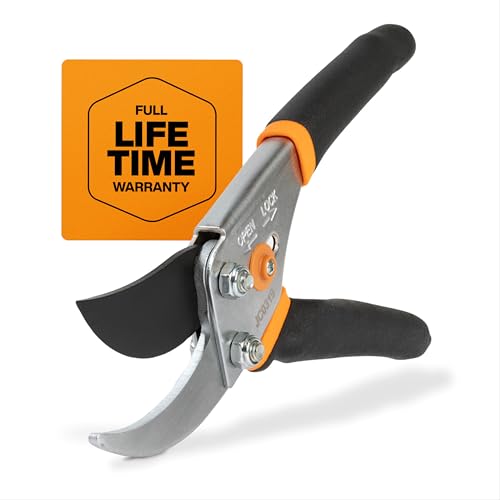
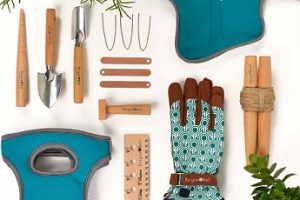
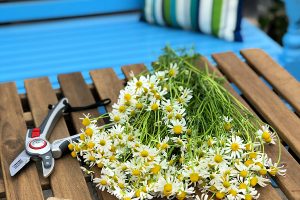
A sharp, clean pair of pruners like these is a necessity for seed harvesting in September.
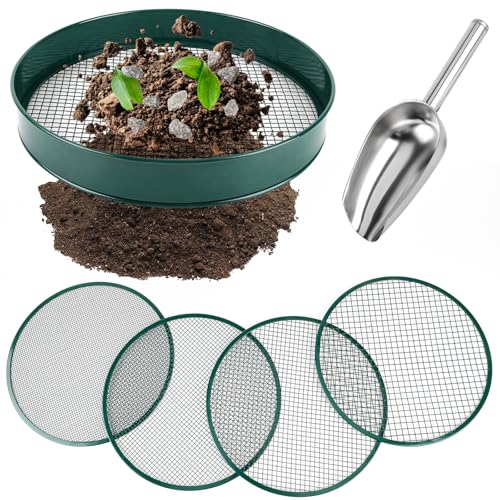
This nifty sifter is half off right now! It makes separating the seeds from the chaff so much easier.
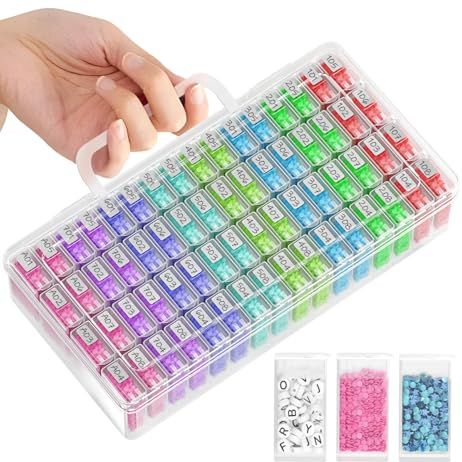
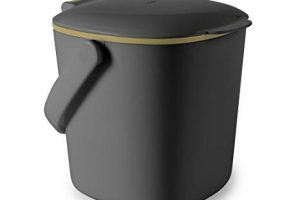
This clever craft bead organizer makes the perfect seed storage container, according to Content Editor Kathleen who’s used it for years.
Native Plant Seeds to Harvest Now
When you are giving plants a haircut in midsummer, be sure to leave a few untouched so they can go to seed. Cutting off the faded flowers will also cut off seed production for that flower. And leave a few seedheads for the local wildlife, too. Birds and small mammals eat the seeds in winter when foraging for food.
The plants you want to collect seeds from should be native species and not cultivars of native plants. Most cultivars do not come true from seed. Here are five native plant species you can harvest from now to get more plants for free.
1. Purple Coneflower
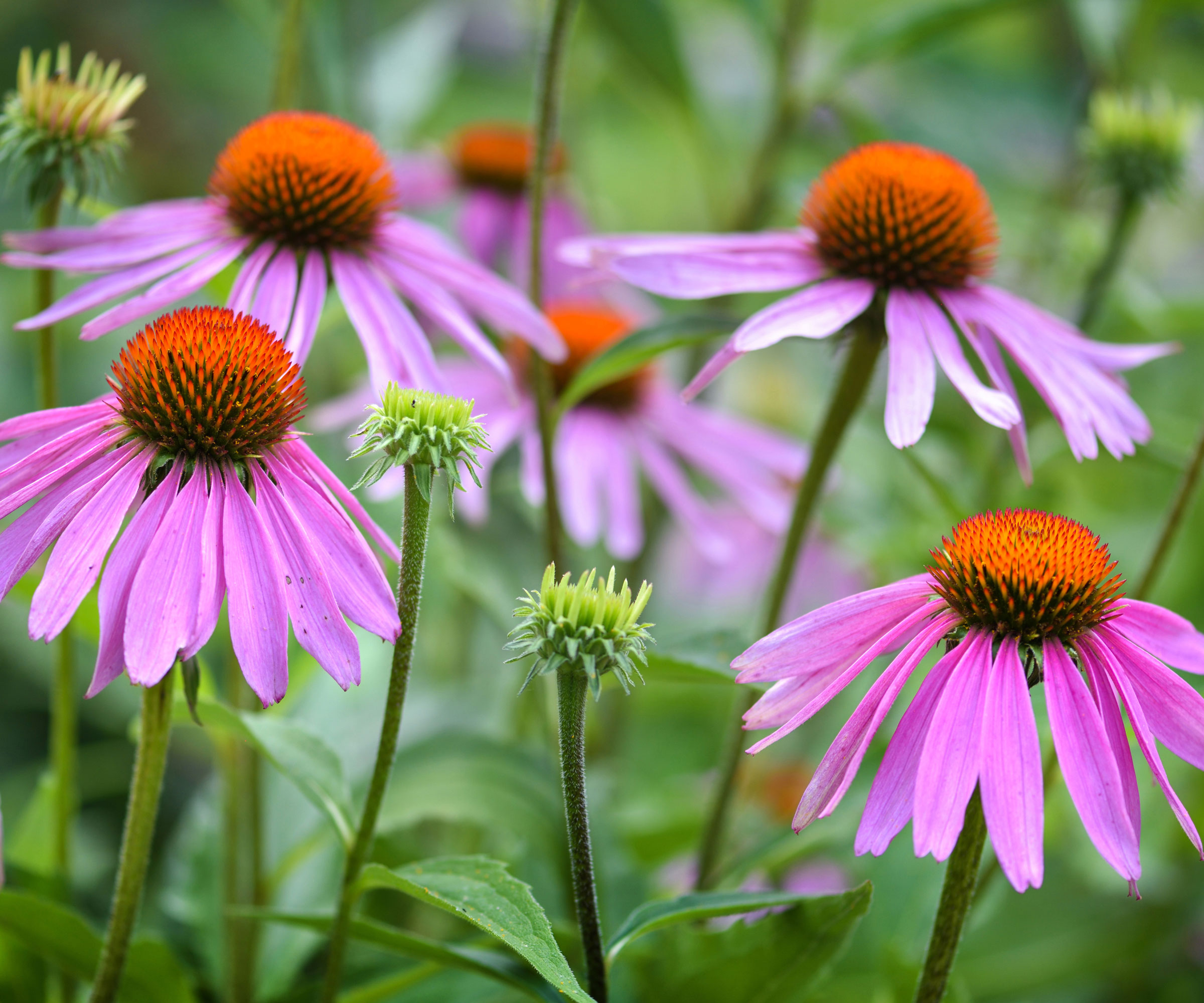
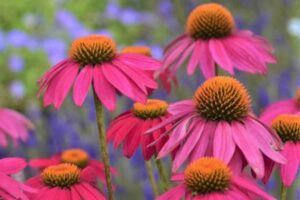
Purple coneflower (Echinacea purpurea) is one of the showiest and easiest native plants to grow from seed. Its flowers – drooping, dark pink petals surrounding a center cone – are popular pollinator and songbird favorites in USDA hardiness zones 3 to 9.
It will reseed and grow on its own whether or not you collect the seeds. To start them in a different area, all you need to do is cut a few stalks with the dark brown seedheads, place them in the new area and – presto! – instant coneflowers next spring. But if you want to save seed for yourself or share with others, there should be plenty of dry, brown center cones in September.
To collect the seedheads, wait until they are completely dry then cut the dark brown, stiff cones from the stalk and drop them into a small, labeled paper bag. To remove the seeds, you can tap the heads on a table and they should fall out. Or, with gloved hands, lightly rub the cones.
Coneflower seeds benefit from cold stratification to awaken from dormancy so direct sow the seeds shallowly outdoors in the fall. Or, simulate winter by storing them in moist sand or moist paper towels sealed in a plastic bag in the refrigerator for eight weeks.
To transplant seedlings in spring, sow seeds indoors 6 to 8 weeks before the average last frost date. Lightly cover the seeds with soil and mist them daily till they germinate in about 10 to 20 days.
2. Butterfly Weed
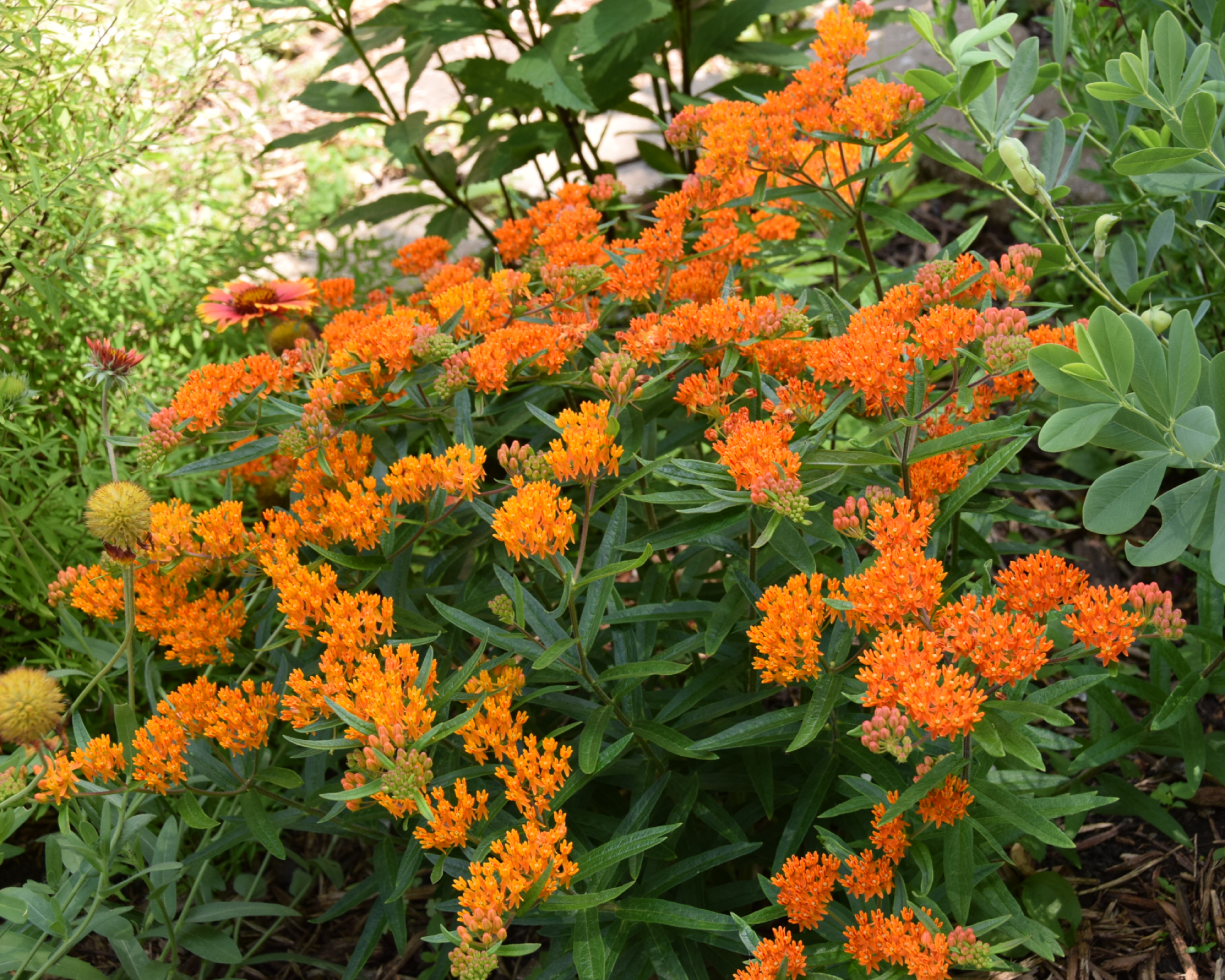
Butterfly weed (Asclepias tuberosa) is one of my top five garden plants. It is drought tolerant, blooms off and on all summer with bright orange clusters of nectar-filled flowers, and is a host plant for the monarch butterfly, growing in USDA zones 3 to 9. The seedpods split open when the seeds are ripe and dark brown seeds float out on fluffy silk. Butterfly weed reseeds on its own, but you can collect the seedpods before they open.
To harvest the seeds, cut off the pods when they are turning light brown and the seam separates easily when pressed. If you can see dark brown seeds inside then they are mature. Green or white seeds or an unyielding pod indicate the seeds are not ready for harvesting.
Once ready, break open the seam, and to keep the silk rope intact, grasp it firmly at the top and gently remove it with the seeds attached. Continue holding the top of the silk while using a finger to lightly push the seeds off the silk.
Milkweed seeds need cold stratification to break dormancy. Sow seeds shallowly outside in late fall in a sunny, permanent location with well-draining soil. Seeds remain in the soil through winter, then germinate in spring. To simulate cold stratification, store the seeds in moist sand or in a moist paper towel in a plastic bag in the refrigerator for one month.
To transplant seedlings in spring, start seeds indoors 8 to 10 weeks before the average last frost date. Sow them in deep, 4-inch (10.2 cm) cells to accommodate the growing taproot. Use a heat mat if available. Perennials spend their energy the first two years growing roots and foliage, so they may not bloom for three years.
3. Wild Bergamot
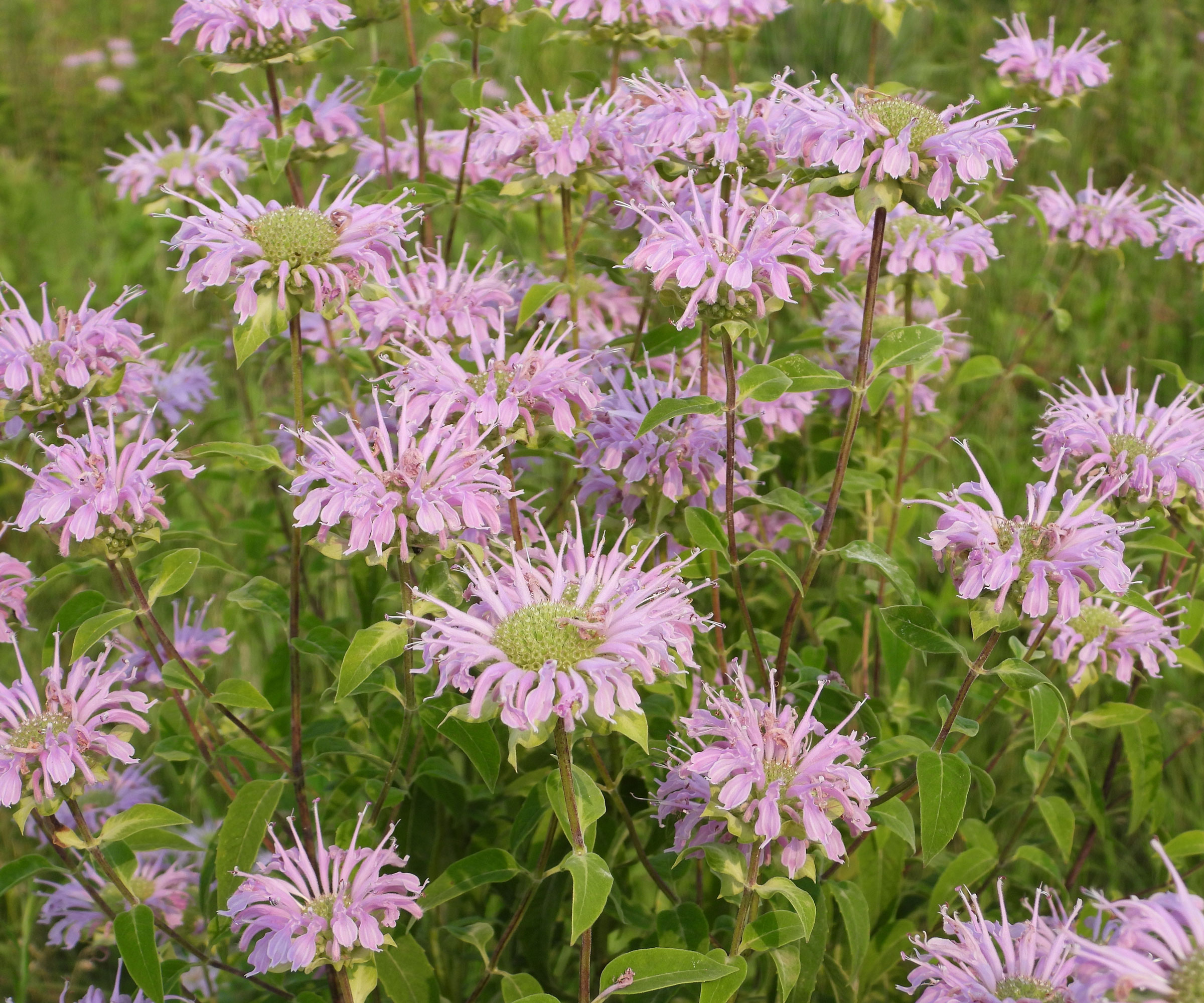
Wild bergamot (Monarda fistulosa) is the lavender-colored, fragrant monarda that blooms abundantly in early summer, forming a large mound that increases by rhizomes as well as seeds. Bees, butterflies, and hummingbirds love the nectar-rich flowers that grow in USDA hardiness zones 3 to 9.
When the flowers fade, seeds mature within two months, forming dry, brown seedheads. Cut off the seedheads and place in a labeled paper bag. Allow to dry further indoors, then pull the seedheads apart to reveal the tiny, brown, oval seeds. Remove the chaff and place seeds in a paper envelope or paper bag and store in a cool, dry location.
Monarda does not need any pre-treatment to germinate, so the dry seeds can be stored until planting time. They can be planted outside in full sun in well-drained soil right now or in spring after the danger of frost is past.
To transplant seedlings in spring, start seeds indoors 6 to 8 weeks before the average last frost date. Plant them in seed starting trays or containers using a moist, soilless potting mix.
These plants need light to germinate, so sprinkle them on the surface of the medium and press down. Set the trays in a sunny window or under grow lights. Mist the soil daily till germination occurs in about one to three weeks.
4. Blanket Flower
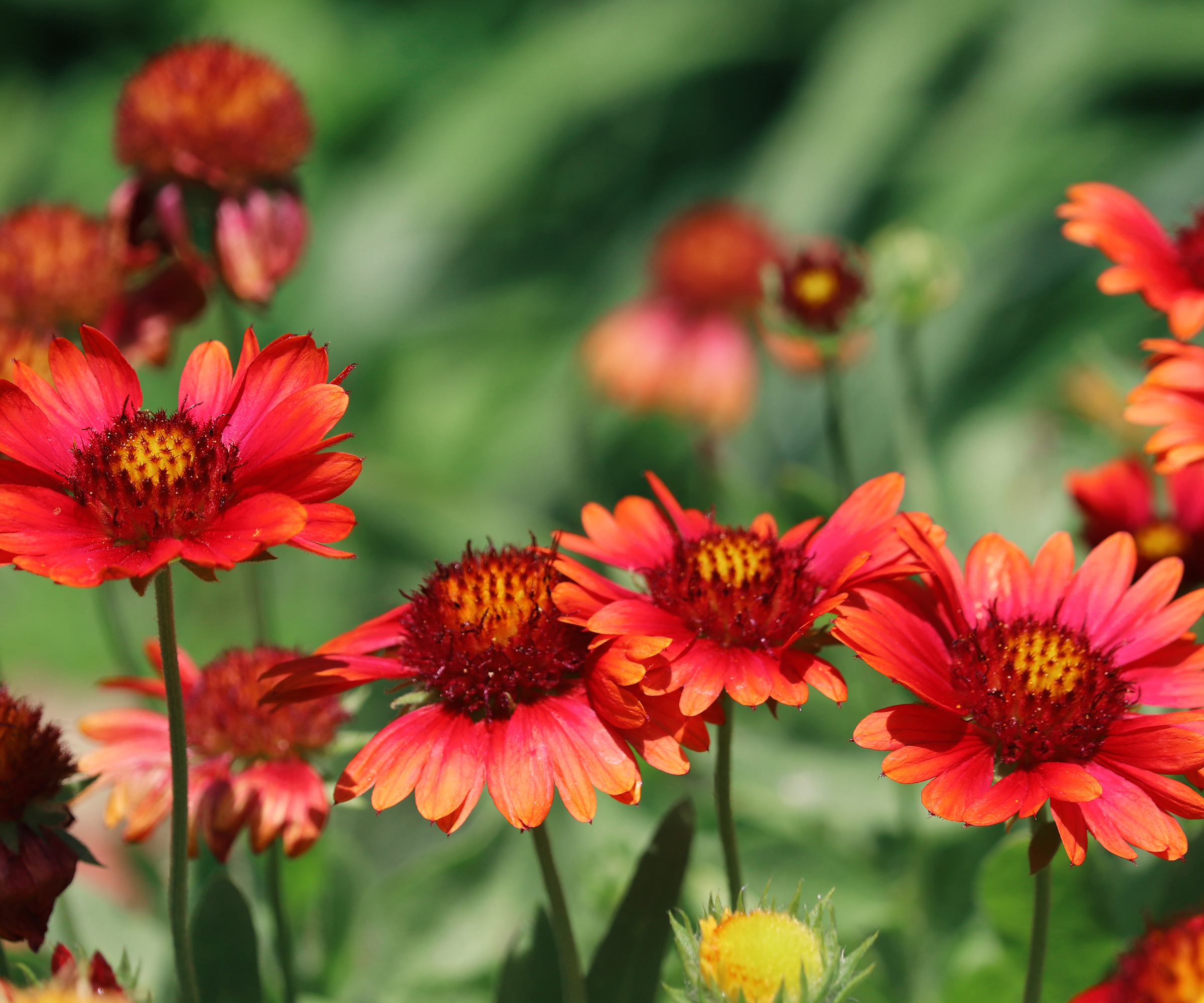
Blanket flower (Gaillardia aristata) is a short-lived perennial with bicolor red and yellow, daisy-like flowers that attract butterflies. There are many annual and perennial varieties to choose from, but they all require well-draining soil in full sun to thrive and are hardy in zones 3 to 10.
Blanket flower blooms from midsummer to early fall, and flowers left on the plant will dry and produce seed in a rounded center that’s relished by goldfinches. To harvest the seeds, cut off dried seedheads when the heads are brown or gray and seeds pull away easily. Remove the chaff and allow the seeds to thoroughly dry before storing in paper envelopes or bags in a dry, cool location.
For earlier blooming, start seeds indoors 6 to 8 weeks before the last frost. Press the seeds onto moist, soilless potting mix and do not cover. Gaillardia seeds need light to germinate such as from a sunny window or grow lights. A heat mat is beneficial, too.
Mist daily until they germinate in two to three weeks. You also can direct sow seeds into the ground after the last frost but they may not bloom till the second year.
5. Threadleaf Coreopsis
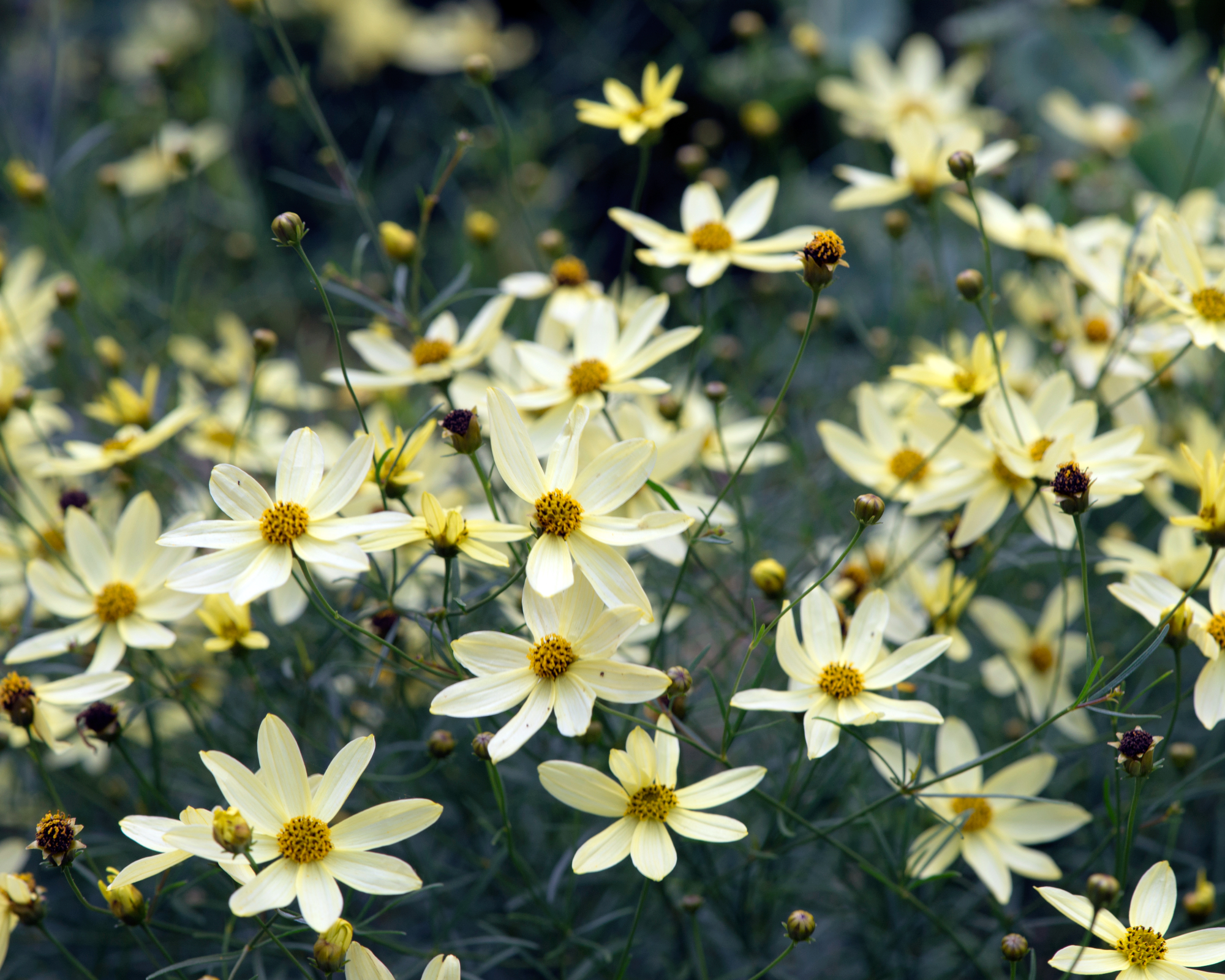
Threadleaf coreopsis (Anacis verticillata) is a showy perennial with lacy, airy leaves and yellow daisy-like flowers that blooms from late spring to late summer. It grows best in full sun and well-drained, poor soil in USDA zones 3 to 9.
Threadleaf coreopsis grows easily from seed and attracts birds and butterflies. Collect the small, golden, dried seedheads about four weeks after the flowers fade. Seeds are small, black or gray, and oblong. Separate them from the chaff and store in paper envelopes or bags in a dry, cool location.
Plant threadleaf coreopsis seeds in late fall or early spring without cold treatment. They need light to germinate so press seeds lightly into the soil. To transplant seedlings in spring, start seeds indoors 6 to 8 weeks before the average last frost.
Press the seeds onto moist, soilless potting mix and do not cover. Place the container in a sunny window or under grow lights. Mist daily until the seeds germinate.