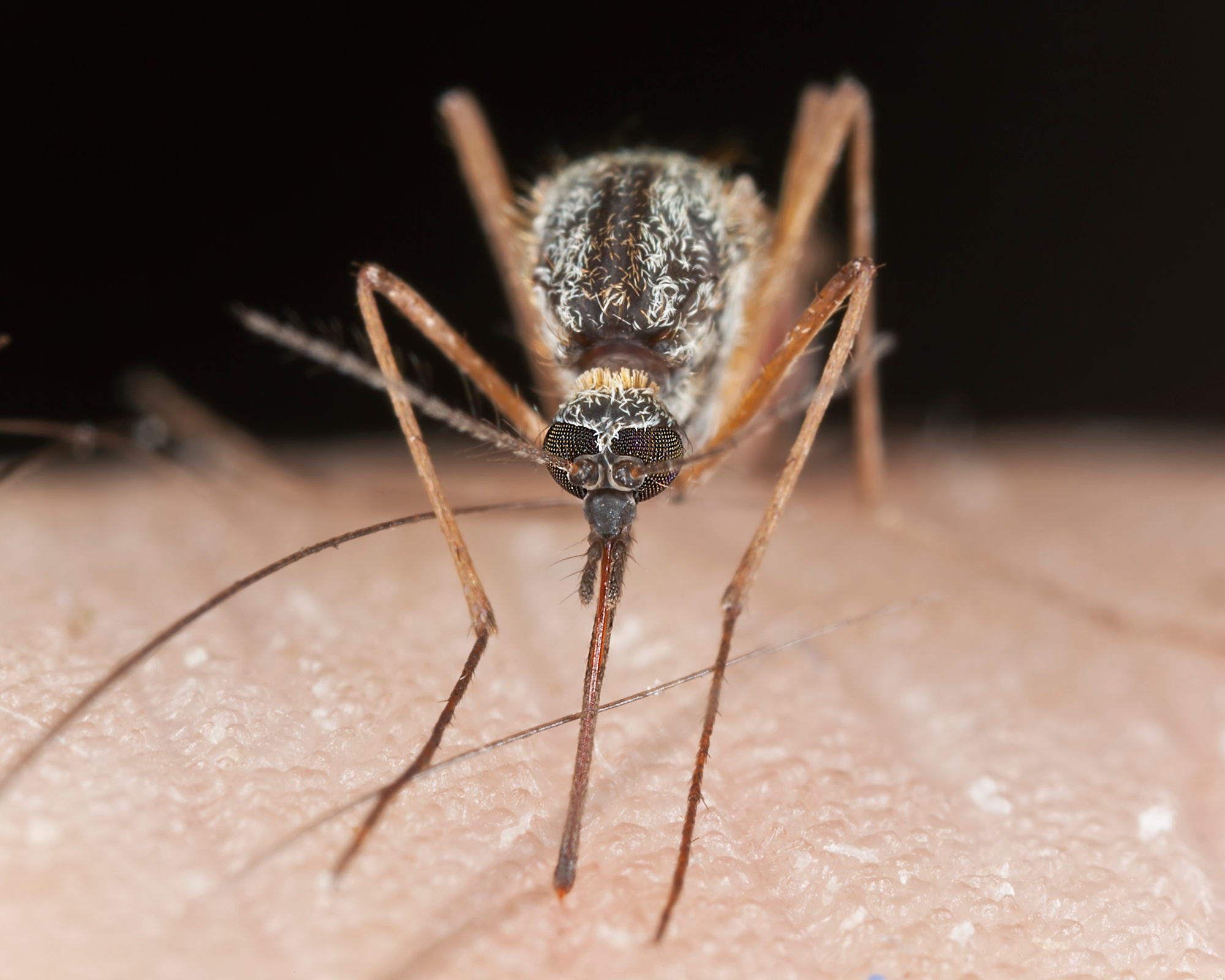
I grow heaps of catnip in my garden, so when I read new research that suggests the plant’s oil is as effective at repelling mosquitoes as DEET, I didn’t hesitate to make my own skidaddle-you-skeeters spray. It was quick, easy and once I’d tried it out, I had to agree with those scientists. Catnip does seem to keep mozzies away.
In the 2025 study, its findings published this year in Scientific Reports journal, scientists tested how mosquitoes responded to various substances: a hand lotion infused with 6% catnip oil, the same lotion with 2% catnip oil, a commercially available repellent containing 15% DEET, and plain lotion to act as a control. In field trials with real-life humans, the lotion with 6% catnip oil proved just as effective as the DEET repellent; the lotion with a 2% concentration repelled skeeters a little less, but scientists still rated it ‘highly effective’.
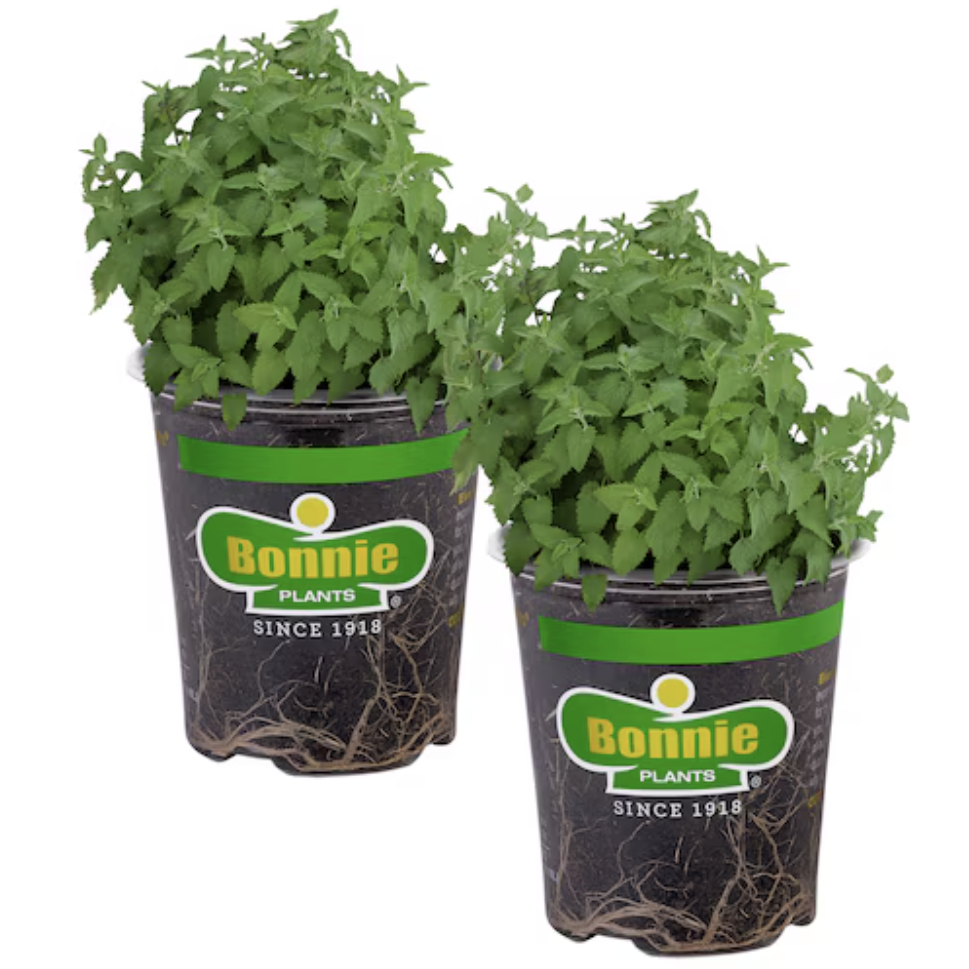
I much prefer natural pest solutions over chemical ones, and I already make an effective skeeter trap with baking soda and vinegar. So, as I’m already growing catnip (Nepeta cataria) – one of three plants I grow for my cats in my garden – using the leaves to make my own natural mosquito repellent was a no-brainer.
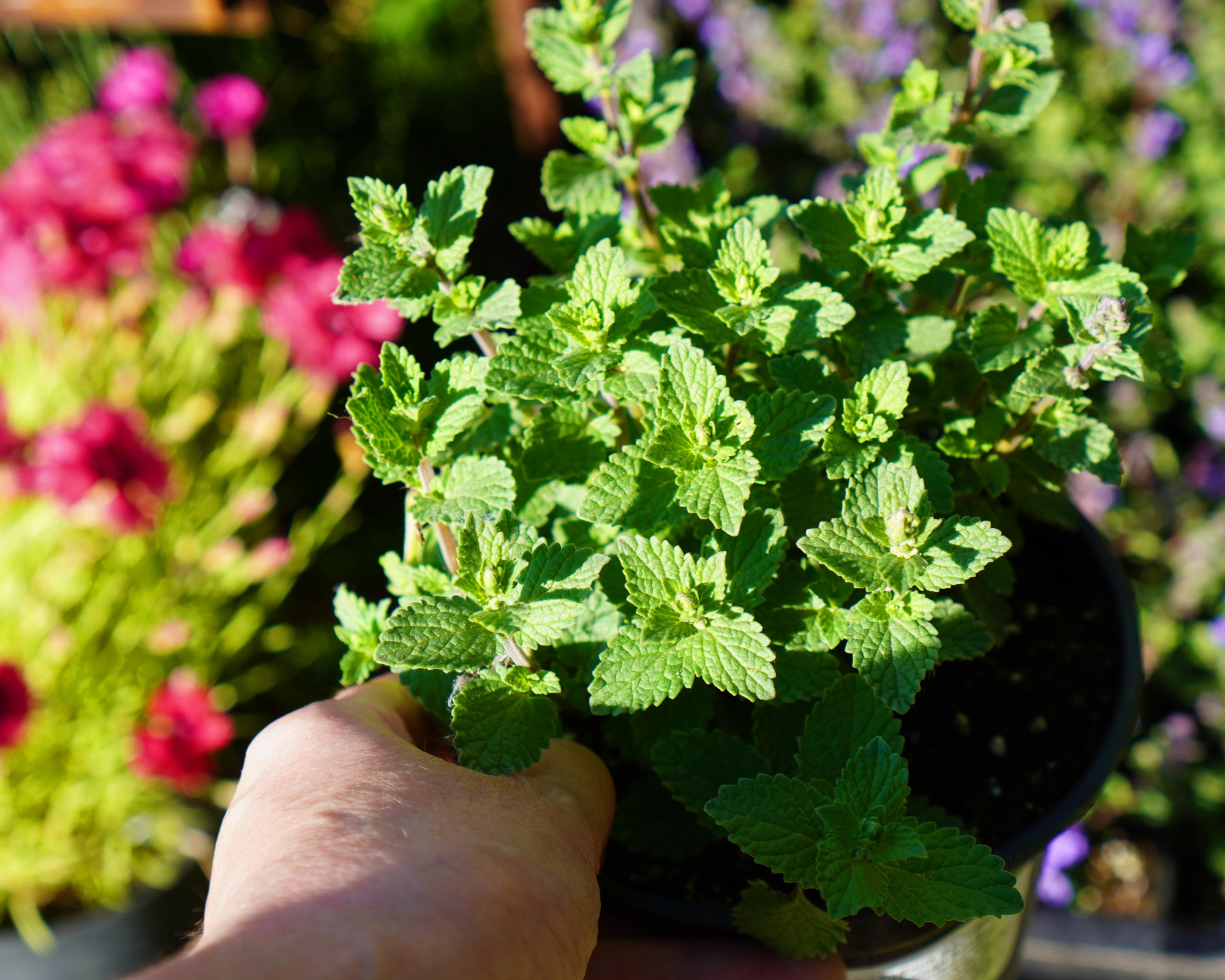
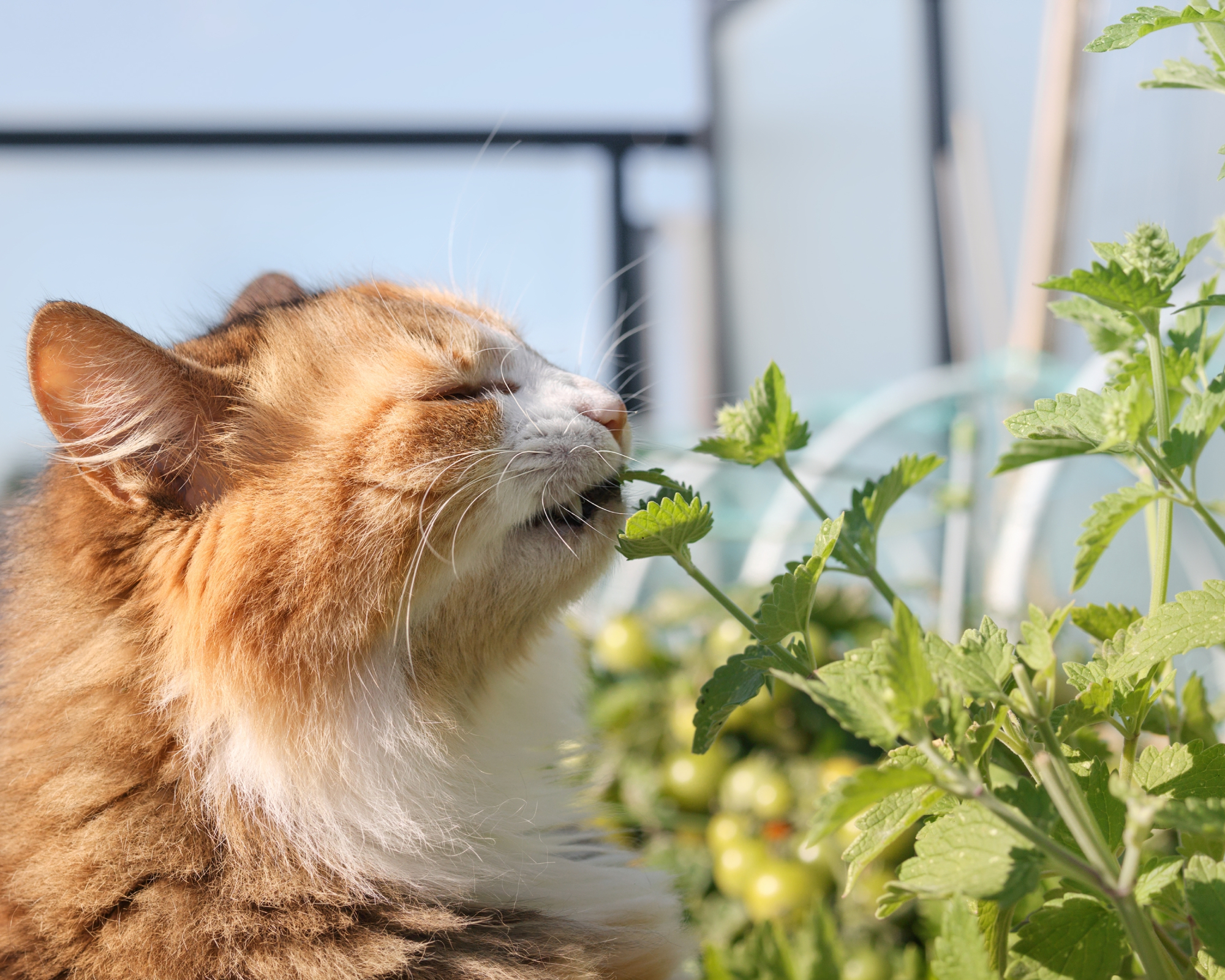
It makes sense that catnip could repel skeeters as it contains high levels of a compound called nepetalactone, which it’s thought the plant has evolved to repel pests. My cats seem to subscribe to the theory, anyway, as they like to roll on the plants as if they’ve read the online blurb that this could afford some natural protection against fleas. And what do you know, with a little digging, I discovered that catnip is registered as an insect repellent with the United States Environmental Protection Agency.
It was time to cook up a batch of catnip-leaf mozzie repellent spray and test out its properties for myself.
How to Make Natural Catnip Mozzie Repellent
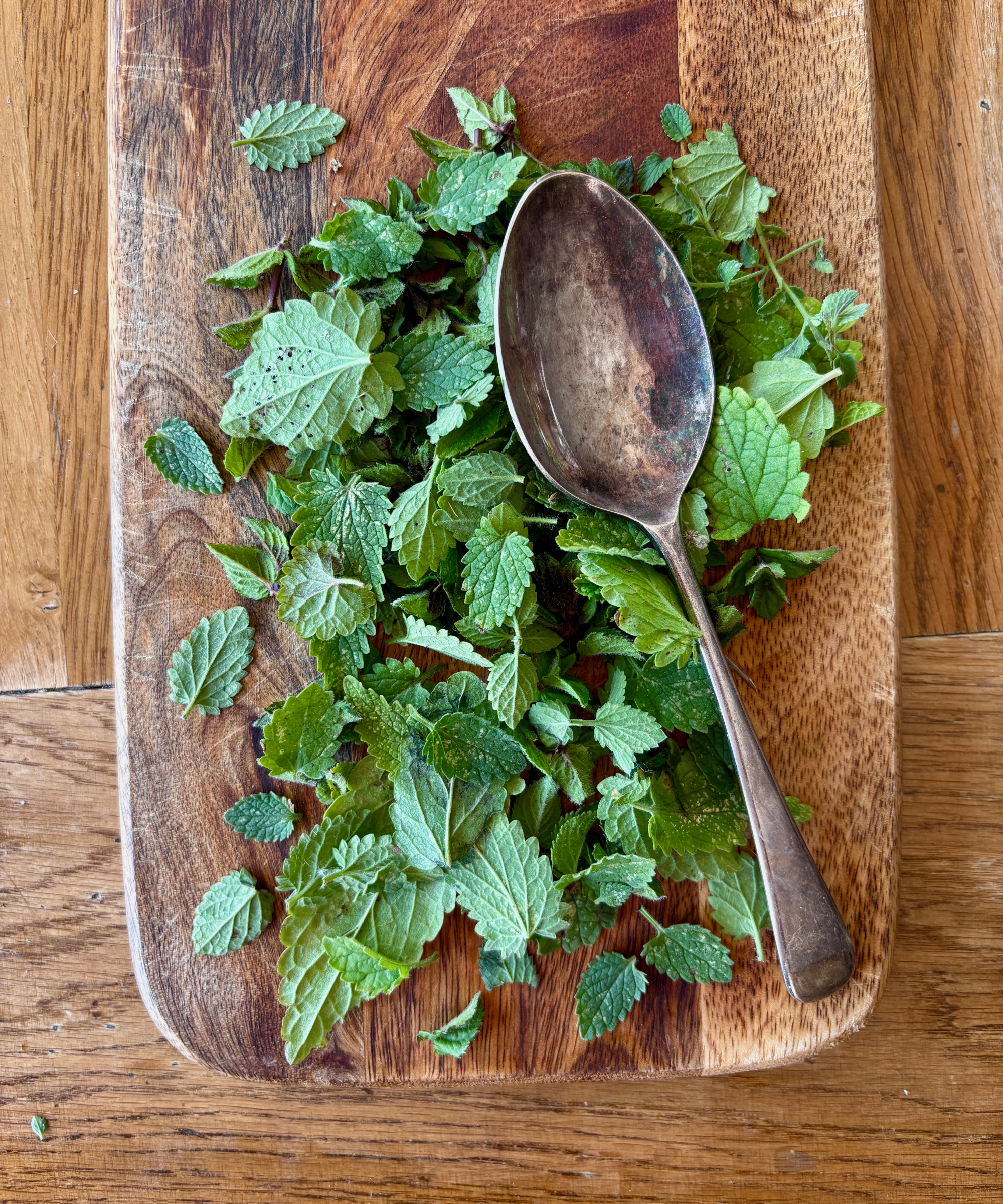
1. Pick a cup of fresh catnip leaves. It’s important the plants haven’t been treated with any pesticides. Crush the leaves with the back of a tablespoon.
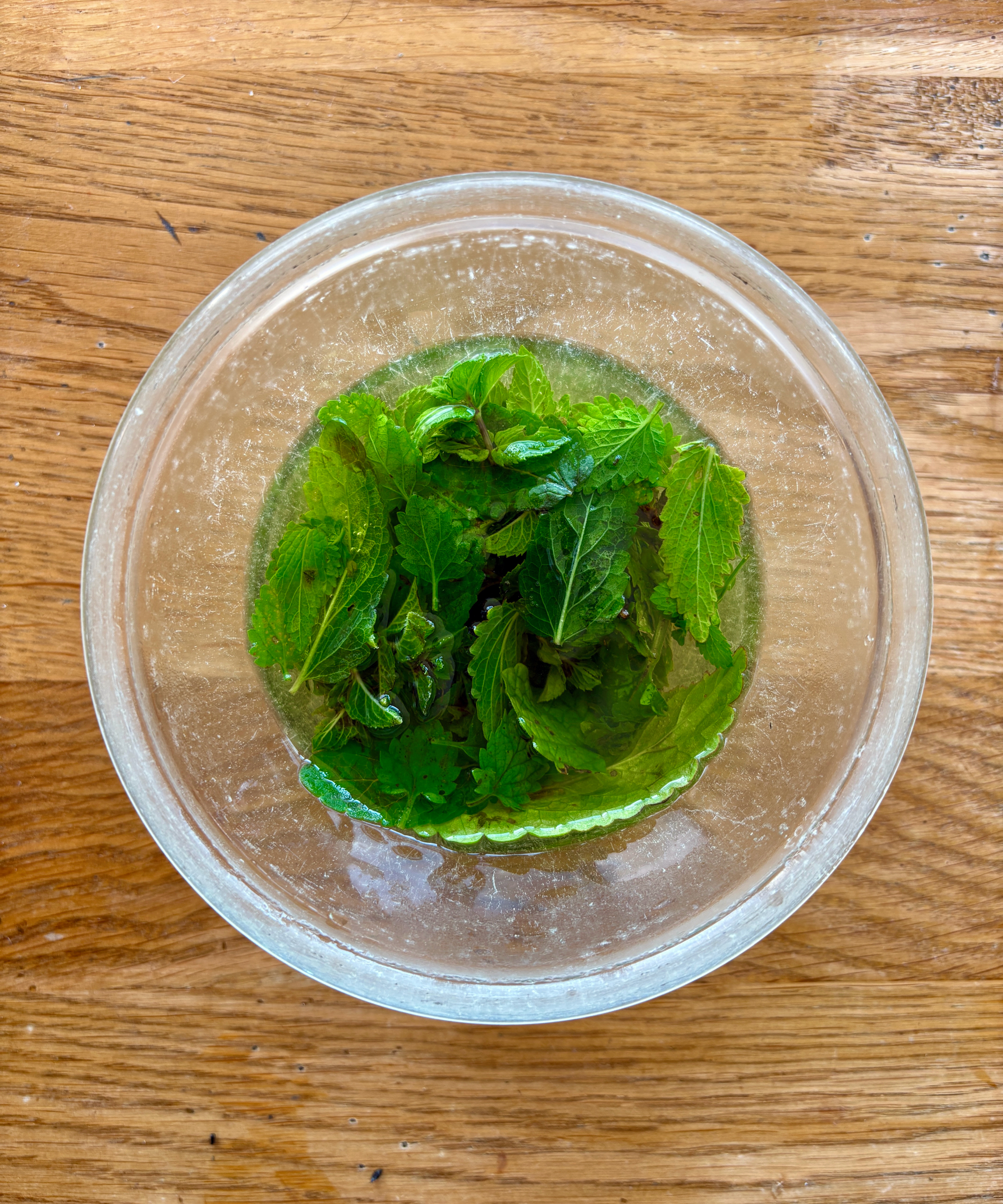
2. Scrape the crushed leaves into a small heatproof bowl and pour over 1 cup just-boiled water. Place a plate on top of the bowl so steam can’t escape and leave to steep for an hour.
3. Strain the mixture through a fine sieve, muslin cloth or a coffee filter, pressing or squeezing the leaves to extract as much moisture as possible.

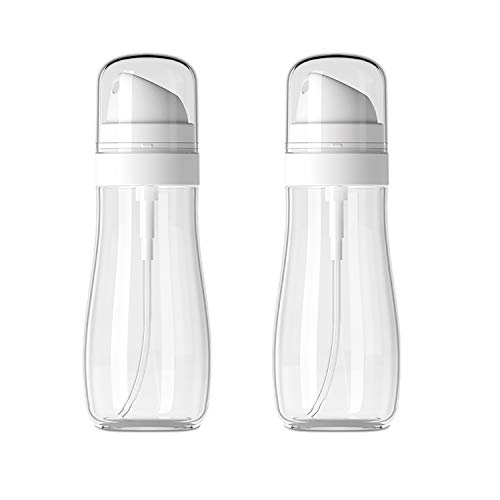
4. Discard the plant matter and pour the strained liquid into a clean spray bottle. Store in the fridge where it will keep for 1-2 weeks; adding a tablespoon of straight vodka to the strained liquid will extend its shelf life.
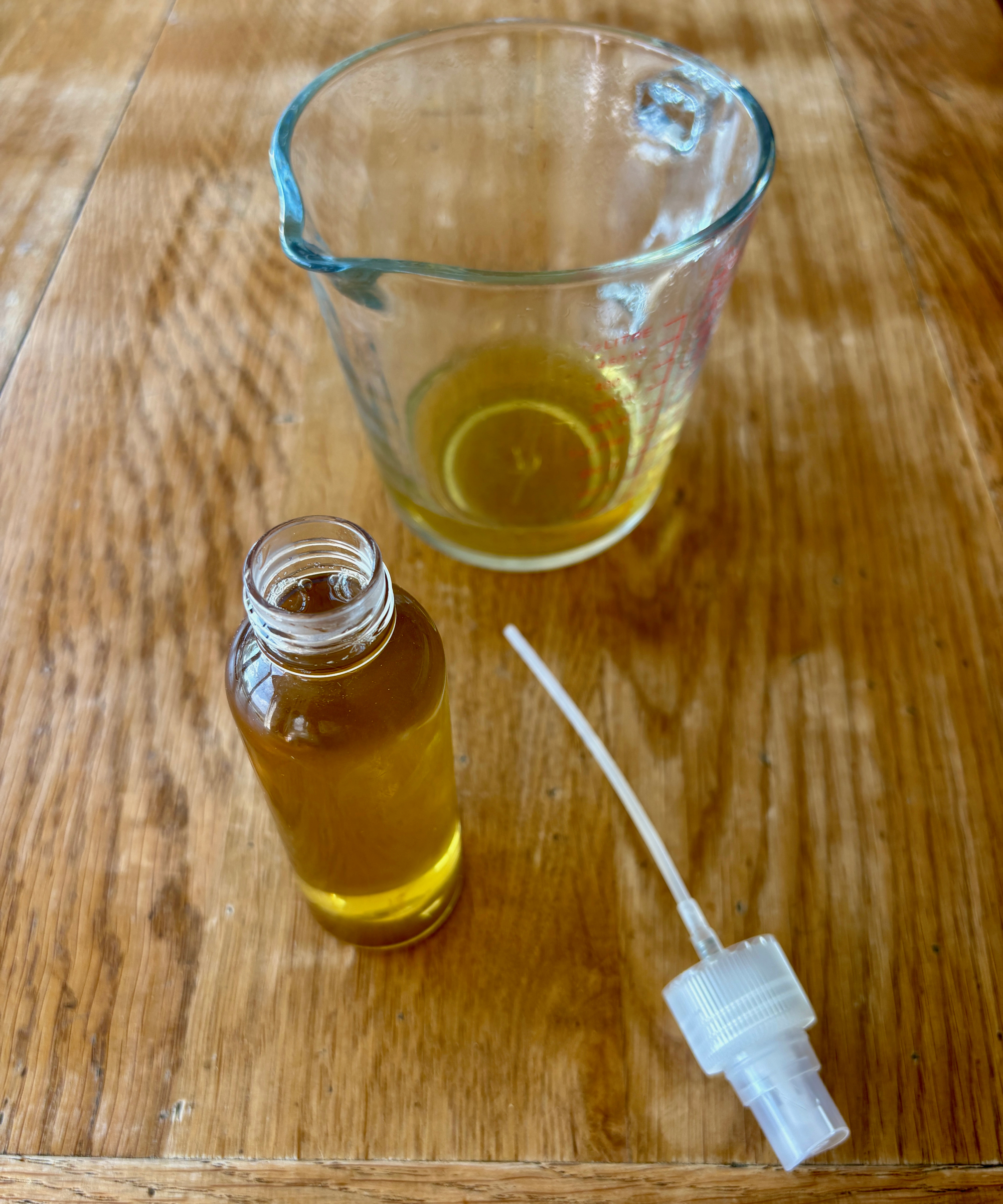
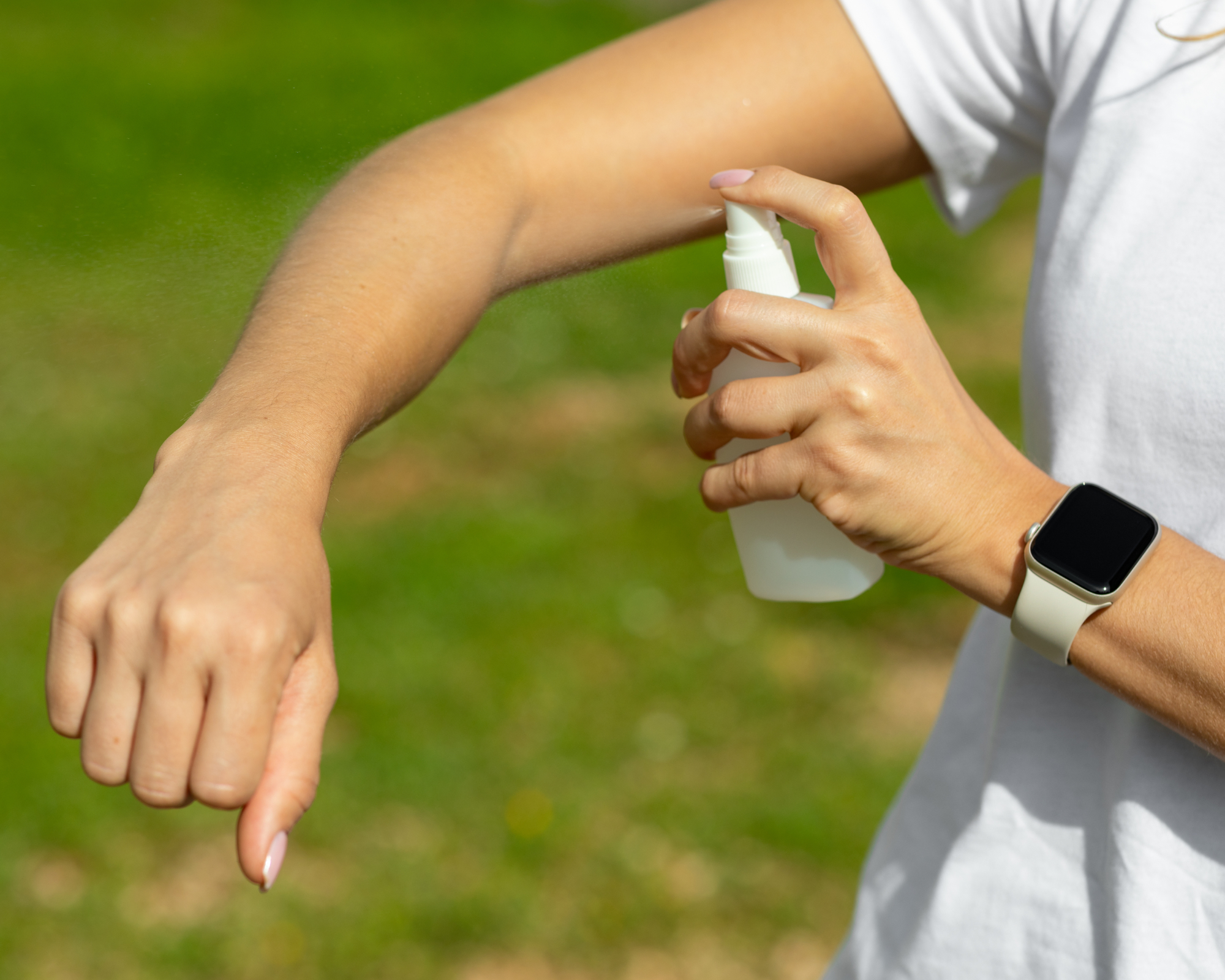
As with any new topical skin product, spot-test the spray on a small area of your skin before using, to ensure it doesn’t cause irritation. Shake the bottle well before each use. Apply to skin, being careful to keep well away from eyes. Reapply frequently and gauge for yourself how effective the spray is at repelling mosquitoes.
If you have cats, expect company as felines adore the scent of catnip.
 Water-less-often mix
 Purrfect plants
 Refillable Mister
Does Catnip Mozzie Repellent Spray Work?
While steeping catnip leaves doesn’t extract nepetalactone as effectively as distilling, I found that while I was spritzed with my homemade spray, I wasn’t bothered by mosquitoes. Aware that natural repellents don’t last as long as chemical alternatives, I reapplied every couple of hours.
I’ve been testing the DIY spray in my garden while gardening and relaxing on the patio. If you are heading into an area heavily infested with mosquitoes, or it’s known that mosquitoes in your area carry a pathogen such as West Nile virus, that’s not the time to be testing out a homemade spray – use a commercially available repellent that’s proven to work.
I found the spray has a mild earthy fragrance, which I found neither pleasant nor unpleasant. Thanks to the scent, my cats were especially fond of me though!
Other natural ways to deal with mosquitoes in your garden include using potted patio plants with mozzie-repelling scents, and setting up a mosquito bucket of doom.
Is Catnip Safe to Put On Your Skin?
The United States Environmental Protection Agency has confirmed Nepeta cataria essential oil is safe for human use. Studies show that, even when applied to skin at a 25% concentration, it doesn’t cause irritation.
How to Grow Catnip
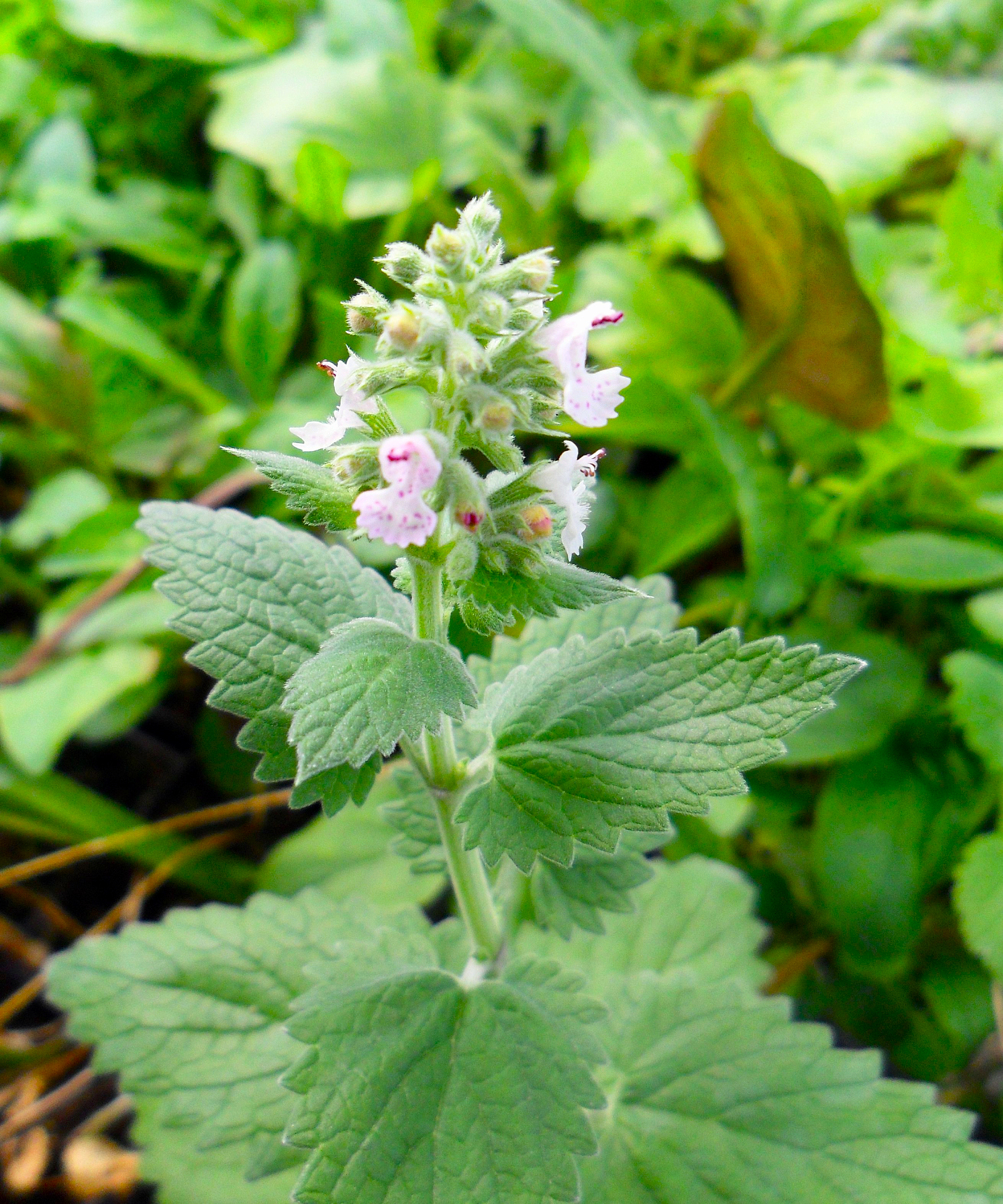
While catnip (Nepeta cataria) is never going to win any prizes for its flowers, with regular snipping of the stems, it grows into a pretty-enough potful of leaves on the patio. Don’t confuse catnip with catmint, though both are closely related. Catnip has much higher concentrations of nepetalactone, though catmint does still contain this compound.
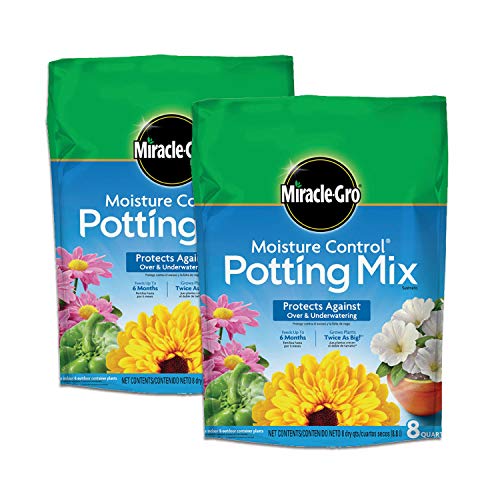
A hardy perennial in zones 3-9, growing catnip is easy. It’s quick to raise from seed or economical to buy as young plants, and both catnip seeds and catnip plants are available from Lowes. It’s important to grow this member of the mint family in a container set on hard landscaping as, like many of its cousins, it’s too vigorous to grow in the ground in most gardens. It needs well-draining conditions so mix a handful of sand, gravel or horticultural grit such as this from Amazon into any multipurpose potting soil, or use a moisture-control compost such as this, also from Amazon.
Nepeta cataria is enthusiastic enough to thrive in partial shade as well as full sun and is drought-tolerant so be careful not to overwater. It grows to 2½ feet high and has white or pale pink flowers, sometimes dotted with purple. It tends to have straggly stems, but pinching off the tips encourages it to grow into a dense, bushy mound of foliage.
What the Research Report Said
The report (Evaluating repellence properties of a catnip essential oil-based mosquito repellent using the human landing catch method in Eastern Uganda by Charles Batume et al) states that lotions containing both 2% and 6% catnip oil was highly effective at preventing mosquito landing, and recommended their use as a natural alternative to synthetic mosquito repellents. With the research carried out in 2025, the findings were published in the March 2026 Scientific Reports journal.
The catnip oil used in the research comprised of 92% nepetalactone and was derived from mature Nepeta cataria plants grown outside with 12 hours of sunlight a day. The plant material was dried before being distilled, to extract pure essential oil.
The report referred to previous studies that found that nepetalactone repelled several mosquito species, ticks, red poultry mites and bed bugs.