Elephants may be famous for having incredible memories, but don’t think for one second they’ve cornered the market on the whole “never forget” thing. Despite weighing less than a nickel, hummingbirds remember their favorite feeding spots for years – and will return to reliable food sources again and again.
Yes, that’s right. Whether it’s your birth month hummingbird or some other variety, these iridescent little birds possess extraordinary memories, which is why they often make a point of sticking to the same gardens year after year.
In fact, researchers have found that hummingbirds can remember where feeders are located, using landmarks and environmental cues to navigate back to favourite feeding spots during migration. For gardeners, that’s very good news indeed. Create a buzzing hummingbird hangout, then, and your yard could become a regular stop on their route.
How To Make Hummingbirds Remember Your Garden
Scientific studies have found that hummingbirds possess exceptional spatial memory; some species can remember the location of both rewarding and unrewarding flowers, for example, and banding studies have shown that some individual hummingbirds return to the same feeding sites and migration stopovers year after year.
For gardeners, that’s excellent news, as it means there’s a good chance your yard will become part of a hummer’s regular routine. And the key to helping hummingbirds remember your garden as the hippest, most happening spot in the neighborhood? Consistency!
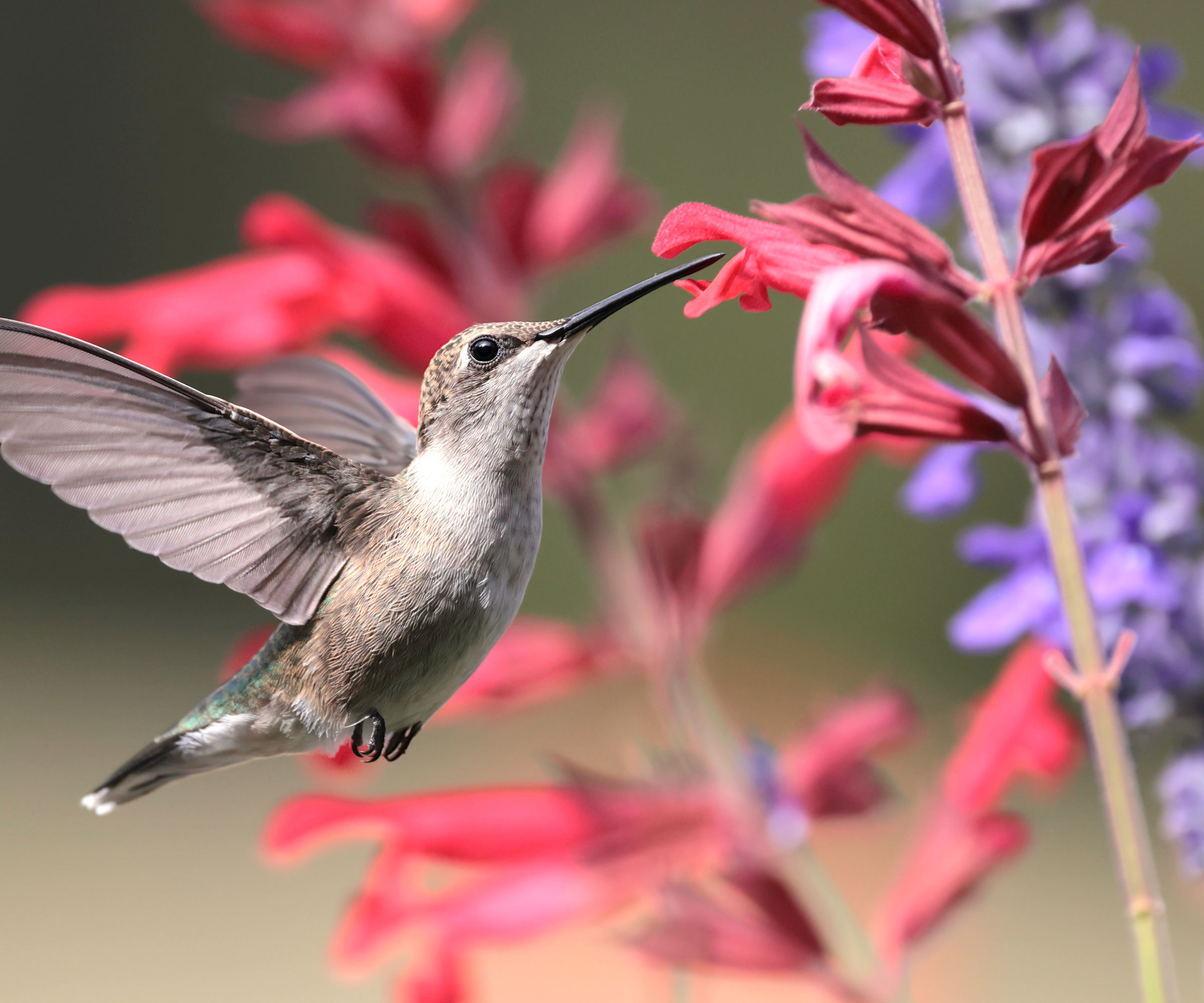
Yes, the easiest way to attract hummingbirds to your yard is to remember that all they are really looking for is a safe, dependable place to refuel, rest, and shelter.
And so, with that in mind, here are five simple ways to make your garden utterly unforgettable.
1. Keep Feeders Full – and Spotlessly Clean
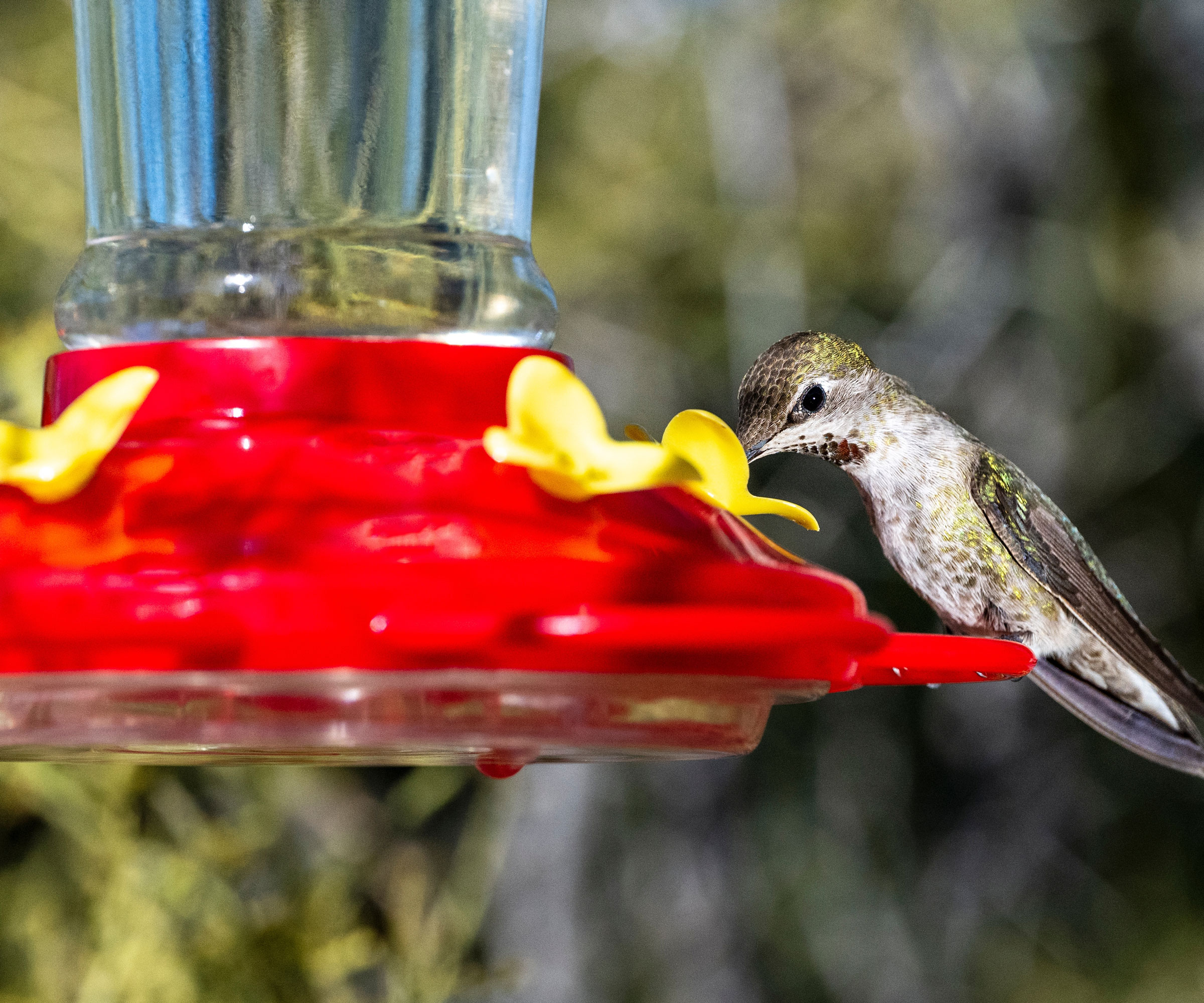
Whether you buy yours pre-made or use a DIY nectar recipe, nothing says “don’t come back” quite like spoiled nectar.
Yes, wildlife experts recommend cleaning and refilling hummingbird feeders regularly, especially during hot weather when sugar water can quickly ferment or develop mould. In cooler weather, a weekly clean may be sufficient, but during summer heat, feeders may need refreshing every day or two.
Think of it this way: if your favourite coffee shop suddenly started serving… well, let’s call it questionable milk, then you’d probably find a new one. Your discerning hummingbird clientele feel much the same (and yes, hummingbirds remember when you fob them off with the dodgy stuff).
Shop Hummingbird Feeder & Cleaning Essentials:
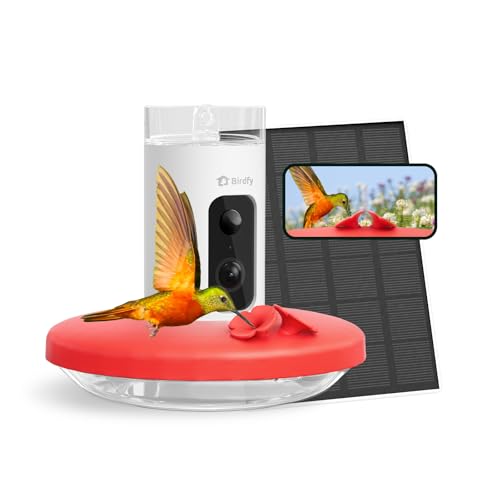
Equipped with a solar panel, this feeder offers 24/7 hummingbird-watching fun.
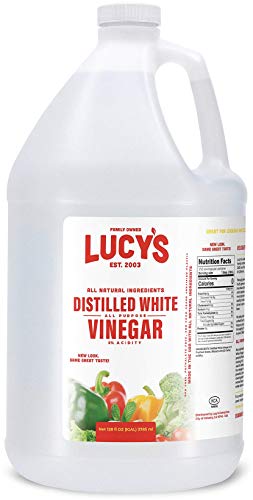
‘You can clean hummingbird feeders with warm water and a brush then sanitize with a 50% water to white vinegar formula in a spray bottle,’ says Denys.
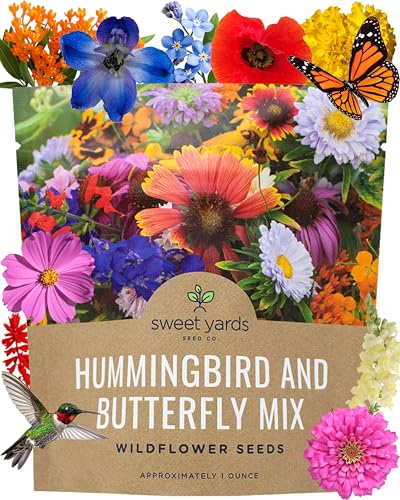
If you fancy a more natural approach, try planting 23 species of wildflowers for hummingbirds to enjoy.
2. Place Feeders Where Birds Feel Safe

Cleanliness may be next to godliness, but location matters just as much as nectar quality.
Hummingbirds prefer feeders positioned in partial shade, where nectar stays fresher for longer, and near shrubs or small trees that offer nearby perches and escape routes. And always, always, always hang them high enough that cats and other pesky predators will not be able to get at them.
A feeder positioned in a quiet spot with clear flight paths and a little nearby cover is often irresistible to visiting hummers. And (final tip, promise!) keep it away from other traditional bird feeders; they will avoid other birds like the plague.
3. Give Them More Than One Dining Option
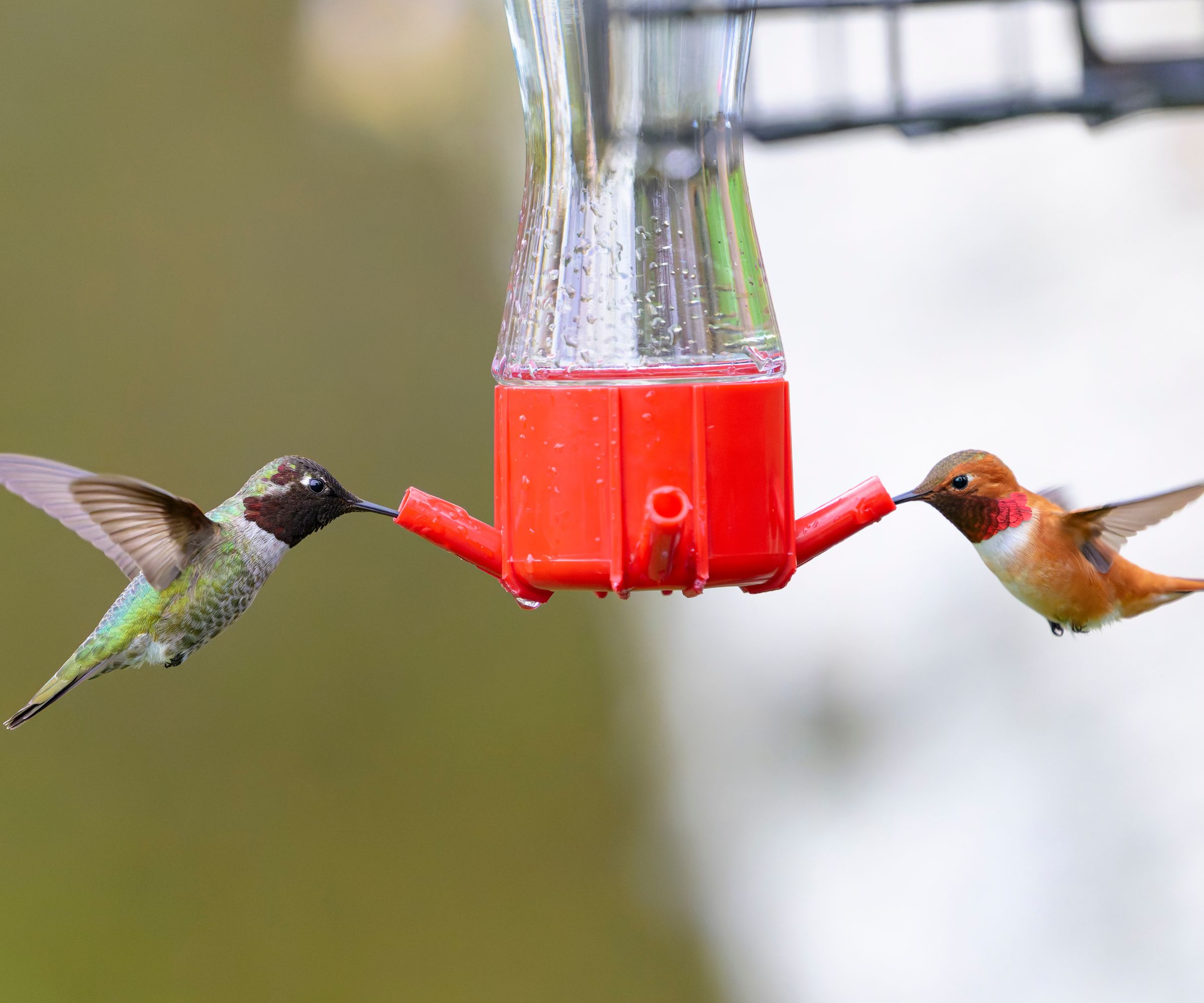
They may be cute, but hummingbirds are famously feisty – or, fine, territorial, for those who prefer to use the official ornithological lingo. If you’ve ever watched one tiny bird chase away everything with wings, you’ll know exactly what I mean.
Offering multiple feeders spaced throughout the yard reduces competition and allows more birds to feed at once. It also means that if one feeder runs dry or needs cleaning, hummingbirds still have a reliable backup nearby.
More feeding stations can also help turn your yard into an established refuelling stop rather than a one-feeder pit stop.
Shop Hummingbird Feeders:
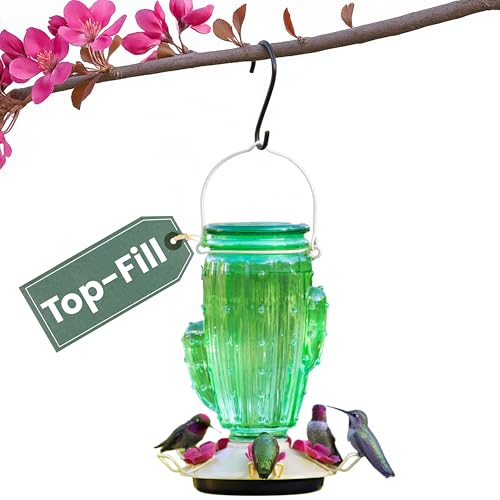
How pretty is this hummingbird feeder? It features built-in bee guards and removable perches!
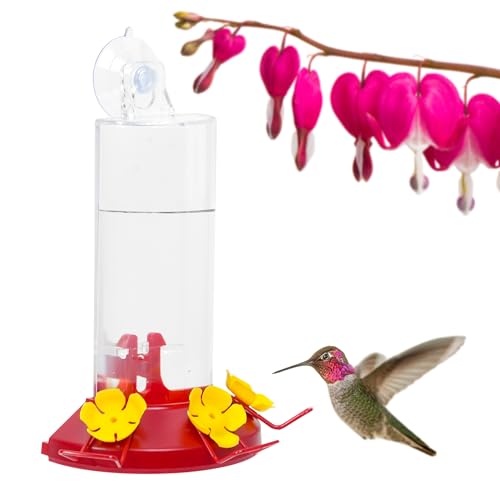
No garden? No problem! You can still keep hummingbirds fed and happy with this clever window-mounted design.
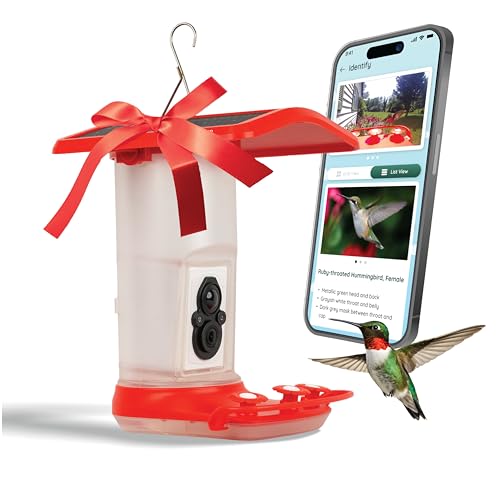
Get up close and personal with your hummingbird pals using this smart feeder, which sends pictures and videos straight to your phone.
4. Plant Nectar-Rich Flowers They Can Count On
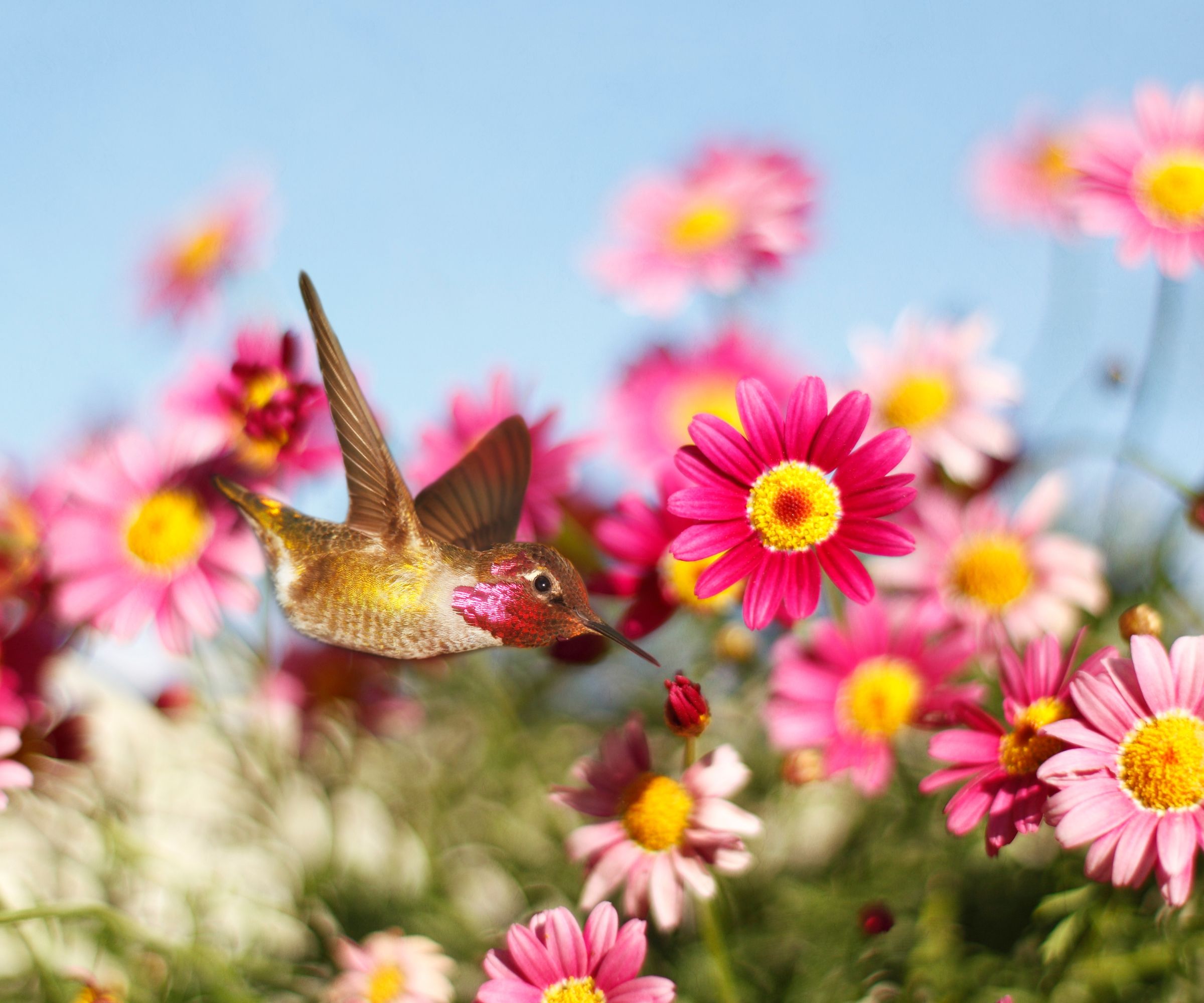
Okay, we’re gardeners, so let’s cut to the chase; feeders are helpful, but flowers? Flowers are what truly transform a yard into hummingbird heaven.
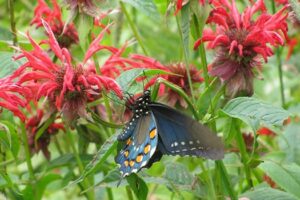
Planting a succession of nectar-rich plants for hummingbirds ensures there is something blooming throughout the season. Native salvias, bee balm, cardinal flower, penstemon, non-invasive honeysuckle, and trumpet vine are all favourites in many parts of the US, not to mention hydrangeas.
Bright red and orange blooms are particularly attractive to hummingbirds, but diversity matters too. A yard that provides natural nectar alongside feeders is far more likely to become part of a hummingbird’s regular route – and don’t forget to plant low-maintenance shrubs for hummingbirds to nest in, too.
Shop Plants That Hummingbirds Love:
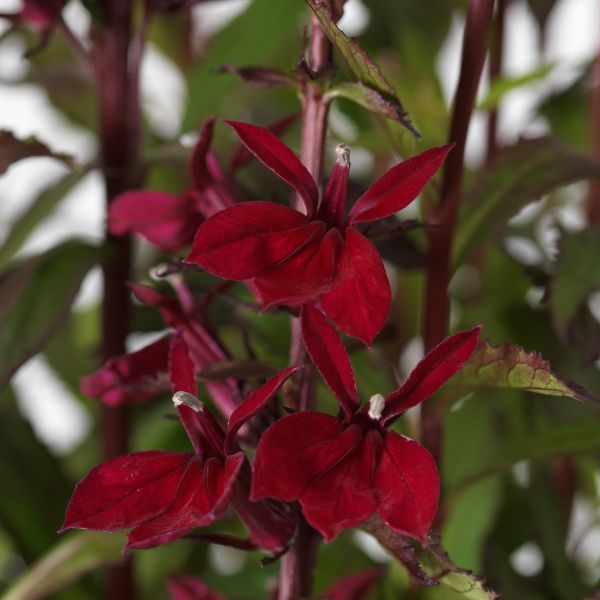
The one, the only, the original! Cardinal flowers are the easiest way to keep hummers happy.
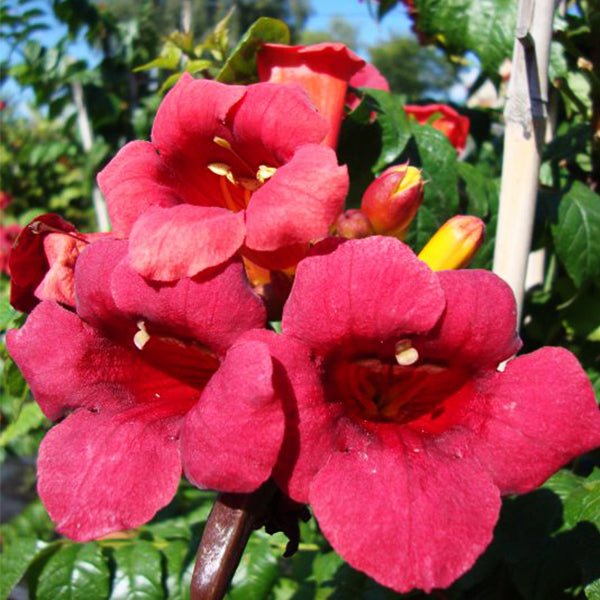
Trumpet vine is a famously excellent choice for attracting hummingbirds.
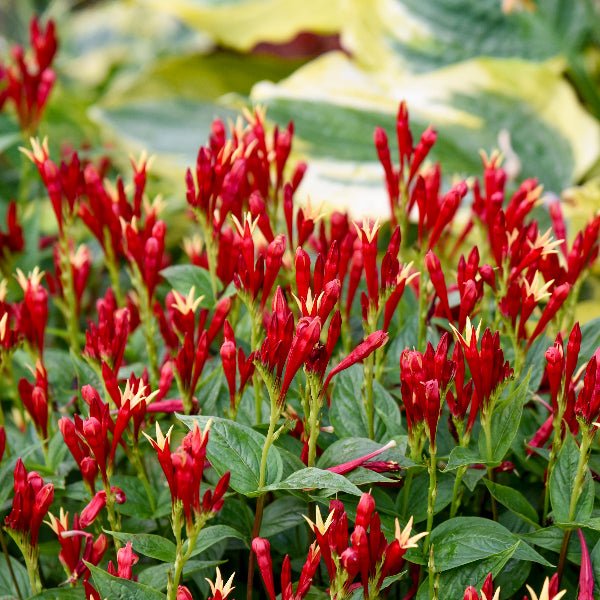
Hummingbirds can’t resist its nectar-rich blossoms, making this a pollinator favorite.
5. Make Your Yard Easy to Spot
Hummingbirds are highly visual feeders and are especially attracted to bright colors. And while a red flag is bad news for bulls, a red flower? Amazing for hummers!
Most commercial feeders already incorporate plenty of red, so there’s no need to add dye to nectar. Instead, think about making your feeding station easy to see by surrounding it with colorful flowers or placing it somewhere visible from the air.
Remember: once hummingbirds discover a reliable source of food, they’re remarkably good at remembering where to find it again. The challenge isn’t attracting them once – it’s convincing them to keep coming back.
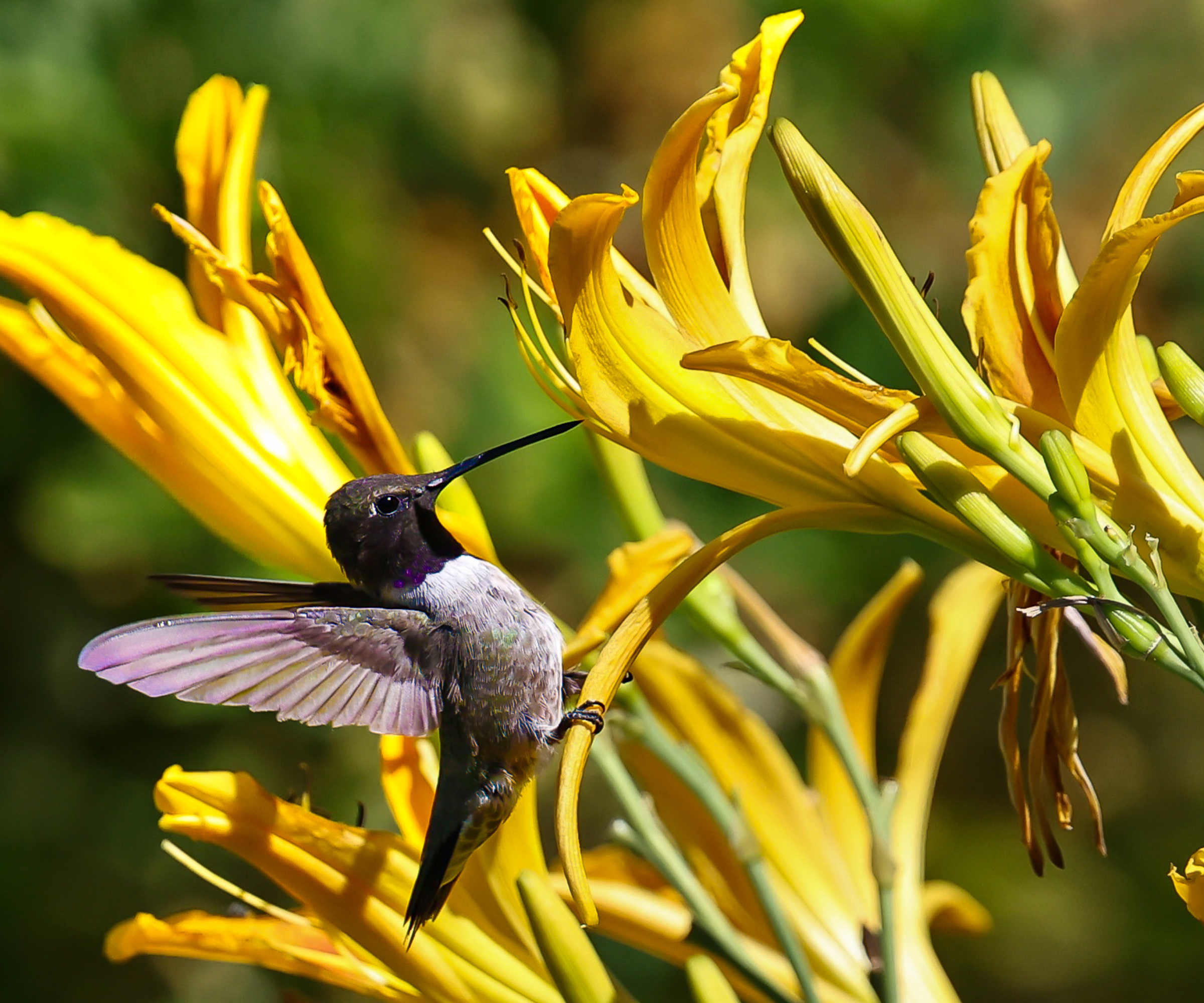
If you want to make sure hummingbirds remember your yard, stick to the basics: you want clean feeders, fresh nectar, safe placement, and plenty of flowers to create exactly the sort of feeding station these tiny birds are searching for.
Given their extraordinary memories, there’s every chance they’ll reward your efforts with repeat visits for seasons to come. And better still (if there could be anything better)? Why, they’ll tell all their feathered friends, too!
Make the changers, pull up a chair (somewhere discreet), and enjoy the show that mother nature is about to put on for you. It promises to be spectacular.