July isn’t a month we usually associate with pruning, but there are a few popular garden perennials that rely on a midsummer cut. And we’re not talking deadheading here, but vital plant-shaping, health-giving pruning. Skip this essential July gardening job, and you’ll get far fewer flowers next year, and less fruit, too.
While most plants need pruning just as they awaken from dormancy in late winter or early spring, early-flowering shrubs and vines and many fruit trees need a chop in July. A midsummer snip channels all their energy into growing flowers and fruit, so you’ll get bigger crops and more abundant blooms. A quick chop now also improves air circulation through the plant and allows more sunlight in to ripen this summer’s new stems that will carry next year’s flowers.
And don’t worry, it doesn’t take long. Pruning in July is a far quicker, easier task than the fundamental early-spring trim, though no less critical. Everything you need to know to do a great job is right here; I’ve included product links to a certain national retailer so you can see exactly which tools I’m talking about, but do support your local retailers. Do wait until this current heatwave has eased, too, as pruning puts extra stress on plants – and you! And be sure to give your plants a good water afterwards, to help them recover quickly.
What to Prune in July
1. Wisteria
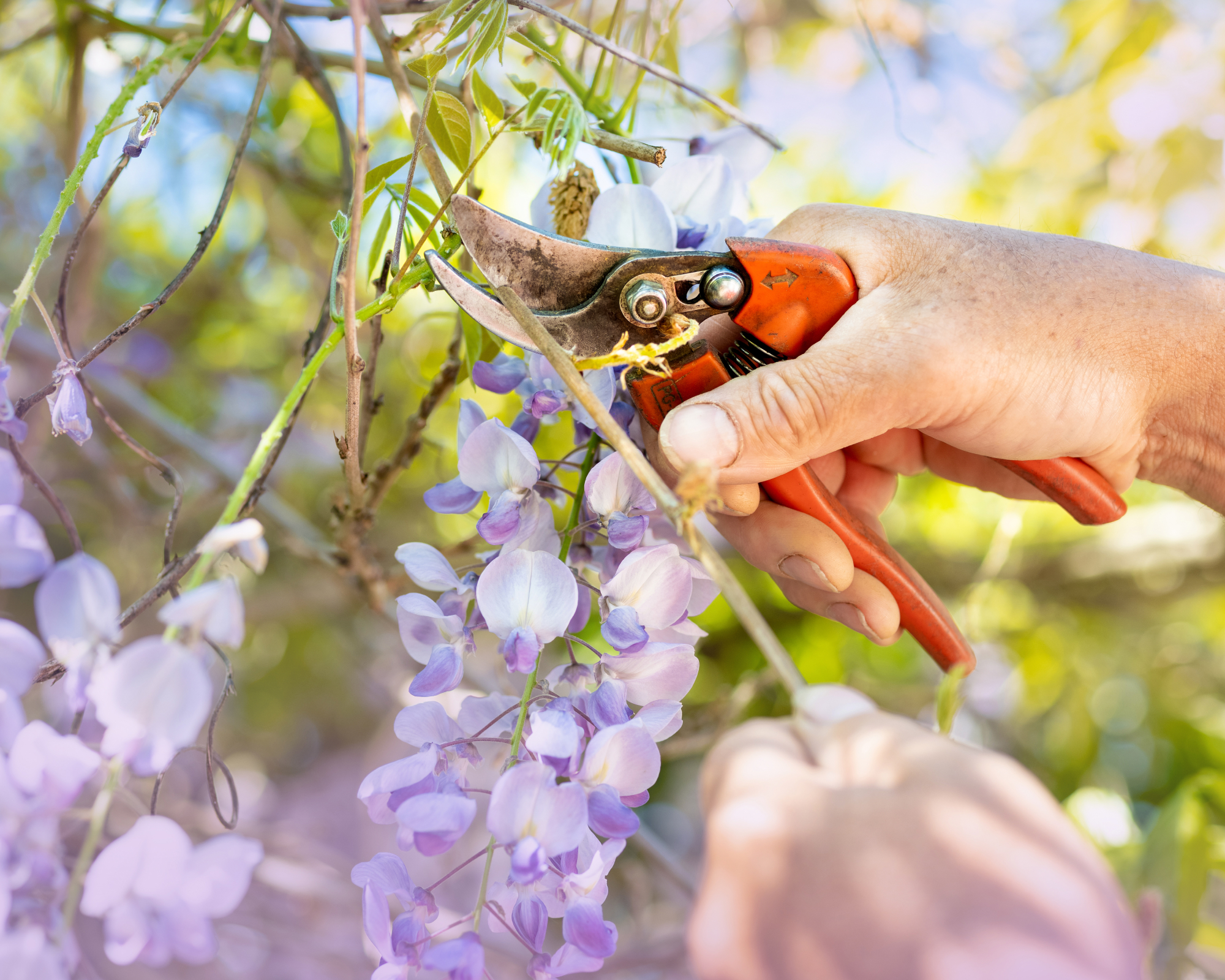
This vigorous vine needs pruning twice a year. While a heavy prune in winter chops wisteria back to a strong framework, the midsummer trim is what sets it up to flower well next year.
Wisteria grows its glorious flowers on wood that was grown the previous summer. So right now, you need to channel the vine’s energy into flowerbuds, rather than leaving it to focus on all those long straggly stems (known as whips) it’s currently throwing out. Pruning a wisteria in July is straightforward: simply reduce all those whips to five buds or leaf stalks. At this time of year those stems will be soft and green so it’s a quick job with a pair of super-sharp pruning scissors like these from Amazon. If you have a mature wisteria, rather than getting the ladder out, a pair of loppers with telescopic handles like these, also from Amazon, makes life easy.
Snip off any remnants of flower stems and seedpods dangling down, too.
Forget to prune wisteria in July and all the leaves that grow on those whips will block the sunlight that’s needed to ripen the wood sufficiently for it to grow flowerbuds. This trim also steers the vine’s energy into growing the fattest buds at the base of the stems, and keeps its vigorous growth under control.
2. Mock Orange
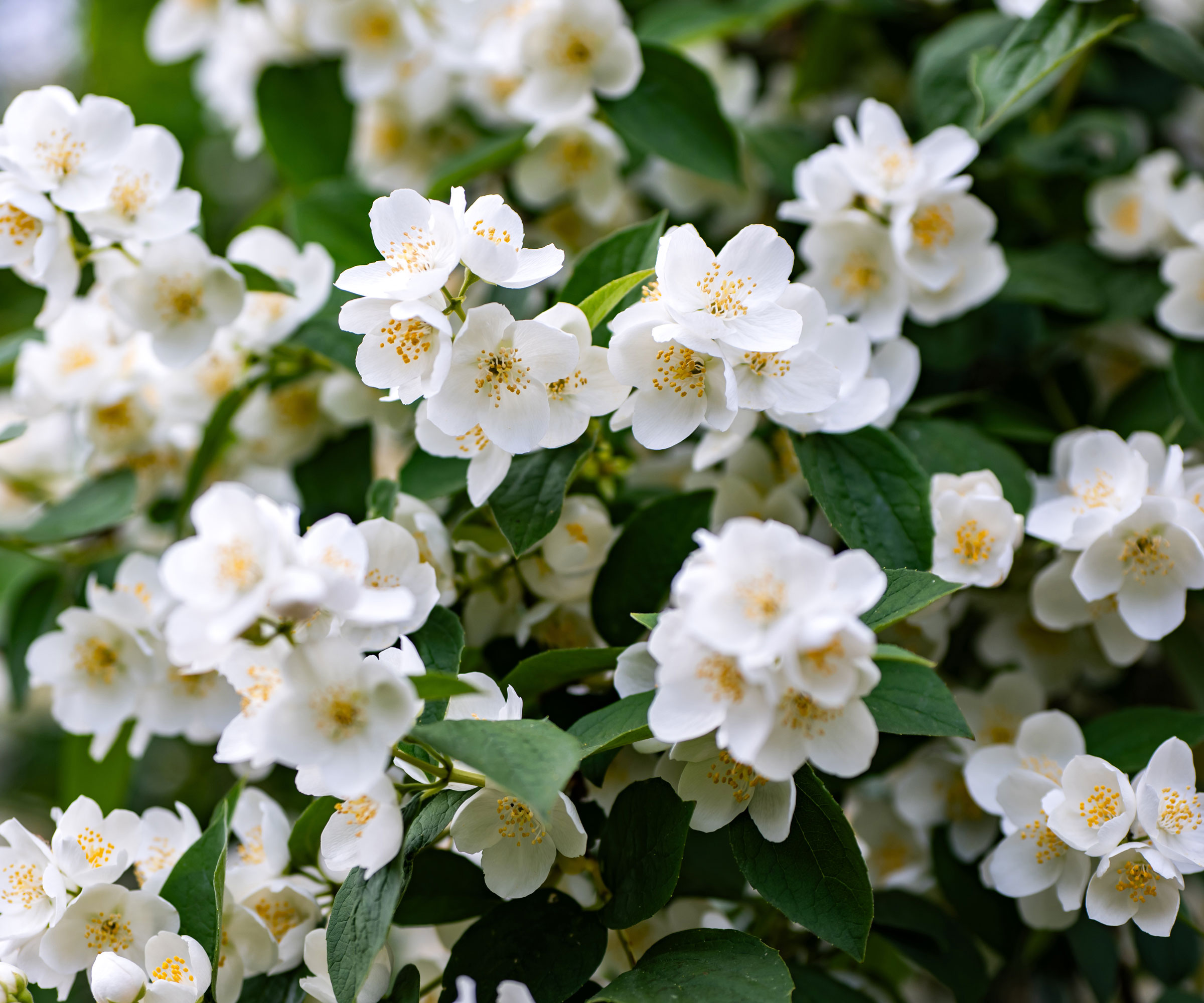
Early July is your last chance to prune mock orange (Philadelphus) as next year’s flowers grow on this year’s stems. It isn’t essential to prune mock orange every year but a trim will help to keep this shrub healthy and a manageable size. Cut back the branches by about a third, selecting the oldest, woodiest stems to remove, and chop any dead stems at ground level.
Established mock orange stems can get pretty woody so you’ll find it easier to use a pair of curved anvil pruners such as these from Amazon. With anvil pruners, only the top blade does the cutting, rather like a knife on a bread board, whereas both blades on bypass pruners cut, like scissors do. With tough, woody branches, anvil pruners do a better job of cutting without crushing.
Another good option for removing mature stems, especially at ground level, is a pair of loppers such as these from Amazon, as the longer handles allow you to create a greater force. Powered, cordless pruners such as this well-priced pair from Amazon will make light work of it, too, slicing through stems up to 1½ inches thick.
3. Boxwood
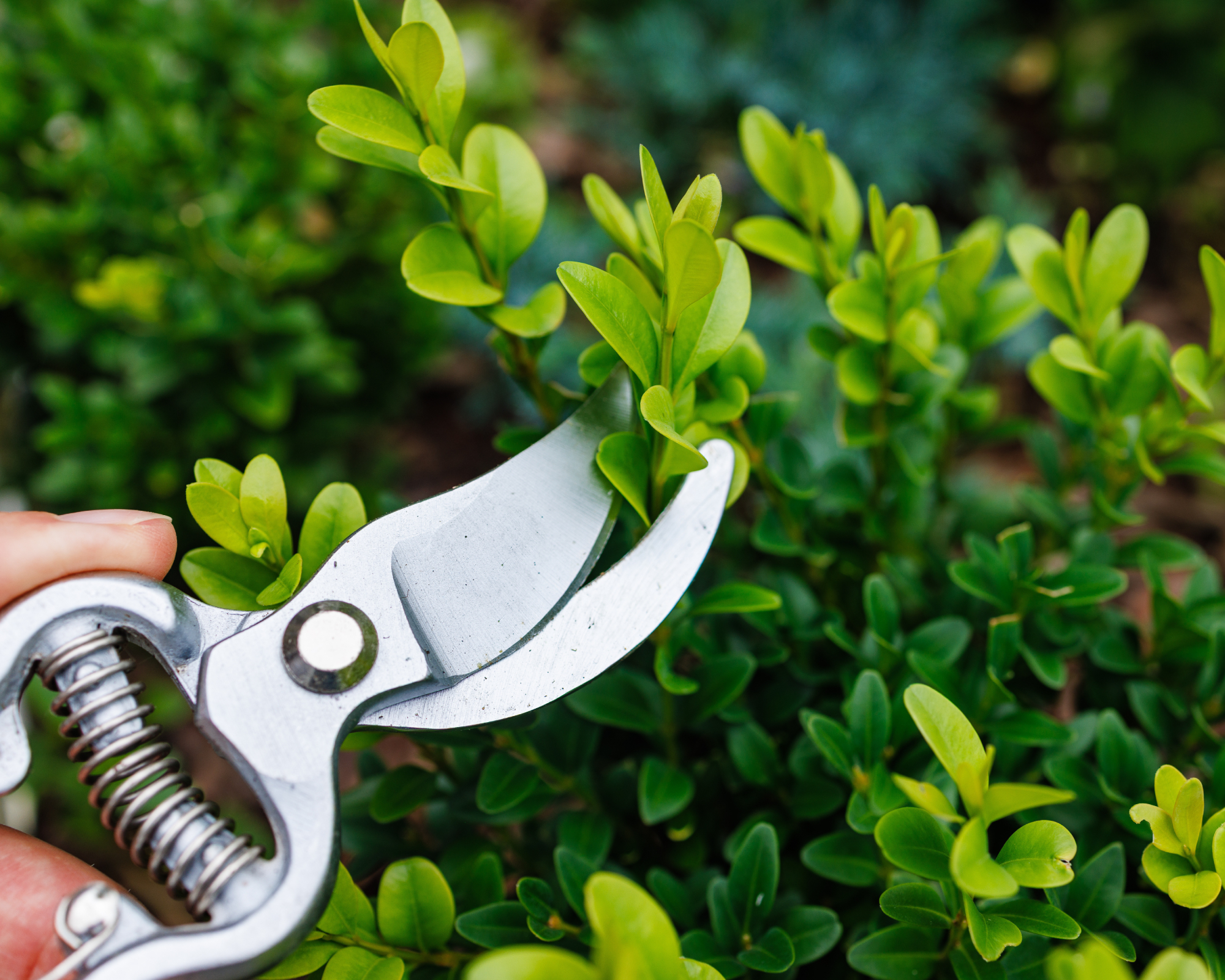
It’s a good idea to add trimming boxwood shrubs (Buxus) to your list of July gardening jobs. Fresh boxwood growth is tender, so pruning now gives stems and foliage plenty of time to toughen up before winter arrives. It also brings the opportunity to inspect your shrub closely for any signs of damaging insects and boxwood blight, as they’re often triggered by summer heat and require swift preventative measures.
All you need do is remove any stray stems that are breaking free from the shape you want in a summer growth spurt, using a pair of bypass pruning shears such as these from Amazon. Resist the temptation to shear the foliage into a neat shape, as removing that shell of sun-hardened leaves will expose softer, more easily scorched growth underneath, and you’ll likely be left with an unsightly brown – albeit still very much alive – bush.
Be sure to disinfect your pruner blades, ideally between each cut but definitely between plants, by dipping them into isopropyl alcohol like this from Amazon, to avoid spreading disease.
4. Rambling Roses
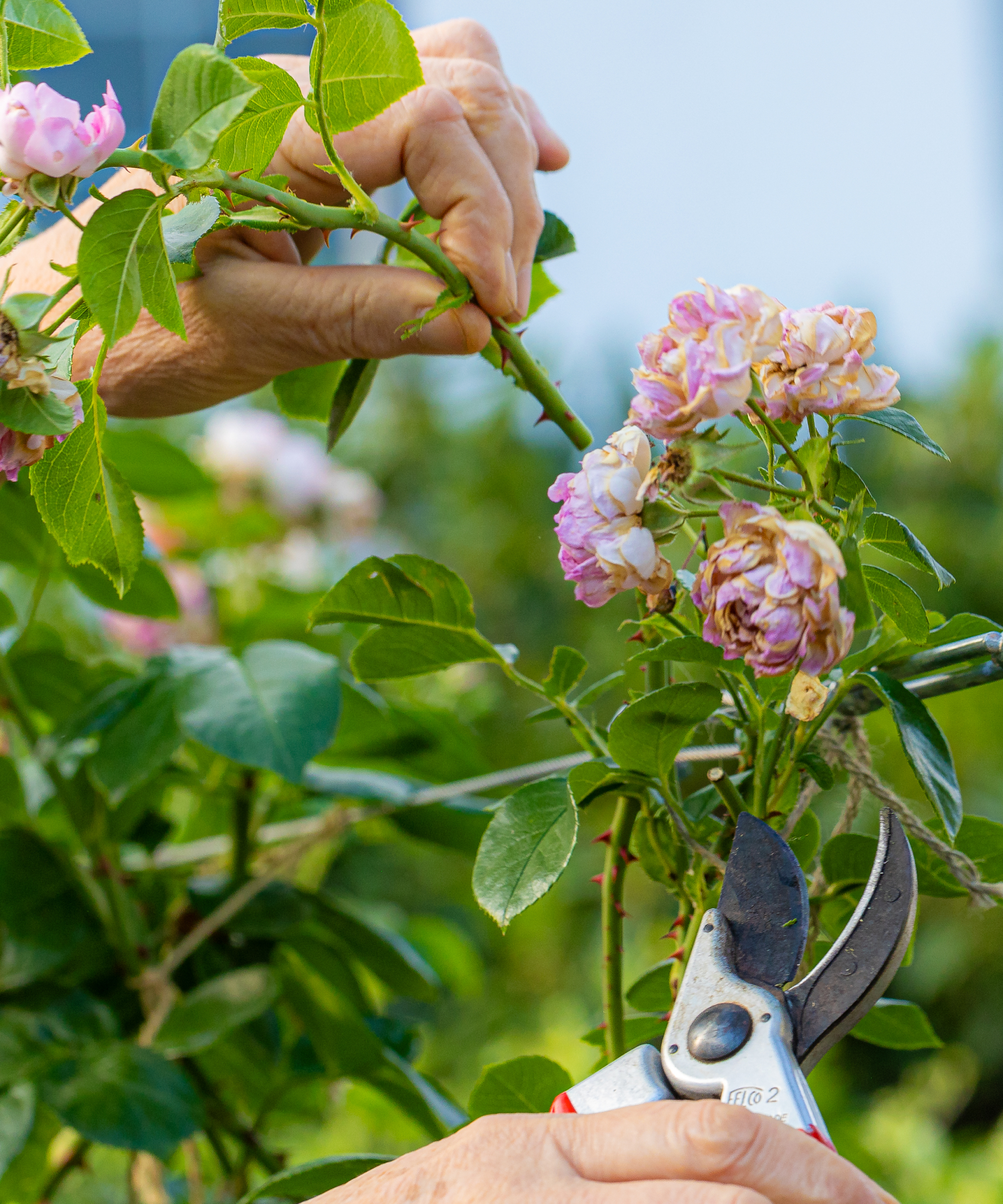
Unless your rambling rose is a rebloomer, these climbers should be on your list of plants to prune in July. Typically flowering once in June, rambling roses are vigorous growers so a trim now will keep them in shape as well as encourage lots of flowers on healthy new growth next summer.
A pair of long handled loppers like these from Amazon is your best bet to prune roses, both to reach high stems and to keep your hands away from thorns. Do wear protective gauntlet gloves such as these from Amazon anyway, as rambling roses don’t care to be pruned without a little retaliation!
Do be brutal as some rambling rose varieties can put on 15 feet of new growth in a year, creating a tangle of stems and leaving next year’s flowers well above head height where you won’t appreciate their fragrance to the full. Remove a third of the oldest stems, then trim side shoots by two thirds.
5. Apple Trees
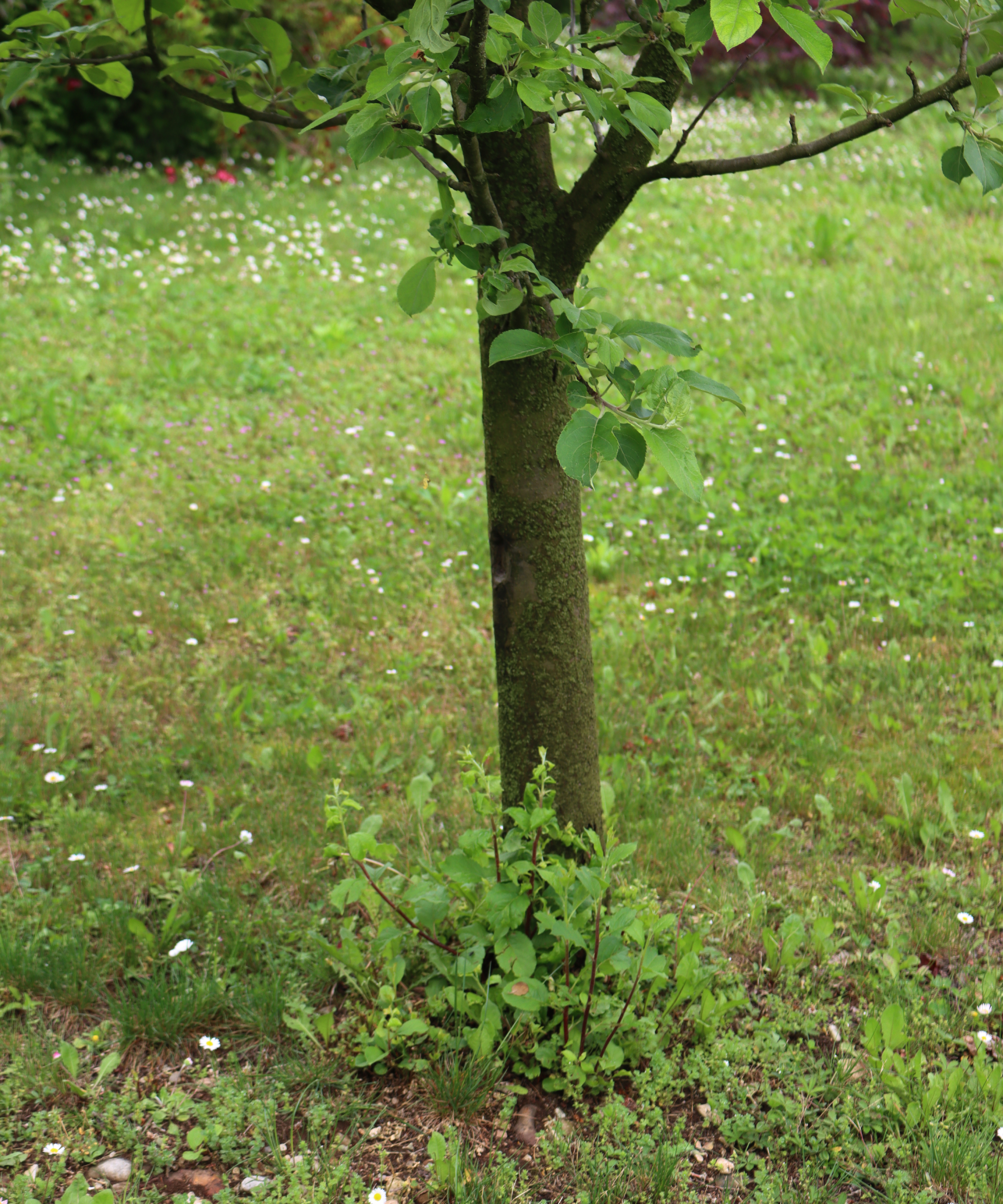
While these fruit trees have their main prune while they’re dormant, apple trees will currently be taking advantage of the warm conditions to grow fresh new, straggly stems. Removing this will keep the tree’s focus on growing fruit but also improve air circulation to deter fungal disease and allow more sunlight in for a sweeter harvest.
If you spot any suckers emerging from the base of the apple tree, remove these as low as possible, ideally at the root. Get rid of water sprouts (fast-growing vertical stems that shoot up from the branches), too, snipping them off at the point they emerge.
A pair of hand pruners such as these from Amazon will slice easily through this soft growth, or use loppers like these, also from Amazon. If you’re pruning multiple trees, do disinfect blades in between with isopropyl alcohol like this from Amazon, to avoid spreading disease.
6. Lilac
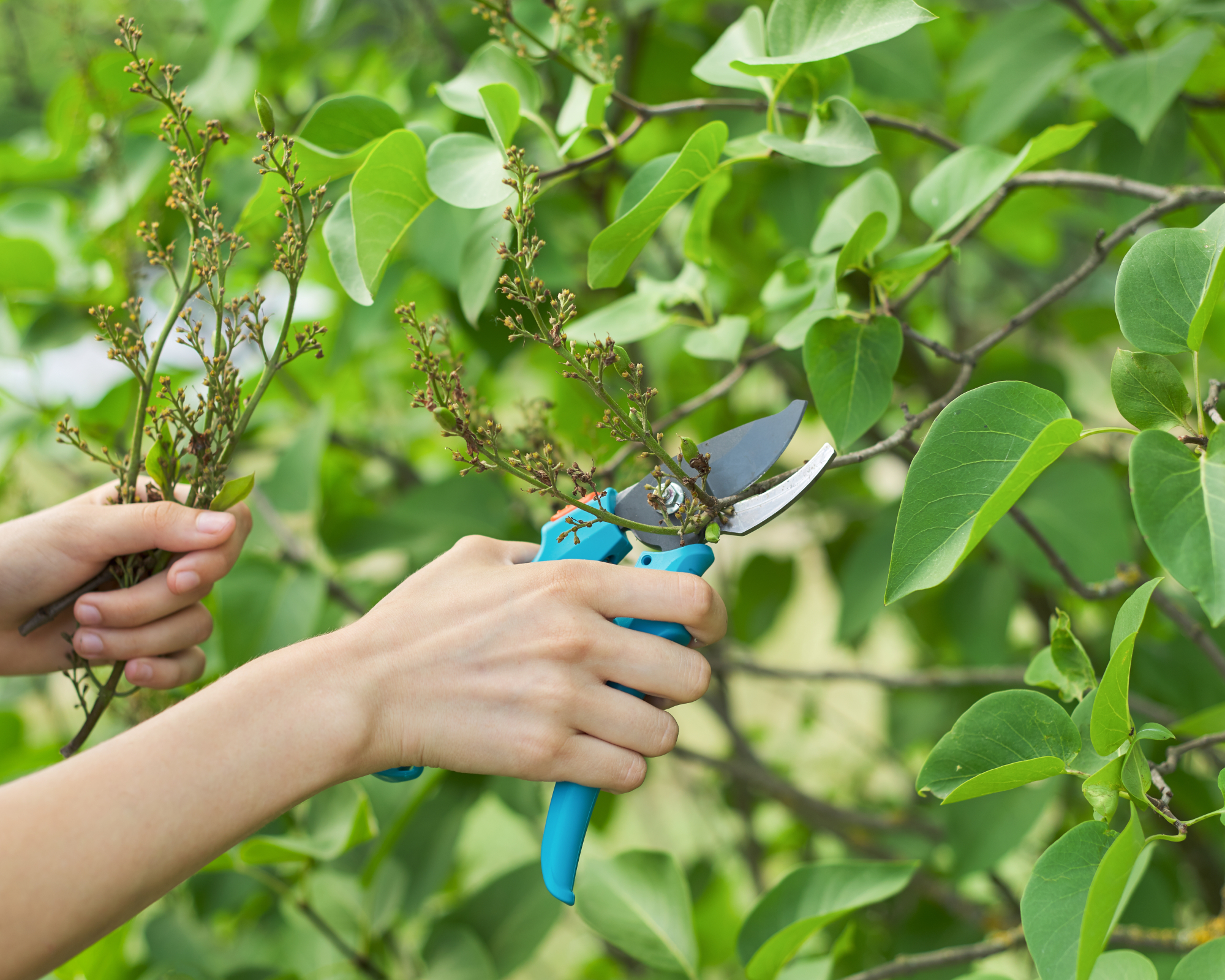
Lilac should be pruned as soon as possible after the shrub has finished flowering. That’s because next year’s flowers will form on stems grown this year – wait too long to prune it, and you risk chopping off those buds. Whichever zone you’re in, your lilac shrubs will be done flowering by July, so if you haven’t pruned it already, start by snipping off all the spent flowers.
Lilac shrubs tend to bloom best on stems that are up to five or six years old – any older than this and they’ll only flower at the stem tips. So, by cutting out some of the more mature stems that are more than 2 inches thick, you’ll keep the shrub flowering at its best. A pruning saw such as this from Amazon makes light work of cutting through thick, woody stems.
Don’t remove any more than a third of growth though. Cut off any weak suckers at ground level, too, using loppers or hand pruners.
7. Plum, Damson and Cherry trees
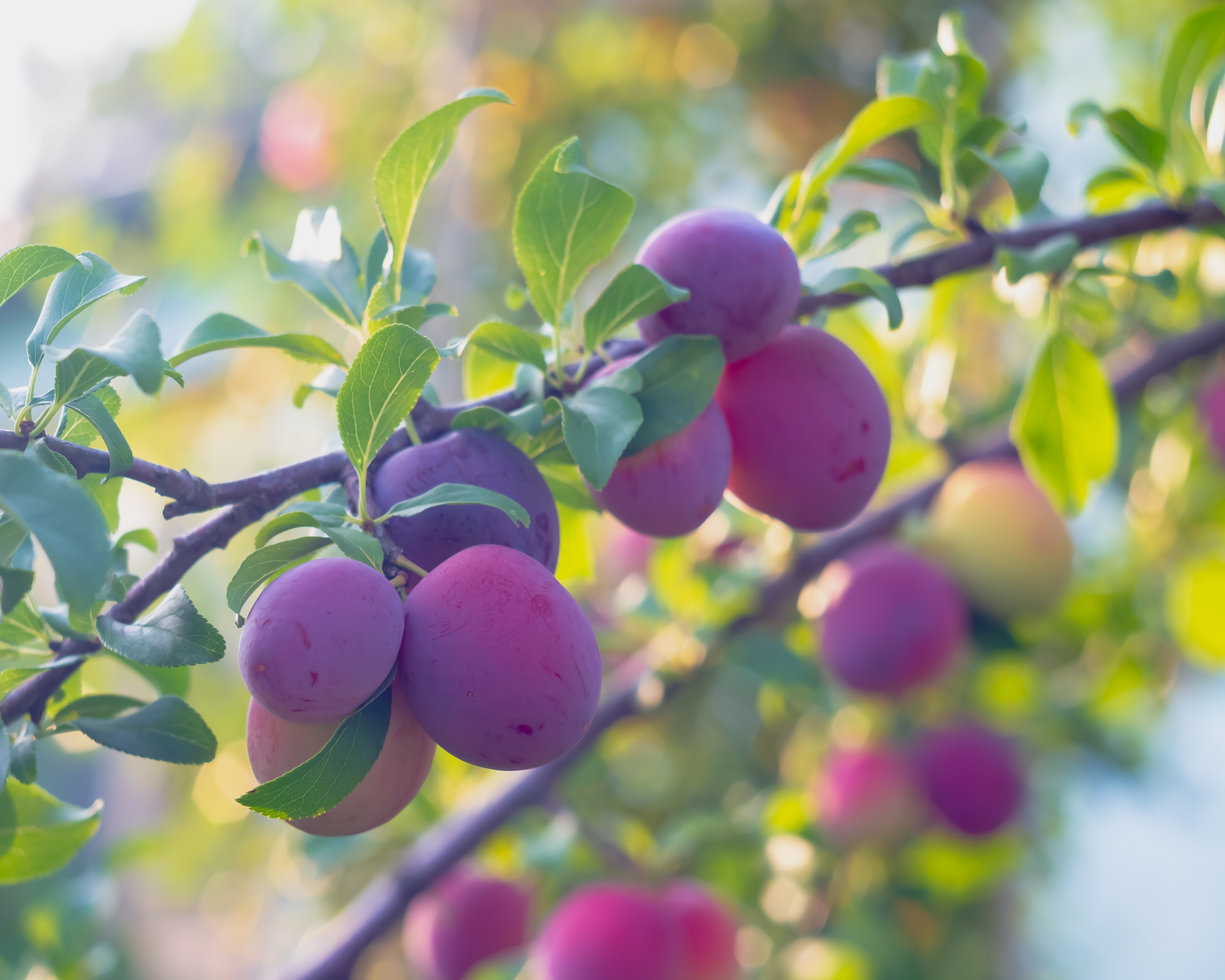
These stone fruit trees can’t be pruned in winter or spring because of the deadly threat of silver leaf disease. Pruning in late July cuts the risk, and encourages the tree to get busy growing buds that will eventually produce next year’s fruit, rather than lots more leaves.
All you need do to prune these fruit trees in July is shorten long new leafy stems to around five or six leaves from the branch they’re growing from. Leave any new growth shorter than a handspan be.
Always Prune to the Three Ds
Whenever you’re pruning, be it summer, winter or spring, take the opportunity to remove dead, damaged or diseased stems, known as the three Ds of pruning. And don’t worry, even if you’re a beginner gardener and this is your first time pruning. As long as you don’t remove more than a third of a plant’s growth, you’re highly unlikely to kill it, and while there are a few pruning mistakes best avoided, this is a learning process and most plants are very forgiving.