Whether you have a small yard or a large space to maintain, there’s one thing for certain: you’ll need to have some reliable tools you can rely on. From lawn mowers to pruning shears and hedge loppers, there are so many bladed yard tools out there that make gardening so much easier – that is, if the tools are properly cared for.
I can still remember the many times my dad would wrestle with a clogged-up lawn mower, since its dulled blades were failing to cut the grass. Fortunately, he didn’t need to buy a new mower, he just needed to switch up the way he cared for the gear, by sharpening its blades. Sharpening essential garden tools is often something that gets put off. But once friction, soil grit, and tough plant fibers have grappled with your tools, they become harder to use and can quite literally lose their edge.
Many home gardeners never sharpen their gear. Some worry they’ll ruin the blade, while others treat bladed tools as disposable, buying cheap replacements every couple of seasons. But dull blades crush plant tissue, and often force you to work harder, leading to sore wrists and fatigue. Taking a little time to hone your steel changes everything. By keeping a basic sharpener in your shed, you cut your labor in half, keep plants healthier, and save hundreds of dollars. Interested? Meet the super tools that make all your other cutting tools instantly better.
Sharpen Your Act
You might be wondering, how do you really know if your blades need a tune-up? A quick inspection under a good light will tell you everything you need to know. Look down the cutting edge: if you see tiny shiny nicks, rounded dull spots, or burrs reflecting light, your edge is spent. You can also run a piece of scrap paper along the blade. If it catches and tears rather than slicing cleanly, it’s time to sharpen your tool.
Before sharpening, always make sure you wipe down the metal with a stiff brush first, like the UHuse Mini Wire Brush Set from Walmart, or a damp cloth to strip off sap and soil. Then grab a clean rag, a reliable protective oil such as 3-IN-ONE Multi-Purpose Oil from Amazon, and your sharpener of choice from the list below.
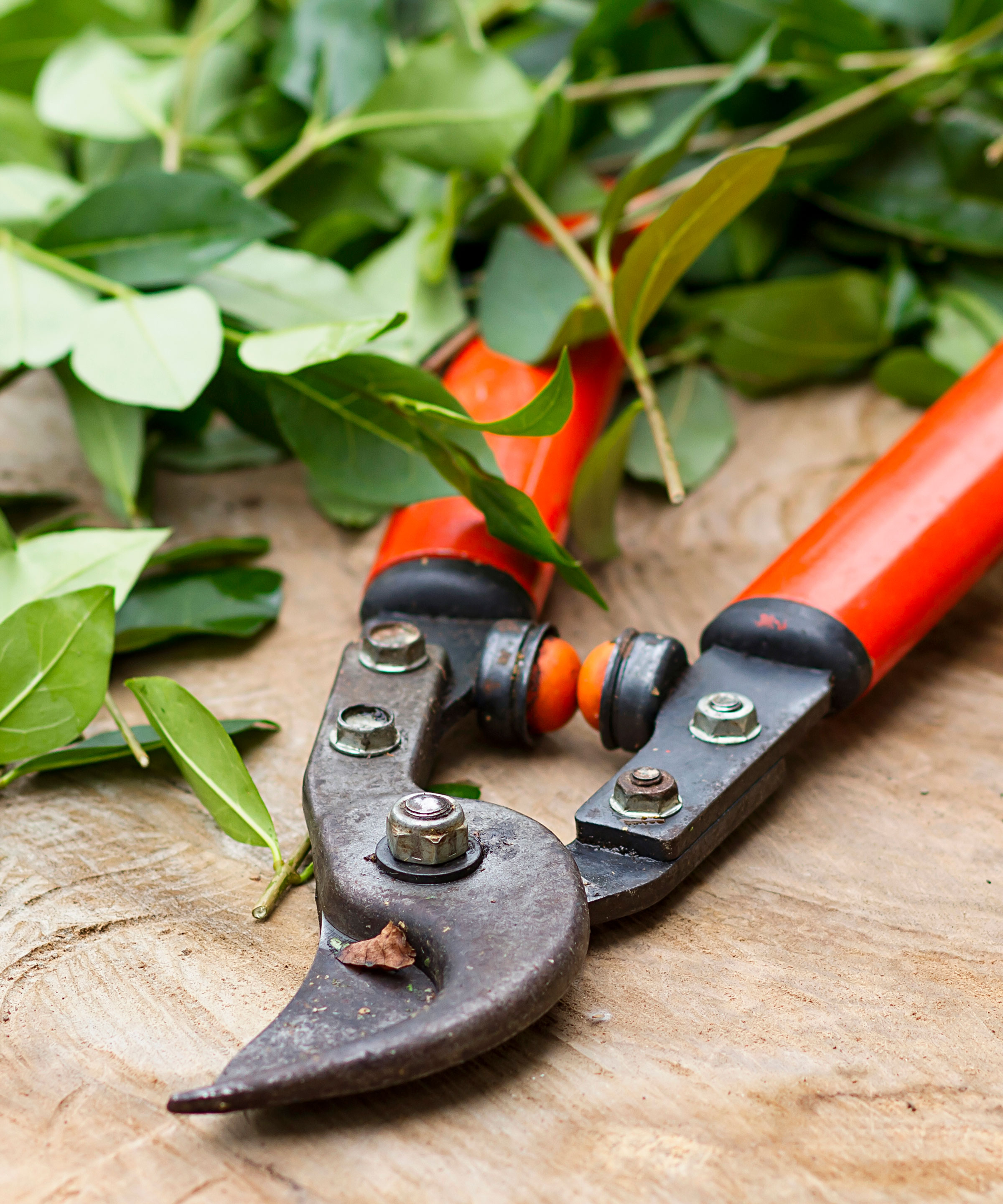
Your choice of sharpener will depend on the garden tool. Fine bypass pruners require precise, small-profile diamond stones. Heavy steel spades and rough lawn mower blades respond better to flat mill files or power angle grinders. Premium vintage carbon steel tools hold an edge longer than budget modern stainless steel. Budget steel requires light, frequent touch-ups to keep from turning dull.
Top Sharpening Tools
If you’re fed up with blunt gardening tools, or forking out for tools that never seem to last that long, or just want to make sure yours stay in tip top condition, you’ve come to the right place. Here’s a rundown of the top blade-sharpening tools recommended by lawn and gardening experts, as well as what you can use each tool for, and why it’s so great for the job…
1. Felco 903 Diamond Sharpener
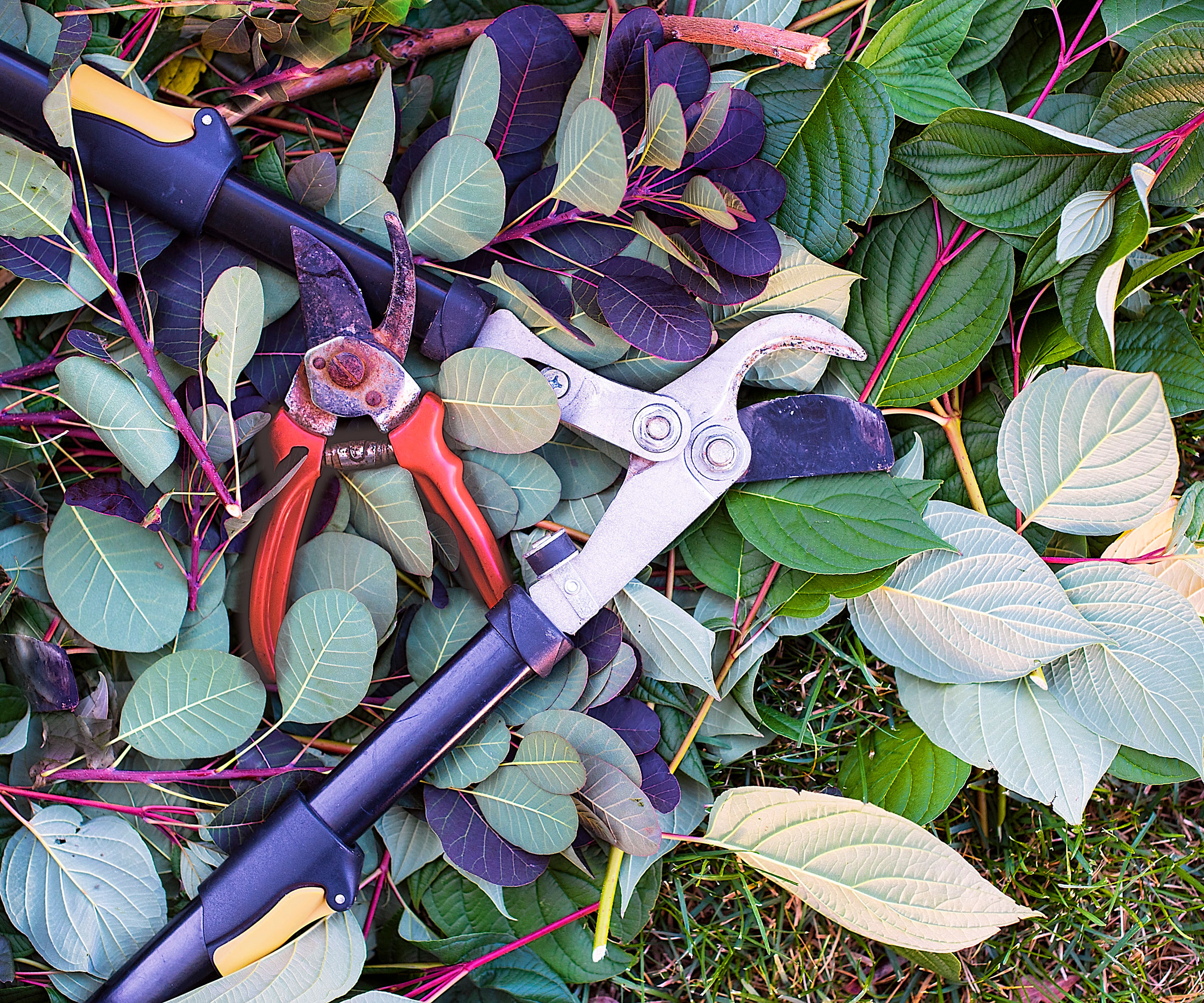
Gene Caballero, co-founder of GreenPal, recommends the Felco 903 Diamond Sharpener, available from Amazon, as a great tool to have on hand, due to its exceptional versatility. It can sharpen all kinds of gear, so you only need to purchase the one sharpening tool to care for all the bladed garden tools you own.
“The one gardening tool I recommend the most to homeowners is the Felco 903 Diamond Sharpener,” says Gene. “It’s perfect for pruning shears, loppers, and hedge trimmers because of the diamond coated surface. It helps restore the sharp edge quickly without removing any excess metal.”
Gene points out it’s important to wipe the blades of your tools after sharpening them and to apply a light coat of oil afterwards. Doing this will prevent debris sticking to your tools, and protect the sharpened edge from rusting. A microfiber cloth and a dab of Trend Diamond Abrasive Lapping Fluid from Amazon should do the trick.
Sharpen bypass pruners every 3-4 uses during peak pruning season. Always follow the factory bevel angle (around 20 degrees) and push the sharpener in smooth, one-way strokes away from your body. Never grind the flat back side of bypass shears, or you’ll create a gap between the blades that jams wood fibers.
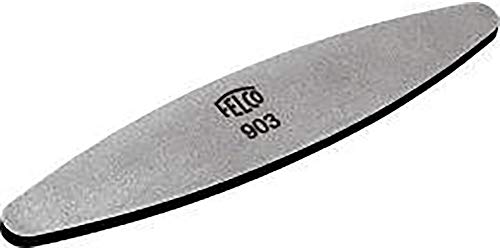
- Best For: Bypass pruners, loppers, floral shears, and hedge trimmers. Crafted from hardened steel with a high-grade diamond coating, this slim sharpener reaches into tight spaces bulky stones can’t touch.
2. SHARPAL Dual-Grit Diamond Sharpening Stone File
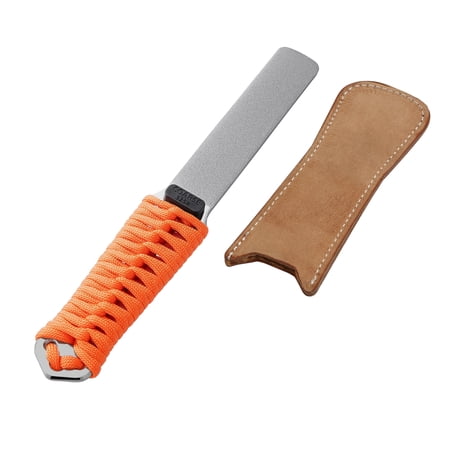
Lindsey Boney, a produce expert at Windmill Farms Market with a deep-rooted family history in farming, recommends the SHARPAL 181N Dual-Grit Diamond Sharpening Tool, available from Walmart. Its long, flat surface is perfect for filing larger tools which get worn down over time, such as hoes and spades.
Crucially, Lindsey encourages people purchasing this product to use it little and often. She explains: “A common mistake is waiting until a tool is completely dull before sharpening it. Light touch-ups throughout the season remove less metal, helping quality tools last much longer.”
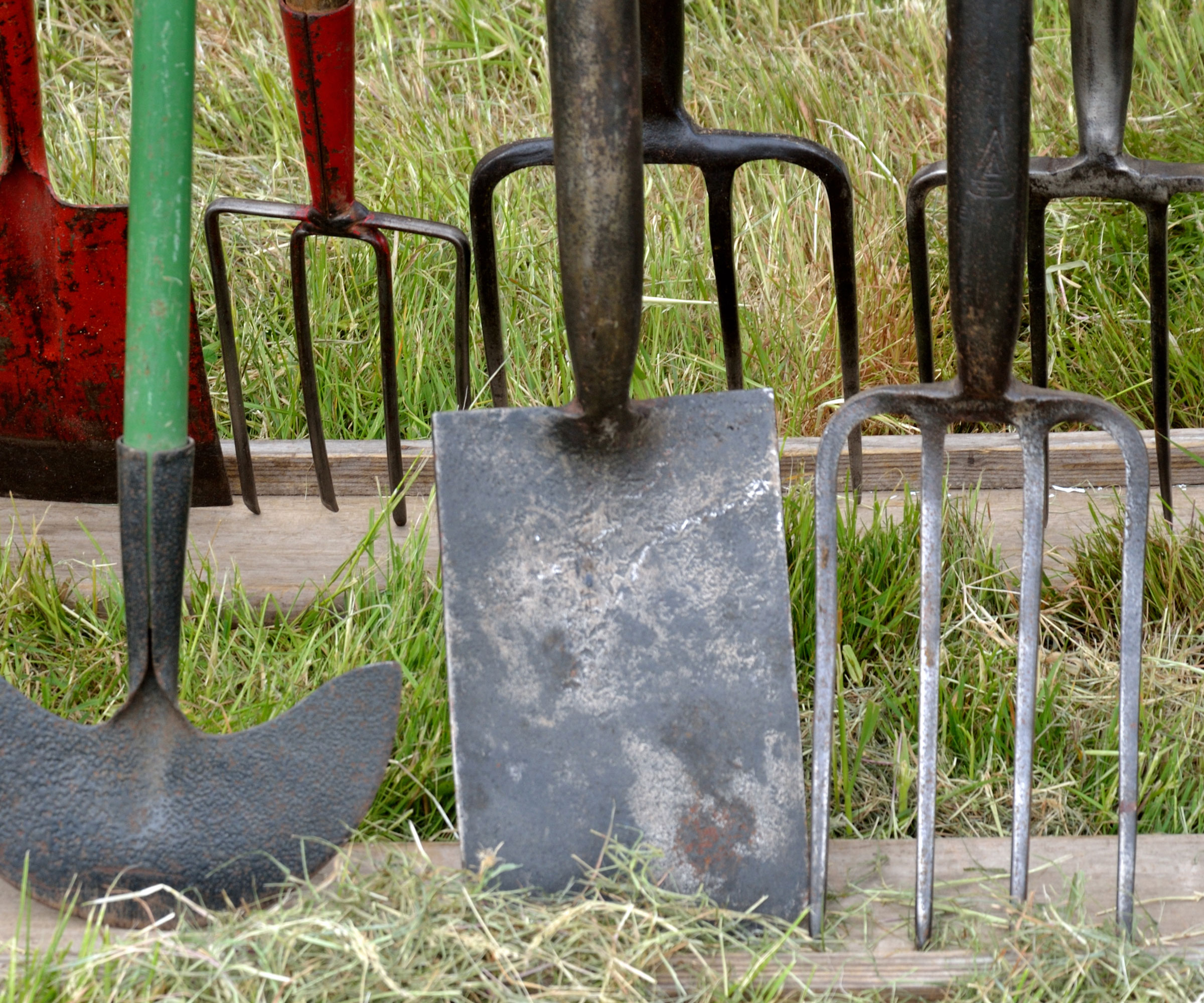
Touch up your soil tools (spades and hoes) monthly. A sharp spade slices through tough roots and compacted clay soil like butter, saving your back from strain. Use the coarse side first to file down rough rock nicks. Then flip to the fine side to refine the edge. Always wear leather work gloves while working. By maintaining soil tools, you prevent blade curling, adding decades to your favorite spades.
- Best For: Digging spades, edging irons, weeding hoes, axes, and machetes. Featuring a dual-grit surface, this versatile steel file includes a wide handguard to protect your fingers during aggressive strokes.
3. DCK 4.5-Inch Angle Grinder
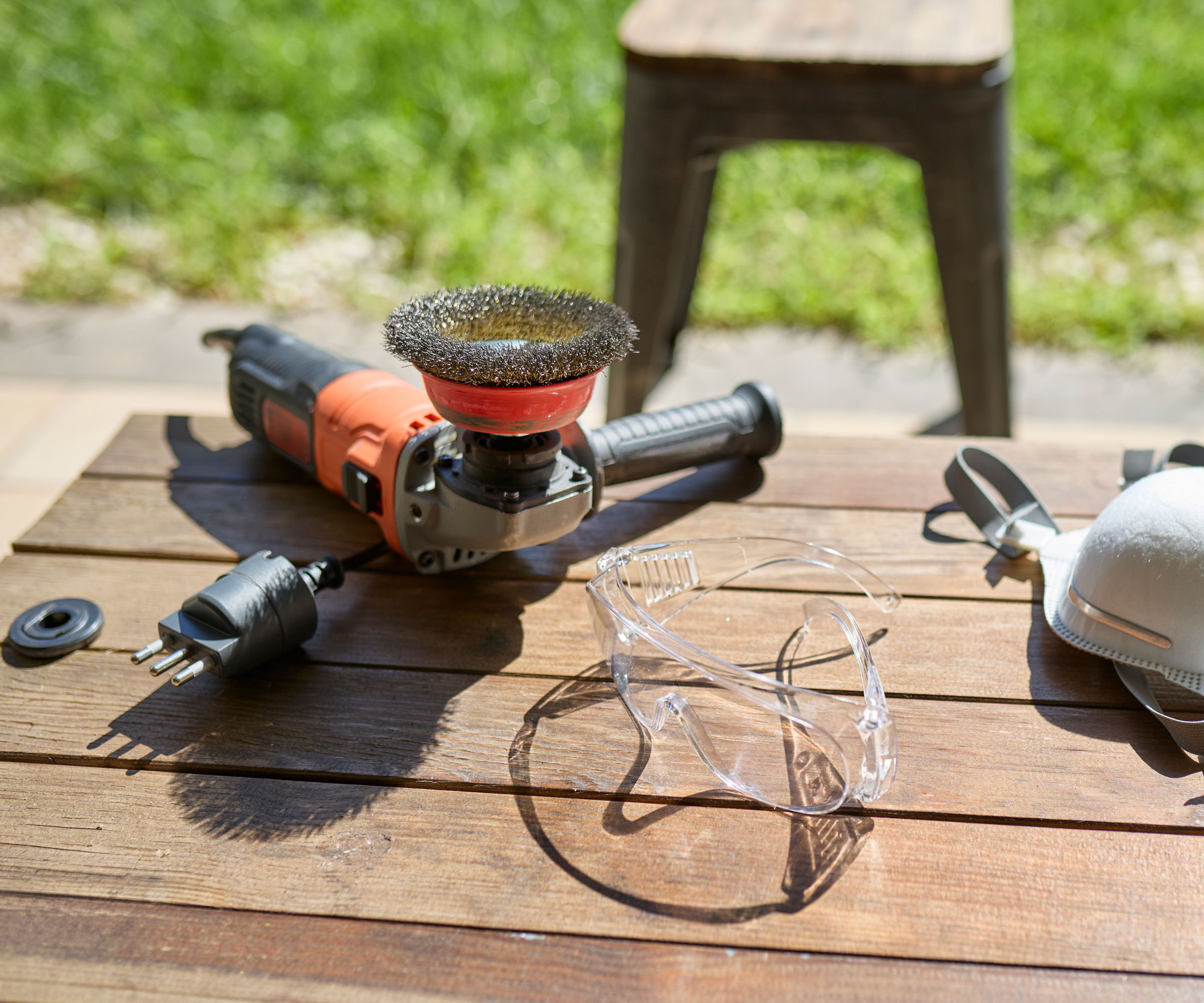
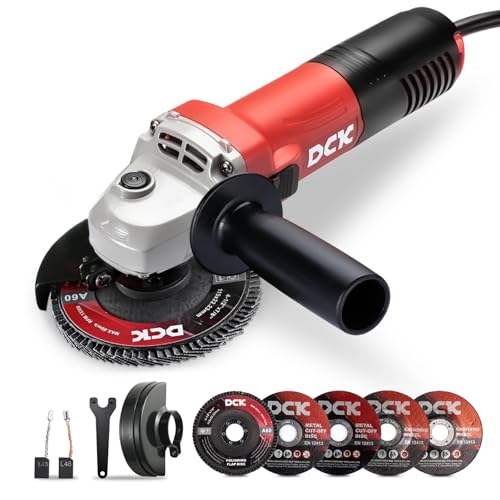
Steve Corcoran, CEO of Lawn Love, insists a good-quality angle grinder like the DCK 4.5-Inch Angle Grinder from Amazon is ideal for sharpening tools. They’re easy to use and rotate really fast for a precise sharpen. Also, many different attachments exist on the market, so if you already own an angle grinder, you can easily find the attachment you need for sharpening your items. Just use a flat disc when filing your tools to ensure you maintain a smooth surface on the blades.
Steve explains why opting for a flat disc is essential: “Think of what it’s like trying to cut through string when it’s pulled taut versus when it’s loose. It’s the same kind of idea, with a sharp blade being able to cut through plant matter much easier and cleaner. A traumatic cut from a dull blade makes a plant more susceptible to problems like plant diseases, and it can also just look worse.”
Sharpen lawn mower blades twice a season (mid-spring and midsummer). Always secure the blade tightly in a bench vise before grinding, and always wear safety goggles like Hyper Tough Clear Safety Glasses from Walmart, as well as heavy gloves to protect against high-speed metal sparks. Use short, light passes with a flat flap disc. Considering lawn care services can charge upwards of $20 per blade sharpen, doing it yourself at home quickly pays for this power tool.
- Best For: Heavy-duty mower blades, brush cutter blades, heavily rusted tools. For thick, heavy-duty steel like lawn mower blades that take a beating from rocks and hidden roots, manual hand-filing can take ages. A power angle grinder restores a wrecked edge in under two minutes.
4. WorkPro W051002 10-Inch Flat Mill File
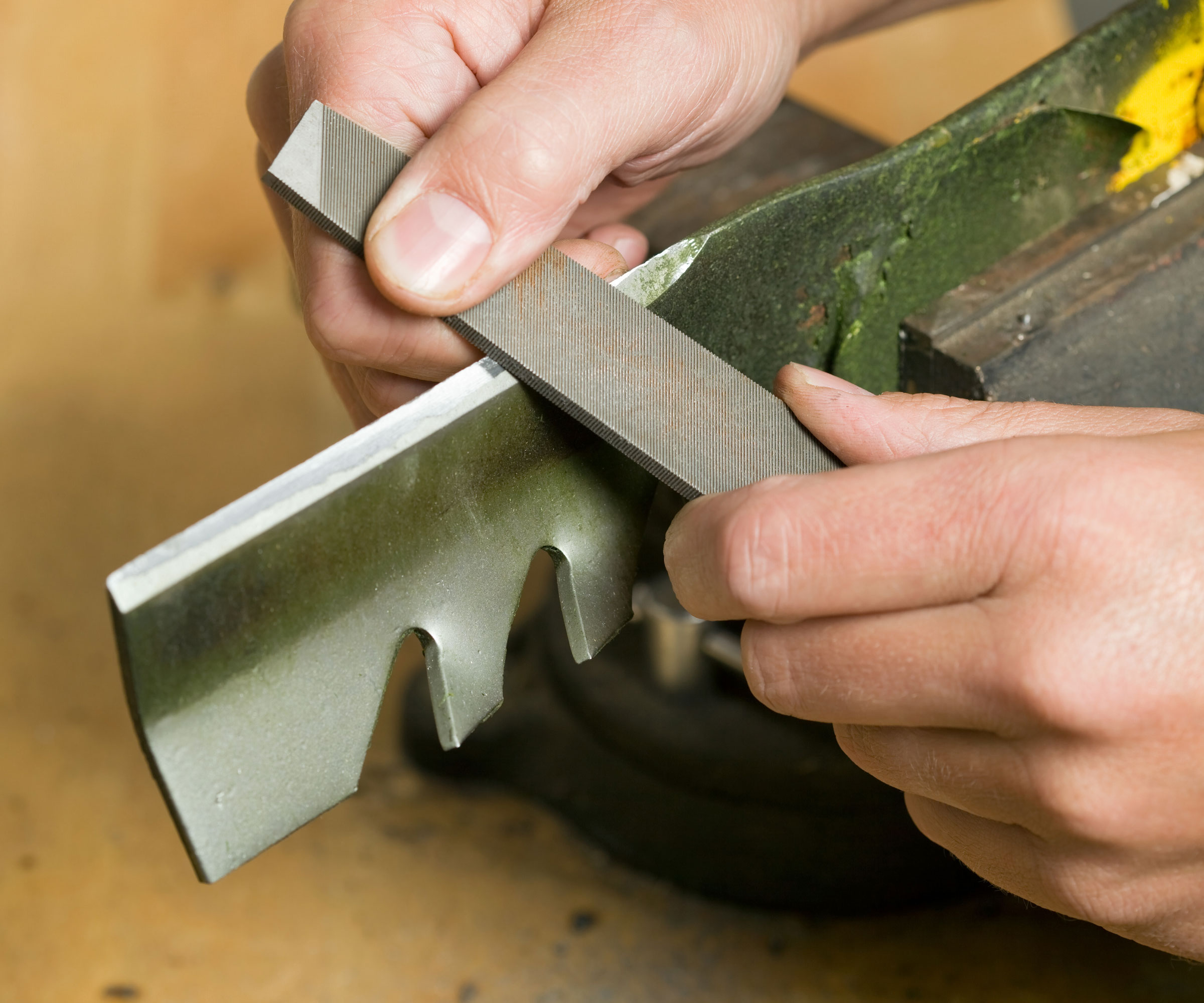
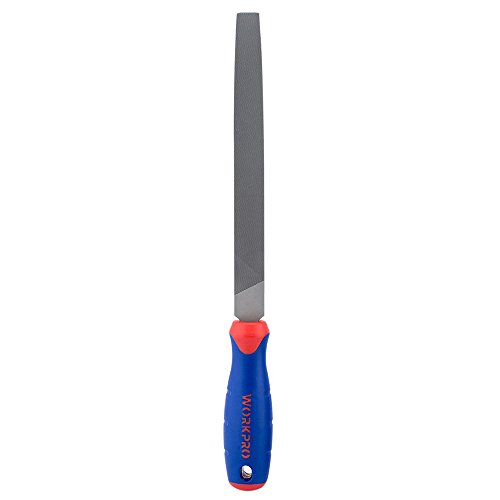
If you’re in a pinch, working on a tight budget, or simply don’t have much space to store extra tools, Steve reveals that a sturdy high-quality hand file can work wonders for sharpening your garden tools. You’ll be looking for something that is decently abrasive, as well as easy for you to hold while you file down the blades.
The WorkPro W05100210 from Amazon is durable, incredibly streamlined for storing, and comes with a comfortable anti-slip handle for ease of use. If you’re looking for something similar at an even lower price point, the Ergonomic Wvapzwr 8in Flat Mill File, also from Amazon will only set you back by $6.99. It’s an Amazon’s Choice product and boasts use for sharpening all kinds of tools, including lawn mower blades and garden shears.
Mill files only cut on the forward stroke. Lift the file on the return stroke. Dragging it backward can ruin the teeth. Keep a wire file card or stiff brush nearby to clear out clogged metal filings from the teeth as you work. Rubbing a piece of chalkboard chalk onto the file face before filing prevents soft metal sticking in the teeth.
- Best For: Lawn mower blades, garden shears, turf edgers, and general steel tools. High-carbon steel flat mill files are the unsung heroes of the tool shed. They require no electricity, offer maximum control, and cost less than a cup of artisanal coffee.
Shop Sharpening Extras
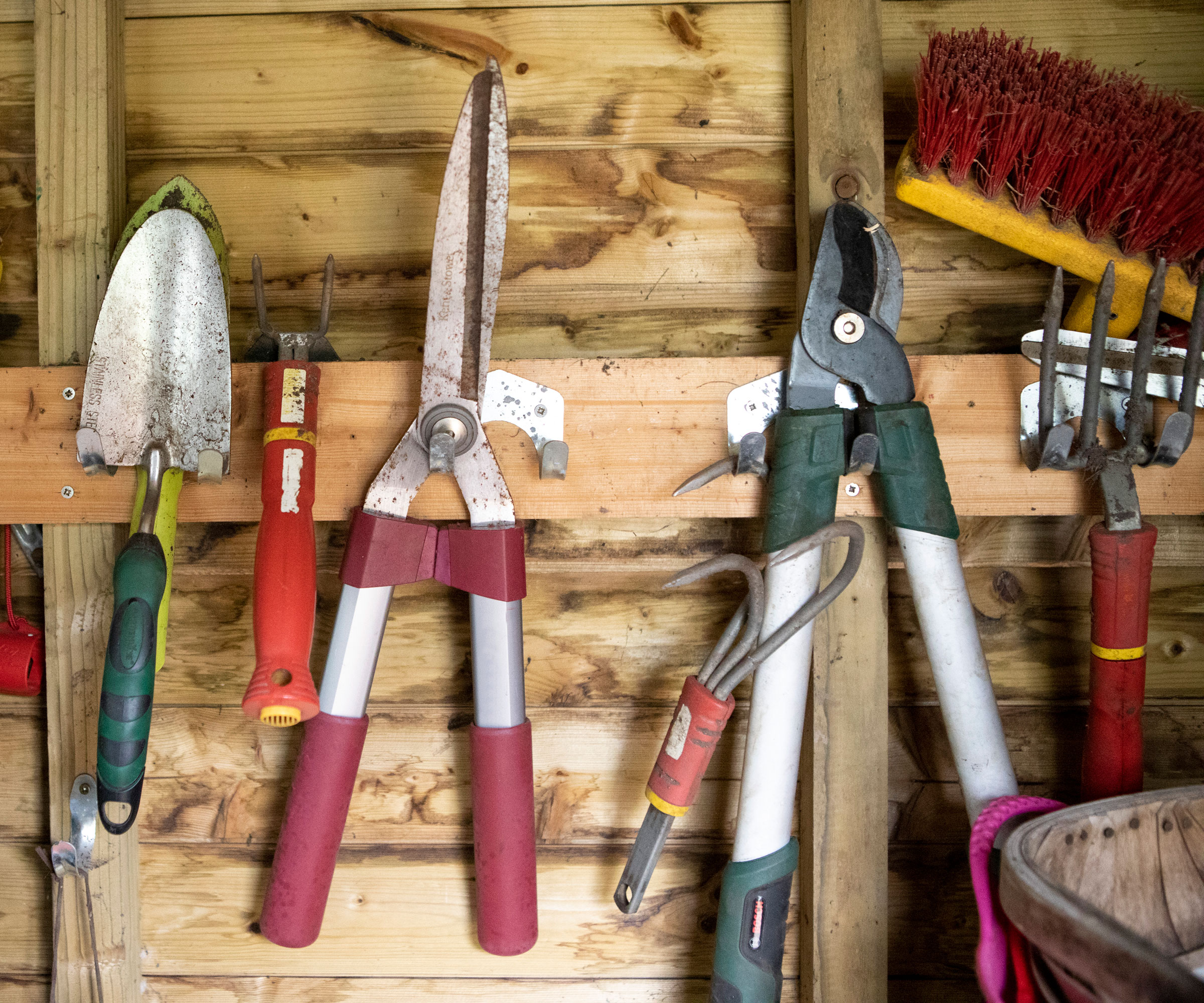
Maintaining sharp blades is a victory for common sense and your wallet. Just save a little time for proper cleaning, lubrication, and secure setup to ensure that both your sharpener and cutting gear last you for decades. Spending a few dollars on these accessories will save you serious time during maintenance and protect your fingers while filing. Pair your sharpeners with these top-rated bench accessories.
Top Tool Care Trio
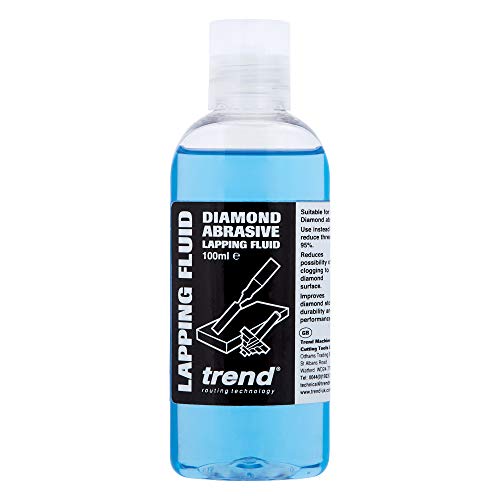 Fluid Protection
Specially formulated for diamond sharpeners, this mineral-based fluid prevents rust, reduces friction, and floats away metal dust to keep diamond surfaces from clogging up during use.
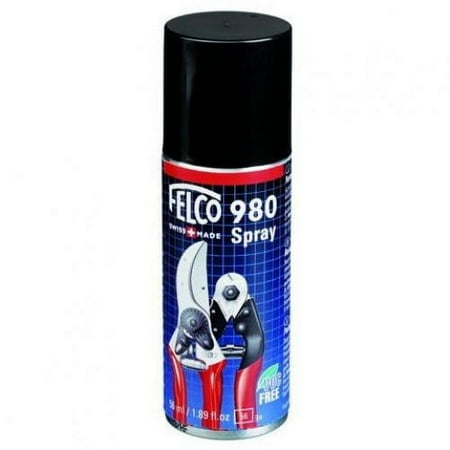 Sap Cleaner
Sticky plant sap and resin act like glue on shear blades, dulling edges faster than normal wear. A quick spritz cleans off gunk and leaves a protective anti-corrosion coating on raw steel.
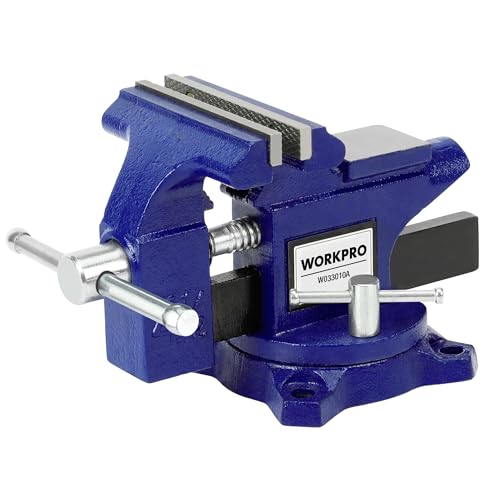 Workbench Security
Safety comes first when filing mower blades or heavy hoes. Clamping your tools firmly into a heavy-duty bench vise keeps both hands free for controlled, steady filing strokes.
Need more ideas for getting the most from your plants, indoors and out, and looking for the best seasonal expert advice delivered straight to your inbox? Sign up for the free Gardening Know How Newsletter!