Someone once told me that there is no better way to prepare for marriage than by owning a home in a subdivision. Each homeowner has rights, but the rights of one can infringe on the rights of others. Good neighbors (like good spouses) learn to understand and respect each others’ positions, communicate calmly, and compromise in a way that safeguards everyone’s dignity.
Dealing with waste water is a perfect example. If you are homeowner 1, with a higher site, you have the right to grow thirsty plants and to water them generously. If you are homeowner 2, with a lower lot, you have the right to protect your garden against flooding. And, just in case neighborliness does not proceed as planned, the law is there to impose a compromise between these conflicting rights.
I cover more questions like this in my Gardening Lawyer series, drawing on my experience as both a gardener and former attorney. Let’s dive in and explore how to avoid a soggy situation.
The Law Is the Voice of Reason
It would be lovely if neighboring homeowners could always find the middle ground that works for both of them. But that is not always the case. Sometimes neighbors discuss, argue, yell, and finish up by feuding. Knowing the law can help. It’s easier to compromise if you know in advance what the law is going to require in your case.
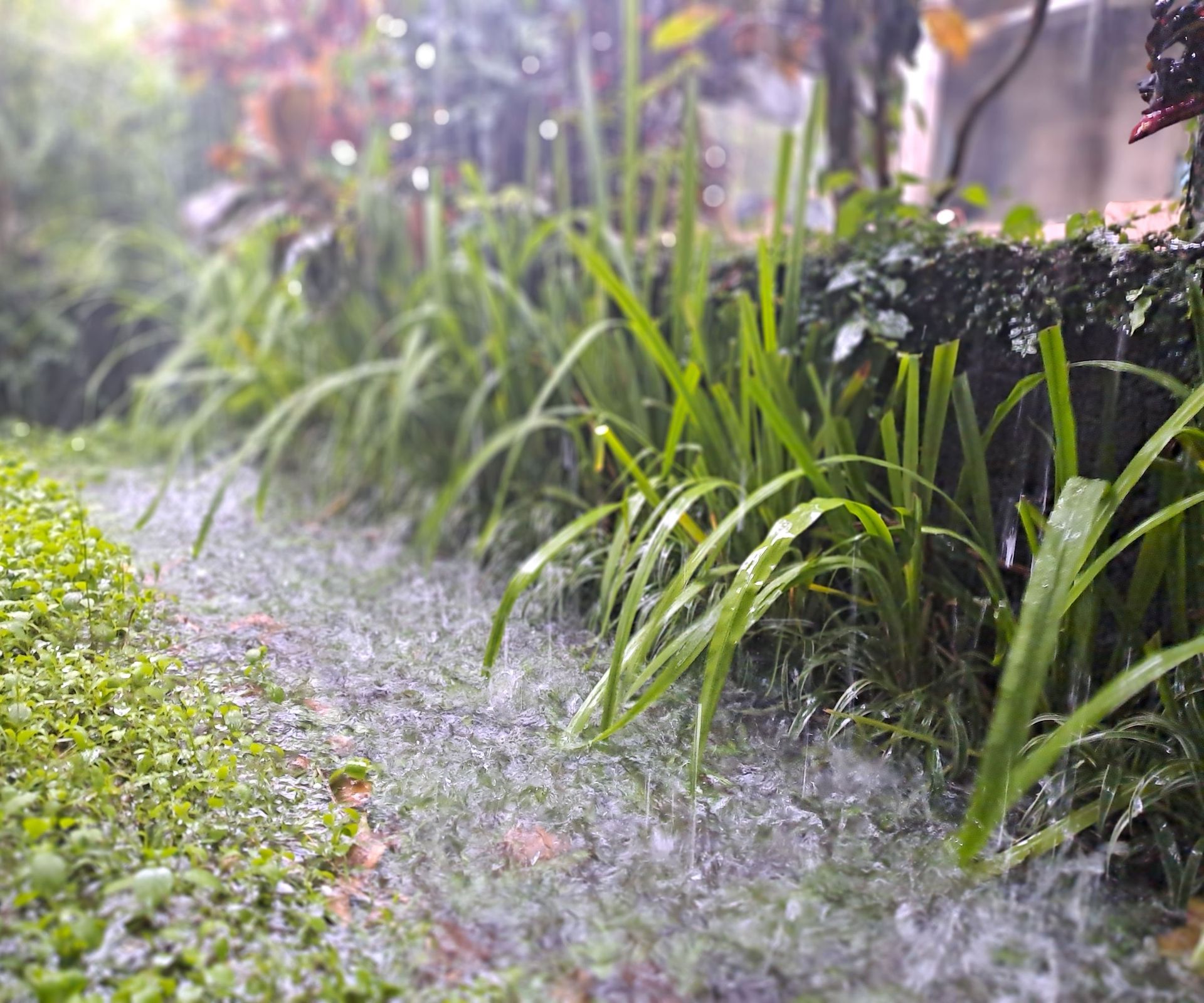
Generally, the law sets property rights laws that sound natural and reasonable. In the case of drainage issues, many states and most localities impose laws that stick firmly to the middle ground. The “reasonable use” doctrine, often discussed in these cases, accepts the fact that it is natural for rainwater to flow from higher ground to lower ground.
That means that the neighbor with a lower lot cannot complain if, after rain falls, the water falling on higher lots drains down to their property. And this is true even if, one year, it rains daily in buckets. The neighbor with the lower lot cannot blame the upper lot owner for damage caused by all that rainwater rushing down the slope into their land.
Artificial Drainage Is a Different Cup of Tea
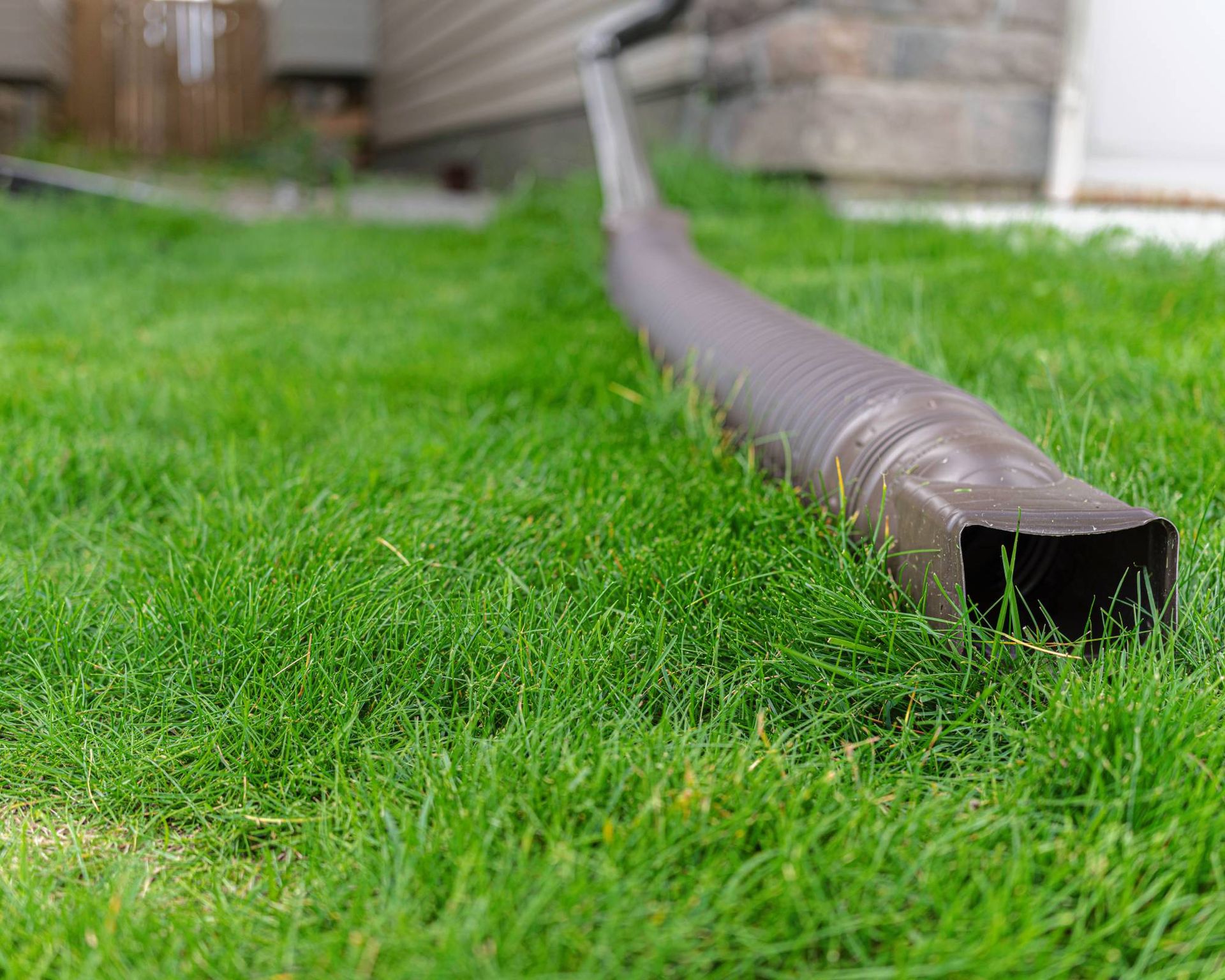
If you are the owner of the upper lot, do not laugh too long or hard. The reasonable use only applies to natural rainfall. You cannot “enhance” this benefit artificially. That means that it does not qualify as reasonable use when an upper-lot neighbor takes steps to divert water from their property to the neighbor’s property, or pipe it over there.
The consequences of shifting your excess water onto adjoining property can be significant. If your drainage scheme results in soil erosion, standing water, or foundation damage to the neighbor, you can be legally responsible for repair costs. In addition, your actions can violate local building codes, HOA rules or zoning laws. They often prohibit discharging sump pumps, downspouts and French drains across property lines.
Understanding Drainage Issues
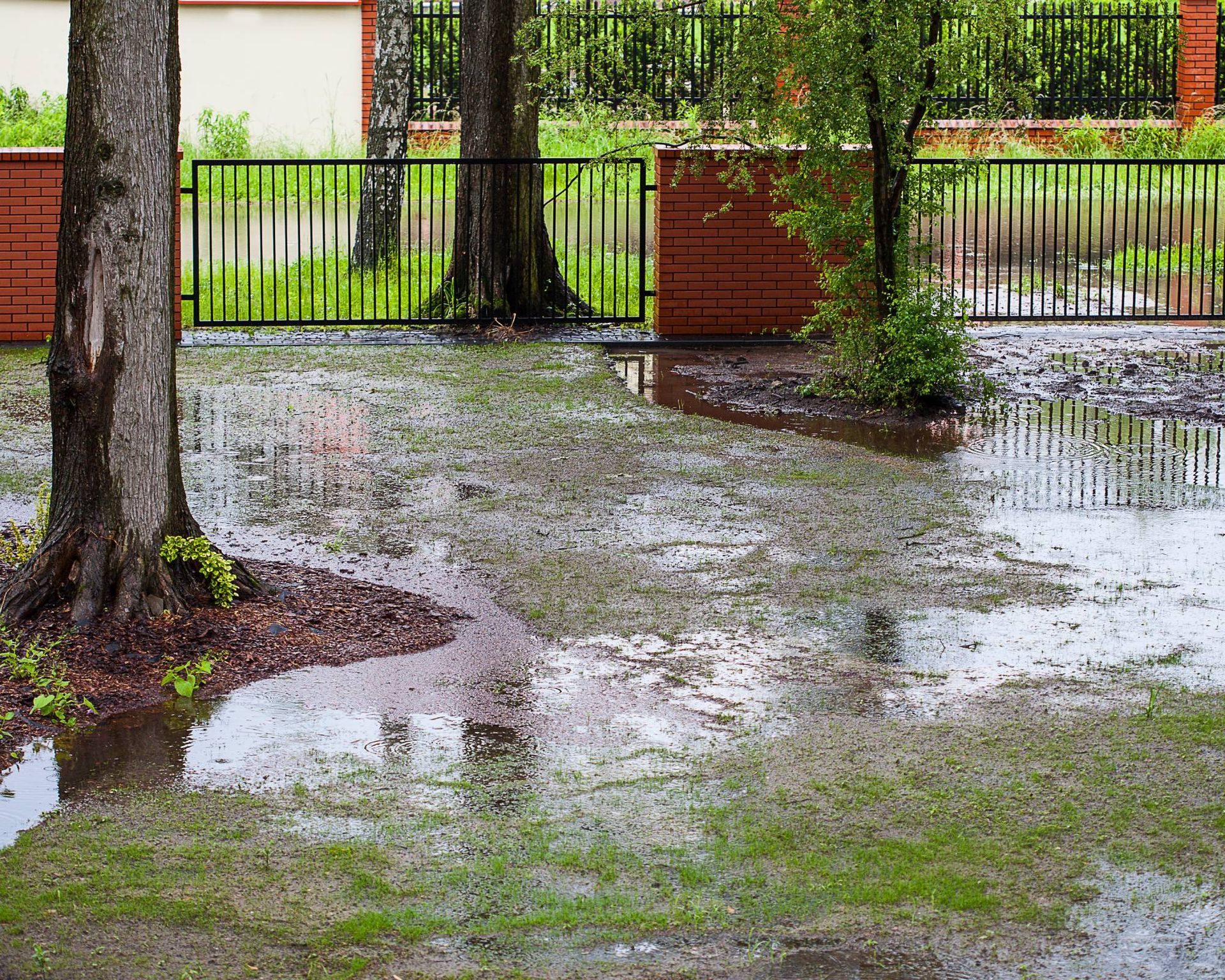
Most drainage disputes do not result from intentional wrongdoing. There is generally no villain, twirling his mustache while his workers add drain pipes directly into the neighbor’s yard. Rather, most drain issues start out as changes one neighbor makes at soil level that disrupt normal drainage patterns.
This can happen when a neighbor installs new plants, grass, or hardscape. It can happen when a neighbor changes the grade of their backyard, or adds drain pipes to the turfgrass. These minor adjustments can lead to water problems for the neighbor, soil erosion, flooding, or damage to their foundations. If that happens, they can take the neighbor to court to remove the changes and restore the natural flow of water.
Laws differ from state to state, but – when a neighbor alters the land to change the natural flow of surface water – many states including California hold the owner who made the adjustments strictly liable for all damages, regardless of whether they intended to cause harm.
Examples of Drainage Problems
- Any action that changes the natural flow of surface water.
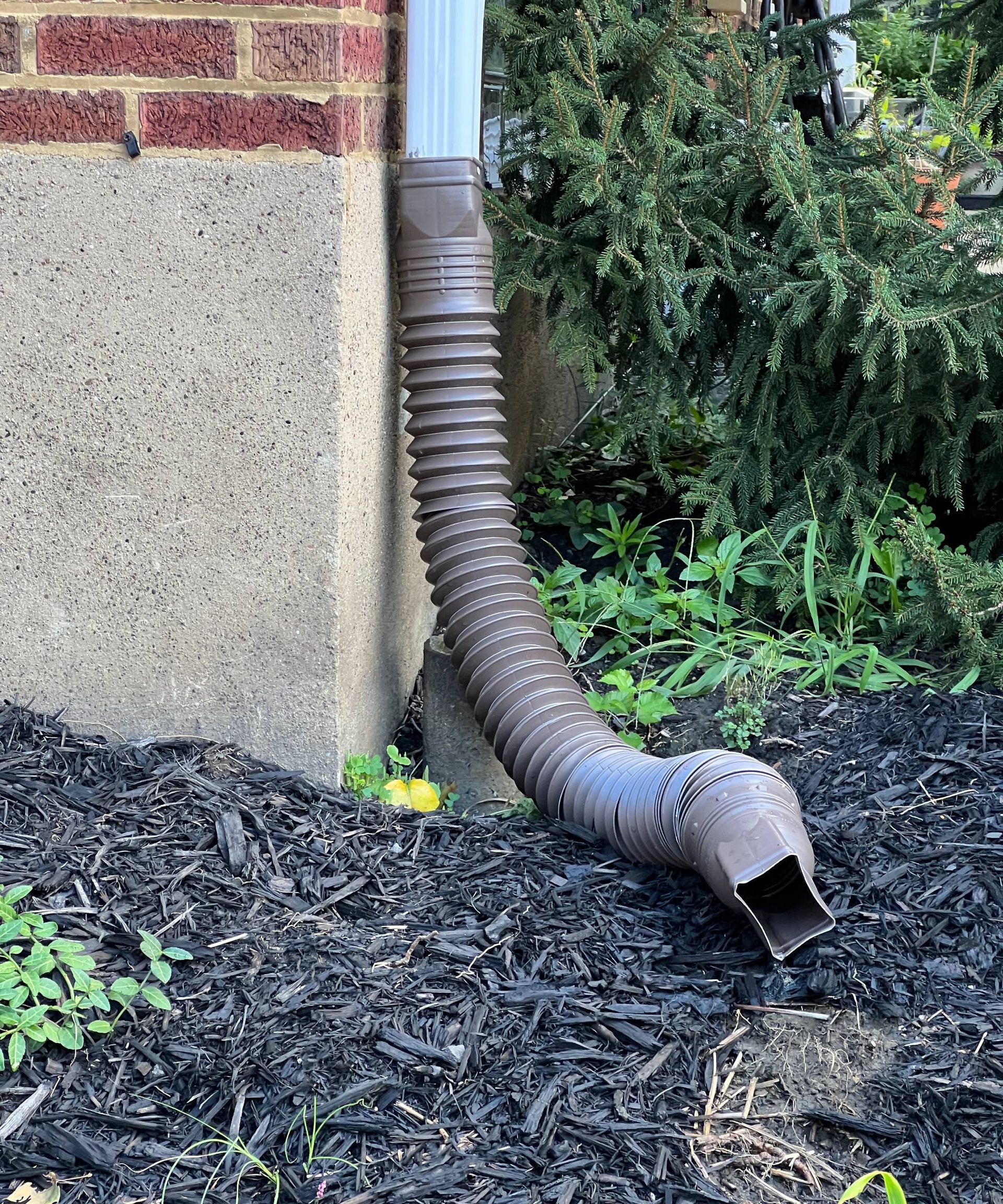
- Installing drains, downspouts or pipes that take water from your land to someone else’s land.
- Doing anything that speeds up the flow of surface water flow.
- Any alteration of property that increases the amount of water, the speed of water, or the concentration of water draining into the neighboring property.
- Any alteration of the property that directs water to a location it did not previously reach.
- Any work that involves retaining walls or concrete or paver installations can eliminate the natural absorption of rainwater and send it into the neighboring property.
Preventing Drainage Issues
Are there steps you can take to prevent your rainwater from impacting the neighbor on the lot below you? Yes, there are. Consider installing these landscape features, also known as rainscaping:
- Rain garden – Install a rain garden in your yard. This involves planting a garden bed in a depressed area. Use soil rich in organic material and install native plants with deep-roots.
- Dry creek beds – If there is a shallow trench running through your yard, line it with landscape fabric and river rocks to create a dry creek bed. You can use this dry area to channel heavy streams of runoff.
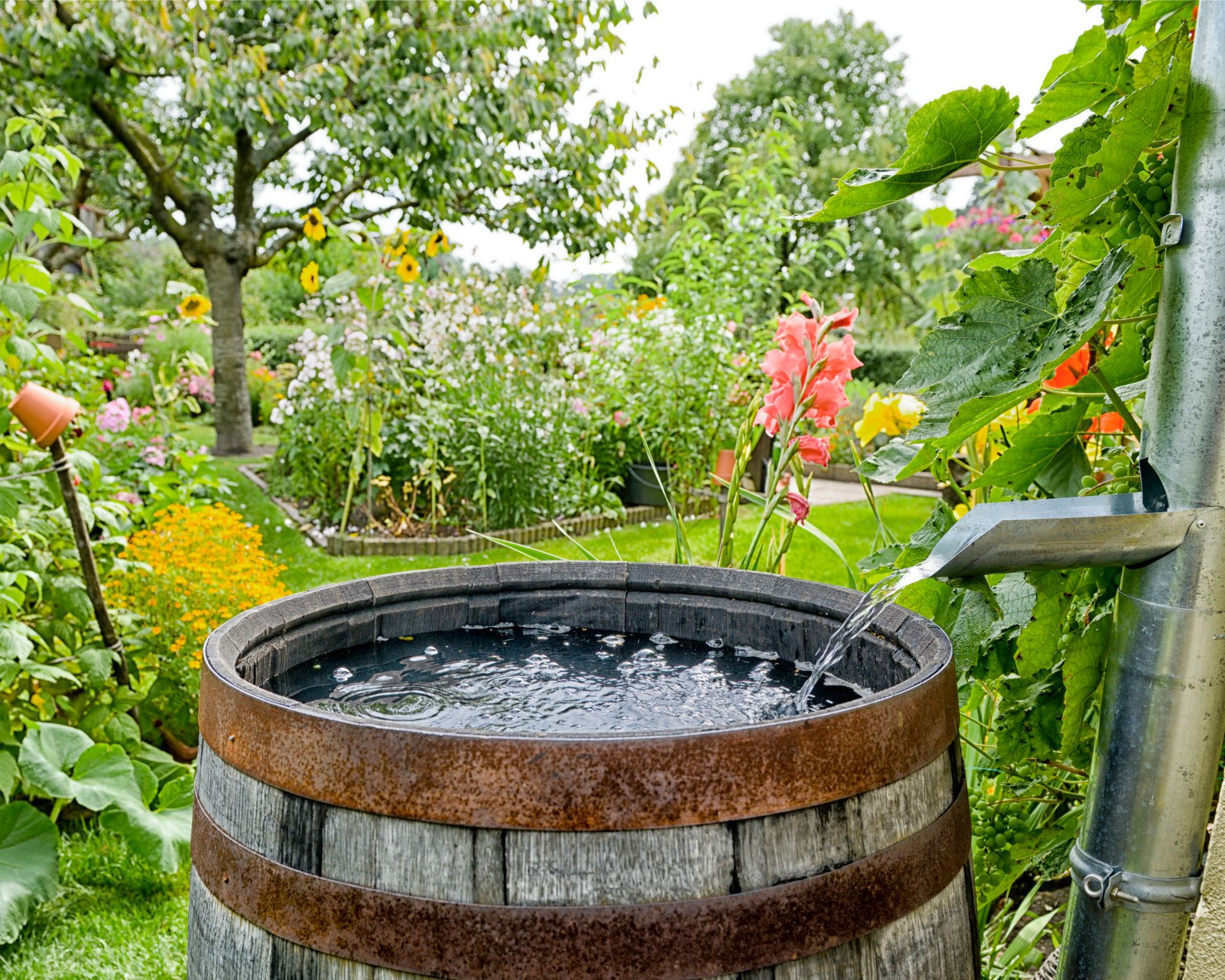
- Rain barrels – You can actually buy kits premade if you like. This 50-gallon rain barrel from Amazon has a flat back so it fits snuggly against your house and a spigot allows easy access to collected water. Alternatively, hook a large, waterproof container to your gutter system. A rain barrel can capture many gallons of water that you can save for your garden irrigation. Some kits provide a hose hookup to the container.
- Permeable pavers – Regular concrete pavers prevent water from seeping into the soil – and the more pavers you put out there, the more water flows downhill toward your neighbor’s land. Instead, use gravel, turf blocks, or porous flagstones for garden pathways. Permeable pavement materials let rain soak straight into the earth.
More from the Gardening Lawyer
- Why Taking Cuttings From a Plant You Bought Could Land You in Legal Trouble
- If Your Tree Falls Into a Neighbor’s Yard, Who Pays for the Damage?
- Can You Take Garden Plants With You When You Move House?
- Is Your Neighbor’s Tree Blocking the Sunlight in Your Yard? Here’s What You Can (and Can’t) Do About It
- Is It OK to Take Plant Cuttings From Garden Centers?