Unless you are the kind of person who always expects disasters to happen, you probably don’t lie awake at night wondering if your neighbor’s tree is going to fall into your yard. But this very real scenario does happen, especially during hurricanes and ice storms – and it could just as easily be your tree falling into a neighbor’s yard.
Unlike the hypothetical tree falling unheard in a forest, your neighbor is very likely to hear your tree as it crashes down on their house or garden. Whether this is caused by storm damage to trees or something else, one of the first questions that comes up is, “Who pays for the damage when a tree falls?”
There is a very clear, two-word answer to this question: It depends. Below are a few commonplace scenarios and how to handle them to ensure both you and your neighbor take the proper responsibility when one of your trees falls into the other’s yard.
1. Damage Due to Acts of God
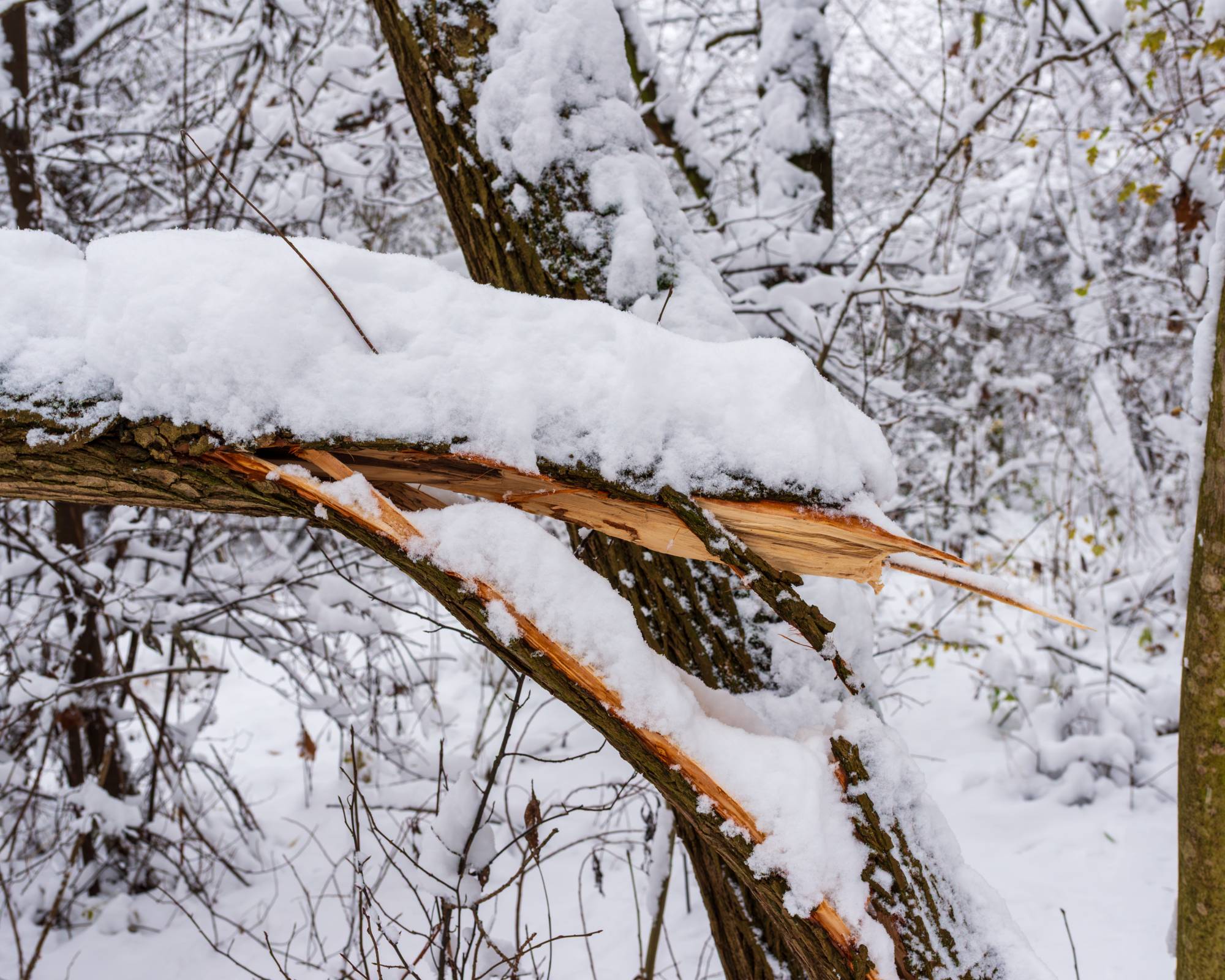
Perhaps the most common reason that healthy trees fall in a neighborhood is weather. A severe storm, a very strong wind, or a lightning strike can impact a tree on your property, causing it to fall onto the neighbor’s property. If a storm, blizzard, or other “act of God” uprooted the tree or sent a large branch to the ground, you will probably not be liable.
Although the tree started out on your property and ended up on the neighbor’s, it wasn’t your fault. You don’t control the weather! In this case, the neighbor will be responsible for any damages to his property. If their home or outbuildings were damaged, the neighbor can usually submit a claim to their homeowner’s insurance carrier.
Likewise, any damage to their car from your tree in this circumstance should be submitted to their own auto insurer. If neither car nor structure was hit, the costs of removing the tree usually fall on your neighbor.
2. Damage Due to Your Negligence
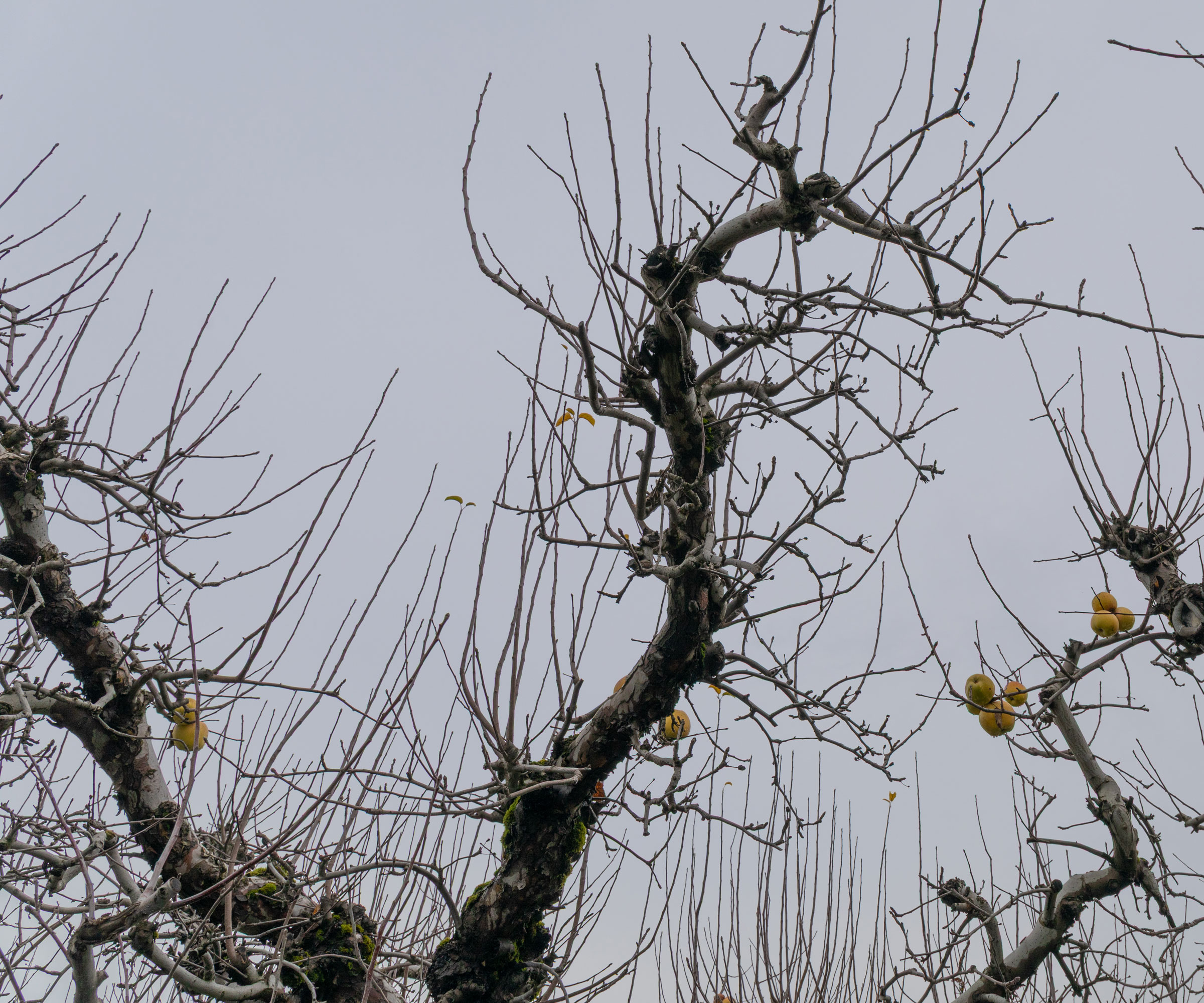
On the other hand, if the tree that fell was dead, diseased, or rotting and you knew about it, you may be found liable both for the damages done and for the cost of removing the tree. Yes, in this case, financial responsibility depends on the health of the tree prior to the fall and what you knew it was unwell.
Your neighbor will have to prove to a court that you were negligent in this way if they sue you for damages. But if they sent you a letter or text about the unhealthy condition of the tree before it fell, that would probably be enough. Likewise, if they had a conversation with you about the hazard, this might also be sufficient, especially if a second person also heard the conversation.
3. Damage From Shared Trees
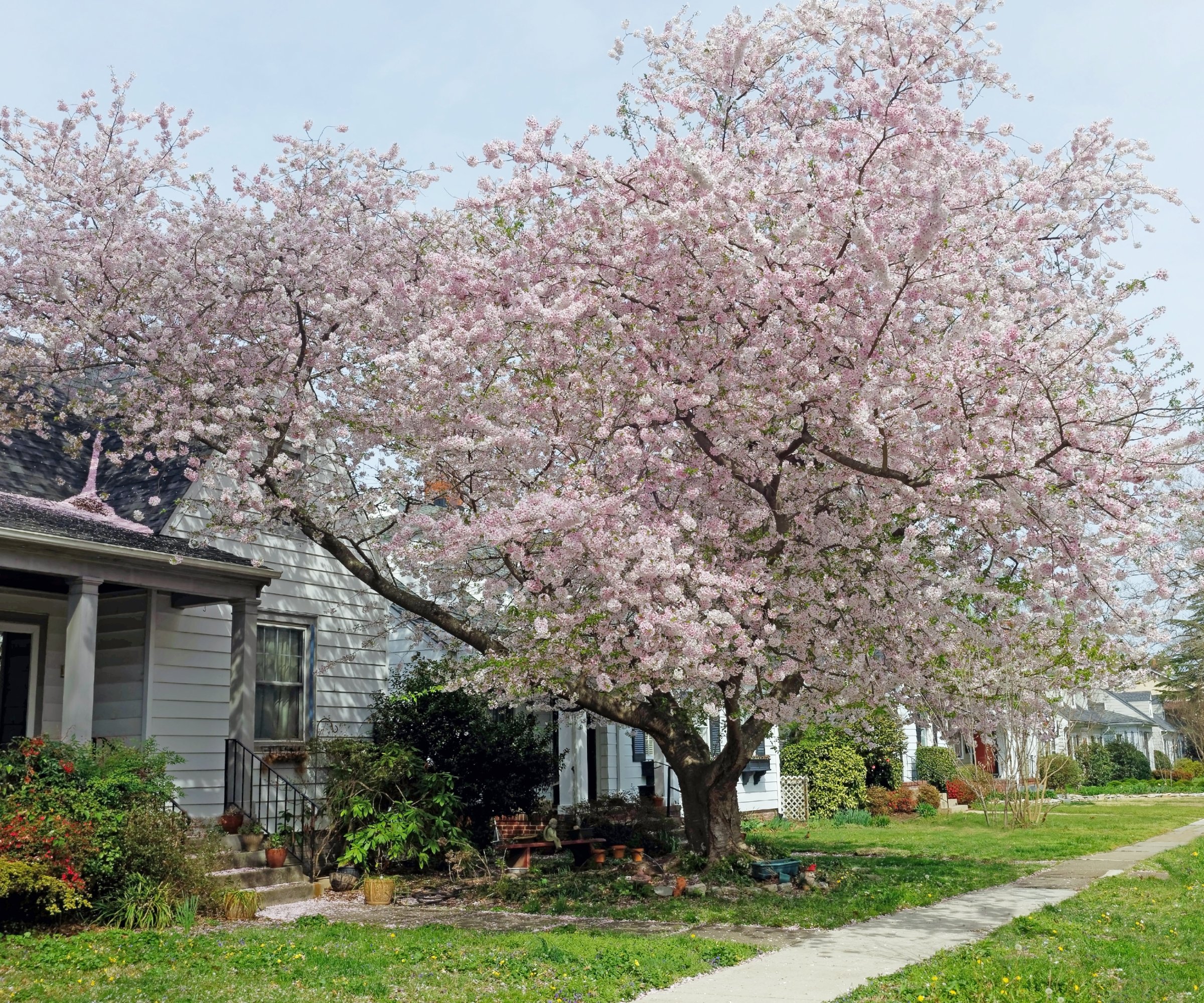
The general law is that a tree belongs to you if the tree trunk stands on land you own. That is the case even if the current owner of the property did not plant the tree, but inherited it from another owner. However, it may be harder to prove that you knew a tree was unhealthy if the tree was not planted by you and it simply came with the house.
But what happens if the tree trunk is growing right on the property line? If any part of the trunk is on the neighbor’s property, the tree is considered shared. This scenario is a little like joint custody of kids in a divorce. The two neighbors have to negotiate the tree maintenance. Neither can trim, treat, or cut down the tree without the other’s permission and both are jointly responsible for any damage it does to either person’s property.
4. Damage From Extending Branches
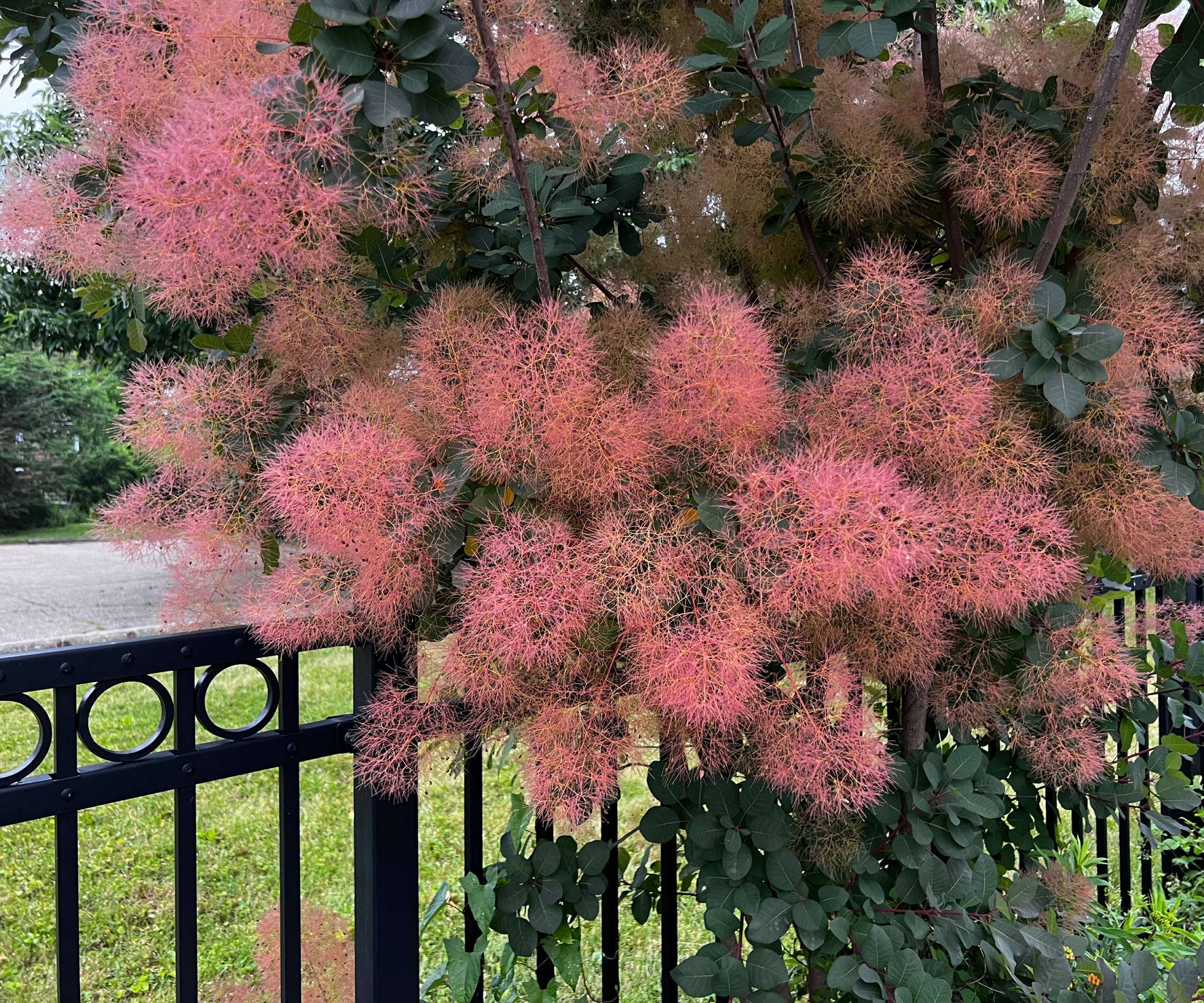
A neighbor can take matters into their own hands if they see a large branch extending over the property line. The general rule is that a neighbor can prune off extending branches whether or not they appear in danger of falling. They can trim them up to the property line, but not over it, as long as they don’t damage the tree or go onto the adjoining property.
Any trimming that is on the owner’s side of the property boundary line will, in some states, make the neighbor liable to the owner for several times the amount of actual damages. If this trimming kills the tree, actual damages in a court case may include the price for replacing a mature tree, which can be quite expensive.
Tips to Keep You Out of Trouble
- Keep lines of communication open with your neighbors. The more freely you can talk with one another, the easier it is to work out issues.
- If your neighbor suggests that there may be a problem with one of your trees, take the news seriously. If you disagree, hire an arborist to take a look and offer their opinion, then share that opinion with the neighbor.
- If the worst happens and your tree falls on the neighbor’s property, get involved. Even if it was caused by a storm and you aren’t liable, it’s good gardener etiquette to offer to help in some way.
- Maintain your trees regularly. Most trees should be trimmed every year to remove dead, damaged, or diseased branches and shape the tree. Keep your trees healthy by providing them with regular water during times of drought and treating them for insects or diseases.
- Read and understand your homeowner’s insurance policy. You should know before any accidents what dangers you are insured against, particularly storm damage caused by falling trees or limbs.
Tree Trimming Essentials
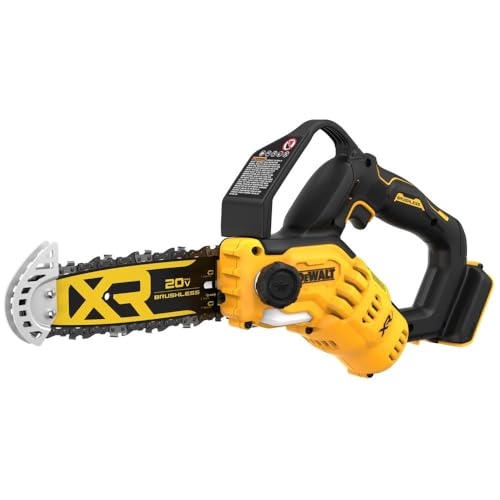
Our experts reviewed this DeWalt pruning chainsaw and loved the big power packed into such a compact tool.
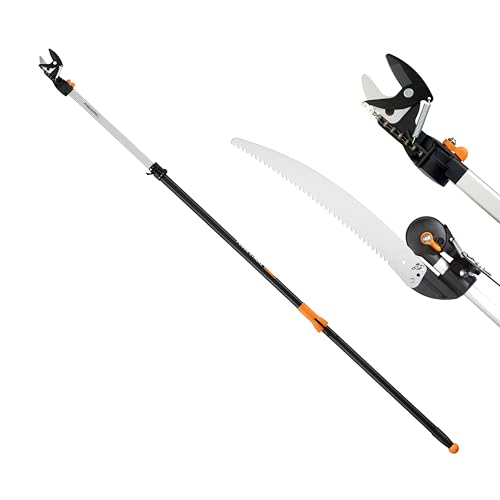
Need to reach a high branch hanging over your neighbor’s fence? This pole saw makes pruning tall trees easy.
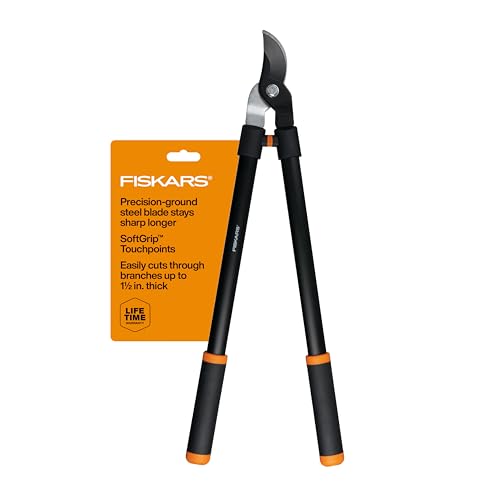
Content Editor Laura loves these long-handled loppers for pruning smaller trees in her yard.