
Bedding plants, such as petunias, pelargoniums, pansies and nicotiana, are easy to grow and care for. They look good grown in hanging baskets and pots, and also work in borders, either used to fill gaps or grown together for a colourful display.
Packs of bedding plants can be bought from garden centres as plugs or small plants. Look out for ready-made combinations, or buy trays to plant together. Simple displays often make more of an impact than complicated planting recipes, so group together several plants of one variety, such as a bright busy Lizzy, to create a good block of colour.
Follow Alan Titchmarsh’s advice in the video above and our tips below, on making the most of your bedding plants, and keeping them in flower all summer.
Choose the right spot
Choose bedding plants with a specific site in mind, because this will play a big part in their survival. Plants that relish a hot, sunny site will not enjoy shade, and vice versa. Sun-loving blooms include osteospermums, marigolds, petunias and pelargoniums, while busy Lizzies, fuchsias and many foliage plants will perform well in shade.

Water thoroughly
You can fill any size or shape of pot, basket or container with bedding plants. But whether you’ve grown them yourself or bought them from a nursery or supermarket, make sure you water them thoroughly before planting. Submerge the whole pot, rootball and all, in a bucket of water and leave it for a couple of minutes to soak through. Once all the air bubbles have escaped, remove the pot from the bucket and let it drain before planting. Bedding in pots and baskets requires watering every day, especially during the summer months. Even after bouts of heavy rain, it’s surprising how little water will actually reach the compost, which can remain bone dry due to the protective umbrella effect of the plants’ foliage.

Feed the plants
Most composts for containers and baskets contain limited amounts of food. Within four to six weeks of planting, fast-growing, hungry bedding plants will have depleted most of the goodness in the compost. So, you’ll need to add more nutrients to improve your plants’ flowering performance and encourage stronger growth. Make sure your feed contains plenty of potassium, which boosts flower growth and is a key ingredient in tomato fertiliser. Follow the instructions and mix feed into one watering per week in summer.
Another and easier way to be sure your plants never go short of food is to add slow-release fertiliser to your compost. Mix granules of feed, often combined with water-retaining gel, into the compost at planting time. Alternatively, use pellets of slow-release fertiliser granules, pushing these down into the compost. As you water your pots from above, the resin coating of the granules slowly dissolves to release feed into the surrounding compost. This is a gradual process because the granules are designed to release fertiliser slowly over many months.

Deadhead spent flowers
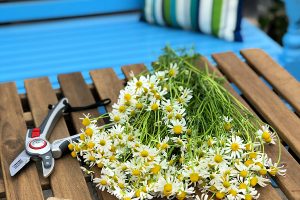
Pick off old flower heads as soon as they fade to stop your bedding plants wasting energy producing seeds. Some varieties of fuchsia, scaevola and other bedding look after themselves, dropping their old petals to keep displays looking clean. Just shake the basket or pot, or brush lightly over the plants to keep them tidy. Plants such as pelargoniums and petunias will require more hands-on attention, so deadhead by pinching off spent flowers or snip them away with sharp scissors.