Want a spring lawn that’s filled with flowers next year? Now is the perfect time to plant crocus bulbs to create a dreamy carpet of colorful blooms that appear in the early days of spring.
Getting a full, colorful naturalized crocus lawn that whimsically fills your whole yard can be a challenge though. The reality is often a few lonely flowers scattered here and there, rather than a tapestry of bright spring blooms.
I consulted with some experts about why crocus lawns often underperform and how you can avoid this issue. Here’s what they said the biggest problem (as well as a few other mistakes to avoid) and how you should plant bulbs this fall for stunning results next spring.
You’re Not Planting Enough Bulbs
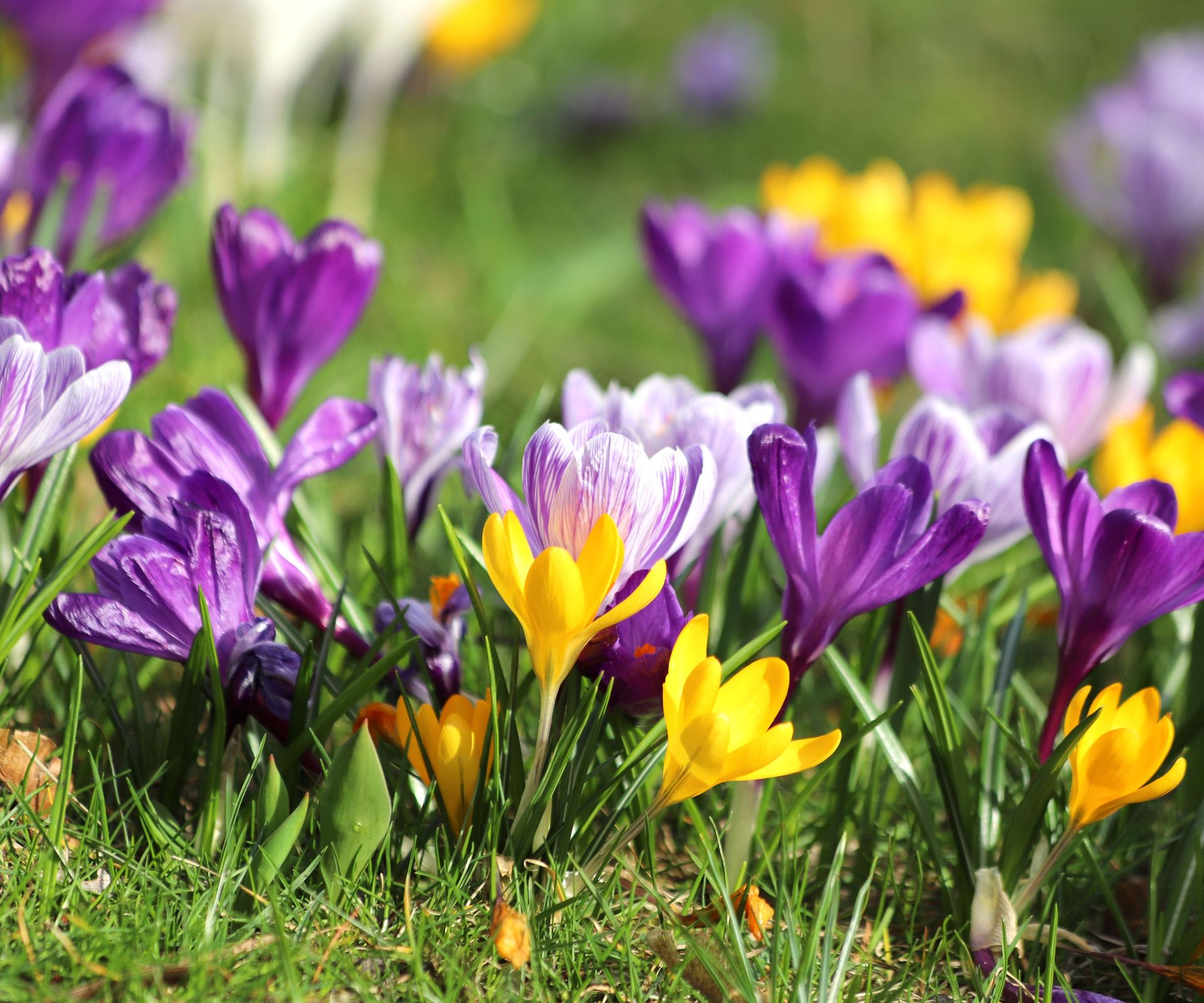
“The biggest reason crocus lawns do not turn out the way people want is quite simple,” says Erik Collado Vidal, CEO of Growbarato.net and a horticulturalist with expertise in the cultivation industry. “Gardeners usually plant too few bulbs but still expect to wake up to a full carpet of crocuses the next spring.”
Mario Galo of G&V Tree Service agrees and puts a specific number to it. “Most people place bulbs too equally and widely apart. Plant 75–100+ bulbs per square meter in random clusters rather than rows to replicate natural spread for maximum impact,” he says.
While the instinct to space out bulbs evenly and add quite a few is obviously understandable, it works against everything most people want. Crocus bulbs are small and need to be planted 3-5 inches apart (8-10 cm). But Vidal recommends going even tighter with spacing in each group, as close as 1-3 inches (2.5-7.5 cm), and planting bulbs in irregular, wave-like clusters rather than neat lines.
“The biggest mistake is when they are planted in narrow rows or when a small number of bulbs is spread across a large area,” he says. “That almost always looks sparse and disappointing.”
Planting a ton of bulbs can be time-consuming. But this DeWit Crocus Bulb Planter (available on Amazon) is super helpful and will make it so you can plant hundreds of bulbs at a time.
This process is not only time-consuming, but your knees will be aching by the end. This Klarg Kneeling Pad (available on Amazon) has extra-thick foam to protect them, and it’s budget-friendly.
Your Mowing Habits Could Be Undermining Everything

Even if you get the planting down perfectly, a crocus lawn can still get weak over time if the grass is mowed too soon after they flower. The leaves need to complete a full cycle of turning yellow and dying back before you mow the lawn again, which will be about 6 weeks after the flowers fade.
“If you cut the grass too early, the leaves will not get enough time to feed the bulbs,” Vidal warns. “This will make the flowers look weaker over time.”
Galo echoes the point, warning, “Mowing bulbs too soon weakens them and stops them from growing.”
Don’t Overlook Hidden Threats
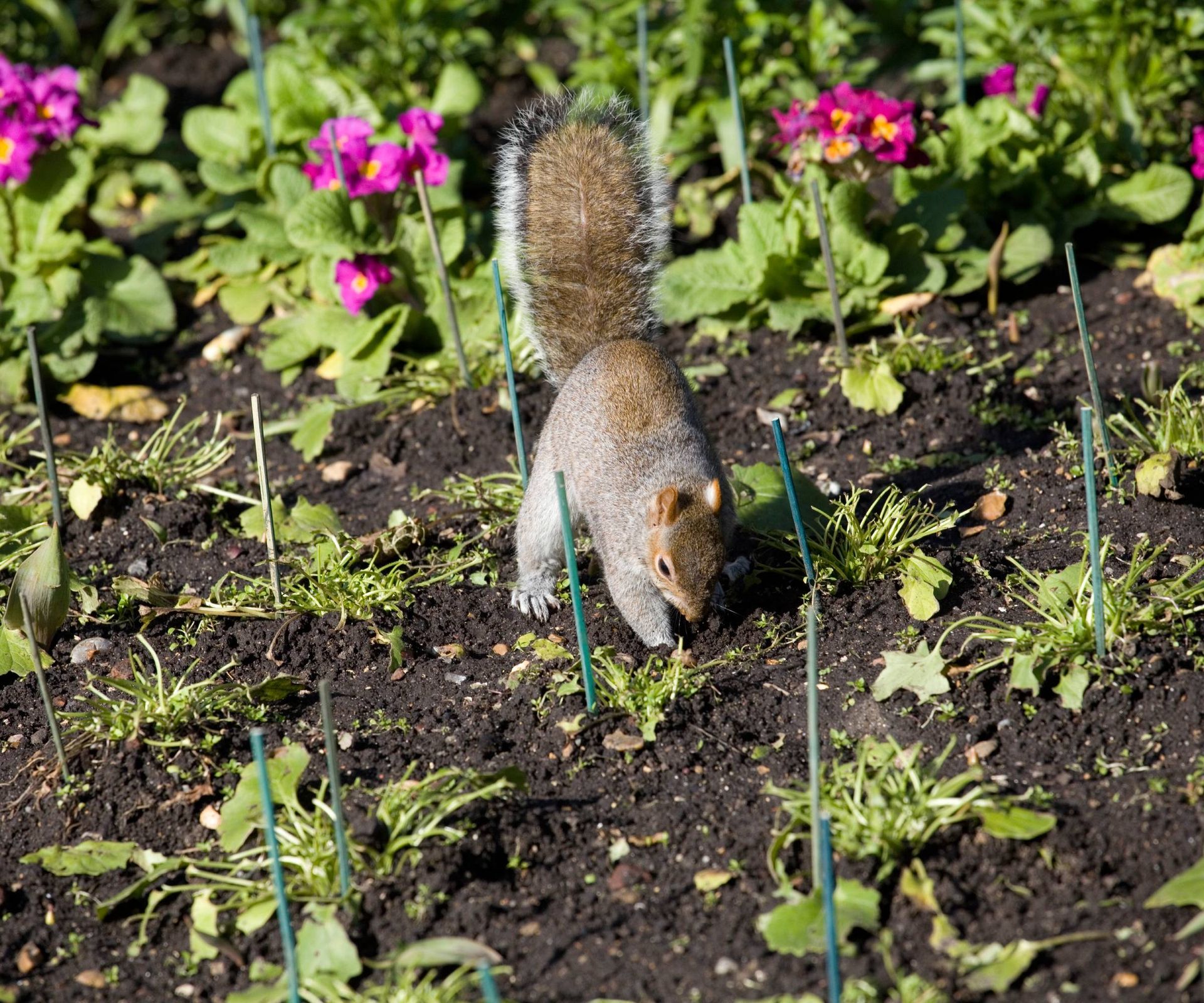
Sometimes the problem isn’t technique at all, but tiny little animals munching on your bulbs. David Joles, COO of PURCOR Pest Solutions, points to animal pests as an overlooked cause of crocus lawn failure.
He says, “The problem primarily lies with animal pests that go after the bulbs for food – voles, mice, squirrels, chipmunks, rabbits, and others. Once they discover the crocus bulbs in your yard, your lawn becomes a goldmine for them.”
Becky Heath, President and CEO of Brent and Becky’s Bulbs, has seen this firsthand and flags the vole as the main guilty party or the ringleader of the pest gang, as you might start referring to them.
She also raises two other overlooked factors: herbicides used in standard lawn care that can make it harder for anything other than grass to grow and the impact of a harsh winter on shallow planted bulbs.
“Since crocus bulbs are small, they are often only planted about 2 to 3 inches deep,” she notes. “If their roots had not had the opportunity to grow and get established before temperatures dropped significantly, it’s possible that some of them froze.”
Choose the Right Crocus

Not all crocuses are equally suited to life on the lawn. Both experts point to Crocus tommasinianus as the standout choice when it comes to naturalizing in grass. It reliably self-seeds, can handle competition on turf better than larger hybrid varieties, and does super well in thin grass or under deciduous trees.
Brent and Becky’s Bulbs sells Crocus tommasinianus on their website in quantities divisible by ten and they’re even squirrel-resistant. Other crocus varieties include Crocus chrysanthus varieties like ‘Cream Beauty,’ ‘Gipsy Girl’, ‘Ruby Giant’, and ‘Whitewell Purple’.
Stick to these tips and that carpet of color you’ve been dreaming about will be genuinely achievable next spring.