Something shifts for orchids once the calendar turns. The days are shortening, the nights are cooling off, and for a moth orchid that spent all summer building leaves and roots, that combination is the cue. Whether flowers happen at all tends to be settled around now – not in January, when the spike finally shows itself.
Most of what good orchid care asks for in September is subtraction. Less water, less feeding. Cooler nights, too – that one probably matters most. The thing worth adding is attention, since a fair bit of the month’s damage comes from running summer habits a few weeks too long.
1. Let the Nights Get Cold
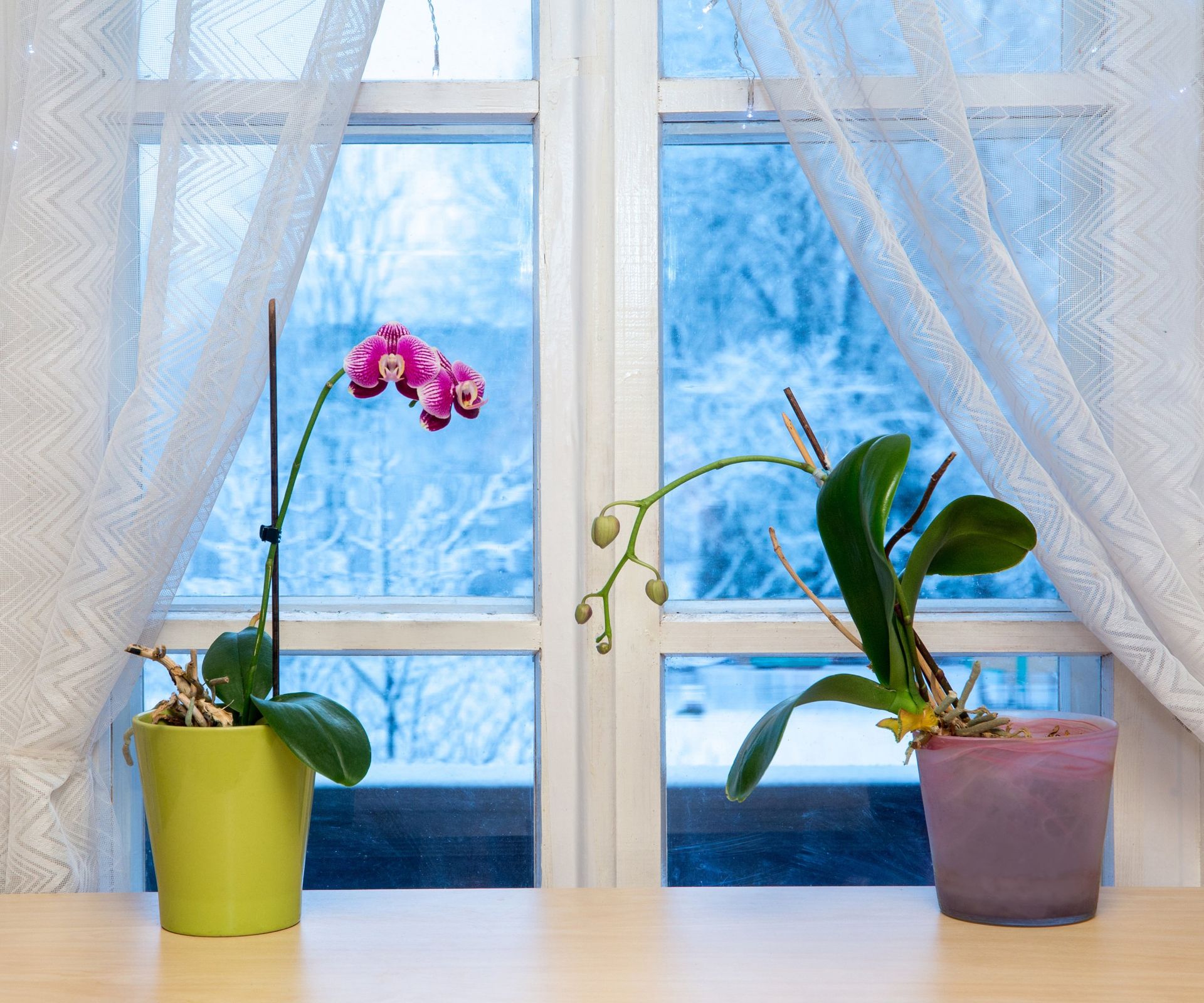
Phalaenopsis needs a run of cool nights before it will push a flower spike. Around 55F (13C) after dark for a few weeks is the usual target, with days holding in the normal 75 to 85F (24 to 29C) range. A house kept at a flat 72F (22C) all year is comfortable for people. For an orchid, it can be the reason nothing ever happens.
An east or north-facing window does much of this on its own once outdoor lows start dropping, since the glass runs colder than the room. A small monitor near the pot takes the guesswork out of it – a ThermoPro hygrometer from Amazon logs the overnight low so the number is sitting there in the morning, which beats guessing.
2. Bring Summering Plants Back Indoors
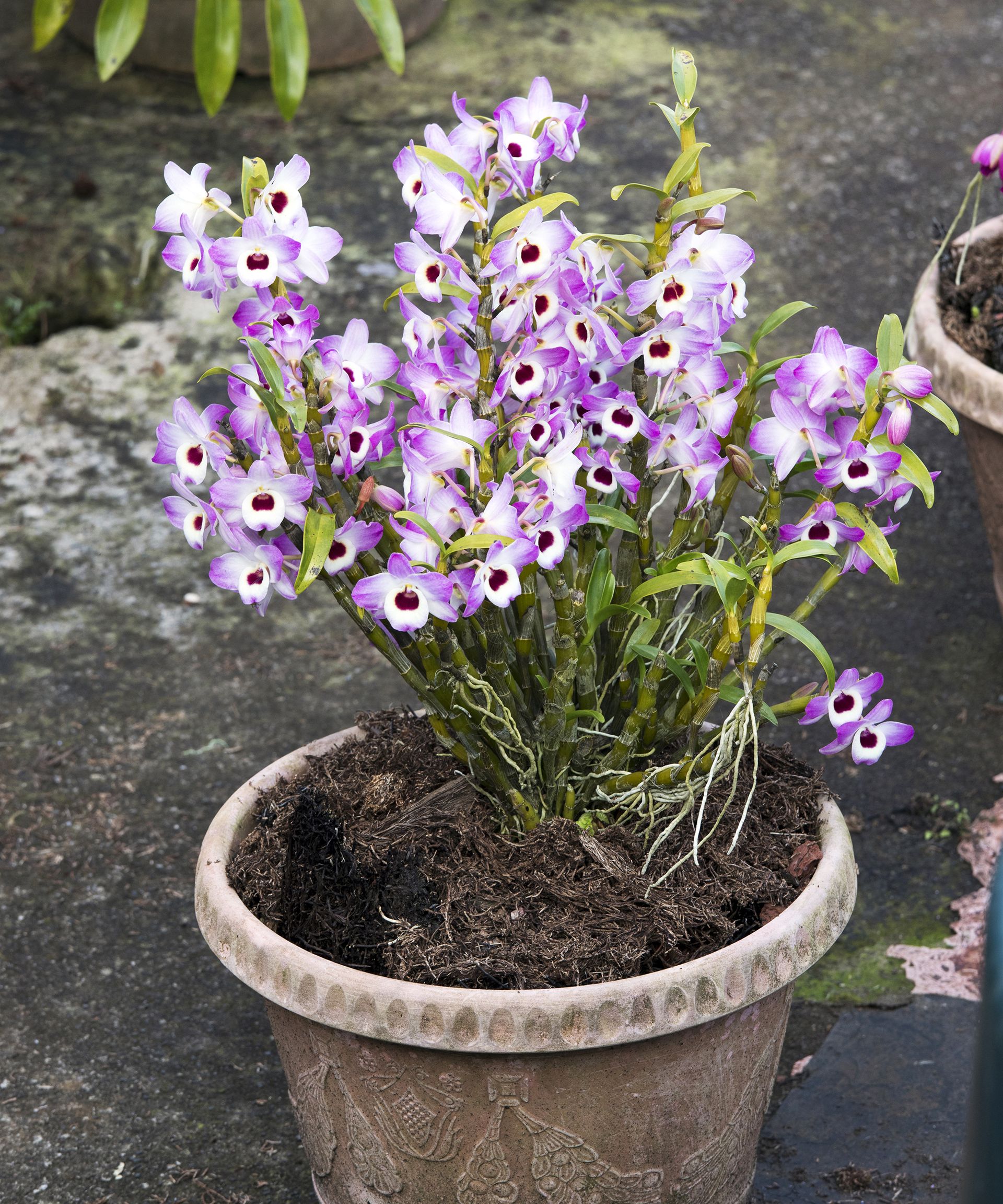
Anything that spent the summer on a porch is working against a deadline now. Once nighttime lows start touching 55F (13C), plants belong back under a roof. Waiting for frost is how people lose orchids outright – cold damage on a leaf doesn’t heal, and a hard night can take the whole plant. Cymbidiums shrug off more chill than most, though the common houseplant types really don’t.
Scrub the indoor growing spot before anything comes back to it. Algae and old debris on a windowsill carry problems forward, and dealing with it now is easier than chasing an infestation across a full shelf in February.
3. Check Every Plant for Hitchhikers
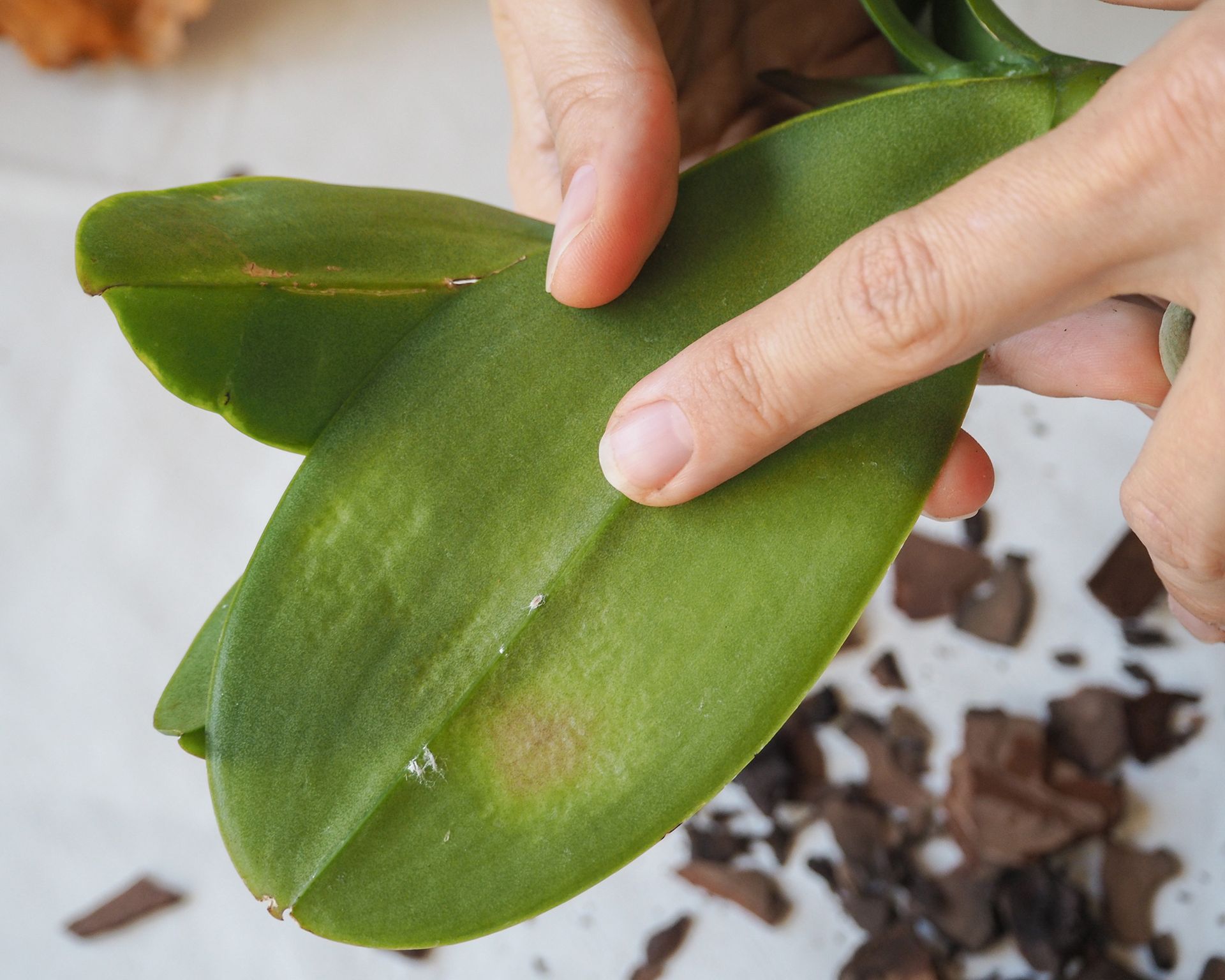
Plants that summered outside almost always bring something in with them. Mealybugs (Pseudococcidae) tuck into leaf joints as cottony white specks. Scale insects (Coccoidea) look like small brown bumps that scrape off with a fingernail. Slugs and weed seedlings ride in inside the pot itself, sometimes with an ant colony living under the bark.
Rinse the leaves and their undersides first, then treat while the plant is still outside. Captain Jack’s insecticidal super soap from Amazon is labeled for outdoor use, so the porch is where that step belongs anyway. Keep treated plants separated from the rest for a couple of weeks afterward. It’s a precaution, not a verdict on the plant.
4. Follow the Light as the Sun Drops
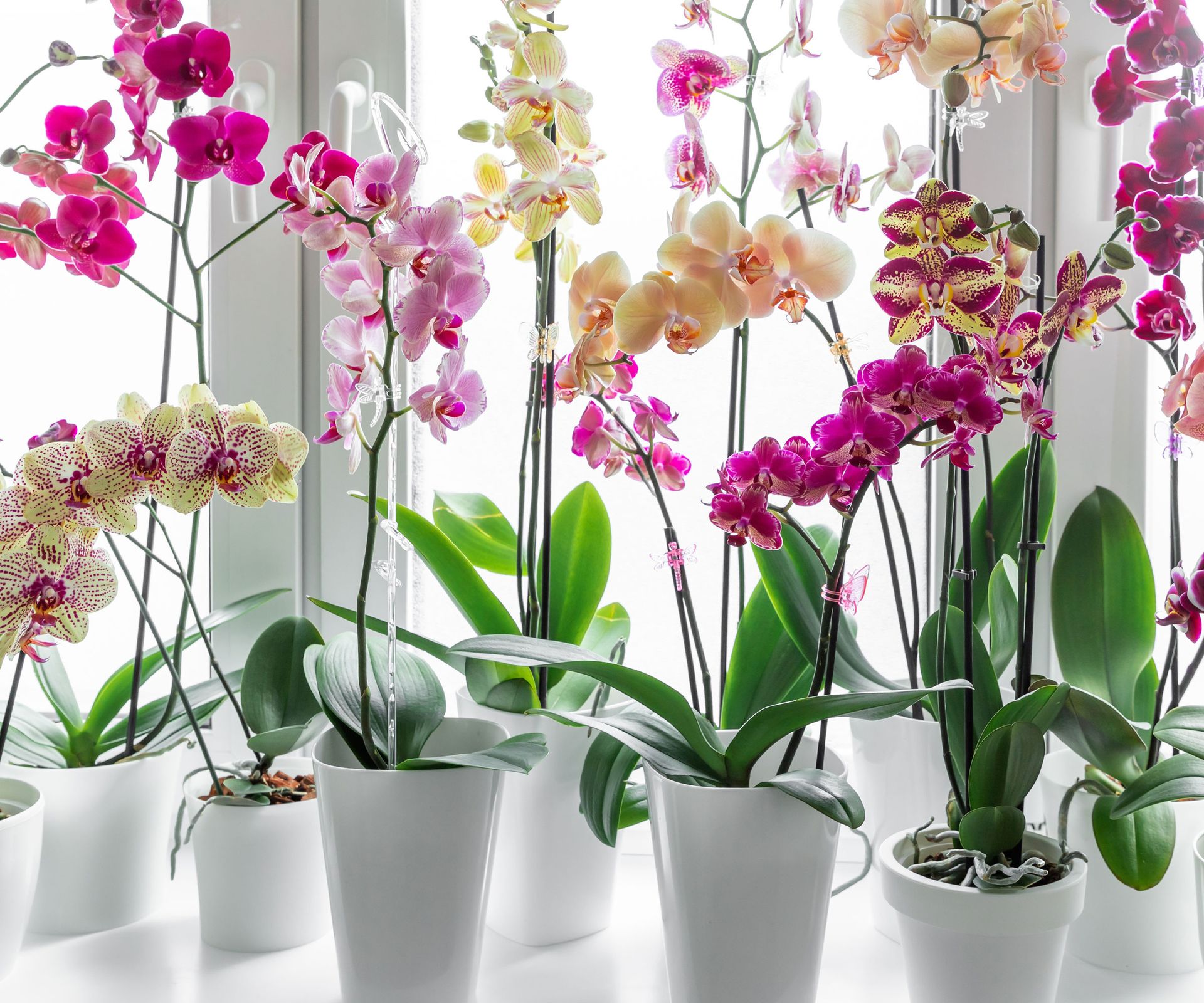
The sun sits lower every week now. A south-facing window that was scorching leaves in July can become decent real estate by late September, while a corner that suited a plant fine in June may be too dim by month’s end. Leaf color reads the situation faster than any meter – grassy green is about right, and dark forest green usually means the plant could take more.
Cleaning orchid leaves helps more than people expect, since a summer’s worth of film cuts into what light there is. Rotate the pot with a quarter turn every week or so to keep growth even. Small stuff, but it stacks up.
5. Ease Off the Water and Fertilizer
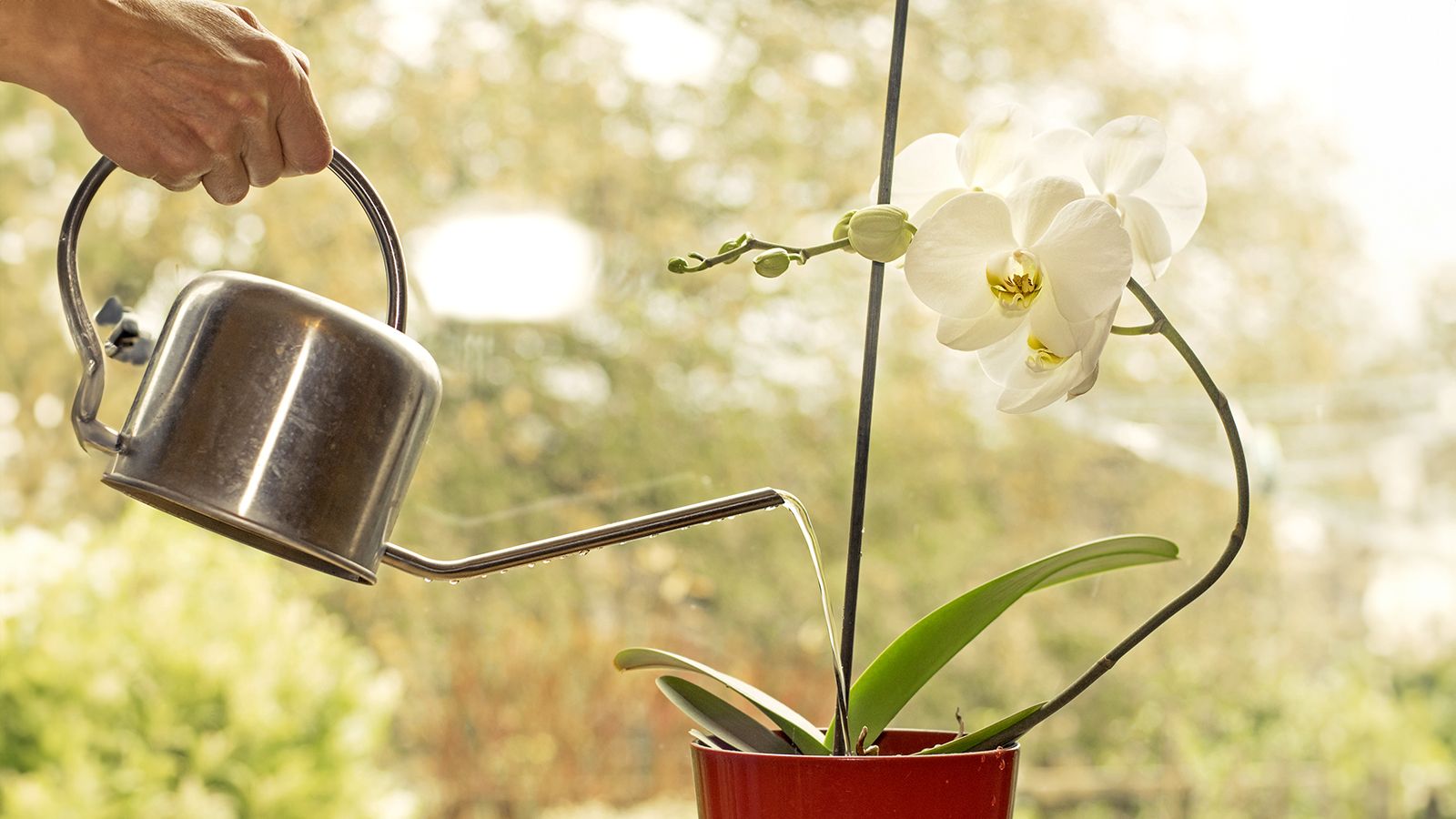
Growth slows as the light goes, and orchid water requirements fall off with it. Bark that dried out in four days in August might stay damp for eight or nine now, so an unchanged watering rhythm quietly becomes a root rot problem. Check before pouring. In a clear pot, silvery roots mean thirsty and green ones mean wait a while longer.
Orchid feeding can taper too – a diluted dose every few weeks rather than the weekly warm-season routine. Flush the pot with plain water first to clear out built-up salts. And never feed a bone-dry plant, whatever month it is.
6. Save Repotting for the Spring
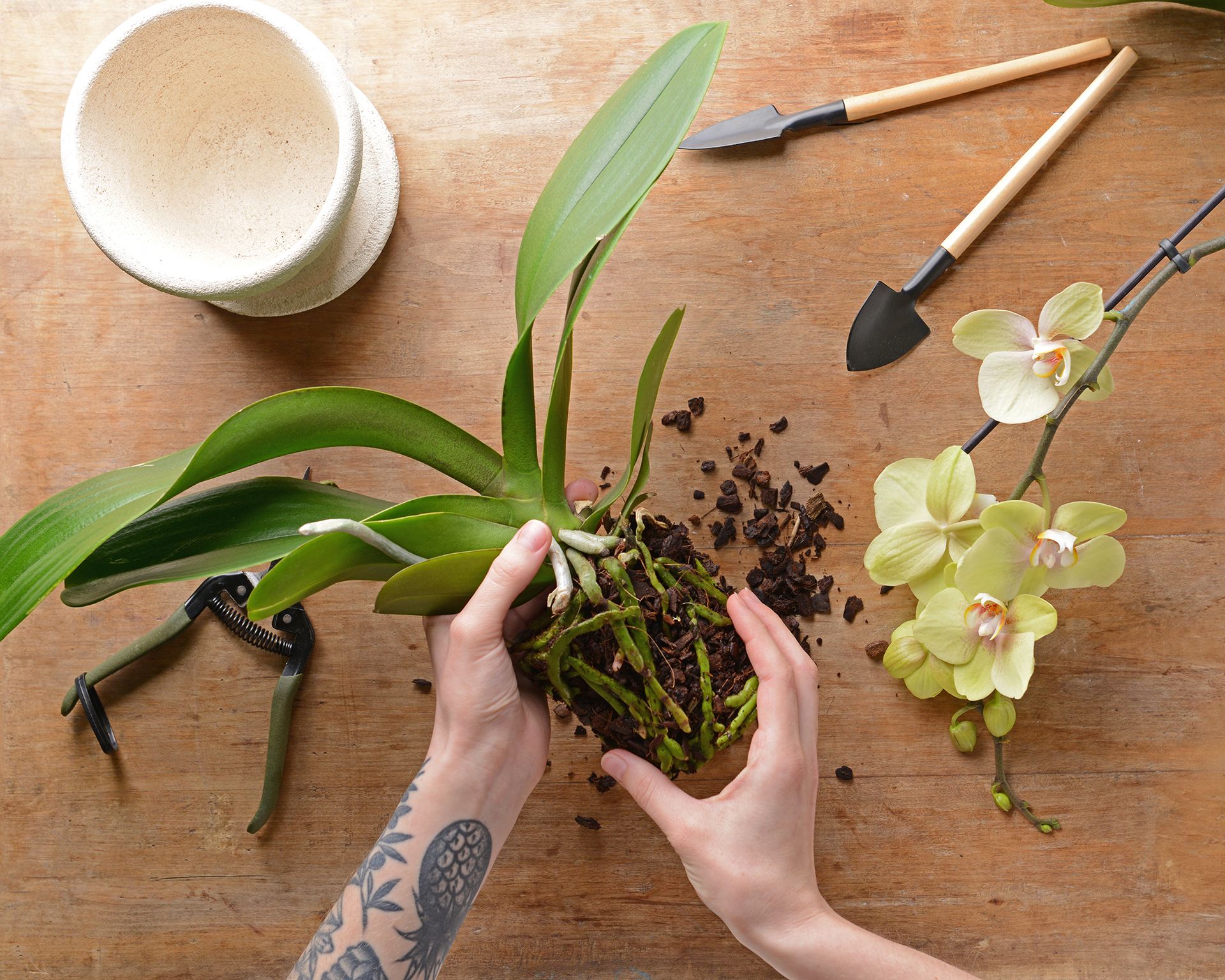
September feels like a tidy-up month, which is exactly why so people repot orchids right about now. Better to wait. Disturbing roots while a plant is setting up to spike can cost the flowers, and shortening days leave little in the tank for recovery. Unless the medium has gone to mush or the roots are rotting, spring is the safer window.
Watch instead. Spikes tend to show up later in fall, and once one reaches 6 to 8 inches (15 to 20cm) it wants support – a set of orchid support stakes with clips from Amazon handles that. Clip loosely and leave the growing tip free to move on its own.
None of this is dramatic work. Let the nights run cold, back off a little on everything else, and the flowers arrive on their own schedule.