Black-eyed Susans are a late-season essential but if you’ve got the classic Rudbeckia fulgida ‘Goldsturm’ in your garden, you need to know that there are other varieties that bring more flowers, for much longer. This popular perennial was introduced way back in 1949 and since then, plant breeders have created cultivars and hybrids that are more drought tolerant, heat tolerant and disease resistant, with more abundant blooms over a longer period.
So, if you’re looking for low-maintenance late-season plants that will flower for months into fall, these modern black-eyed Susan varieties are a no-brainer. Whether you want to enjoy the daisy-like blooms yourself, provide a late-season source of nectar for pollinators, or grow a feast of seeds for your garden birds, these robust plants will give you far more flowers for far less effort.
And let’s be clear: black-eyed Susan Goldsturm is still a fabulous plant – but these black-eyed Susans are better. Plant one in your garden and see for yourself.
1. Best for Disease Resistance: Black-Eyed Susan American Gold Rush
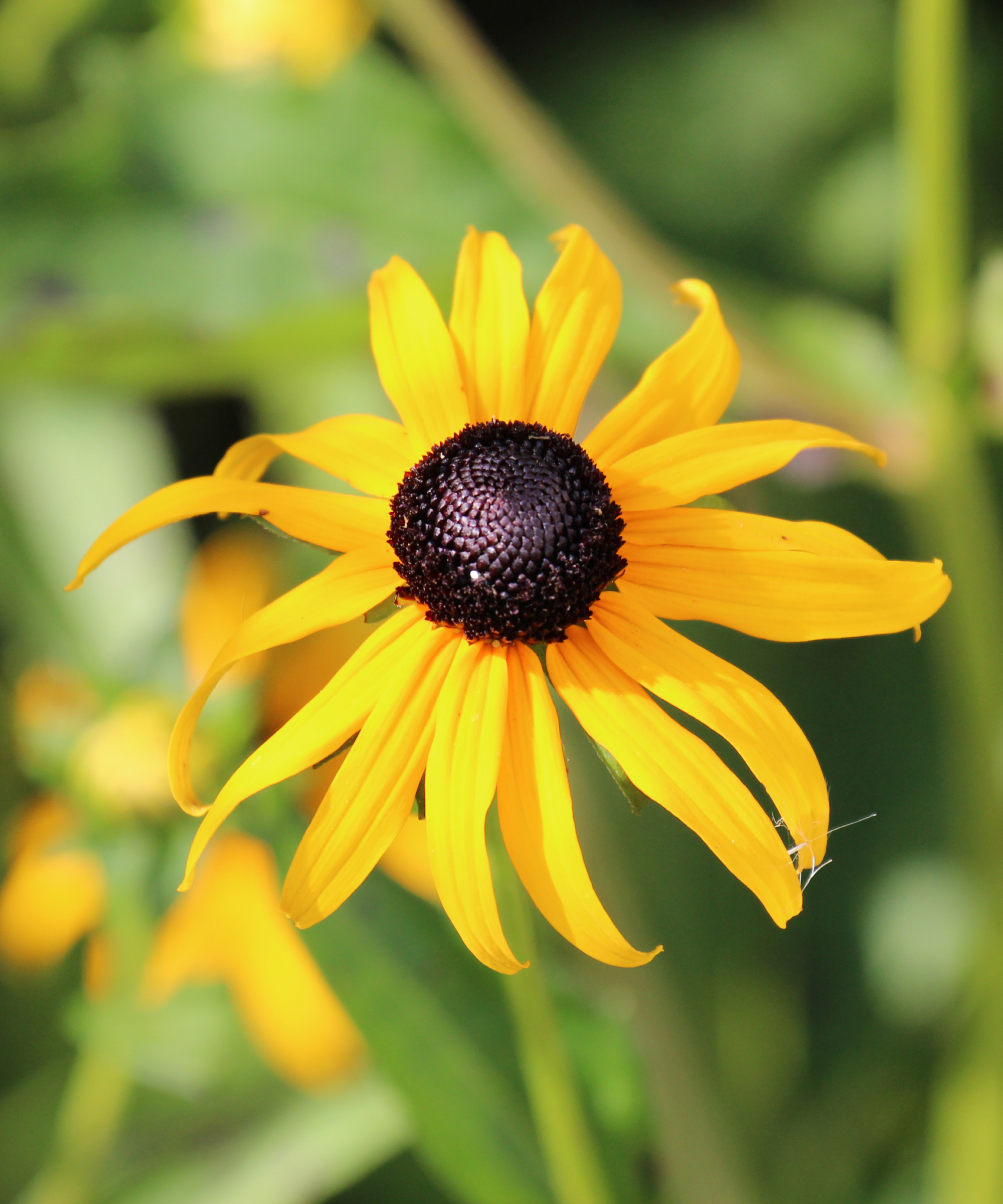
One of the biggest issues with black-eyed Susans is that they’re vulnerable to Septorial leaf spot, a fungal disease that causes foliage to wither and die, affecting the plant’s vigor and cutting the flowering season short. However, Rudbeckia ‘American Gold Rush’ is virtually immune to this common disease because its slightly hairy leaves stop moisture from sitting on the foliage, so avoiding the conditions that the fungal spores require.
Named Perennial Plant of the Year in 2023 by the Perennial Plant Association, the excellent disease resistance of ‘American Gold Rush’ means its foliage stays flawless even in humid conditions, and it reliably flowers from July through September and often till the first frost. Growing 1 foot high and 1-2 feet wide in zones 3-8, black-eyed Susan ‘American Gold Rush’ is available from Plant Addicts.
2. Best for Flower Density: Black-Eyed Susan Little Goldstar
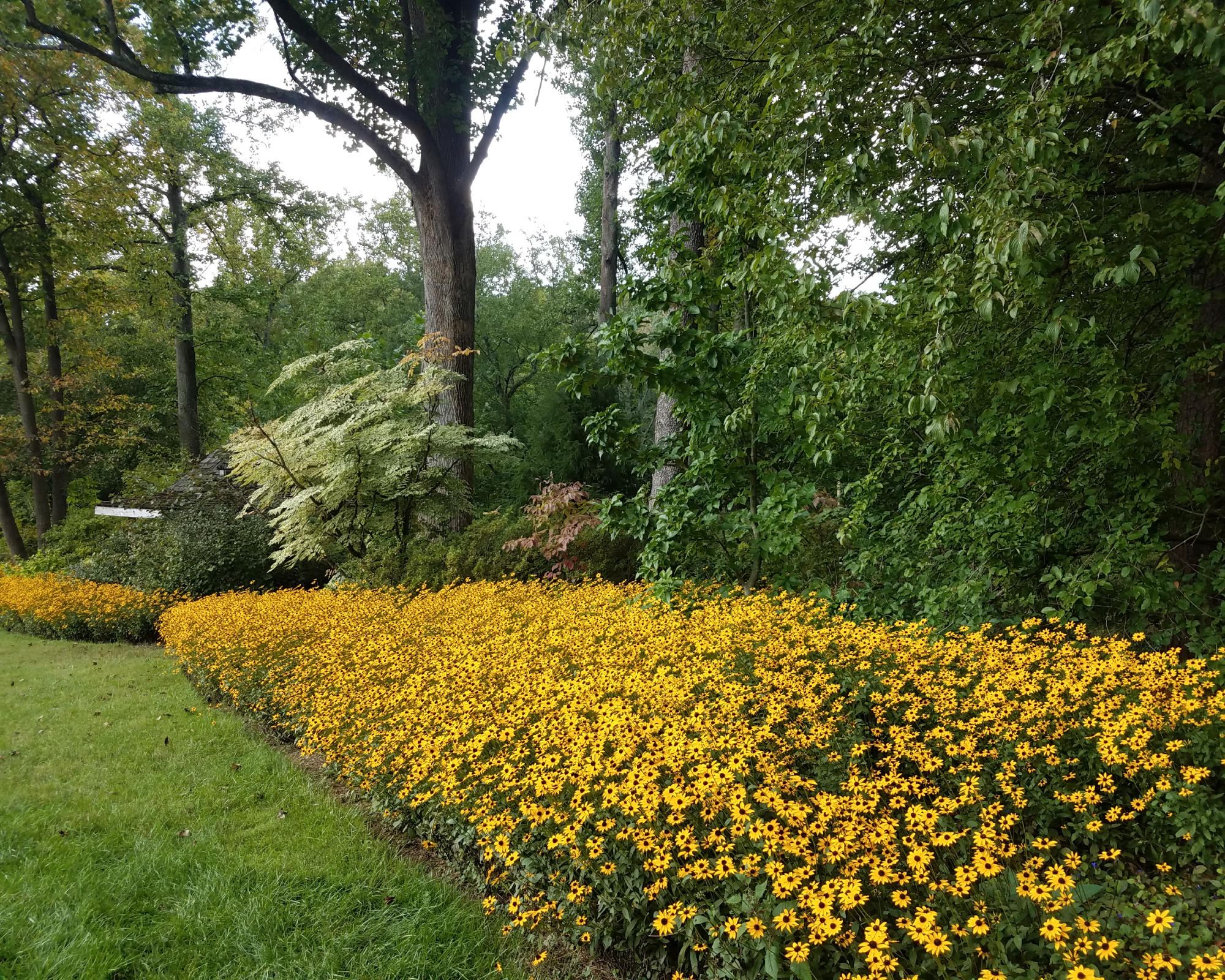
Rudbeckia fulgida ‘Little Goldstar’ boasts the highest bloom density relative to its size, its 16-inch stems smothered with yellow flowers from July to October. It’s estimated that a single plant can produce over 80 blooms, bringing impressive flower power to borders and pots in zones 4-9.
This compact plant grows to 2 feet wide and stays neat, its sturdy, shorter stems resisting the usual late-season black-eyed Susan flop. Highly disease-resistant and drought-tolerant once established, black-eyed Susan ‘Little Goldstar’ is available from Nature Hills.
3. Best for Temperature Extremes: Black-Eyed Susan Glitters Like Gold
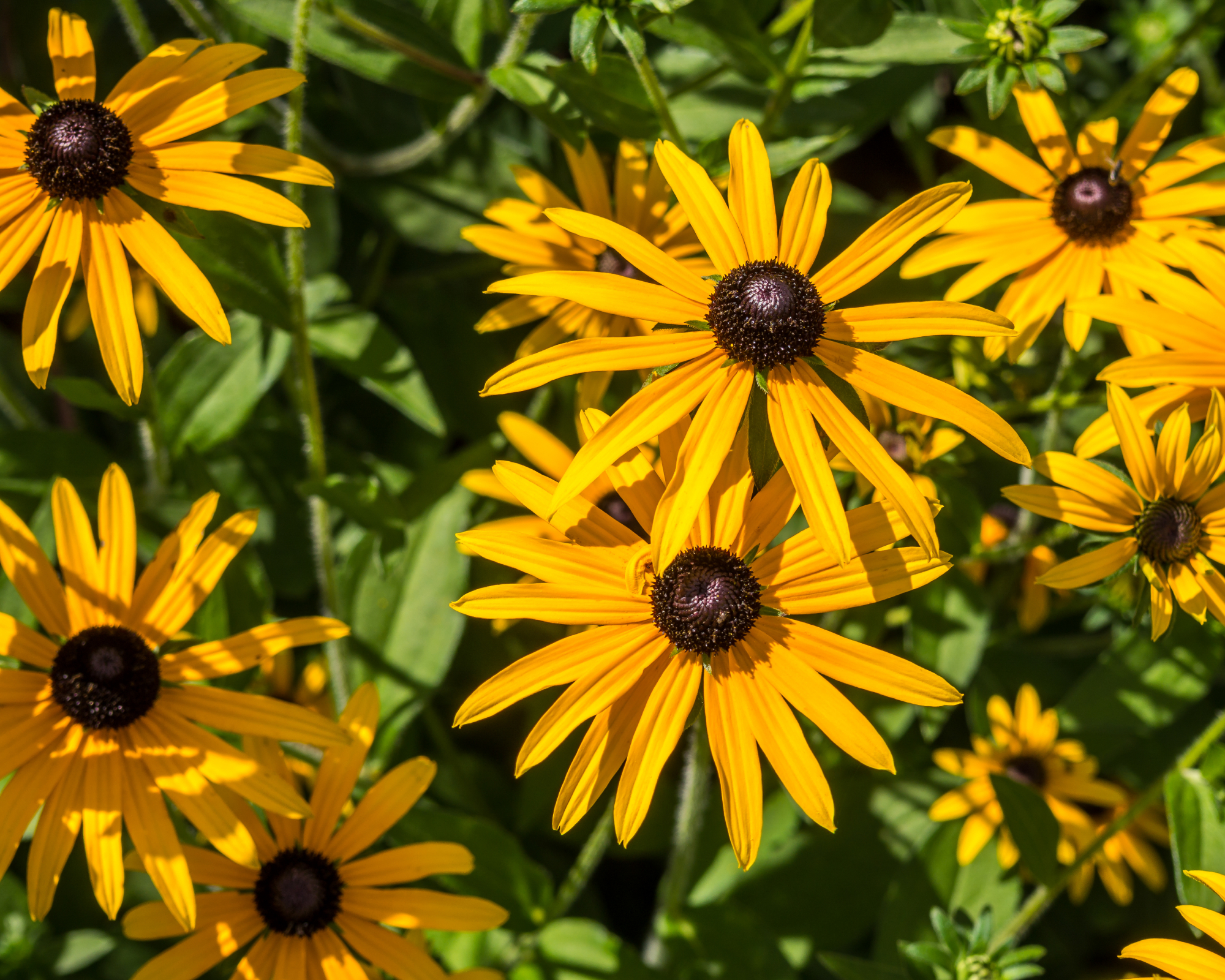
Rudbeckia ‘Glitters Like Gold’ looks very similar to Rudbeckia fulgida ‘Goldsturm’, growing 2-3 feet tall and 1-2 feet wide, but it’s been specifically bred to handle hot, humid summers. It’s also hugely cold-hardy down to -40°F so it can handle life at both ends of the temperature scale in zones 3-9.
With strong disease resistance to Septoria leaf spot and sturdy stems that don’t flop over, this boasts more flowers that bloom for longer than ‘Goldsturm’ too. Black-eyed Susan ‘Glitters Like Gold’ plants are available from Nature Hills.
4. Best for Wildlife: Black-Eyed Susan Deam’s
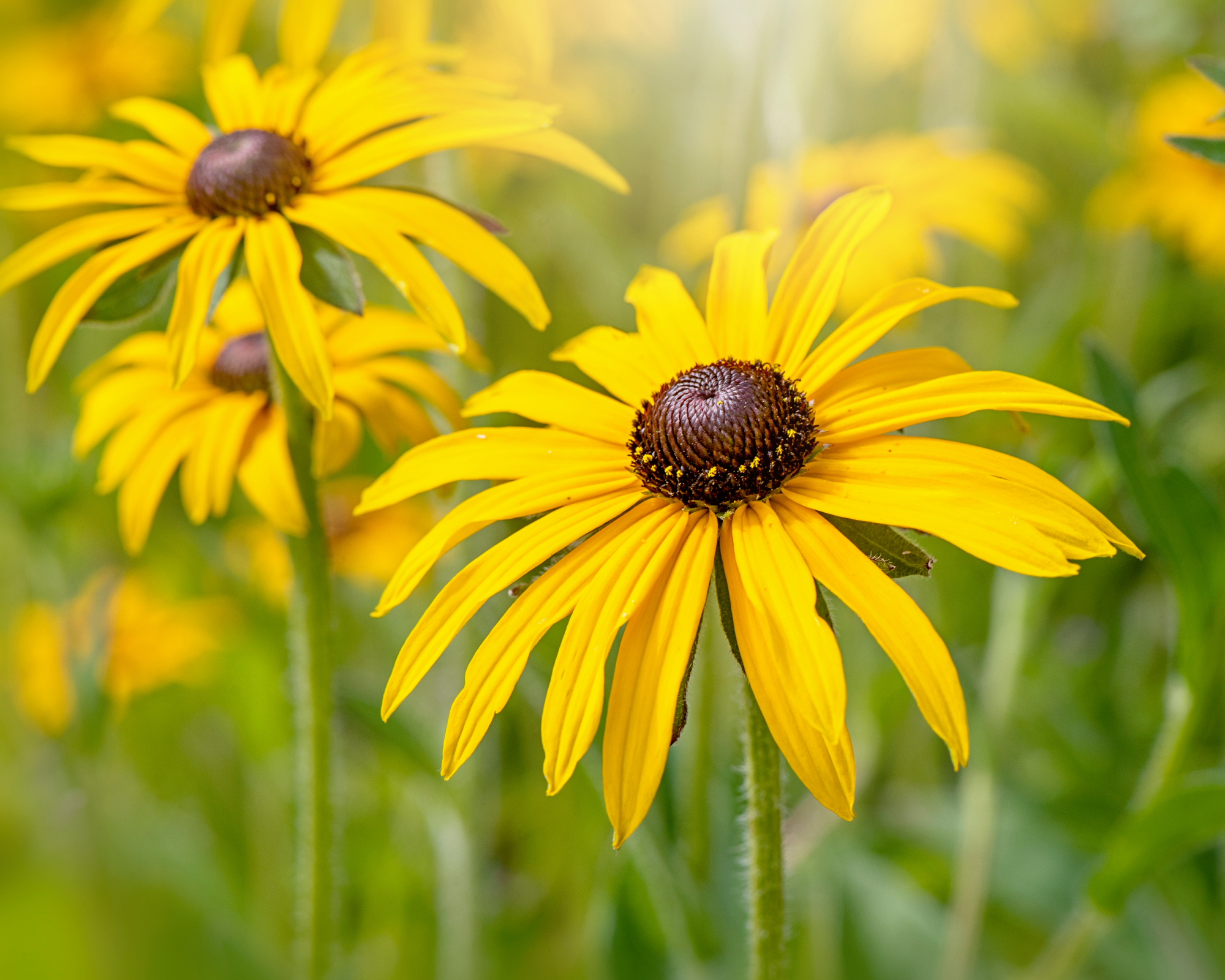
If you’re looking for a black-eyed Susan for a wildlife meadow or garden, then Rudbeckia fulgida var. deamii is the one for you. Not a modern cultivar but native to parts of Illinois, Indiana and Ohio, black-eyed Susan ‘Deam’s’ nevertheless holds not just the prestigious Royal Horticultural Society’s Award of Garden Merit but also its Plants for Pollinators recommendation.
The dark central cones of this clump-forming perennial are particularly rich in nectar for pollinators, and produce a heavy load of seed to feed finches through winter. As a native, it’s very adaptable and grows in pretty much any well-drained soil and, though it’s highly drought resistant once established, the trick to lots more fall flowers is to give it a good drink once a week. If you deadhead, it will keep flowering from July to October, though be sure to leave the last flush of blooms intact to form seedheads and keep your garden goldfinches happy. Growing to 2-3 feet high and 1-2 feet wide in zones 4-9, black-eyed Susan Deam’s is available from Plant Addicts.
5. Best for Flower Color: Black-Eyed Susan ‘Blackjack Gold’
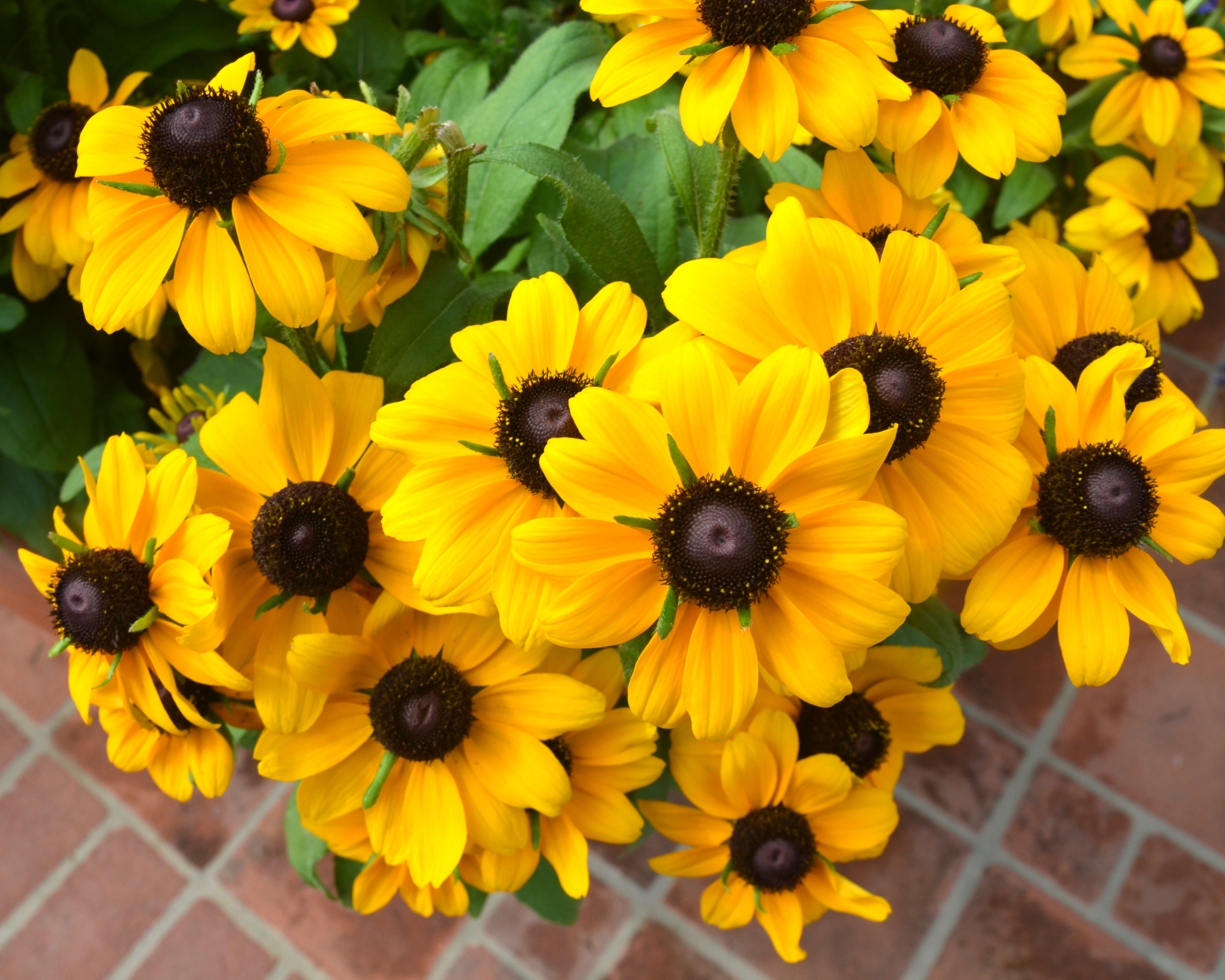
While the yellow petals and dark centers of most black-eyed Susans are joyful enough, the color of Rudbeckia triloba ‘Blackjack Gold’ is particularly intense. Because of its tall but narrow habit (the plant grows 3 feet tall and 1 foot wide in zones 3-8), you can pack plenty of these into a border, too, for a real hit of saturated color.
The flowers are smaller but the densely branched stems carry a profusion from July to October, and those golden petals are enhanced by striking central cones and sturdy stems that carry a red tone.
While Rudbeckia fulgida are long-lived, clump-forming perennials and a pretty-much permanent addition to your garden, Rudbeckia triloba is a shorter-lived perennial but reliably (and gently) self-seeds so you’ll never be without it. Black-eyed Susan ‘Blackjack Gold’ plants are available from Plant Addicts.
6. Best for Containers: Black-Eyed Susan Viette’s Little Suzy
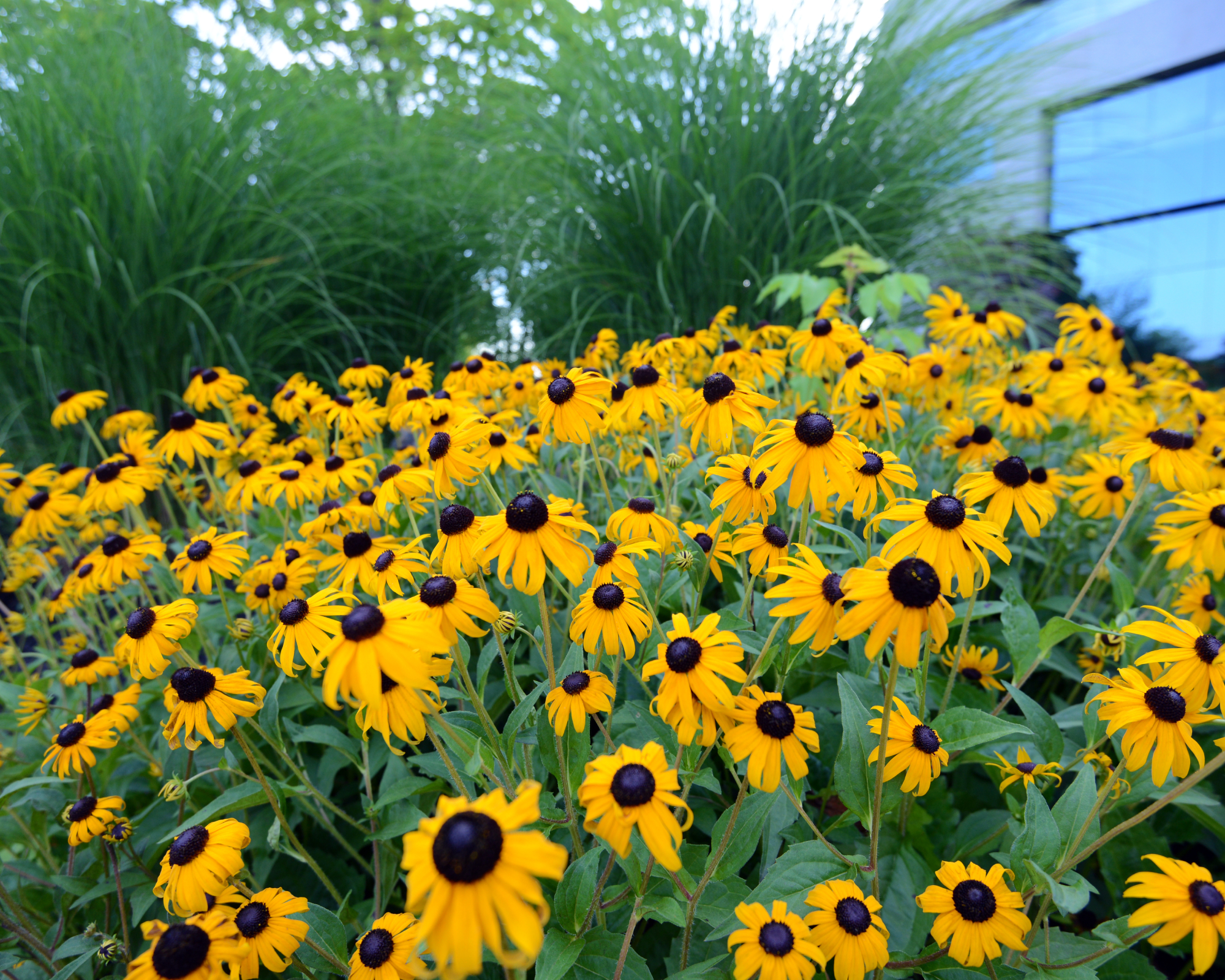
This compact dwarf variety grows to 12-18 inches high and wide so it’s perfect for a pot. Rudbeckia fulgida Viette’s Little Suzy is heat- and drought-tolerant once established so can handle the more erratic environment of life in a container, and copes well with both humidity and heavy rainfall. This bonny black-eyed Susan has exceptional disease resistance, too, to flower through summer into early fall, making it one of the best perennials for patio pots.
For low-maintenance pots to pretty up your patio or deck, you won’t do better than this little lovely, and it attracts bees and butterflies, too. Black-eyed Susan Viette’s Little Suzy plants are available from Garden Goods Direct.
7. Best for Low-Maintenance: Black-Eyed Susan ‘Treasure Trove’.
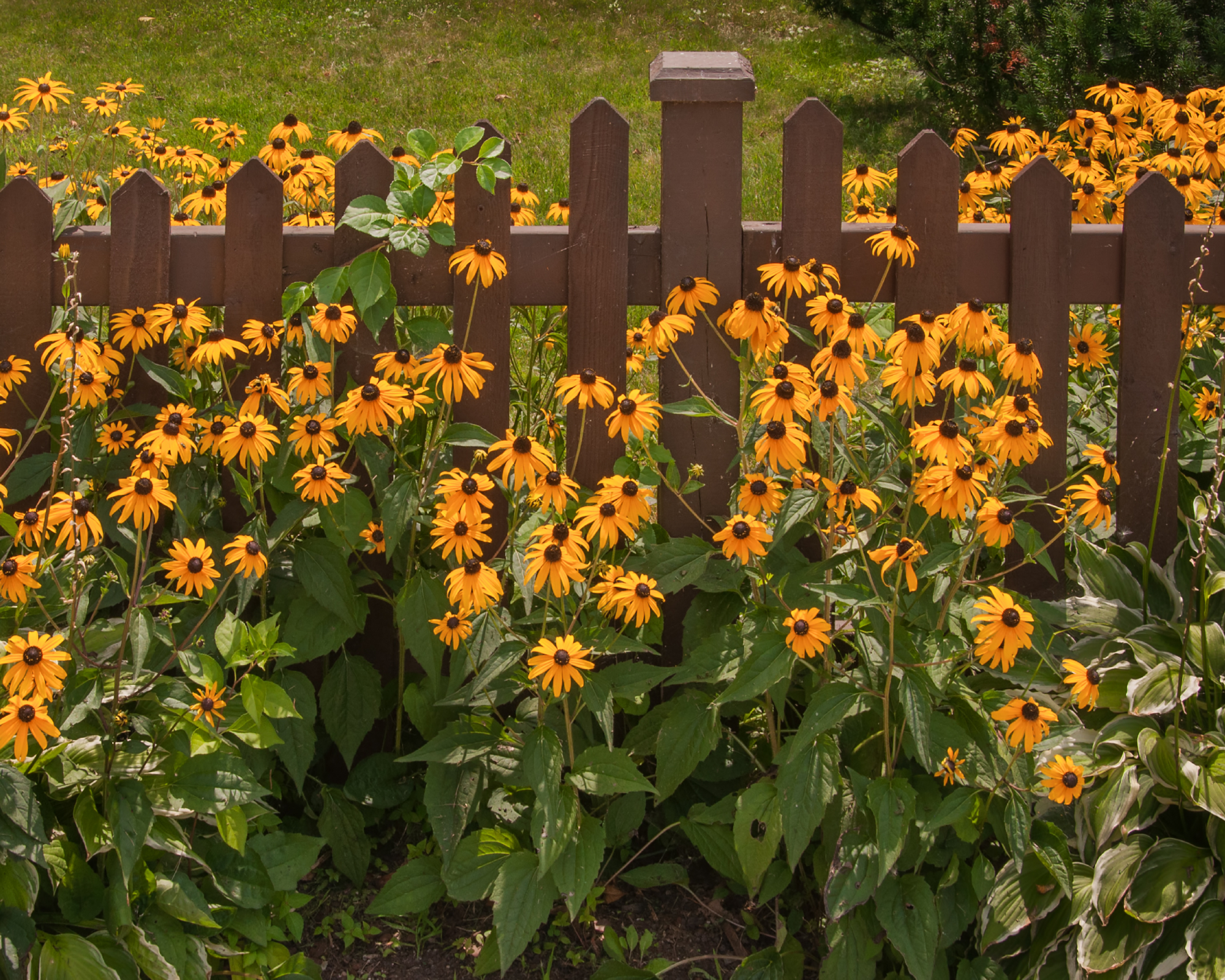
Taller black-eyed Susans can require staking to stop them flopping over once fall weather arrives, but not Rudbeckia ‘Treasure Trove’. This is one of those wonderful low-maintenance flowering plants that practically grow themselves. Though it grows to 2-3 feet high and wide, it has a neat, bushy habit with heavily-branched stems, so supports itself well. And yes, those branching stems mean a massive volume of flowers!
It has strong Septoria leaf spot resistance, handles summer heat in zones 4-9, usually resists nibbles from hungry deer and rabbits, and once established, only needs watering in prolonged dry spells. So pretty much all you need do is an occasional deadhead if you want it to keep blooming from July to October. Planted with other low-maintenance heroes like daylilies and goldenrod, this is a great choice for beginner or busy gardeners alike, and black-eyed Susan ‘Treasure Trove’ plants are available from Plant Addicts.