Still-warm days paired with cooler humid nights create the ideal environment for powdery mildew, a fungal disease that rapidly spreads in September. And yes, if you spot leaves turning white in your yard right now, you do need to do something about it – and as part of our Garden ER series, we’re here with straightforward solutions to treat this season’s biggest backyard problems.
Powdery mildew is one of the most widespread plant diseases in the world and affects many trees, shrubs, perennial and annual plants. While this fungal disease rarely kills plants, because it coats the upper leaf surfaces, it restricts the leaves’ ability to absorb sunlight and so create energy. If the affected plant is producing veggies, that means a less bountiful crop; if it’s a fall bloomer, expect a shorter, lighter flowering period; and for all the rest, a plant starved of nutrients going into the winter is likely to be far less resilient.
Powdery mildew is easily sorted, however, so the prognosis is good. Come on into Garden ER and let’s diagnose and treat your plant patients suffering from powdery mildew.
Triage: What are the Symptoms of Powdery Mildew?
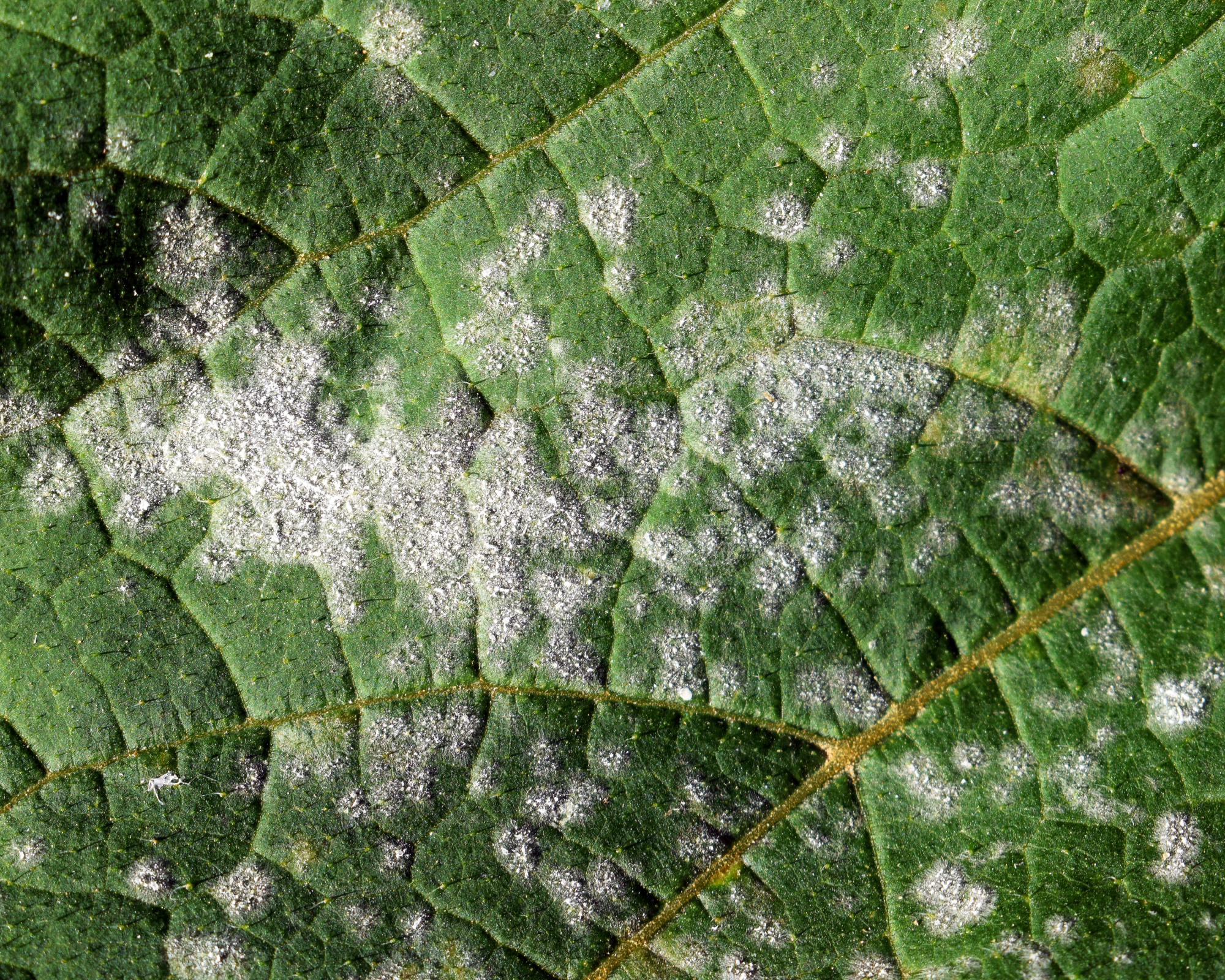
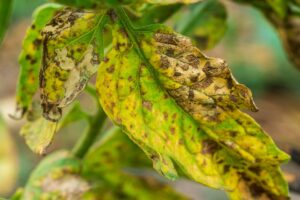
- Powdery mildew affects the tops of leaves, starting with small white or light gray spots that merge together to discolor the entire leaf. You might also see powdery mildew on stems and flowerbuds.
- The dry, dusty white powder on plant leaves looks like ash or fine flour, and it won’t brush off as it’s rooted into the leaf tissues.
- Different strains of the disease affect various species so powdery mildew can vary slightly from plant to plant.
- Fresh growth is particularly vulnerable to fungal infection so plants particularly at risk in September include roses, chrysanthemums, asters and dahlias, and squashes, pumpkins and peppers.
- Later in fall, you might see darker specks in the white dust and these are cleistothecia, tiny survival capsules that the fungus creates to hide out through winter.
Treatment: How to Care for Plants with Powdery Mildew
Diagnosis complete? Here’s exactly how to restore your plants back to full health.
1. Remove Heavily Infected Leaves
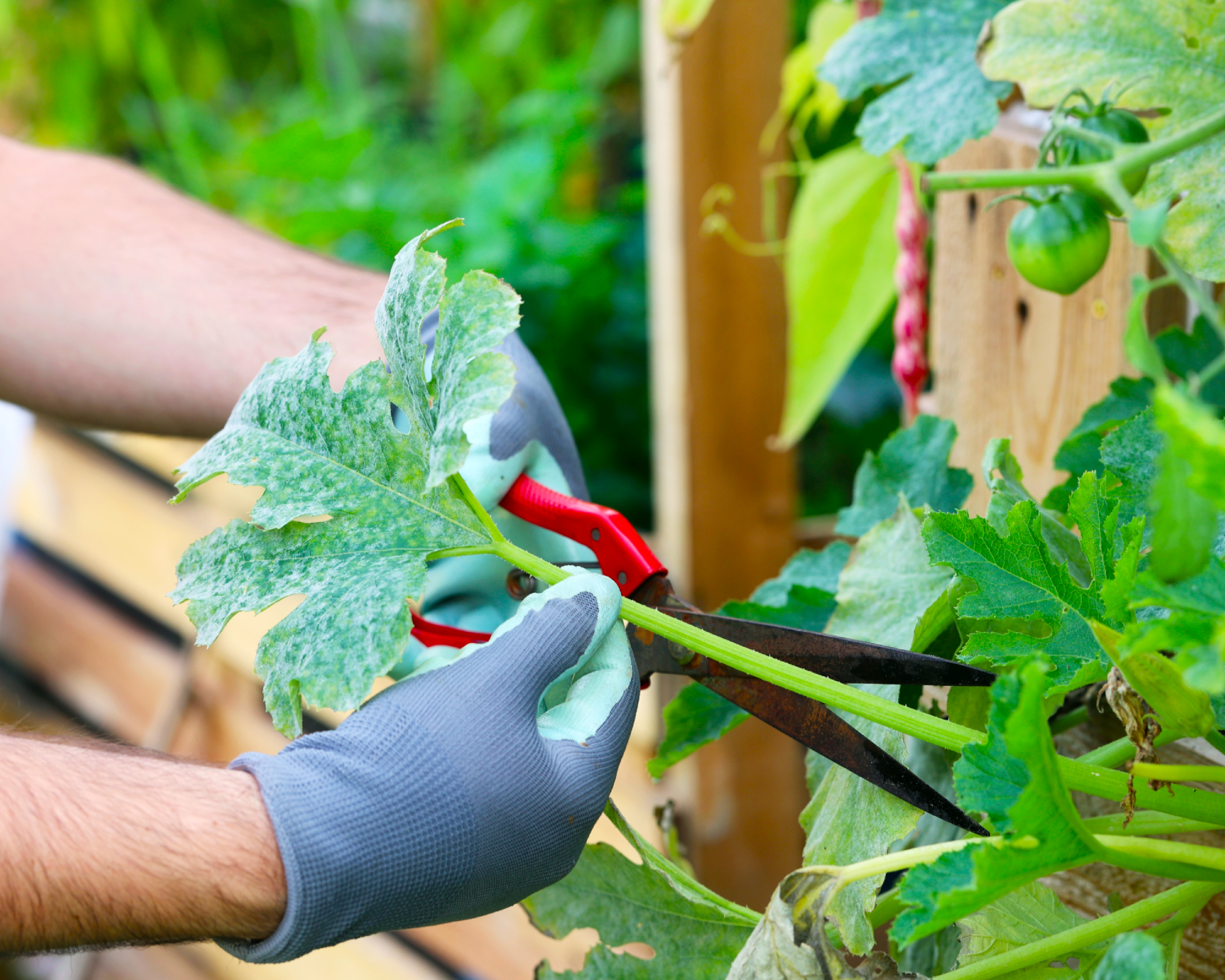
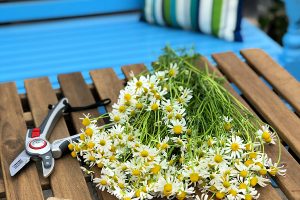
Powdery mildew is a fungal disease spread by microscopic wind-blown spores. While there’s typically a different strain for each plant species, so powdery mildew won’t spread from your dahlias to your winter squash, it will infect the rest of the plant and travel between plants of the same family. So, your first task is to use bypass pruners such as these Corona ComfortGET pruners from Lowe’s to remove infected leaves and reduce the risk of transmission.
Put pruned leaves straight into a garbage bag and then into your trash cart, and not into your compost bin, as spores will survive the composting process. Rake up any fallen infected leaves too – a small handheld rake such as Fiskars Xact Hand Rake, available from Amazon, makes this easier.
Add keeping an eye on plants for signs of any more white spots developing to your list of September garden jobs, and keep removing leaves with fresh outbreaks.
2. Treat With a Natural Fungicidal Spray
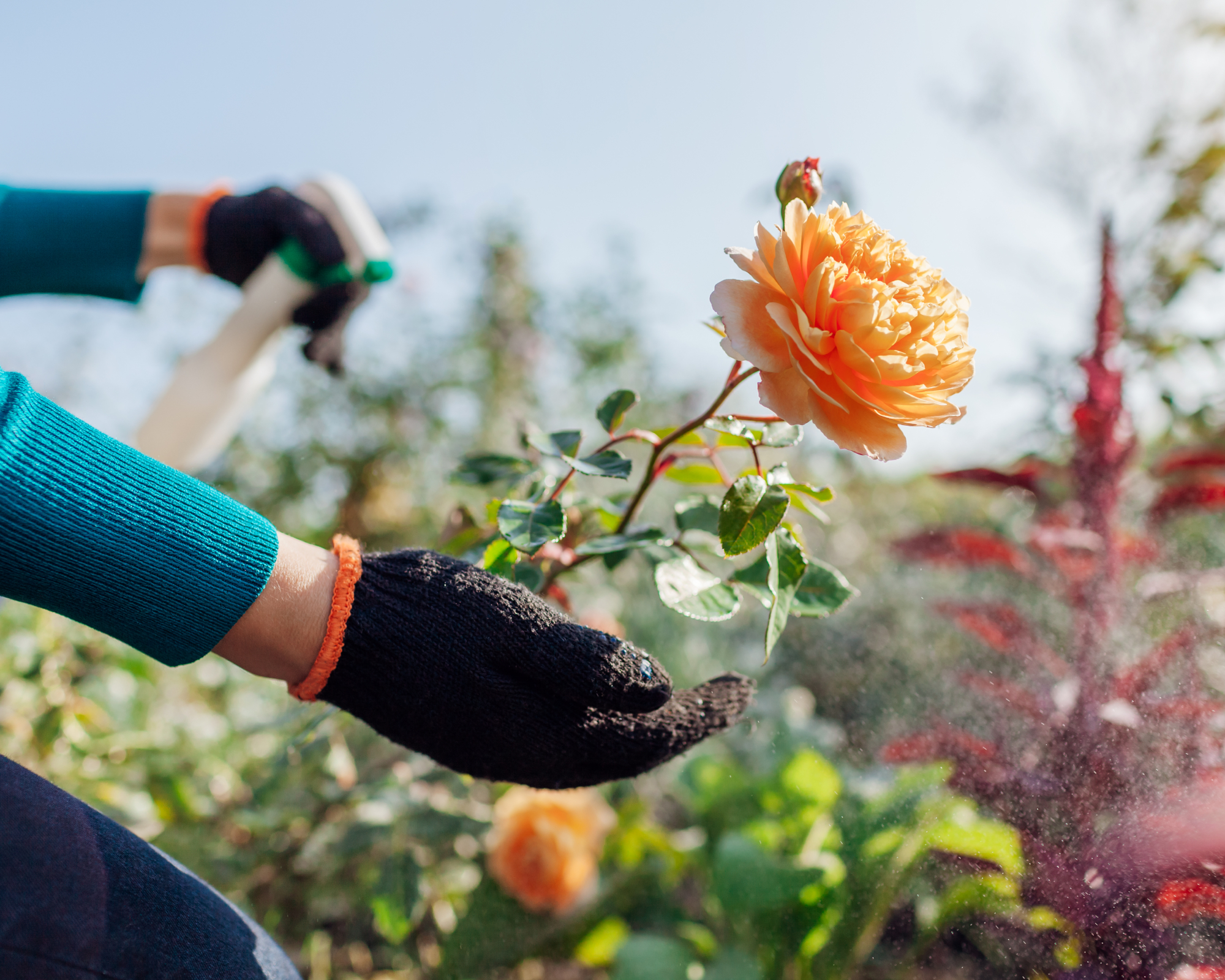
There’s no need to use chemical sprays to kill this fungal disease. Instead, create a far less welcoming environment with a natural treatment that raises the pH level of the leaf surfaces, making it difficult for fungal spores to thrive. Organic sprays based on food-grade citric acid such as Grower’s Ally Fungicide Concentrate for Plants, available from Amazon, are effective, safe for use on cropping plants and unlike copper-based sprays, don’t accumulate in soil over time.
Another option is to make your own anti-fungal spray using baking soda, which is so effective that it’s recommended as a preventative by the US Department of Agriculture. Mix a heaped tablespoon of baking soda (available in good-value 8oz baking soda packs at Walmart) with a level teaspoon of vegetable oil, stir in a scant squirt of liquid dish soap and dilute in a gallon of water and transfer to a mister such as these 16oz spray bottles on Amazon.
Spray dry leaves early in the morning and repeat every 1-2 weeks.
3. Mulch the Soil
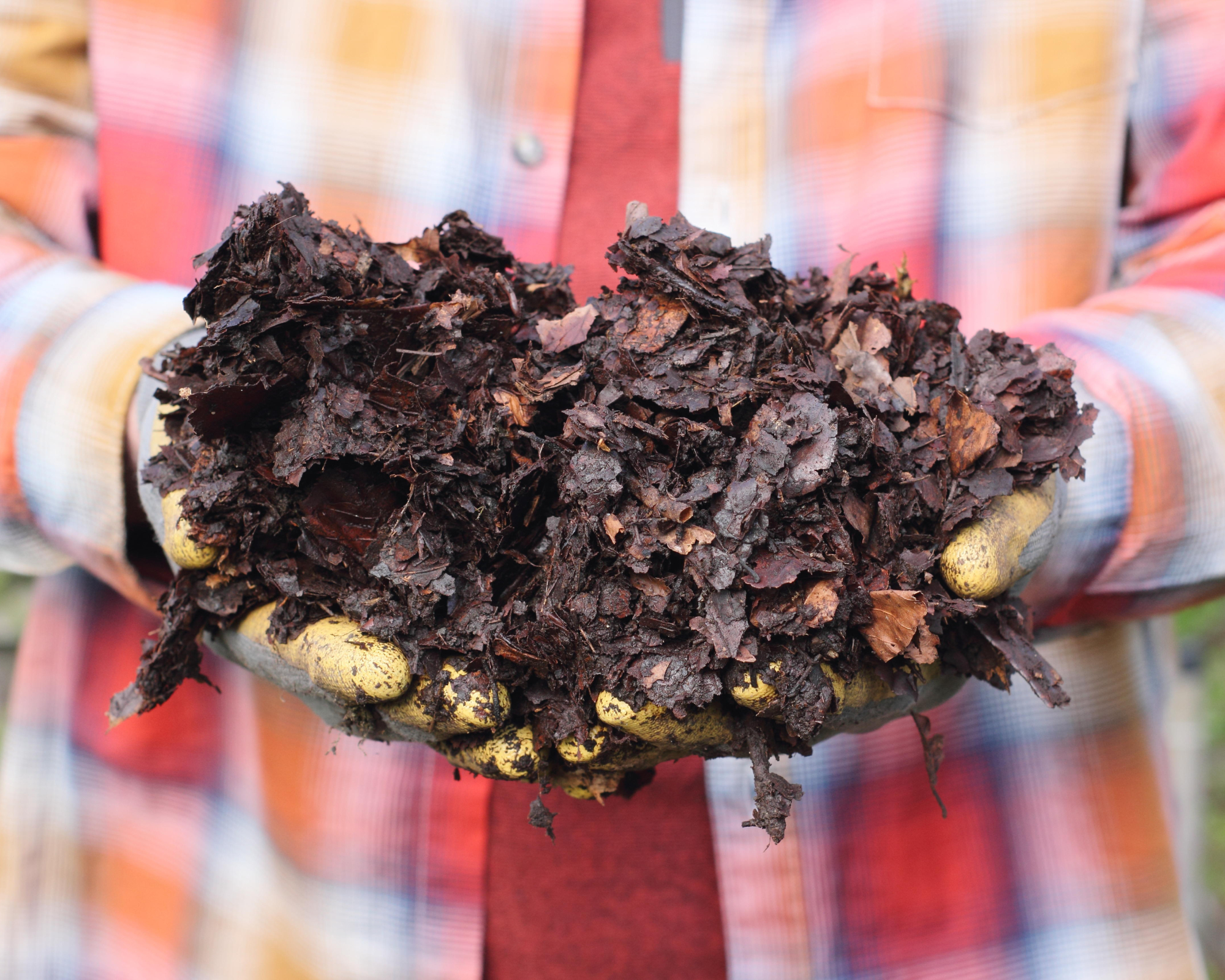
Finally, lay a 2-inch layer of mulch over the soil to create a physical barrier that stops fallen spores splashing up onto leaves in heavy rainfall. A mulch also helps to keep moisture in the soil, meaning you can water less often – and how you irrigate can leave plants more vulnerable to powdery mildew, but we’ll get to that in a moment.
Use any mulch made of natural material such as homemade compost or a bagged organic product such as Miracle-Gro All Natural Mulch, available from The Home Depot.
Prescription: Banish Damp Pockets Where Spores Thrive
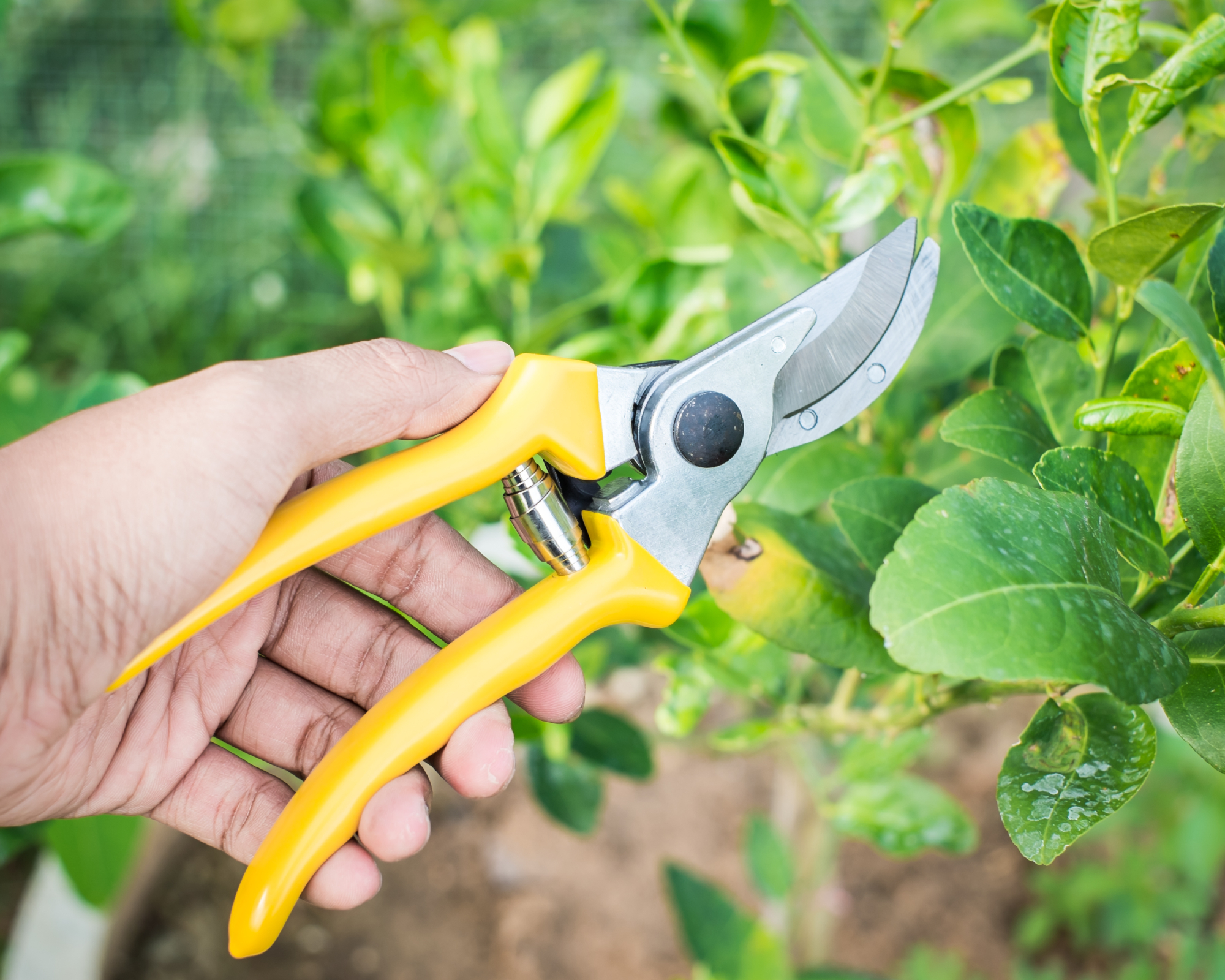
Going forwards, the very best way to protect your plants from powdery mildew is to increase airflow around them as this will keep leaves drier and less hospitable to fungal disease. Think about this when you next prune and snip accordingly. The less air movement and more shade there is in an environment – for example, if you have a rose climbing up a north-west-facing brick wall – the more you need to prune to ensure your plants don’t sit damp.
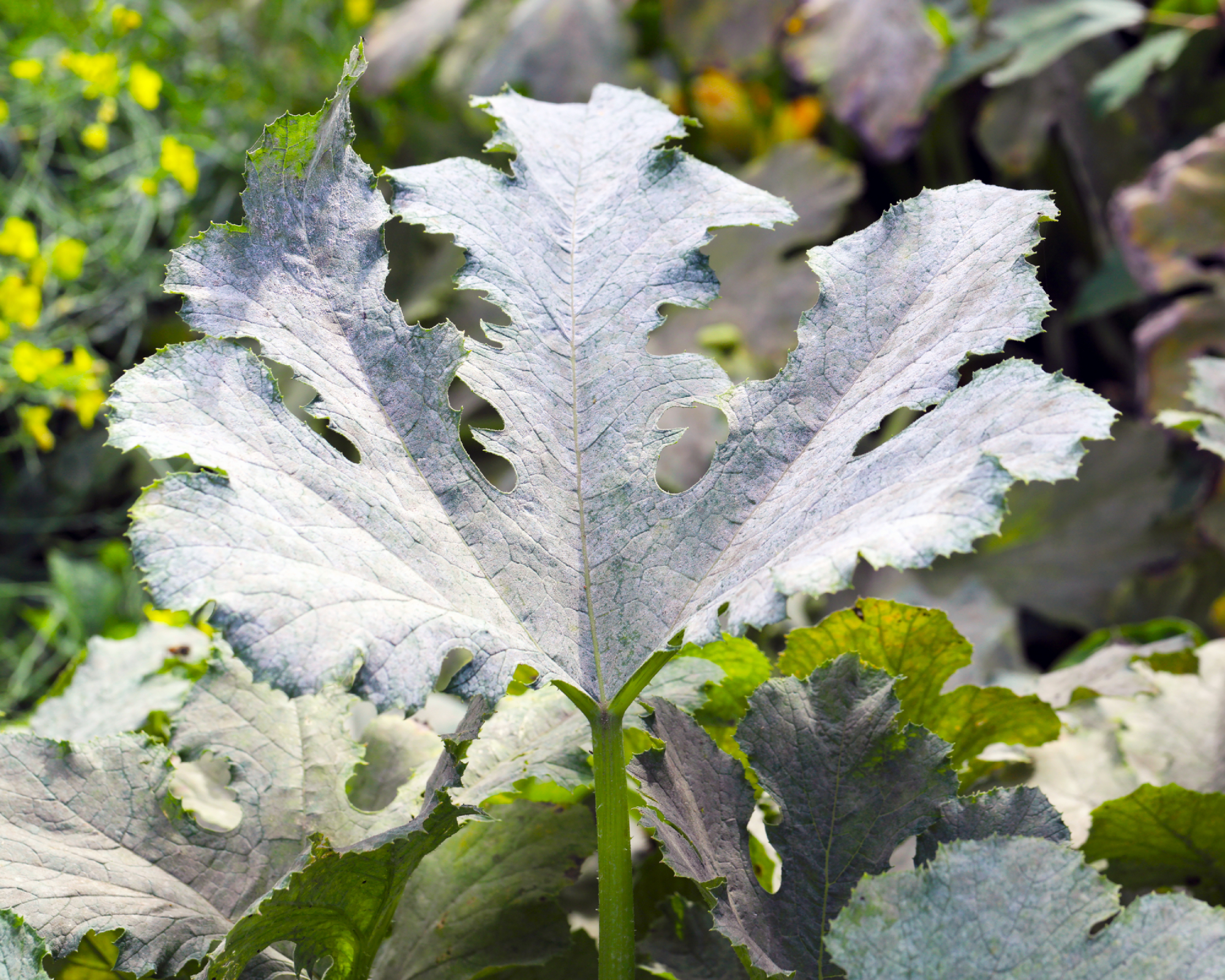
Think about airflow when positioning and spacing plants, too. So, if this summer’s zinnias are suffering from powdery mildew right now, sow them less densely next year. If you have lots of white zucchini leaves in your veg bed right now, give this crop a sunnier, breezier position next spring.
How you water your plants can also affect how damp the environment is. So, water the ground beneath your plants rather than the plant itself so leaves don’t get wet, and irrigate in early morning so any splashed foliage quickly dries.
Patient Notes: Review Mildew-Resistance
If you live in a zone with regularly warm, humid weather, it’s worth looking at plants that have been bred to have better resistance to powdery mildew, and consider a transplant. For example, there are modern black-eyed Susan varieties that are practically immune to fungal disease, while powdery mildew remains a common issue for older varieties. So, if you have a perennial plant that regularly succumbs, it’s worth replacing it with a more resistant cultivar.
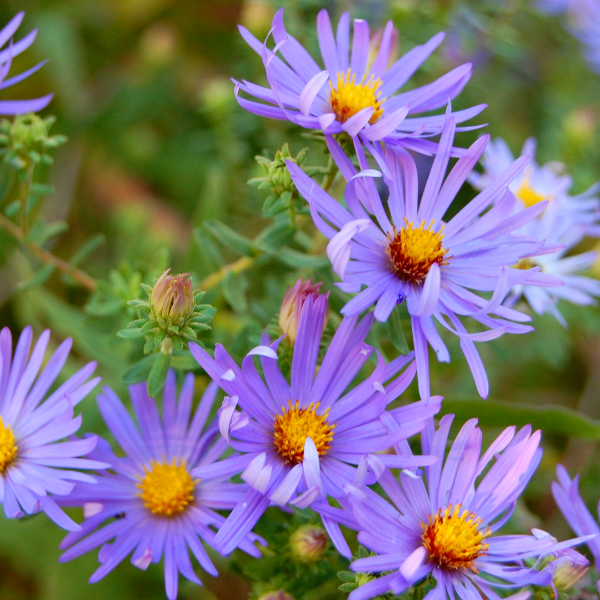
Aromatic asters (Symphyotrichum oblongifolum) are significantly more resistant to powdery mildew than other aster types, and ‘Raydon’s Favorite’ particularly so. Zones 3-8.
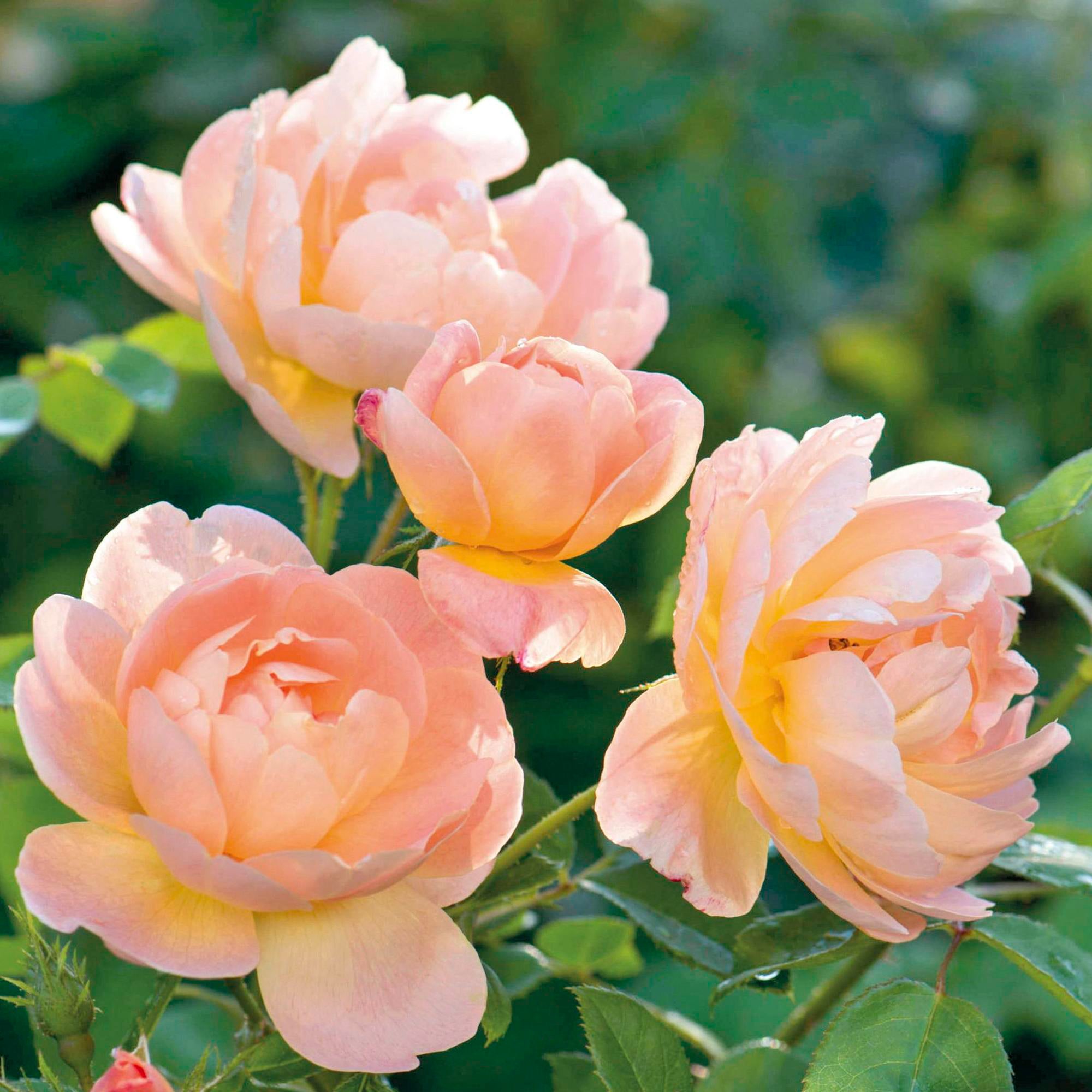
The Lark Ascending English Rose bred by David Austin is widely considered to be one of the healthiest, disease-free varieties and rarely succumbs to powdery mildew. Zones 4-11.
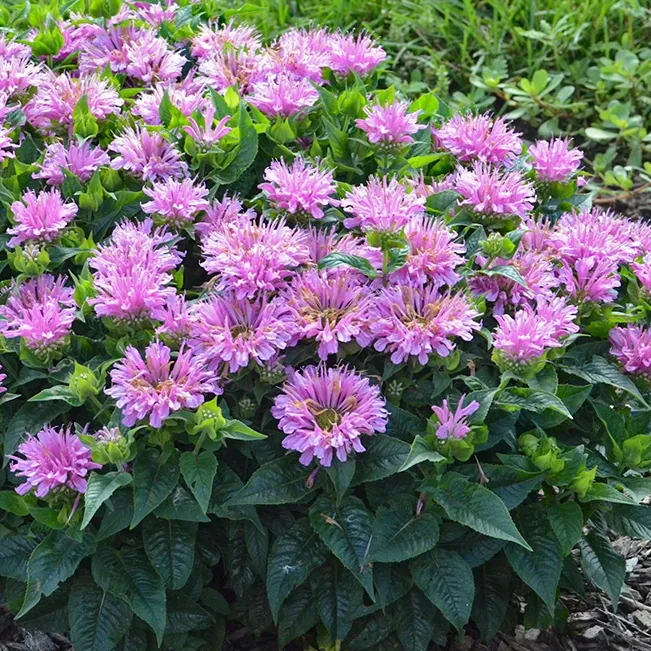
Bee-balm is notorious for suffering from powdery mildew but the ‘Pardon My’ Monarda didyma series by Proven Winners has been bred to be highly resistant. Zones 4-8.