Pollinator plants are plants that attract bees, butterflies, hummingbirds, and other animals that rely on and help pollinate flowering plants. Pollinators are essential for food production. Without these critters to transfer pollen, fruits won’t develop.
By attracting pollinators to your garden, you reap the benefits of a healthy, thriving ecosystem, and of course, any food you grow. Declines in pollinator populations are concerning, so any step home gardeners can take to support these critical species is helpful and depends on choosing the right plants.
What to Look for in Pollinator-Friendly Plants
Plants that attract pollinators have several characteristics:
- Food – They produce nectar and pollen that pollinators use as food sources. Nectar is a vital source of sugar for energy, while pollen provides protein. As they move from one flower to another, they spread the pollen, which allows the flowers to develop into fruits later.
- Flower Accessibility – Not all flowers are good sources of food for pollinating species. Bees and butterflies prefer flat, open flowers, like coneflowers. Hummingbirds (and bats in some areas) are drawn to tubular flowers.
- Color and Scent – Pollinator plants have bright colors and smells that attract pollinators to them. Different pollinators are drawn to certain colors, so aim for a rainbow.
- Native, Non-Hybrids – While non-native plants can attract pollinators, native species are always best. They are adapted to your region and your specific pollinator species. It’s also best to avoid or limit hybrids, even of native species. Many of these have been developed for visual appeal but have lost the ability to make nectar.
- Hosting – While flowers are the showy part of attracting pollinators to your garden, don’t forget that many species also need host plants for butterflies and moths. They need these plants for feeding during the caterpillar stage. Some species have very specific needs for host plants.
Top Pollinator Garden Plants
The best pollinator plants for your garden depend on location. These are some good examples of pollinator-friendly plants that are suited for a large range of gardening regions.
1. Coneflower
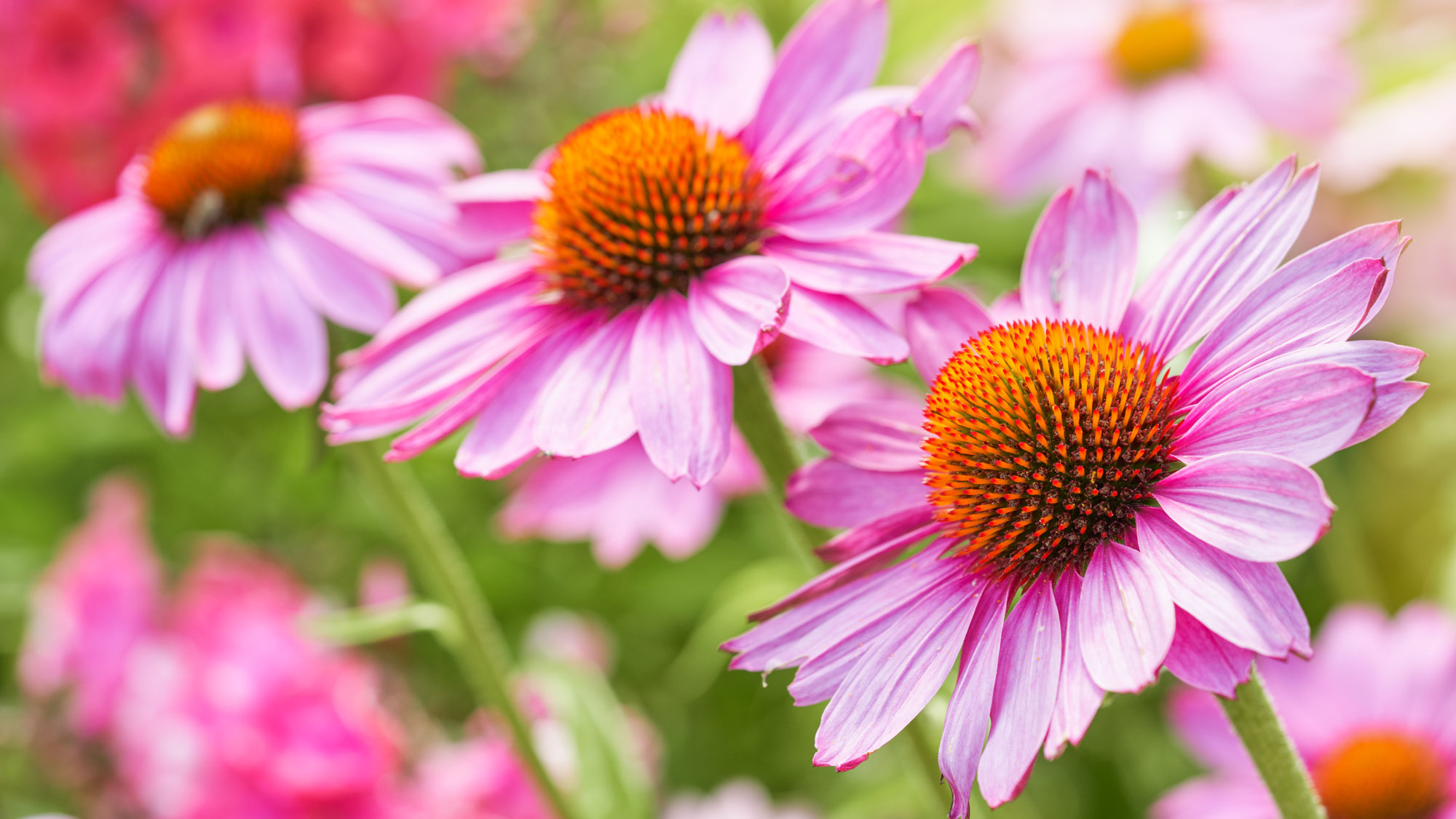
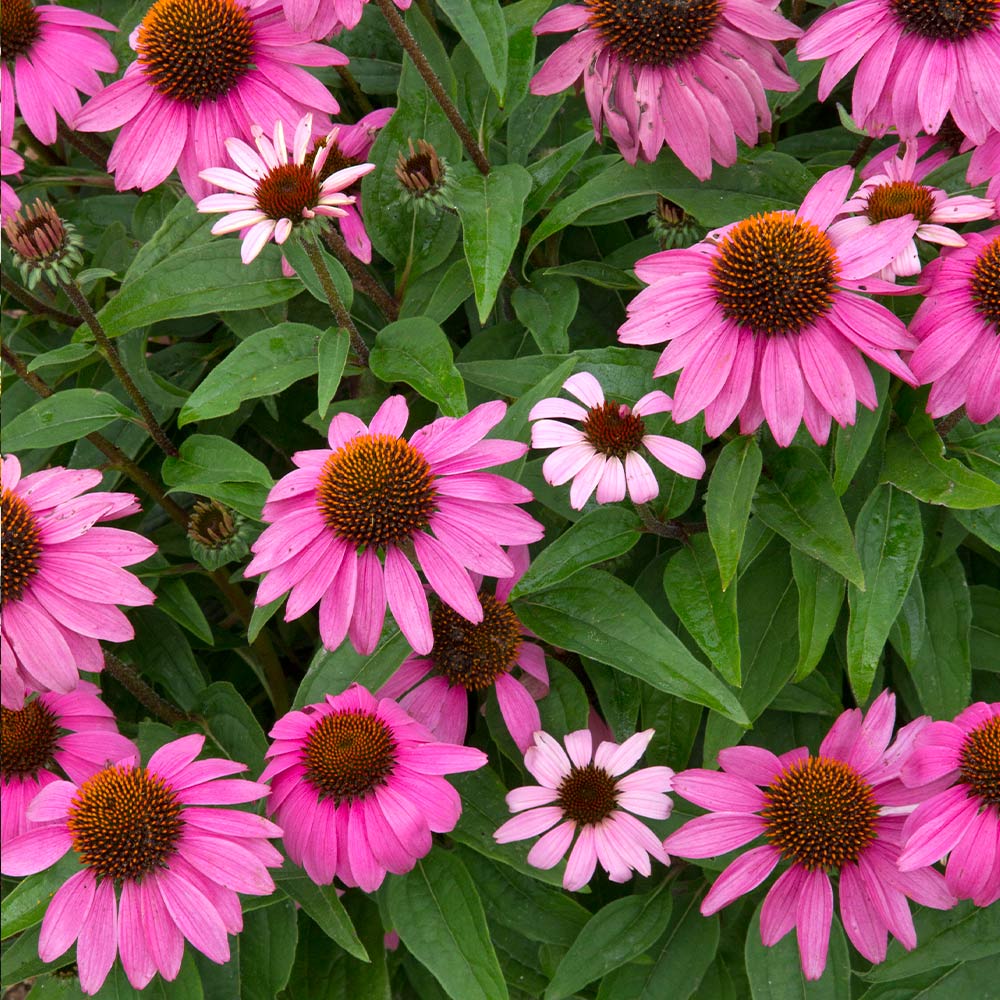
Echinacea species are known as coneflowers. They are perennials in zones 3 through 9 and native in much of North America. They grow in attractive clumps, up to about five feet (1.5 m) tall, and bloom for a long time, providing a lot of nectar over a long period.
Coneflowers attract bees and butterflies. If you let the flowers go to seed, they’ll continue to feed native birds well into the fall. Echinacea grows best in full sun, and once established, needs little care. They are even drought-tolerant.
2. Milkweed
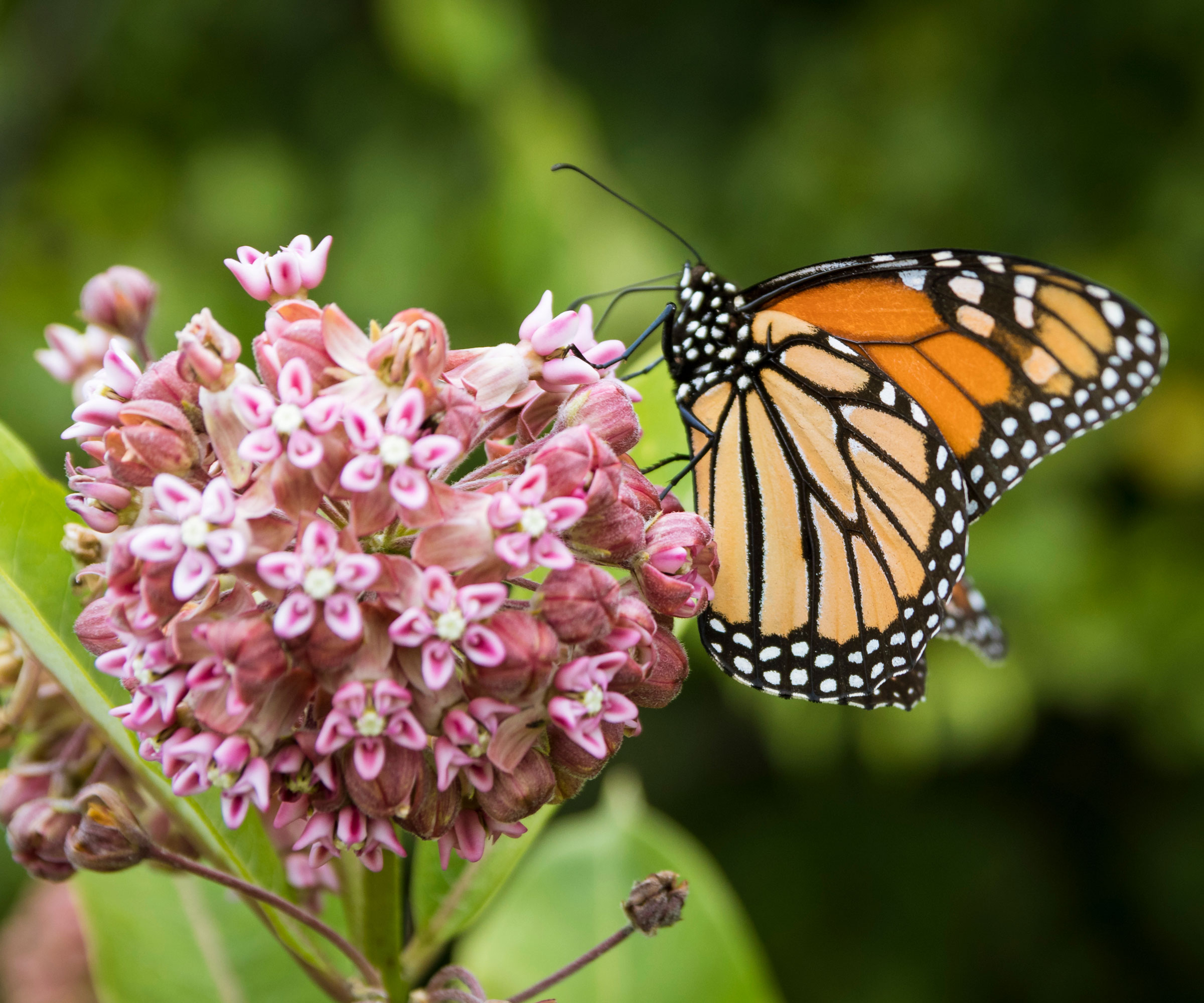
This is a great example of a host plant that can do a lot of good in your garden. Milkweed (Asclepias) is a perennial flowering plant that monarch butterflies use as a host. They lay eggs on milkweed plants, and the caterpillars eat the leaves when they emerge. With monarchs in decline, any addition of milkweed can help boost the population. Bees and other pollinators are also attracted to milkweed flowers.
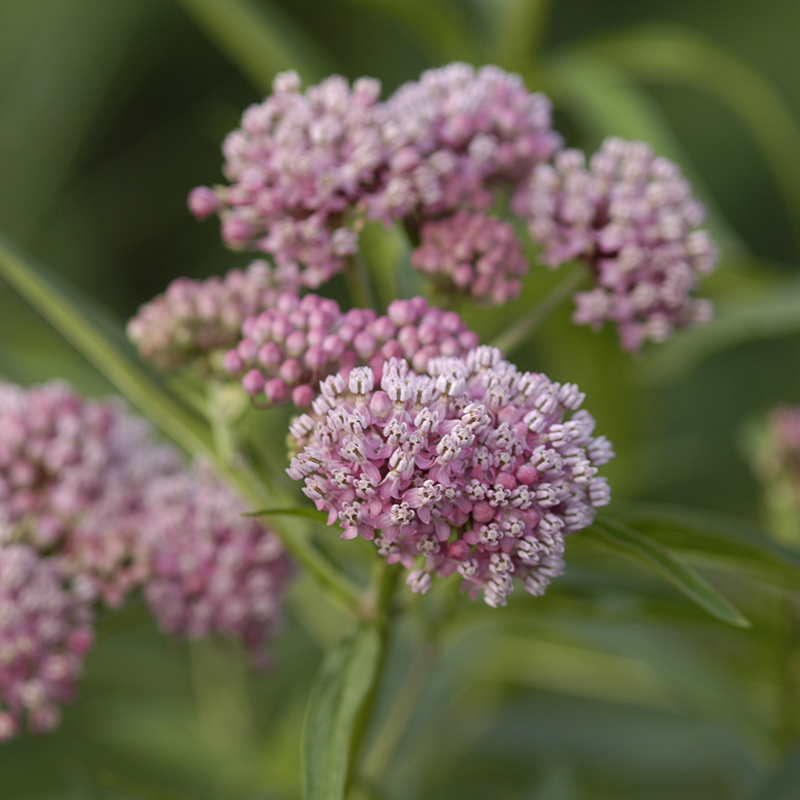
Milkweed is easy to grow in its native range, and there are types for nearly every North American gardener. Common milkweed is native to the East and Midwest. Swamp milkweed is native to the U.S. and grows well in wet areas. Desert milkweed grows in the southwest, and narrow-leaf milkweed is native to the Pacific Northwest.
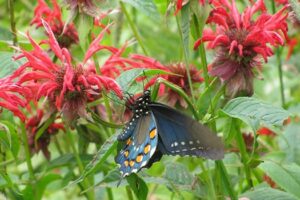
3. Bee Balm
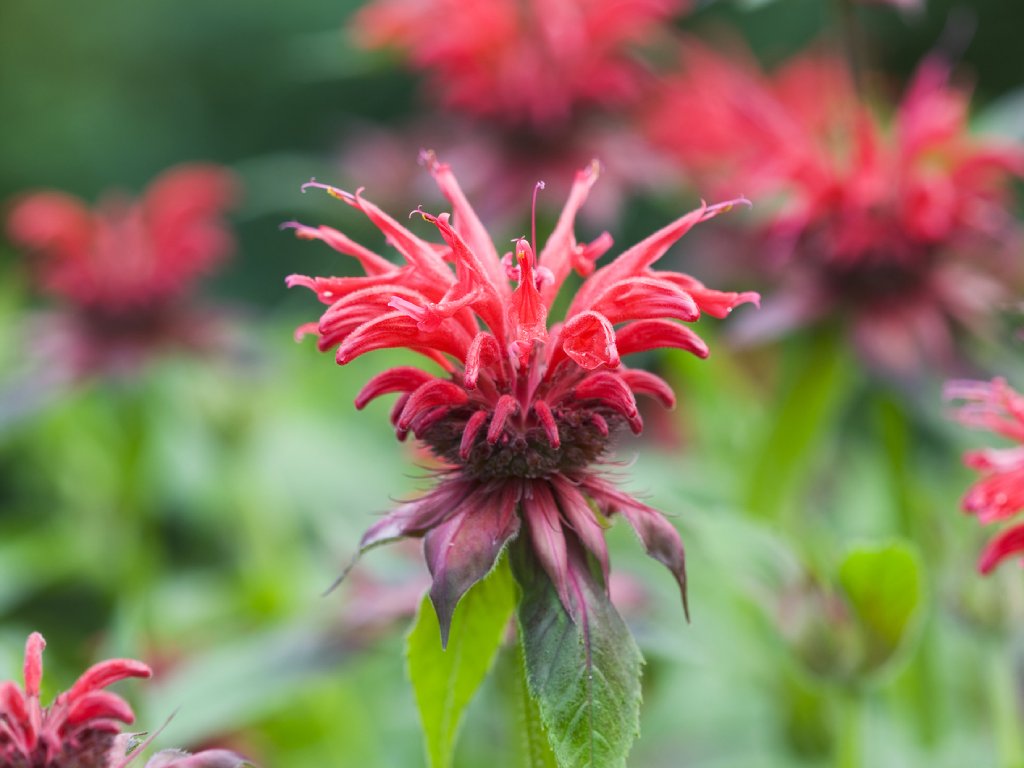
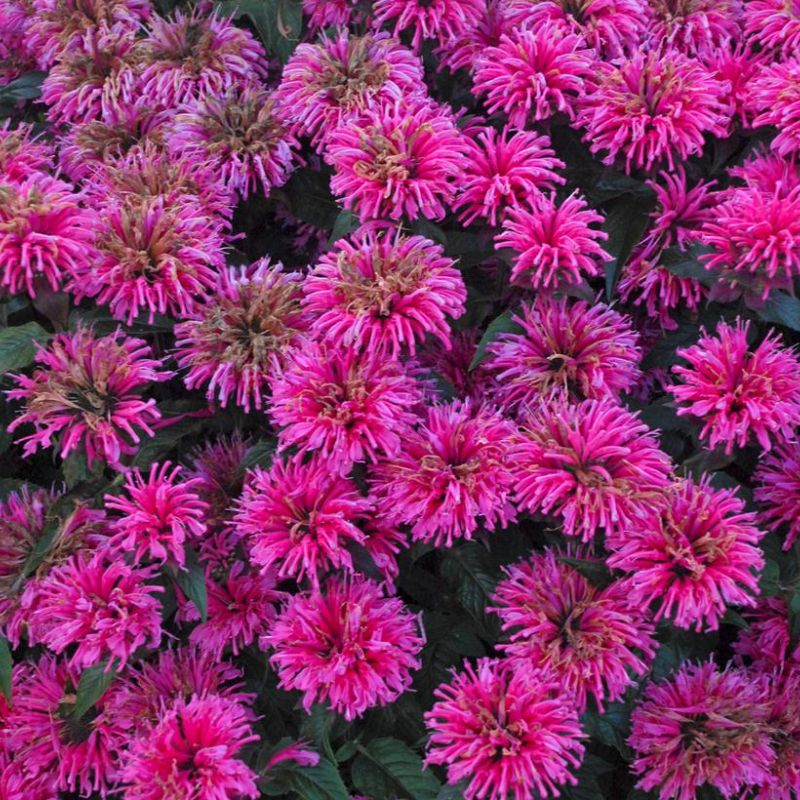
The pollinator is right in the name of this native, flowering perennial. Bee balm blooms with large, bright flowers that are high in nectar. Bees, butterflies, and hummingbirds will all seek out this plant. Native to most of North America, it is hardy in zones 3 through 9.
Bee balm is a great choice for a beginner gardener. It is very easy to grow and will even spread if you let the flowers set seed. Give it a spot with full sun or partial shade and keep the soil evenly moist.
4. Black-Eyed Susan
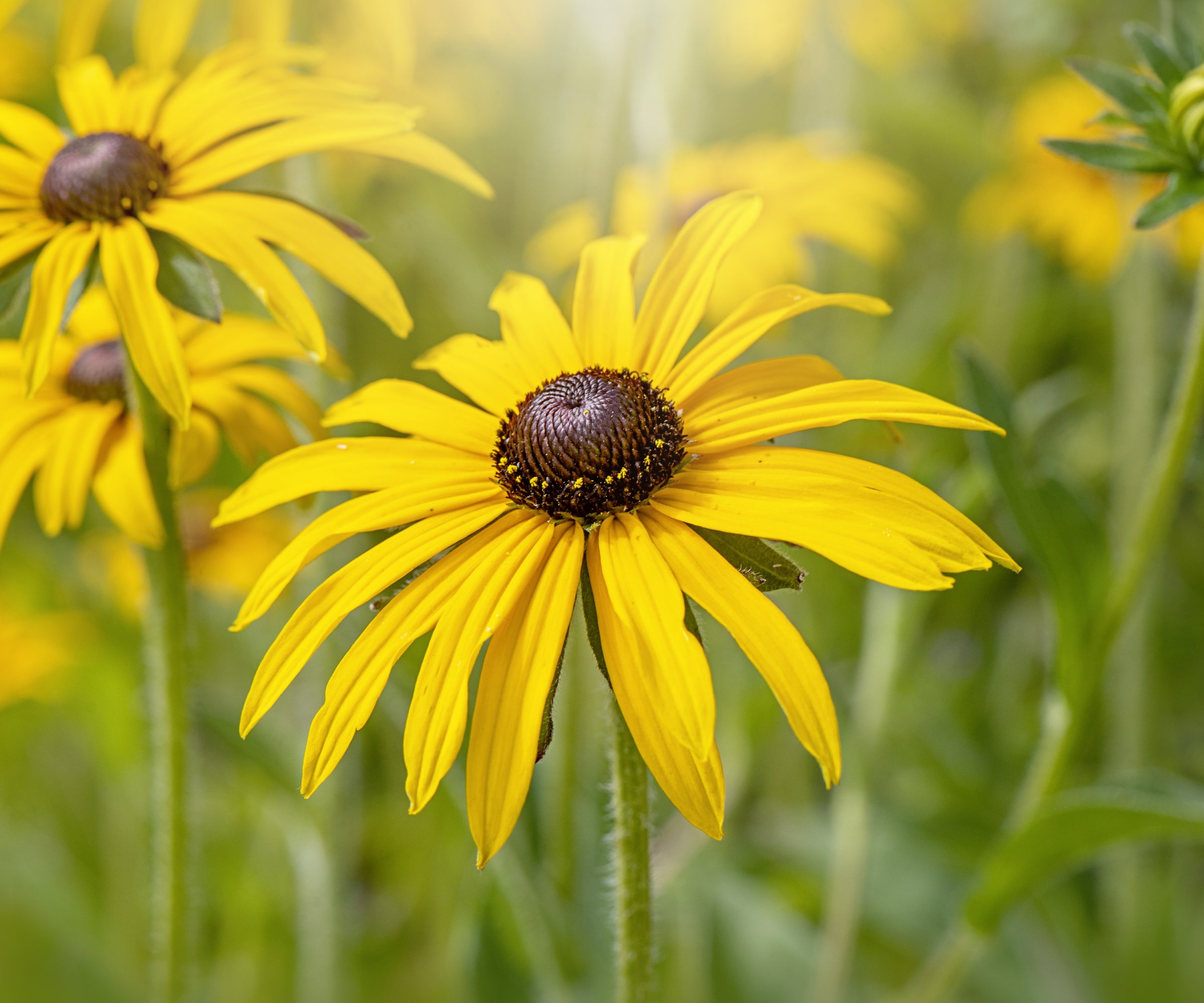
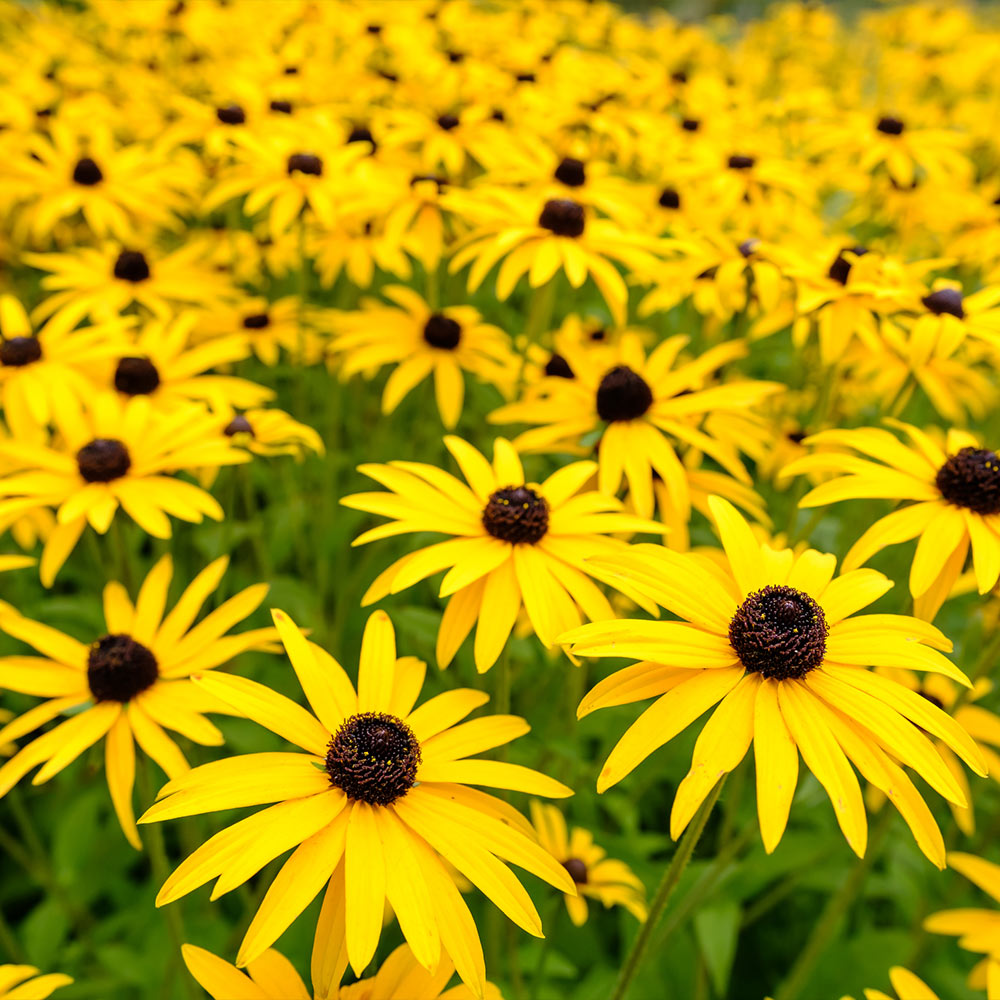
Rudbeckia species are daisy-like flowers that bloom all summer and into fall, providing a food source for a long period of time. Black-eyed Susan plants are native all over the 48 states and hardy in zones 3 through 9. They attract butterflies and bees.
Black-eyed Susan is easy to grow. It needs full sun to thrive and bloom, but also tolerates poor, dry soil. It’s very forgiving and a good choice for beginners. Like coneflowers, the seeds support birds after the blooming season.
5. Native Honeysuckle
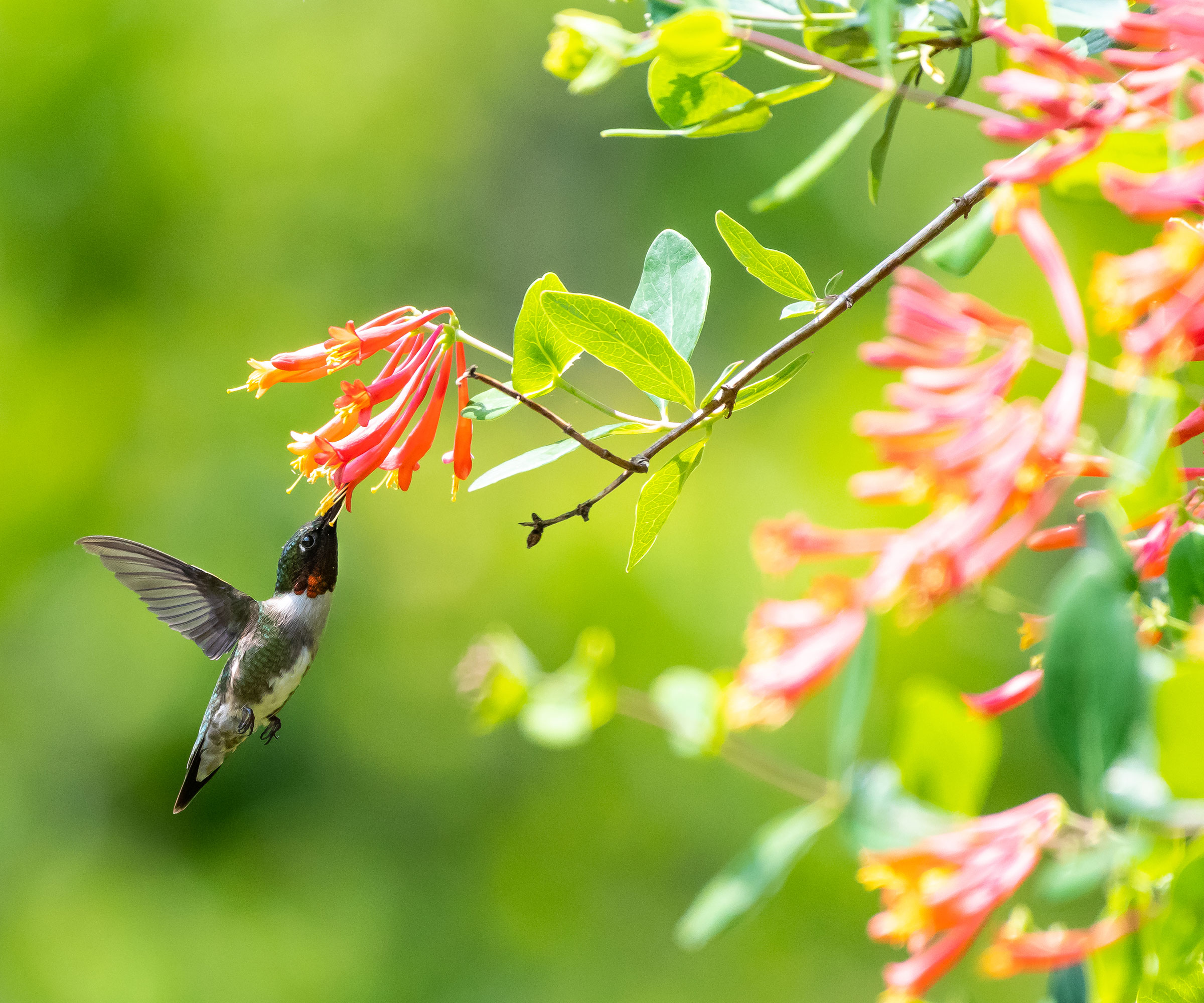
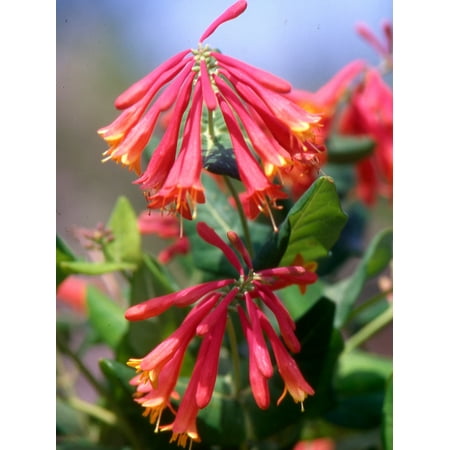
Non-native honeysuckles are invasive and damaging, but native species are attractive vines with tubular flowers that attract pollinators, including hummingbirds. Look for Lonicera species for some good options. Examples include orange honeysuckle, coral honeysuckle, and California honeysuckle.
Native honeysuckles are mostly vines, although there are some bush varieties. They mostly prefer full sun and soil that drains very well. They are low-maintenance and easy to grow once established.
6. Lavender
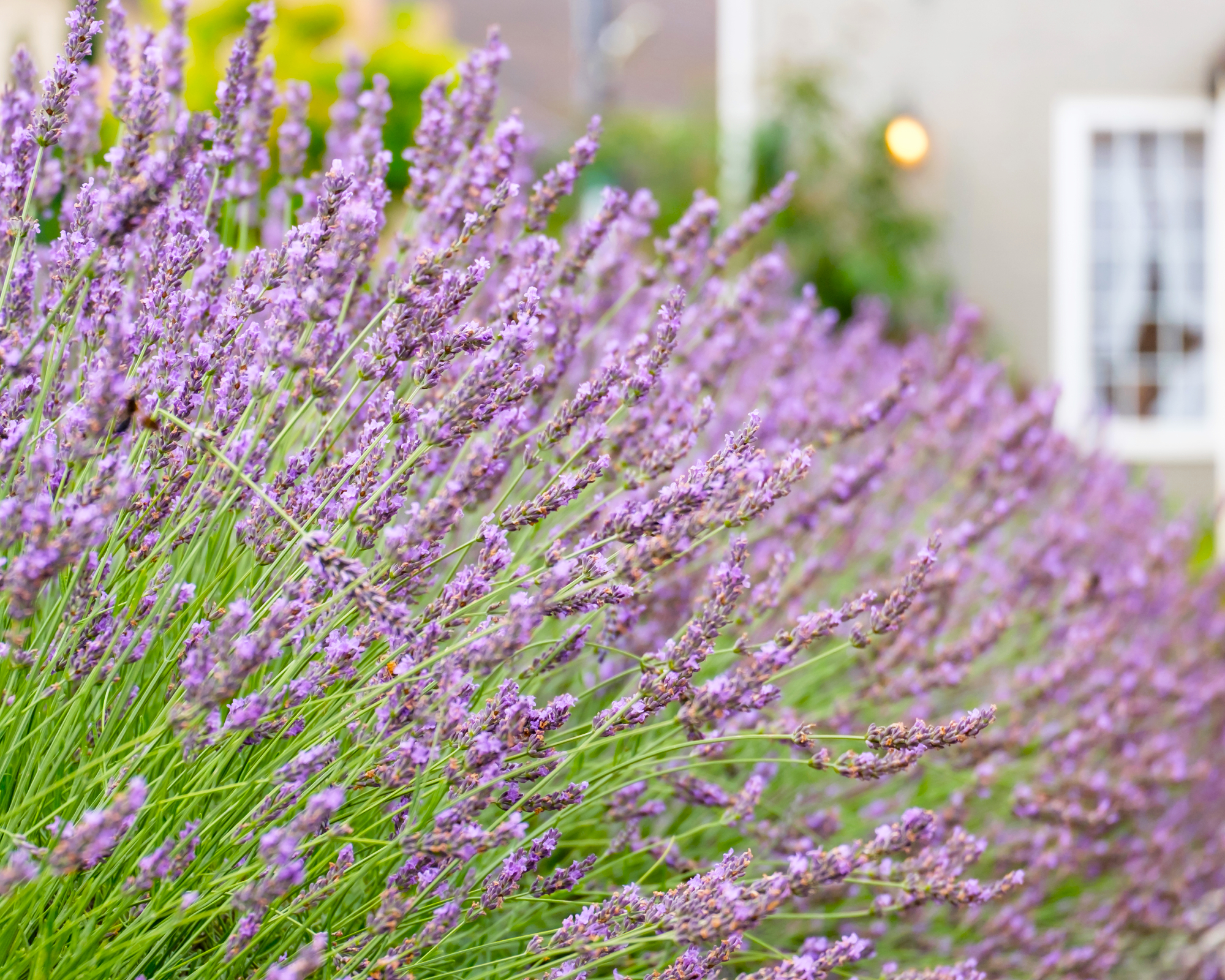
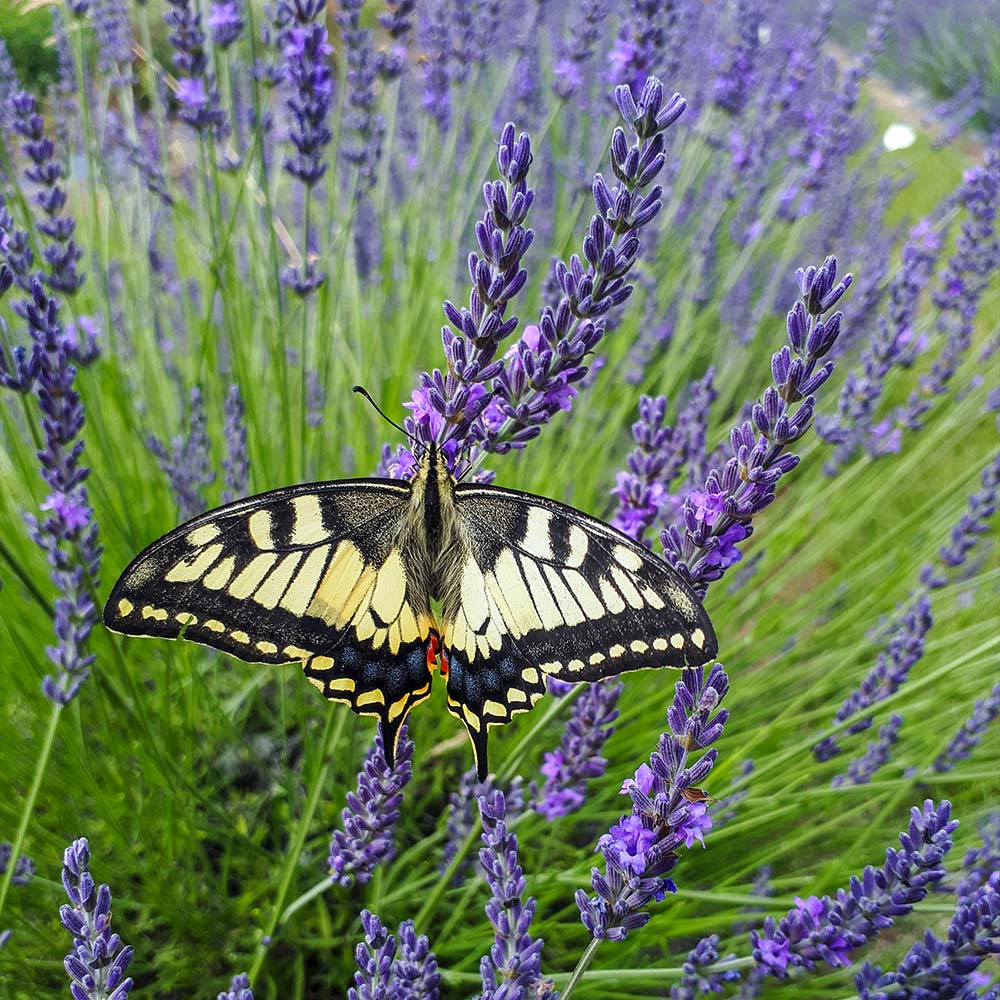
An example of a non-native species you can grow to support pollinators, lavender is not invasive or harmful. It won’t readily crowd out native species, and it is highly attractive to local bees and butterflies. Lavender attracts them with pretty purple flowers and a strong aroma.
You can grow lavender in beds or containers. They thrive in warm climates, so most types of lavender are grown as annuals in colder regions. They need soil that drains very well and tends toward dry, and plenty of bright, daily sunlight. With these ideal conditions, lavender is very easy to grow.
7. Sunflowers
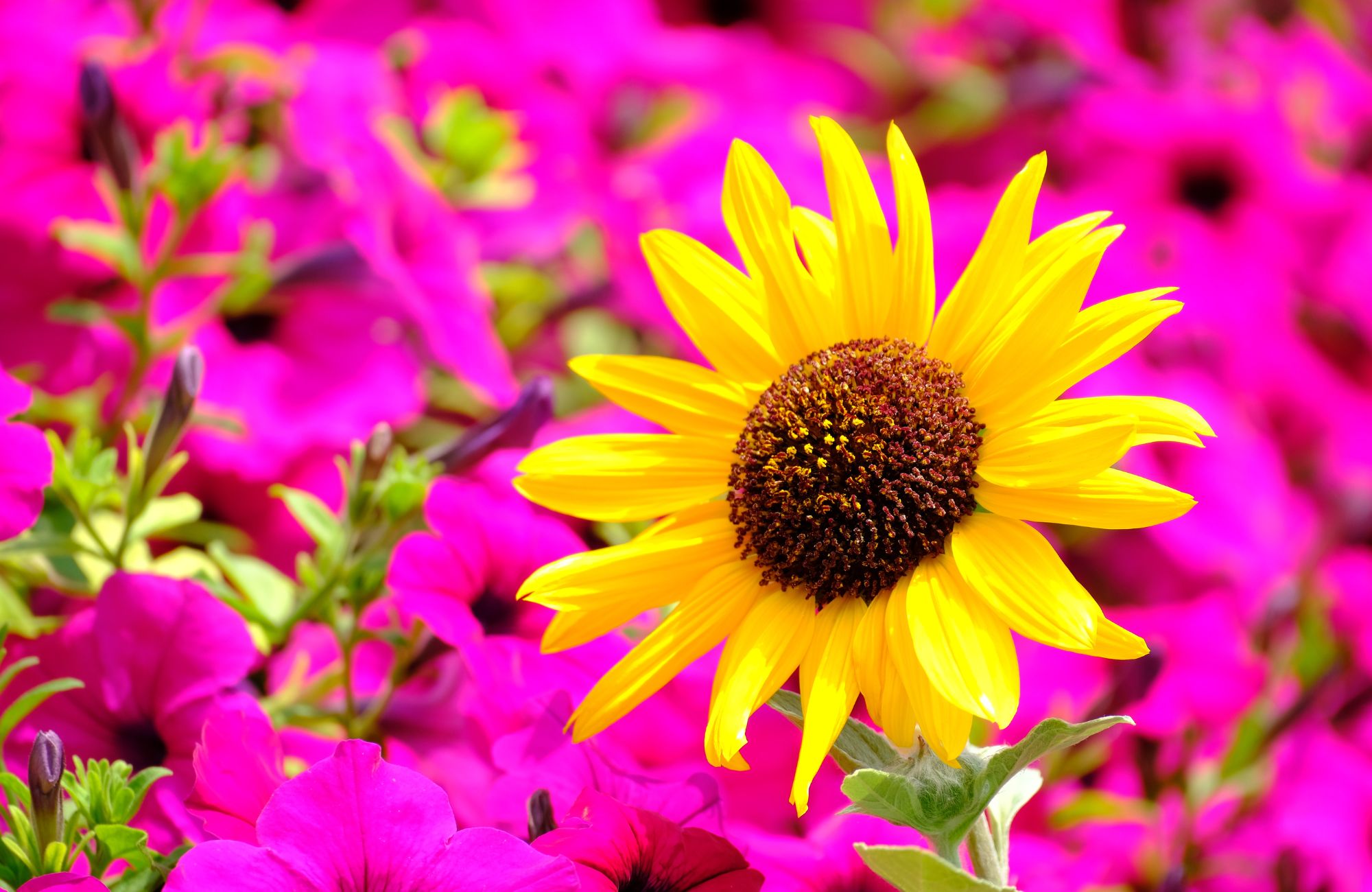
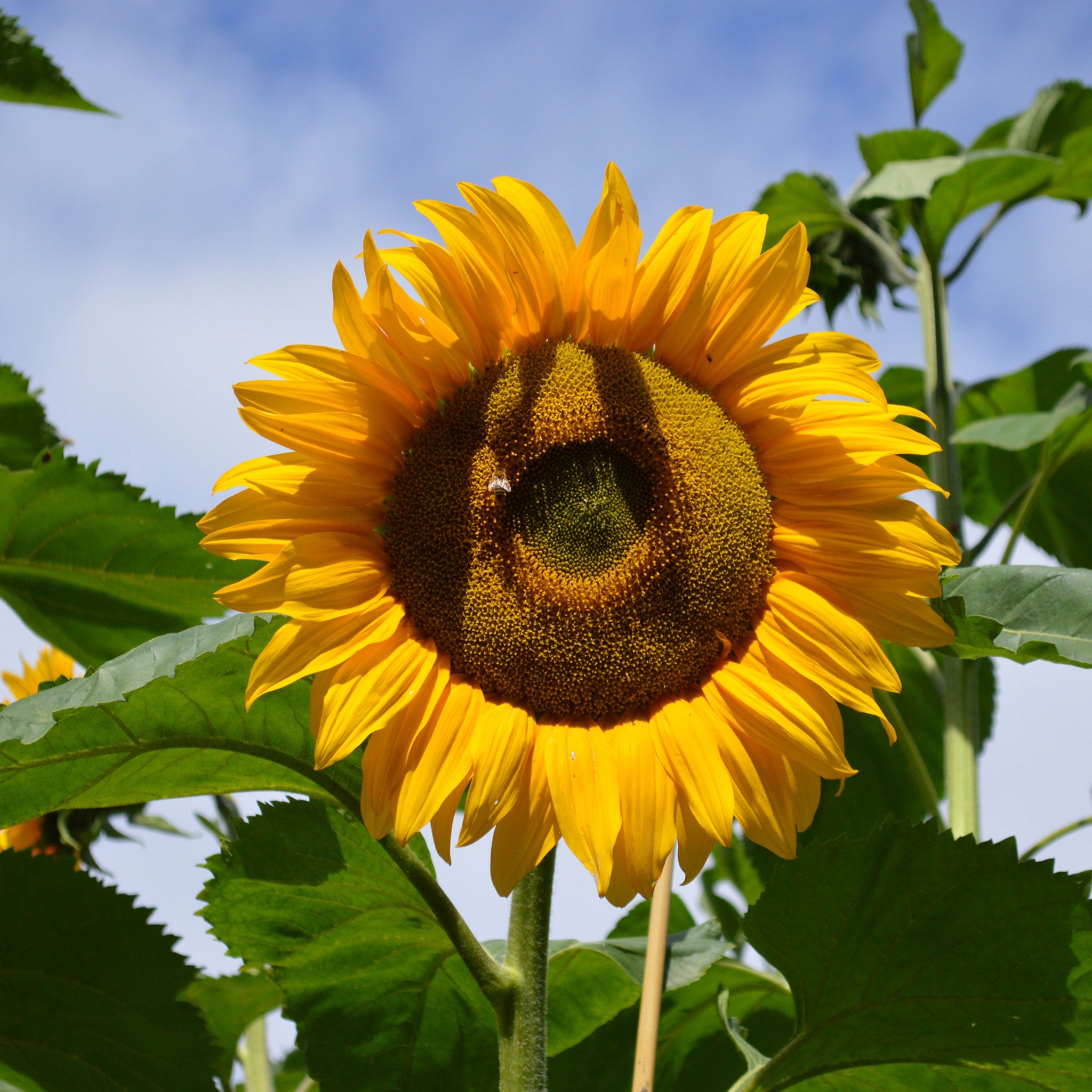
A good example of an annual to support pollinators is the sunflower. Sunflowers have large centers that are rich in pollen and easy to find for birds and bees. Iin addition to the many interesting varieties of annual sunflowers, you can also plant native perennial sunflowers.
Annual sunflowers, also known as common sunflowers, are very easy to grow from seed. They grow fast and bloom in late summer and fall. The large seed heads support native birds and mammals once the flowers are spent. Sunflowers need full sun and well-draining soil that stays consistently moist.
Tips for Planning a Pollinator Garden
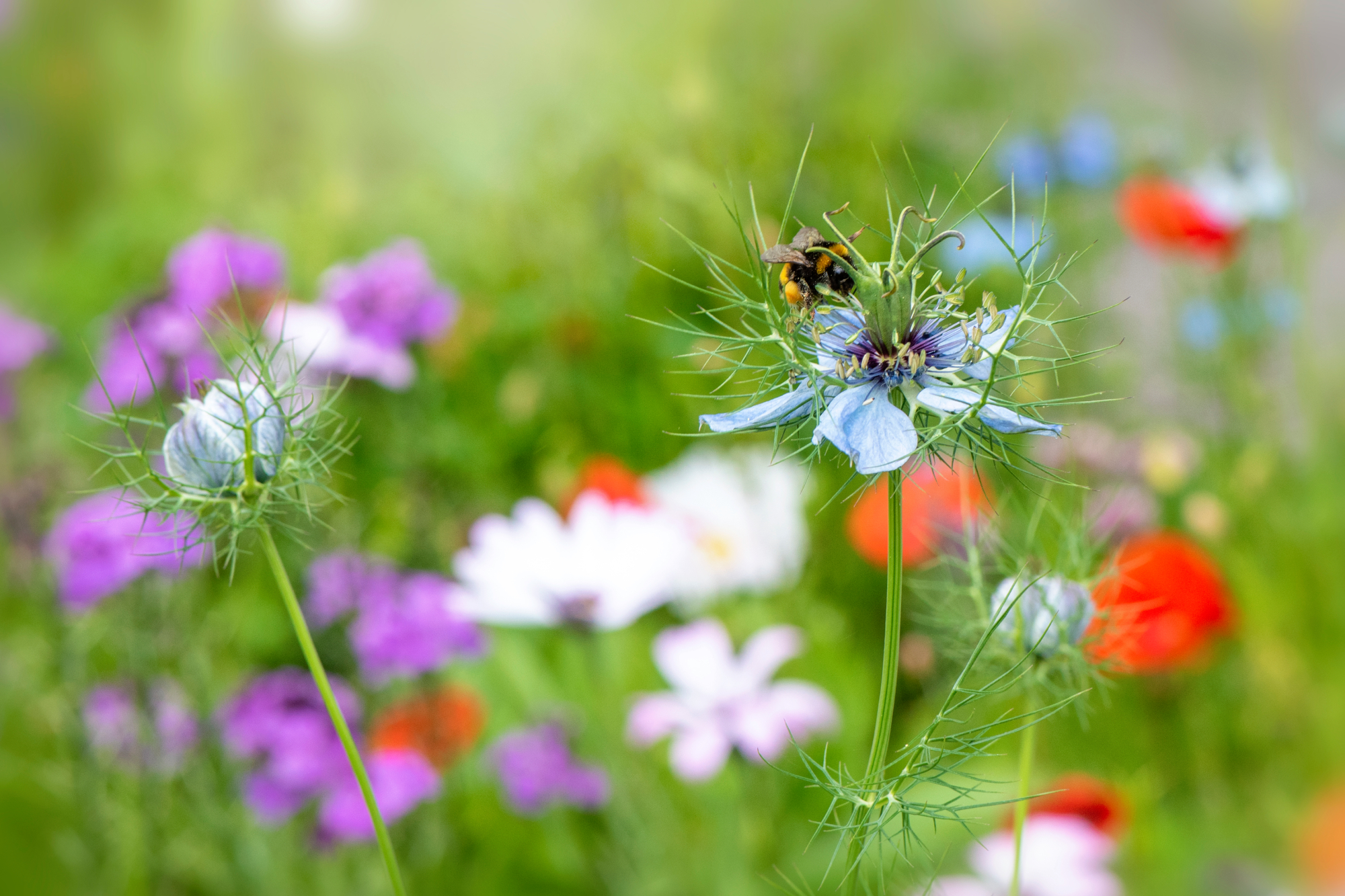
Choosing the right plants is the first step in growing a pollinator garden. There are other factors to consider to make it a success:
- Plant your chosen flowers in clusters, or drifts, rather than far apart. This makes it easier for pollinators to find them.
- Choose a range of plants that flower in different seasons, so that pollinators have food sources from spring into fall.
- Also include variety in color, plant height, and flower shape. This will ensure you target all the native pollinator species in your area.
- Support your pollinators in other ways, such as providing areas of cover and shelter and sources of open water. Leaving some areas of your garden wild and untidy is a great way to create natural habitats that support pollinators.
- Avoid using pesticides, which kill not only pests but also beneficial insects, like pollinators. Use natural or mechanical methods to manage pests as much as possible.
Pollinators are so important for both gardens and natural spaces and ecosystems. With many pollinator species in decline, it’s essential that gardeners step in and support these critical species. You’ll find it fun and rewarding to attract and help your native birds, bees, butterflies, and more.