Wasps are called social stinging insects, but that doesn’t mean you’ll enjoy their company in your backyard or garden. The term “wasp” includes both yellowjackets and hornets, and – as somebody who has interacted with both of these types of wasps in my yard in France – I can tell you that neither are desirable neighbors.
You are far more likely to have yellowjackets than hornets in the US, no matter where you reside. That’s because true hornets are rare in this country and yellowjackets are common, often living in nests underground. Though much smaller than hornets, yellowjackets are more aggressive and can zip out of a tiny hole in the ground and sting you multiple times.
So how do you know if a small hole in your yard is a hidden nest and how do you prevent yellowjackets from nesting in your yard? Here’s how to tell if holes in your yard are the entrances to yellowjacket nests and what to do if they are.
Is That Hole a Yellowjacket Nest?
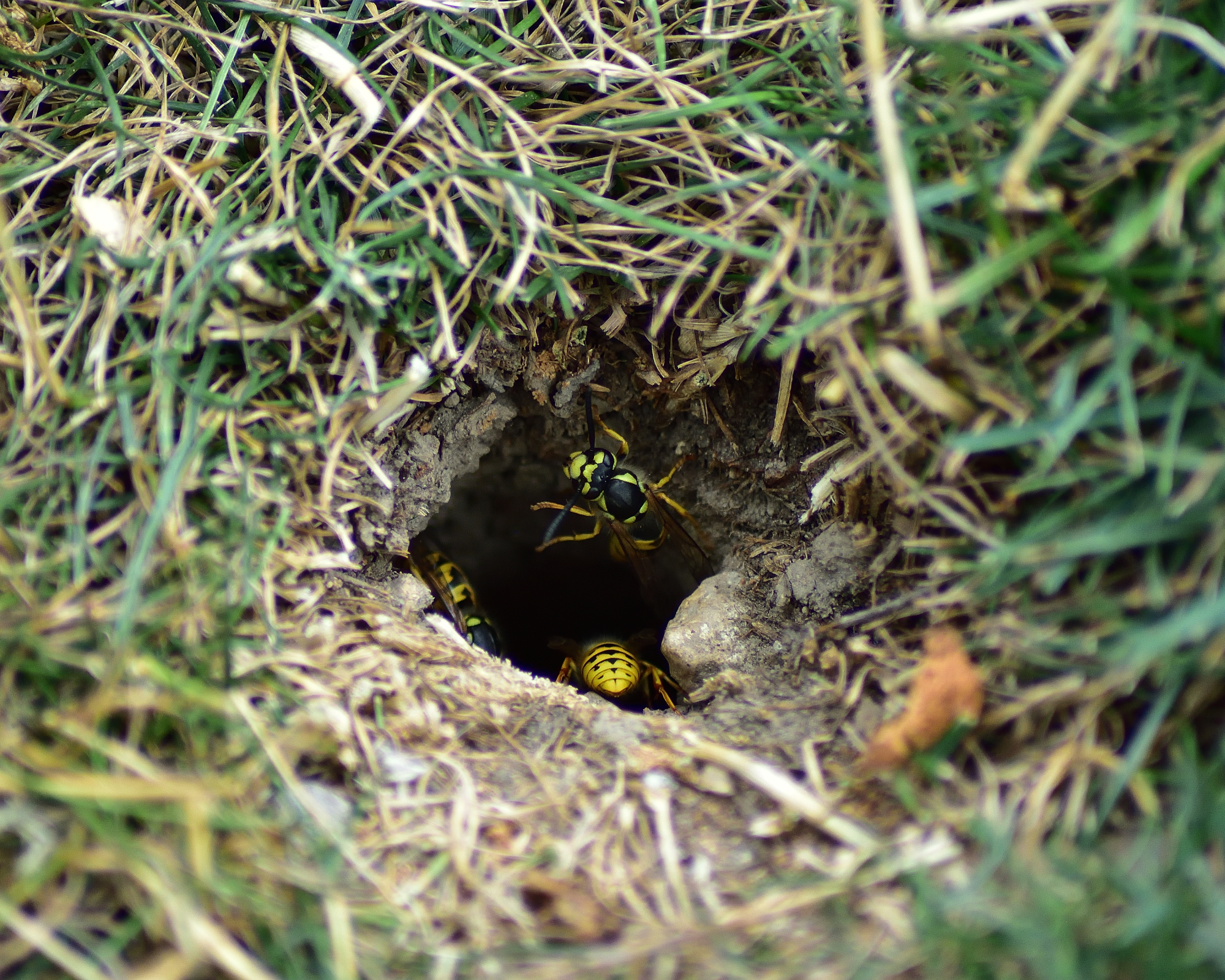
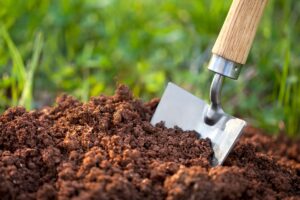
If you wander about your landscape looking for holes in your yard, you are sure to find more than a few. Yellowjackets nest underground and enter and exit by a small hole, usually about the size of a nickel.
But of course not every nickel-sized hole in the soil is going to be the revolving door to a wasp’s nest. A small hole might be a hole from an animal like a rodent. It could also be where you took out that stake from last year.
If the hole has piles of dirt, small rocks, or dead grass clippings around the entrance, that is more likely to hold yellowjackets. But there is one sure way of figuring out if a hole is one to watch out for.
Stand a solid distance away and watch the area during a warm summer afternoon. If you see a constant parade of small yellow-bodied wasps flying in and out of the hole, you’ve got yourself a yellowjacket problem.
How to Get Rid of Yellowjacket Nests
You can take steps to keep yellowjackets from choosing to live chez vous, like filling in old rodent holes you locate, keeping your garden free from garbage or yard debris, and cleaning every trace of food from your grill and picnic area.
But that doesn’t guarantee that you’ll be free of these stinging insects. So if you note a nest location in the yard, here are some ideas for avoiding and safely battling yellowjackets in your yard.
1. Don’t use kamikaze tactics.
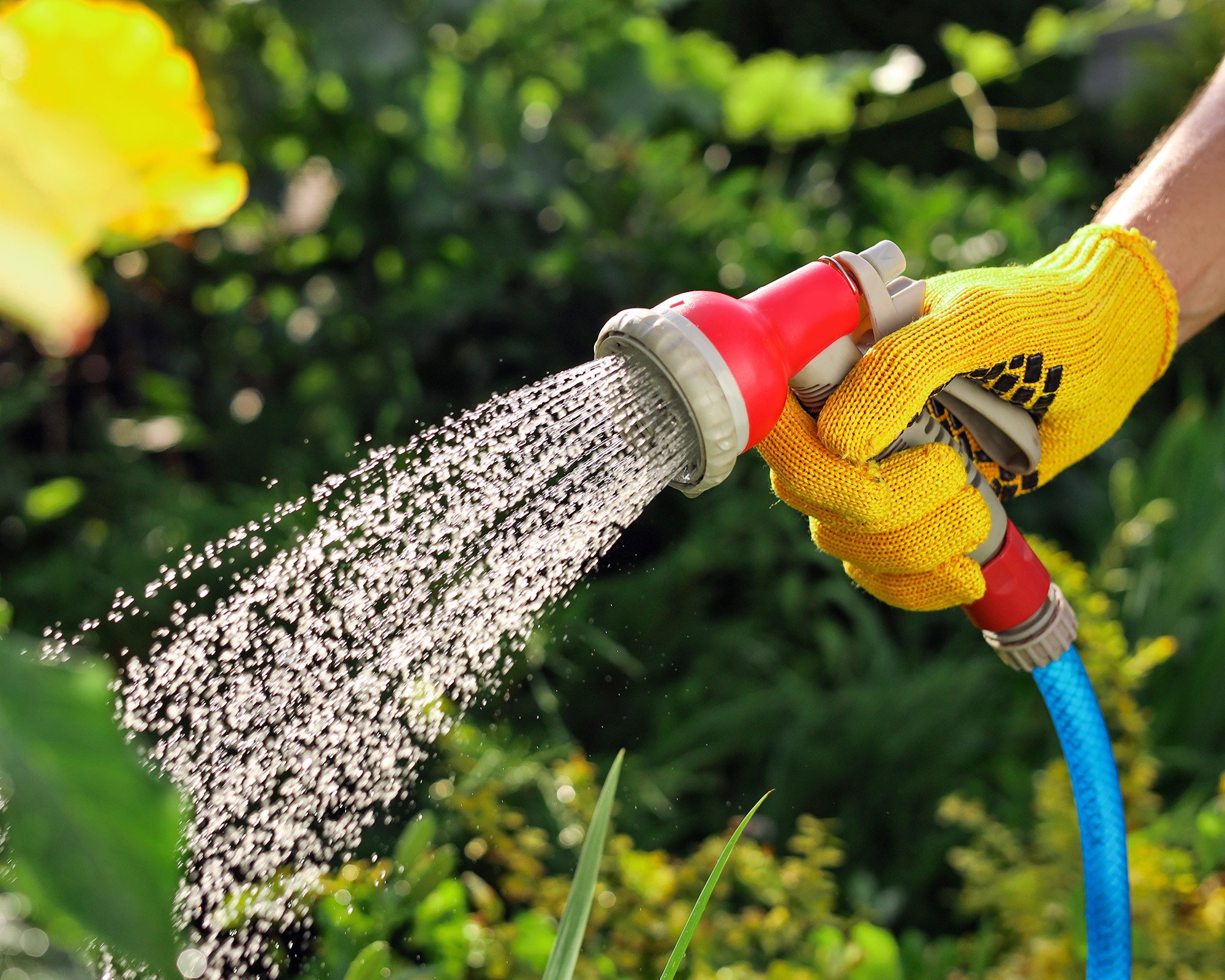
People may tell you to evict in-ground wasps by sticking a hose down the hole into the nest or some such, but it’s really not a great idea. Experts suggest that you don’t confront the wasps at all on your own.
Although they are not generally aggressive (e.g. they aren’t likely to swarm up and attack you while you are sunbathing), they will defend themselves if they feel attacked and defend their nest if you approach.
I got attacked once when I was weed-whacking in the area of a nest. One sting hurts and, unlike bees, a yellowjacket can sting multiple times. Call in experts if the nest is in a really bad location and must be moved for your family’s safety. Or you can try a yellowjacket trap like this one from Amazon.
2. Remove items that attract yellowjackets.
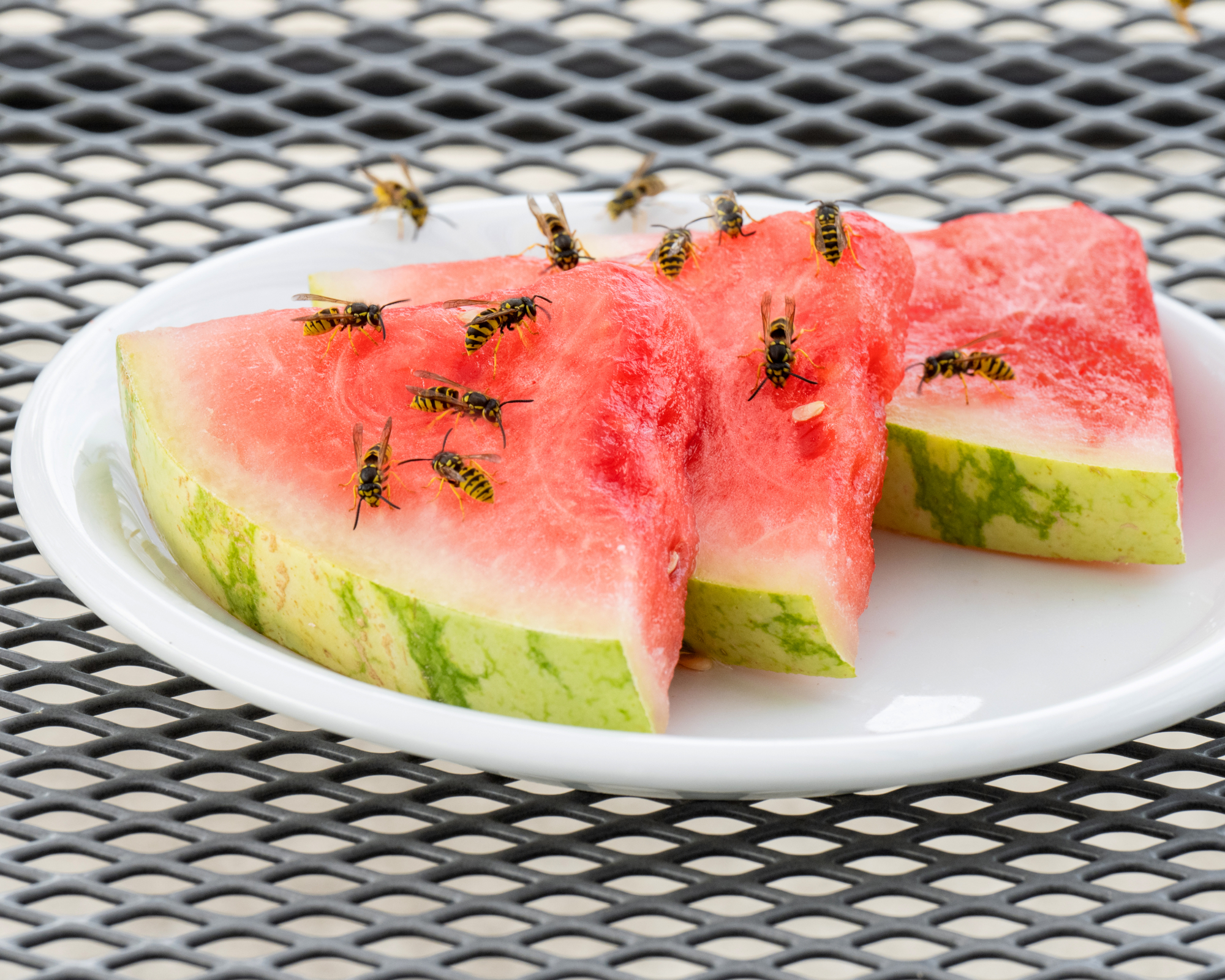
Yellowjackets don’t always just happen by. They are attracted into your yard for a variety of different reasons. By reducing or eliminating items that attract pests from your yard, you reduce your chances of having them nearby.
The things that attract yellowjackets include many different kinds of human food, especially anything with sugar in it, but also things like meat and fruit. Always clean up promptly and thoroughly after picnics and cookouts to wasp-proof your yard. This includes scrubbing down the grill and picnic table. Also, pick up and dispose of all fallen fruit since rotting fruit is full of sugars.
3. Secure garbage in bins.
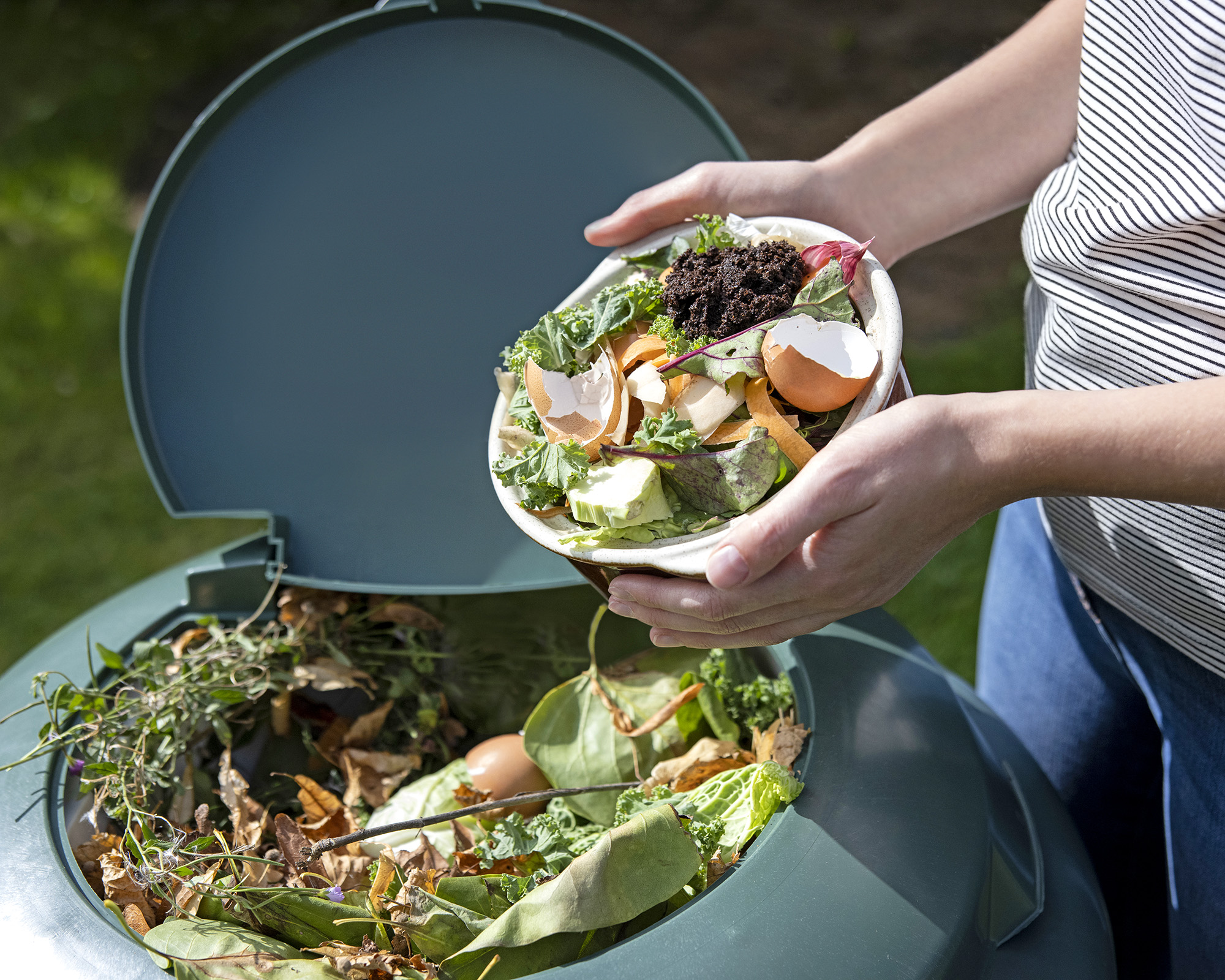
Wasps are also attracted to garbage and compost. Sacks of garbage and open compost heaps may be sufficient to lure the yellowjackets to your property. This is especially true if your family consumes sugary beverages in cans, like sodas or even beer that end up in open garbage bins.
Put these temptations in bins instead of heaps. Get garbage cans with lids that attach firmly and instruct every member of your family to be sure the lids are fully shut every time.
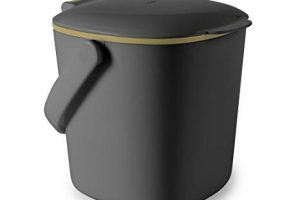
Instead of an open compost heap, get a contained compost bin like this tumbler from Home Depot and keep it closed unless you are putting things in it. Many items that end up in the compost are sugary or juicy and therefore attractive to yellowjackets.
4. Provide an alternative habitat.
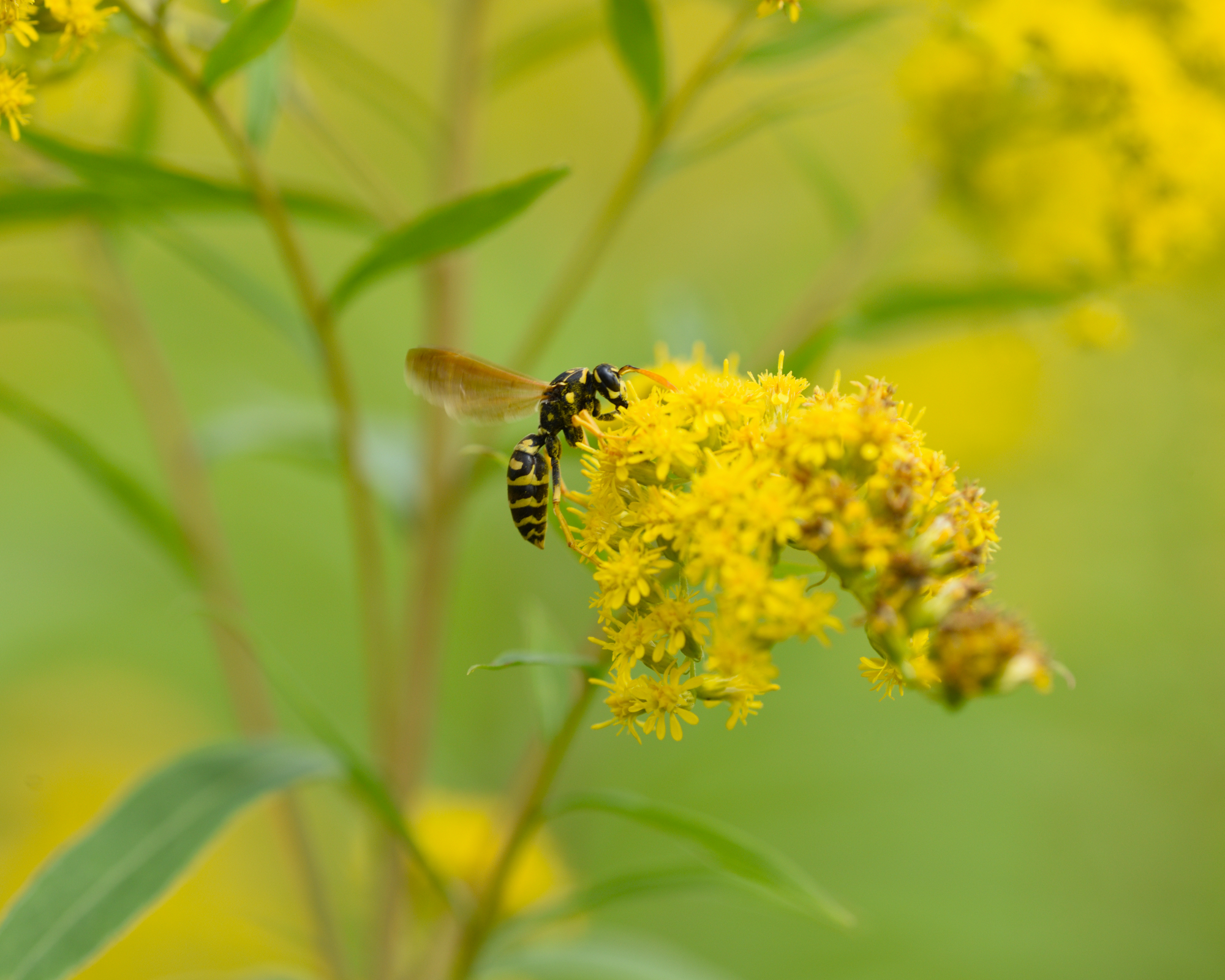
Yellowjackets sting, yes, but in many ways these wasps are beneficial insects. They eat (and get rid of) many other pests like unwanted caterpillars and aphids. Plus, they do some pollinating when they forage for nectar. If you can coexist with them, plant fall-blooming, nectar-rich perennials on the far side of your property to lure them yellowjackets from your patio.
What other flowers attract yellowjackets? Since they are especially hungry for plant nectary during late summer and autumn, pick flowers that appear in autumn. There are several fall-blooming flowers with shallow or open clusters that will appeal to yellowjackets. These include goldenrod, asters, catmint, salvia, yarrow, and sedum, which you can get from Nature Hills Nursery.