A successful outdoor space keeps blooming continuously from spring through fall, depending on the local climate. Not only does this provide you with ongoing color and visual interest, but it also feeds your local pollinators. Step outside on a warm July afternoon, and your yard likely feels like a thriving, buzzing haven. However, this midsummer abundance can hide a quiet crisis for native wildlife.
As early spring perennials fade and summer heat accelerates flower burnout, nectar availability drops. For worker bumblebees storing winter reserves, native solitary bees feeding late broods, and monarch butterflies fueling for their migration, this summer gap can seriously reduce feeding opportunities. This is why it’s crucial to make sure you have pollinator plants available for the next couple of months.
What you (and your pollinators) need are resilient bloomers that thrive in warm soil and flower continuously until frosts arrive. By growing these now, you provide an essential lifeline for visiting pollinators for weeks to come. These gorgeous plants reward your efforts with minimal ongoing care, vibrant color, and lasting visual structure. Grow these summer-to-fall nectar-rich bloomers for your bumble queens and migrating monarchs, and you’ll keep them nourished well into the fall.
Grow Pollinator Flowers in Summer
A continuously flowering yard attracts local bees, hummingbirds, and butterflies. So now is a great time to plant a few late bloomers that can service your pollinating community. If you’re planting in USDA hardiness zones 3-9, it’s all about minimizing transplant shock and establishing strong root networks quickly. Summer soil is warm, but it also dries out rapidly. Remember native late-bloomers prefer sunny spots. Give these plants 6-8 hours of direct light for maximum nectar and pollen synthesis.
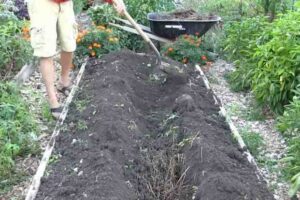
Clear away competing weeds and break up compacted earth, down to 8 inches (20 cm). Most heat-tolerant pollinator plants dislike soggy roots. Use a soil meter like the XLUX Long Stem Soil Moisture Meter Sensor from Amazon to check your soil’s existing moisture levels. Mix some organic compost, perlite or coarse sand into heavy clay soils to balance water retention with good drainage.
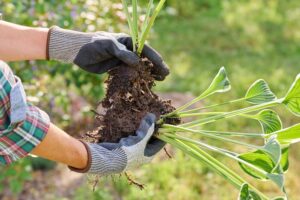
When planting container-grown starts, water the hole deeply before setting the plant in, topdress with a couple of inches of organic mulch, and water deeply every morning for the first fortnight until you see new growth. All this will prime your new plants to develop fast and last for longer, while preventing overwatering.
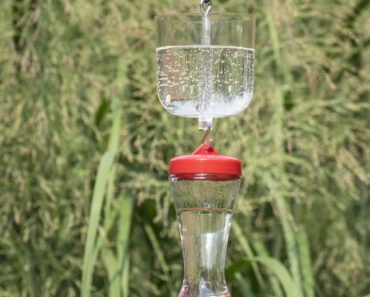
Don’t forget your foraging pollinators also need a little drink. It’s a nice idea to set up a shallow hydration station to support them. You can buy a cute ceramic puddler, like the Bee & Butterfly Drinking Flower from Uncommon Goods, which is lovely for thirsty bees, butterflies, and beneficial wasps. It gives them a safe perching spot to sip clean water as they enjoy these late-summer blooms.
1. Coneflowers
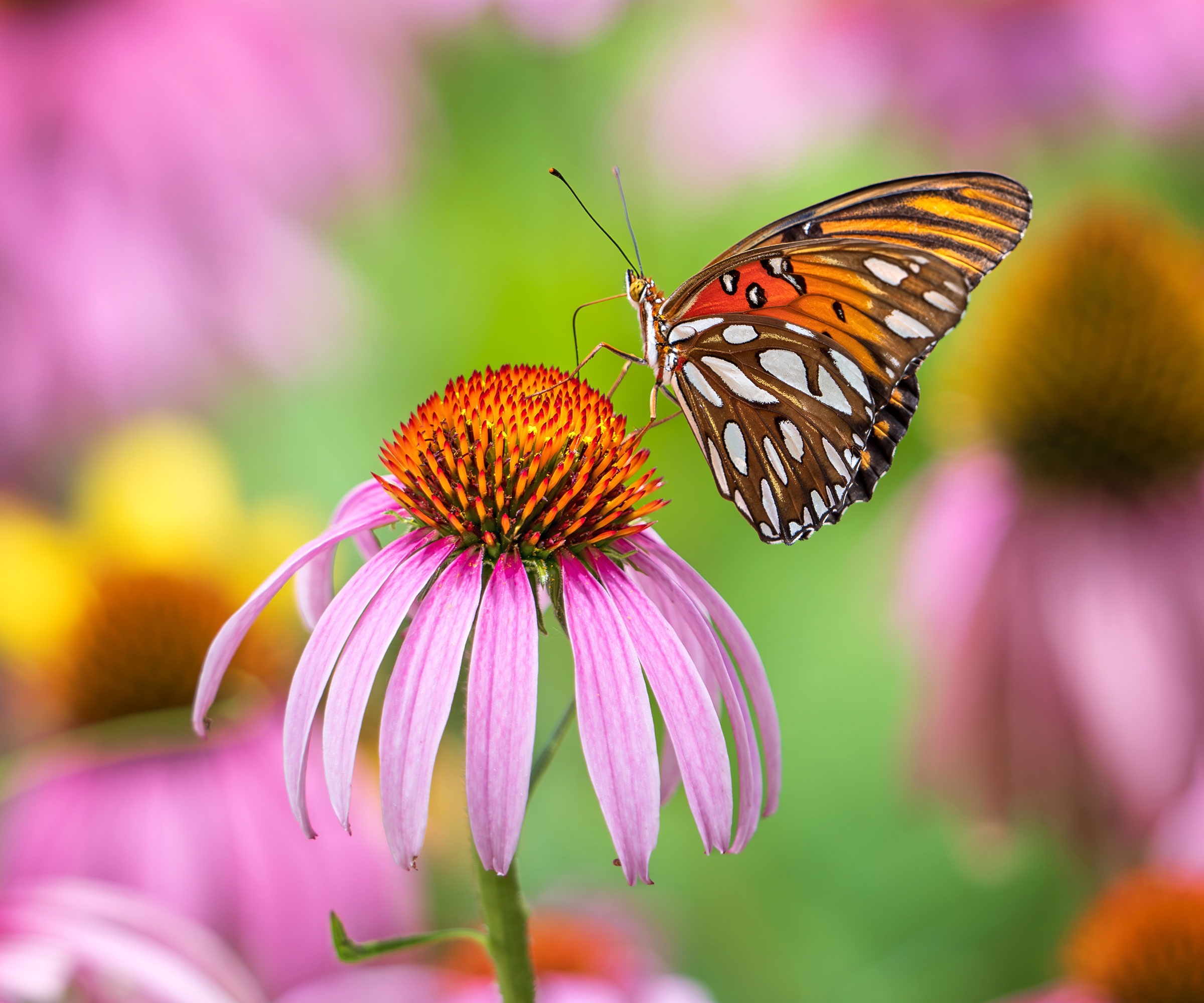
It’s hard to go wrong with the cheerful coneflower. While traditionally purple (Echinacea purpurea), newer cultivars offer a wealth of colors, which bloom from midsummer through fall in zones 3-9. Encased in brightly toned petals, each spiky, copper disk is packed with nectar. American Beauties Native Purple Coneflowers from Plant Addicts are favorites of specialist native bees. Other butterfly-friendly coneflowers include Fragrant Angel, Ruby Star and Magnus Purple Coneflowers from Nature Hills.
Plant in full sun and well-draining soil. Deadhead any spent blooms in July to spur a second flush. Leaving the dried, seed-heavy cones intact through winter will also feed hungry birds like American goldfinches. Topdress with a gentle feed, like Espoma Organic Flower-tone Blossom Booster Plant Food from Walmart in midsummer. This supplies a steady supply of potassium and phosphorus for late-season flowers.
2. Asters
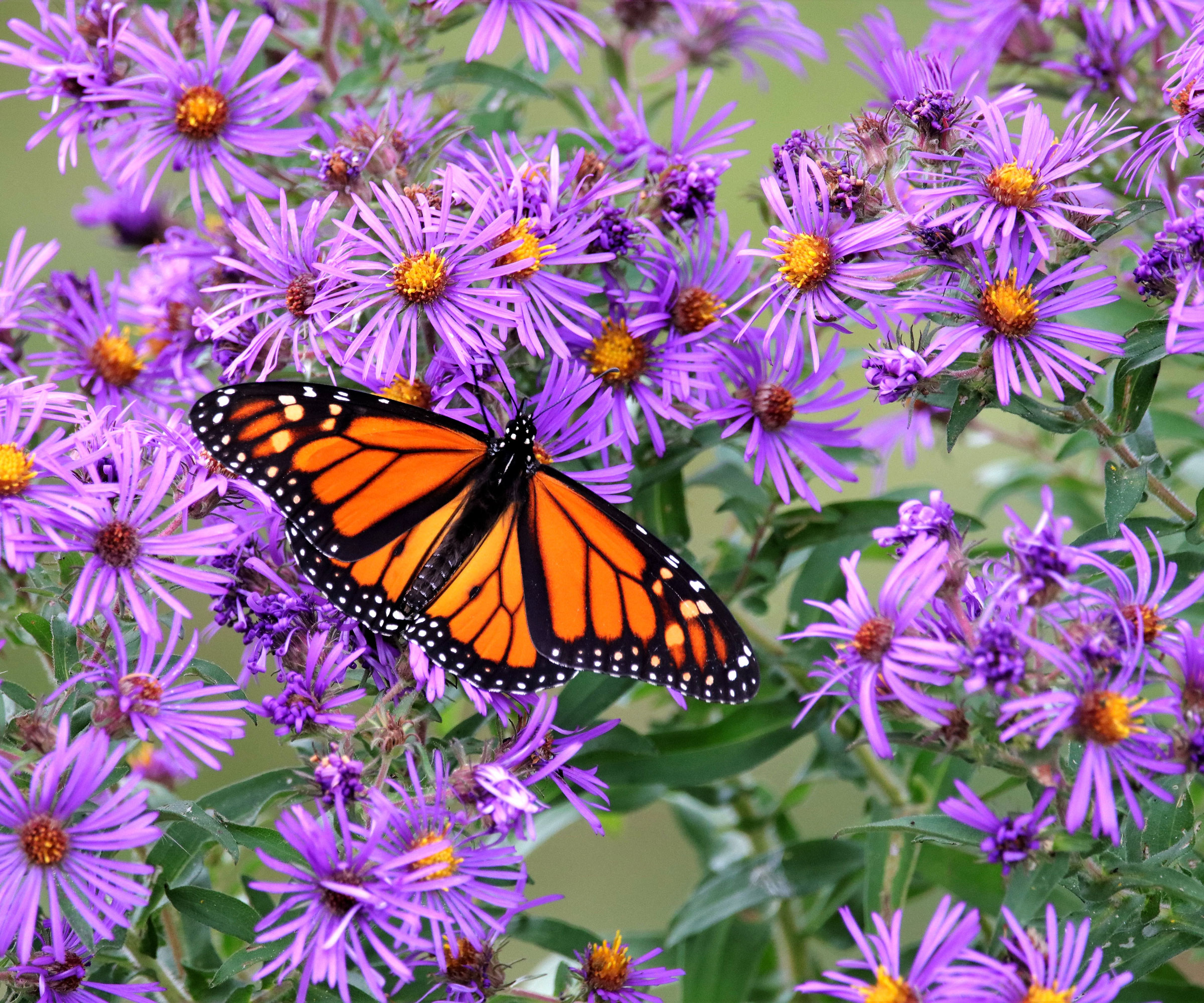
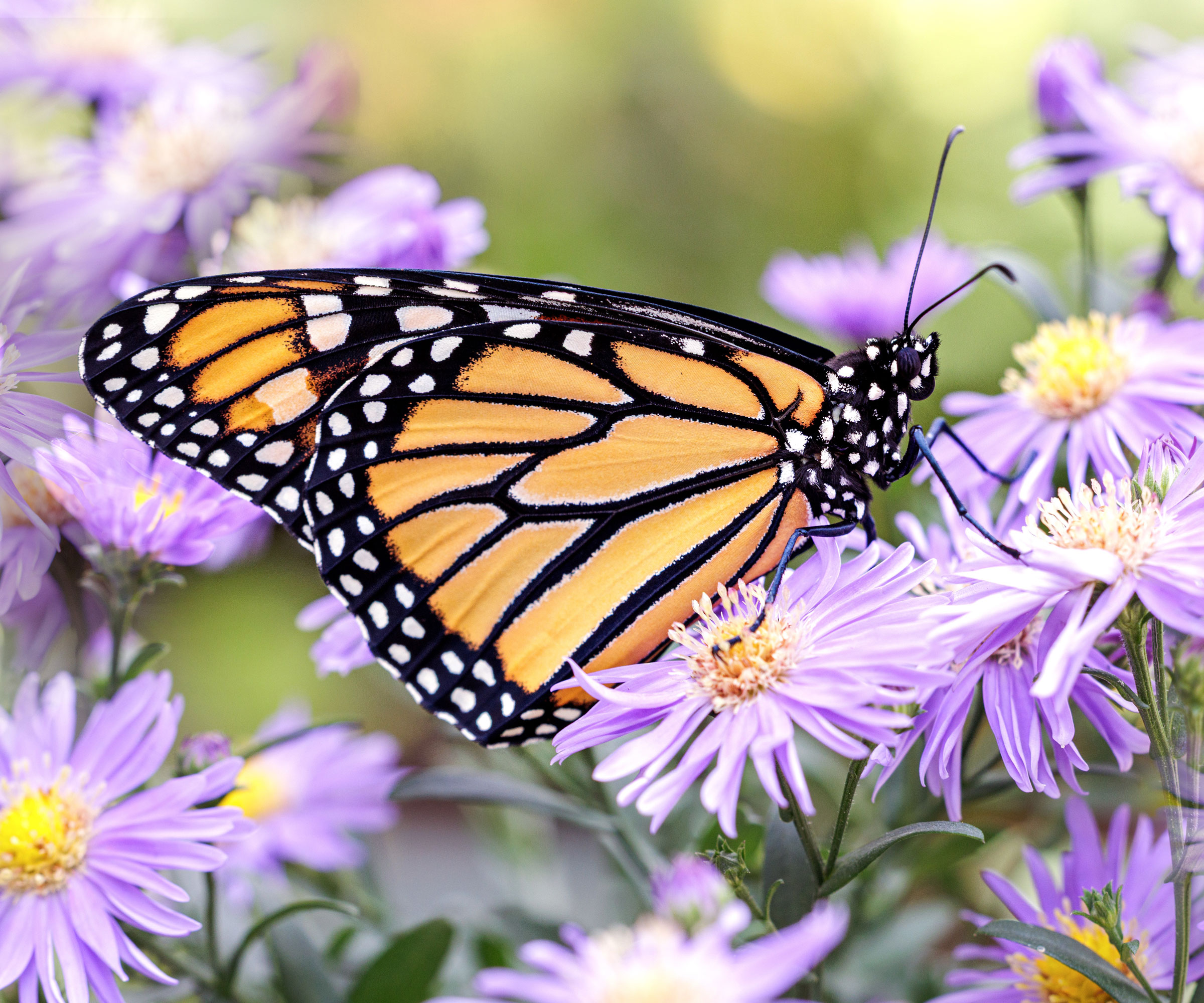
Asters are some of the most crucial late-season food sources for migrating monarch butterflies fueling up for their southward journey, as well as pre-hibernation queen bumblebees. Asters can be grown in zones 3-8, depending on the type. These colorful flowers bloom reliably in late summer, and through fall in most places. Choose native species like New England aster (Symphyotrichum novae-angliae), when possible. You can buy Hirt’s Gardens Wood’s Pink Asters from Walmart and Perennial Farm October Skies Asters from Amazon, to enjoy a long bloom timel.
New England asters provide a massive blanket of rich jewel-toned color. They develop dense clusters of purple, magenta, and deep pink flowers centered around bright yellow disks. Grow them in full sun for the most flowers. They prefer moist, well-draining soil rich in organic matter. You can add a little crab meal to the soil around your asters to boost structure. Down To Earth Organic Crab Meal 4-3-0 from Amazon can help tall aster varieties build sturdy stems to withstand heavy rain.
3. Sedums
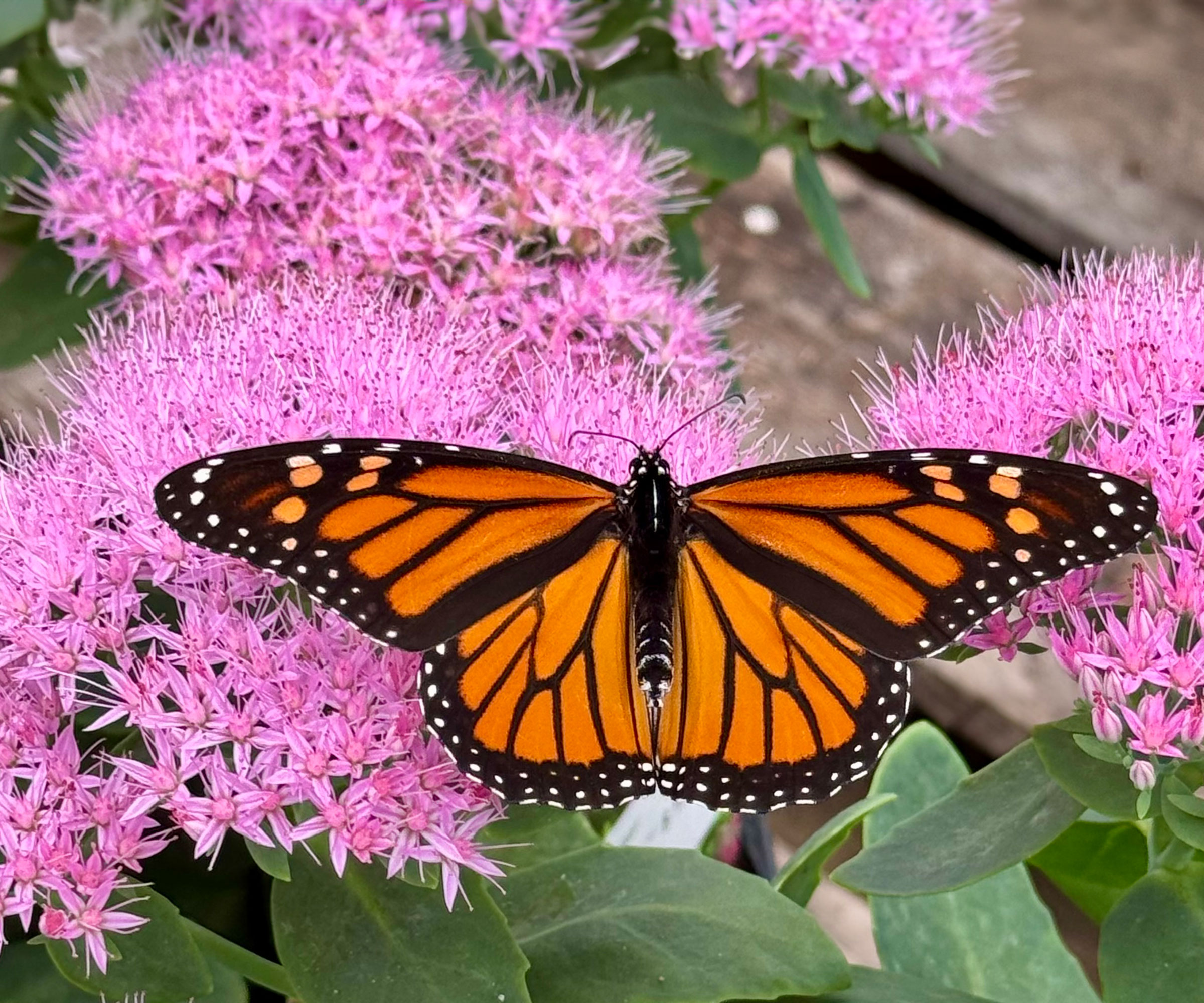
Also known as stonecrop, this is a fall favorite for the magical color transformations some varieties make. Several sedum varieties bloom with clusters of flowers that extend through fall. Some, like Hylotelephium spectabile Autumn Joy, Autumn Fire, and Brilliant, change from pale pink to deep red as the season progresses. It’s a great show for you, and a steady food supply for your pollinators. Buy Clovers Garden’s Autumn Joy Sedum from Walmart as live plants for faster developing star clusters.
These wide, flat flower landing pads make nectar accessible to short-tongued beneficial insects, honey bees, hoverflies, and painted lady butterflies. Succulent, exceptionally hardy, and practically indestructible in zones 3-9, tall border sedums are quintessential late-season foundation plants. They grow well in dry soils and full sun. If your soil is clay based, add some coarse sand or a little Hoffman Organic Cactus and Succulent Soil Mix from Walmart.
4. Joe Pye Weed
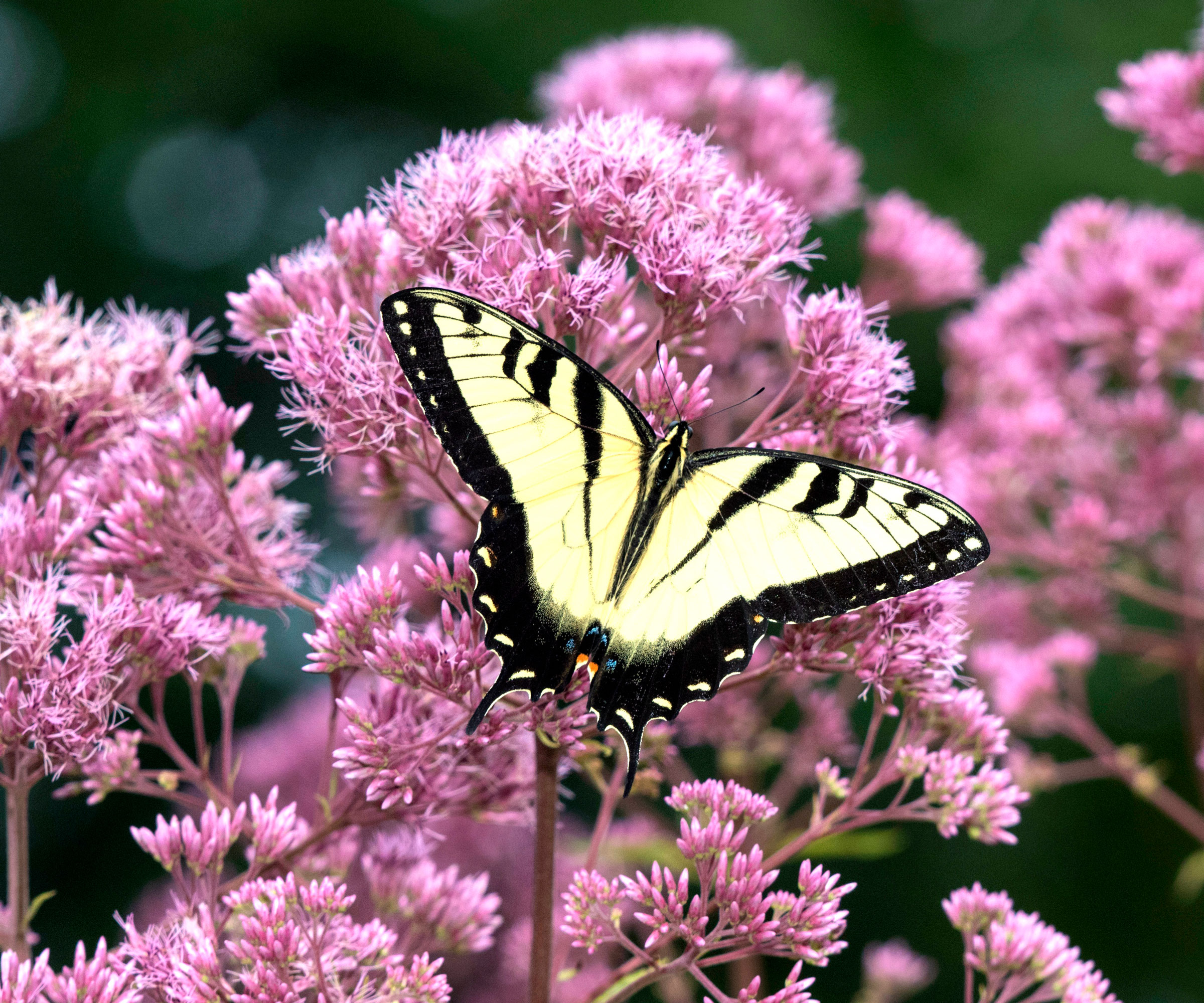
If you’re looking for a statuesque flower for your late-season pollinator garden, try this native perennial. Joe Pye weed (Eutrochium purpureum) thrives in zones 4-9 and can grow to 7 feet (2 m) tall. Its nectar-rich clusters of pink-purple flowers burst into life as many others are fading, and are irresistible to swallowtail butterflies, clearwing hummingbird moths, and native bumblebees. Buy American Beauties Little Joe from Plant Addicts for the fluffy pink landing pads that butterflies love.
Place this giant in a spot with moist, rich soil and full or partial sun. Don’t allow the soil to dry out completely in heatwaves, as drought can cause lower leaf scorching. Applying an organic liquid kelp soil drench during heat spikes delivers vital trace vitamins and minerals that protect these large-leafed perennials from drought stress and leaf scorch. Buy GS Plant Foods Organic Liquid Kelp Extract from Walmart.
5. Cosmos
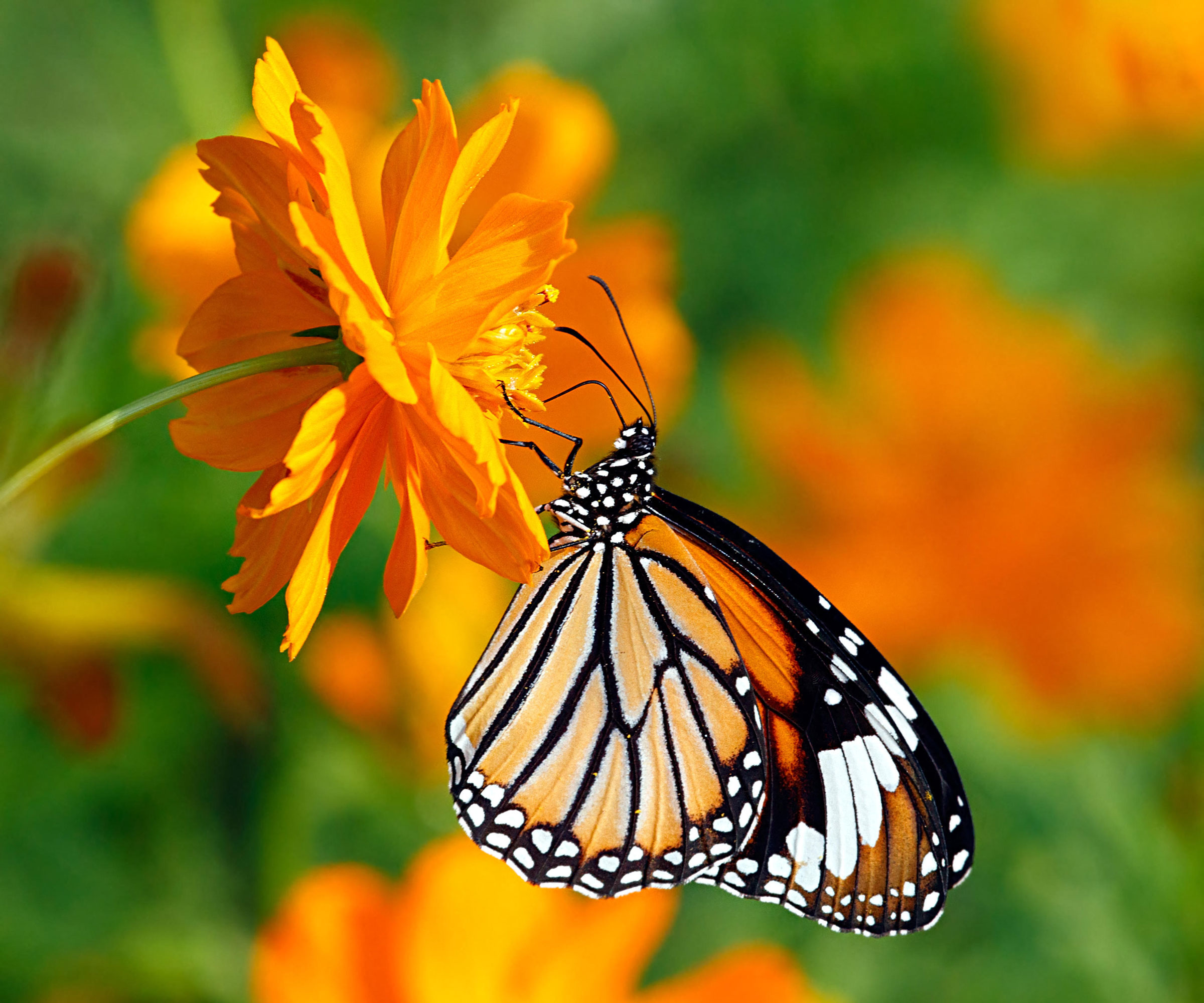
Not all late-season bloomers need to be perennials. Cosmos (C. bipinnatus) attracts plenty of bees and butterflies well into fall. This annual flowers profusely with good care. The open ray design makes nectar instantly accessible for smaller native solitary bees, hoverflies, and monarchs. Start best-selling Sensation Mix Cosmos from Eden Brothers for easy-access blooms to service pollinators at the far end of summer into fall. Nectar-rich Bright Lights and Sonata are also great options.
Cosmos are easy to start from seed. These feathery beauties develop in 7-8 weeks in full sun and well draining soil. Deadhead frequently to keep fresh blooms coming well into fall. While you shouldn’t add high-nitrogen fertilizers, you can condition the soil with a little biochar, such as Wakefield Premium Biochar Soil Conditioner from Lowe’s. This helps soil retain water and nutrients without over-saturating roots.
6. Zinnias
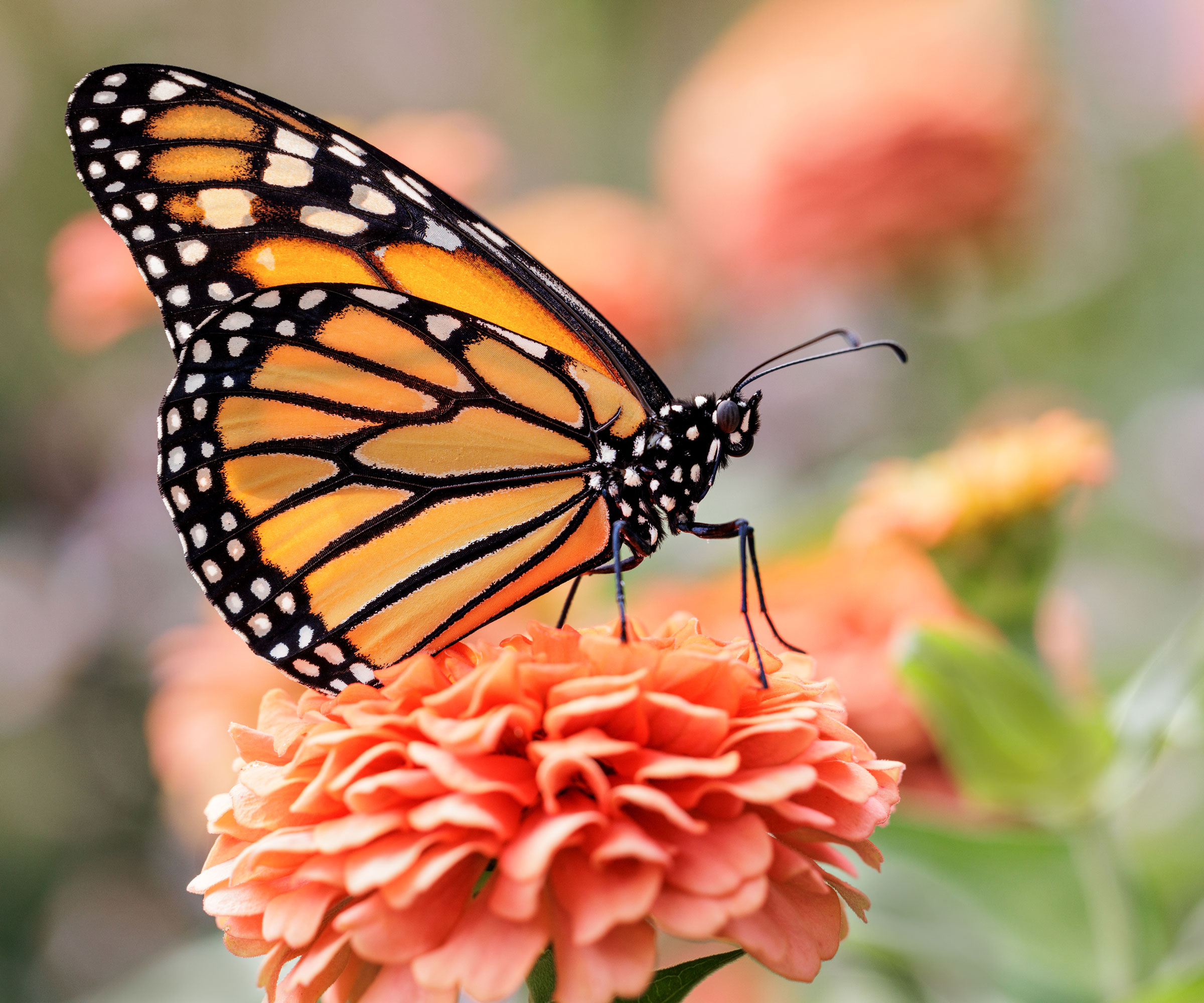
Another pollinator-friendly annual to try is the exuberant zinnia (Z. elegans). These vibrant, structural beauties are easy to grow from seed and develop quickly. Sow them in July and they’ll be blooming by September. Wide petals attract large butterflies like monarchs, swallowtails, and skippers, while the bright florets draw honey bees and bumblebees. Large-flowered varieties like Benary’s Giant and State Fair offer sturdy stems and exceptional resistance to summer heat and humidity. Buy California Giant Zinnia Mix Plants from Walmart for a combination platter pollinators will adore.
Plant in full sun and harvest regularly. The more you cut, the more buds the plant sets. Zinnias keep flowering as long as the weather cooperates. These vivacious bloomers do require good air circulation to stay clear of powdery mildew. Add a splash of Arber Organic Bio-Fungicide from Amazon to protect foliage from mildew and leaf spot without harming visiting bees or butterflies.
Shop Pollinator Blooms
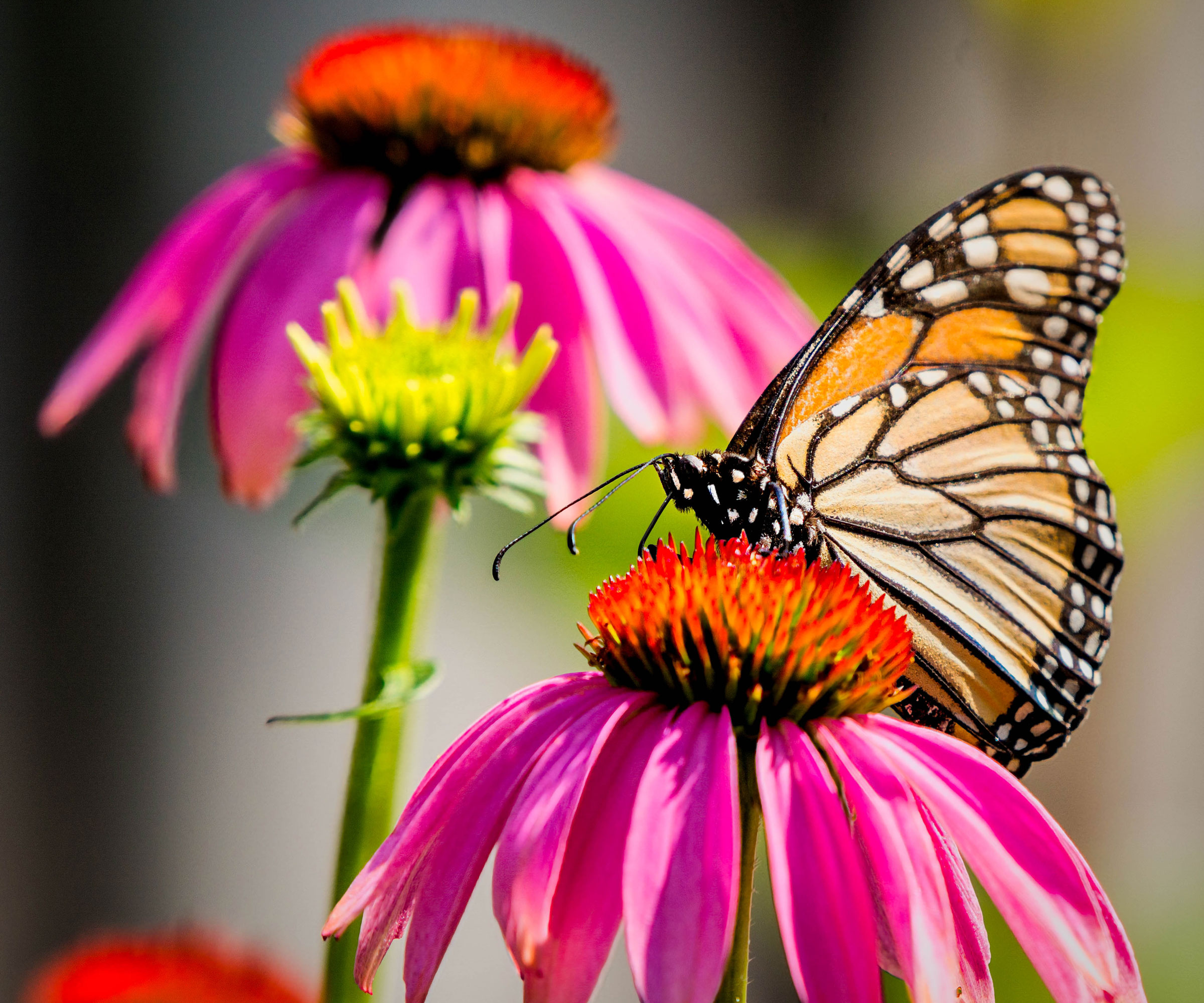
Getting your garden ready for hungry pollinators in the heat of midsummer is as easy as 1-2-3, so make some room for this trio. By selecting hardy, weather-ready bloomers and perennials designed to take warm soil in stride, you can plant today with total peace of mind. These hand-picked selections are built to settle in fast, hold their ground through late-summer heatwaves, and deliver effortless, high-impact blooms that will feed your local pollinators straight through to the first fall frosts.
Multi-Season Sensations
 Summer Zing
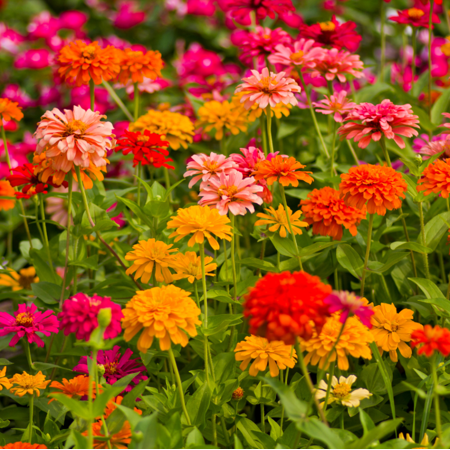
For a fast, cheerful burst of mid-to-late season color, these robust live plants deliver massive, dahlia-like flower heads on sturdy stems. They thrive in scorching heat and summer humidity, giving tired beds a vibrant second wind with a dependable, easily accessible feast for your native pollinators.
 Native Classic
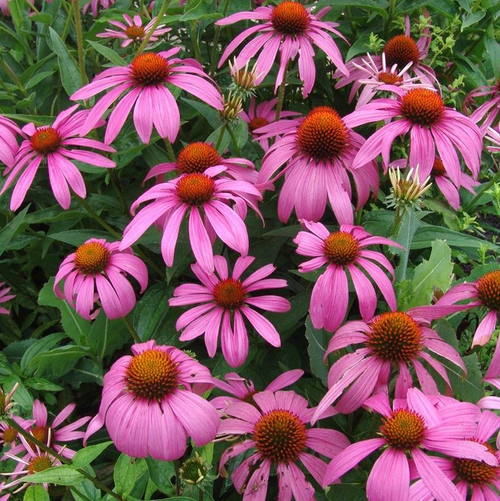
Featuring rich magenta petals fanning out from seed-packed central cones, this iconic native perennial is as tough as it is striking. It locks effortlessly into summer beds, shrugging off heat and poor soil, while offering a long-lasting sanctuary for hungry bees and butterflies through the fading days of the season.
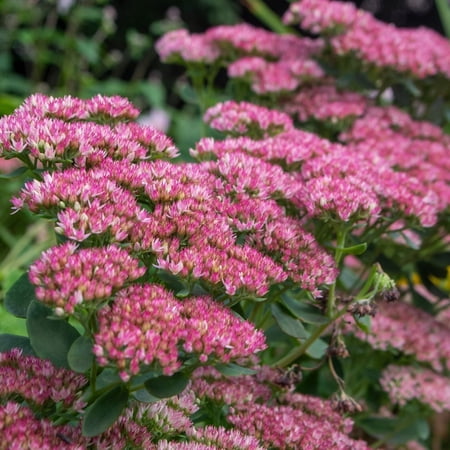 Sturdy Stars
Starting as cool, succulent greenery before shifting into clusters of dusky pink and rust-red star blossoms, this fleshy perennial is built for resilience. Unbothered by dry spells and high temperatures, it’s a crucial, late-season pitstop for busy pollinators, right up until the cold weather arrives.
Need more ideas for getting the most from your plants, indoors and out, and looking for the best seasonal expert advice delivered straight to your inbox? Sign up for the free Gardening Know How Newsletter!