Let’s be honest: gardening can get expensive, especially if you’re planting above ground. Maybe your soil isn’t good, or maybe you don’t have any soil, and you’re growing on a balcony or patio. Whatever the reason, the result is the same – you need containers to hold all that dirt, and those containers don’t necessarily come cheap.
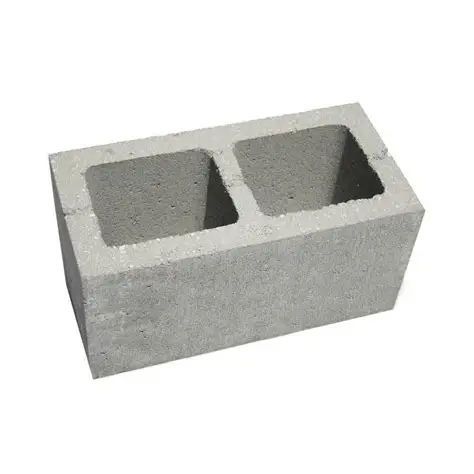
There’s one, however, that does! It’s affordable, it’s ubiquitous, and it’s famously durable. You already know what it is, because you saw the picture up above, but let’s give it a proper introduction anyway. Say hello to the humble cinder block.
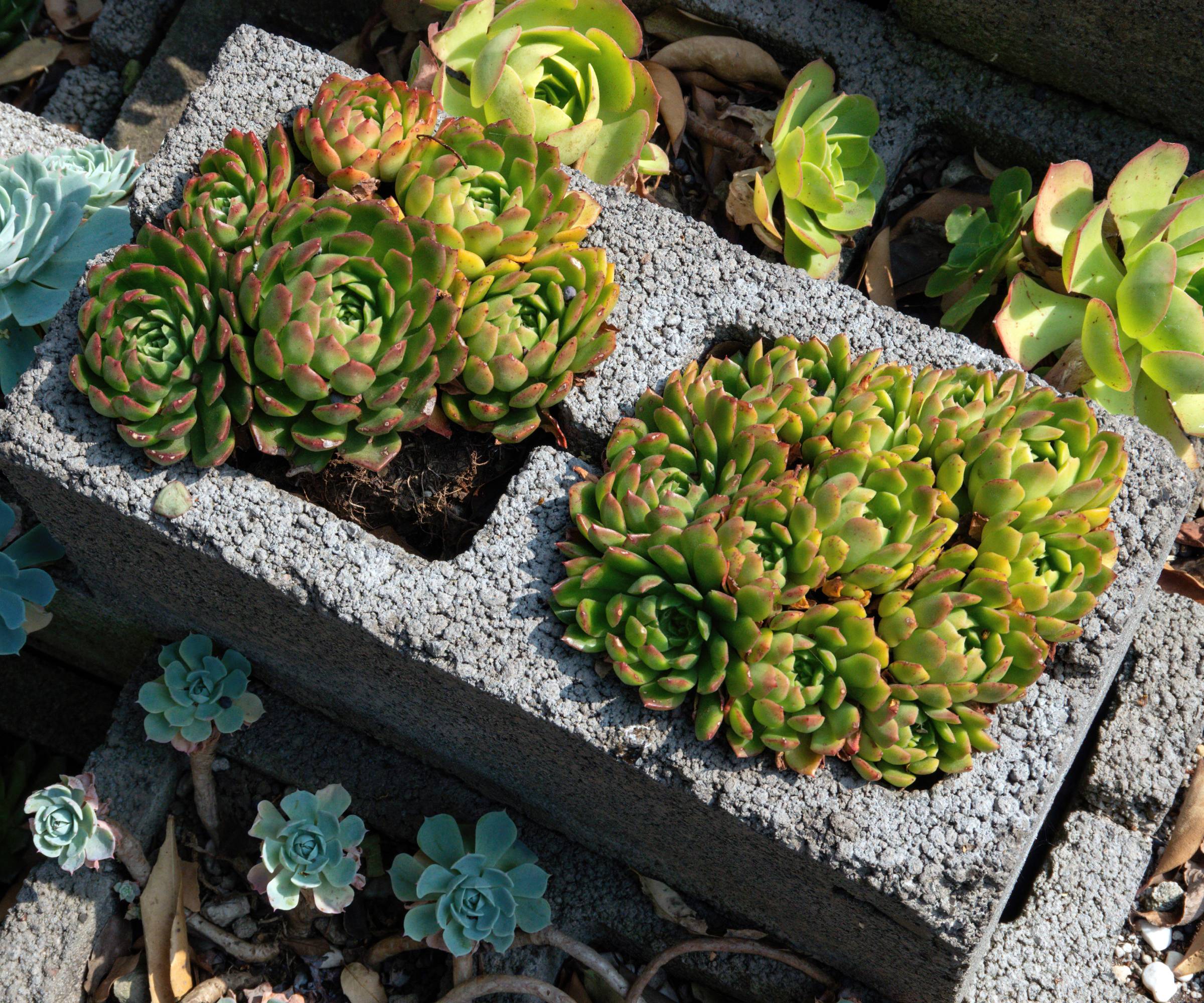
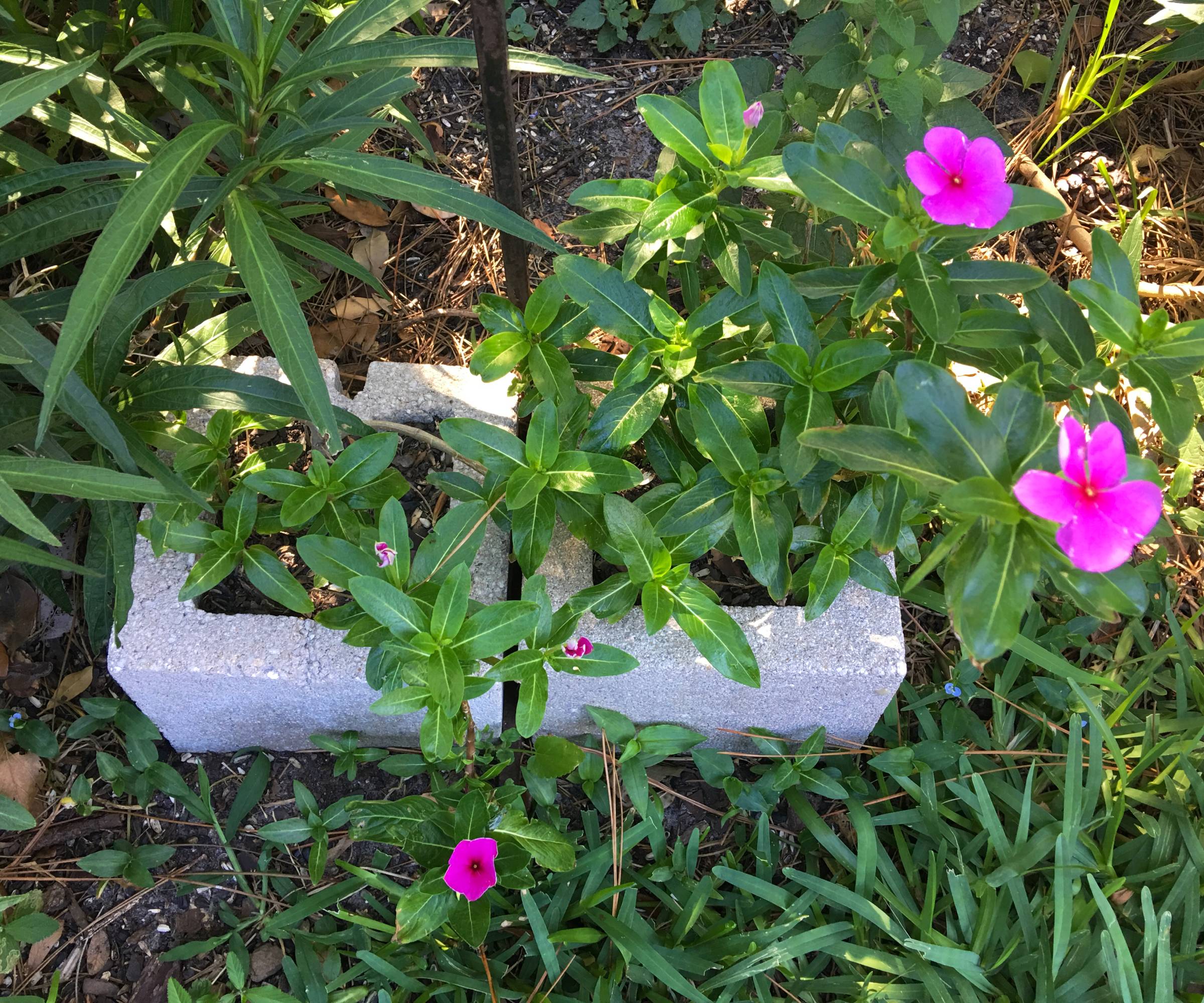
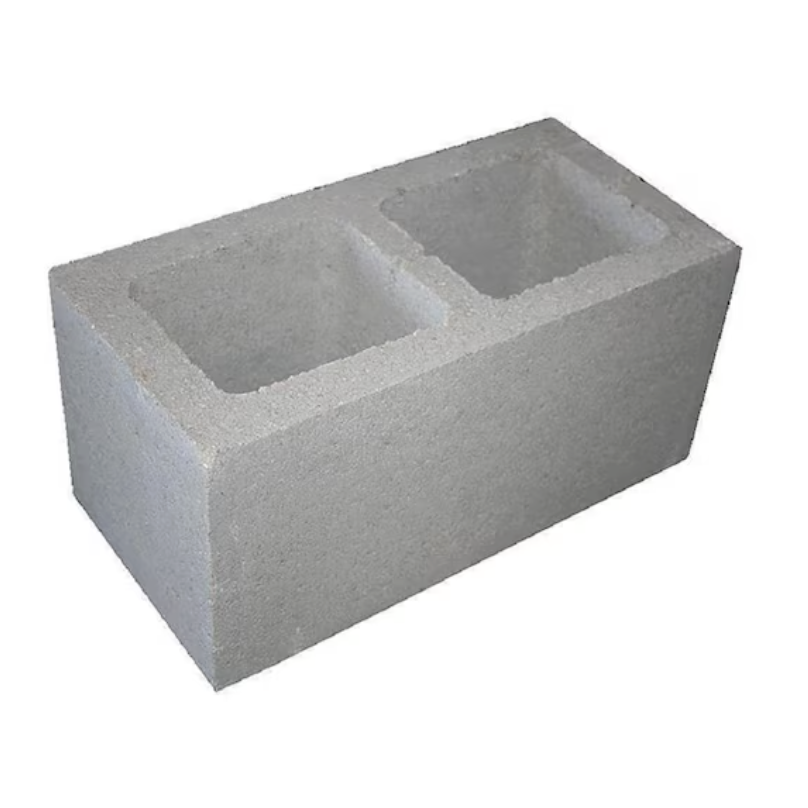
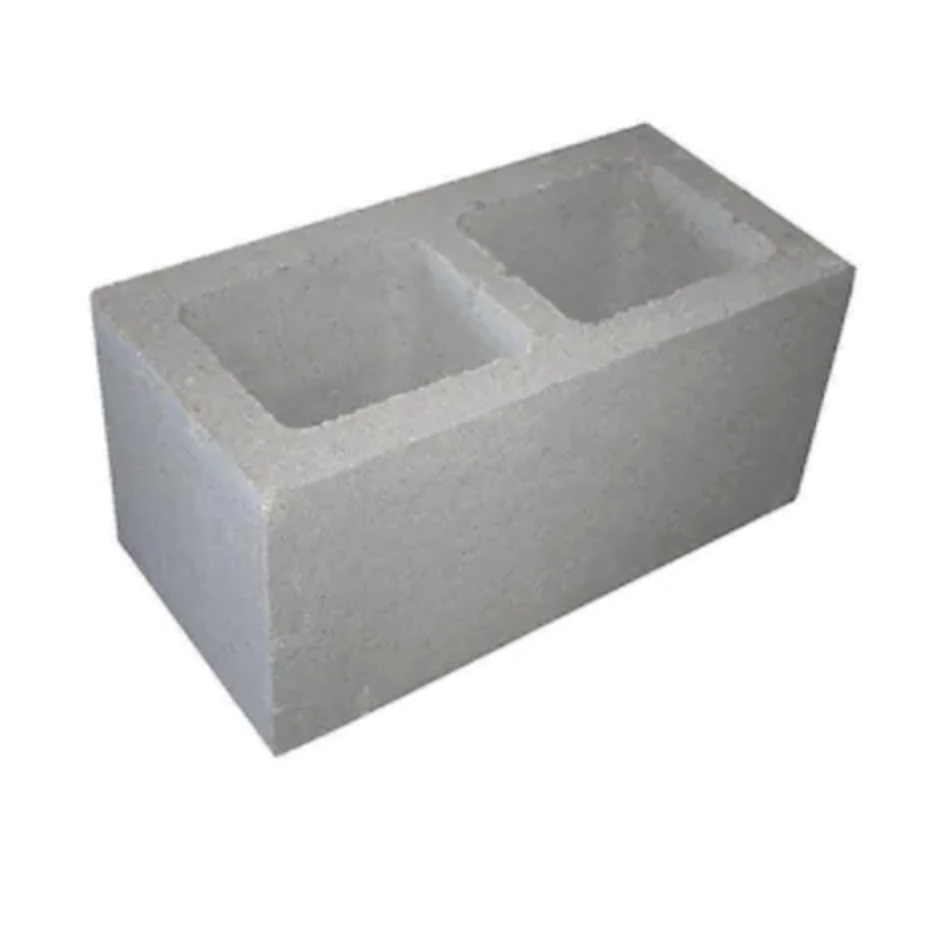
Some call then breeze blocks; some call them concrete masonry units. Everyone on the planet knows them, and they’re pretty easy to come by. But have you ever stopped to consider that they’re the ideal shape for planting in? Unlike bricks, cinder blocks have hollow centers (really, two hollow centers, one on each half). This is by design – it significantly reduces weight and material while keeping the whole thing structurally sound. Just fill those hollow centers with soil and voila! You’ve made yourself an adorable double planter.
Is It Safe to Grow Edibles in Cinder Blocks?
Let’s get this out of the way: it’s perfectly safe to grow edible plants in cinder blocks. You’ll find plenty of people who’ll tell you it’s dangerous, but this is largely due to outdated information. (I actually researched this myself years ago). Basically, cinder blocks earned their name because they used to literally be made of cinders, a byproduct of burning coal, and it’s true that you probably don’t want to eat that. But while the name’s still around, cinder blocks haven’t been commercially made this way in over half a century. (More or less since we stopped burning massive amounts of coal).
These days they’re just made of concrete, cast in the same shape. That means they’re exactly as safe as that expensive concrete planter you’re already growing your carrots in.
Where Can You Find Cinder Blocks?
Cinder blocks are like a lot of things – you see them everywhere until the time you actually need one. Then, all of a sudden, they’re scarce! Well, that might be for the best, because unless you’re getting them from a trusted source, I’d recommend buying your cinder blocks new, especially if you’re growing vegetables or herbs. That’s because while the cinder blocks themselves are food-safe, the same can’t necessarily be said of whatever they’ve come into contact with. Paint, solvent, mysterious dust… the more you think about it, the less desirable it becomes to plant your parsley in that cinder block you found lying around.
The good news is, cinder blocks are cheap. You can get them for under $3 pretty much everywhere. Amazon doesn’t seem to deal in them. (They do sell mini cinder blocks – don’t get duped!) But you can get them delivered from The Home Depot, Lowe’s and Ace Hardware.
How to Make a Cinder Block Container Garden
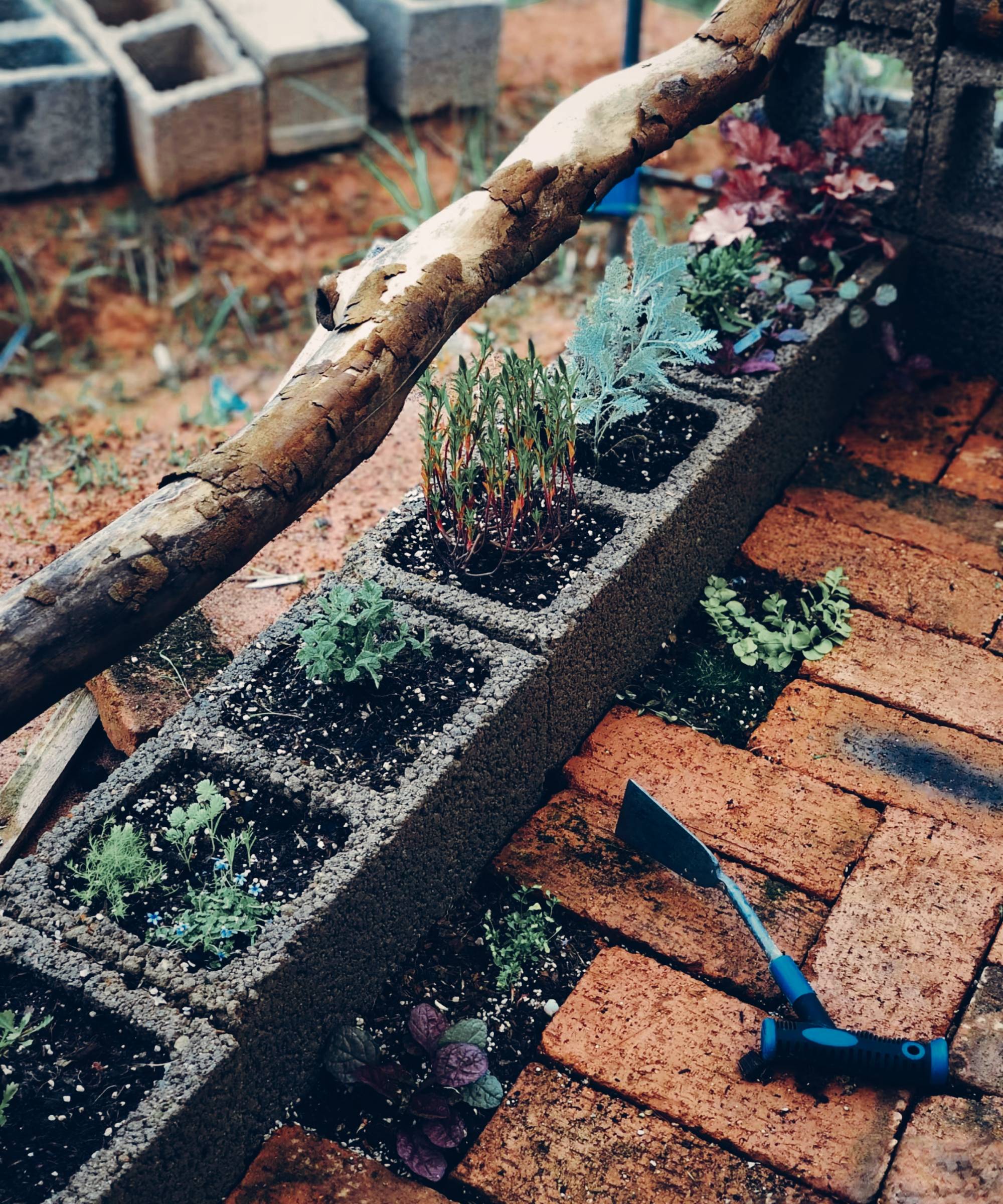
Cinder blocks are great for container gardens for a few reasons. They have a cohesive look, they’re stackable, and you can even build larger structures with them. It’s an ideal raised bed design: Outline a bed with cinder blocks, and you can plant in the holes in the walls as well as in the bed! Turn a few on their sides and stack them, and you’ve got a living wall. Or just pile a few into a short pyramid for instant structure and intrigue.
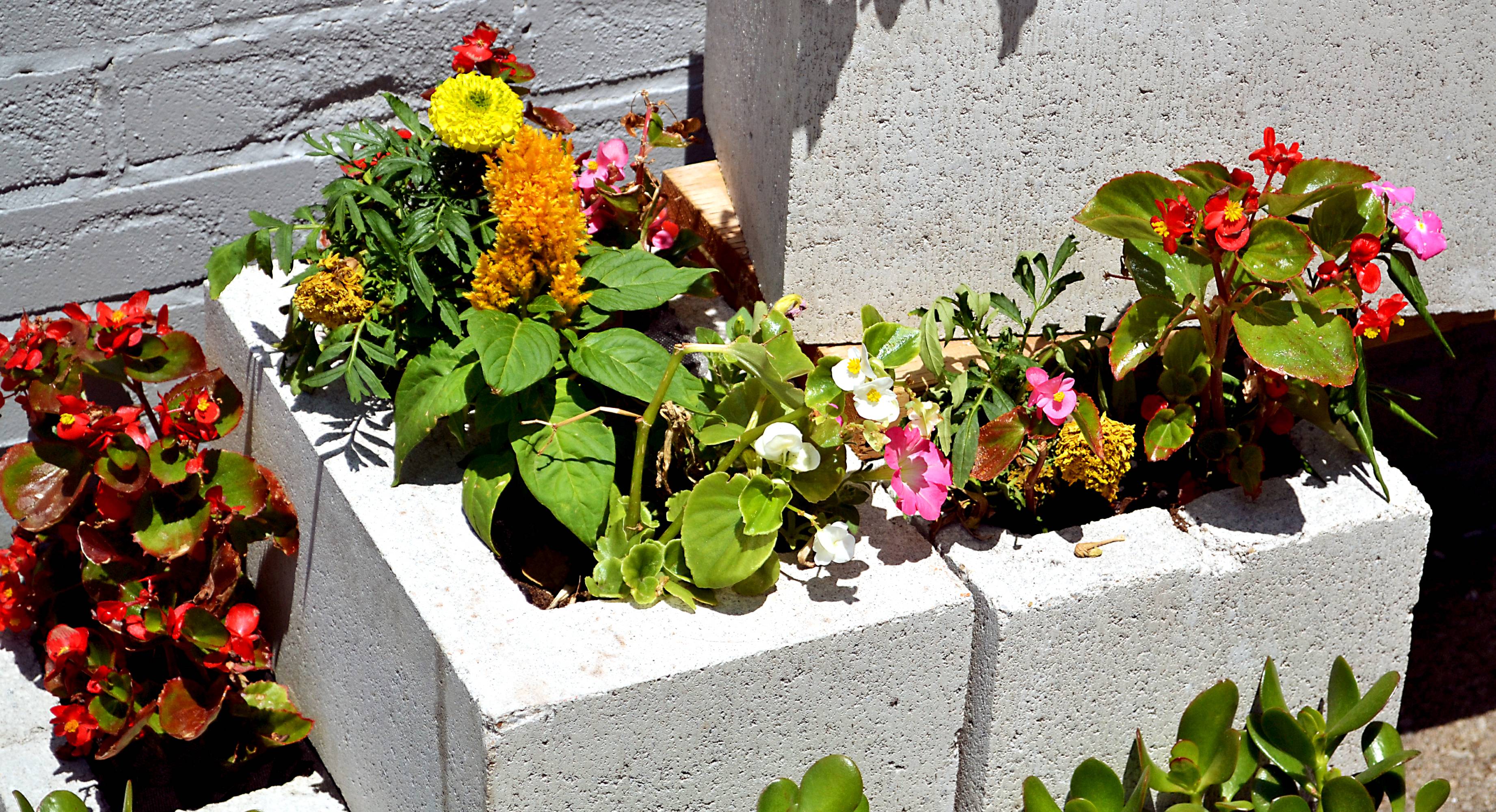
At the end of the day, what you do with your cinder block containers is limited only by your imagination. So why not get a few (you can get six for under $20) and play around with them? At this price, you can’t afford not to.