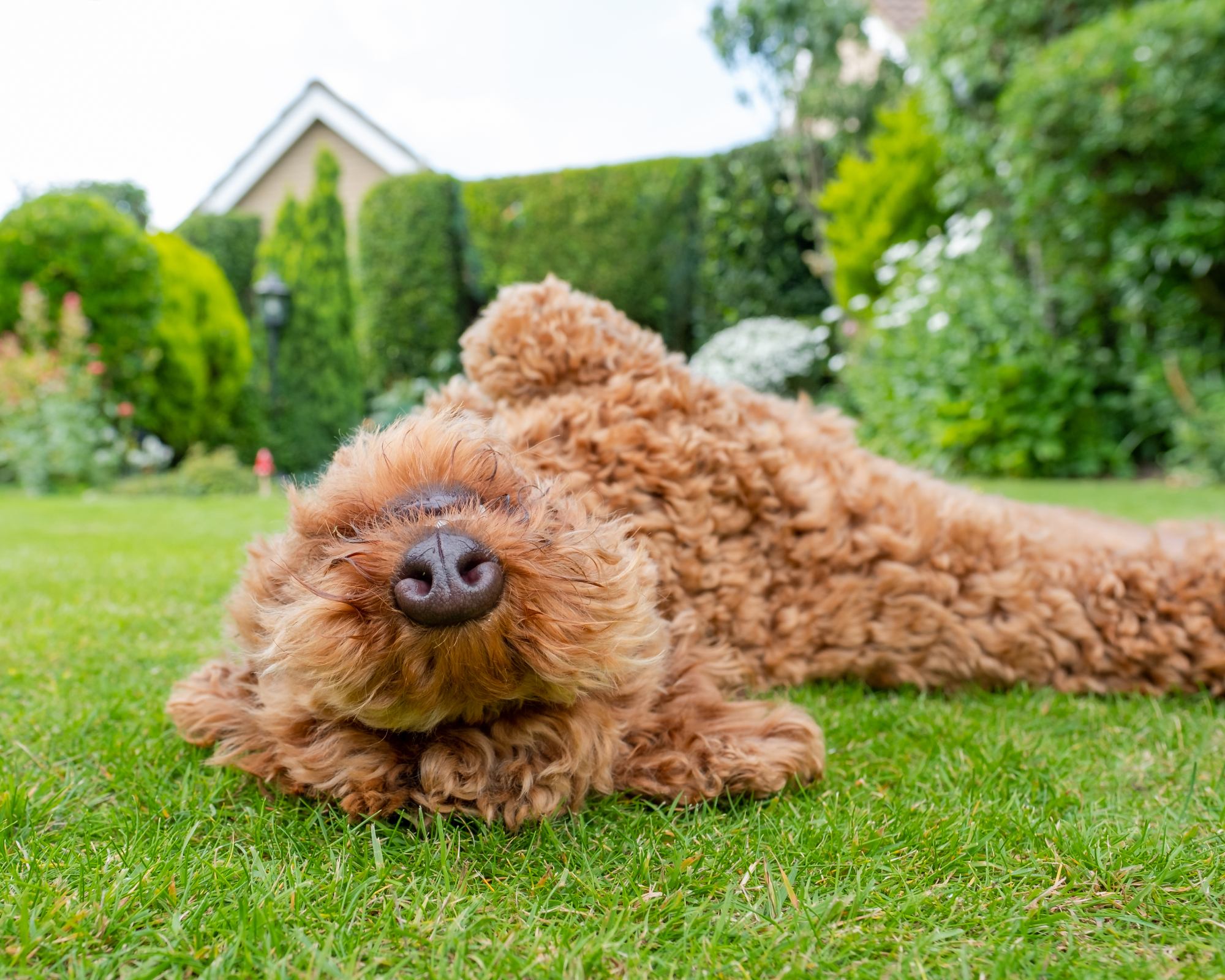
With better weather upon many parts of the US, it may feel as though your lawn is becoming a second home to your pets. It’s adorable to see your dog run around doing joyful zoomies outdoors, begging to play just one more game of fetch or paddling in a pet pool to fend off the summer heat.
But what isn’t so great is discovering that your lawn is suffering from enthusiastic digging sessions, lawn damage from dog urine, and goodness knows what else. There’s only so much strategically placing your furniture for hosting over these spots can do, especially if you have multiple dogs wreaking havoc!
If your dogs have given a bit too much love to your lawn and you’re left scratching your head over how to remedy the damage, you’re in the right place. I asked experts in lawn care and dog behavior for their top tips on both how to fix a lawn that has been damaged by dogs, as well as how to prevent damage from happening in the first place. You really can have the best of both worlds – a dog-friendly landscape your pups are still free to roam that stays looking fresh – just implement a few of these handy tricks.
Common Types of Lawn Damage From Dogs
The most common problems your lawn may be facing due to your beloved dogs are pee spots, digging damage, and paw traffic.
The salt that naturally occurs in the urine of a dog will scald your lawn, especially when paired with sunny weather. Dogs often tend to pee in the same spot while marking their territory, so over time repeatedly exposing the grass to urine will result in brown patches in your grass. These patches will eventually die and require reseeding.
A dog mid-dig is having the time of their life, but their owner watching on as their lawn is covered in holes won’t be feeling quite as happy. This can be particularly frustrating if you just managed to get your lawn how you like it and now its progress has become undone.
In the trio of problems here, paw traffic is a less considered factor when it comes to lawn damage, but it can have more of an impact on your grass than you may first think.
Dogs repeatedly running on a lawn will compact the soil underneath their feet, potentially stunting the growth of grass blades. This can lead to thinning grass that struggles to absorb water as easily and, over time, patches of grass in your yard may look fuller than others.
How to Fix & Prevent Pee Spots
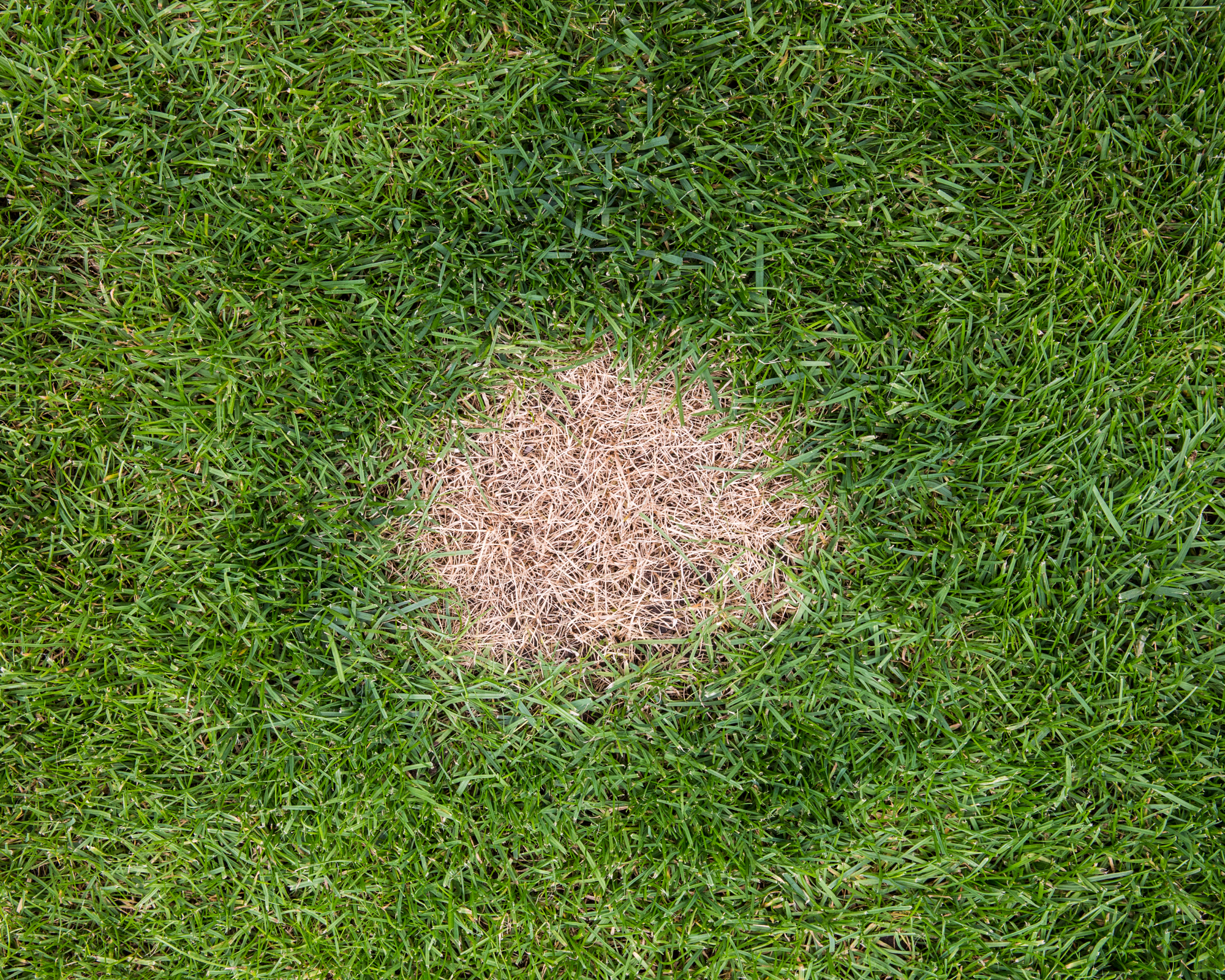
If your lawn has brown pee scald patches due to dog urine, the best thing to do is to treat the area before trying any preventative measures. The easiest way to do this is to plant new grass seed and/or apply a lawn regrowth product, such as this pet patch repair treatment from Walmart, to anywhere that has been impacted.
Allison Koenig, a lawn and garden expert at Tractor Supply, explains, “For existing damage, the best solution is to reseed or overseed the affected areas, which can help regenerate the grass.
“Using lawn repair products specifically formulated for pet urine damage can also be helpful, because they are often made with a mix of grass seed and soil conditioners to promote healthy regrowth. But always consult with your veterinarian if you have any concerns before you use them in your lawn.”
In terms of preventative measures Ali Smith, a dog trainer and behavior consultant at Rebarkable has a great trick. Don’t aim to stop your dogs from peeing on the lawn, aim to make the pee unable to scald the grass.
She explains, “The urea in the pee scalds the grass, so if you use a sprinkler (or a watering can!) directly after your dog has gone to the toilet it will help dilute the pee.”
How to Fix & Prevent Digging Damage
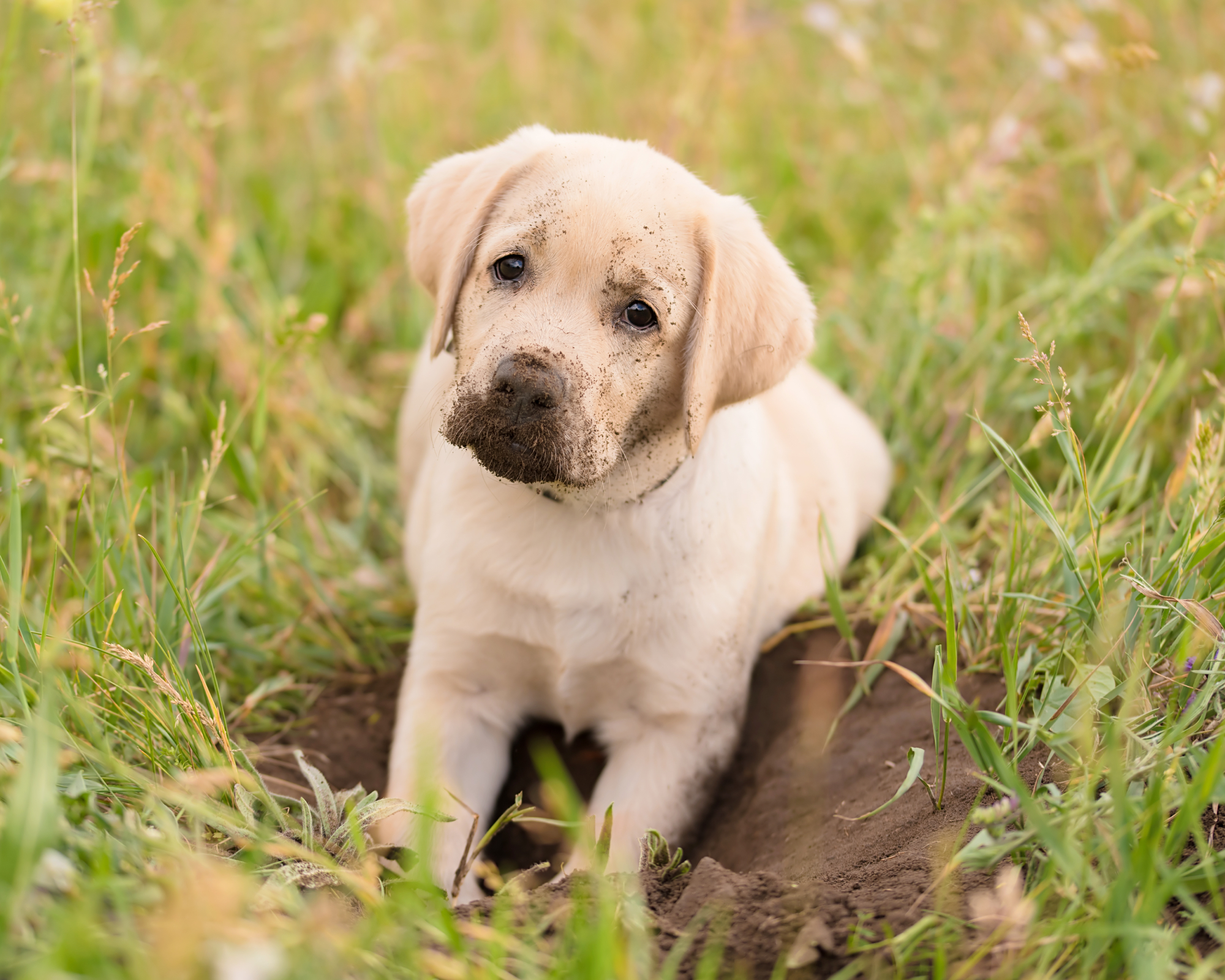
If your dogs have dug up the lawn, begin by filling in any holes in your yard from pets with soil and reseeding the area. But if it’s a problem that keeps reoccurring, it’s important to consider why your dogs might be digging so much in the first place.
Allison explains, “It’s important to address the root causes of why your dogs may be digging so much, like boredom or excess energy. Make sure your dogs gets plenty of exercise, playtime, and mental stimulation to reduce the urge to dig.
“If they are still digging, you can designate a specific digging area with toys or treats that can help redirect their behavior away from your entire lawn. If your dogs dig for attention, reinforce positive behavior by rewarding them when they’re not digging.”
If this doesn’t seem to be doing the trick, Allison also recommends turning to natural forms of deterrent such as diluted vinegar or citrus peels to keep your dogs away from damage-prone areas of the yard.
How to Fix & Prevent Paw Traffic
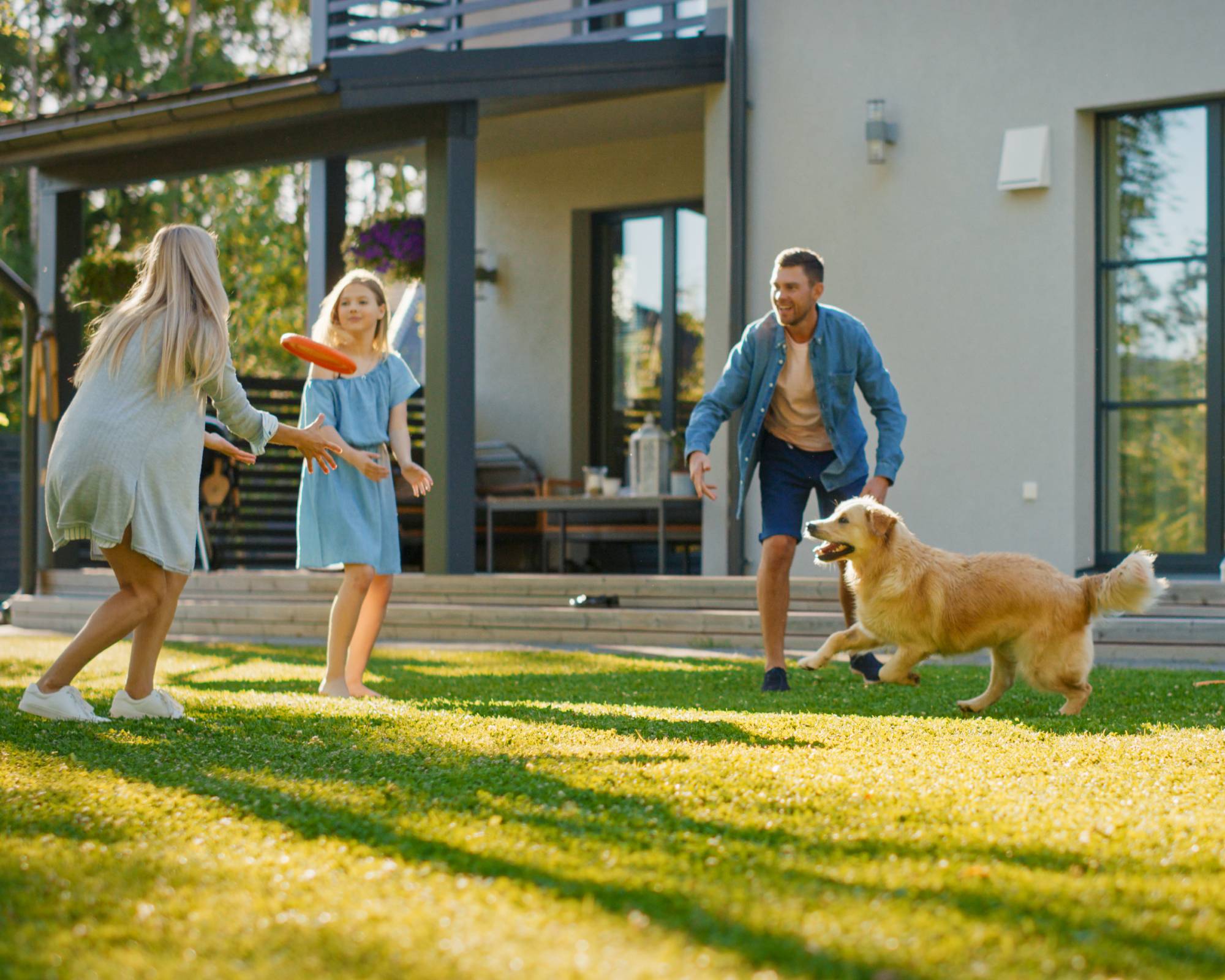
Craig Elworthy, founder of Lawnbright, explained to me that “constant paw traffic can lead to worn-out paths and compaction, creating bare patches over time.”
Bare patches or tracks are best being reseeded so new growth can fill them in. But if your lawn has become compacted, using a lawn aerator, like this one from Amazon, is a great way to let it breathe again. It works by loosening up the soil, enabling water to better penetrate into the ground and reach the roots of your grass.
Regularly aerating your lawn going forward will help to prevent major compaction from developing in the future. Putting barriers such as a pet-friendly fence or garden furniture in the way of areas that you don’t want to gain additional wear and tear is a good move, too.
If you have a local park that allows dogs, opting to take your dog there a couple of times a week to give your lawn a break from paw traffic can help a lot as well.
Shop Pet-Friendly Lawn Care Products
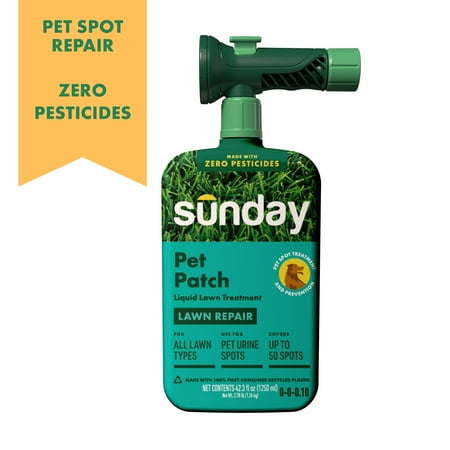
Reverse dog damage to your yard with this ready-to-use repair spray. It can treat up to 50 spots in your lawn.
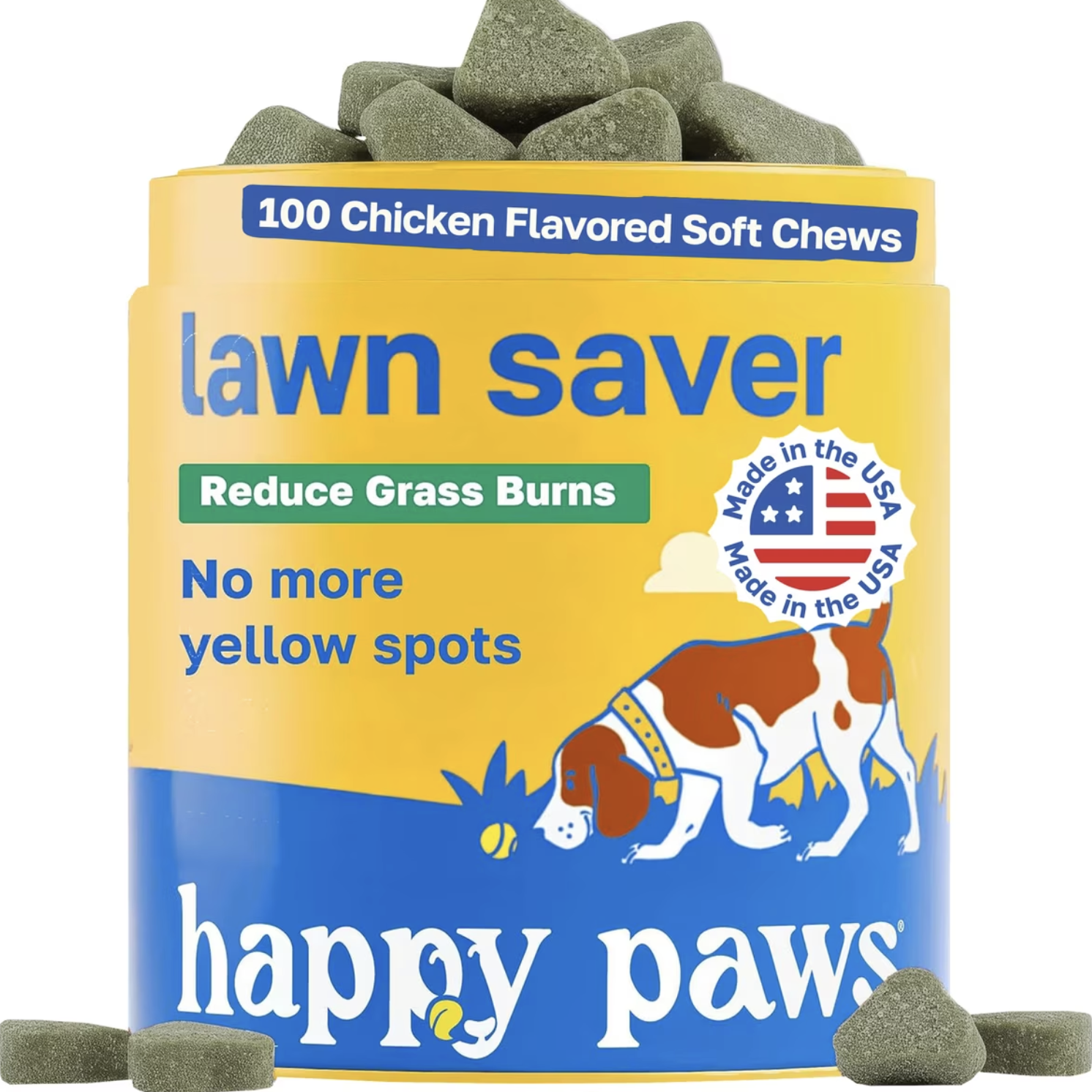
These tasty treats for your pup prevent pee spots before they ever happen. It naturally makes your dog’s urine less acidic and prone to marking your grass.
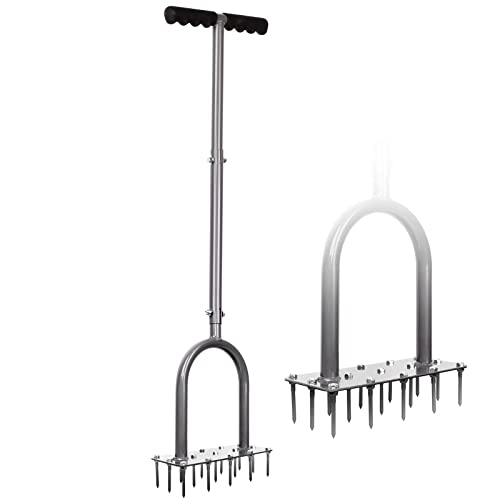
Fix compacted soil from pets (and people) running around your yard with this simple, yet effective lawn aerator.