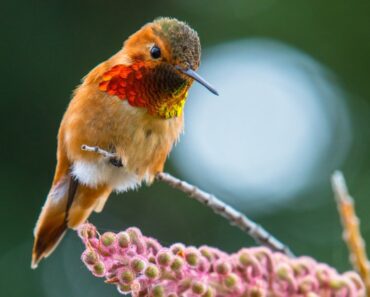
If you’re an avid birdwatcher like yours truly, the phrase ‘hummingbird migration map’ likely gives you an undeniable thrill.
I have to admit, I rather like the idea that my backyard could be part of a hummingbird‘s epic road trip. Not that I’d necessarily know it was happening, of course; a tiny blur appears beside a flower, hovers for a few seconds, and disappears off again on the Great Hummingbird Migration before most of us have even had time to grab our phone (let alone figure out if it was our birth month hummingbird).
But where does it go next? And, perhaps more importantly, is your backyard somewhere along the route? Time to grab yourself a nifty
Shop Hummingbird Essentials:

Equipped with a solar panel, this feeder offers 24/7 hummingbird-watching fun.

Keep your feeders topped up with this safe and nourishing nectar powder.
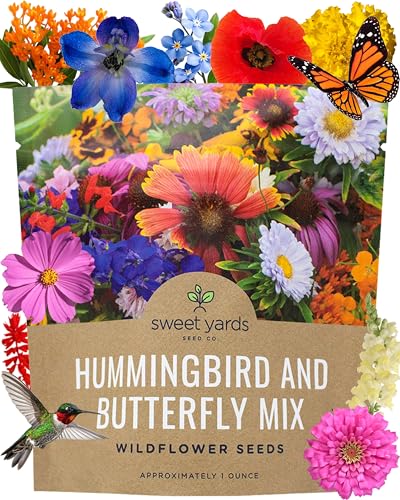
If you fancy a more natural approach, try planting 23 species of wildflowers for hummingbirds to enjoy.
The Hummingbird Migration Map
Those questions right there? They’re exactly what Birdfy’s new interactive Hummingbird Migration Map is helping people find out. The map brings together hummingbird sightings from across the US, creating a fascinating picture of where these tiny birds are appearing as they make their seasonal journeys.
It’s a surprisingly addictive thing to look at. Instead of thinking about migration as something that happens far away, somewhere between one mysterious point on a map and another, you can see individual sightings appearing across the country. One backyard becomes another stop, then another, gradually building a picture of the journey.
And considering some hummingbirds can travel thousands of miles between their breeding and wintering grounds, those little dots suddenly seem rather more impressive (although they’ll definitely make you want to invest in a reliable hummingbird feeder, and perfect your DIY nectar recipe).
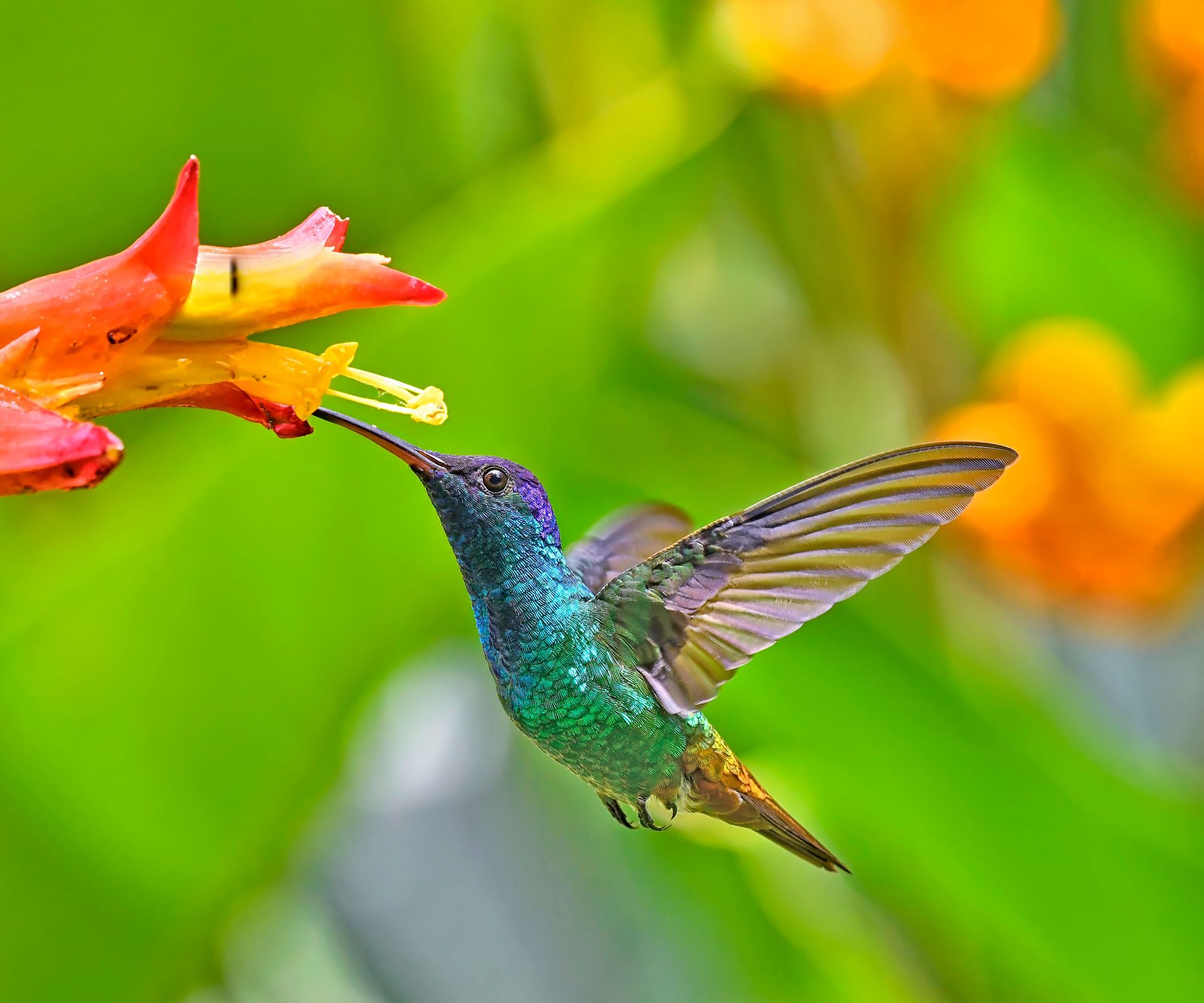
Rather than simply telling you that hummingbirds are migrating, the Hummingbird Migration Map lets you see the journey unfolding geographically. You can look at where birds are being spotted, when they’re appearing and how their movements change as the season progresses.
So, is YOUR backyard a buzzing hummingbird hangout? Well, Birdfy’s map uses information contributed by its feeder community, including where and when hummingbirds are appearing. That means the picture is being built from individual observations – essentially turning thousands of ordinary backyards into tiny windows onto migration.
You might discover that hummingbirds are regularly passing through your area, or you might find that you’re sitting just outside a particularly active stretch of the migration route (boo, hiss). Either way, it makes the humble garden feeder feel a little more exciting.
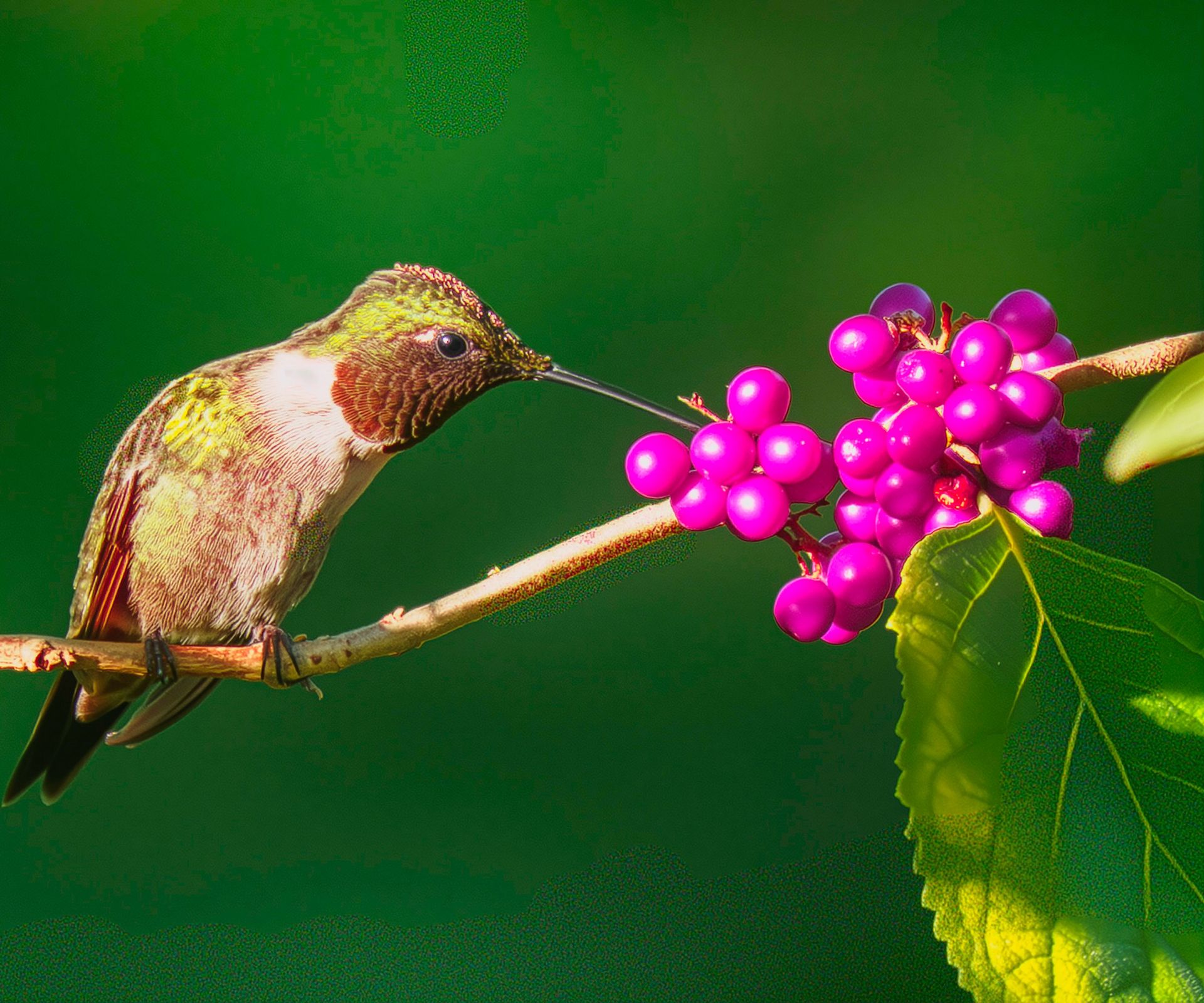
It’s also a good reason to try planting this non-invasive honeysuckle that hummingbirds love, or any flowers that provide nectar, safe places to shelter and a clean feeder can all make your garden more useful to passing birds. And don’t assume you need to take the feeder down the moment summer ends.
Migration timing varies, but Birdfy notes that leaving feeders available can help late migrants refuel as they continue their journey. After all, if you were several hundred miles into a road trip, you’d probably appreciate finding an open café, too.
Check the Hummingbird Migration Map, then, and keep an eye on your feeder. You might just find that your backyard is one of thousands of little stopovers scattered along a much bigger route… and if it is? Well, perhaps that tiny visitor deserves a little more credit the next time it drops in for a snack.